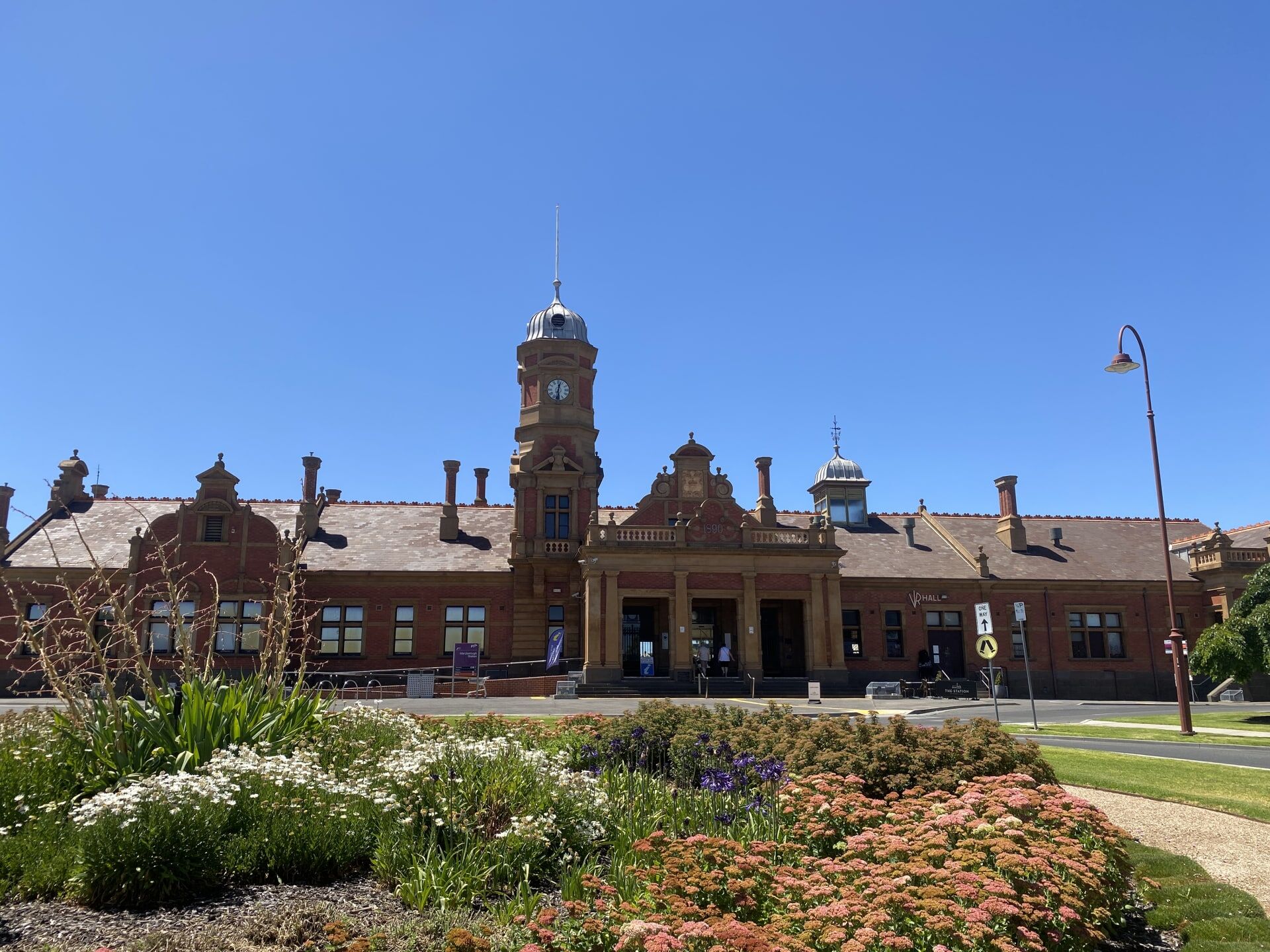
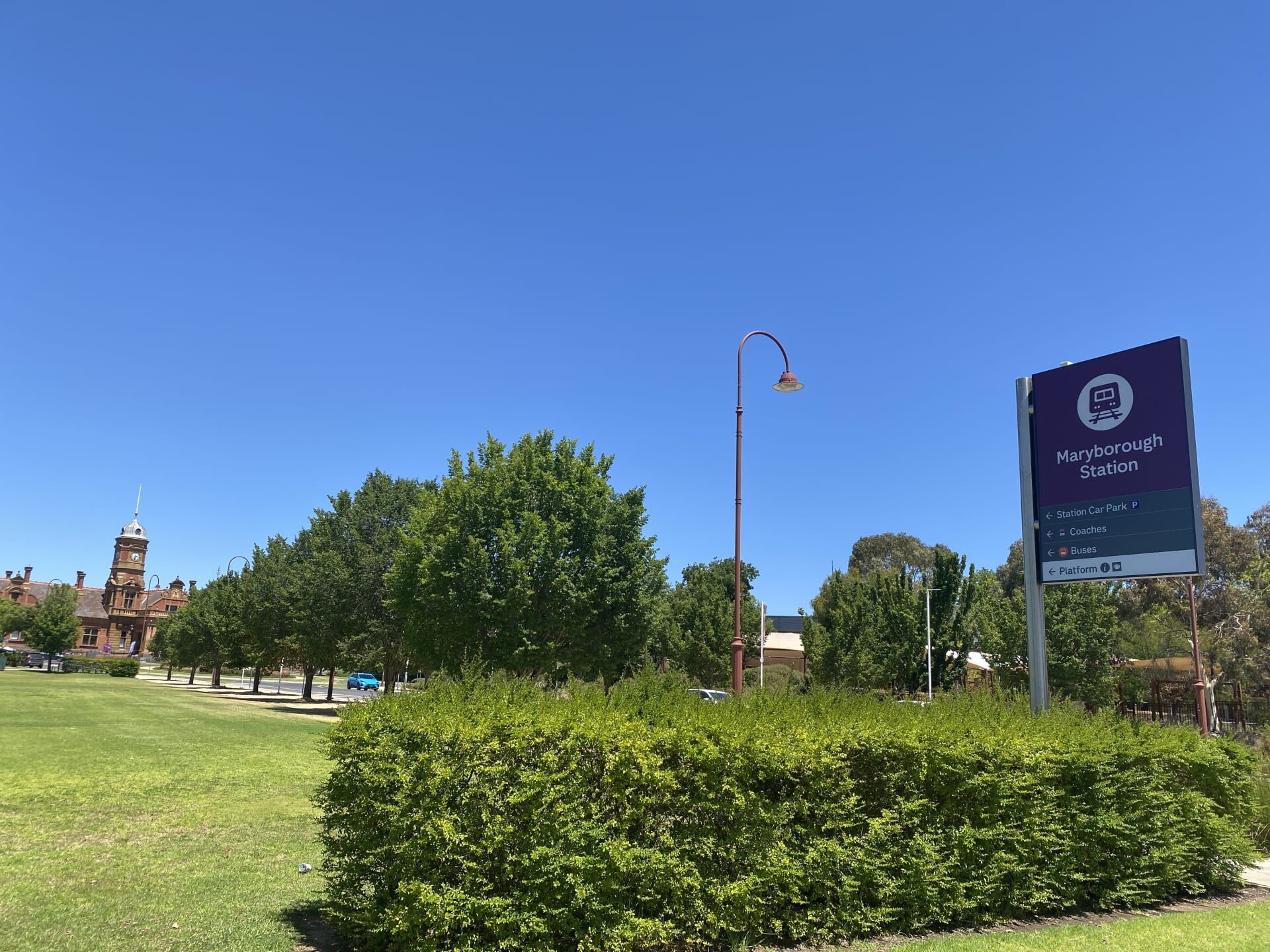
In January 2025 I visited Maryborough’s grand train station. Located in Victoria’s Central Goldfields region, Maryborough lies 168 kilometres northwest of Melbourne and has a population of approximately 8,000 people.
Journey to Maryborough
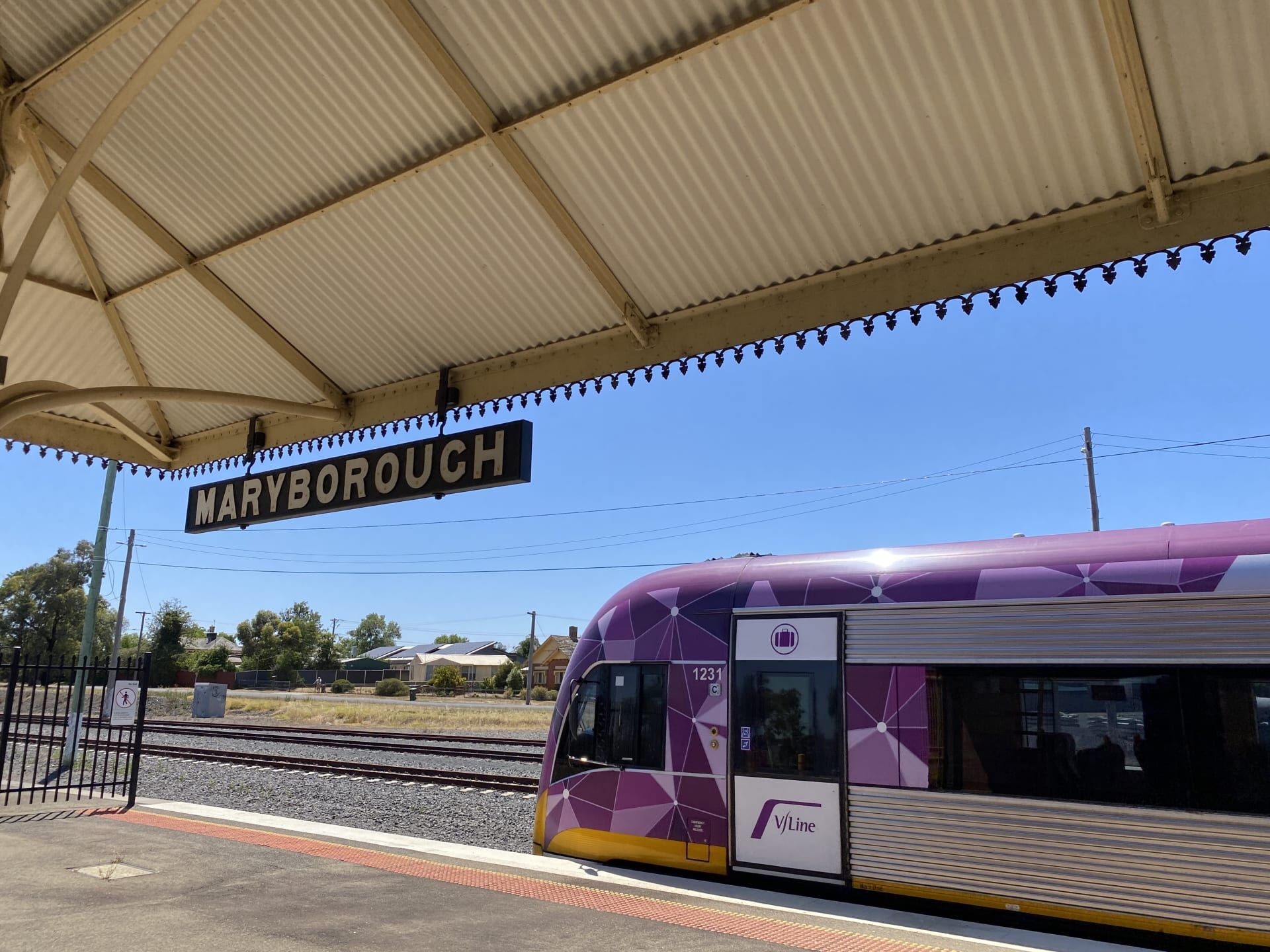
Maryborough Station is located on the Mildura line, which is primarily used by freight services, with the exception of the Ballarat–Maryborough segment, which also carries passenger trains.
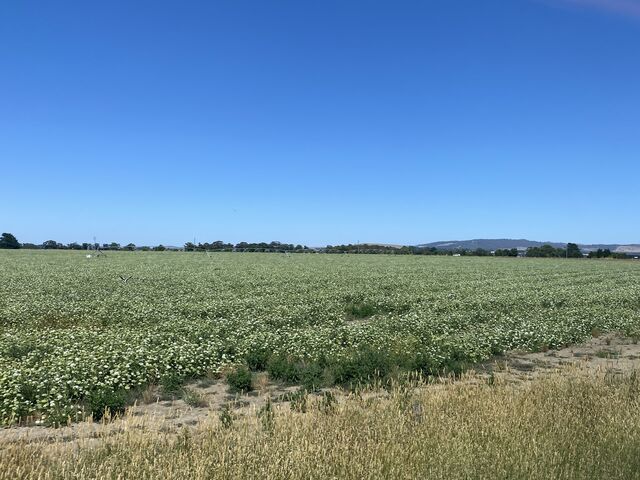
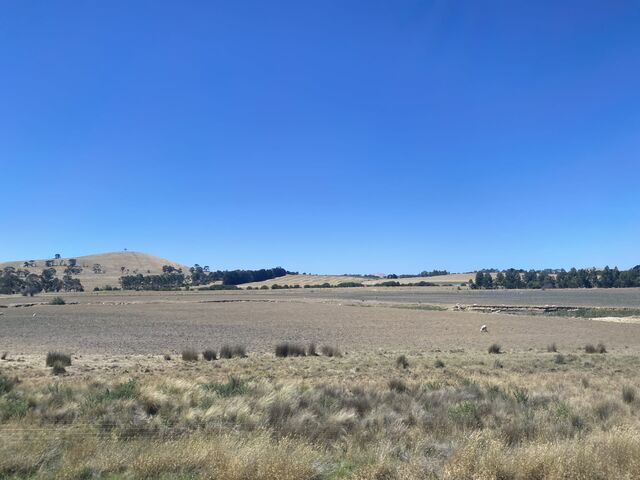
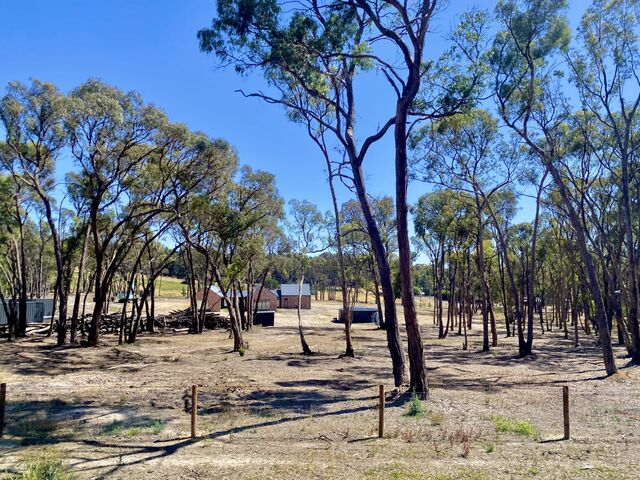
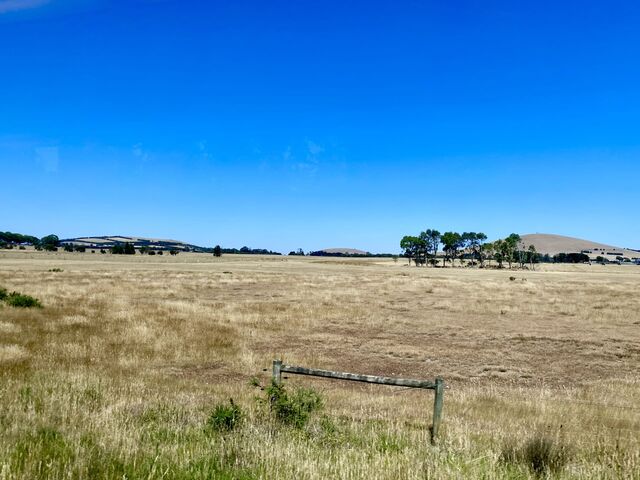
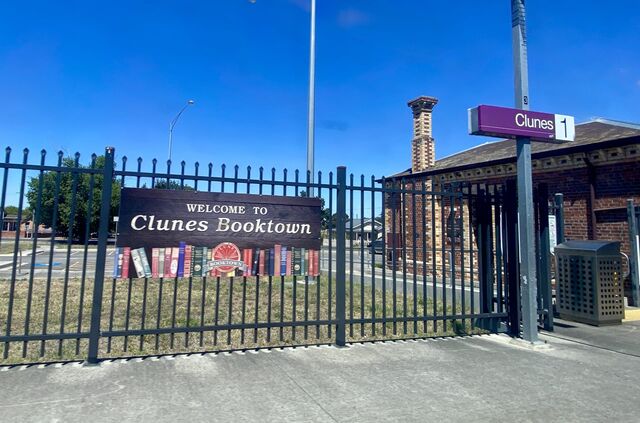
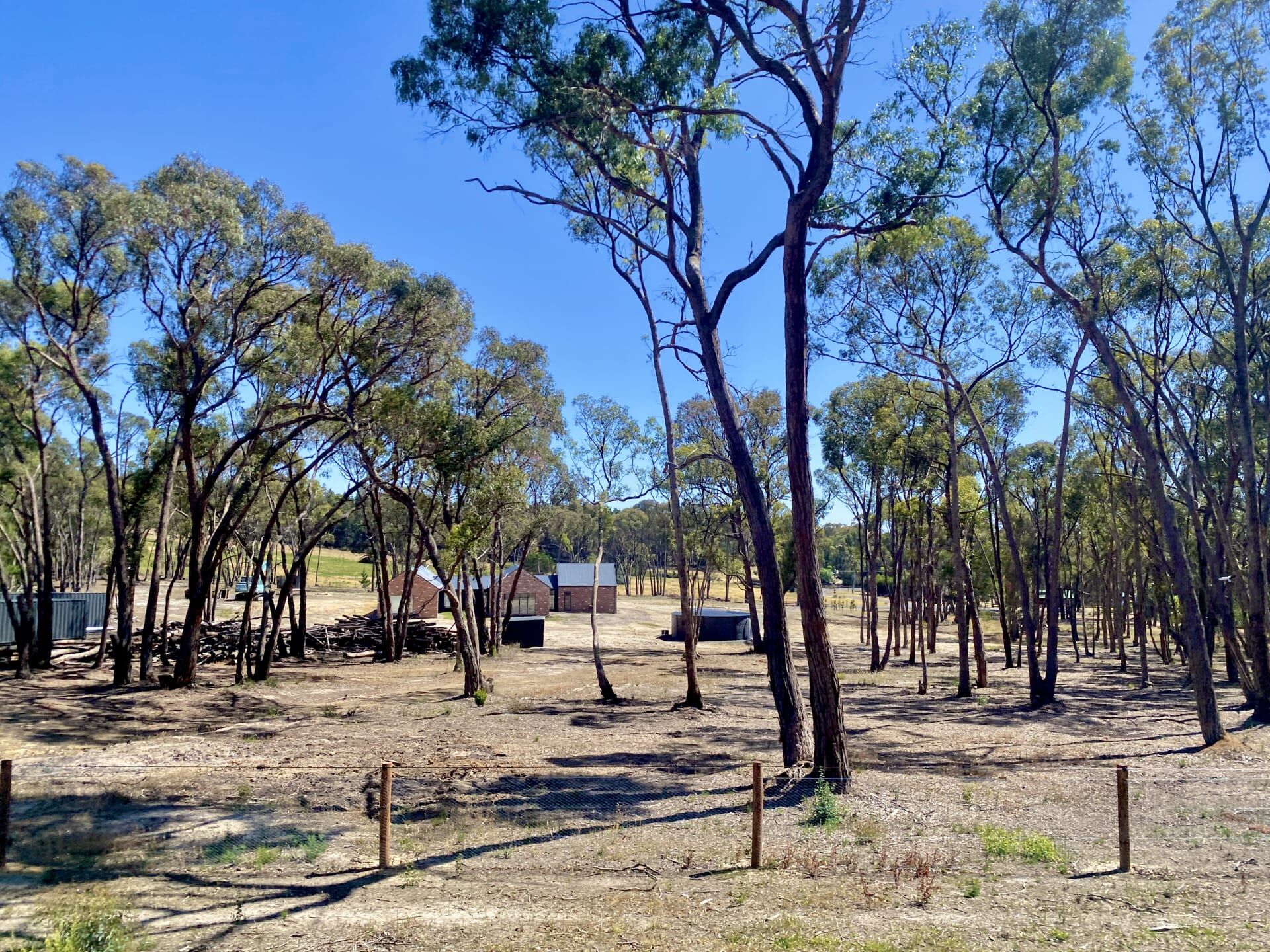
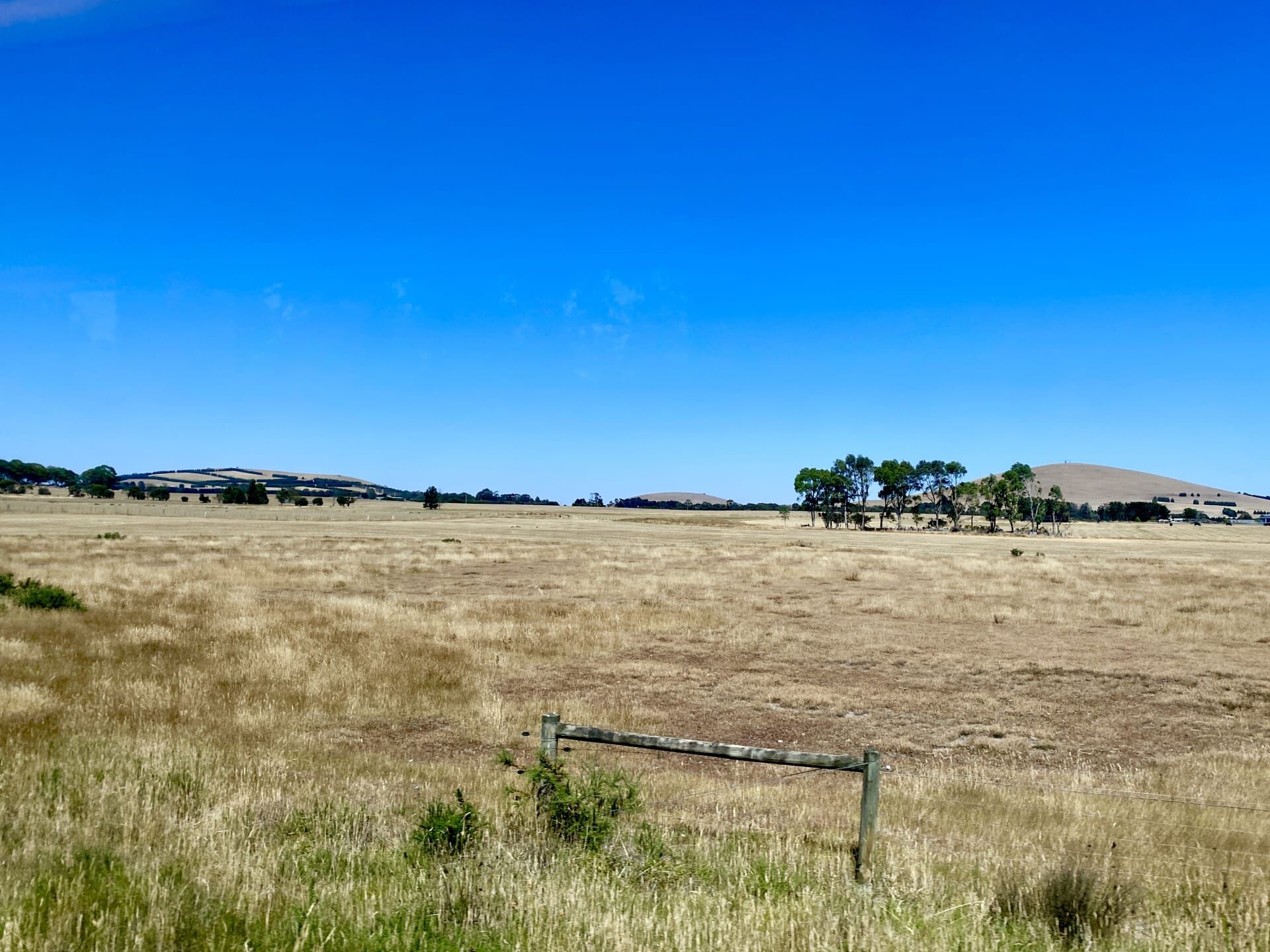
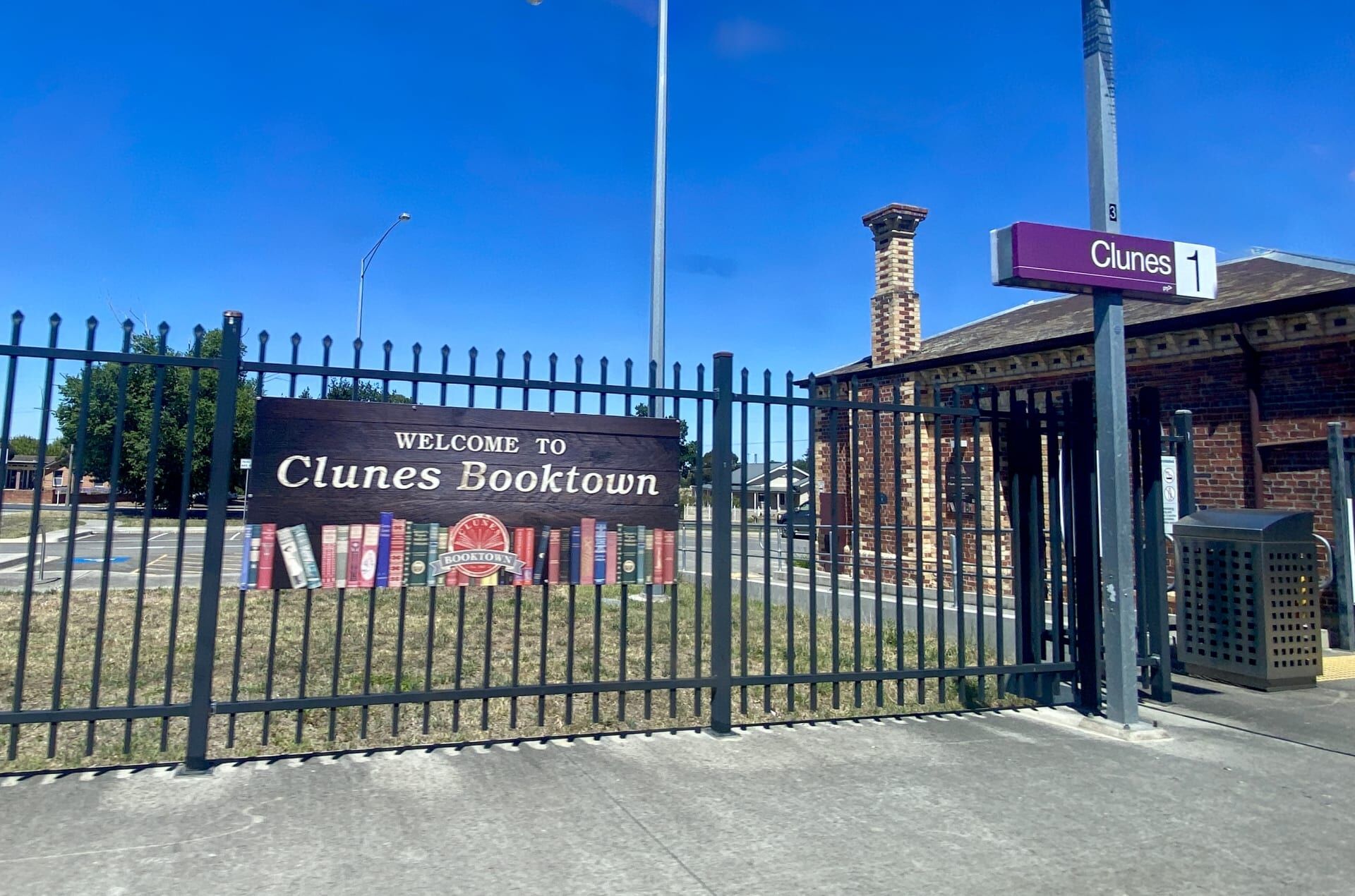
En route to Maryborough, we passed the town of Clunes which was the site of Victoria’s first gold strike in 1851. This led to the gold rush which swept through central Victoria. Today, Clunes Station is used by a mere 5–6 passengers each day.1
Maryborough Station
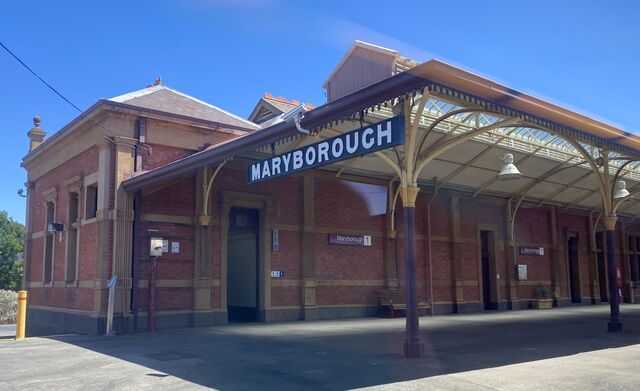
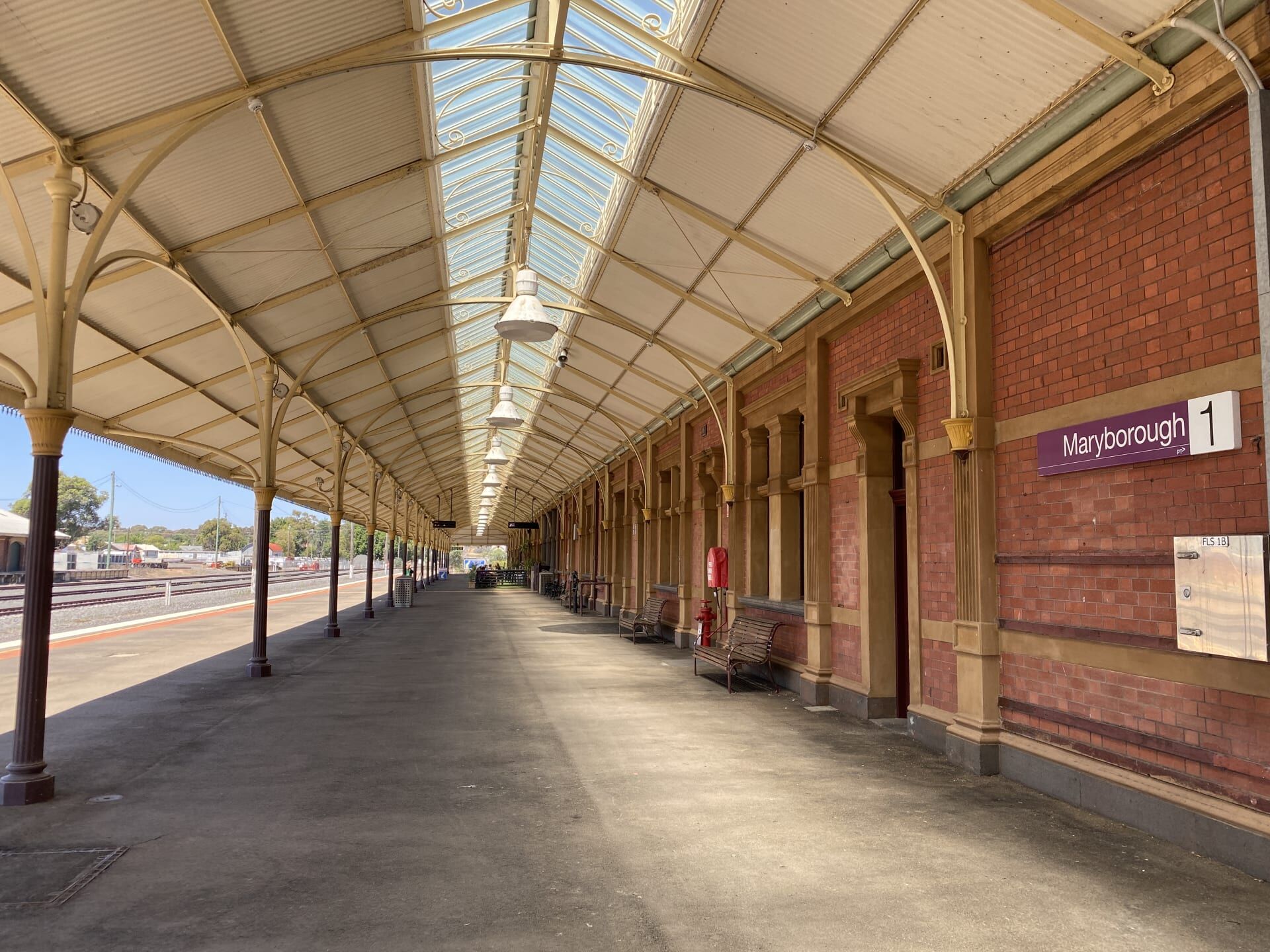
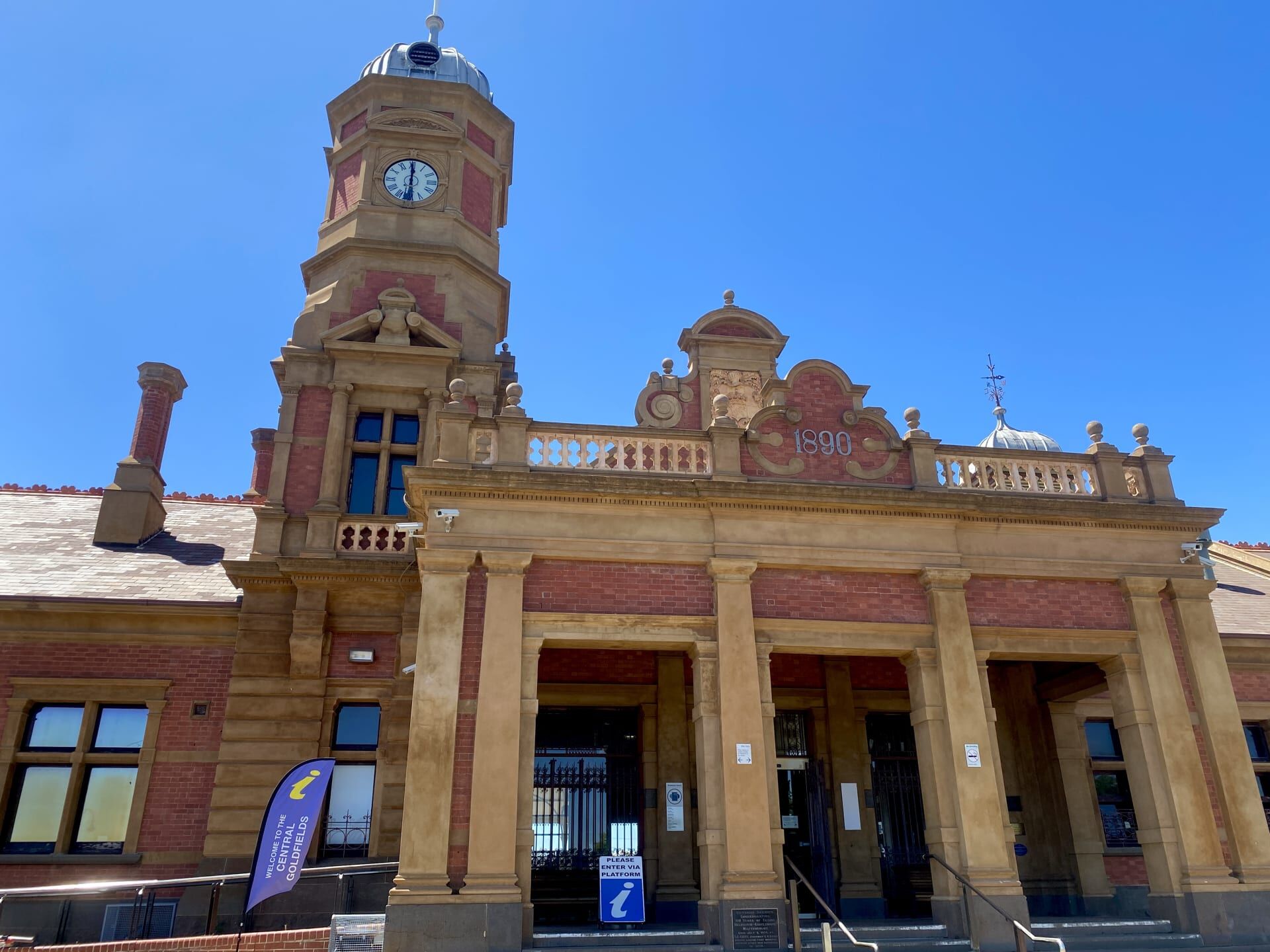
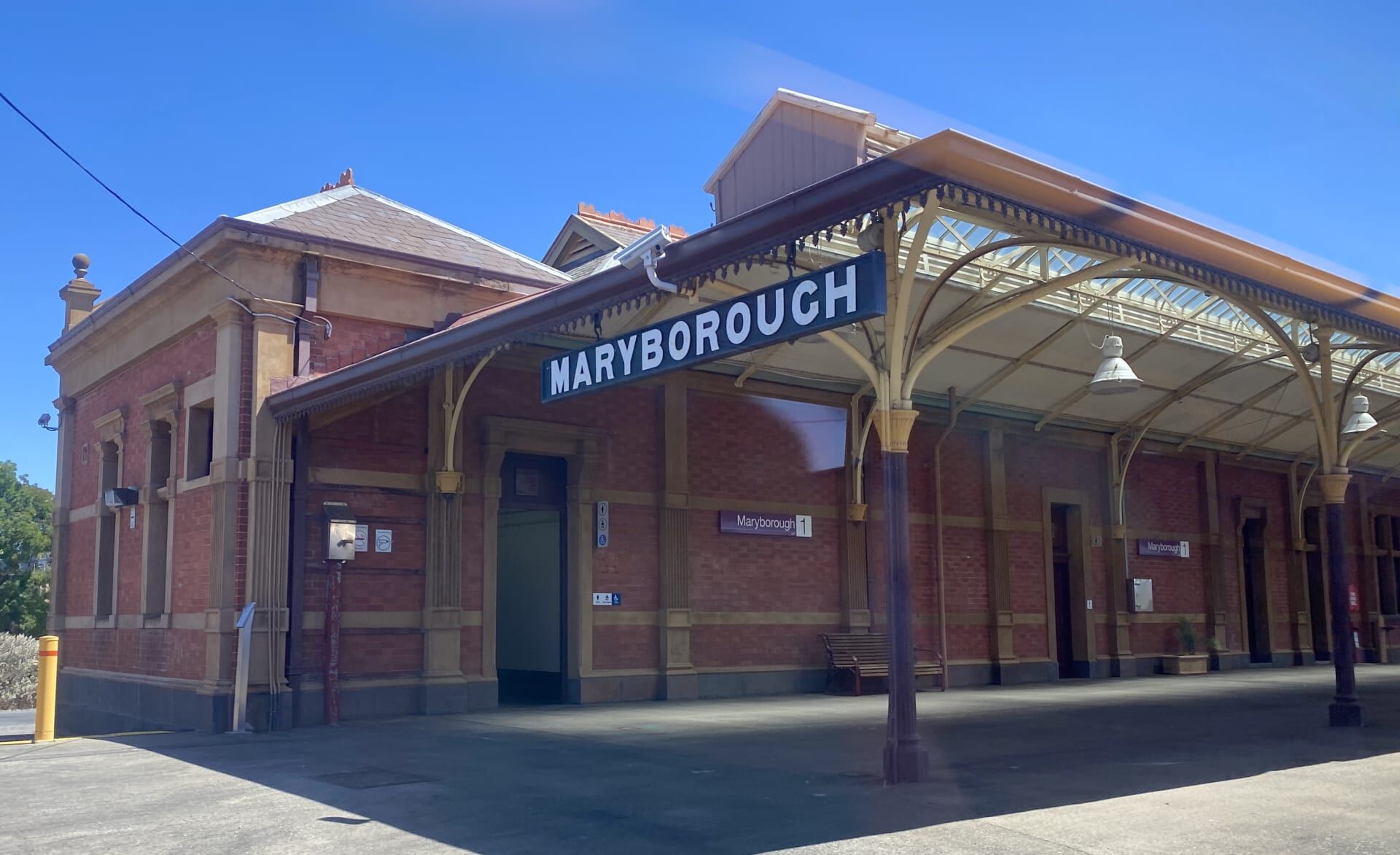
In 1853, a 40 pound nugget of gold was found at Maryborough.2 It was said that the ground was so rich in gold that you could literally stumble upon it.3 As prospectors arrived in the tens of thousands, Maryborough’s infrastructure required significant improvements. The now-defunct rail line from Castlemaine was built in 1874 and Maryborough Station was opened. However, the station building proved unfit for purpose. Under the ‘Octopus Act’ of 1884,4 (which authorised the construction of a huge number of additional rail lines and railway infrastructure for Victoria), parliamentarians successfully made the case for a grander station for Maryborough, and the town’s station was rebuilt in 1890 in an imposing Anglo-Dutch style.5
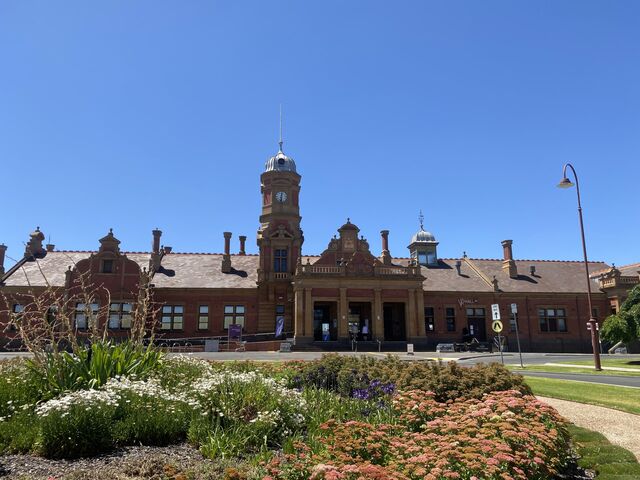
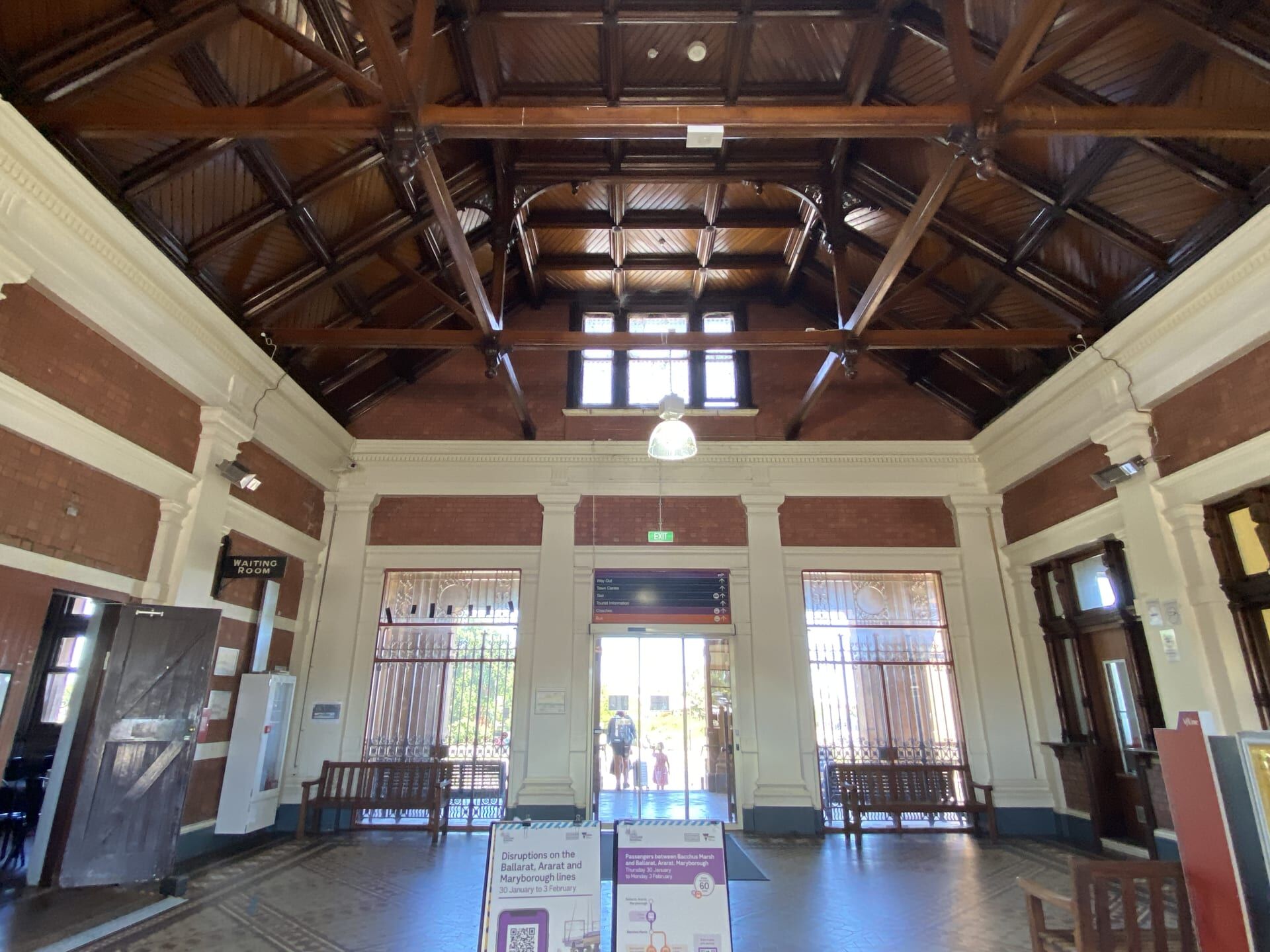
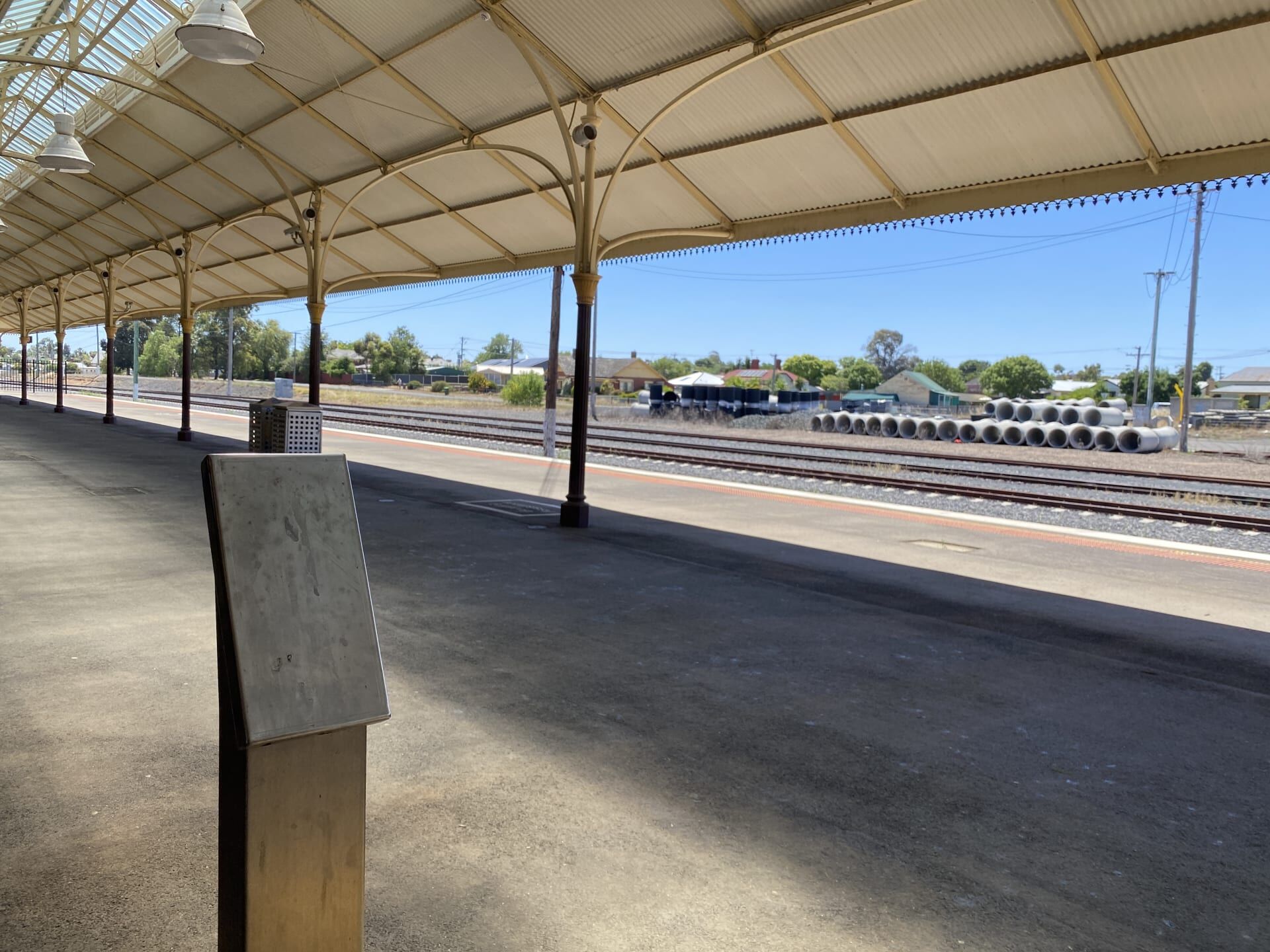
In addition to its architectural grandeur, the station is notable for its exceptionally long platform, which is the longest in Victoria.6 The Station’s interior features an Australian Mountain Ash ceiling.
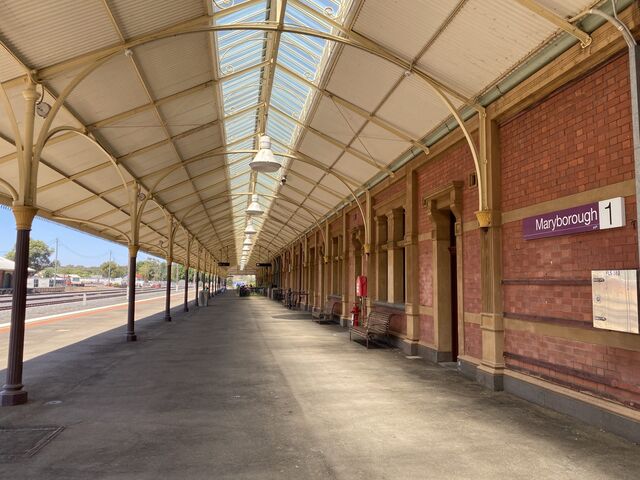
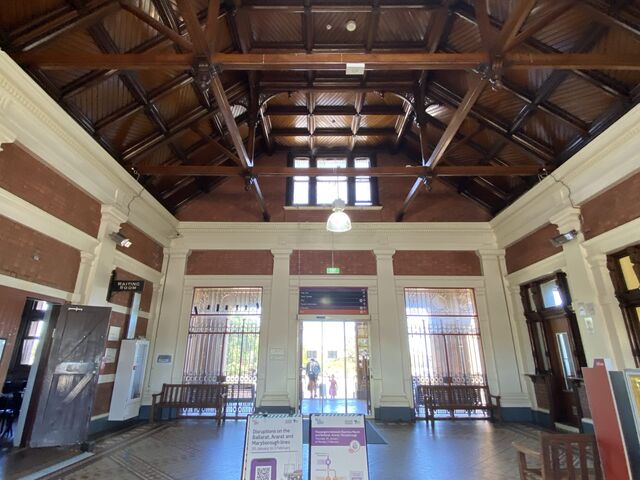
Passenger services to Maryborough ceased in 1993 following government cuts which saw the train service replaced by road coaches. After a 17-year absence, passenger rail services were finally reintroduced in 2010. Today, there are two services per day in each direction between Maryborough and Ballarat (from where passengers can then connect to Melbourne).
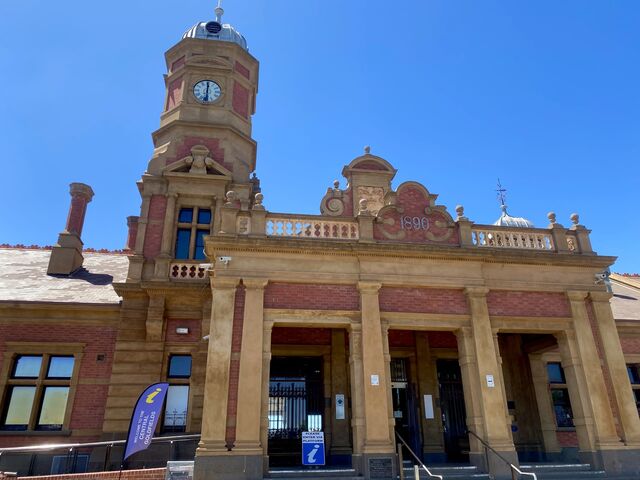
In 1895, five years after the construction of the new Maryborough Station, American humorist and writer Mark Twain visited the town. Struck by the station’s grandeur, Maryborough was described by Mr Twain as ‘a station with a town attached’.7 He is also reported as having observed:
‘Don’t you overlook that Maryborough Station, if you take an interest in governmental curiosities. Why, you can put the whole population of Maryborough into it, and give them a sofa apiece, and have room for more. You haven’t fifteen stations in America that are as big, and you probably haven’t five that are half as fine.’8
Mark Twain also took a liking to the station’s clock, observing that: ‘There isn’t a station in Europe that’s got such a clock’.9 Somewhat more wryly, Twain commented:
‘That train from Maryborough will consist of eighteen freight-cars and two passenger-kennels; cheap, poor, shabby, slovenly; no drinking water, no sanitary arrangements, every imaginable inconvenience; and slow? – oh, and they’ll jolt your head off every time they start or stop. They spend tons of money to house you palatially while you wait fifteen minutes for a train, then degrade you to six hours’ convict-transportation to get the foolish outlay back. What a rational man really needs is discomfort while he’s waiting, then his journey in a nice train would be a grateful change. But no, that would be common sense-and out of place in a government.’10
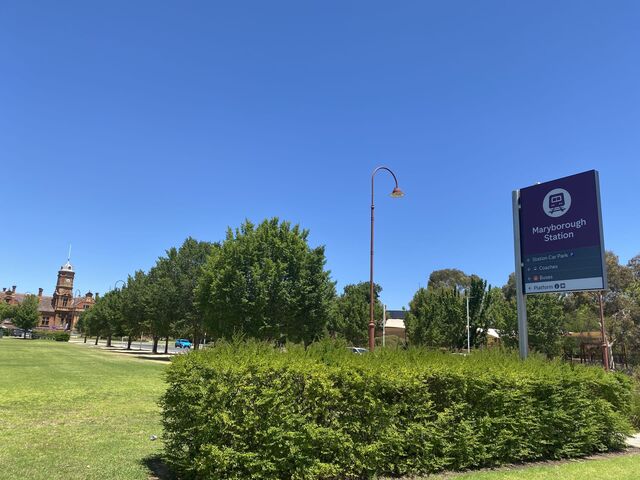
A number of rumours have surrounded the upgraded Maryborough Station since its construction. One persistent claim is that the grand station was accidentally built in Victoria rather than in the much larger town of the same name in Queensland.11 However, the architectural style of large regional stations in Queensland was markedly different from that used by Victorian Railways at the time.12 It has been reported that this so called mix-up may have originated as an April Fools’ Day story published in a local Queensland newspaper.13
A similar rumour or theory arises from the fact that Maryborough’s station building was considerably grander than Melbourne’s Spencer Street Station (now Southern Cross Station) was at the time. According to this account, Maryborough Station was the result of a bureaucratic error which saw it accidentally constructed from plans that were actually intended for Spencer Street.14
More plausibly, however, is that Maryborough was chosen for one of Australia’s most impressive stations because of the optimism and speculation that characterised the railway mania of the period, and which led to an overestimation of the town’s future growth. At the time, Maryborough was a major centre of the Victorian gold rush and was also a crucial railway junction for the transport of freight such as wheat.15 It was widely assumed that Maryborough would grow to rival Ballarat or Bendigo; however, by the time the new Maryborough Station was completed, the gold rush had largely ended.
Political influence may have also played a role. Maryborough’s local member, Duncan Gillies, served at various times as Minister for Railways and was even the Premier of Victoria from the mid-1880s until 1890, which may also explain why Maryborough received such a grand station.16
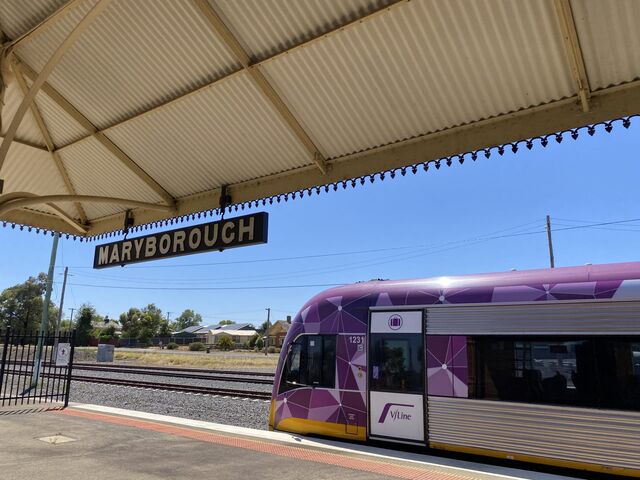
Today, Maryborough Station serves approximately 29 passengers per day.17 While prospectors from around the world once flocked to the area in search of fortunes on some of the world’s richest goldfields, Maryborough and the Central Goldfields Shire is now reportedly the most socioeconomically disadvantaged municipality in Victoria and one of the most disadvantaged in Australia.18
Victoria’s Myki smart card ticketing system was never fully rolled out to the Maryborough line, so there are no Myki machines at Maryborough Station. On our journey, we were told that we would need to quickly jump off the train at Ballarat Station and ’touch on’ at the Myki reader there.
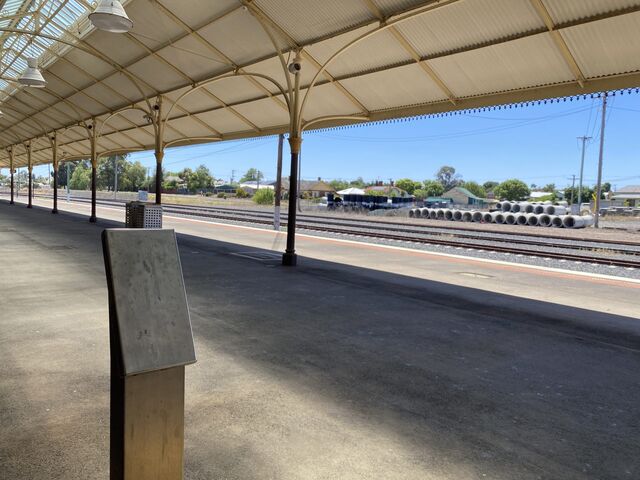
The Town of Maryborough
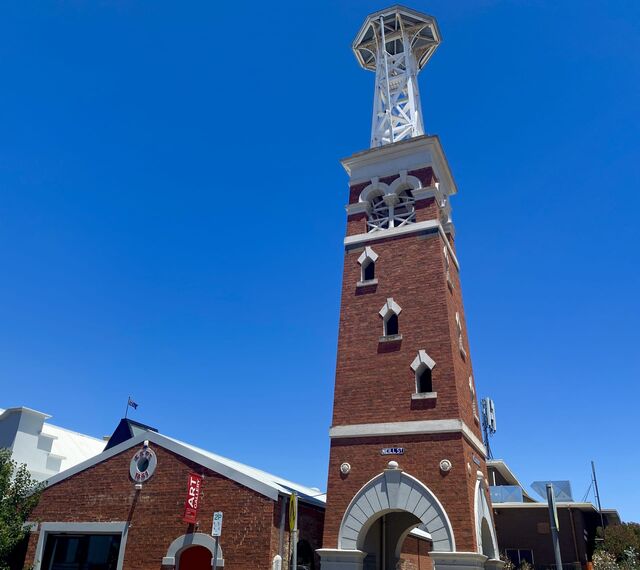
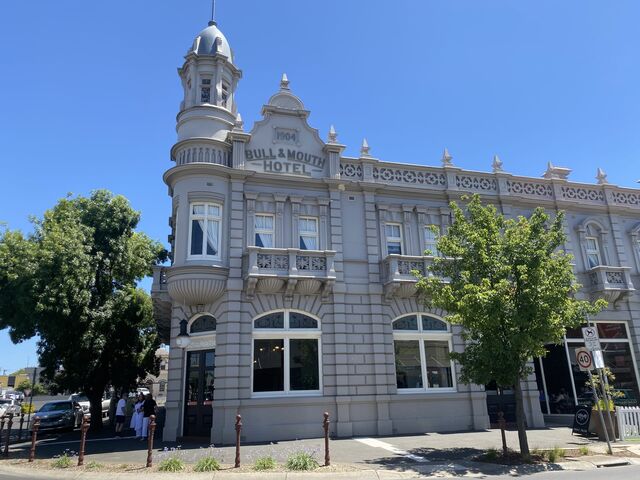
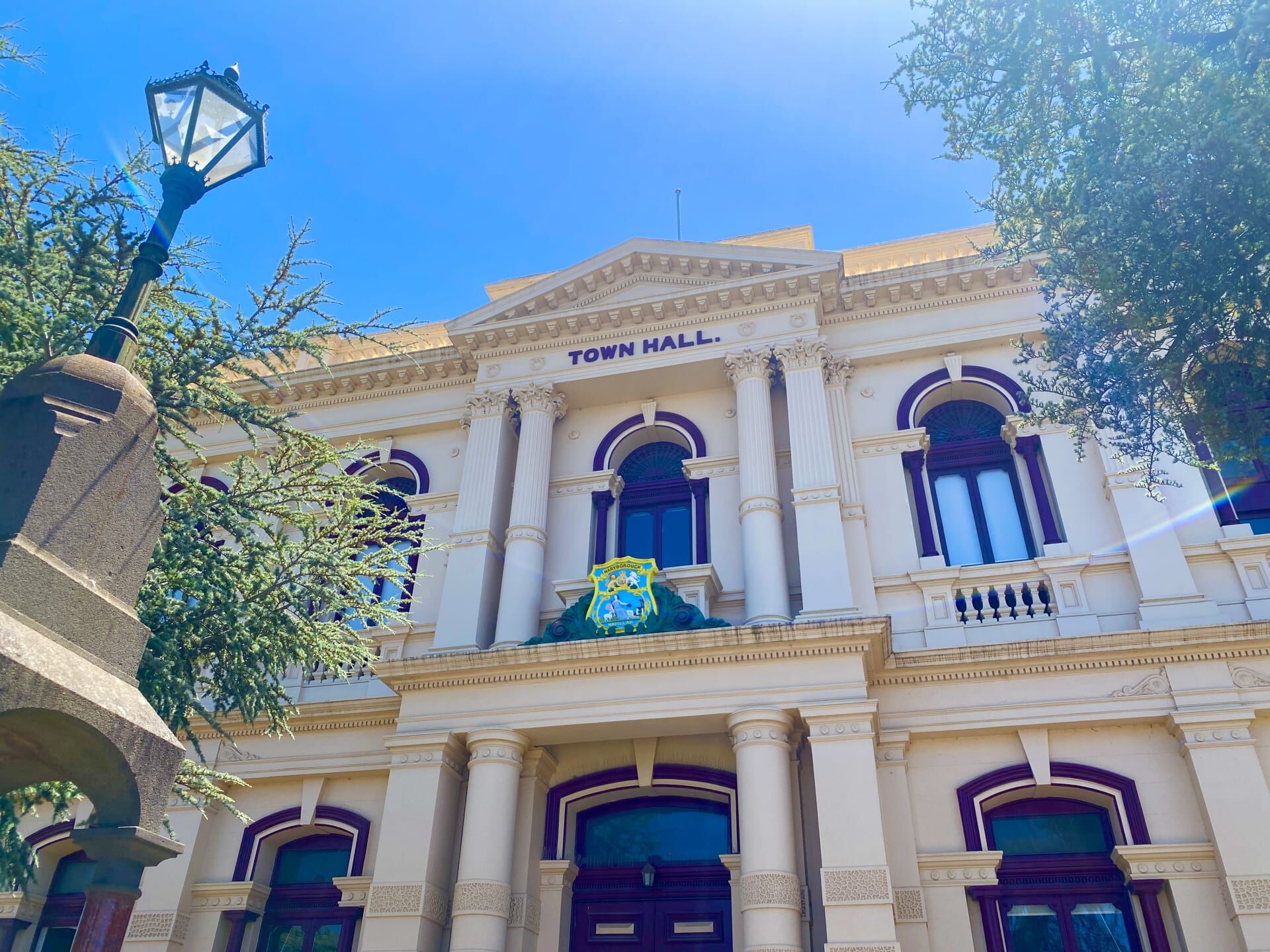
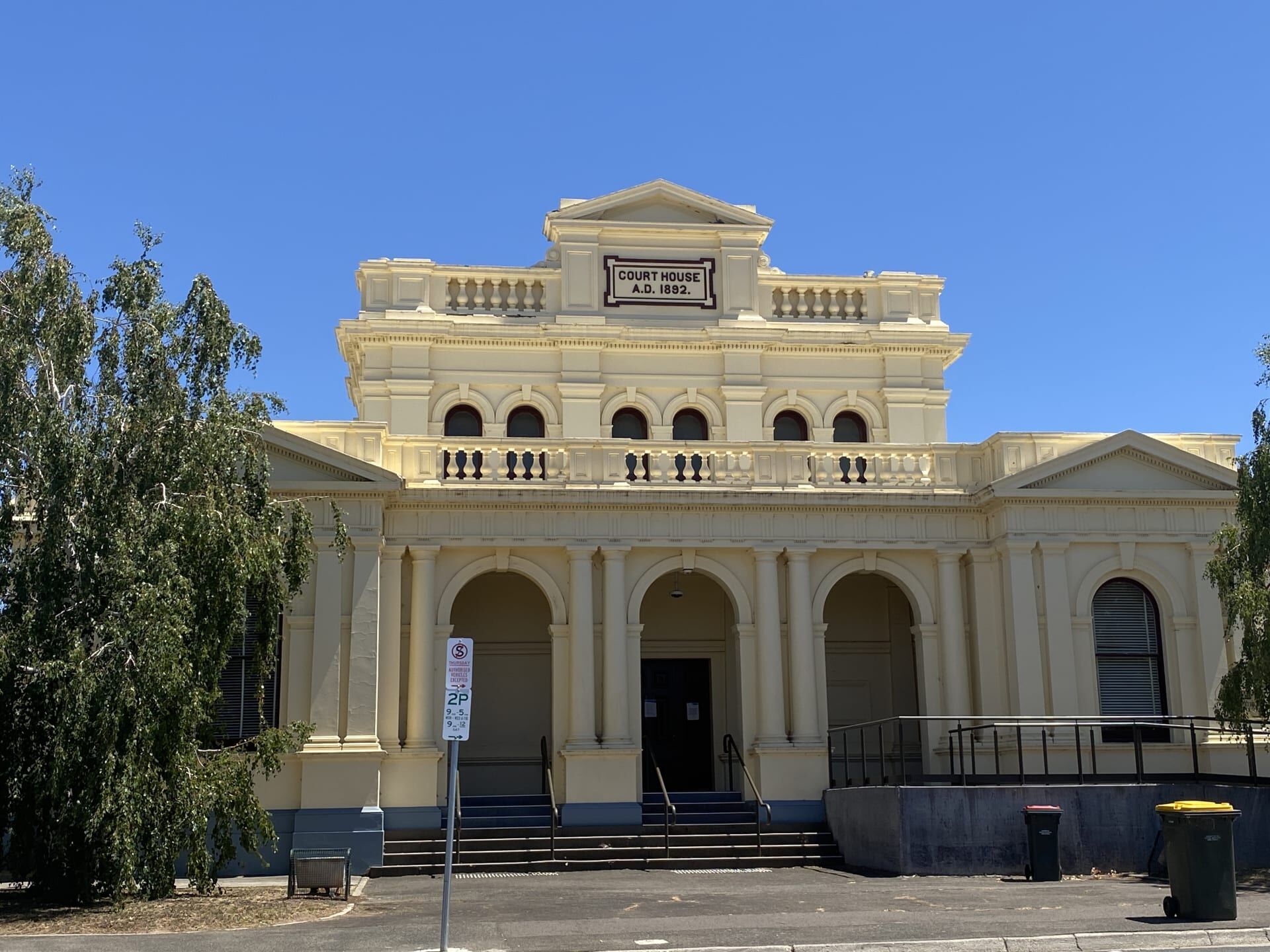
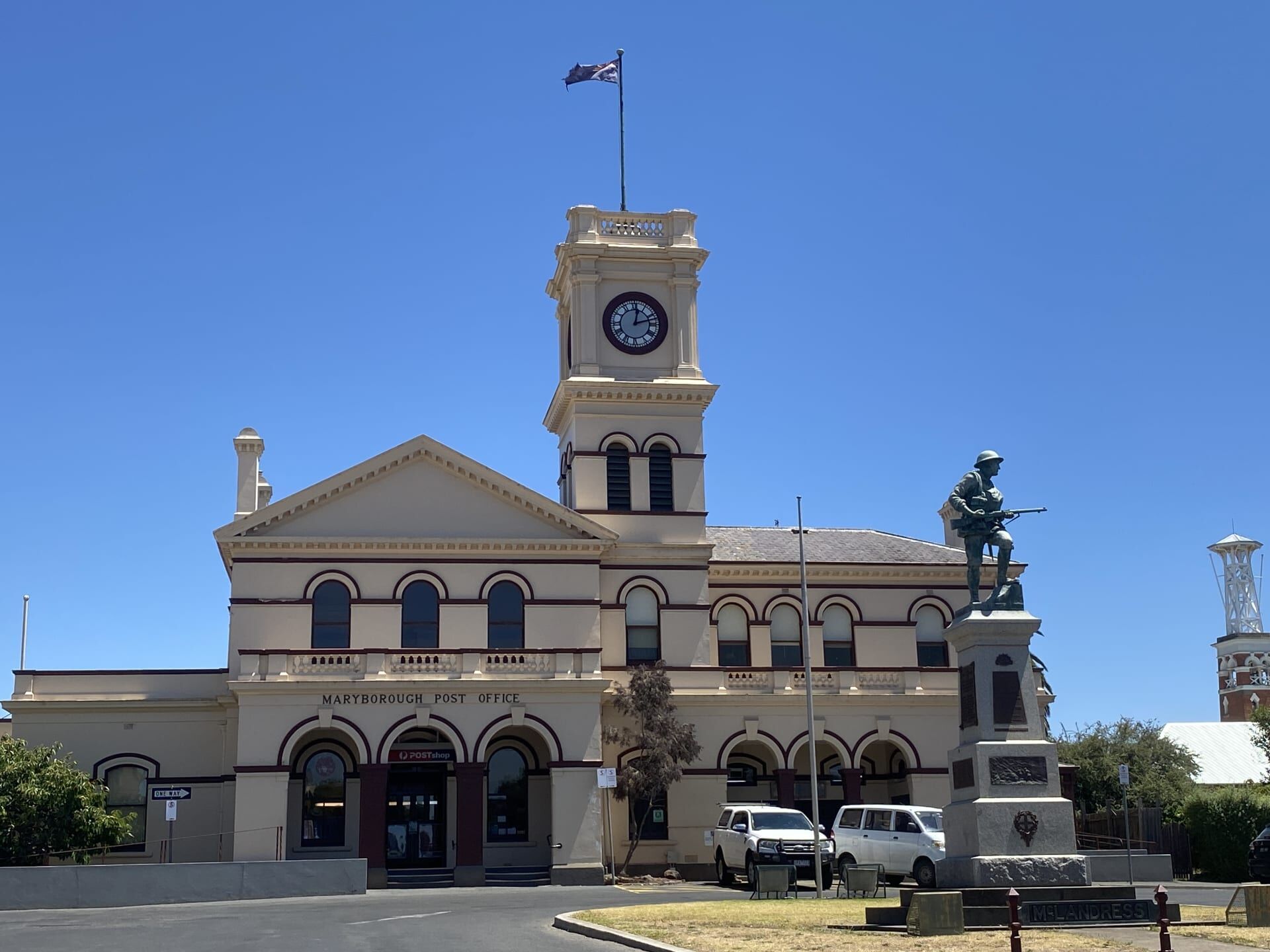
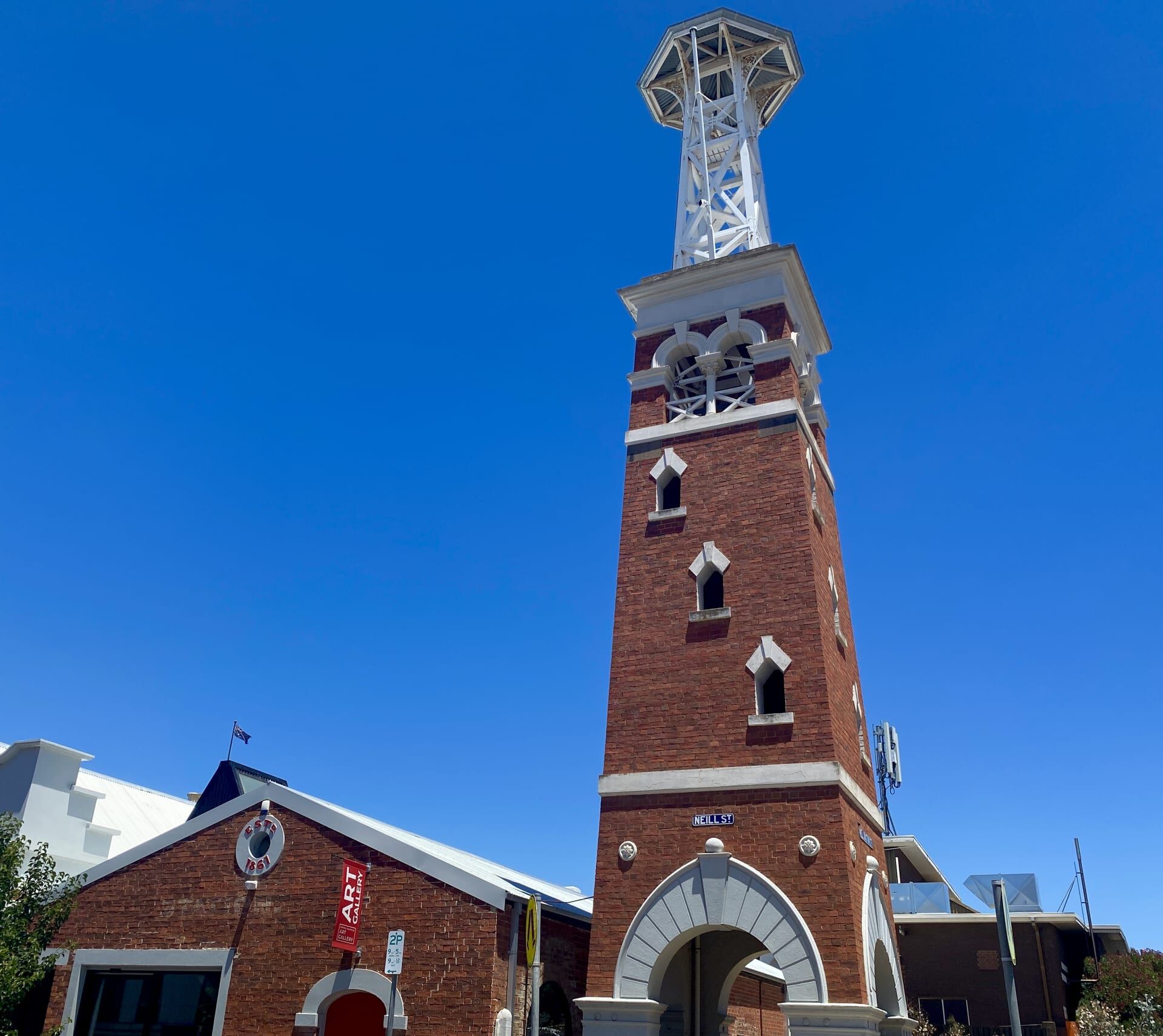
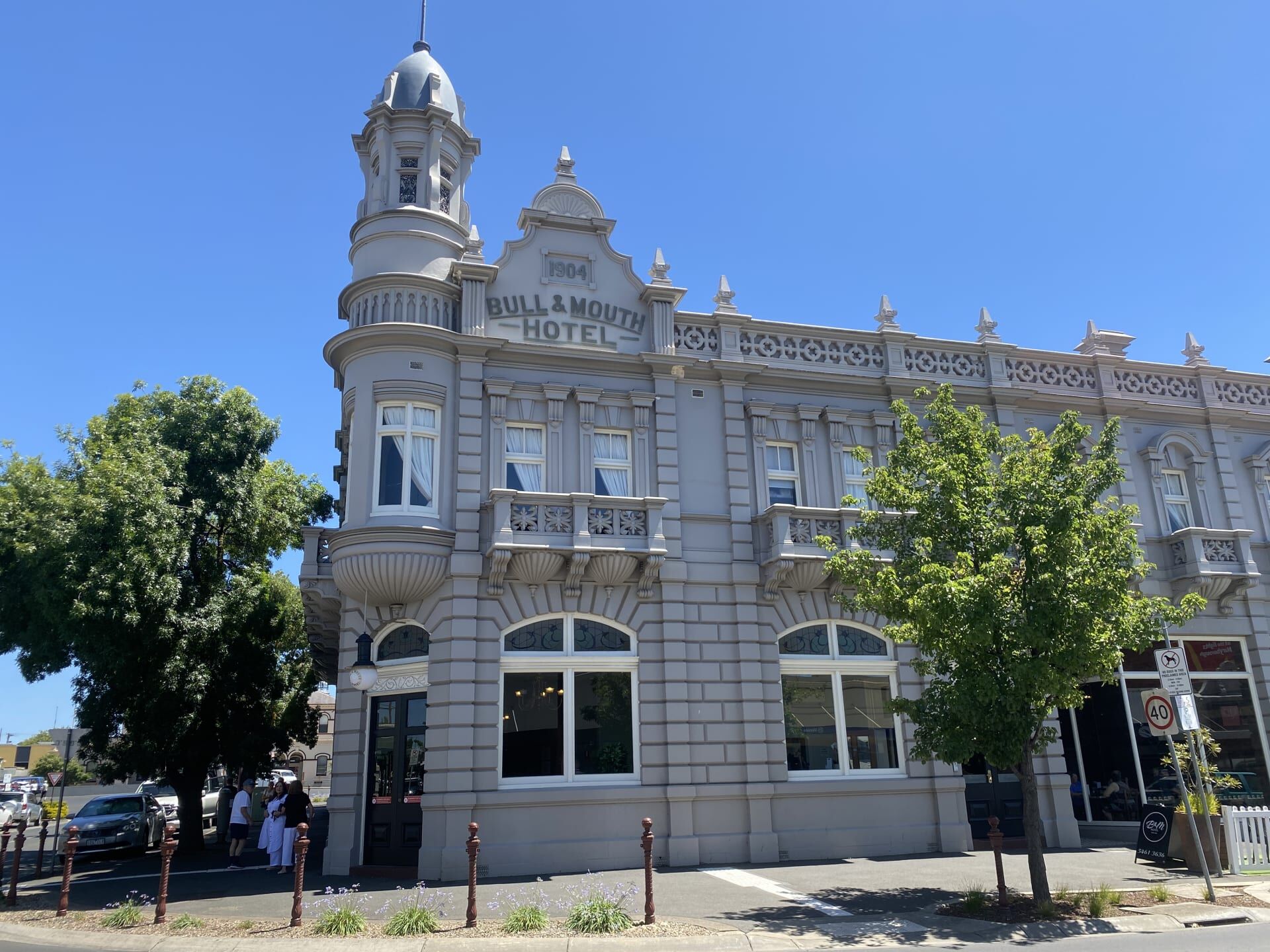
Maryborough was named by Gold Commissioner, James Daly, after his Irish birthplace.19 There are many historic buildings to be found around the town. Pictured below is the Town Hall (constructed 1887), Maryborough Court House (constructed 1882), the post office (constructed 1878), the Bull and Mouth Hotel (constructed 1904 in an Italian renaissance style), and the old fire station (constructed 1861), which now houses the Central Goldfields Art Gallery.
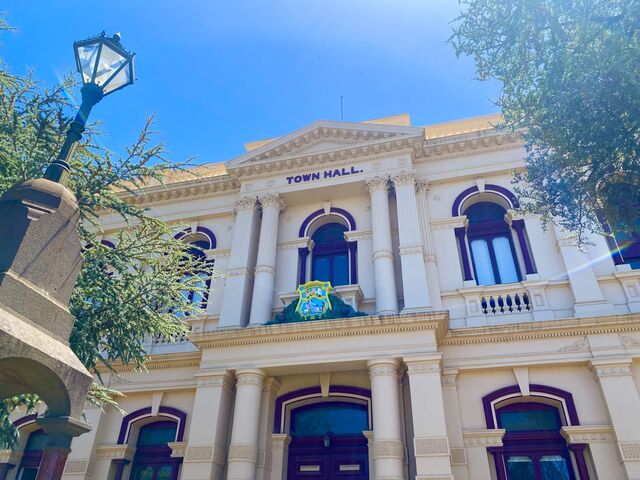
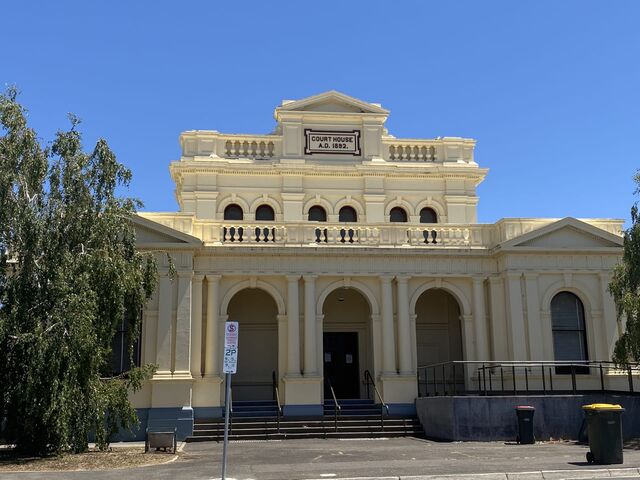
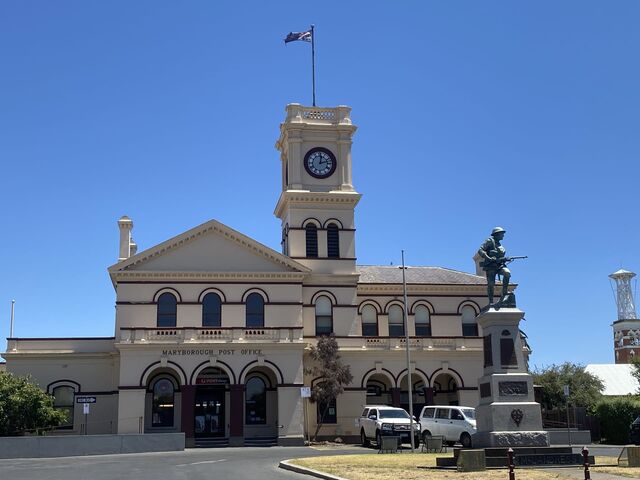
Victorian Government, ‘Annual Regional Train Station Patronage (Station Entries) - 2024-2025’ (Online, 2025). ↩︎
Victorian Places, ‘Maryborough’ (Online, 2015) ↩︎
Information board, Maryborough Station. ↩︎
Railway Construction Act 1884 (Vic). ↩︎
Victorian Collections, ‘A Station with a Town Attached’ (Online, 2019); Central Goldfields Visitor Centre in association with Australian Railway Historical Society, ‘The Absolute Truth about the Maryborough Railway Station’ (Brochure, 2015). ↩︎
Richard Willingham, ‘There isn’t a Station in Europe that’s got such a Clock’ (Sydney Morning Herald, 10 December 2008, Online). ↩︎
Information board, Maryborough Station. ↩︎
Victorian Collections (n 5). ↩︎
Willingham (n 6). ↩︎
Castlemaine-Maryborough Rail Trail Inc, ‘Plans are Made Tracks are Laid’ (Online). ↩︎
Central Goldfields Visitor Centre (n 5). ↩︎
Ibid. ↩︎
Information board, Maryborough Station. ↩︎
Central Goldfields Visitor Centre (n 5). ↩︎
Information board, Maryborough Station. ↩︎
Central Goldfields Visitor Centre (n 5). ↩︎
Victorian Government (n 1). ↩︎
Natalie Croxon, ‘How socioeconomic advantage and disadvantage differs across region’ (Bendigo Advertiser, 27 March 2018, Online). ↩︎
The Irish town is now called Portlaoise. ↩︎