In February 2025, my travel companions and I enjoyed a ride on Japan’s most scenic winter railway: the Tadami Line!
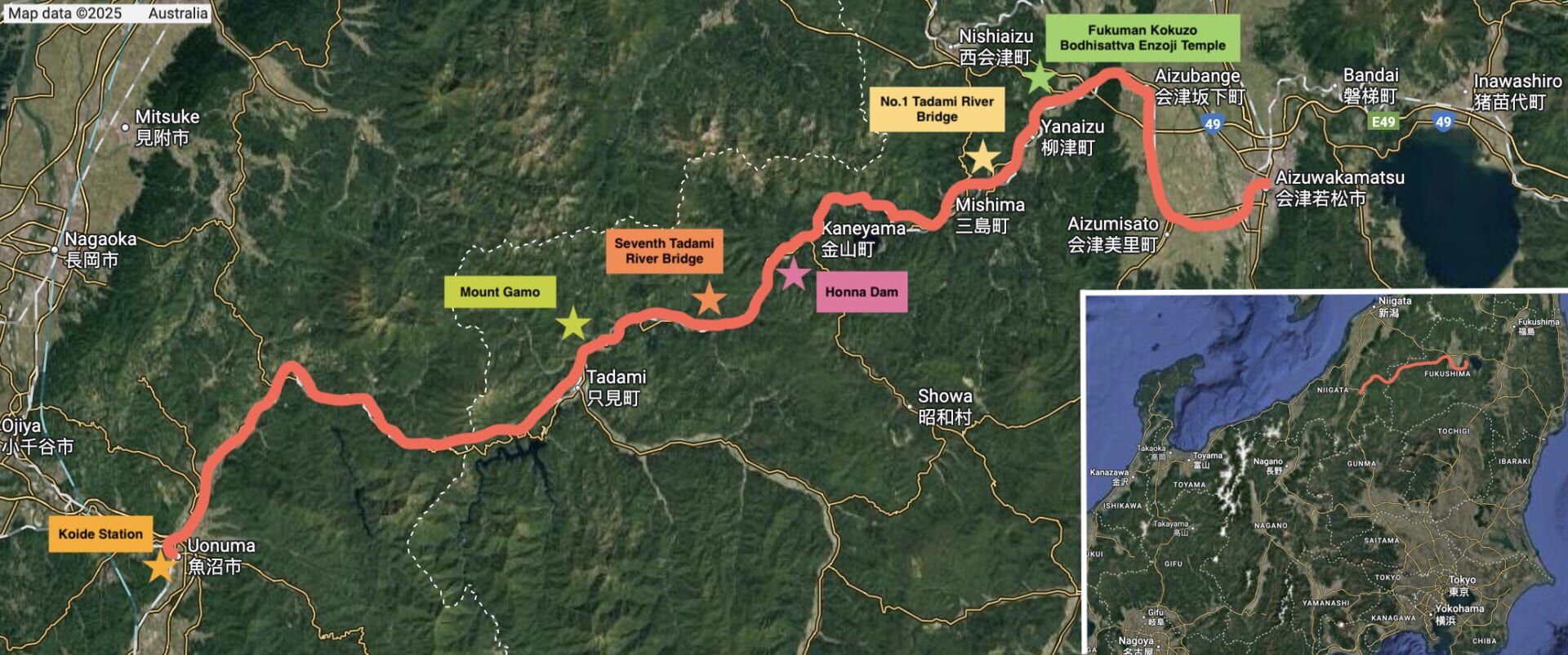
First though, we had to travel to the start point of the line in Uonuma, located in Niigata Prefecture.
Jōetsu Line to Minakami
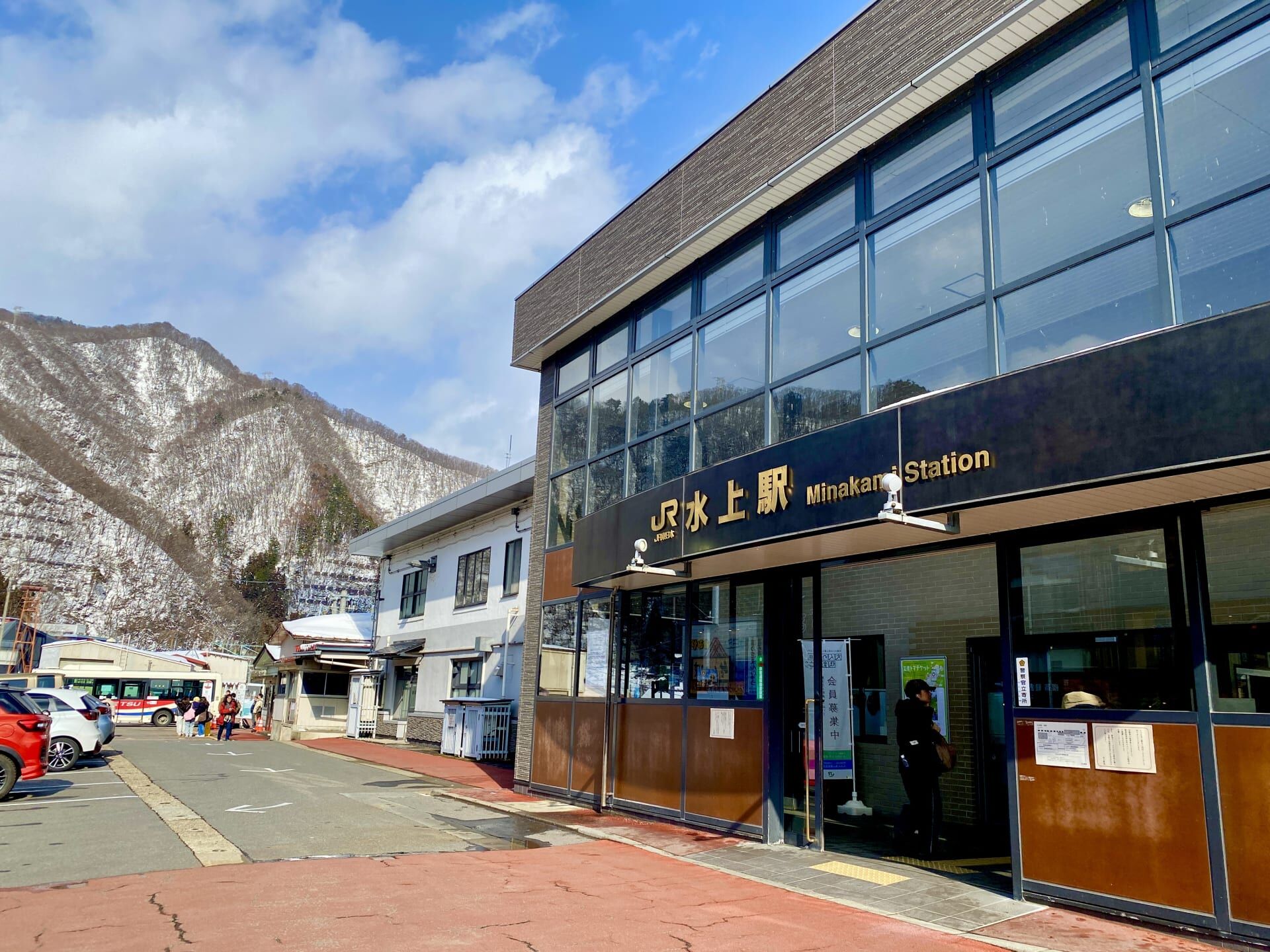
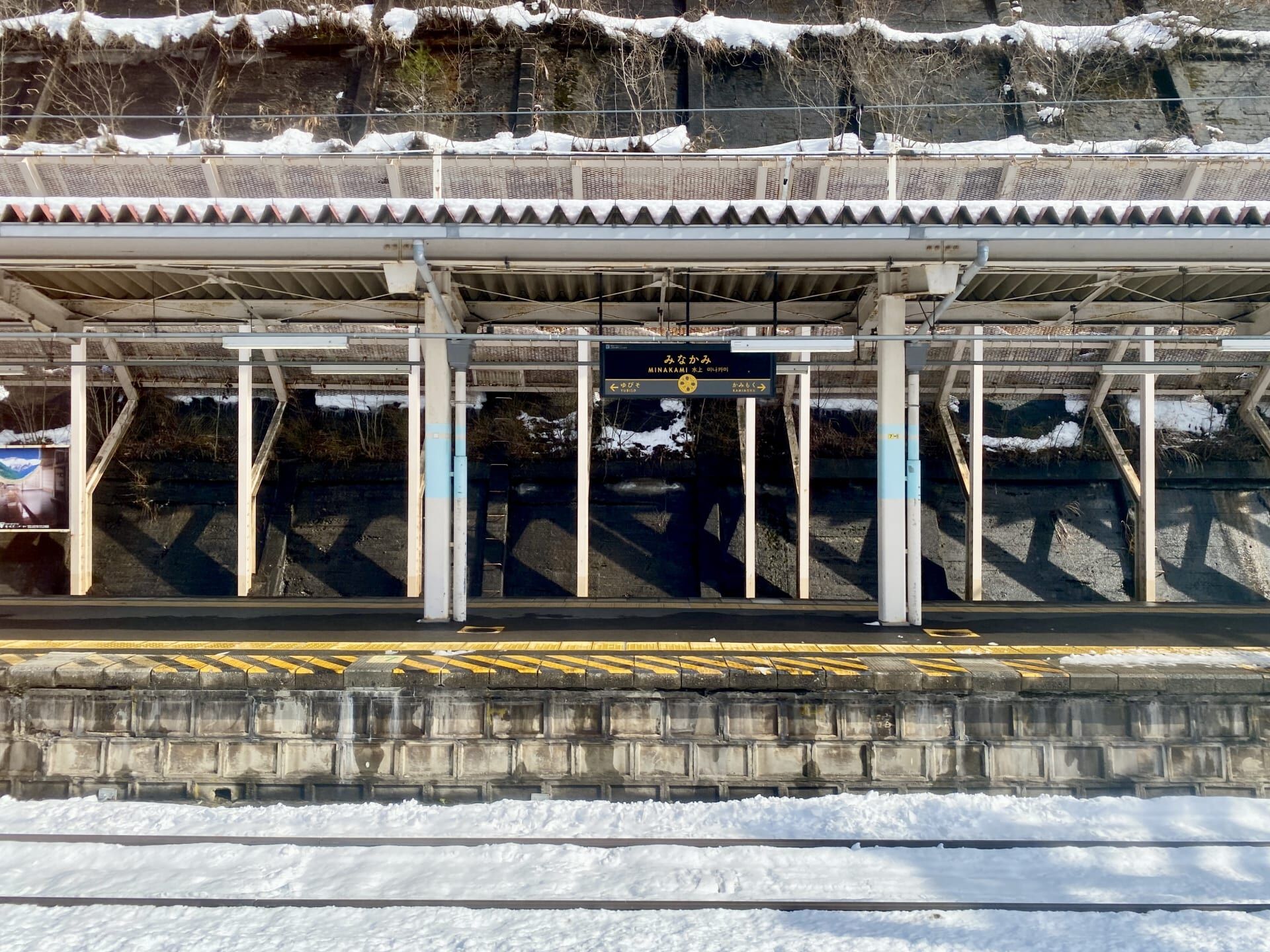
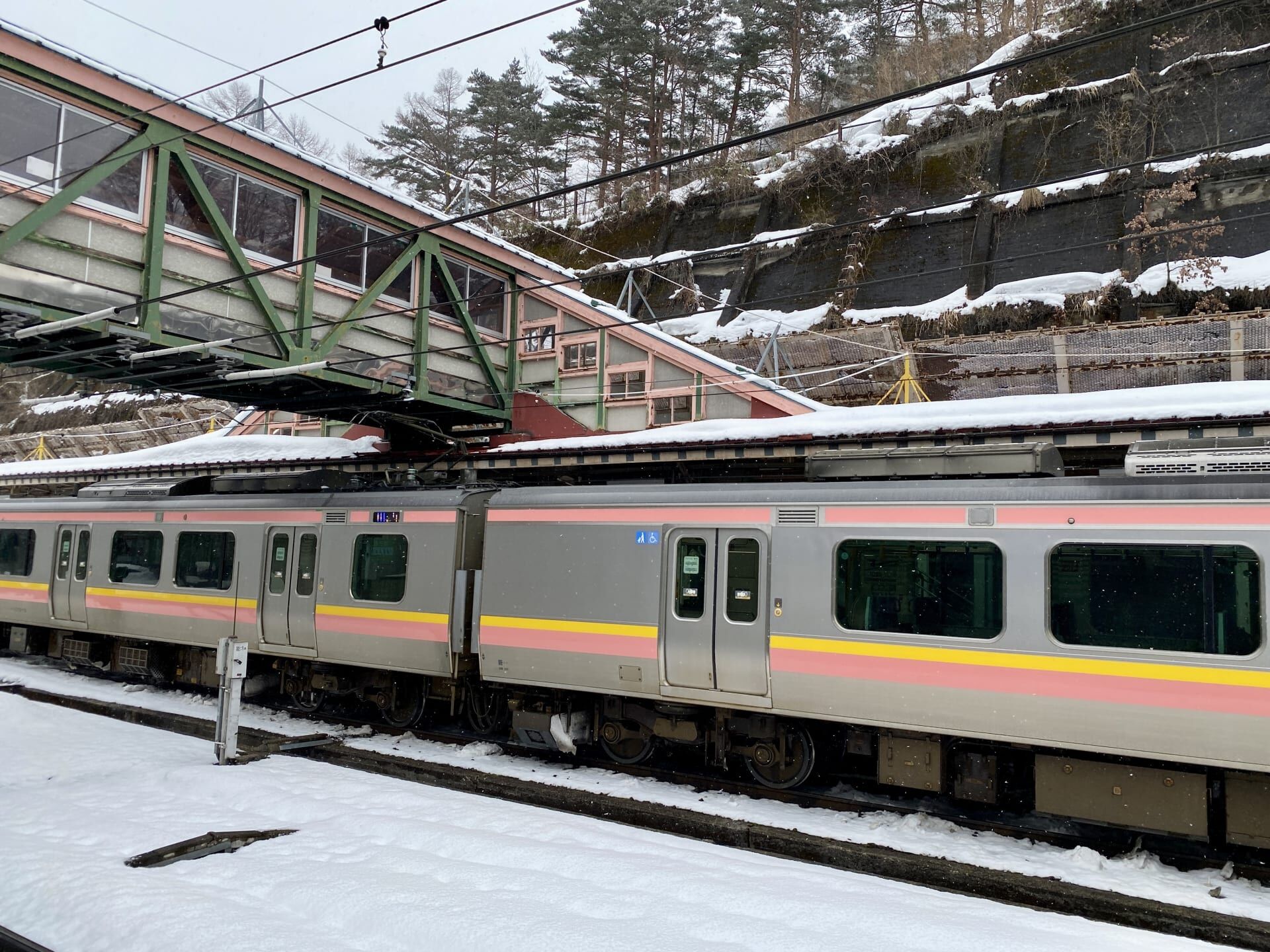
After our relaxing stay at Shima Onsen, we boarded a bus back to Nakanojō Station, before riding for 30 minutes on the Agatsuma Line to Shibukawa Station. We then switched to the Jōetsu Line for a 40 minute train journey to Minakami Station.
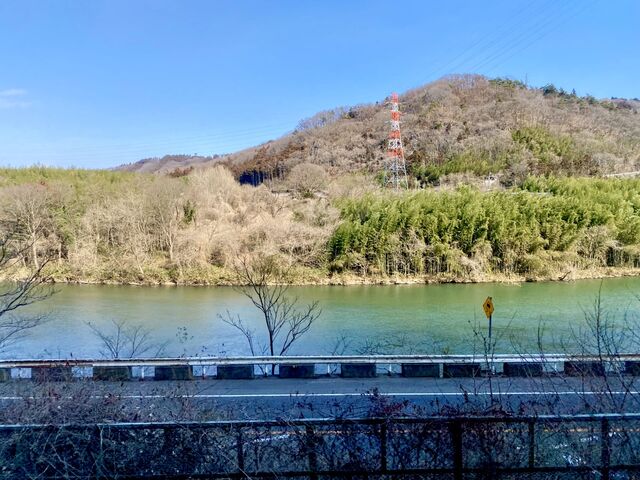
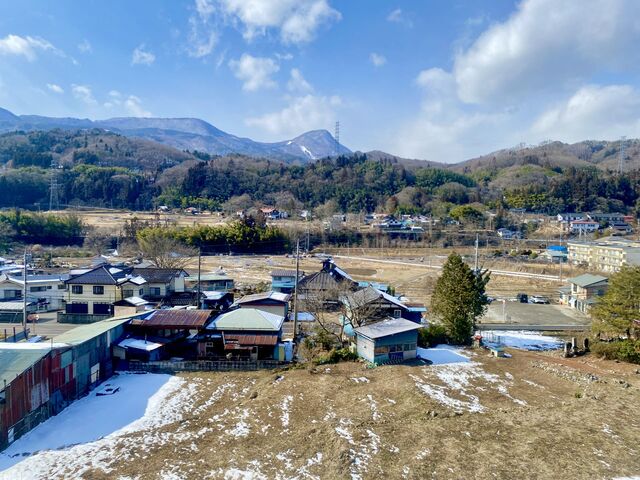
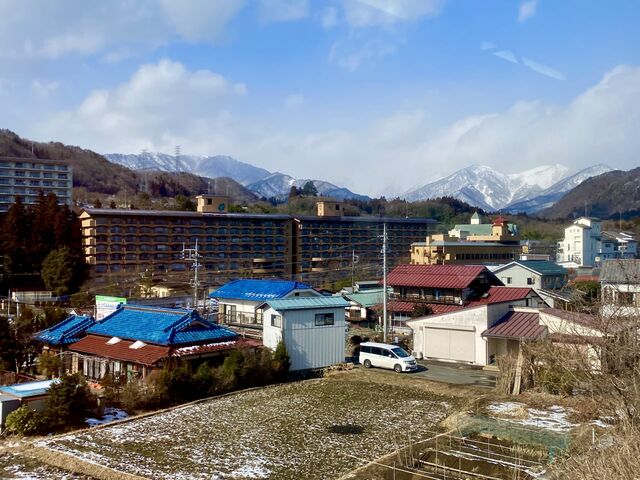
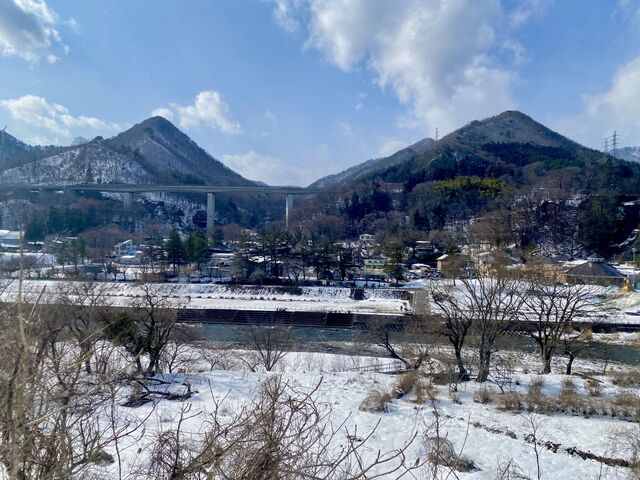
We had not really researched the town of Minakami before our visit, having chose this location simply based on its proximity to the city of Uonuma, from where we would be taking the famous Tadami Line the following day.
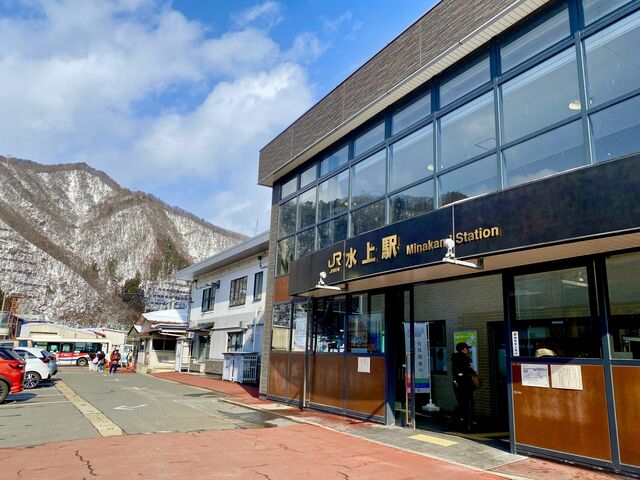
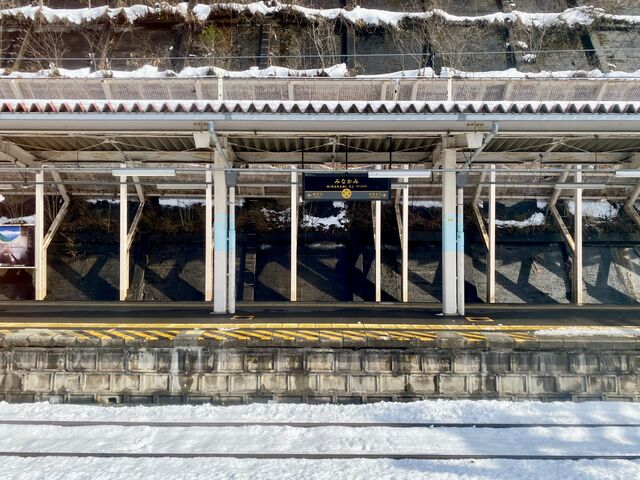
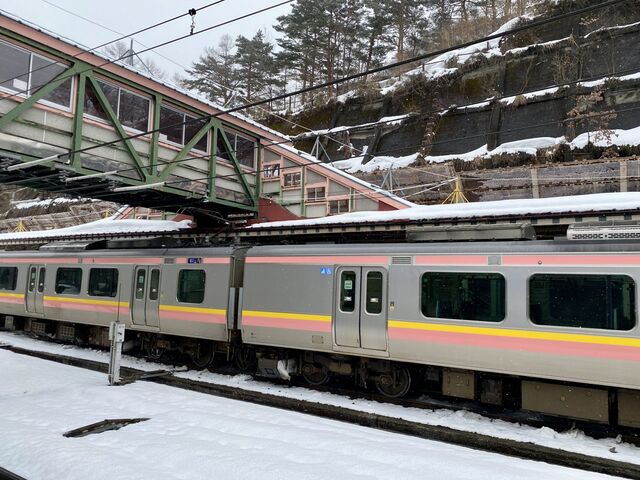
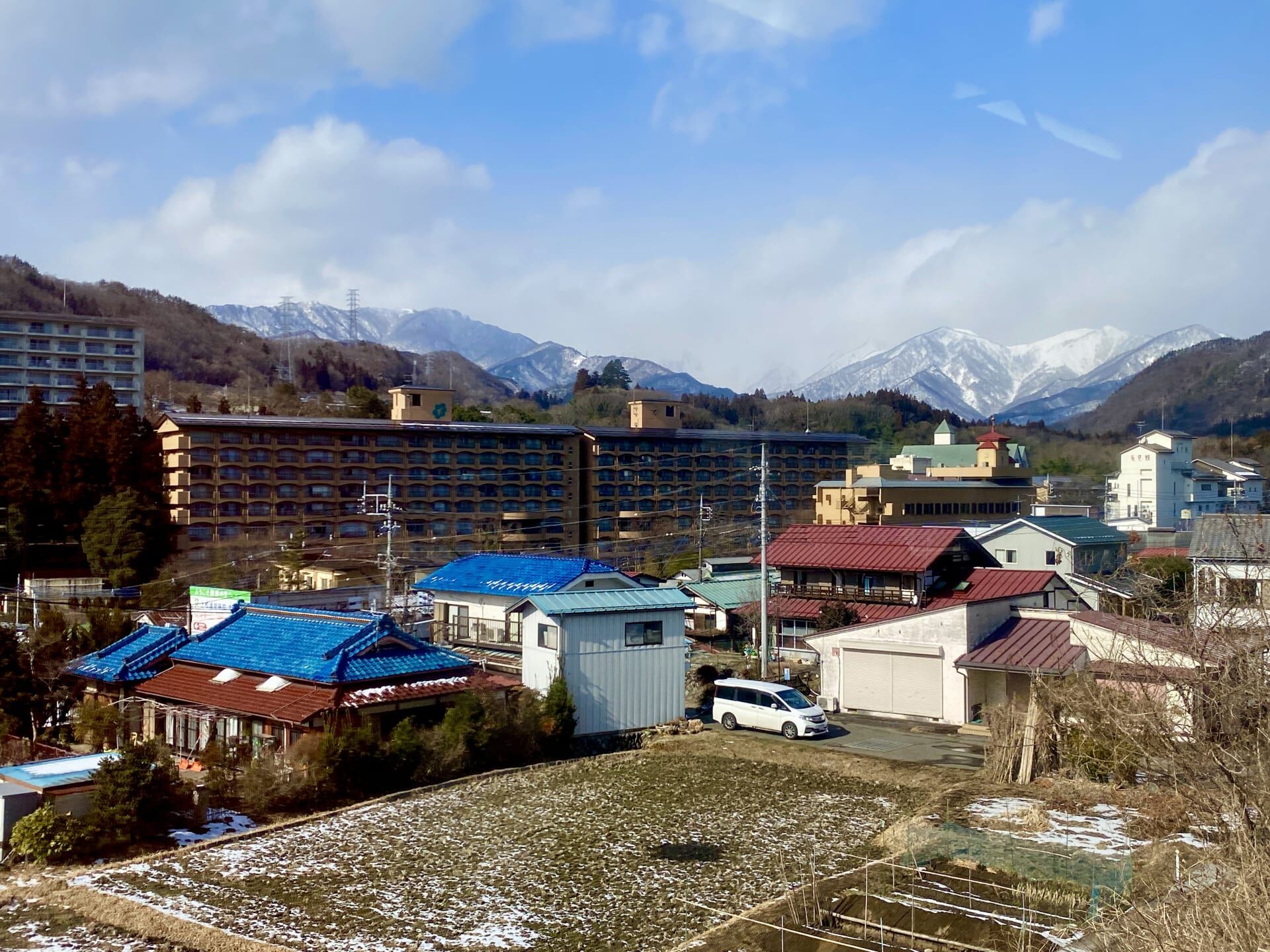
Upon alighting in Minakami and dropping our bags at our accomodation (the hot spring resort of Zazan Minakami), we debated whether to hop back on the train and spend the afternoon in the nearby town of Yuzawa. My guidebook promised a sake centre near Echigo-Yuzawa Station where visitors could sample from 93 varieties of sake.1 After some deliberation, however, we decided to stay put and see what Minakami had to offer. This turned out to be a fortunate choice. Our ryokan directly overlooked the railway line, but I was surprised to find no trains passing by. We soon learnt that all services north of Minakami had been suspended that afternoon due to an incident. Had we continued to Yuzawa on the train, we would almost certainly have been stranded.
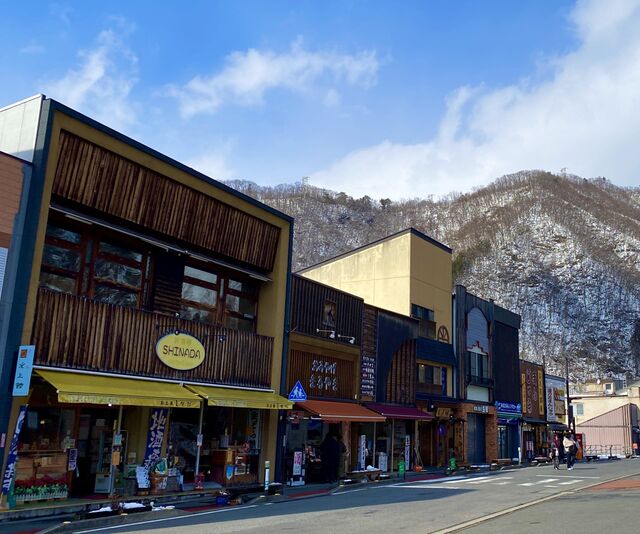
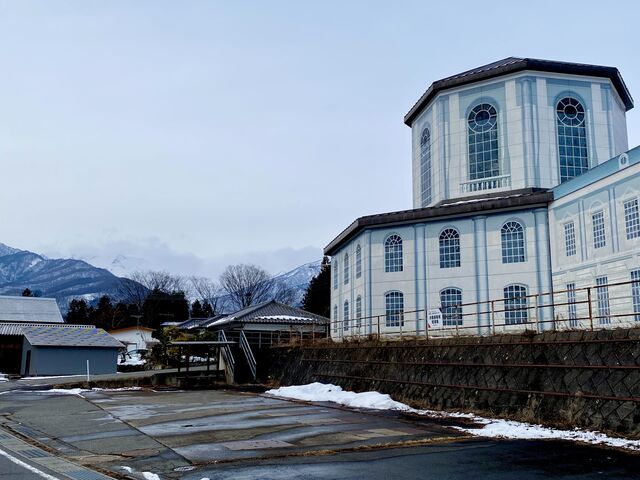
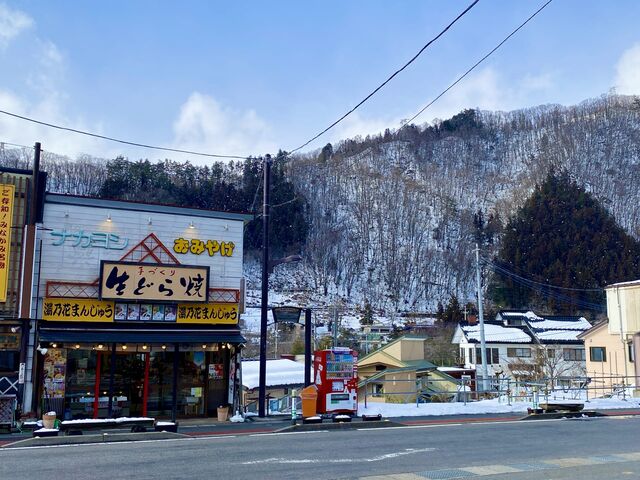
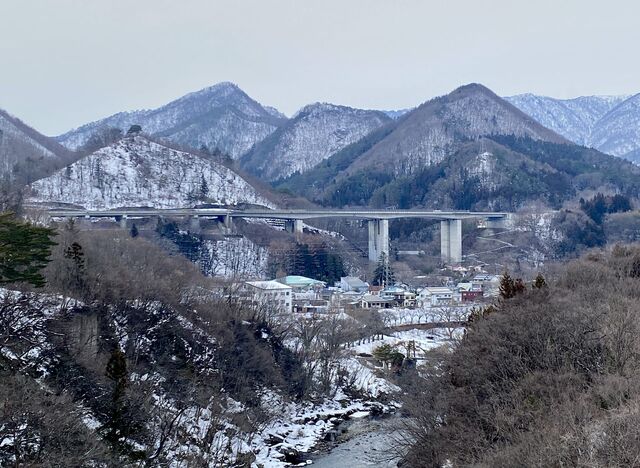
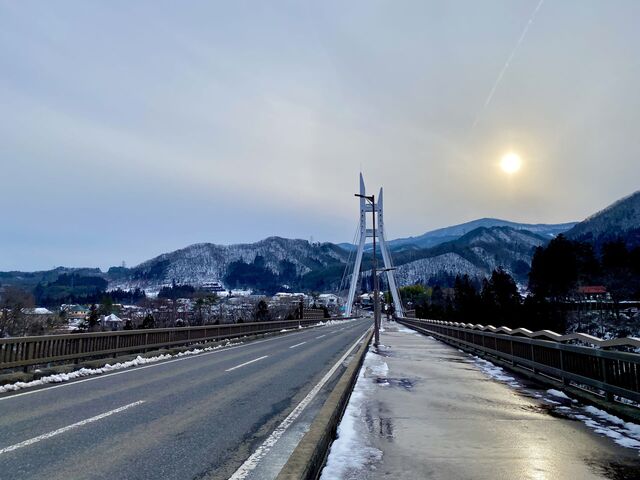
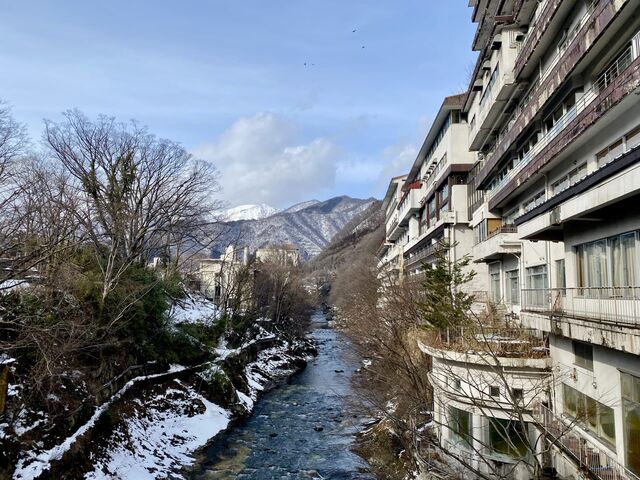
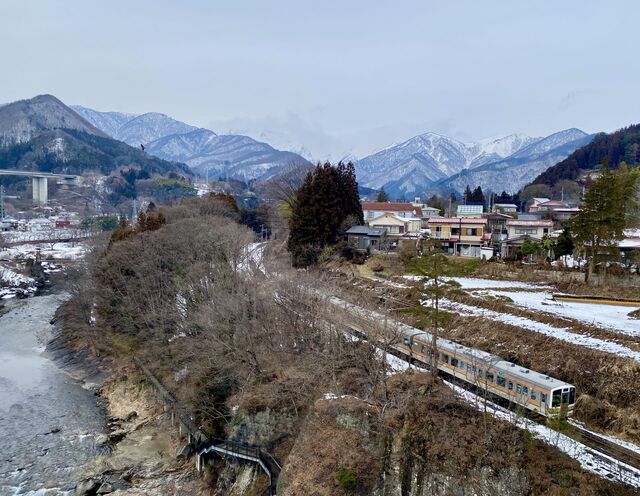
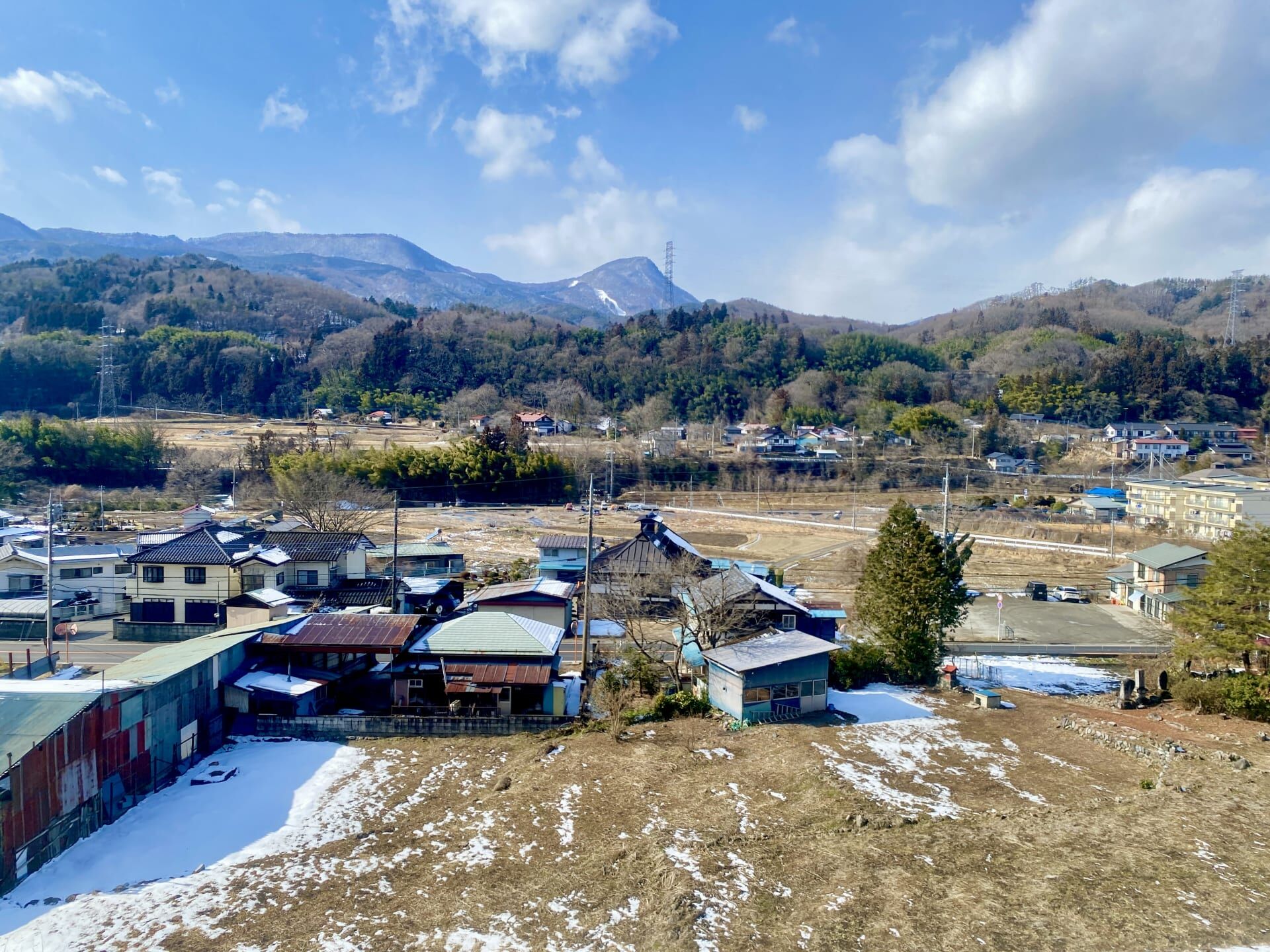
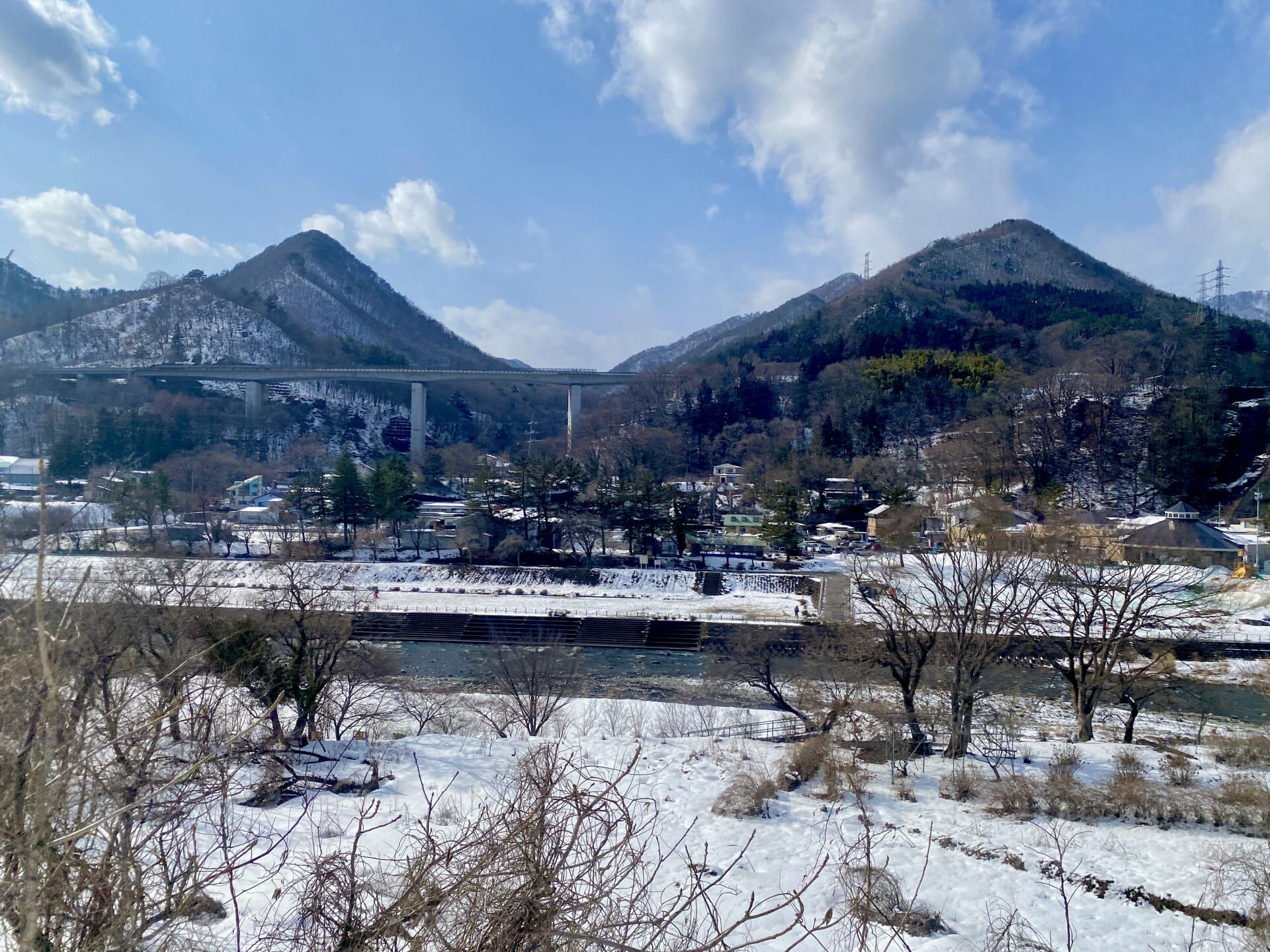
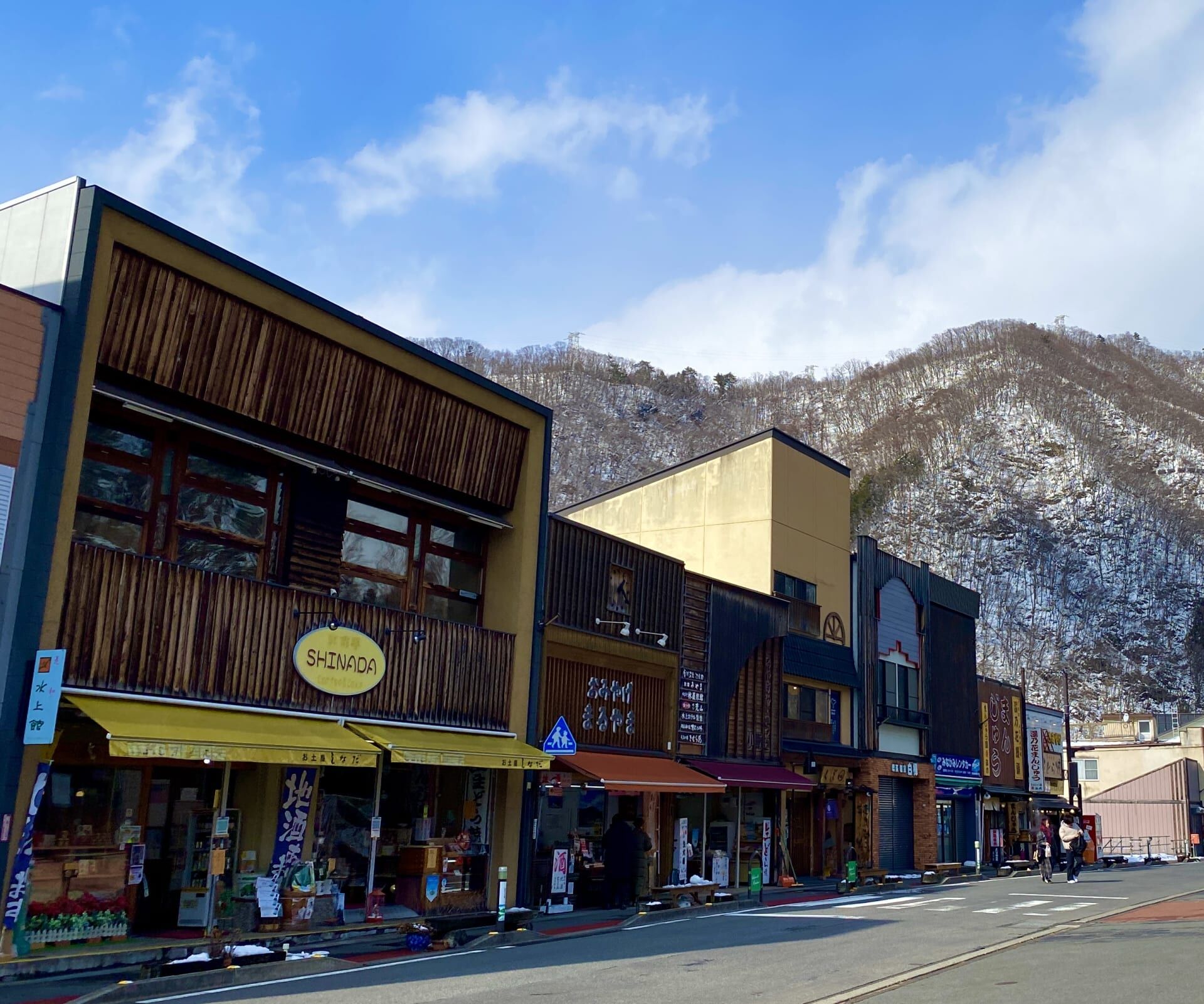
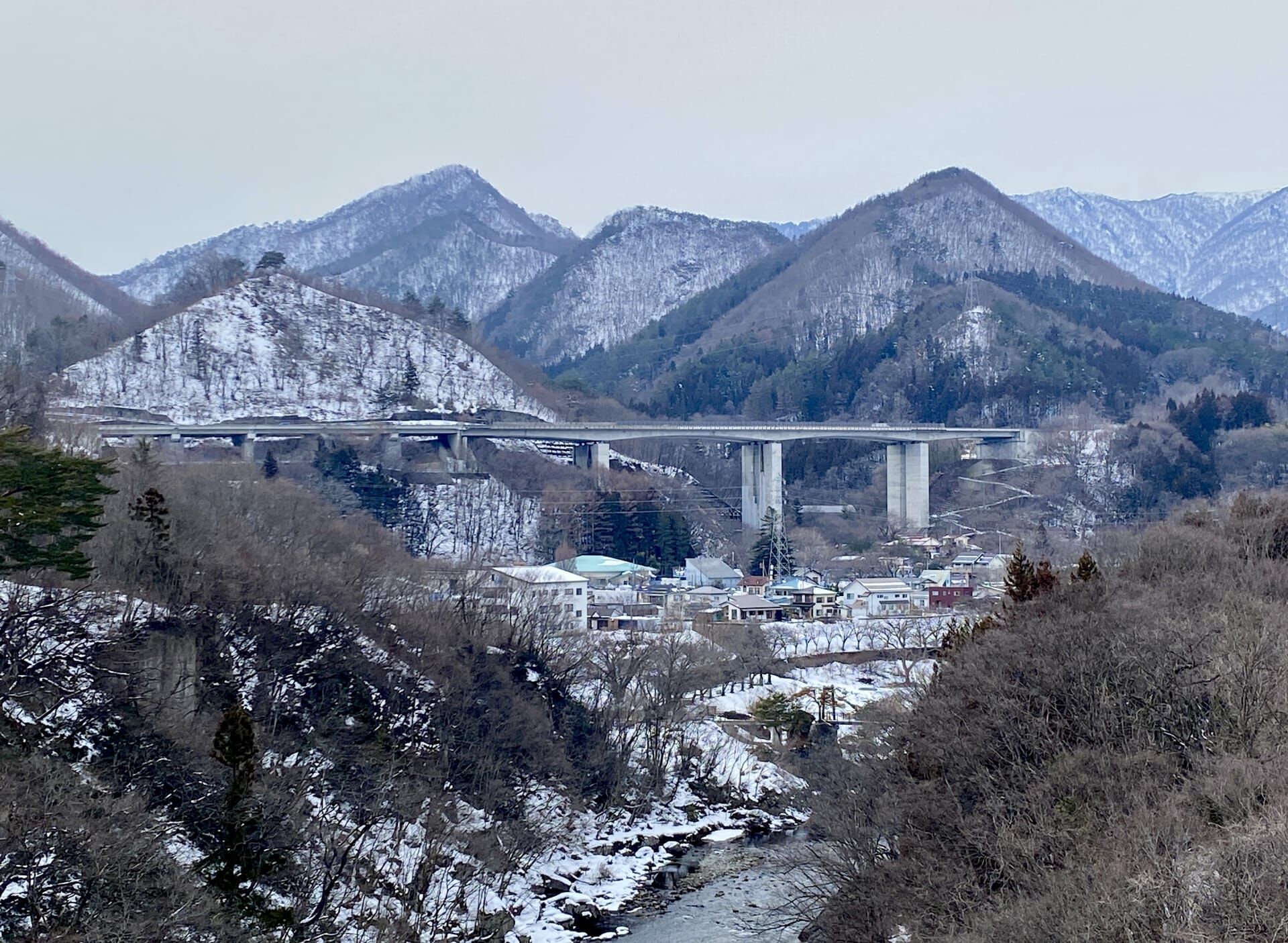
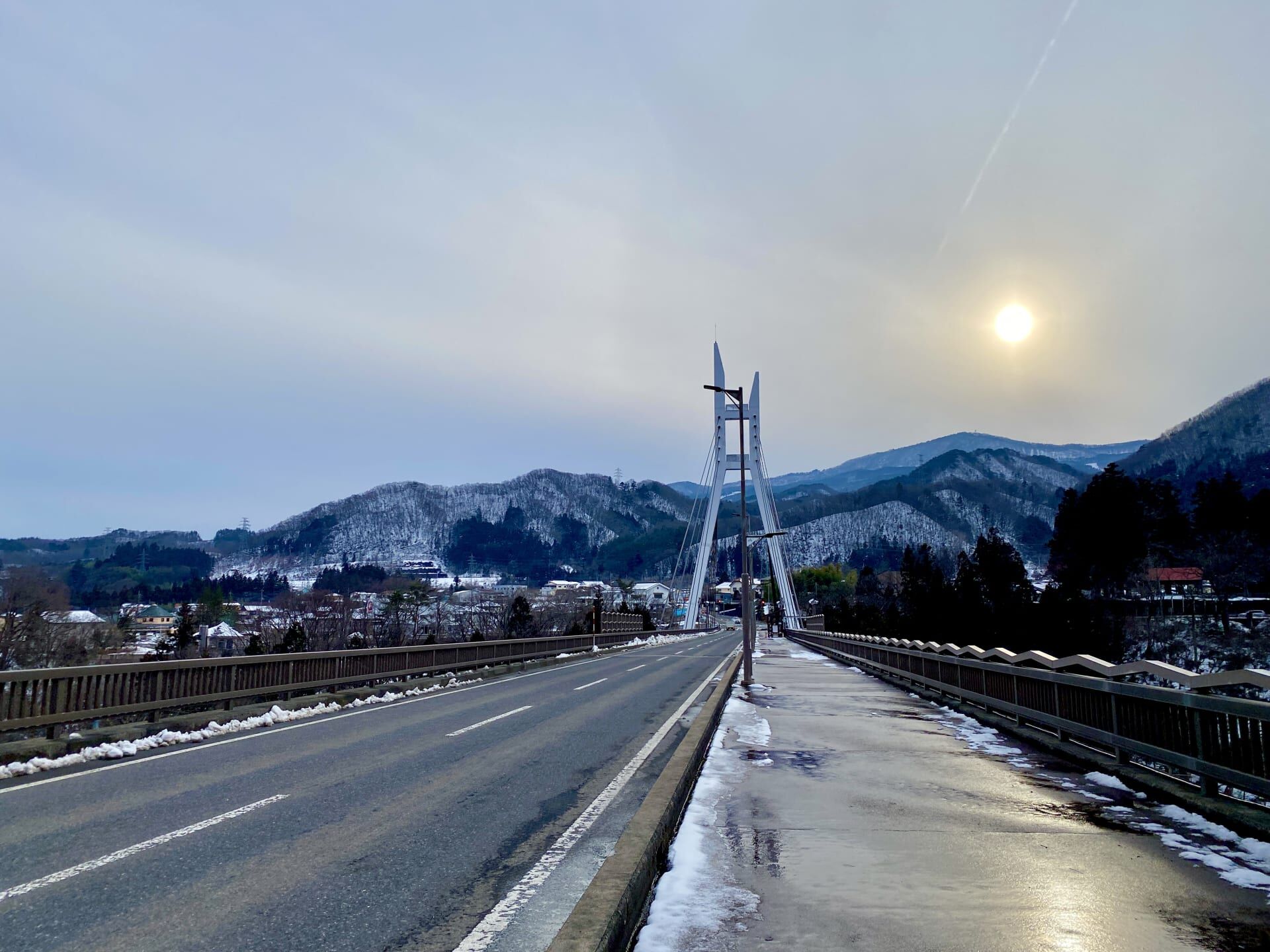
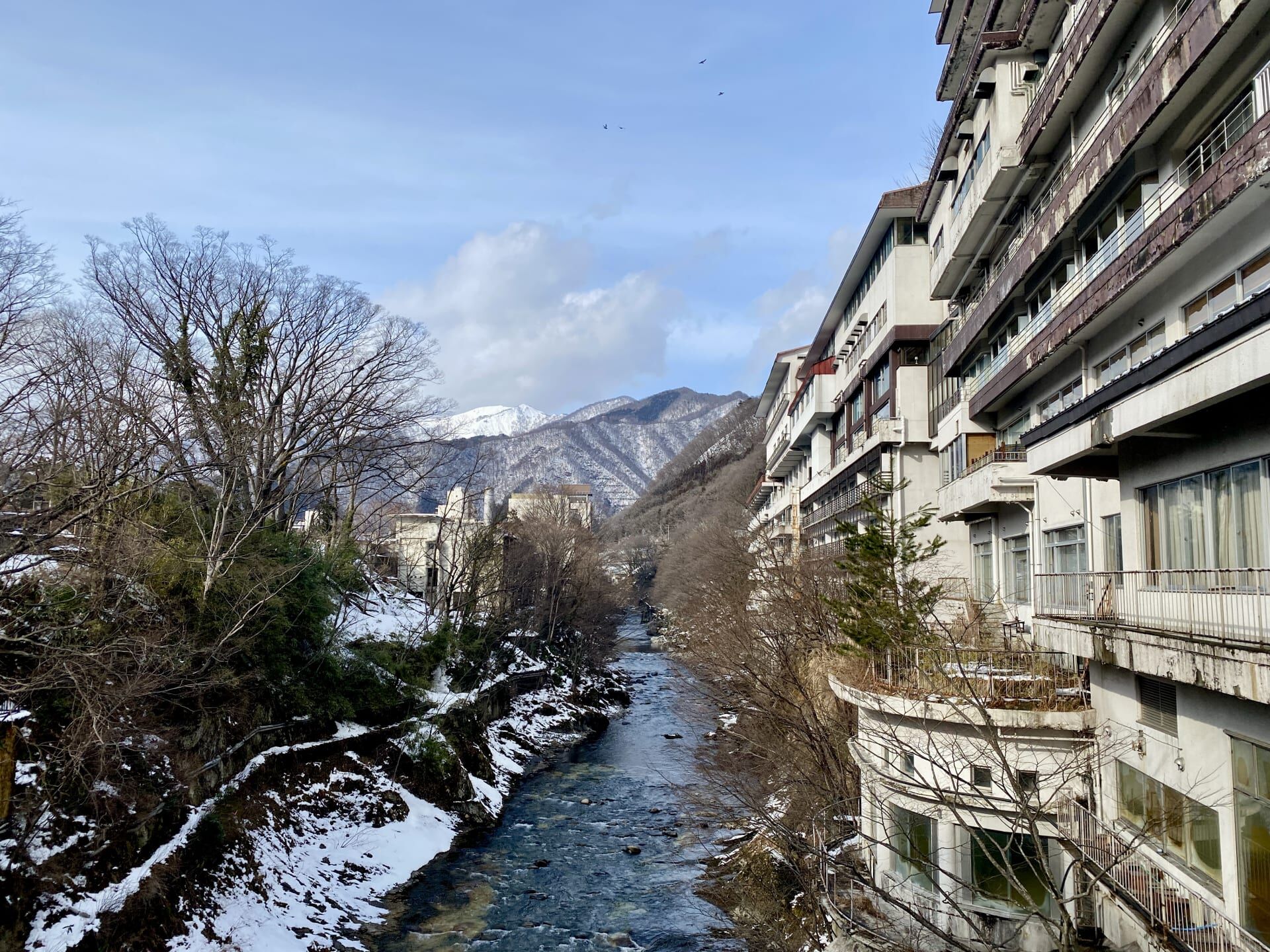
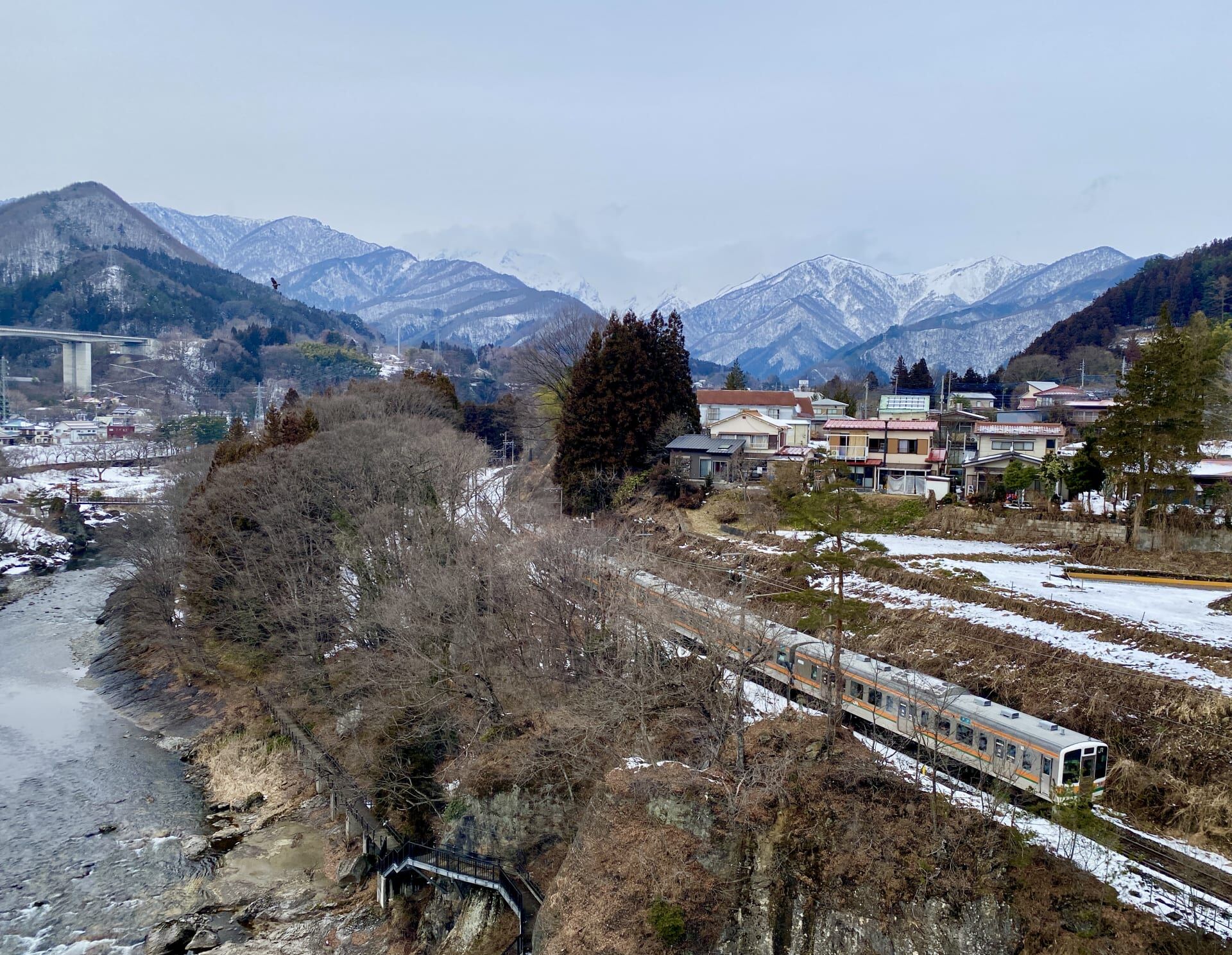
We spent the afternoon exploring Minakami, pausing on the Suwakyo Bridge to watch the trains on the Jōetsu Line pass against the backdrop of mountains.
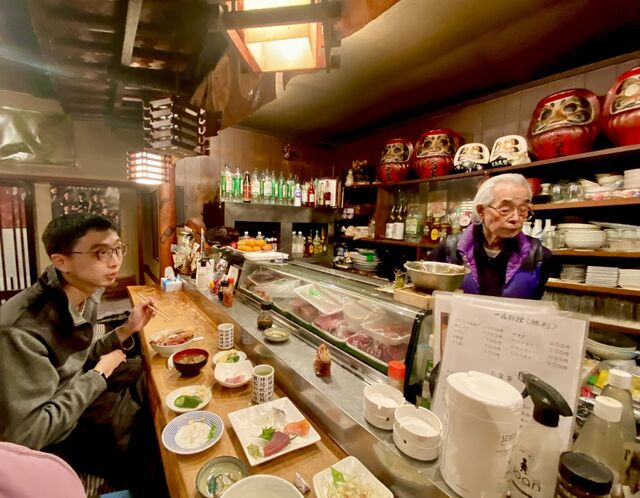
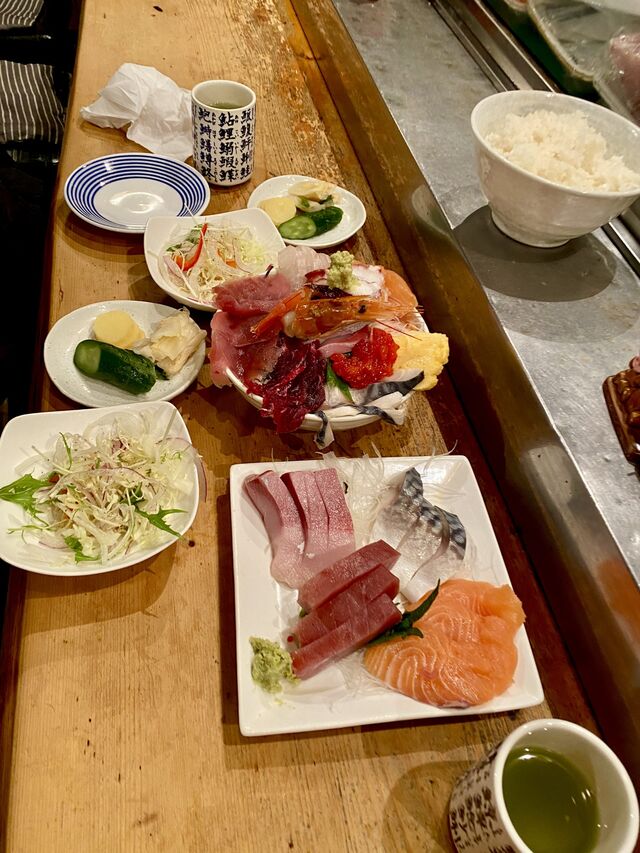
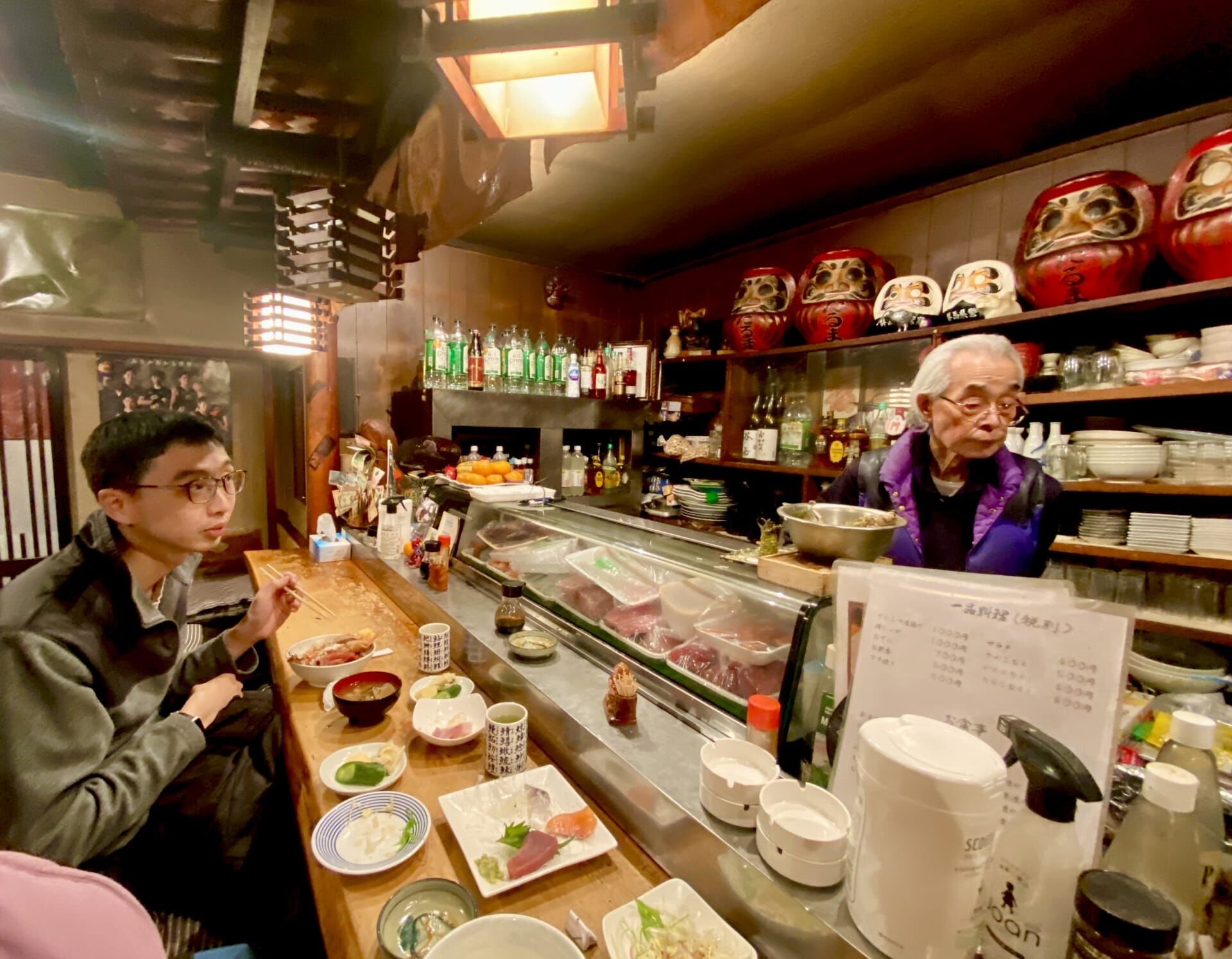
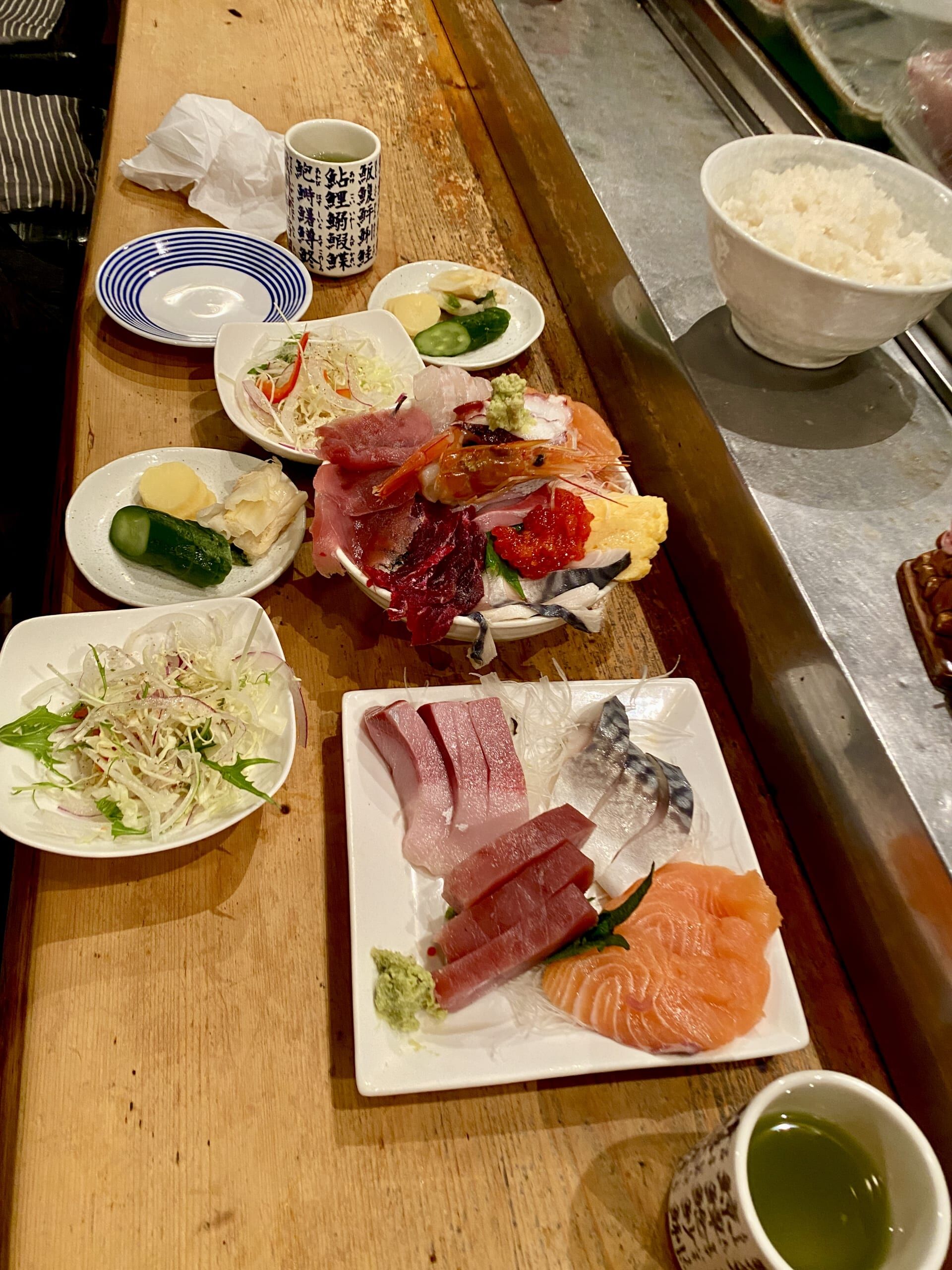
For lunch, we ducked into a tiny restaurant where my friend Jif managed to make quite a bad impression. The chef watched in horror as Jif committed a grave Chirashi-don crime. Apparently he had not mixed the dish together properly. Meanwhile, the chef’s focus on Jif meant he completely ignored Swishy and me, even though I was very obviously not holding my chopsticks correctly. The restaurant was filled with Daruma dolls from Takasaki, where we’d changed trains the day before.
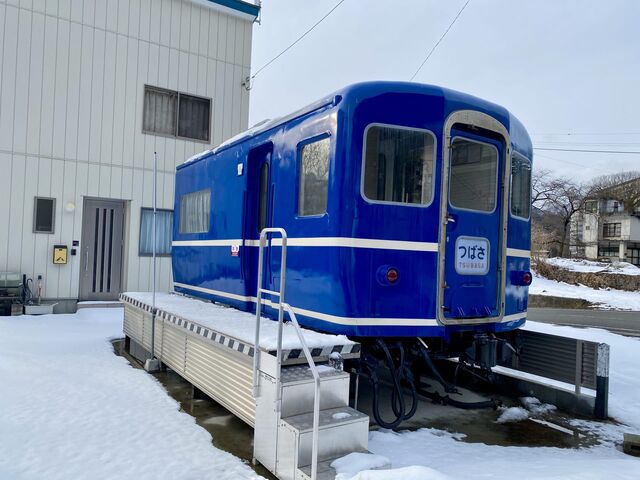
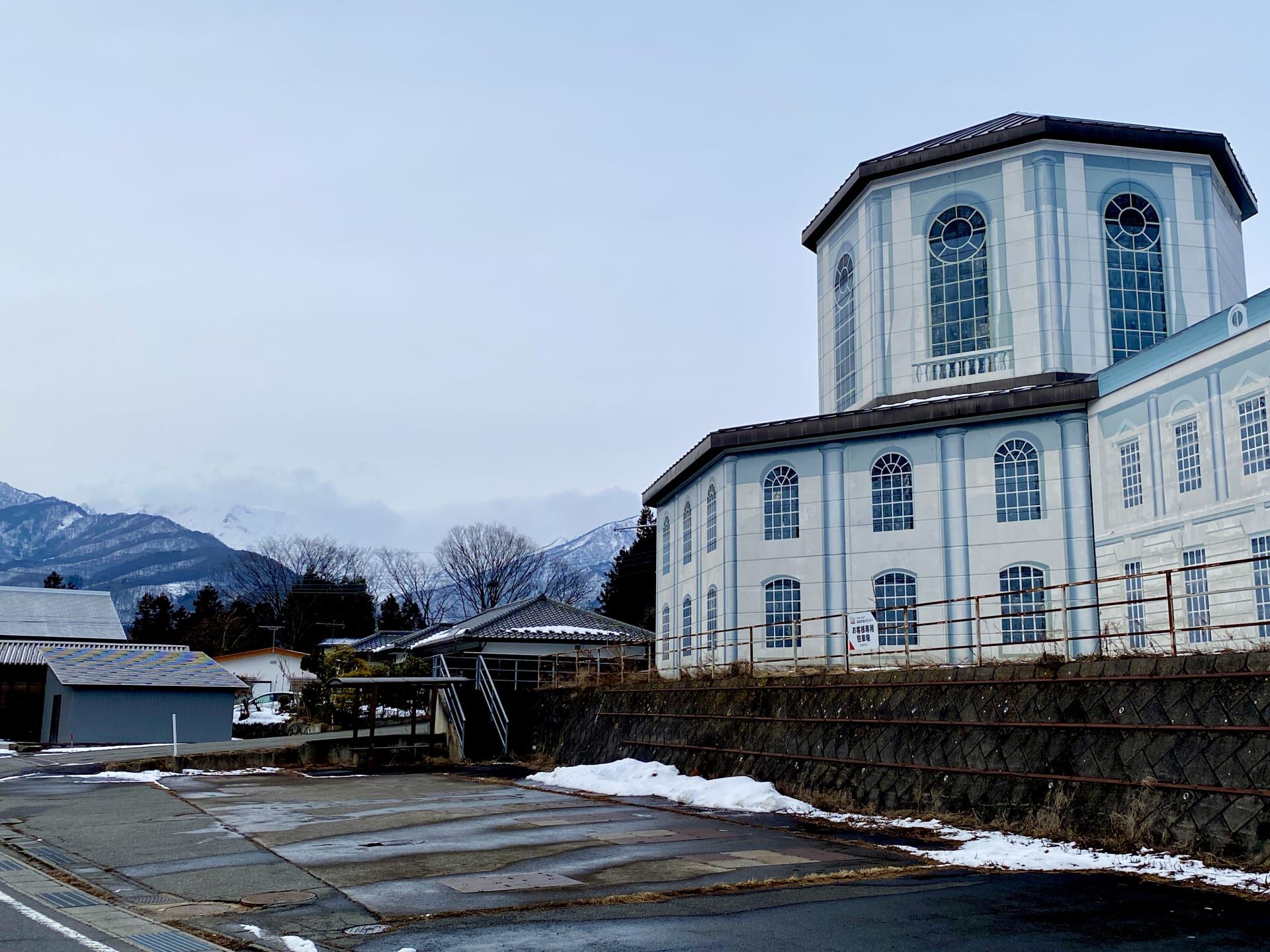
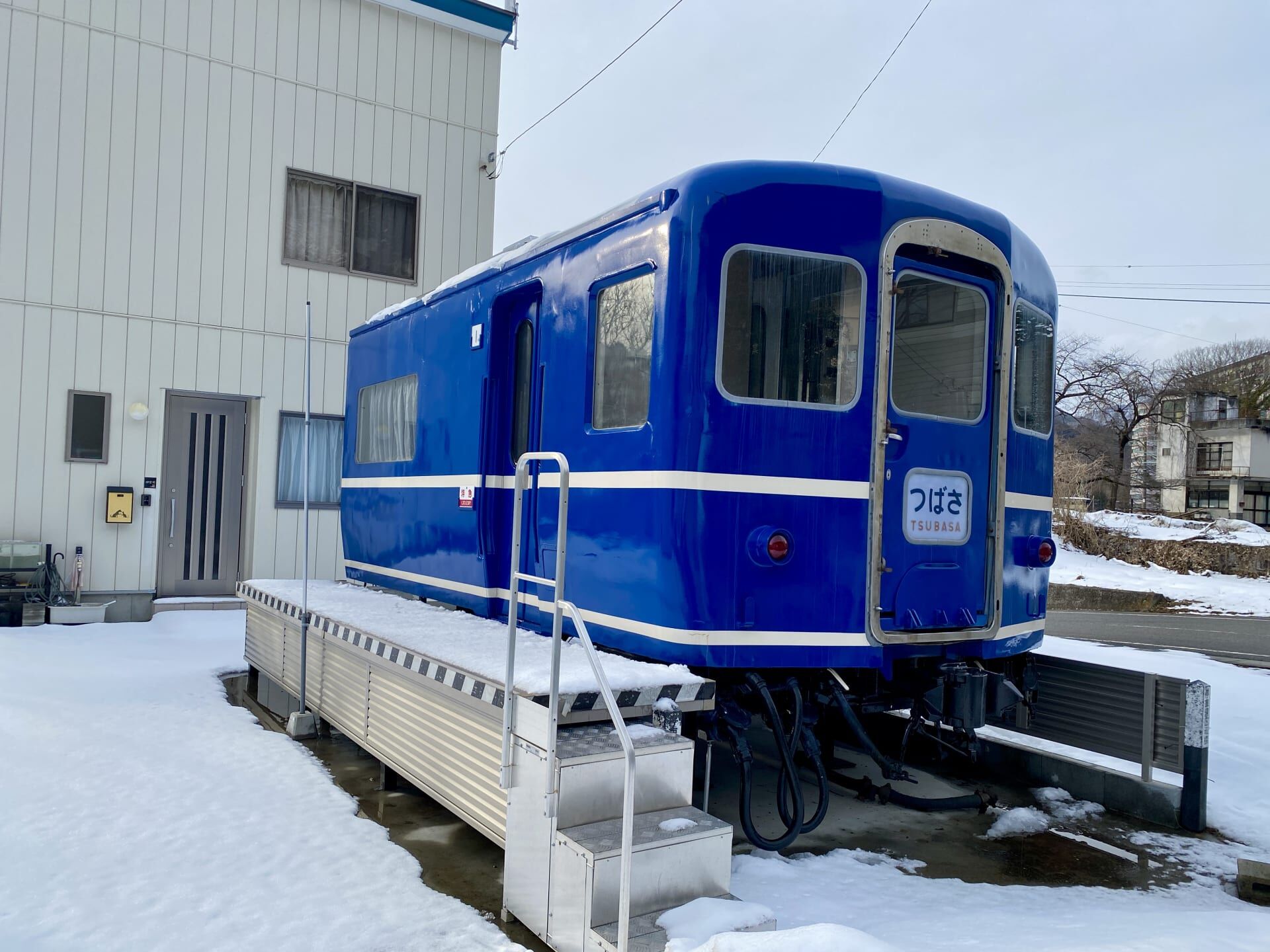
While exploring Minakami we also came across a striking Series 14 ‘Blue Train’ carriage in someone’s front yard. ‘Blue Trains’ were Japan’s long-distance sleeper trains that slowly vanished from service as the Shinkansen network spread.
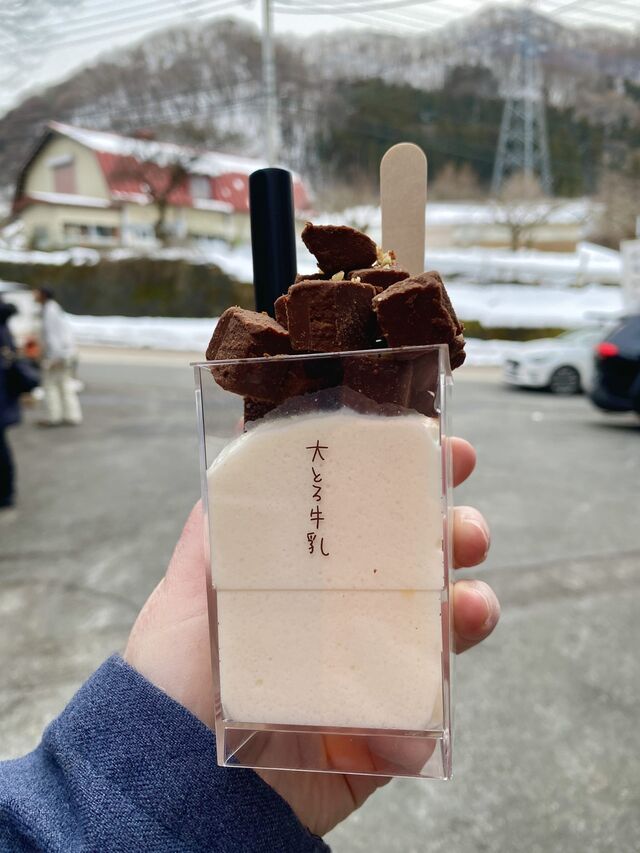
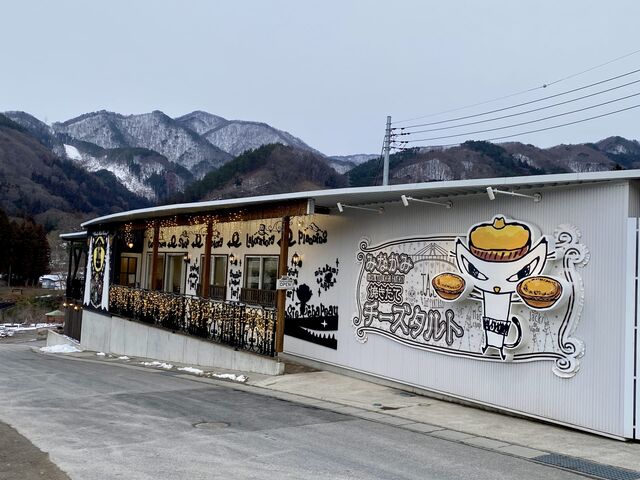
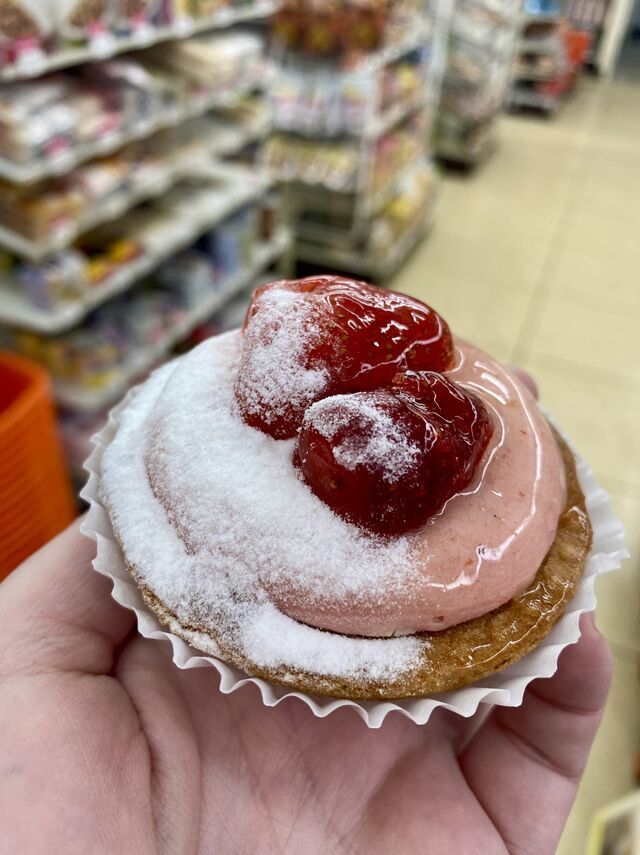
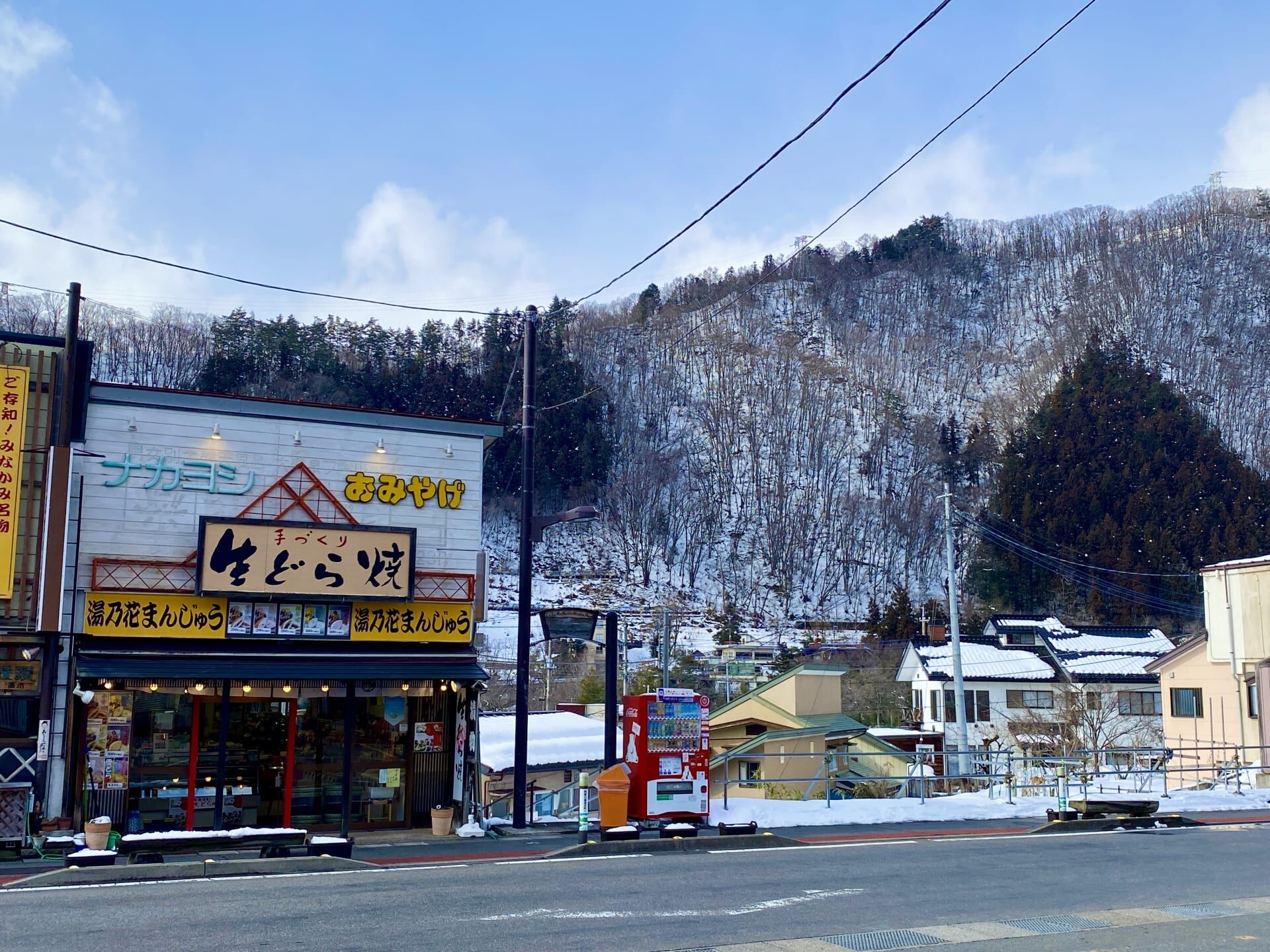
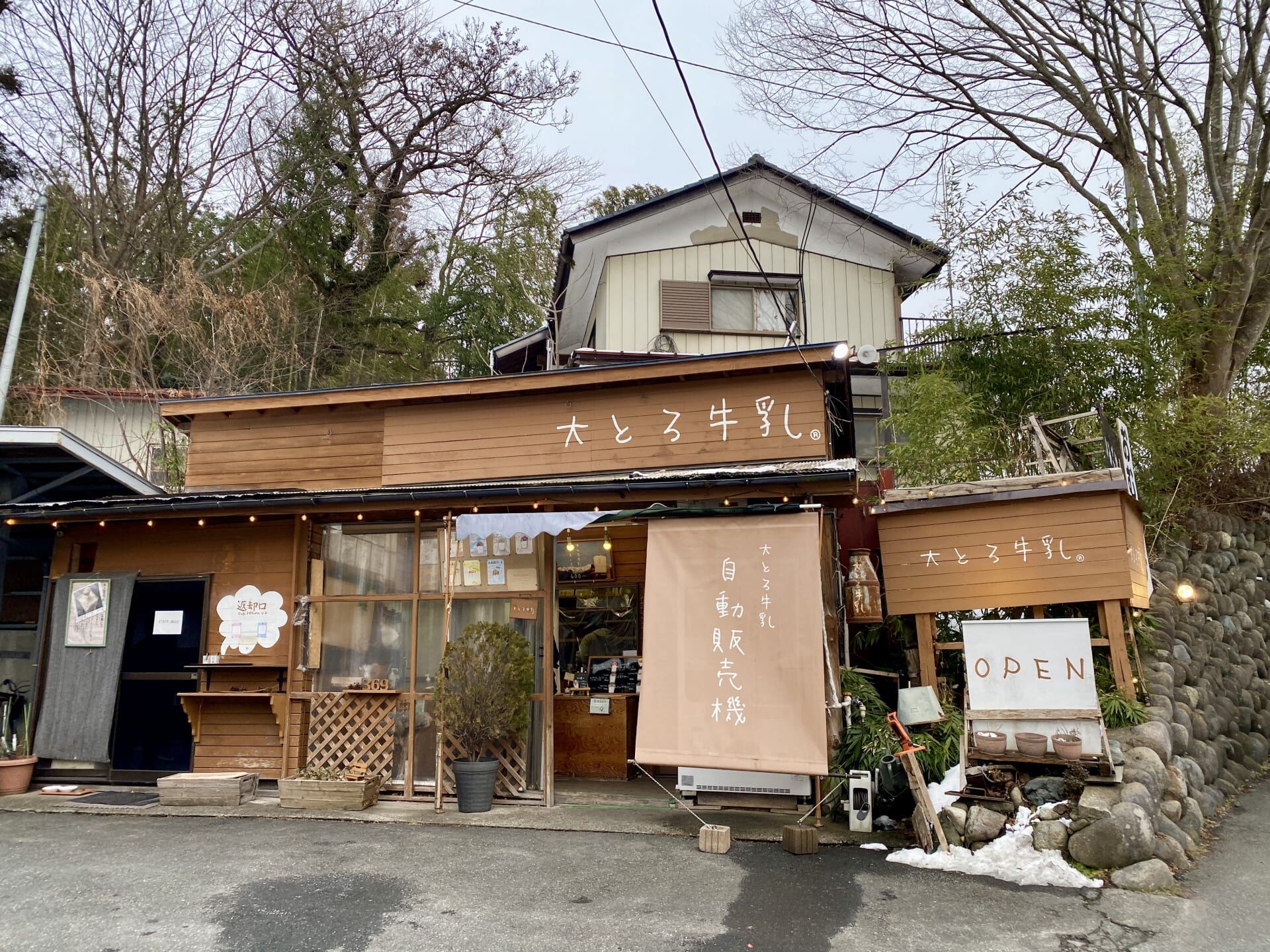
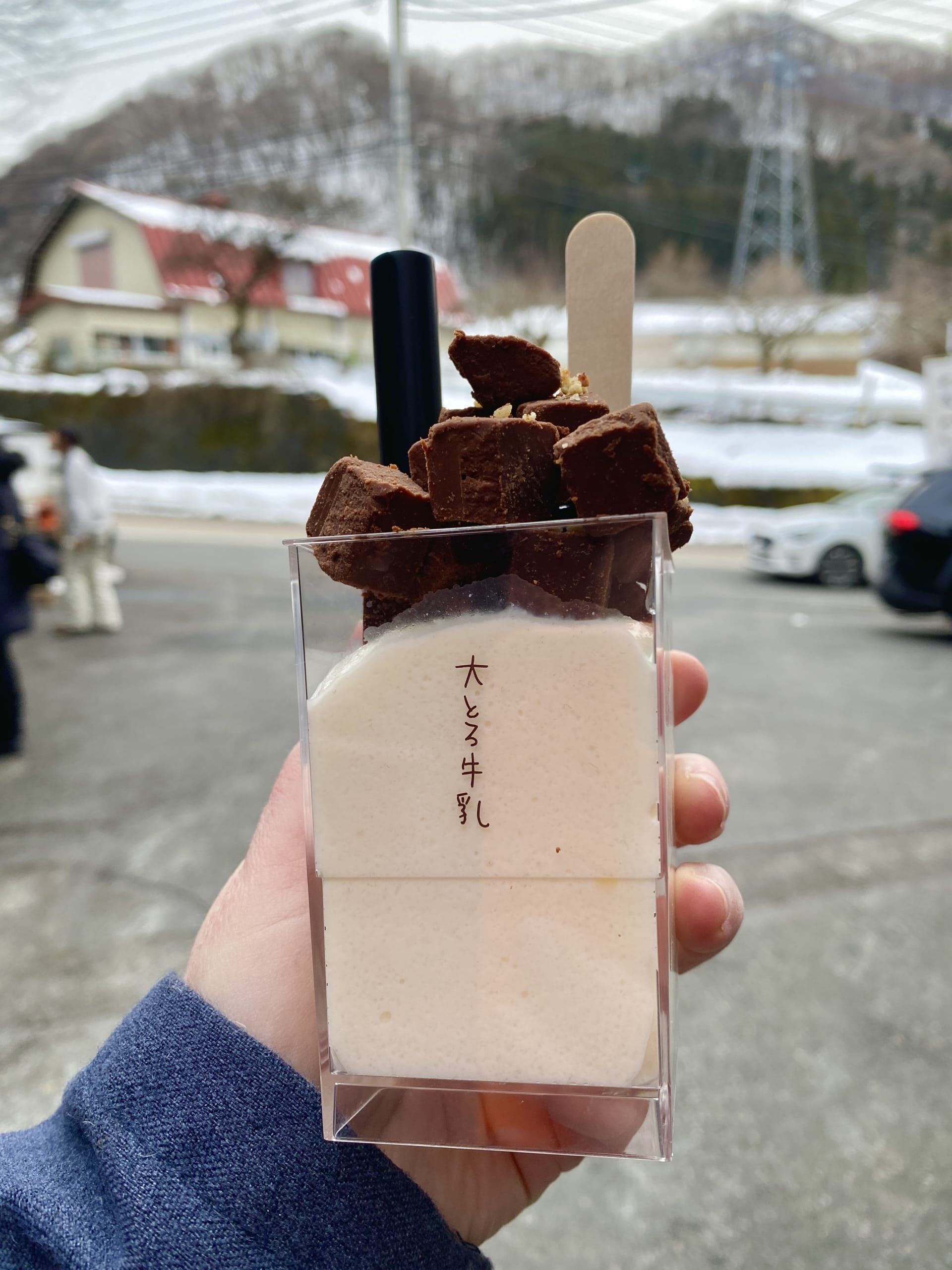
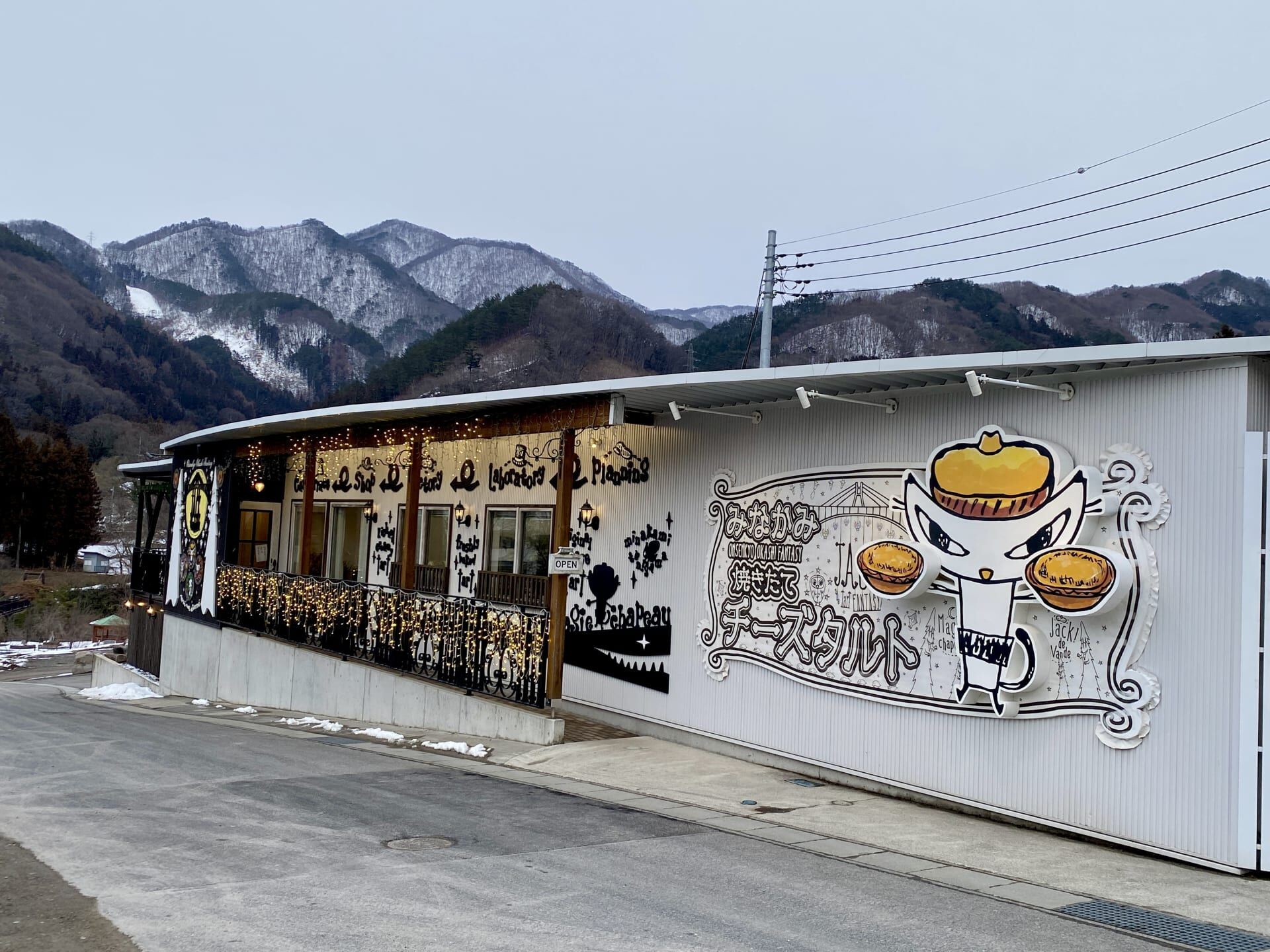
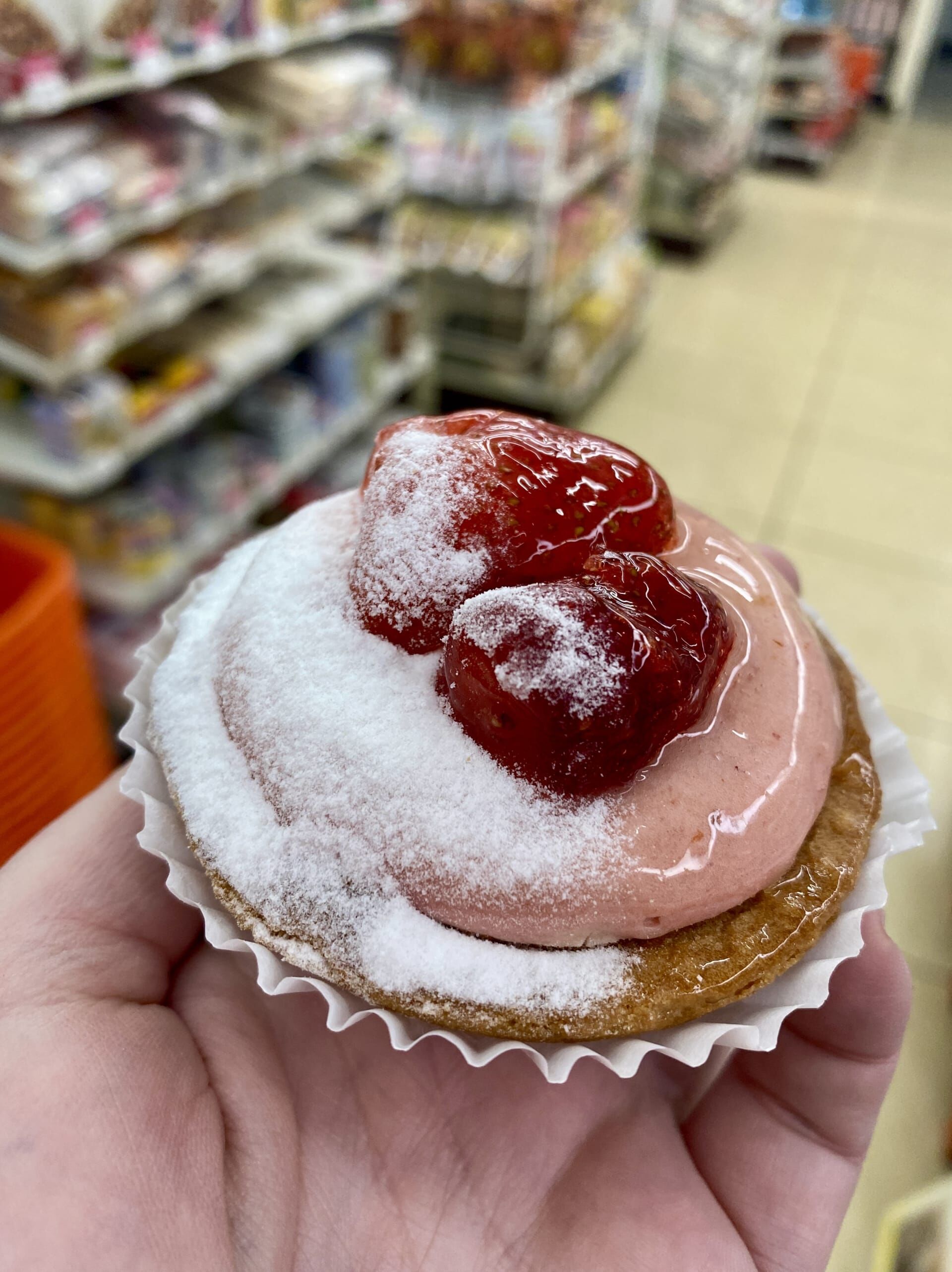
Minakami also had a couple of unique dessert spots which seemed popular among the local youth.

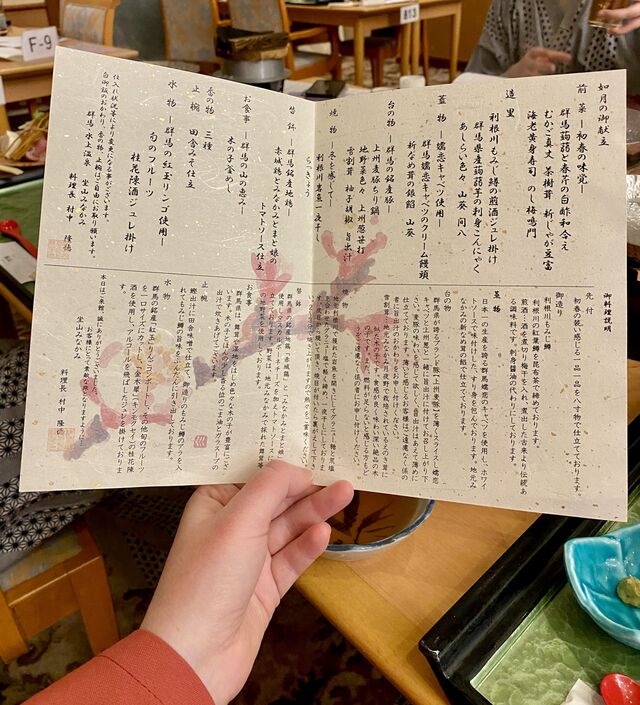
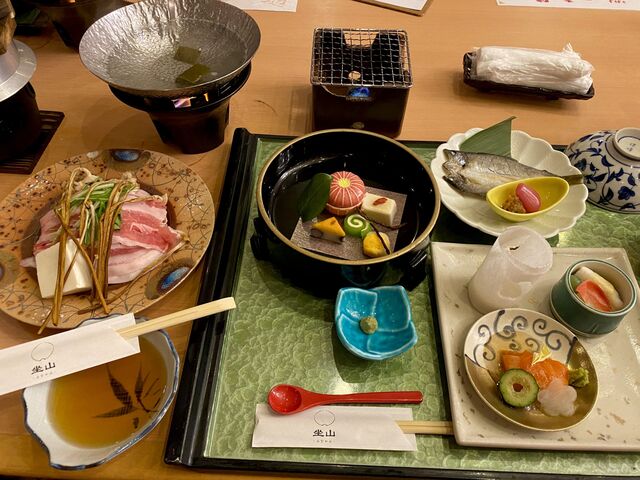
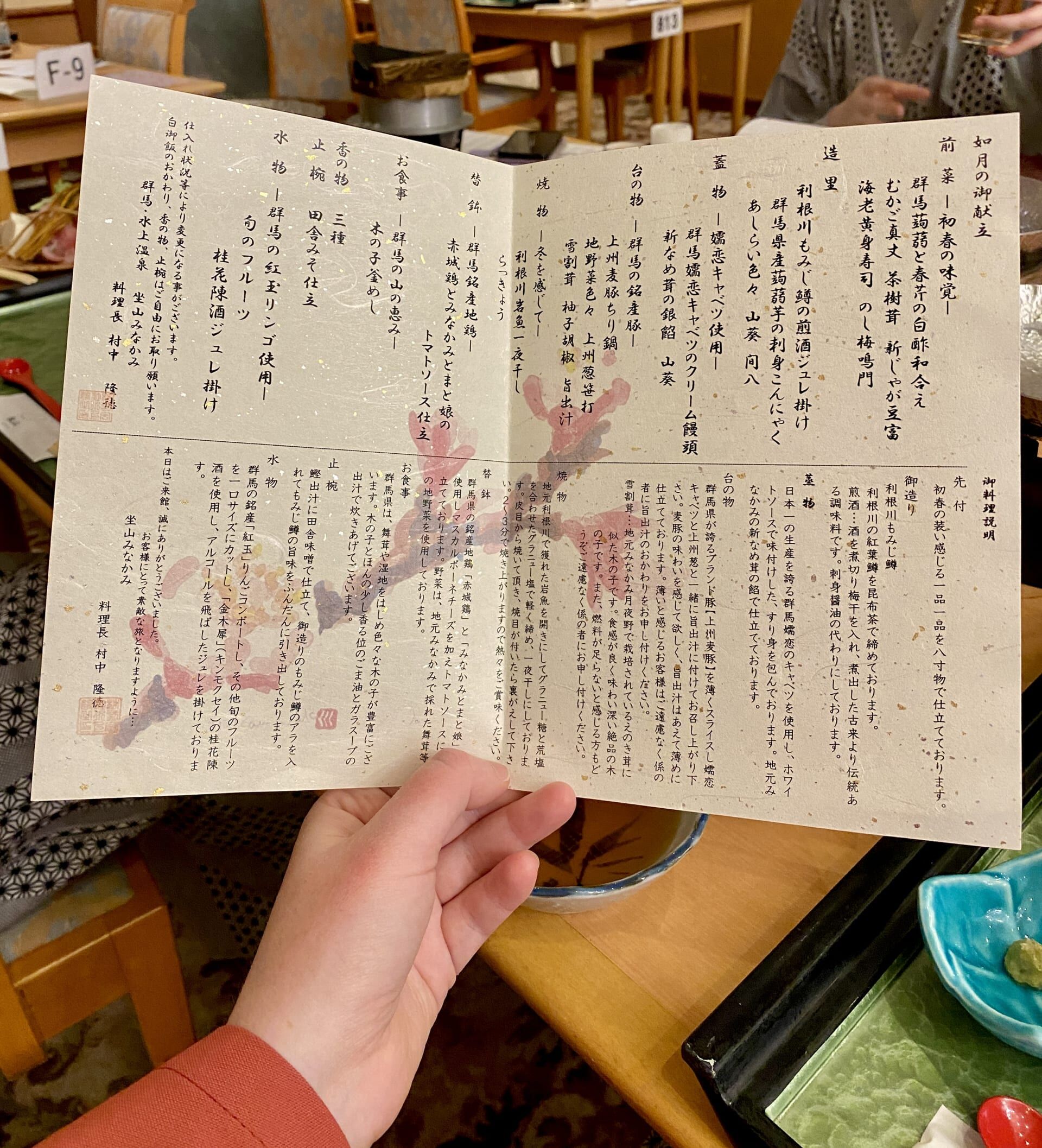
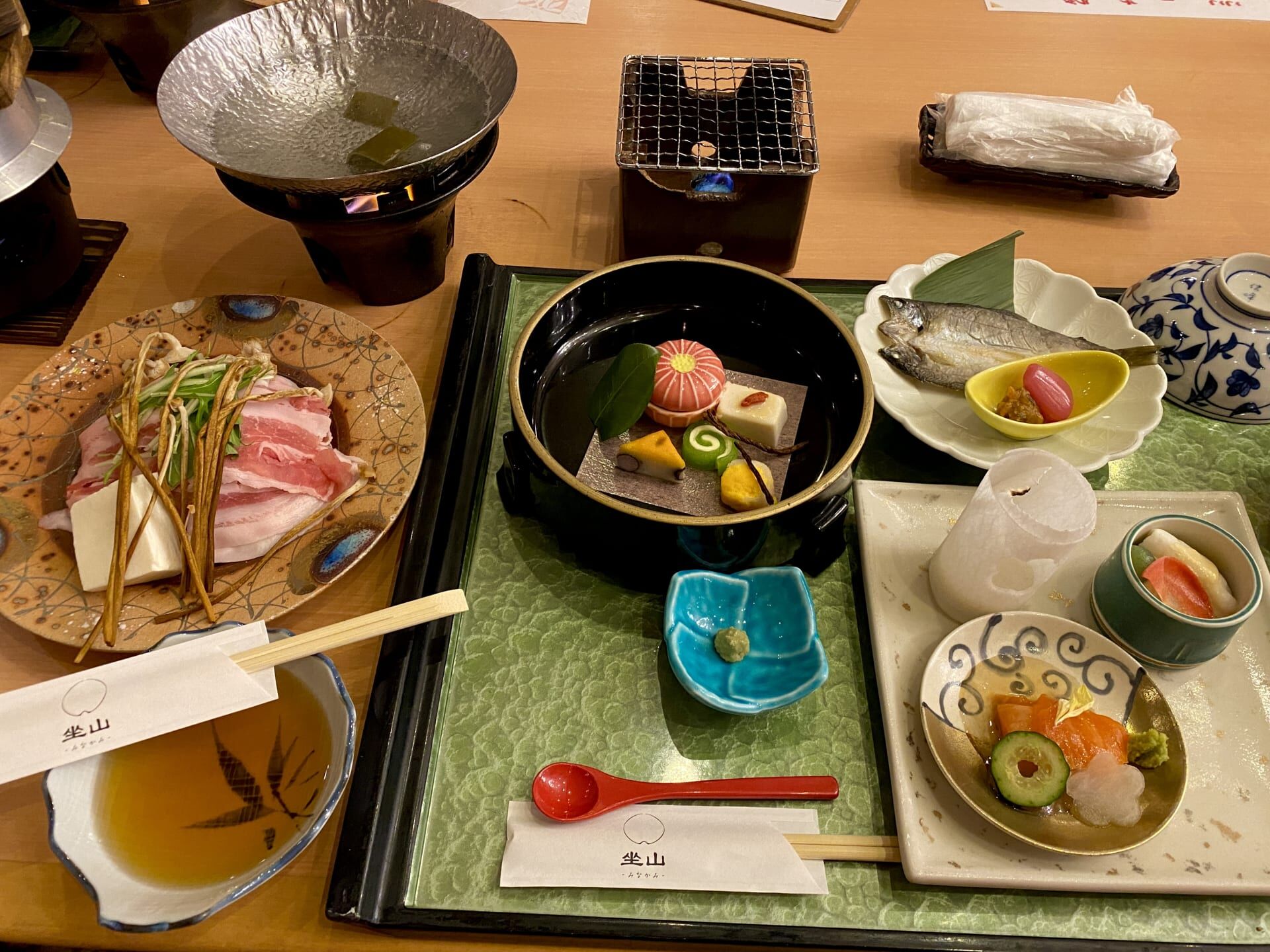
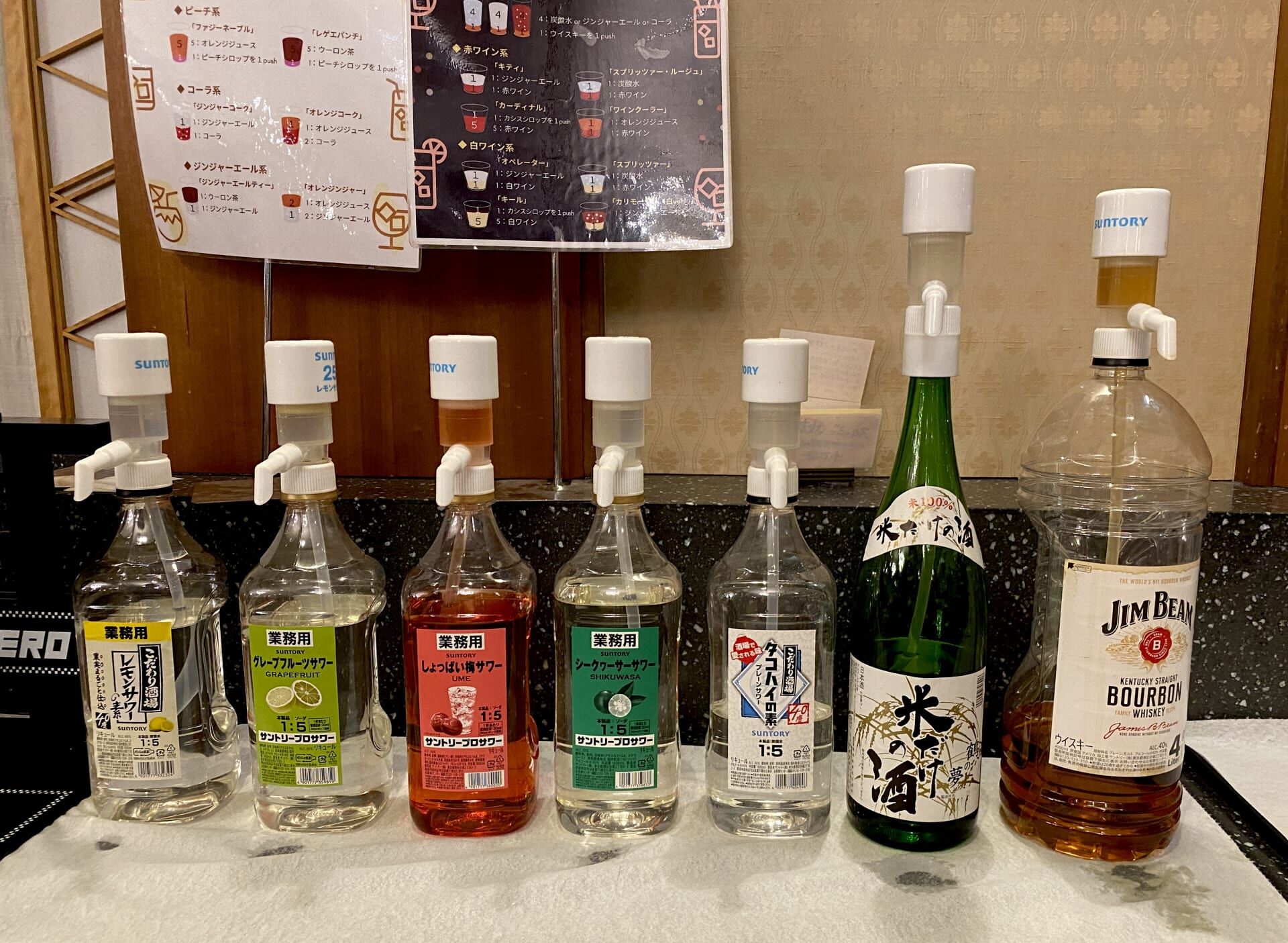
Our accomodation included dinner, breakfast, and onsen access. Dinner was a multi-course affair, complete with an alcohol buffet. The onsen even featured a cave! Much to my delight, there was also a train merchandise store in the lobby with a fairly wide selection of items.

Minakami to Uonuma (for the Tadami line!)
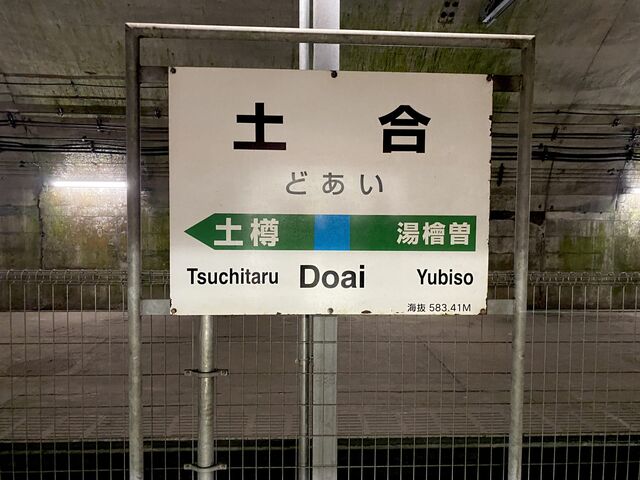
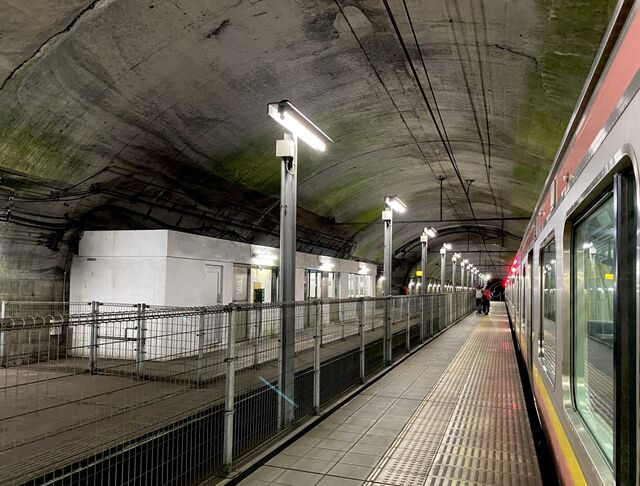
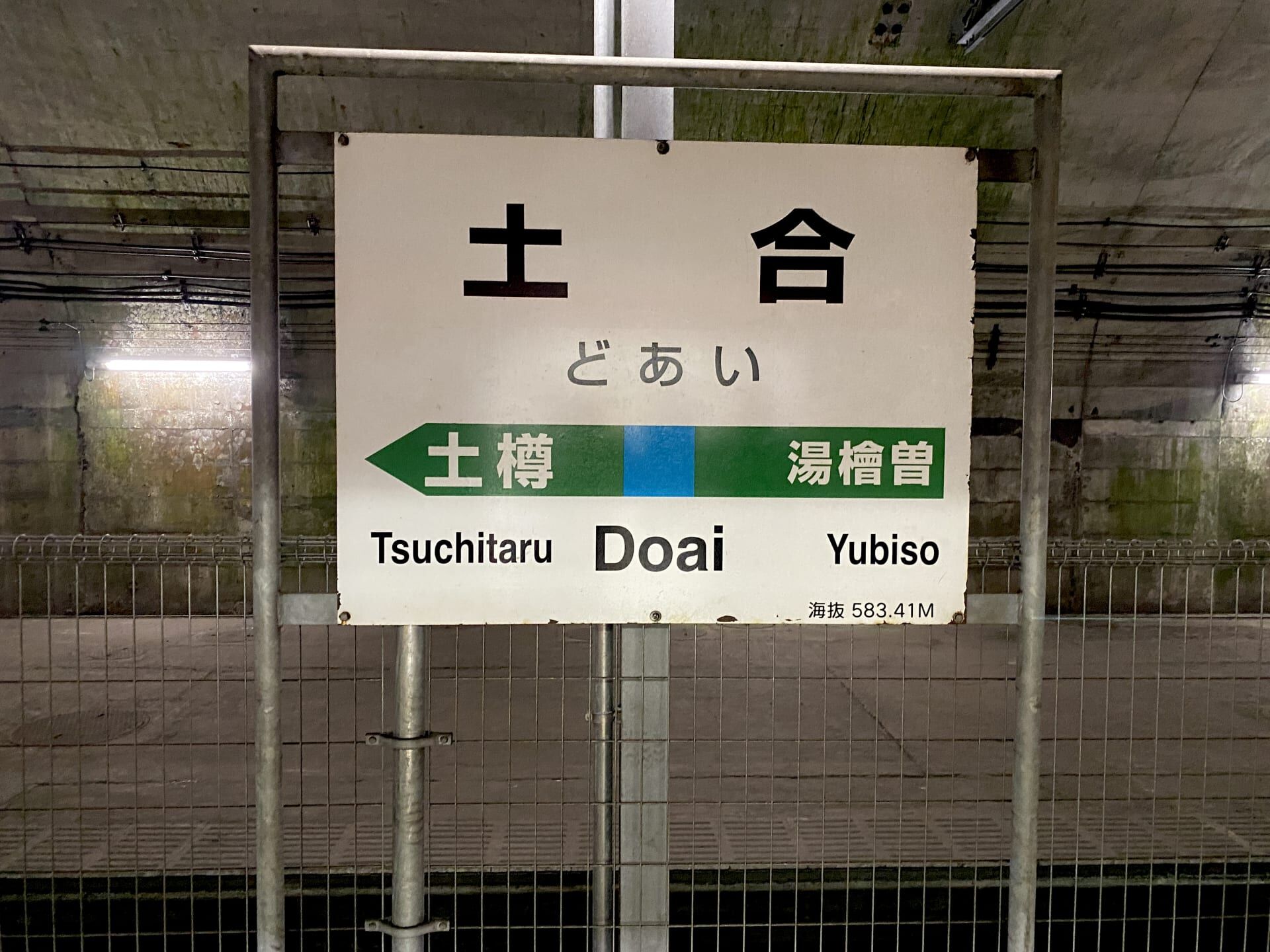
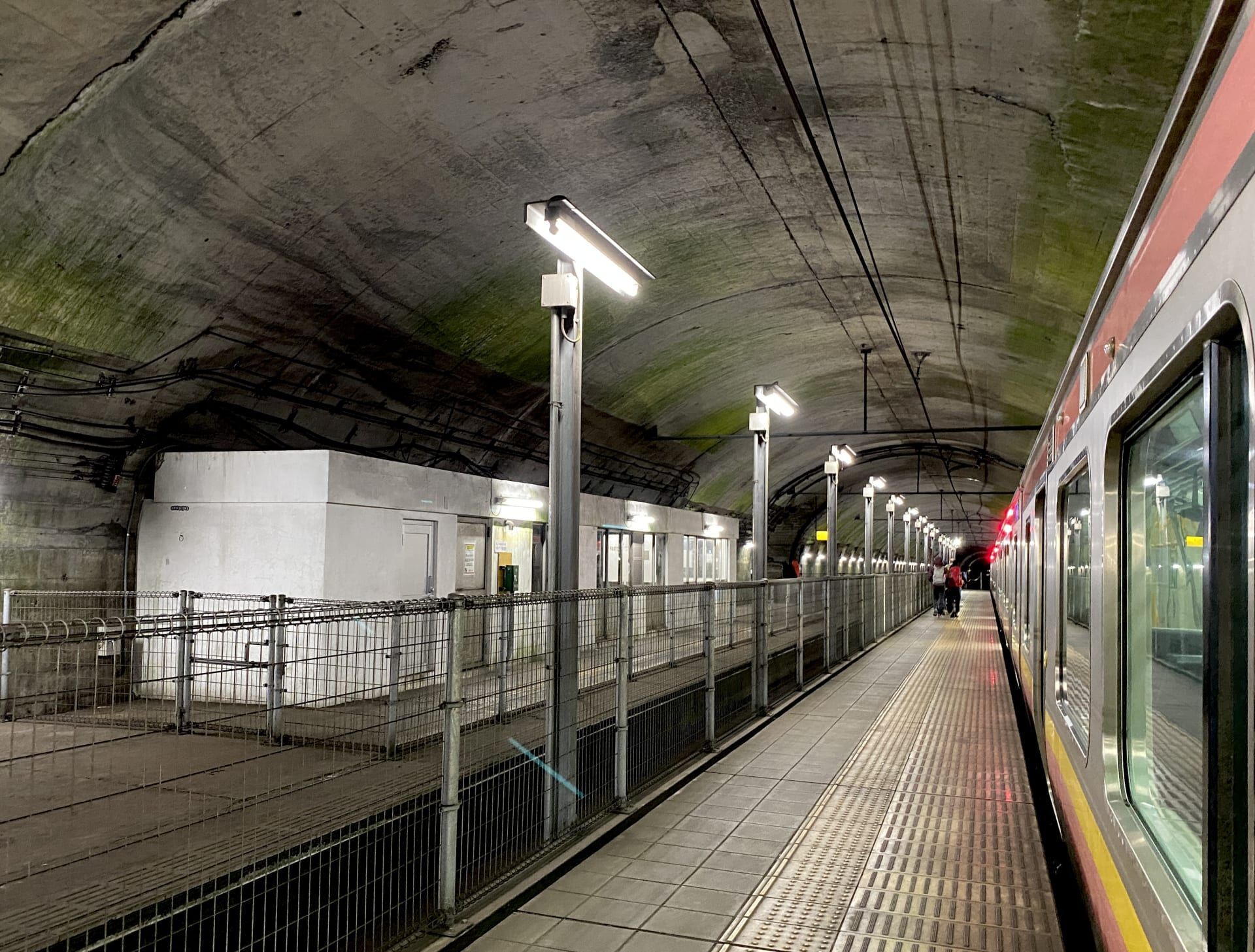
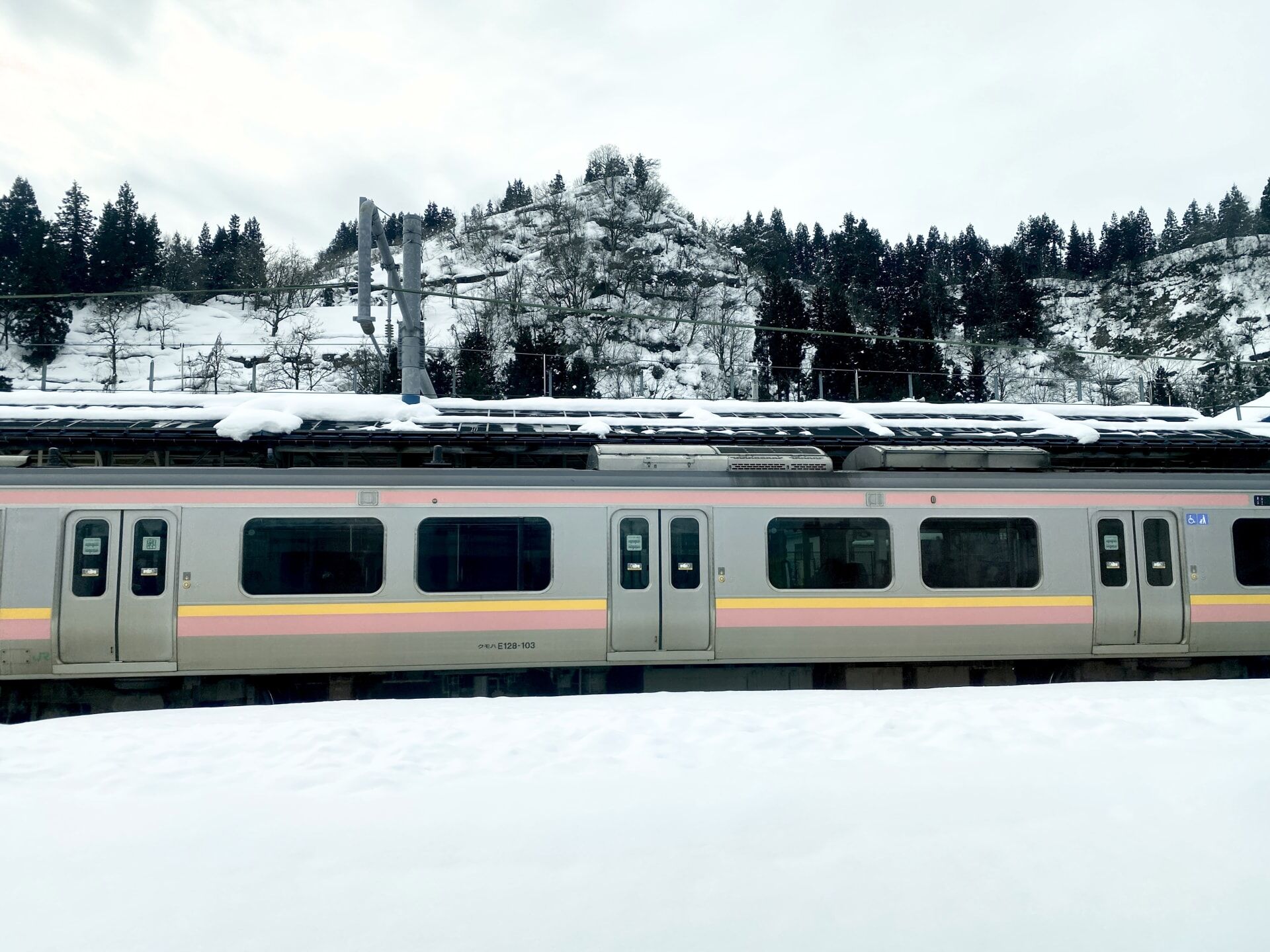
The following morning we hopped back on the Jōetsu Line, travelling toward the city of Uonuma. Our journey took 1.5 hours. En route, we passed Doai Station, notable for being the deepest railway station in Japan, with 486 steps connecting the platform to the station entrance.2 Doai Station was built in 1936 and once required passengers to pass through the ticket gates ten minutes before departure to allow enough time to descend to the underground platform. Interestingly, the deep underground station is used only by northbound trains, with the platform for southbound services toward Minakami located at ground level.3
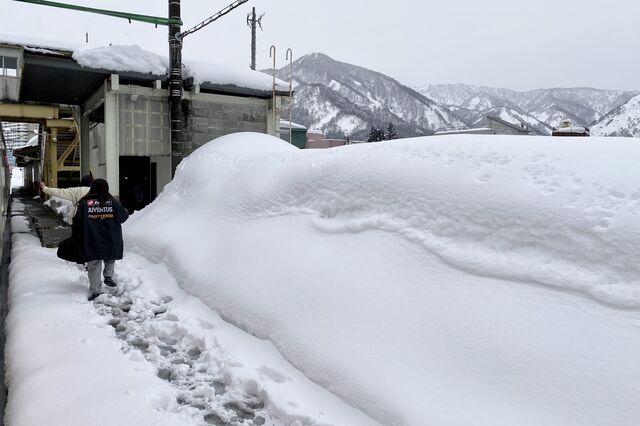
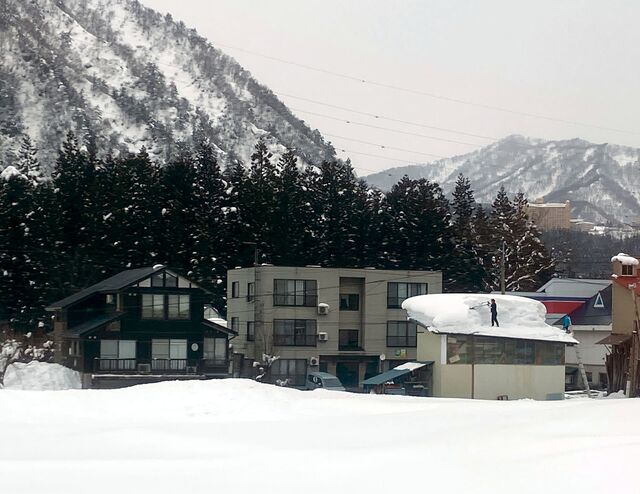
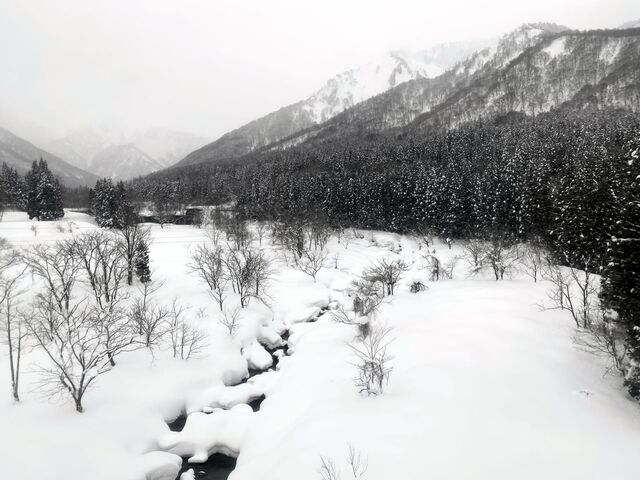
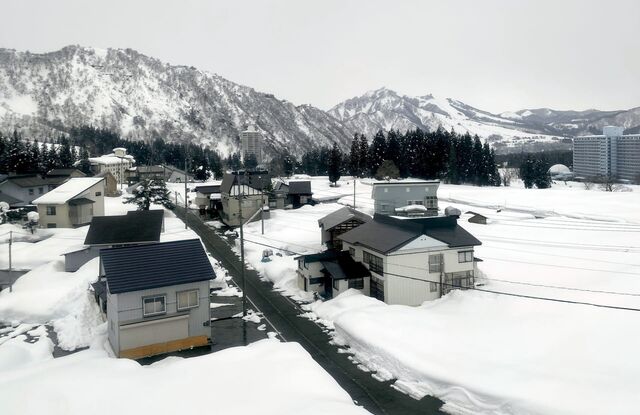
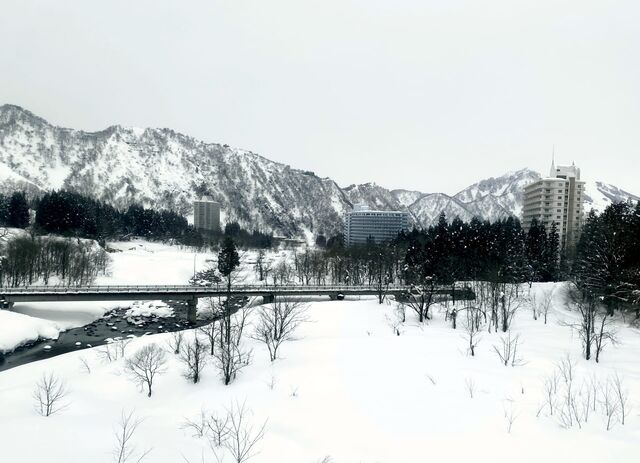
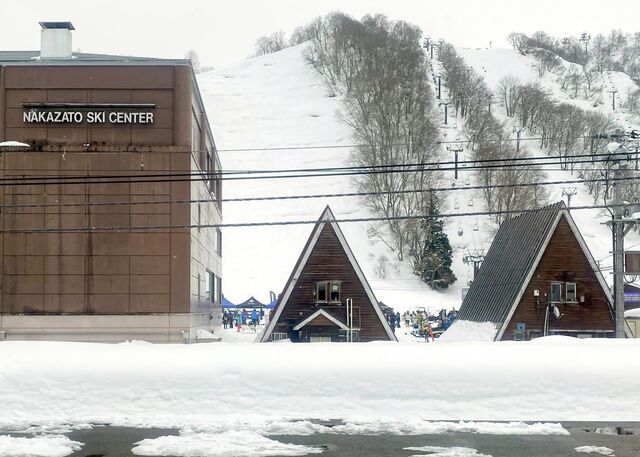
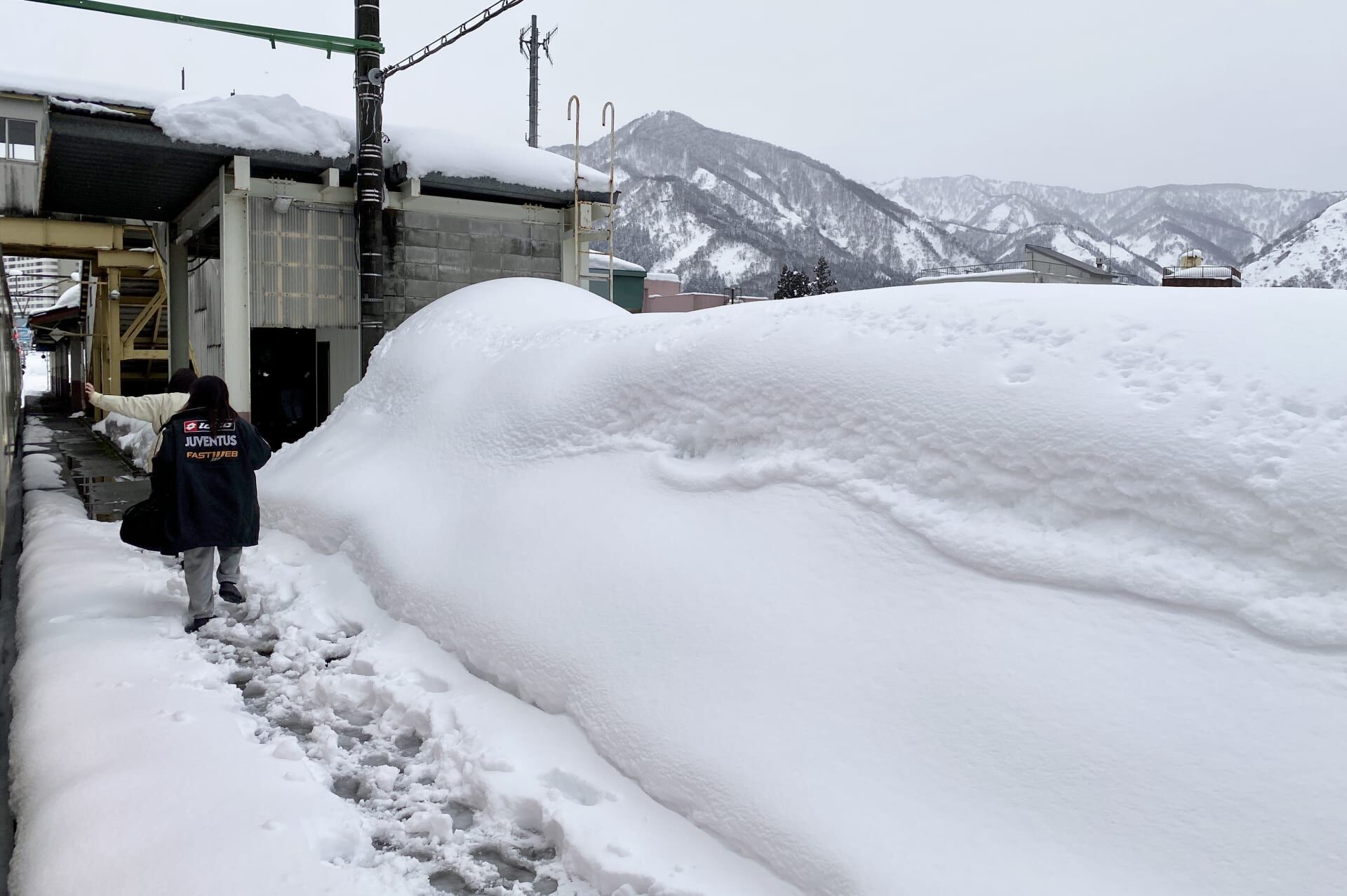
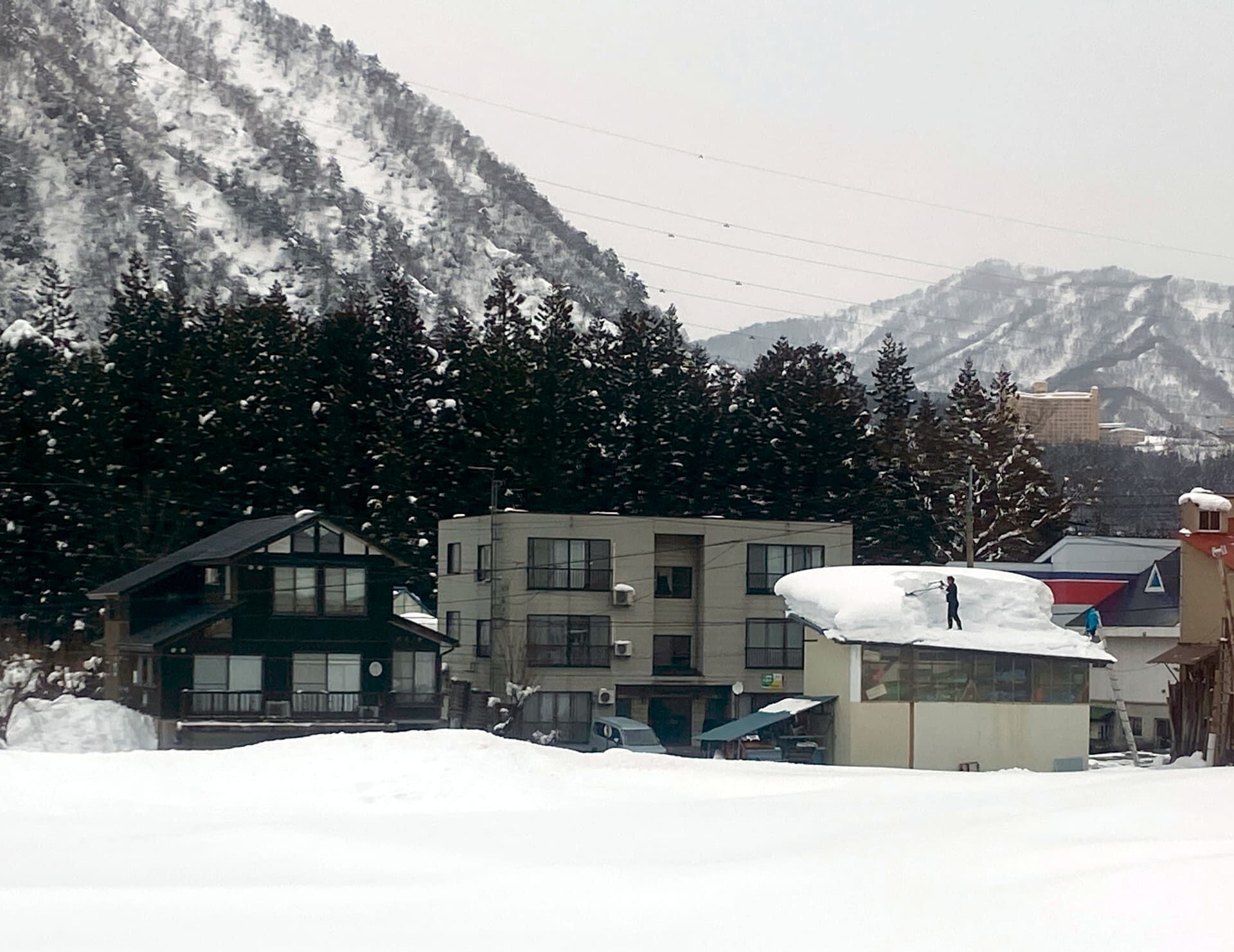
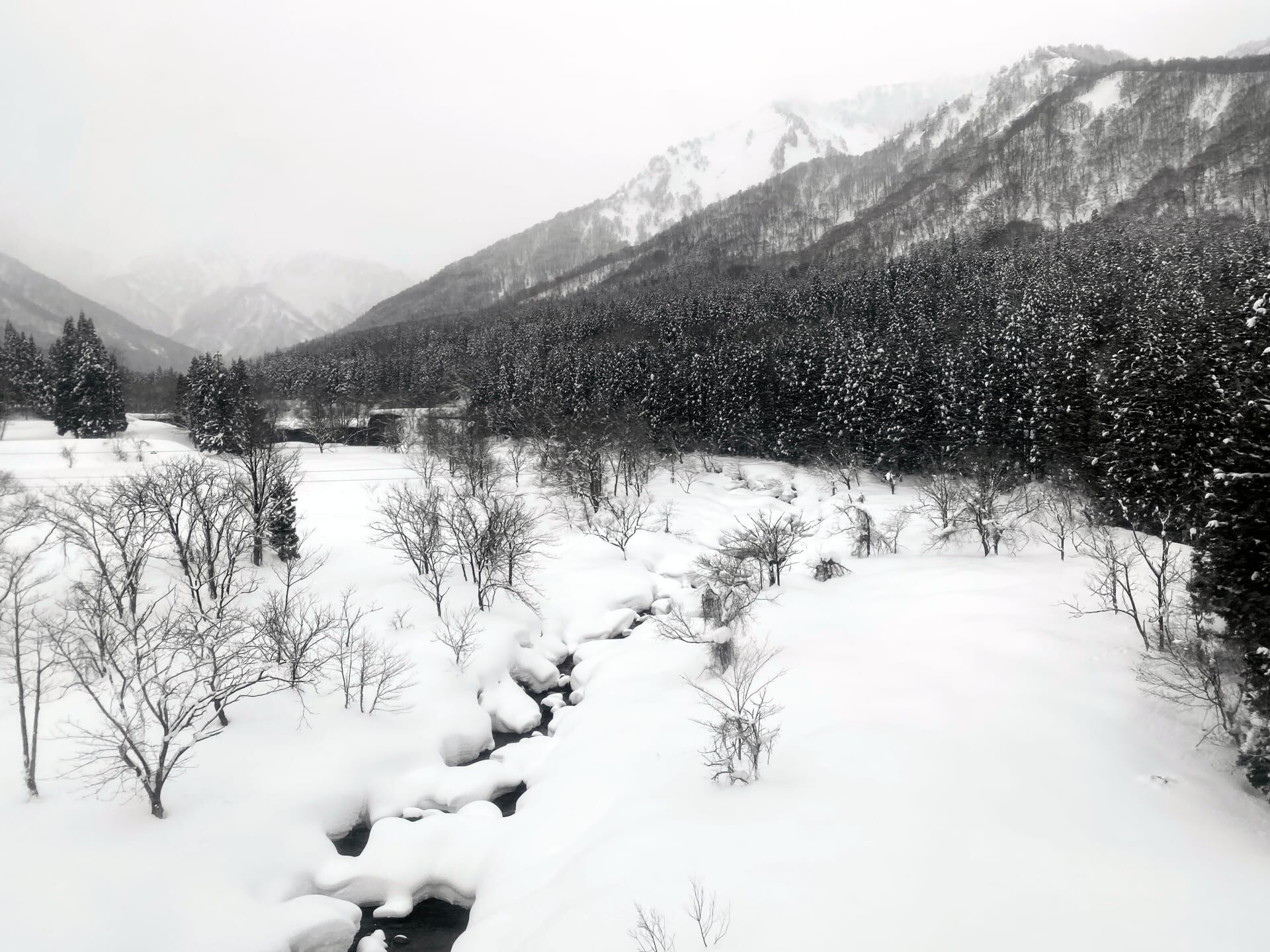
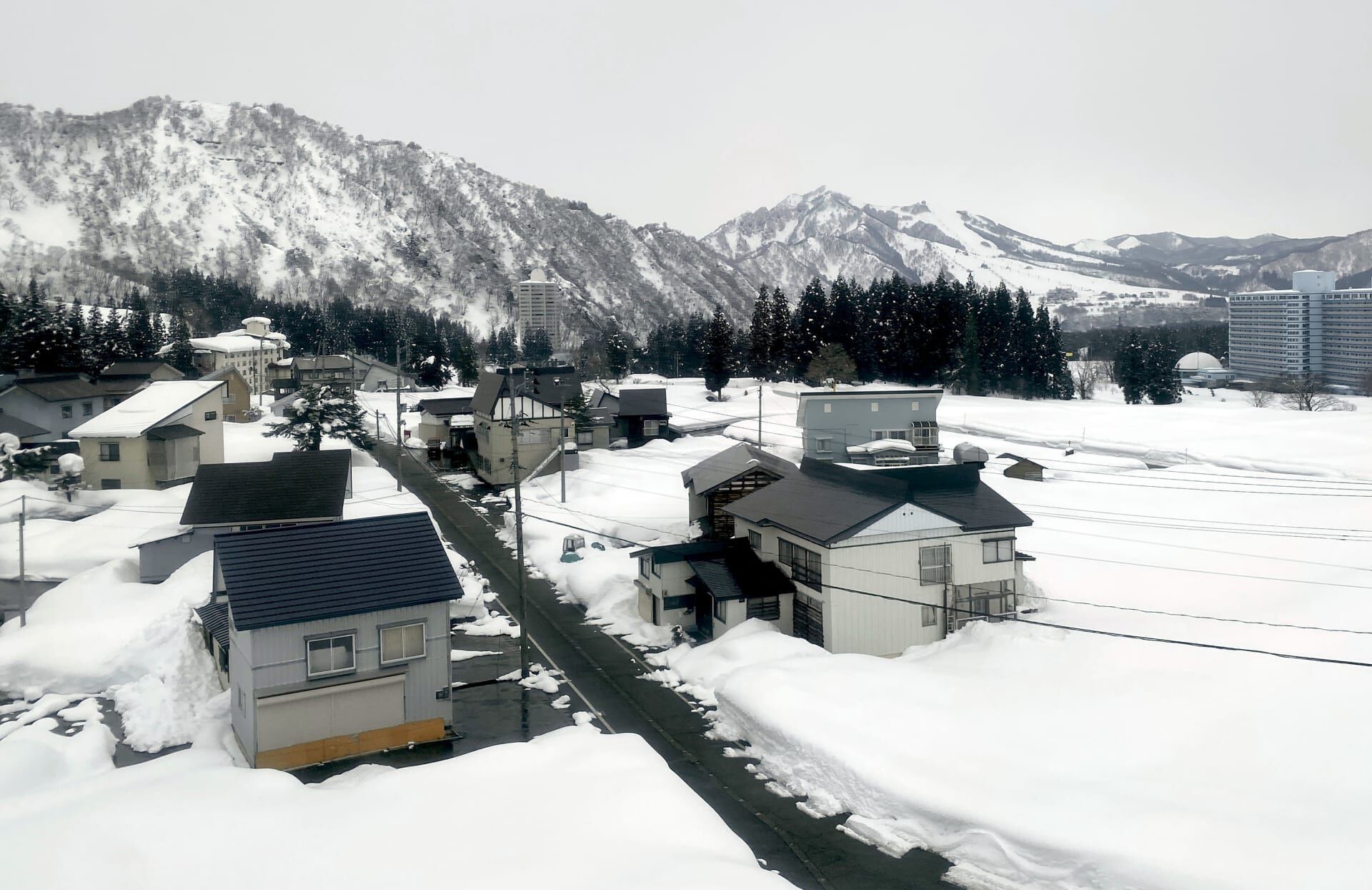
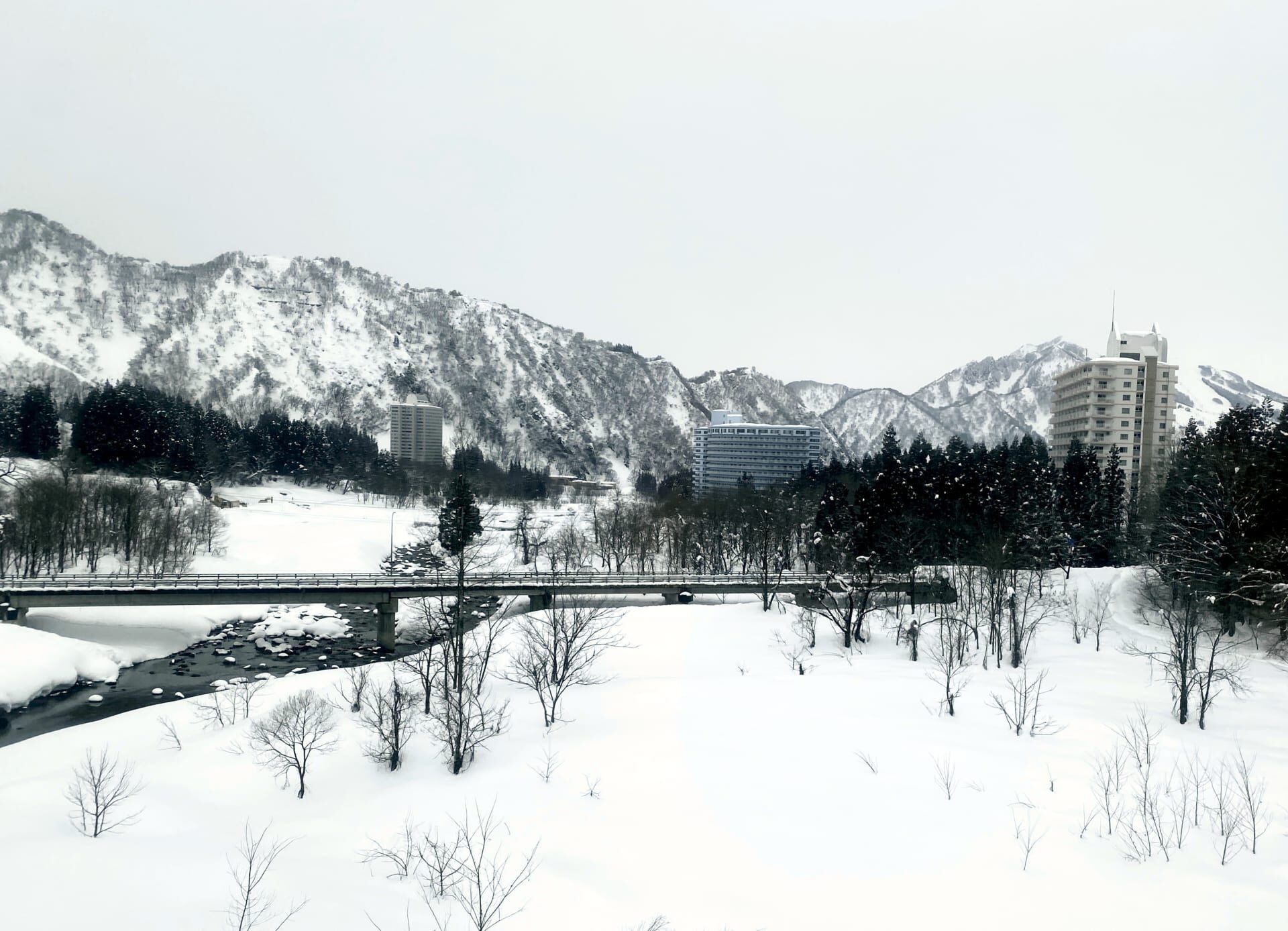
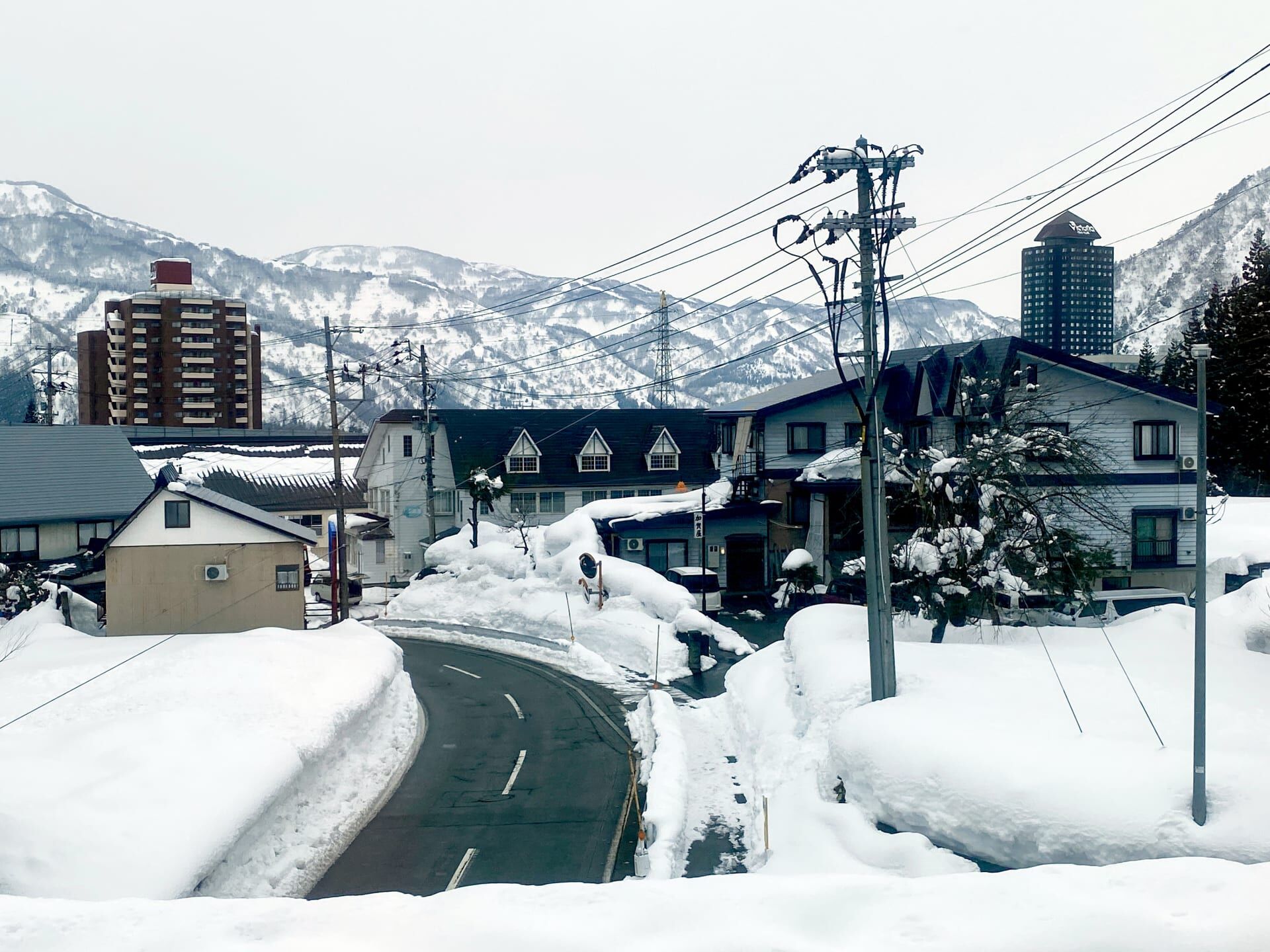
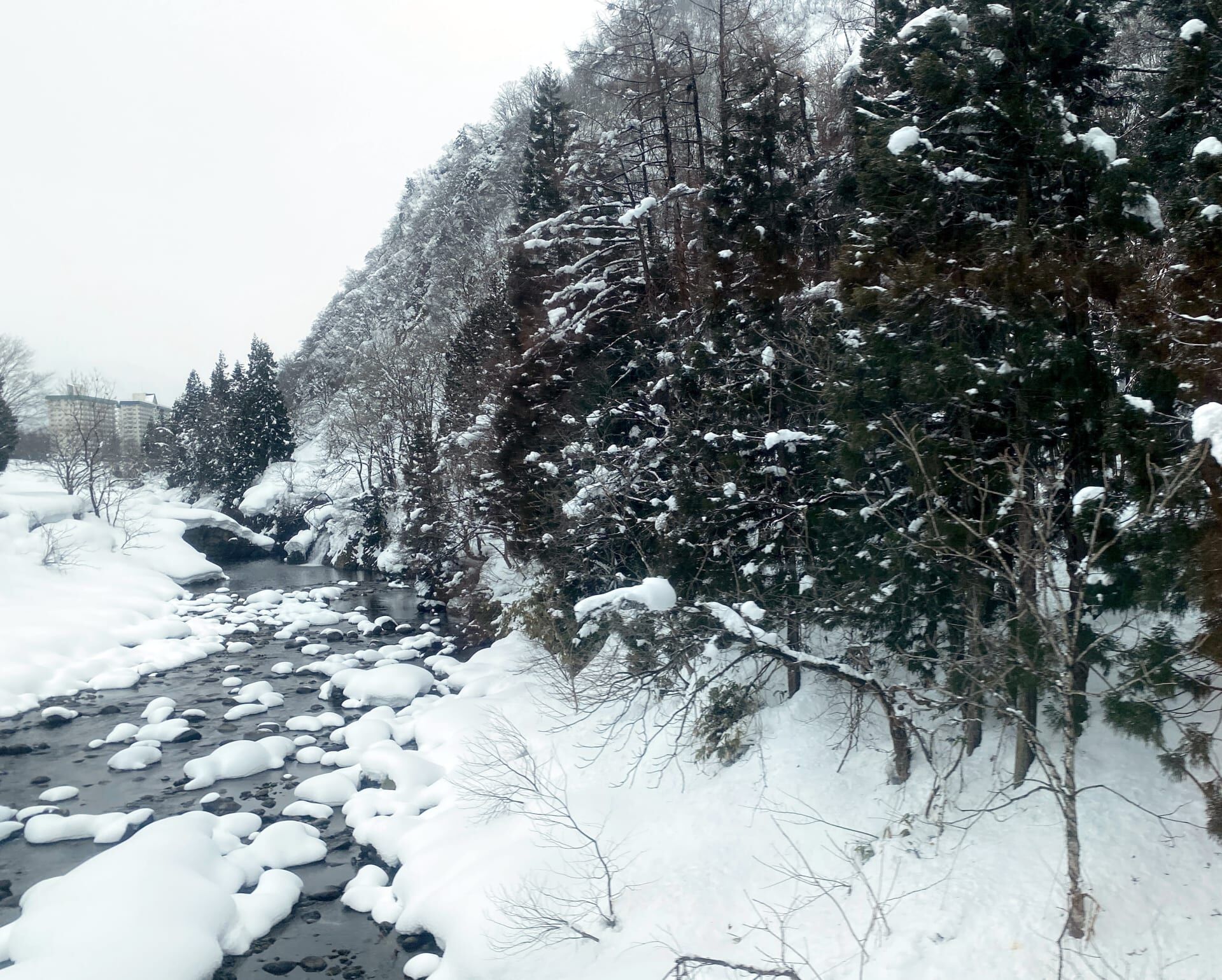
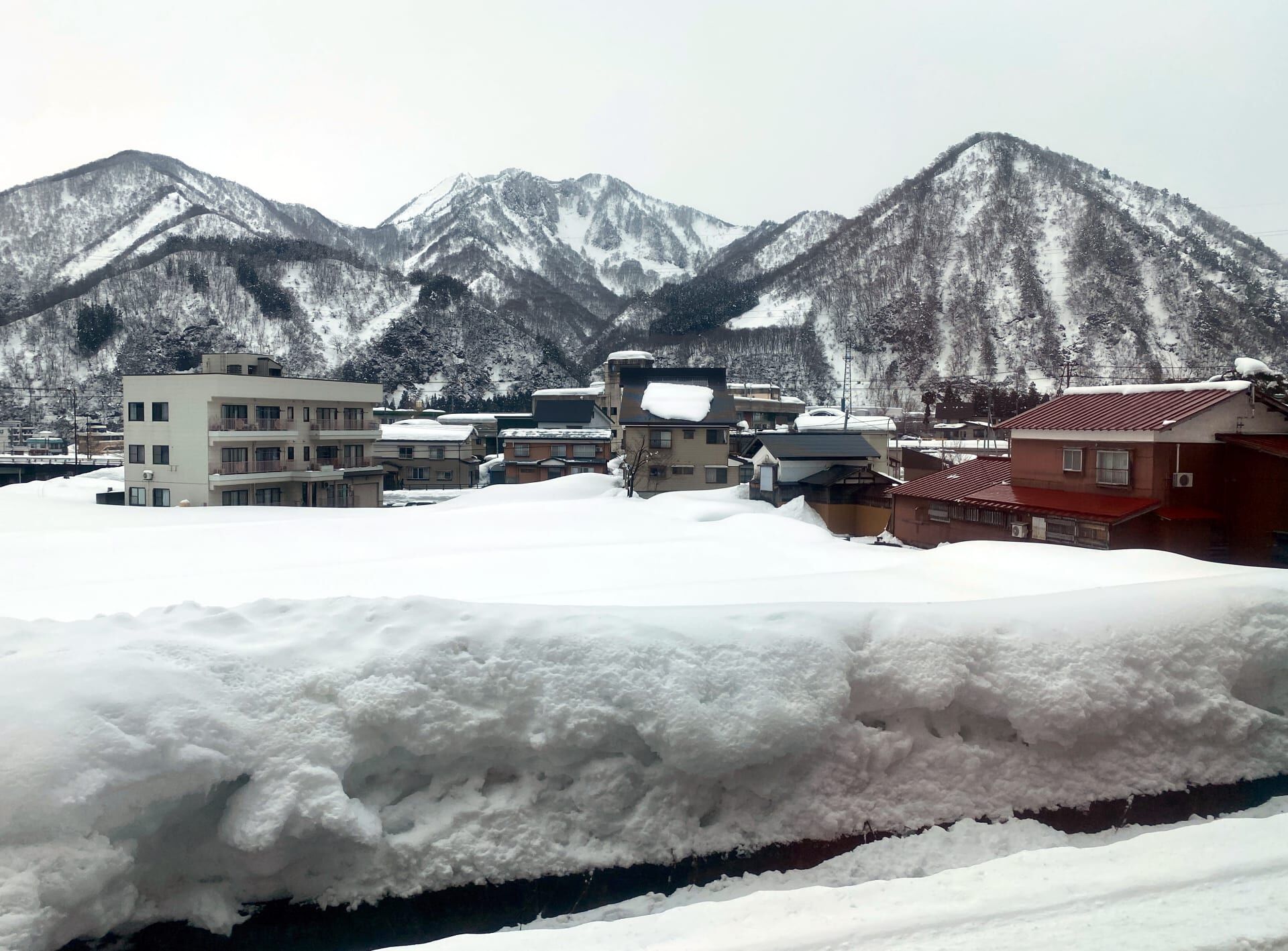
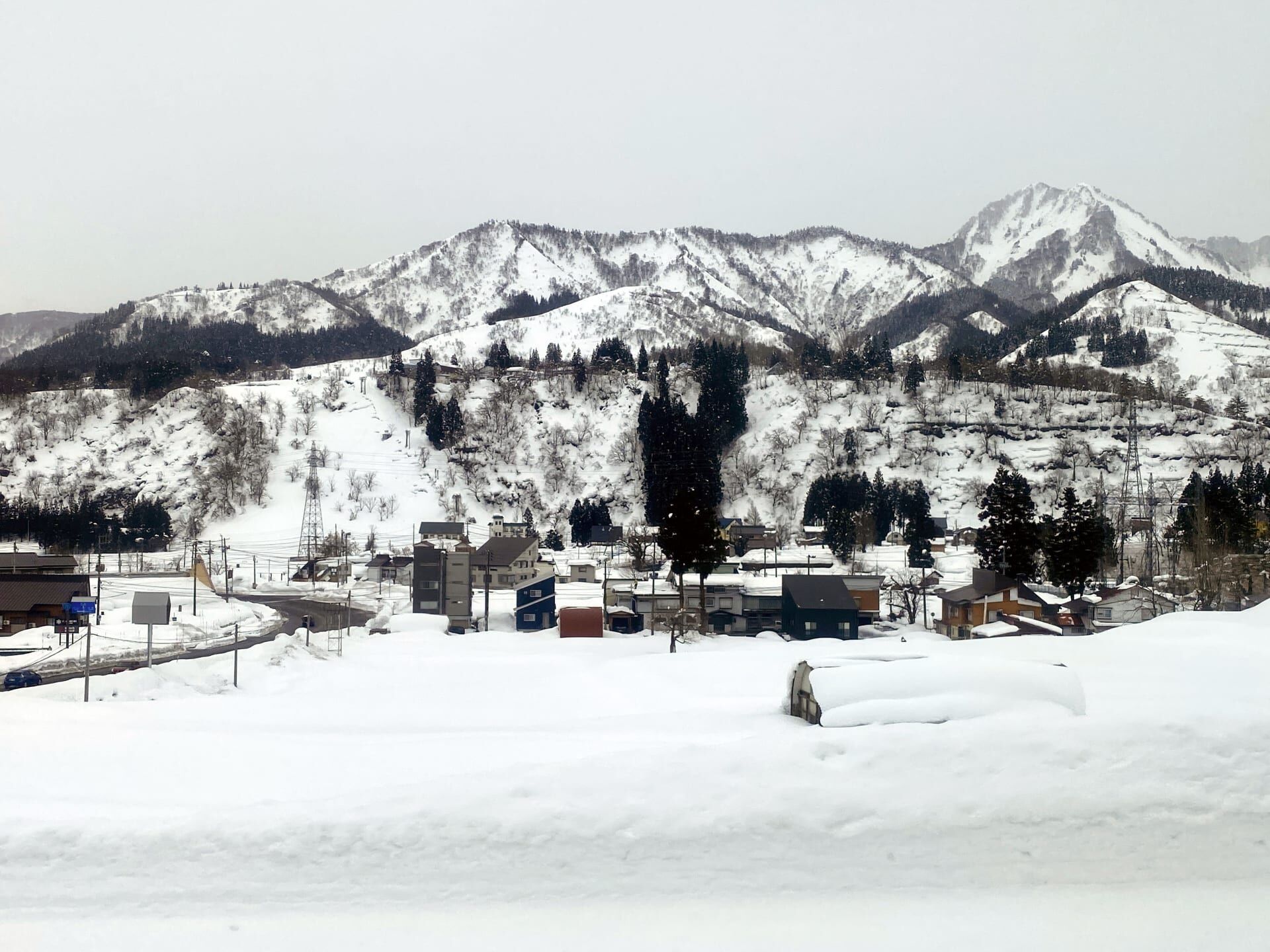
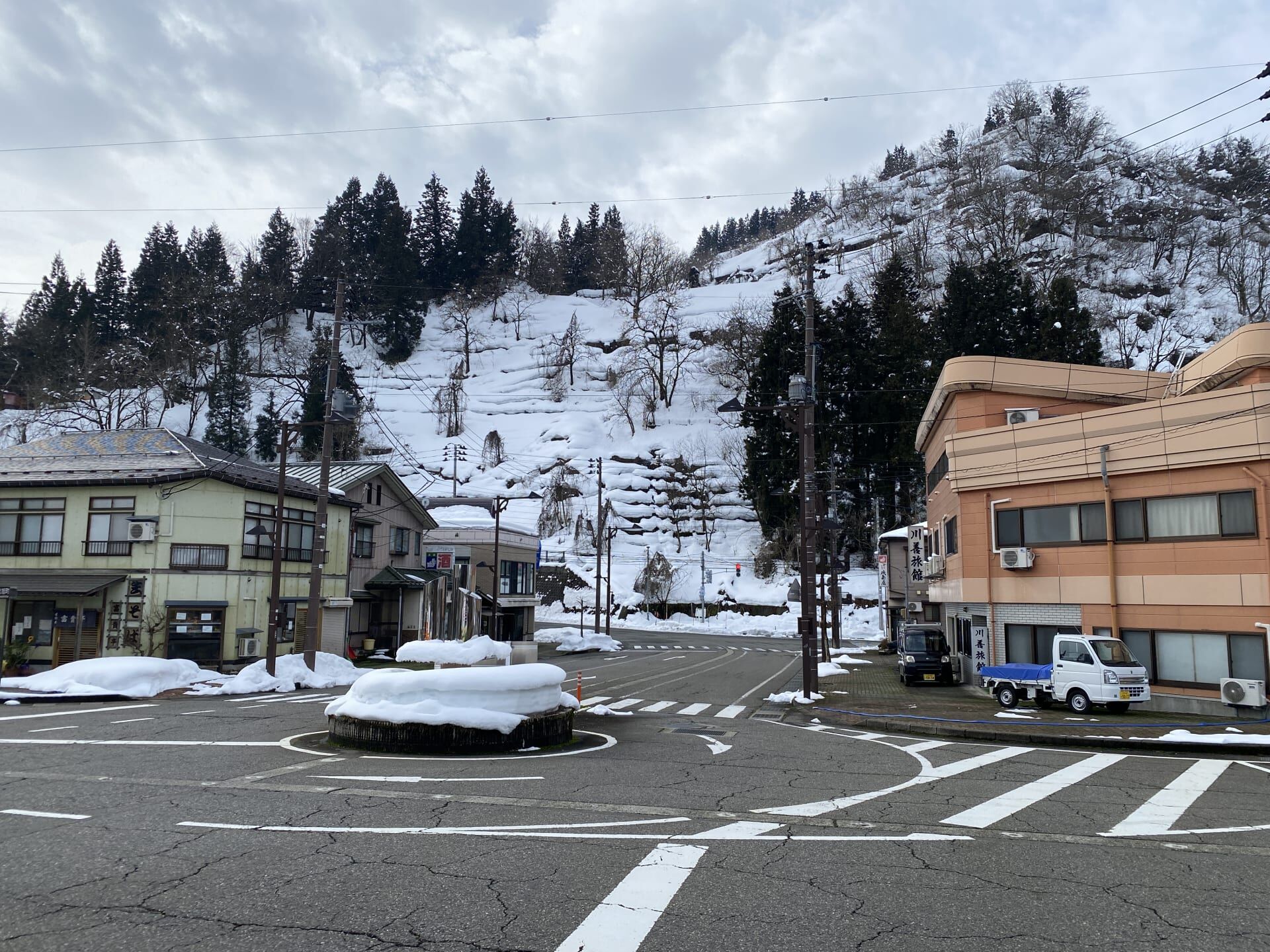
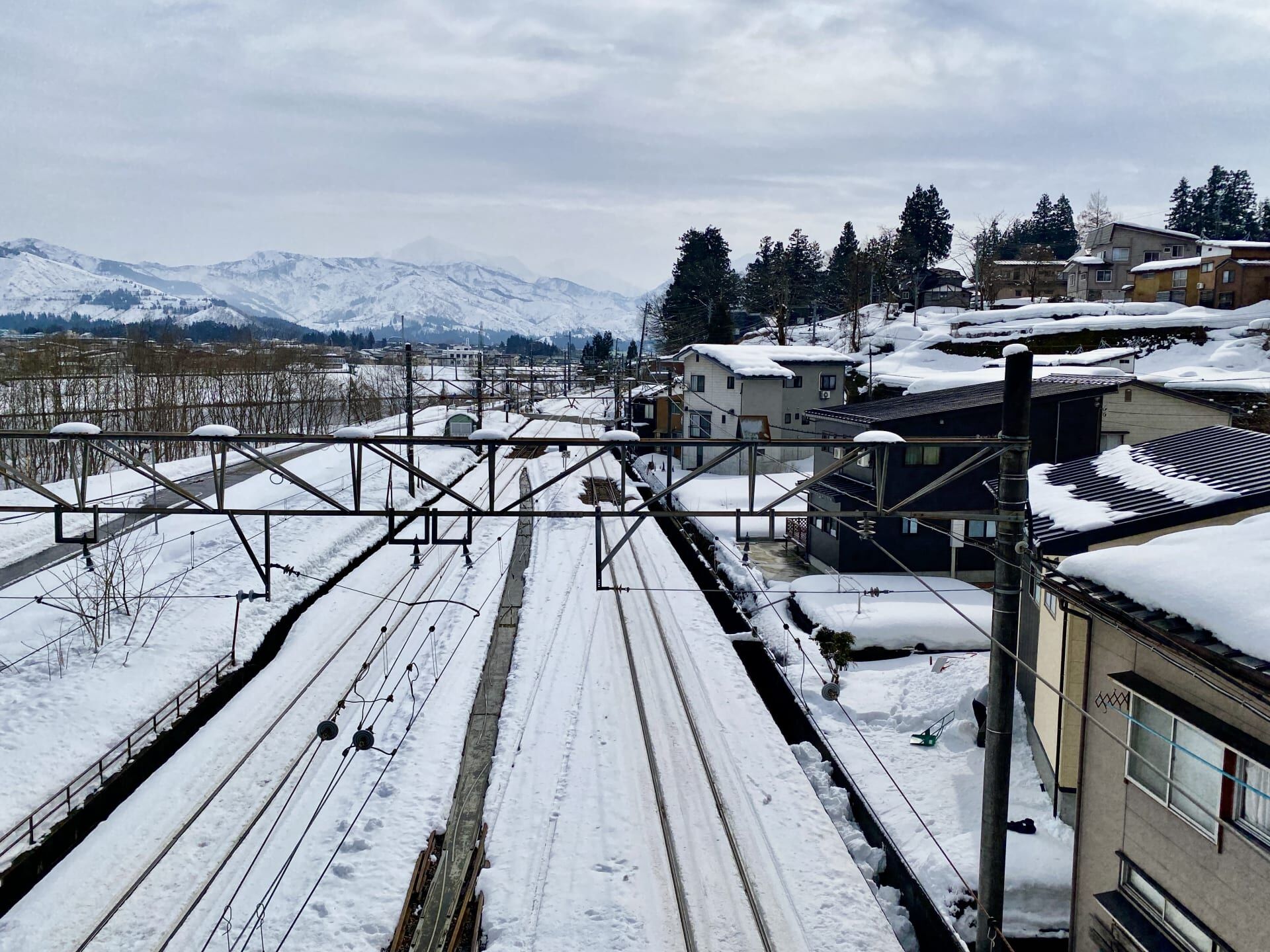
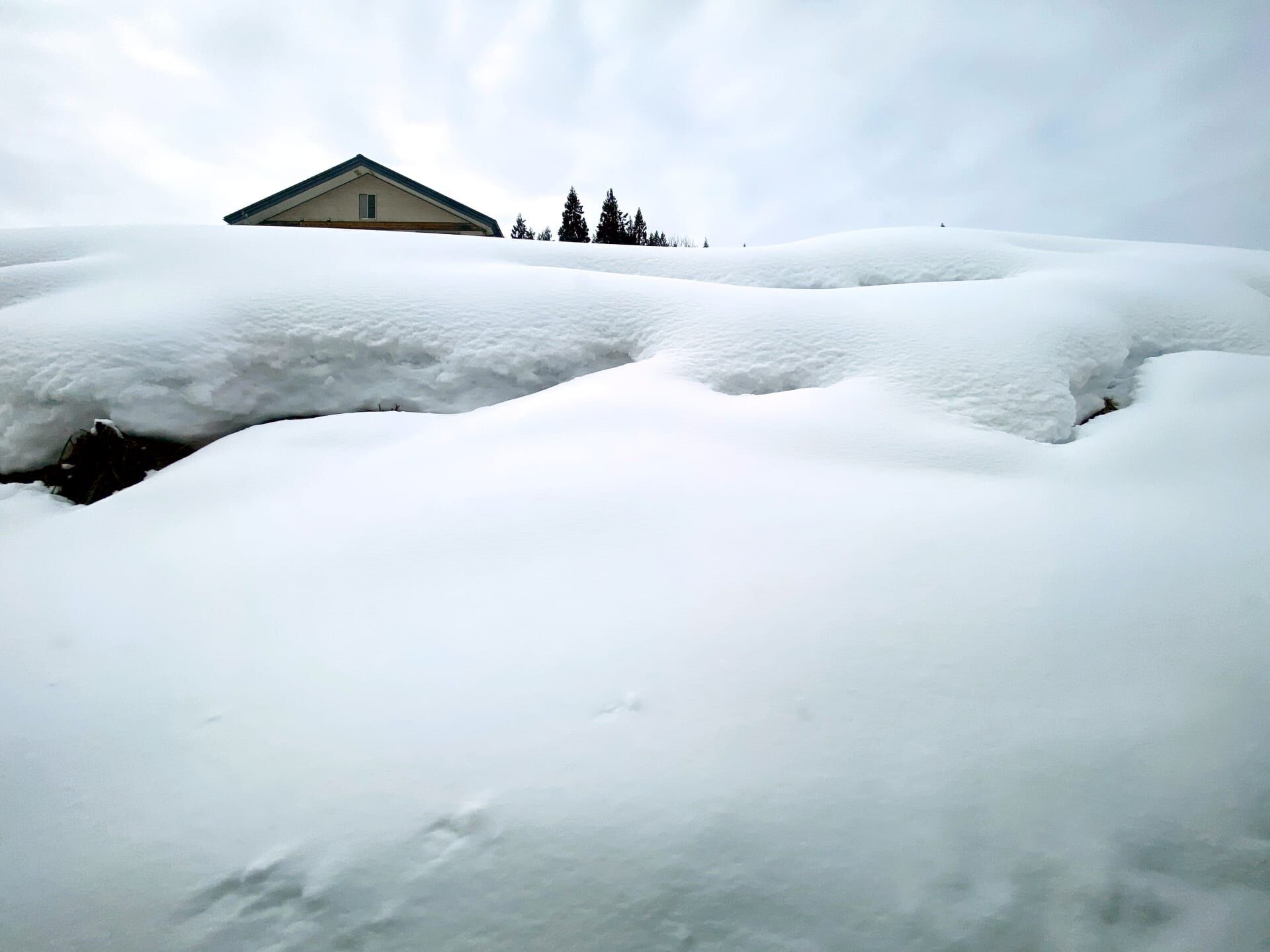
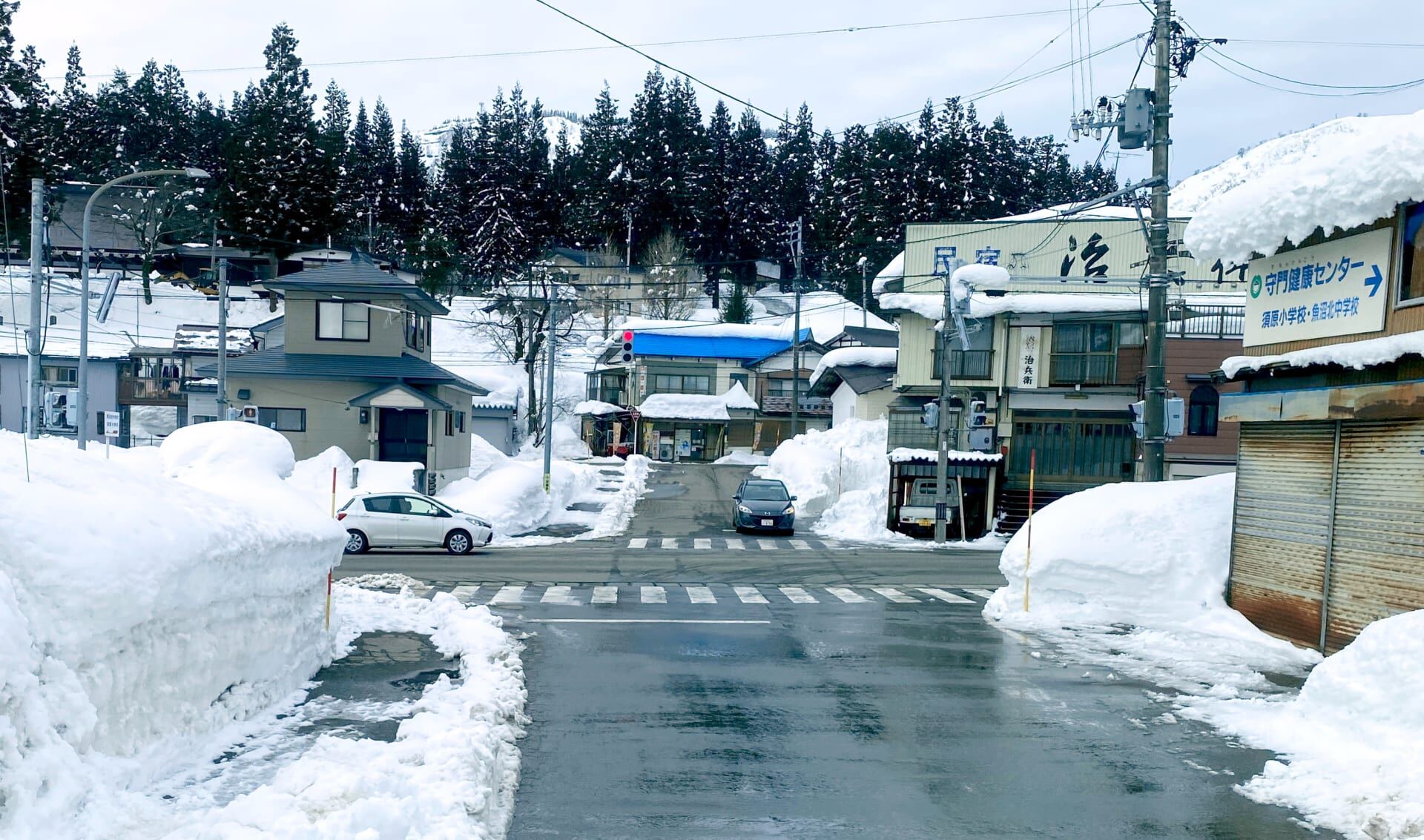
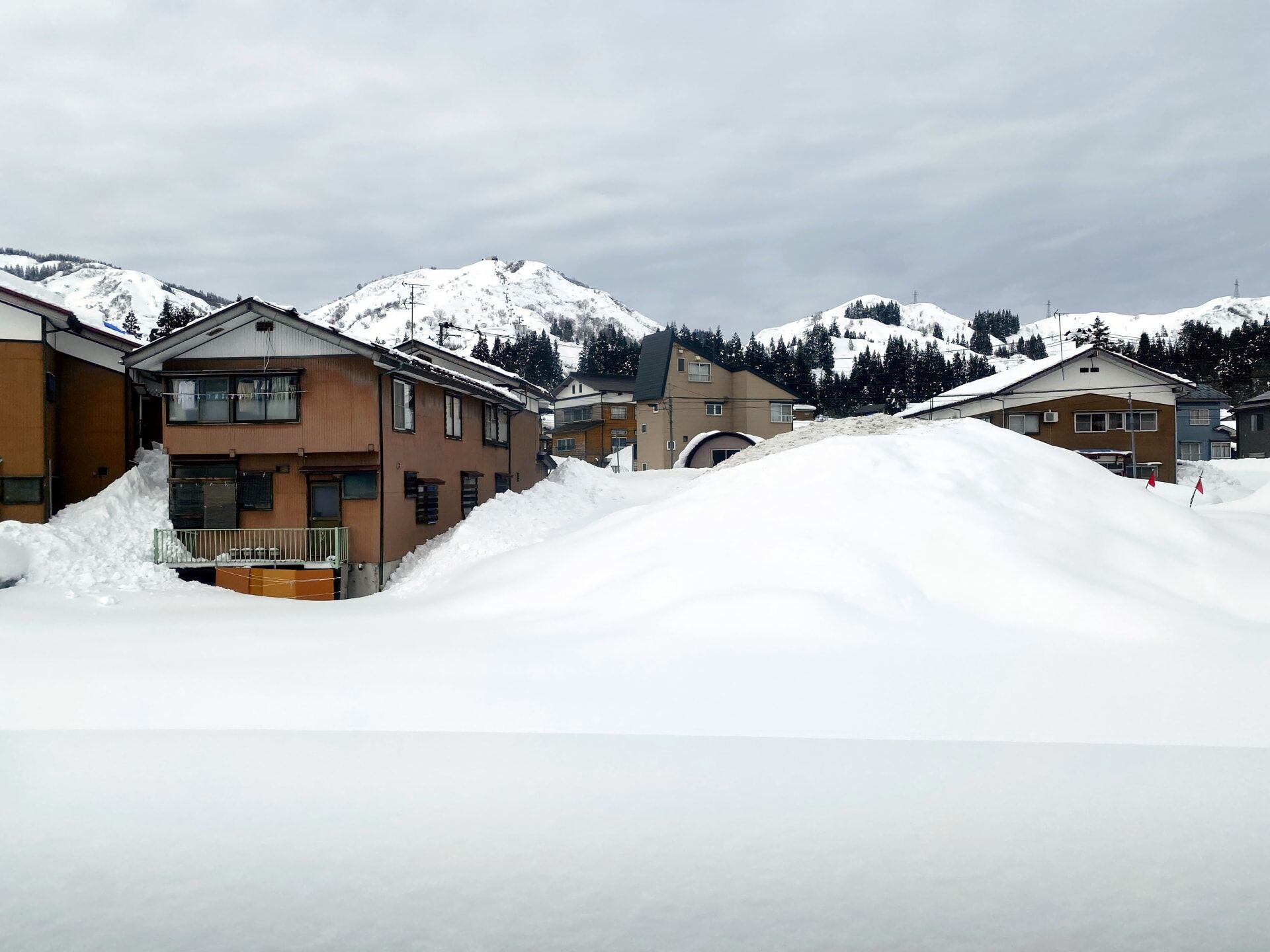
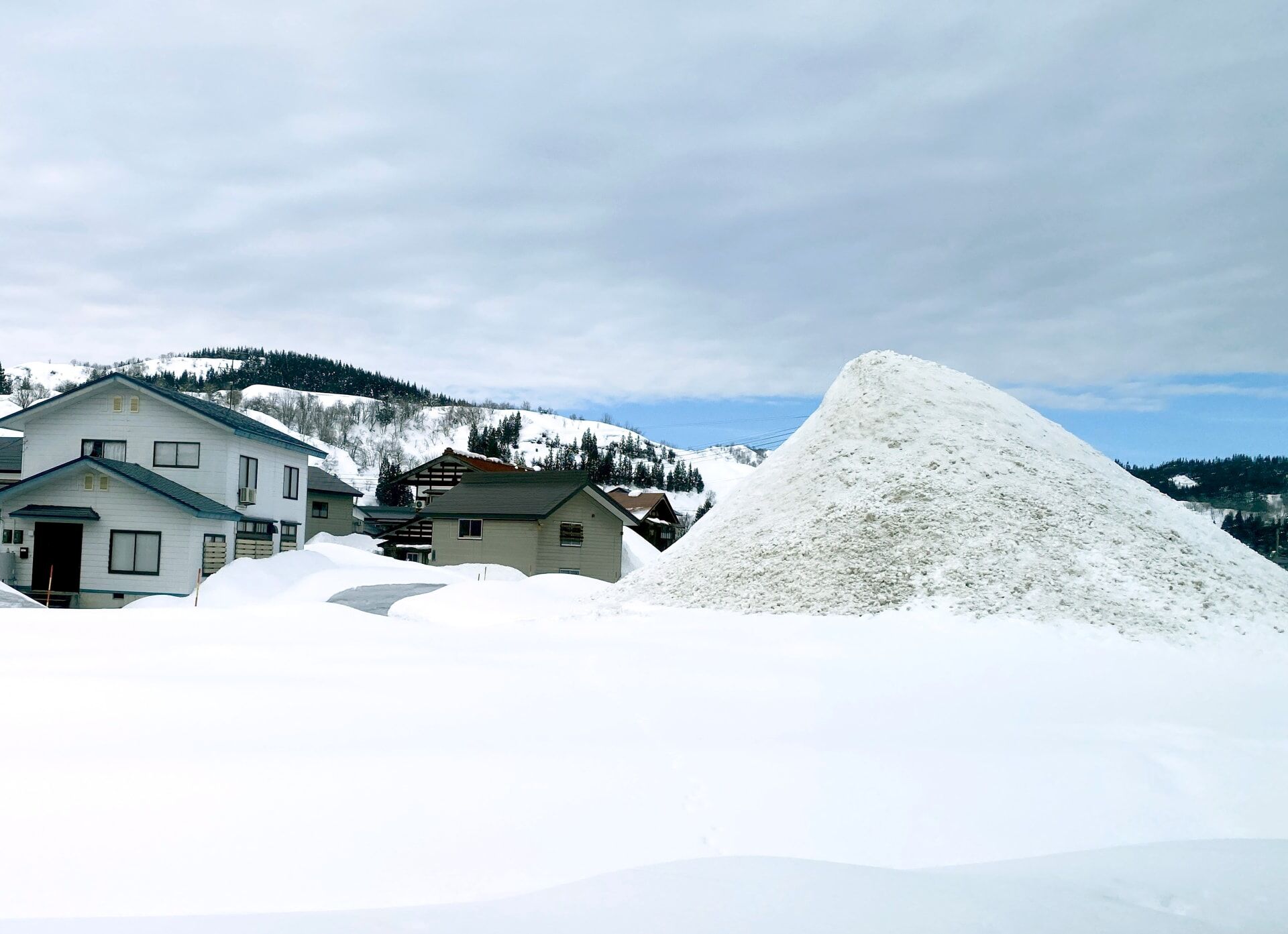
As the train travelled toward Uonuma, I saw snow piled higher than I’d ever seen before. It was amusing to watch locals on their roofs, clearing away the snow as the train passed through small towns and villages.
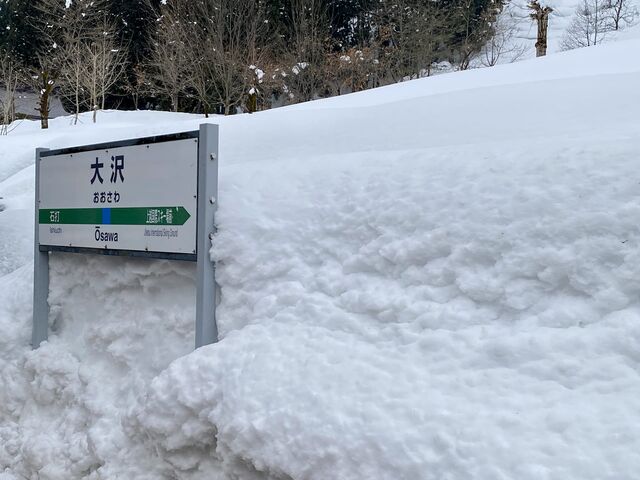
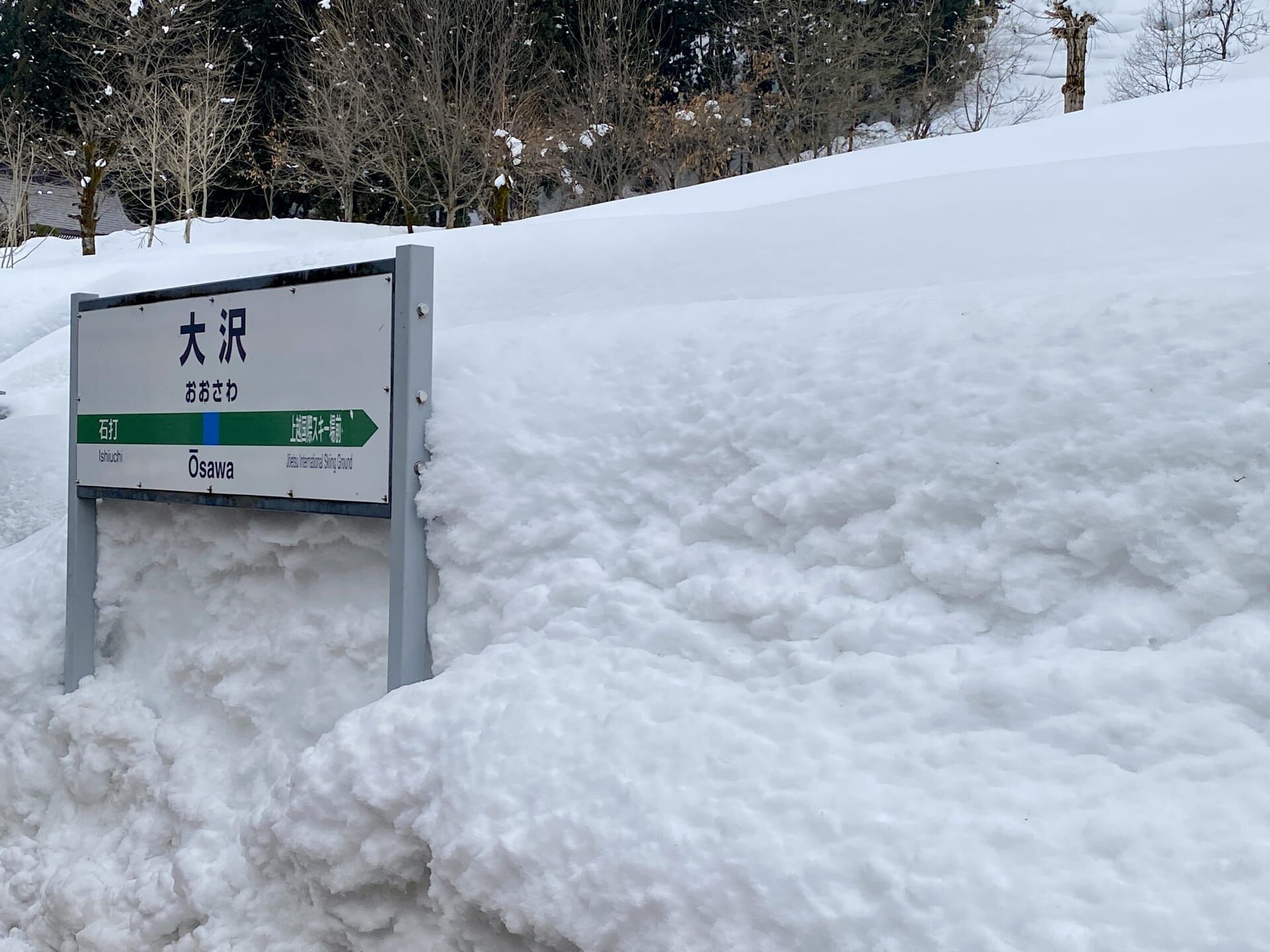
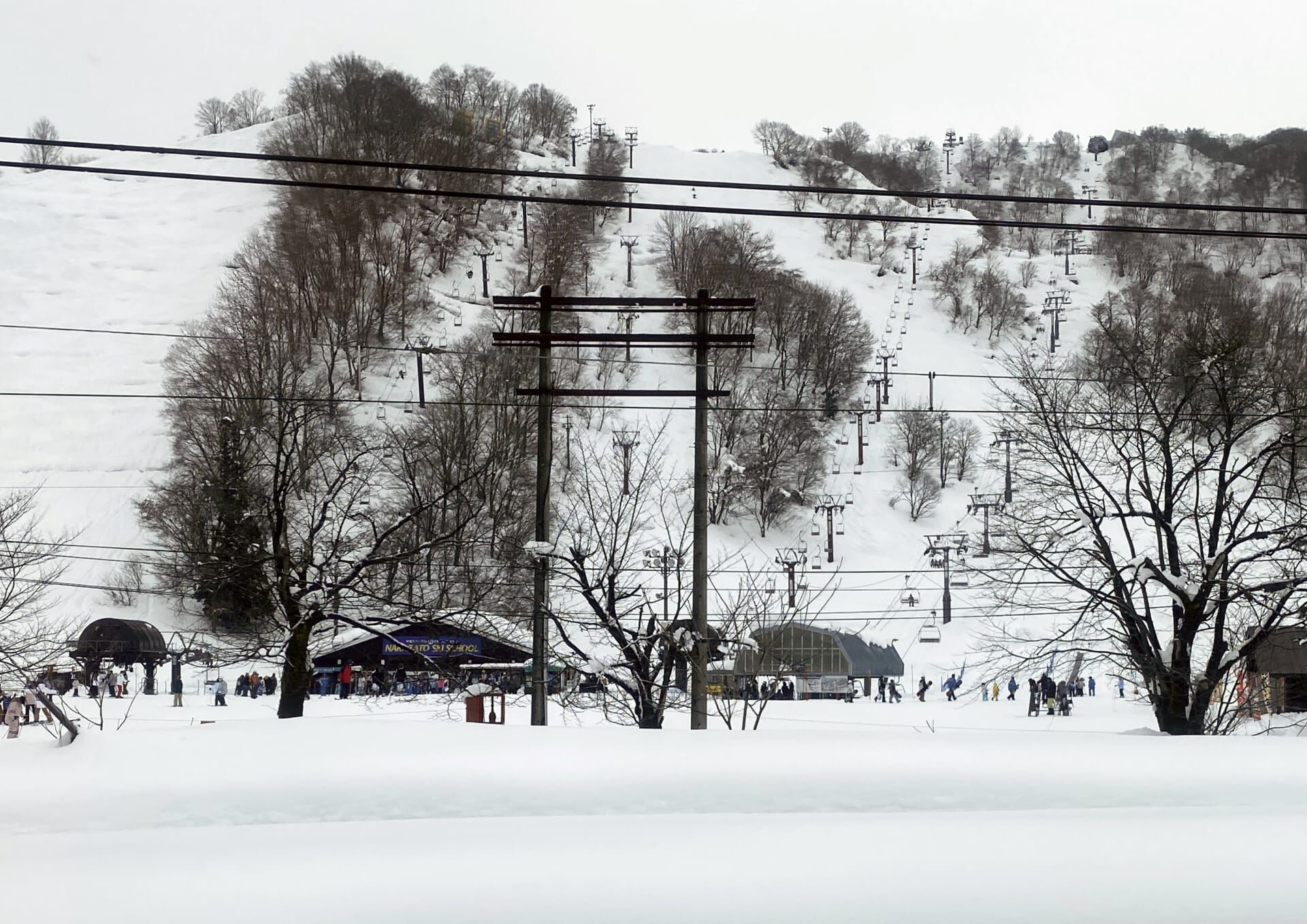
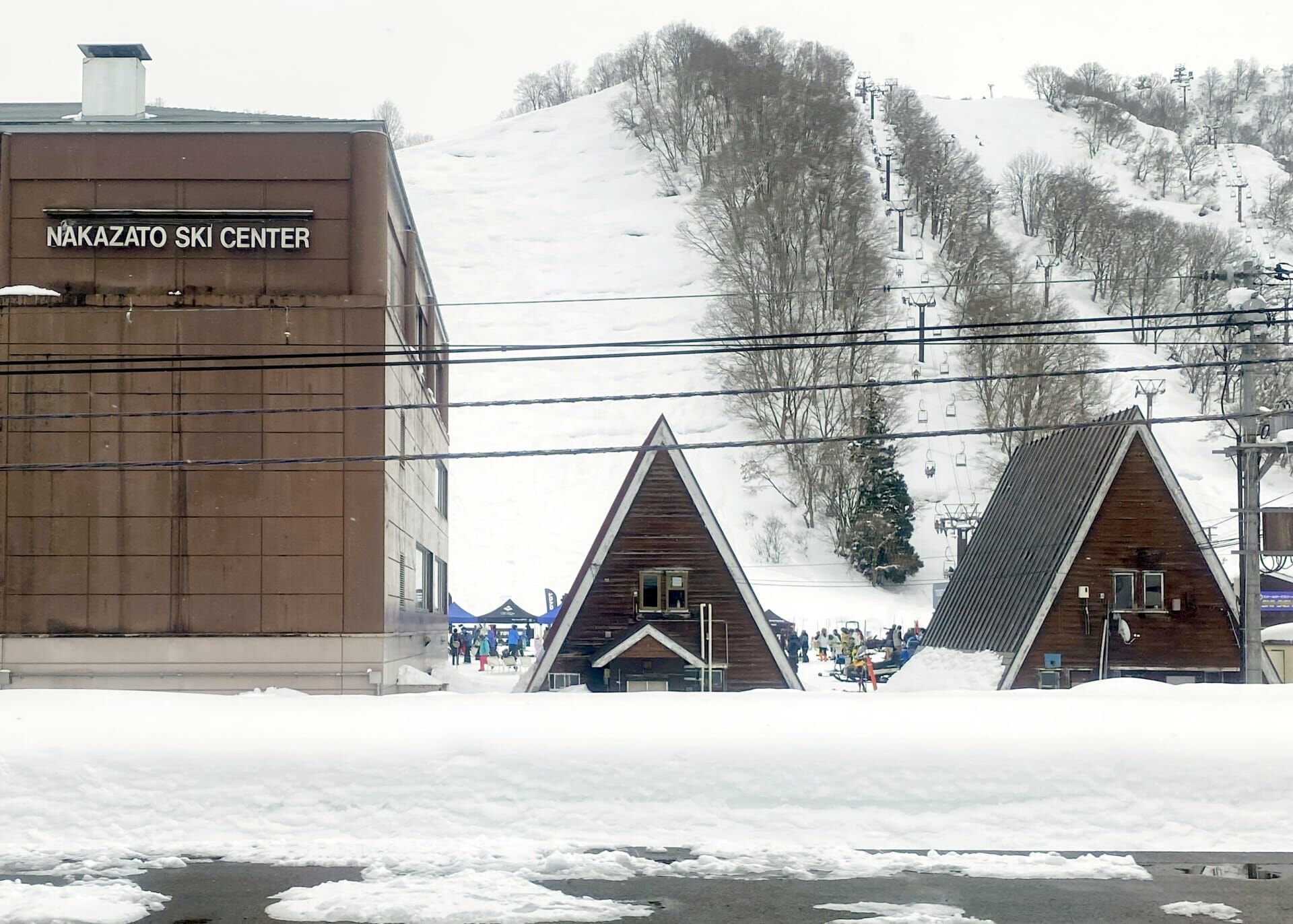
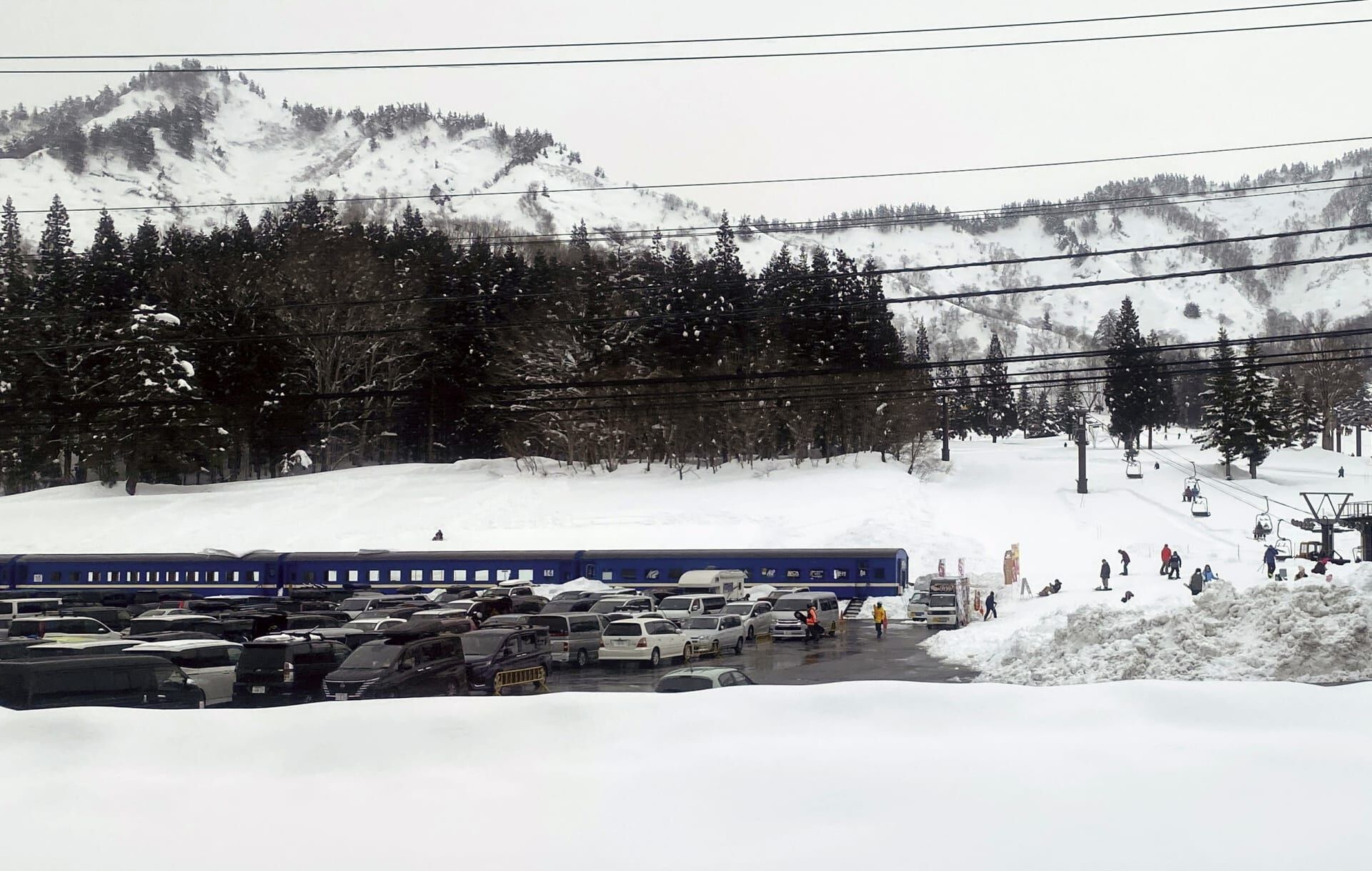
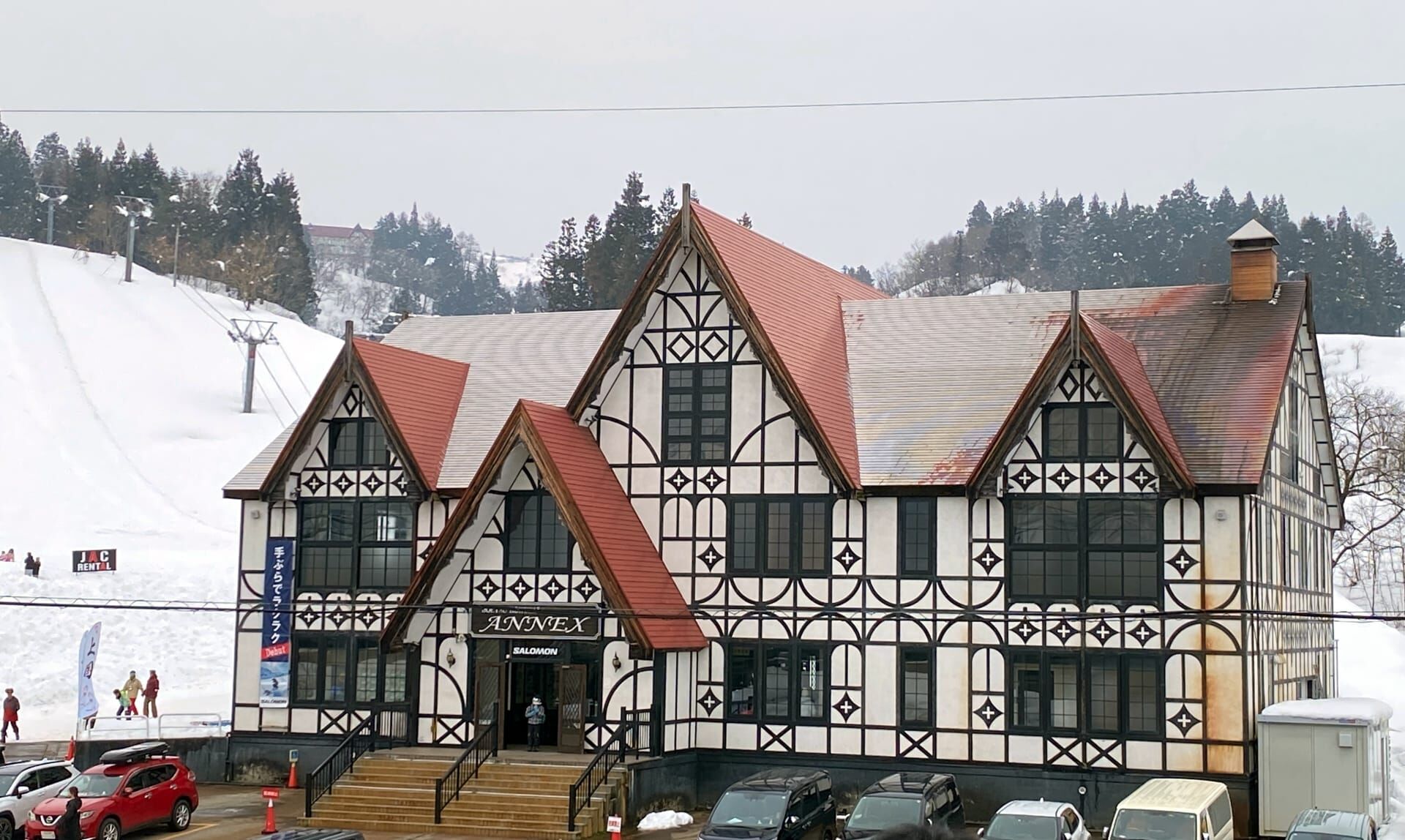
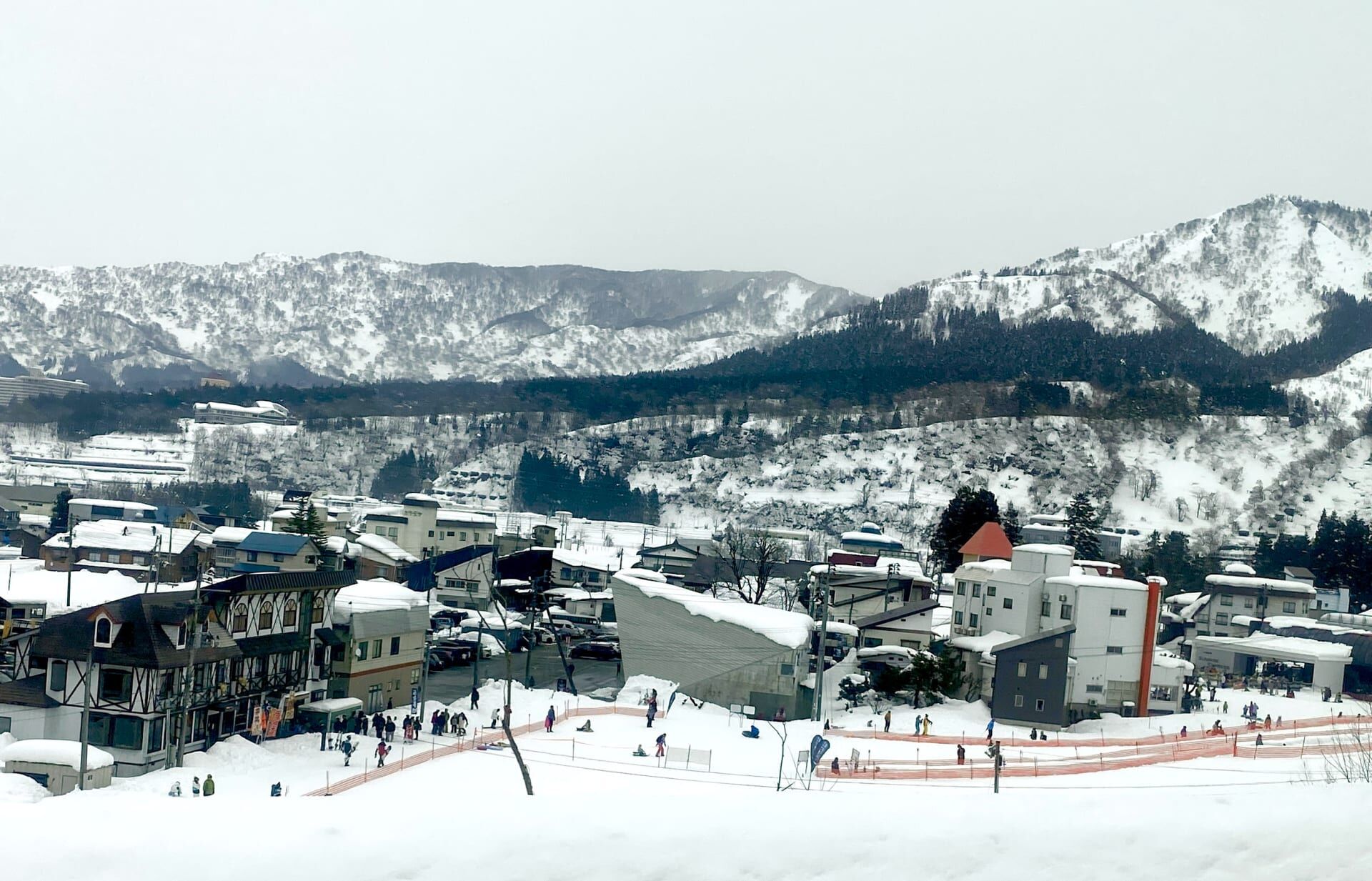
Notable sights en route included Yuzawa Nakazato Ski Resort, GALA Yuzawa Snow Resort, and Jōetsu International Skiing Ground. It appeared that visitors could ski directly from the train right up to the slopes. The train offered great views of the chair lifts, skiers, and snowboarders as it passed by.

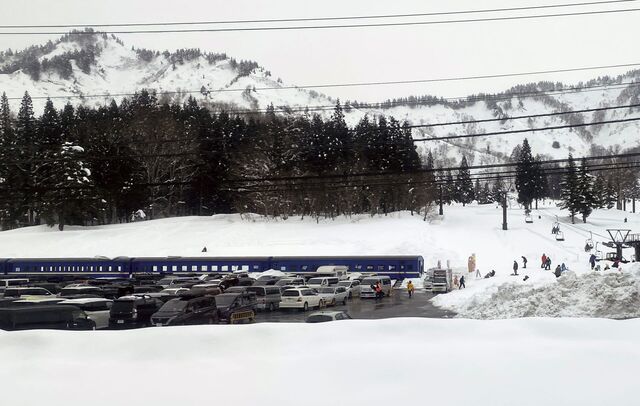
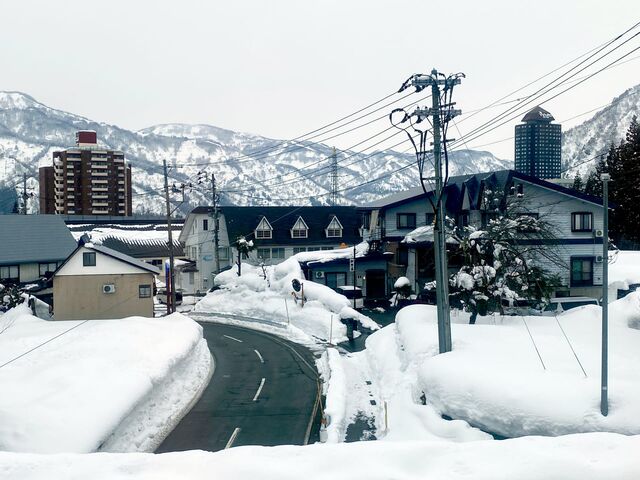
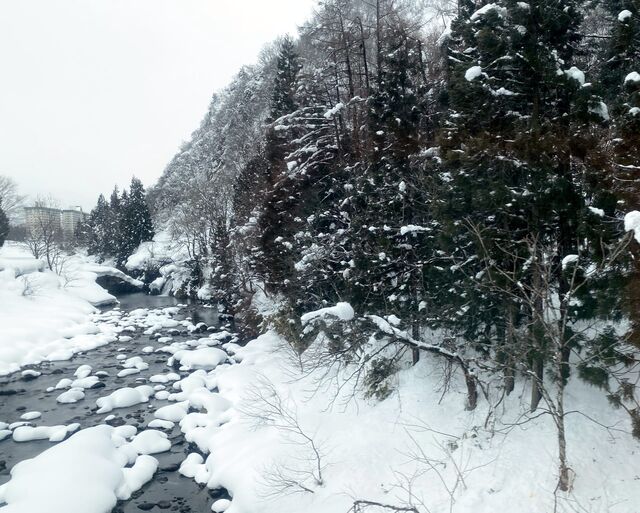
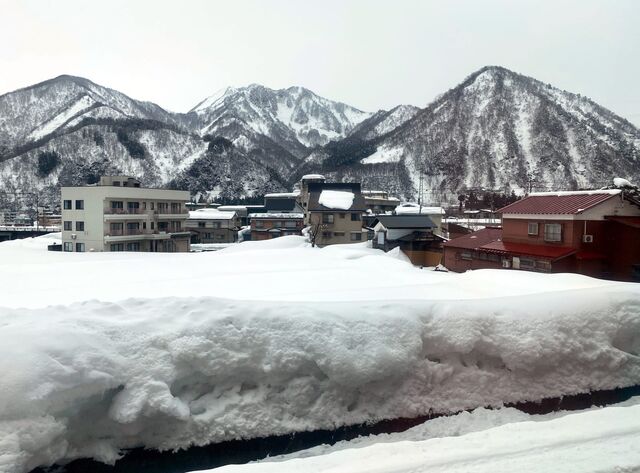
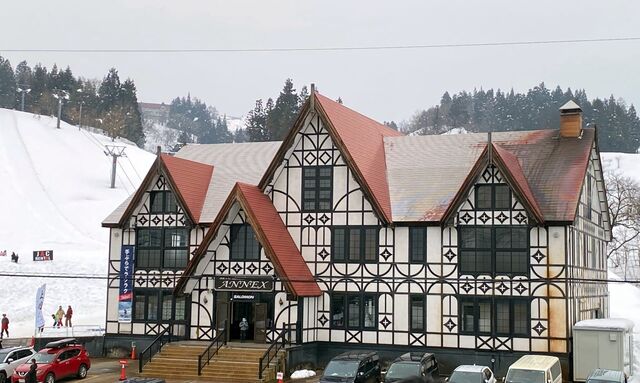
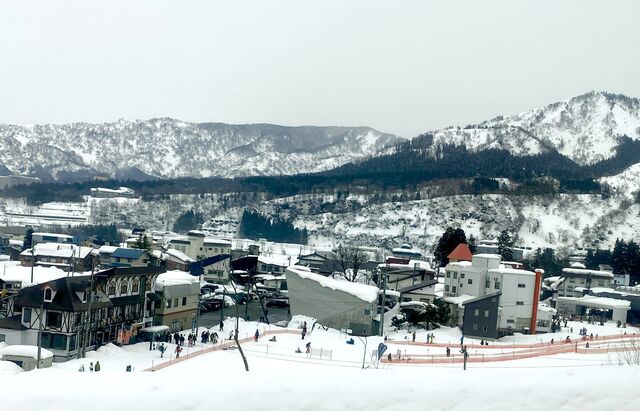

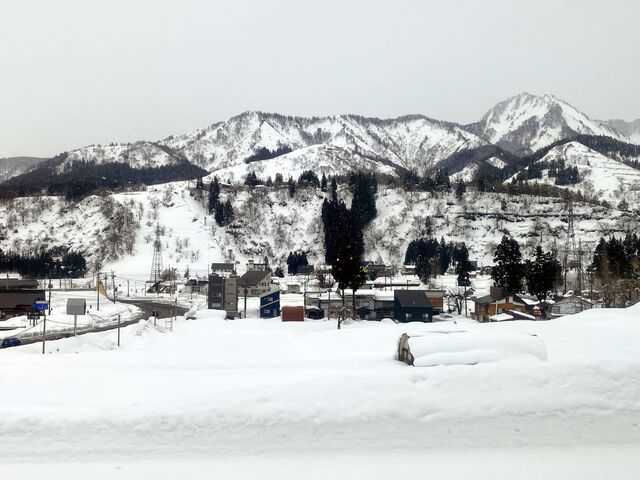
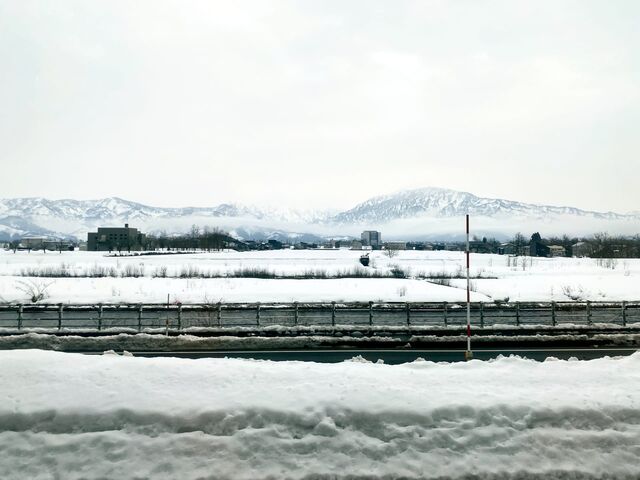
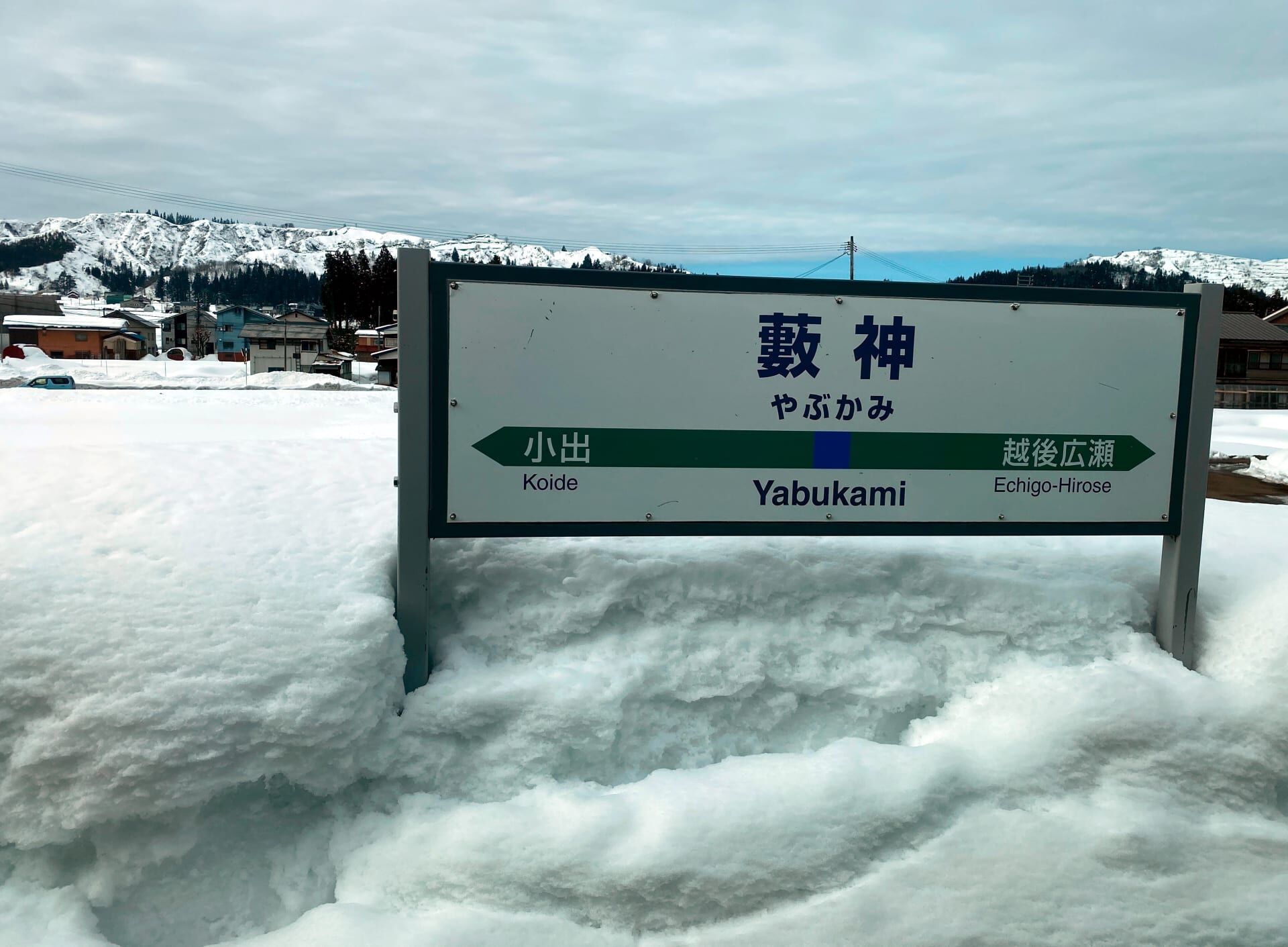
We alighted at Koide Station in Uonuma, ready for our journey on the Tadami Line. Tickets for this train could not be purchased online. We tried the station’s ticket machine, only to find it wouldn’t issue tickets for this route either. Ultimately, we had to proceed to the ticket counter, which only accepted cash.

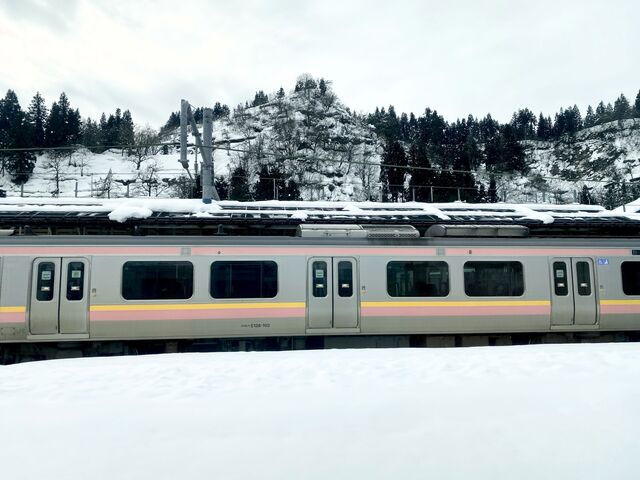
After securing our tickets, we wandered briefly around Uonuma before enjoying lunch near the station.
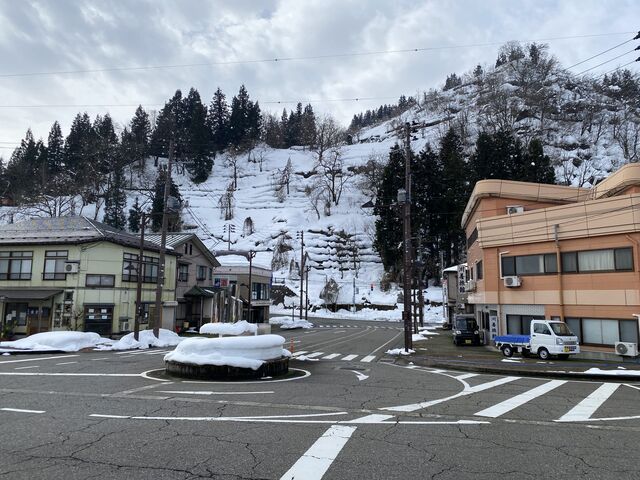
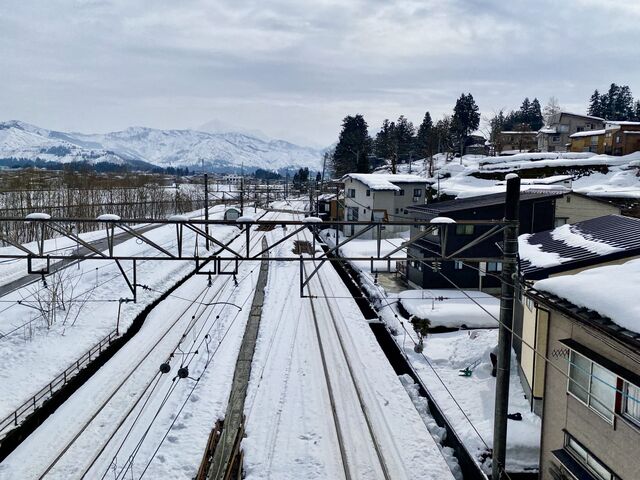
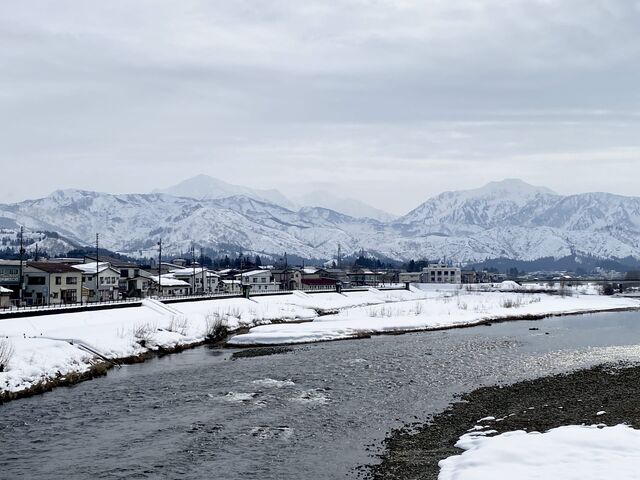
Tadami Line
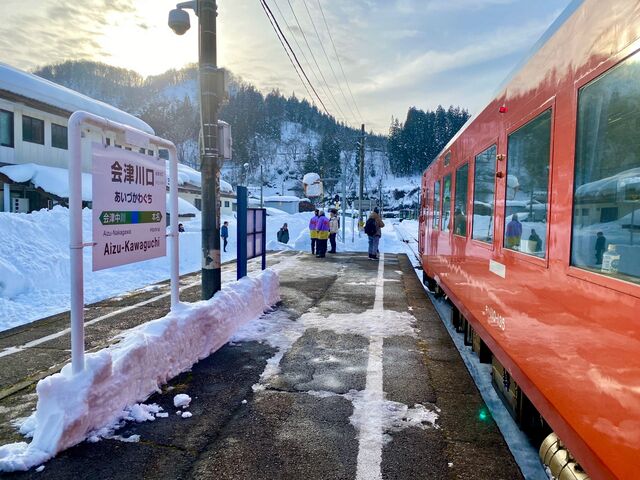
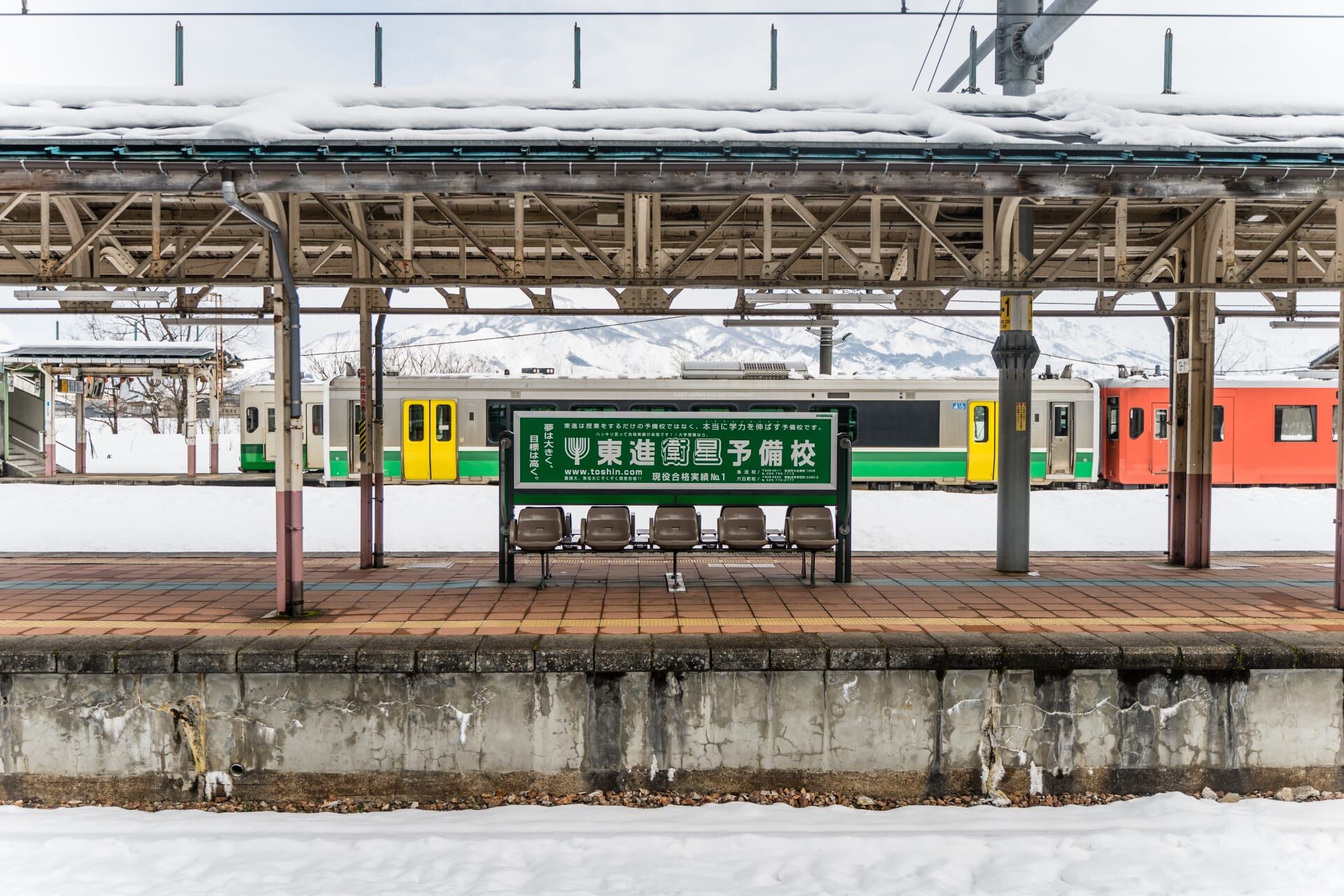
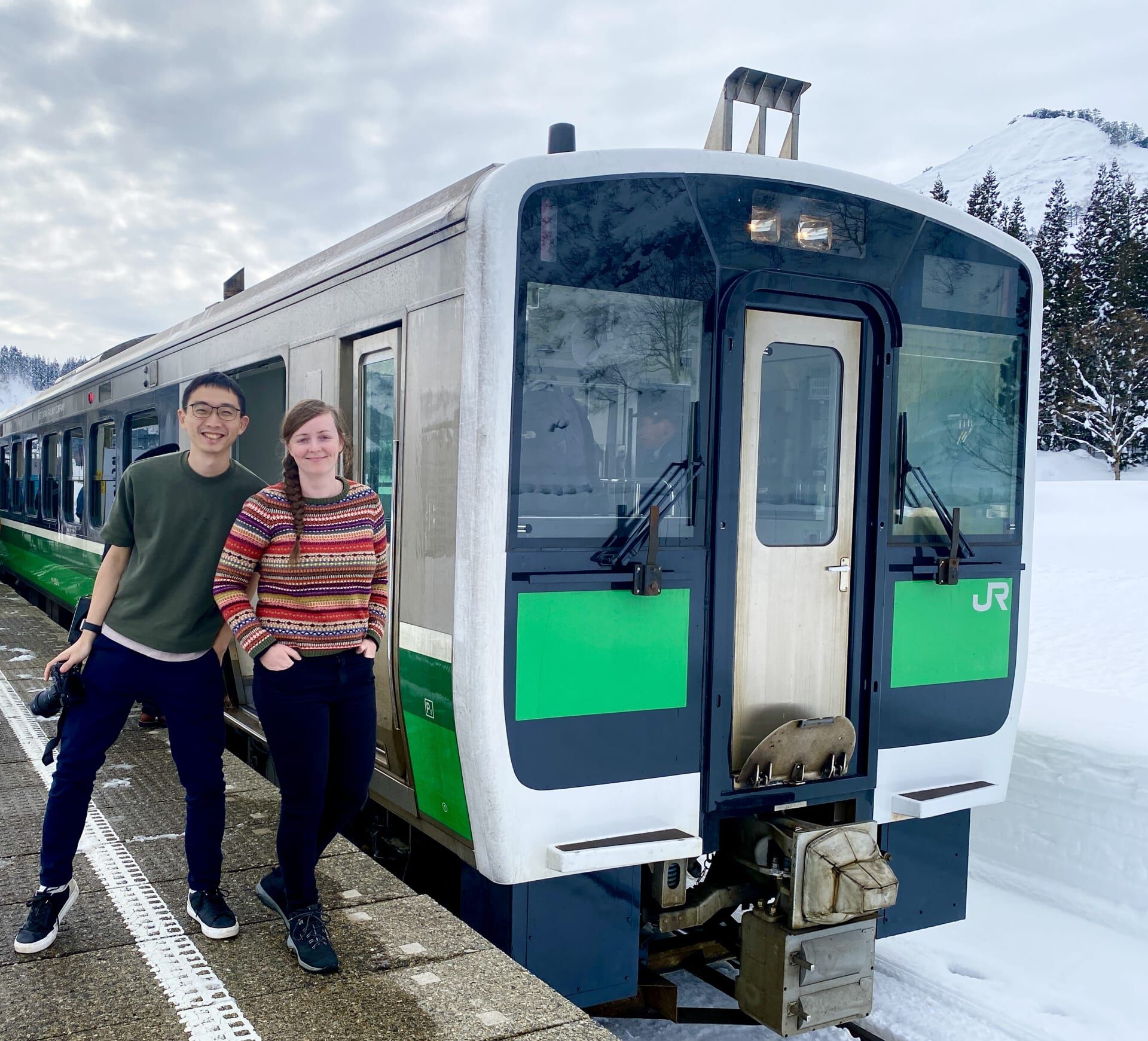
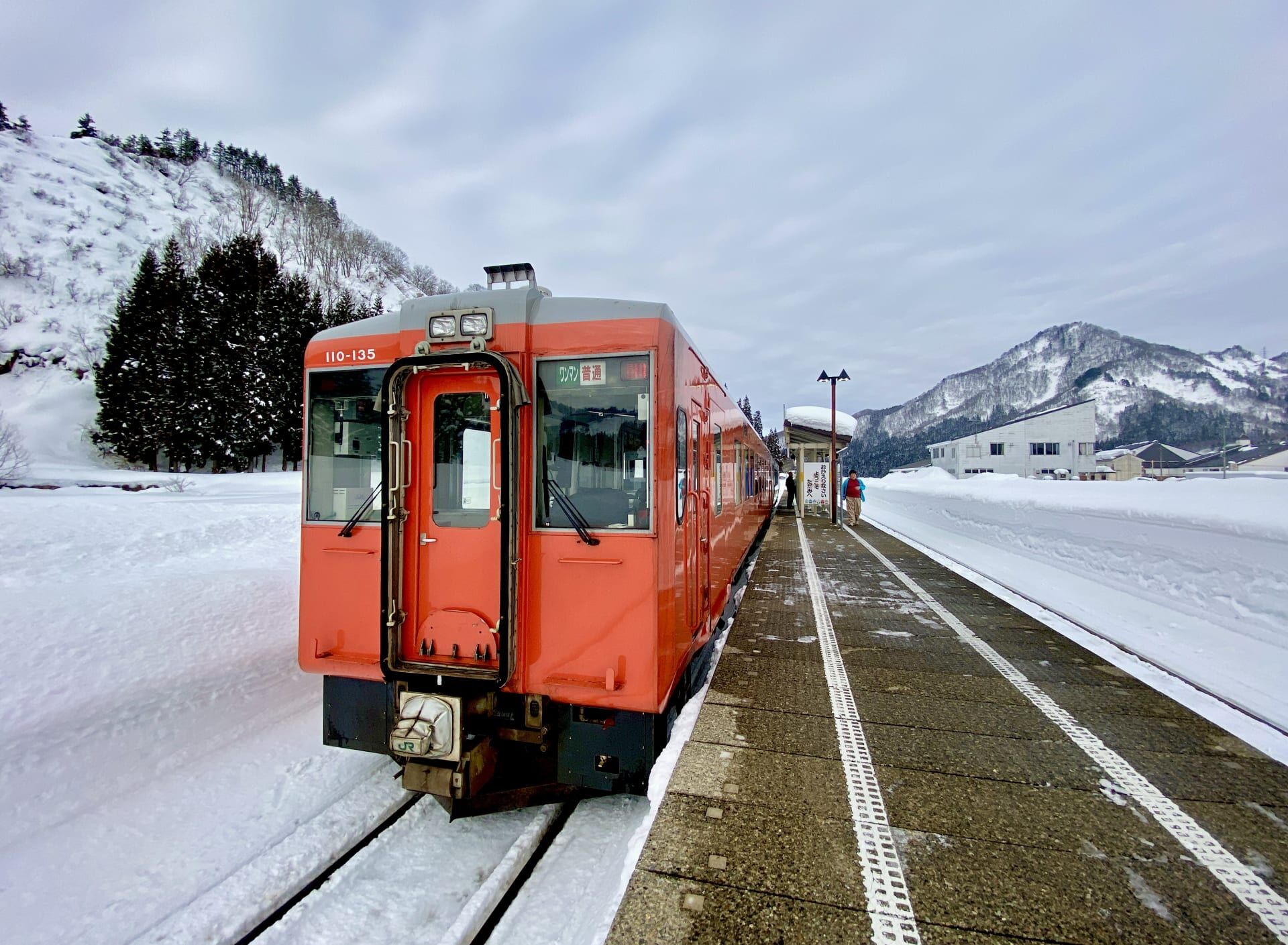
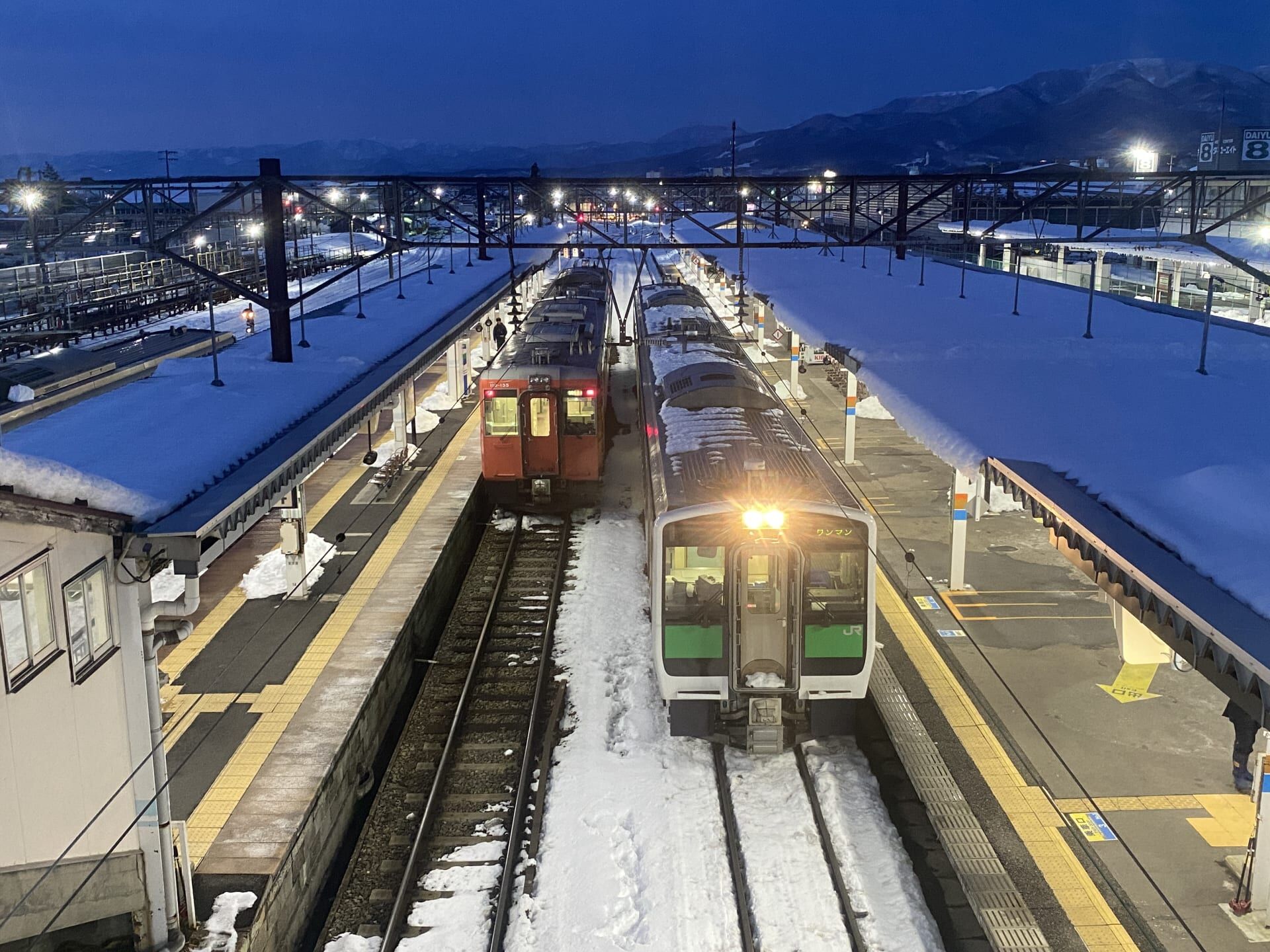
Our journey on the Tadami Line would take us from Koide Station in Uonuma to Aizu-Wakamatsu Station in approximately 4 hours and 15 minutes. The train looked striking with its green-striped and red carriages.
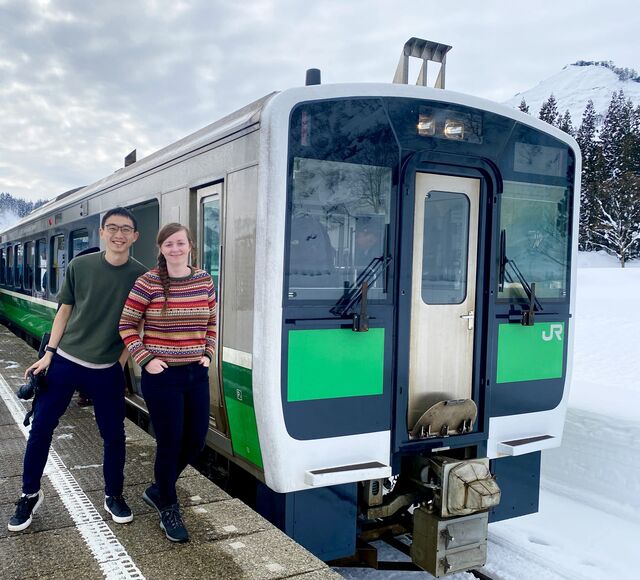
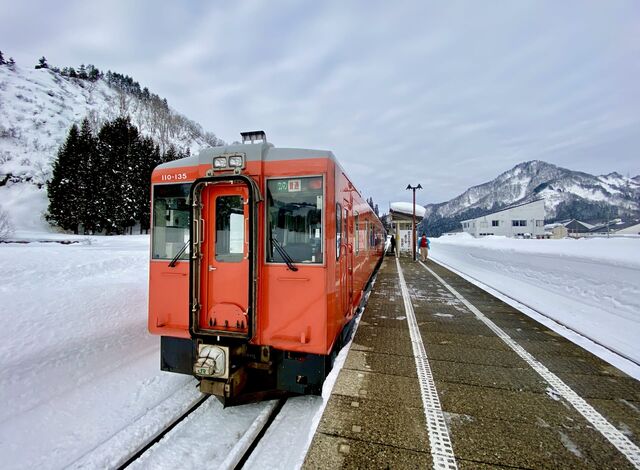
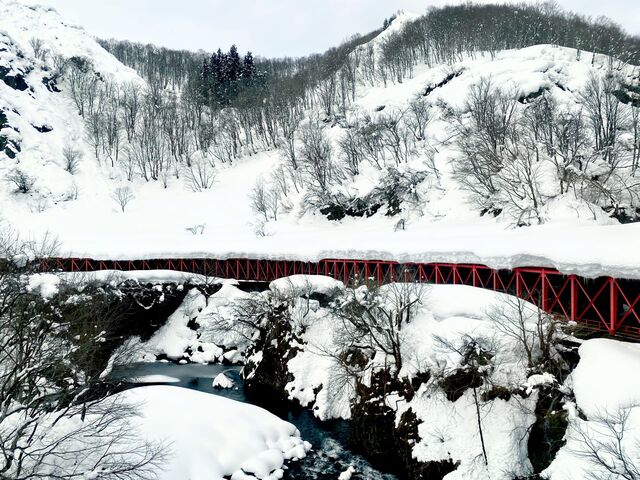
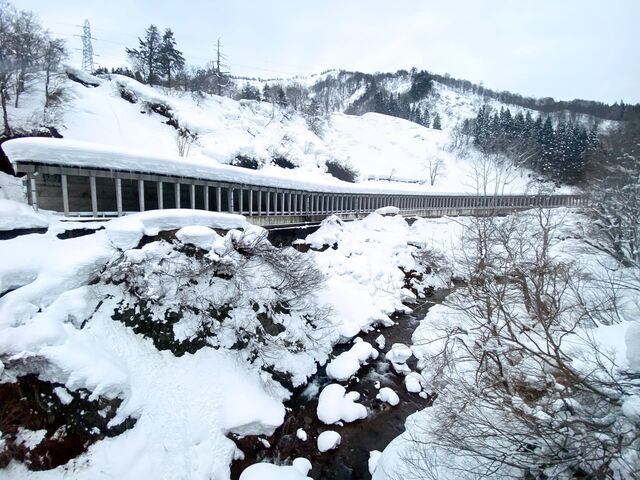
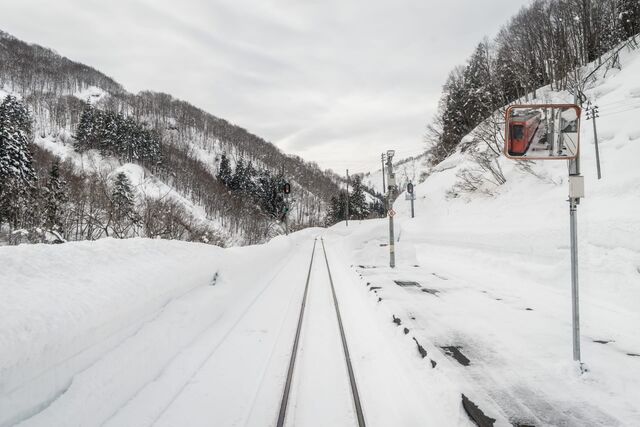
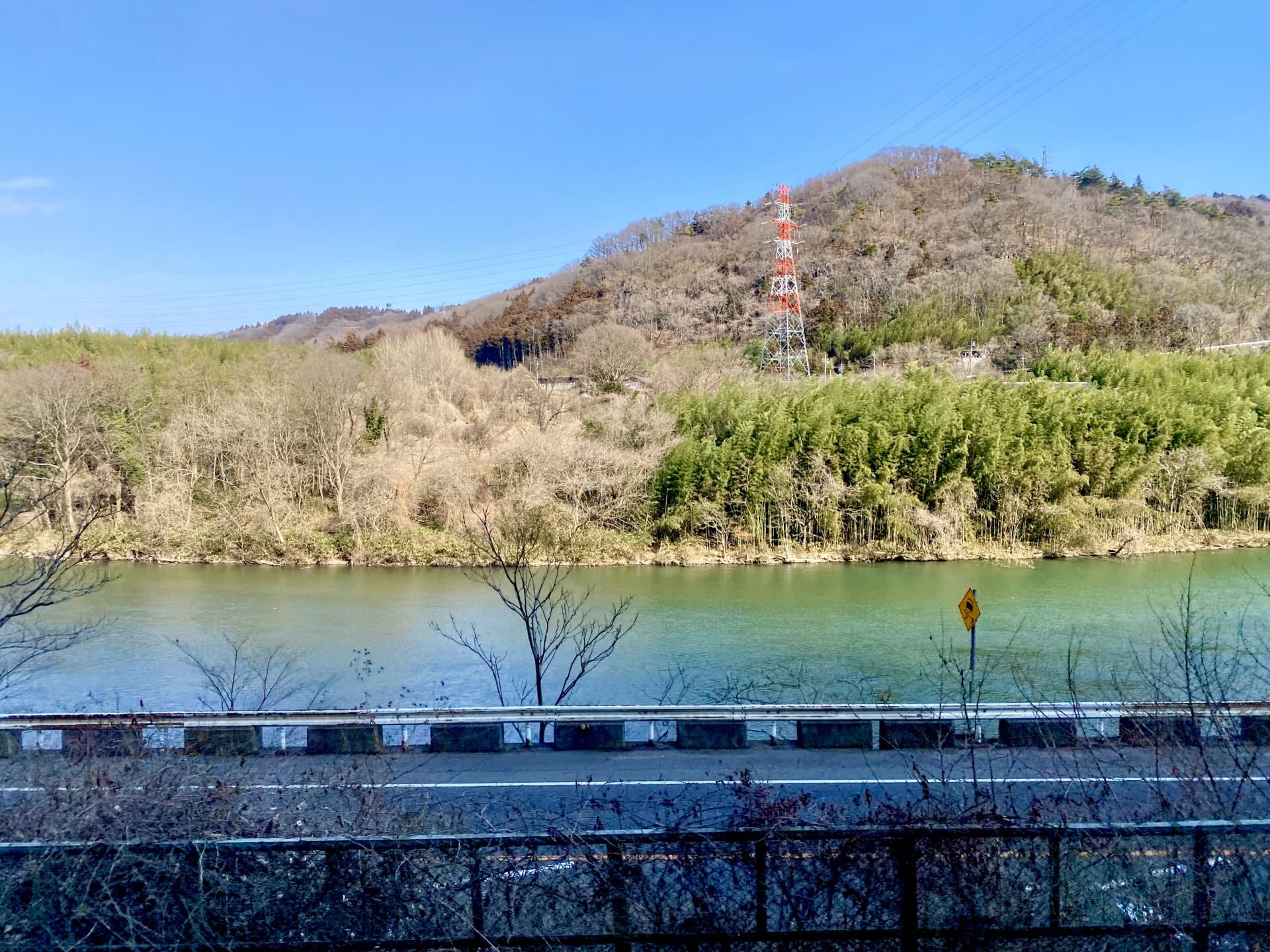
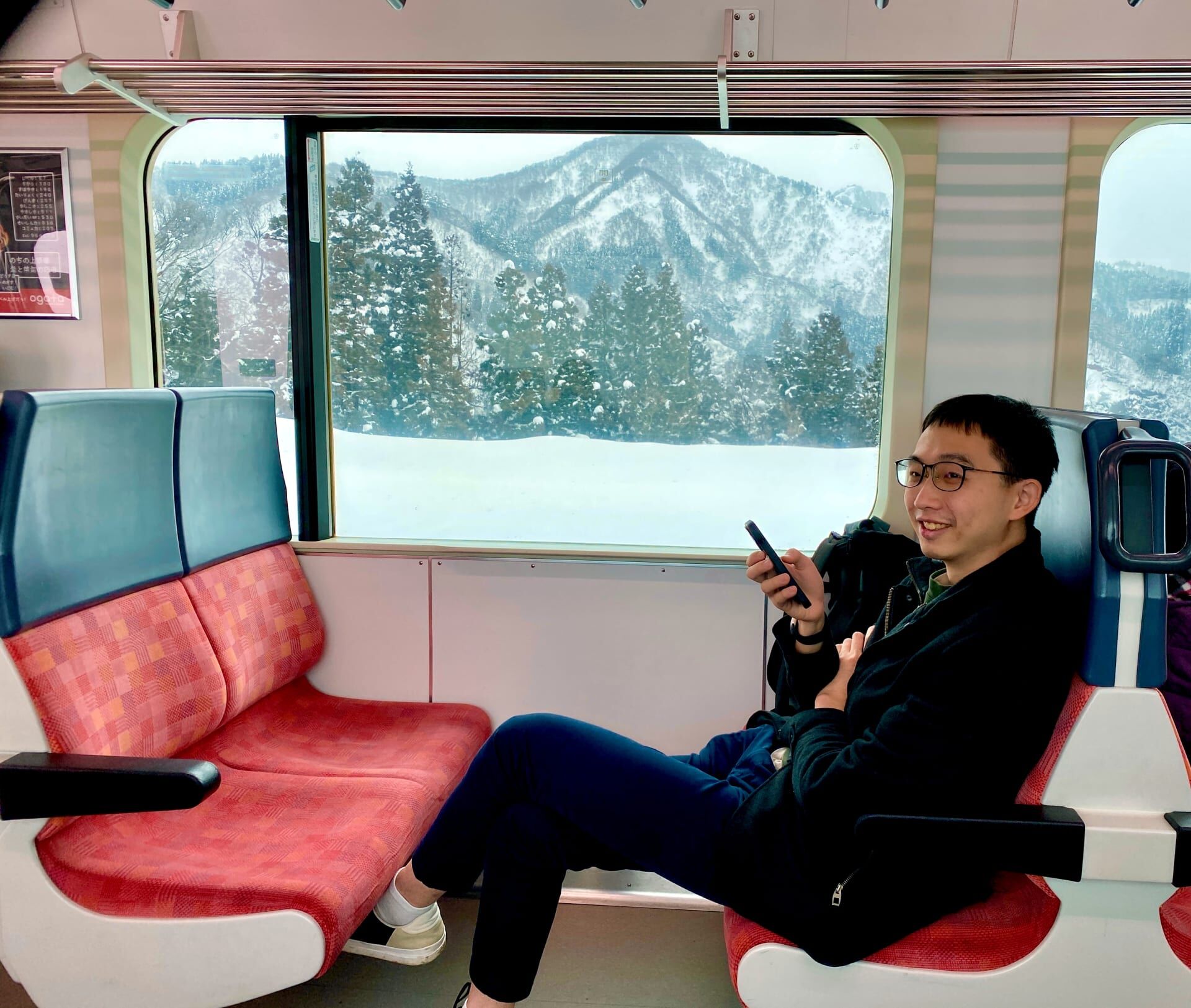
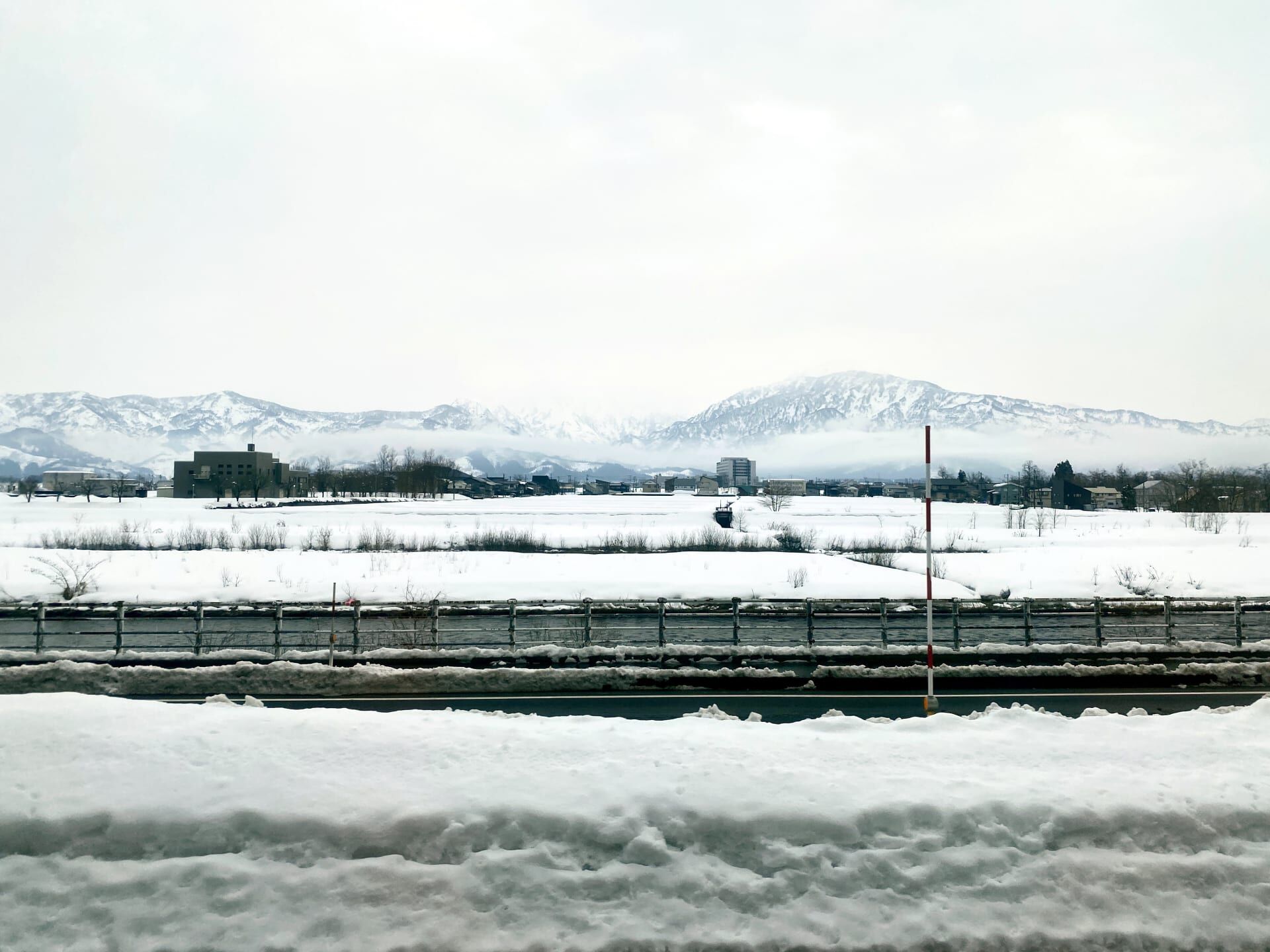
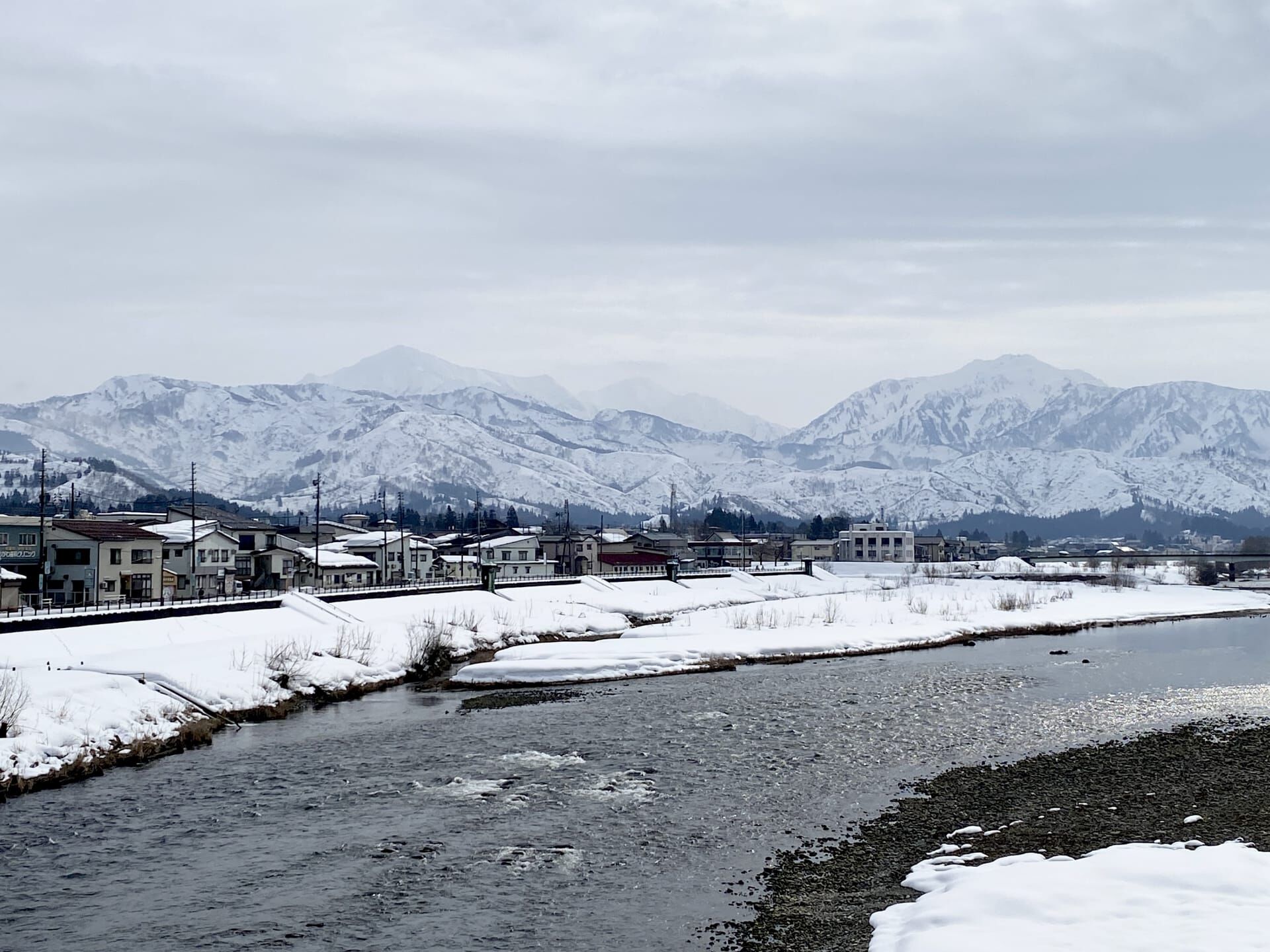
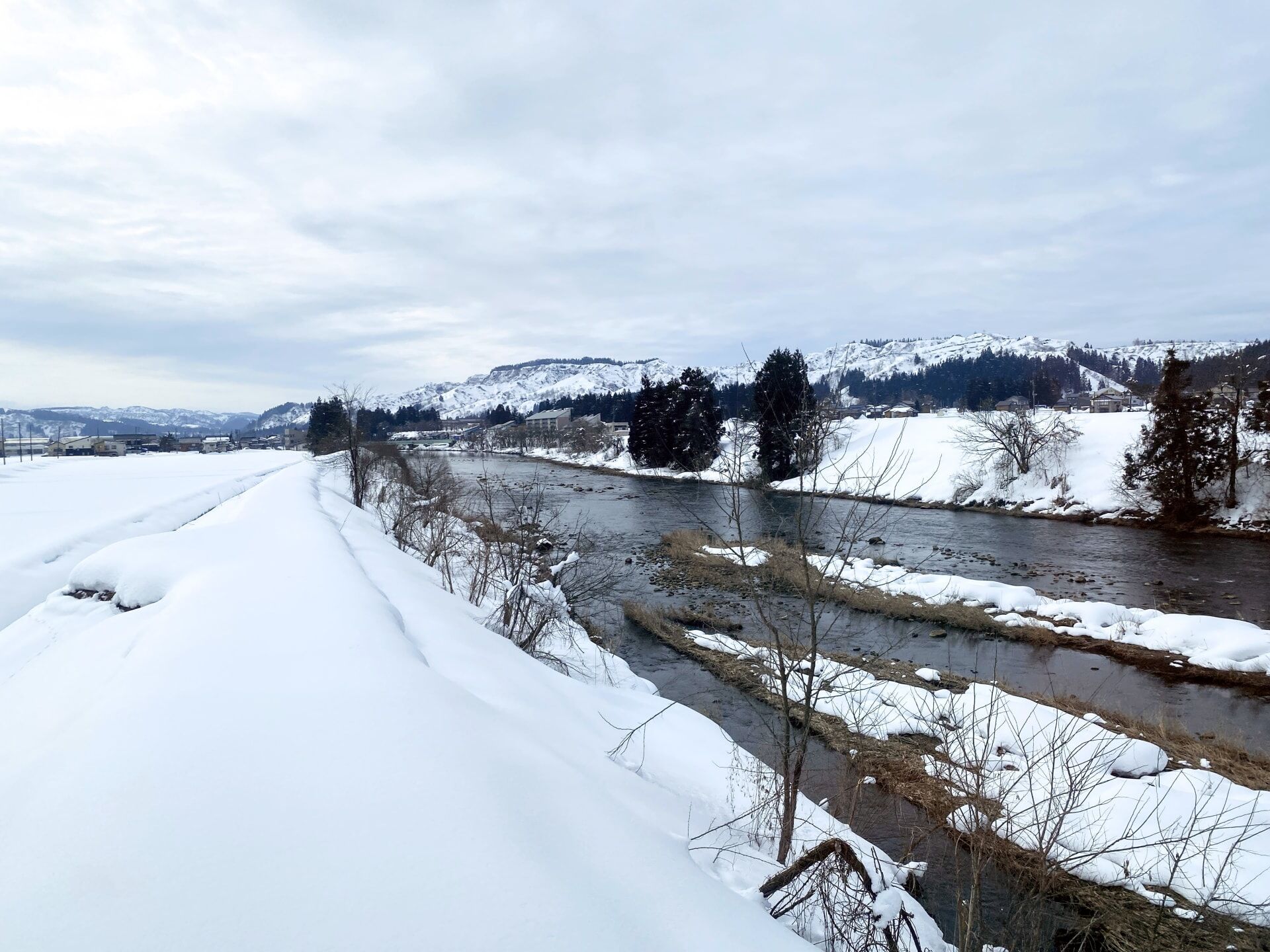
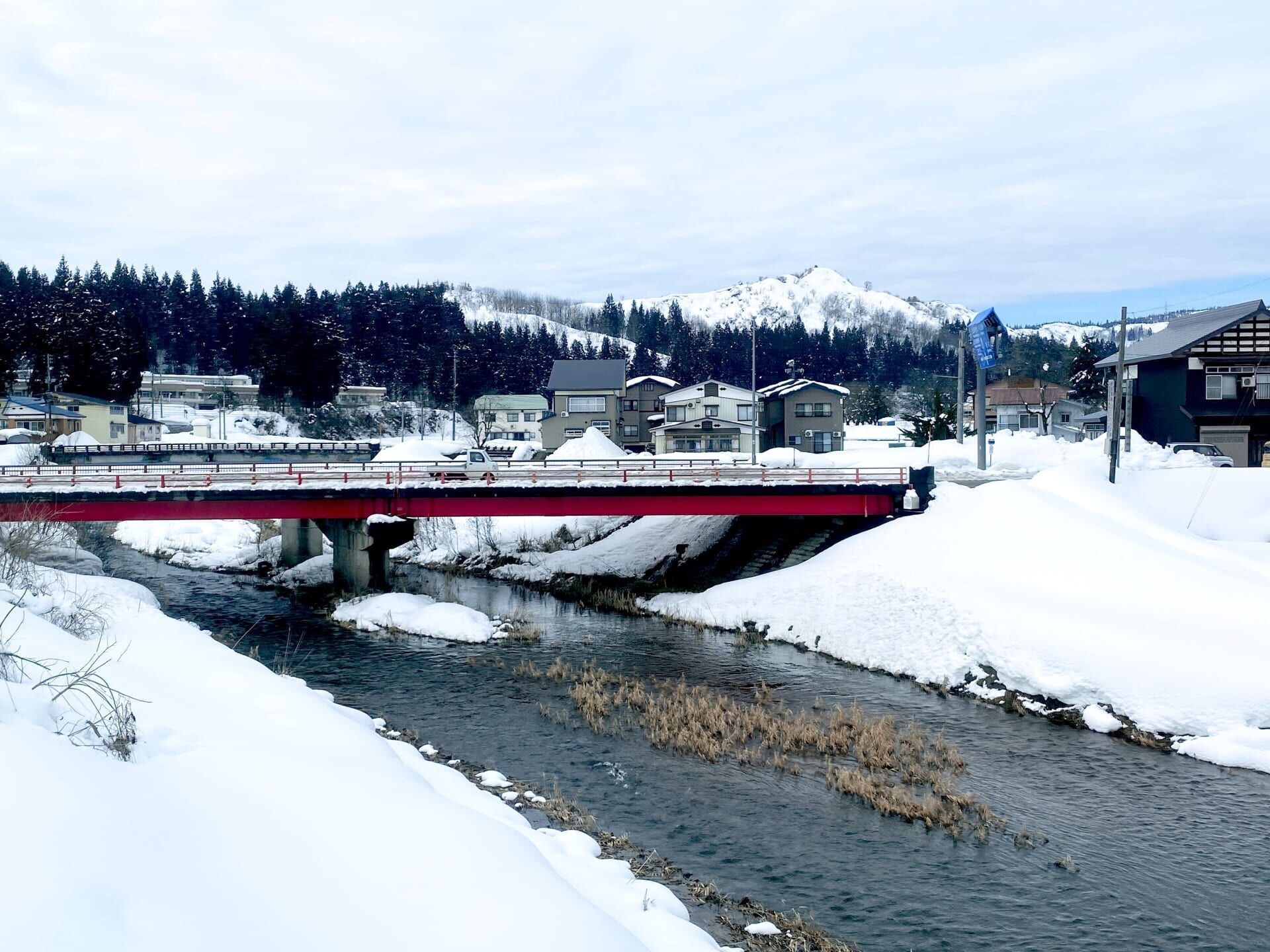
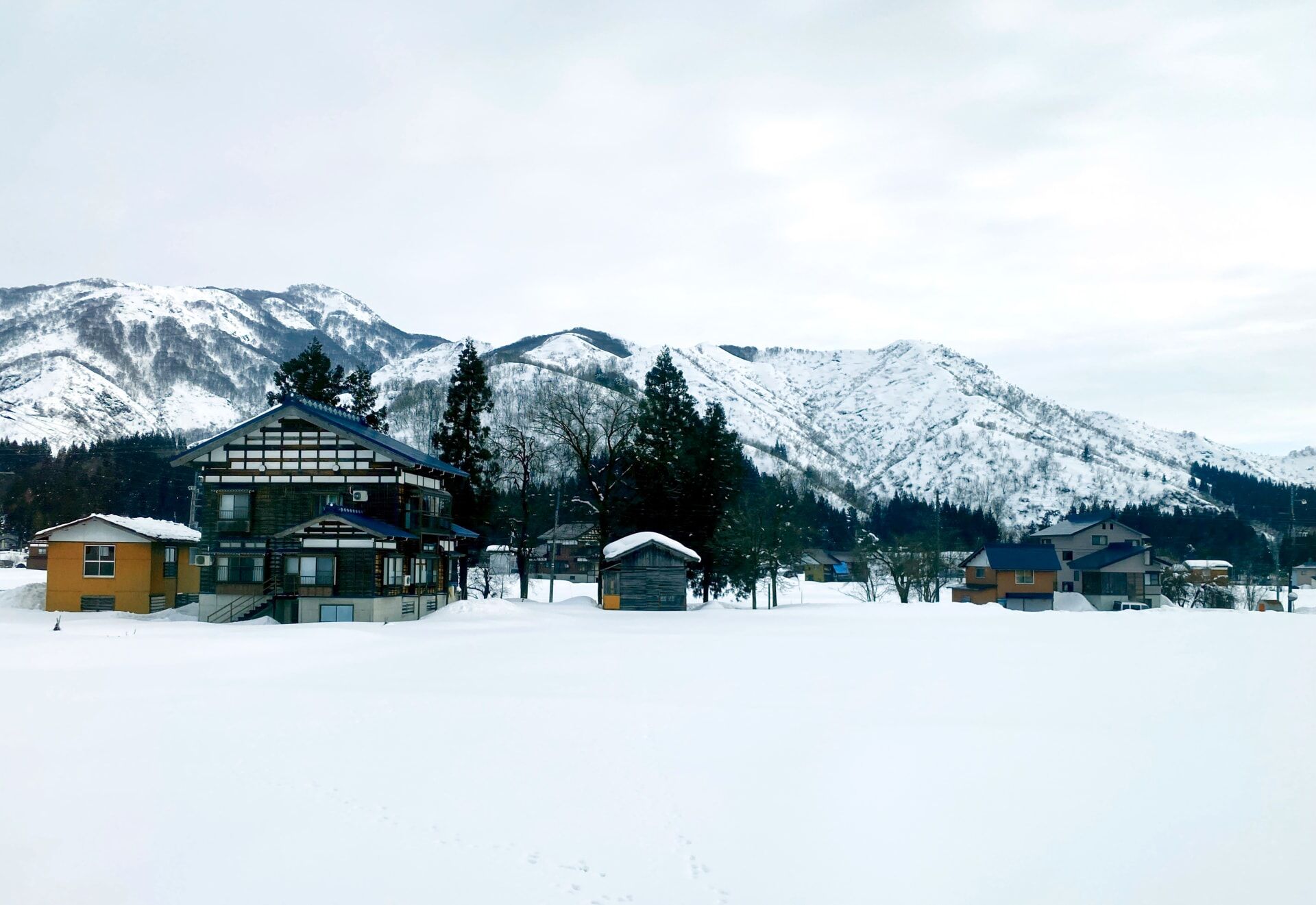
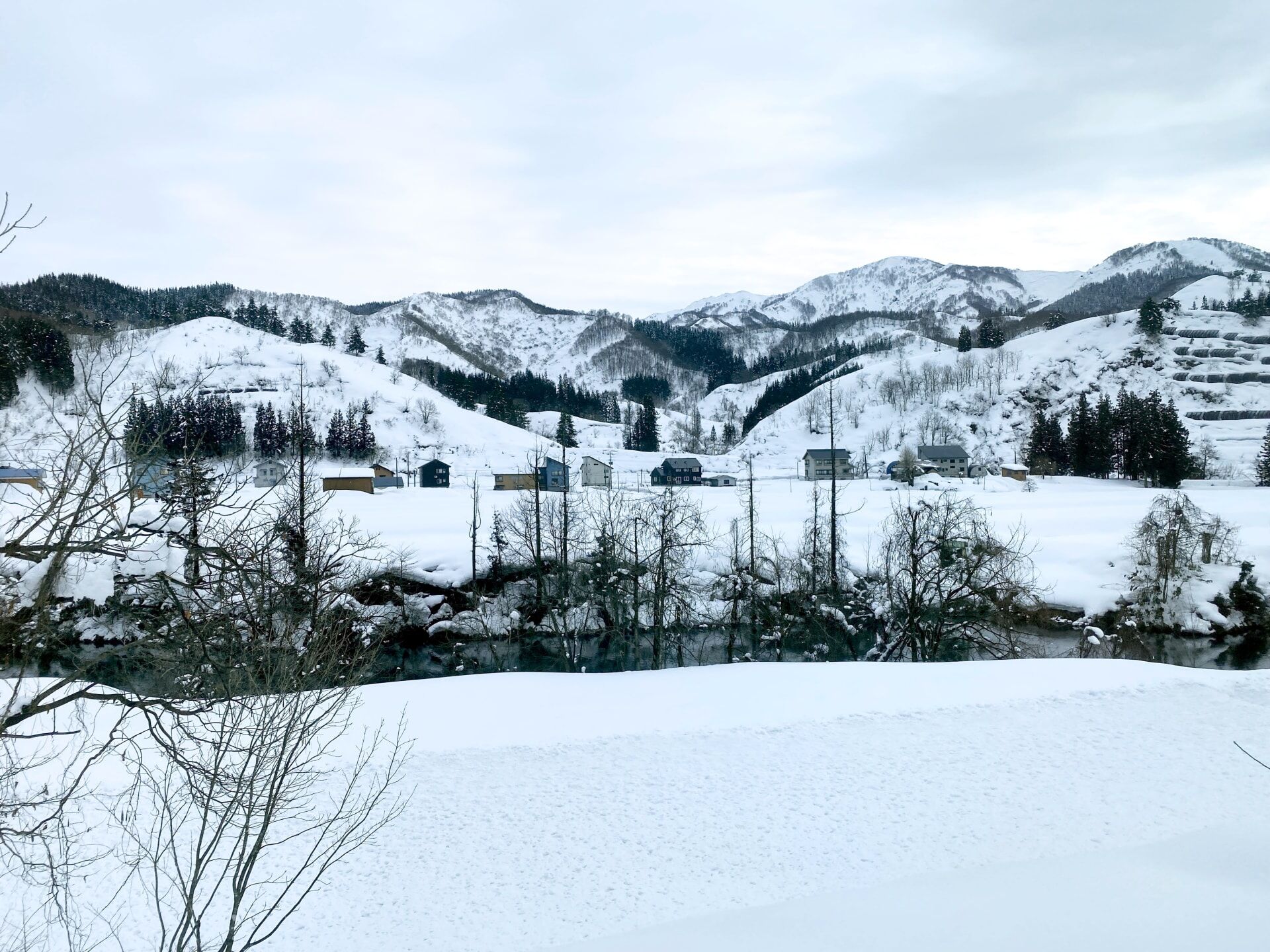
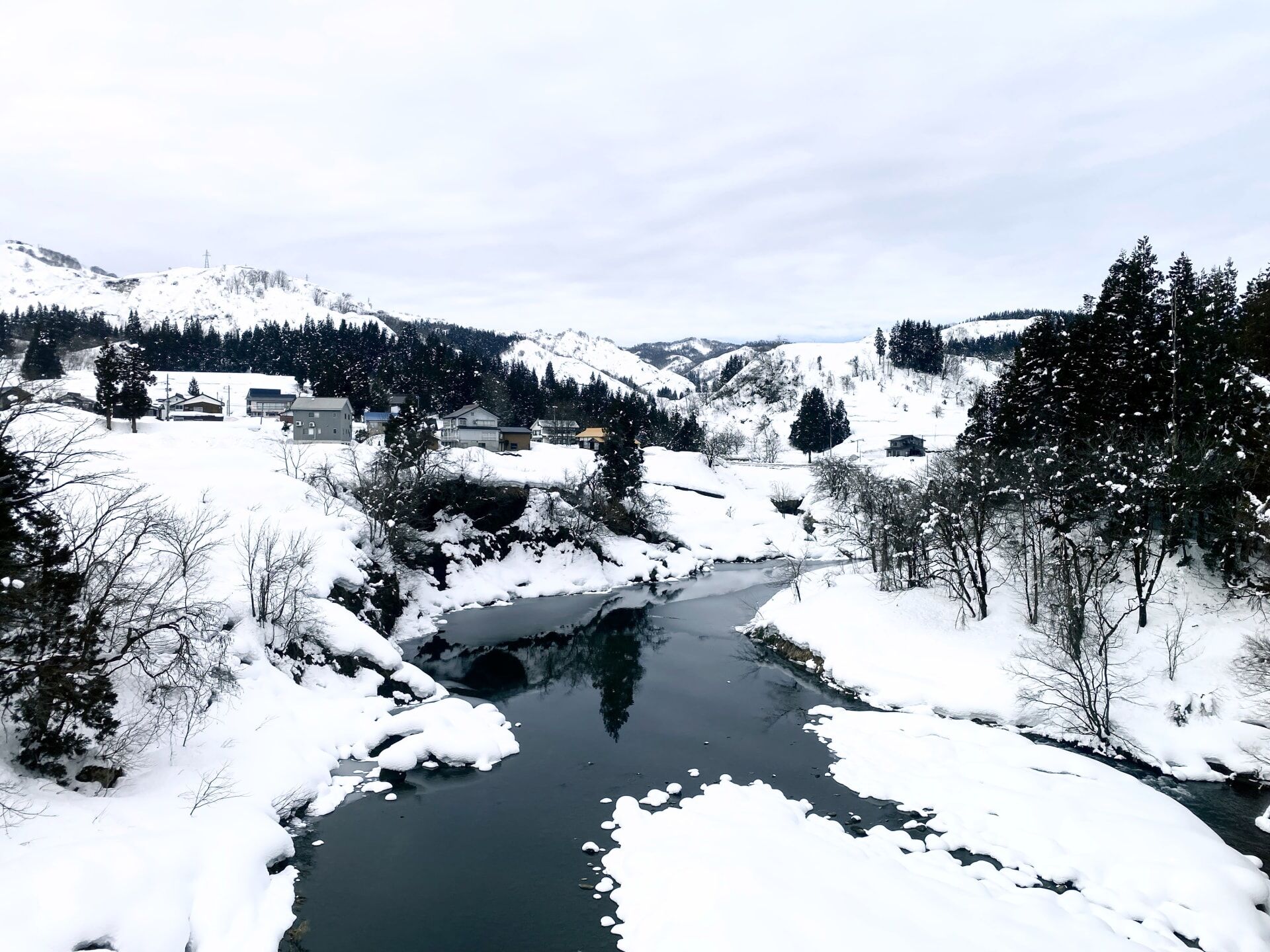
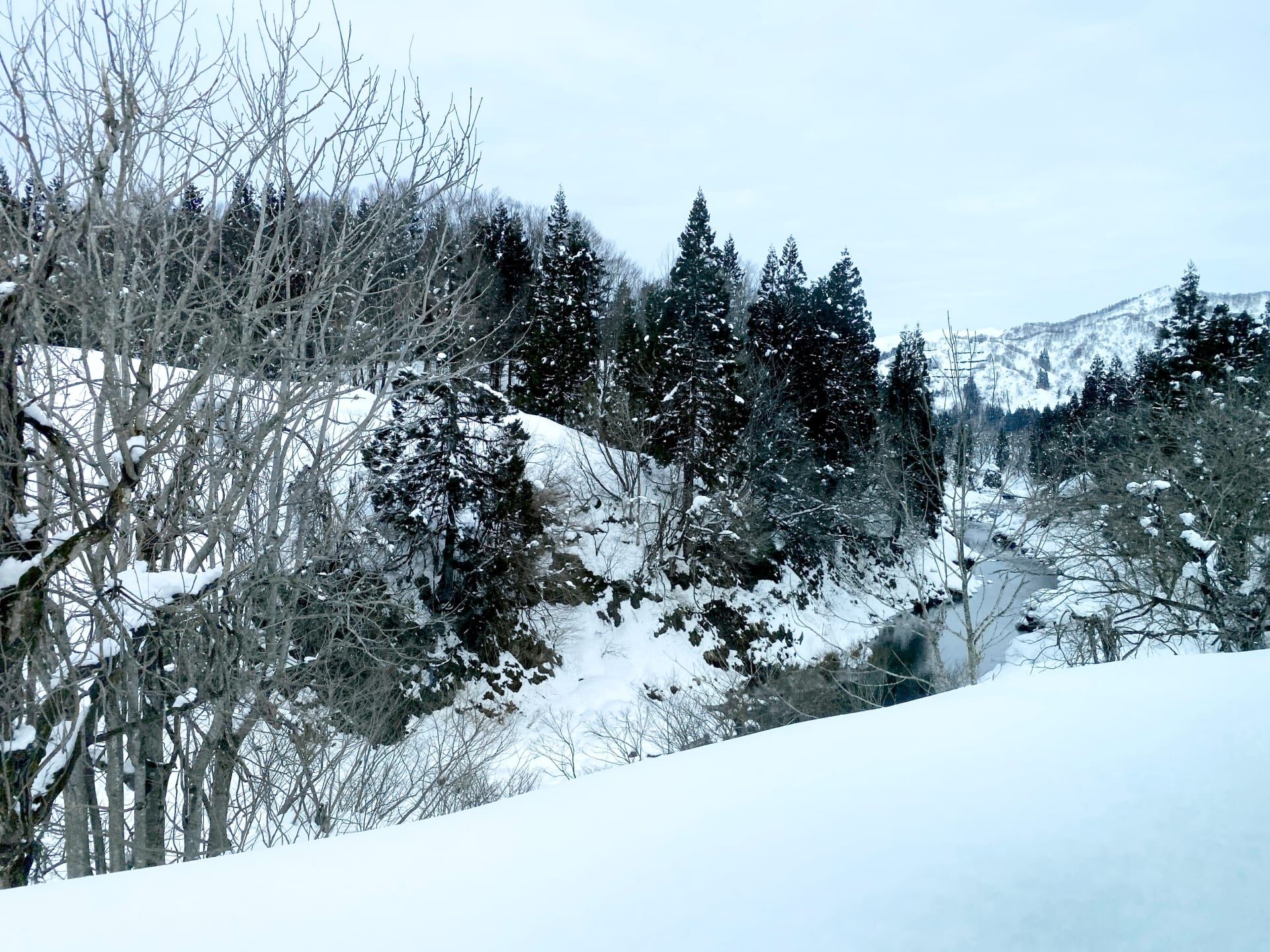
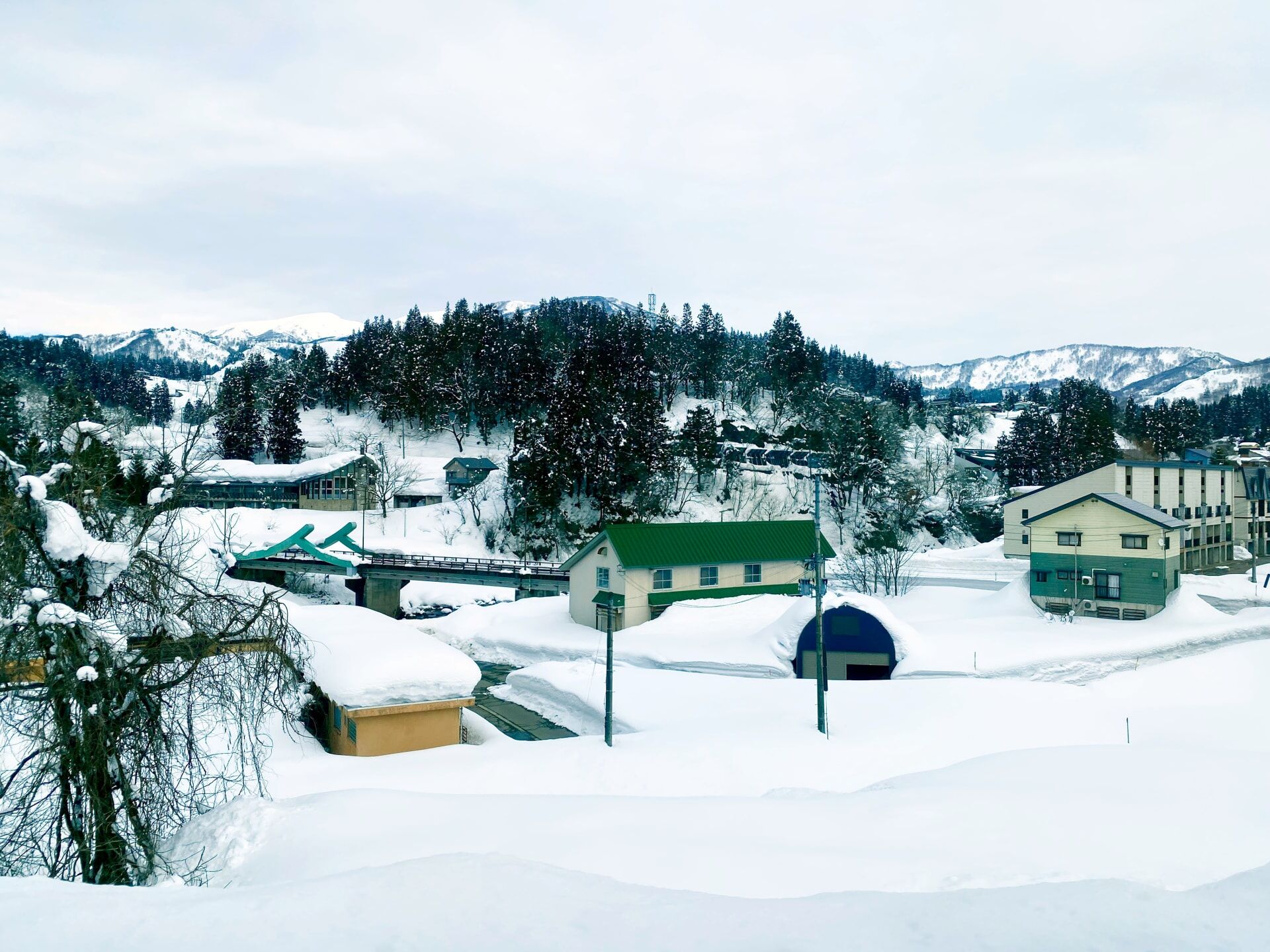
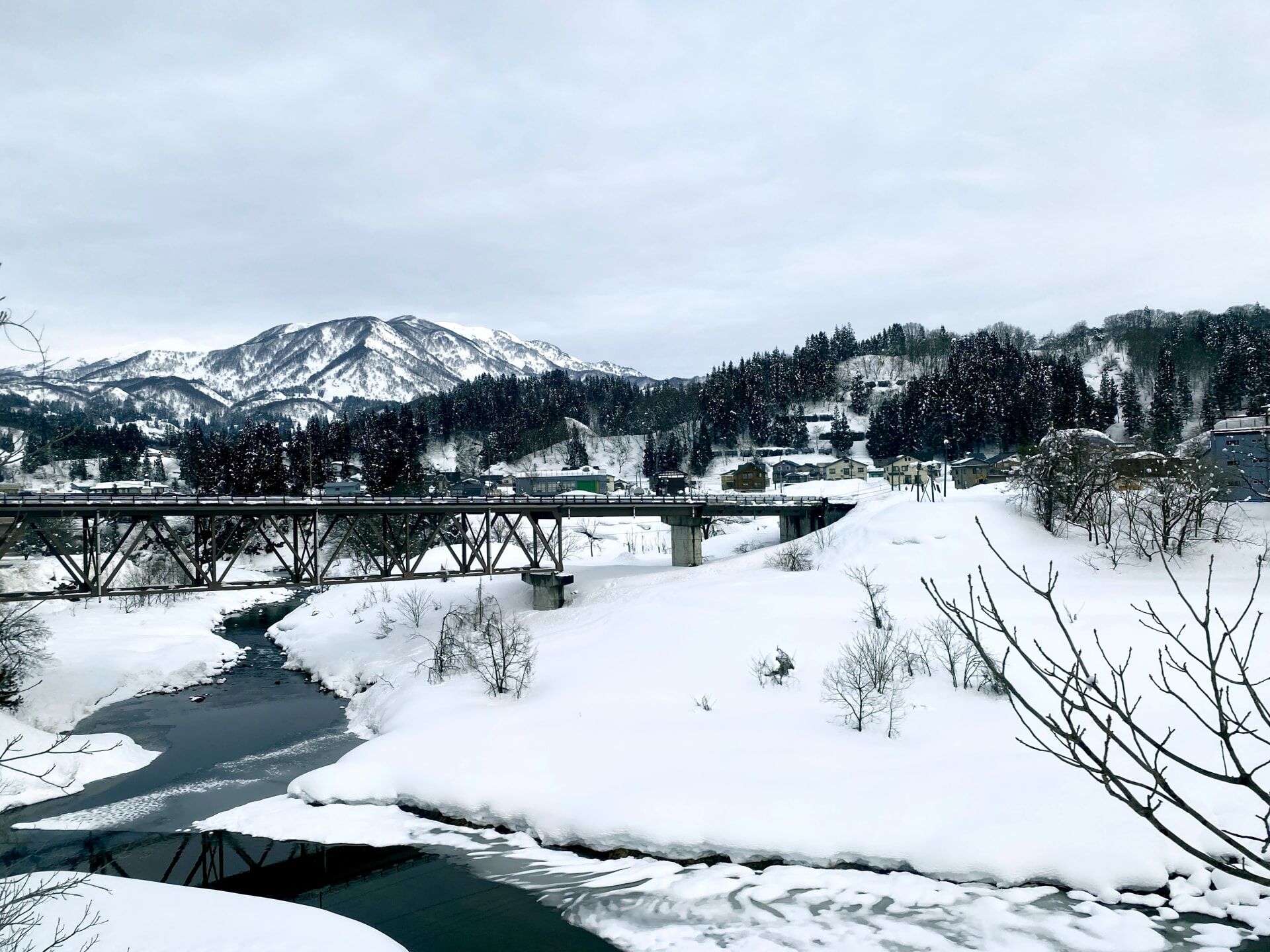
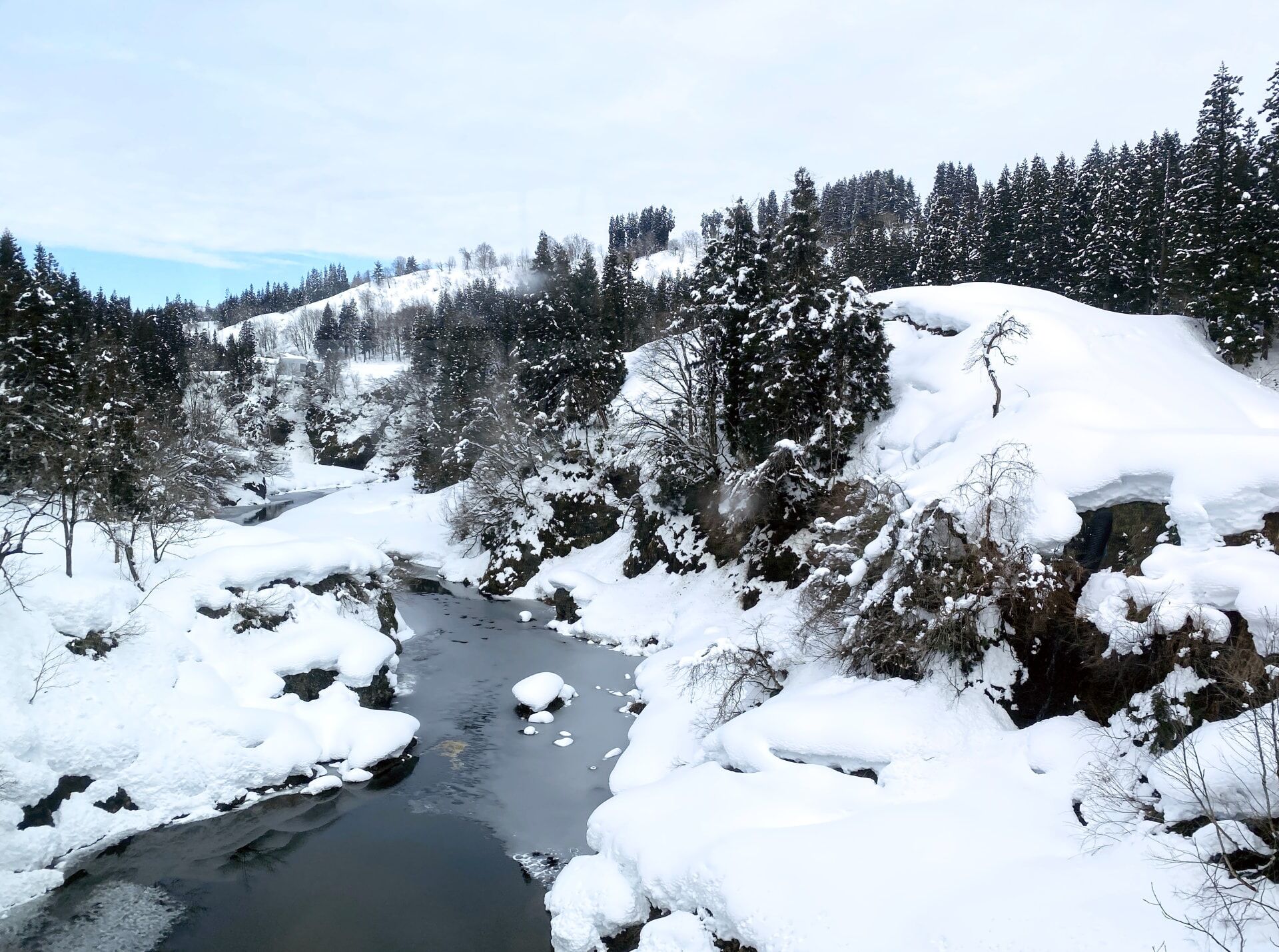
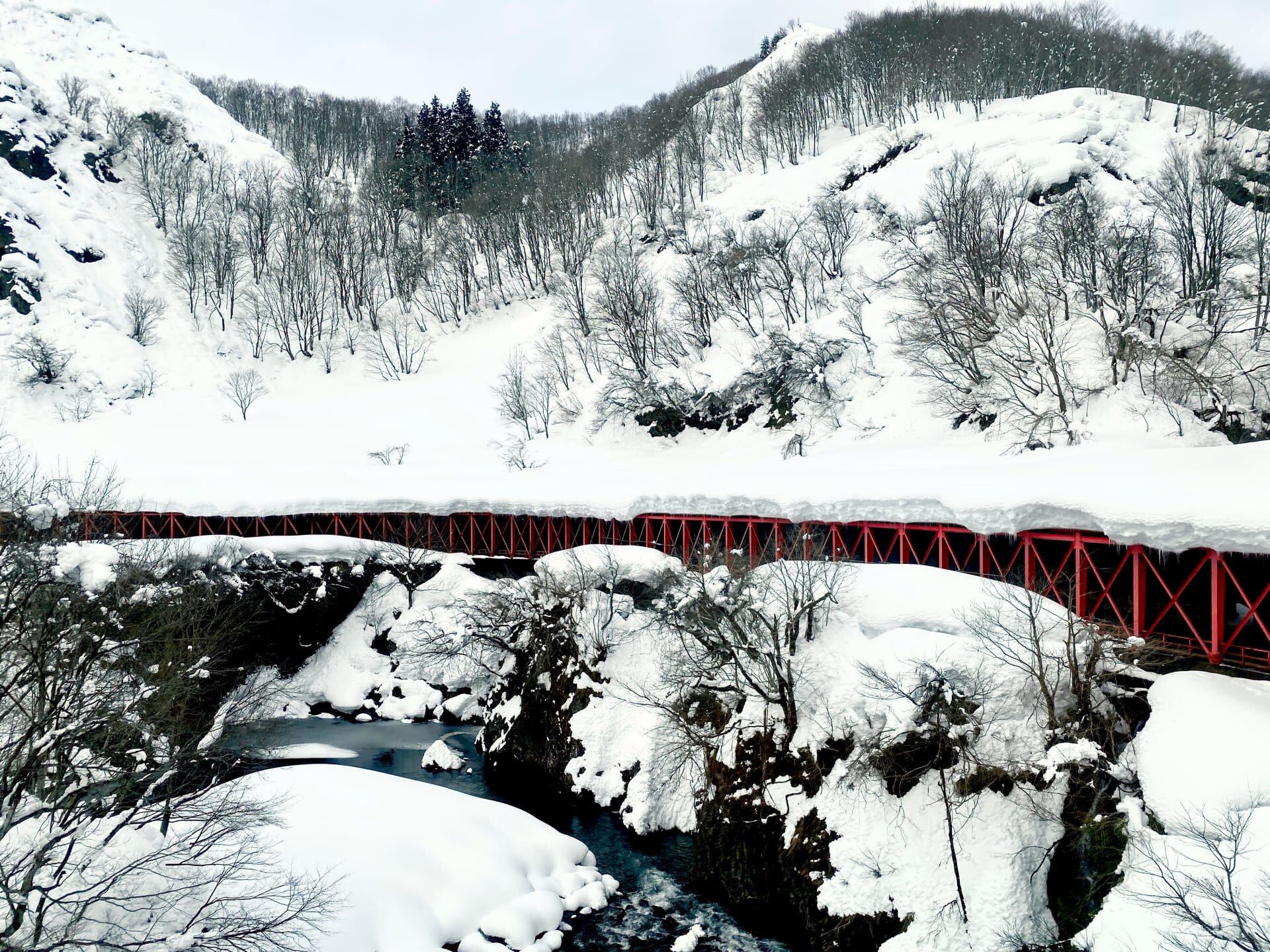
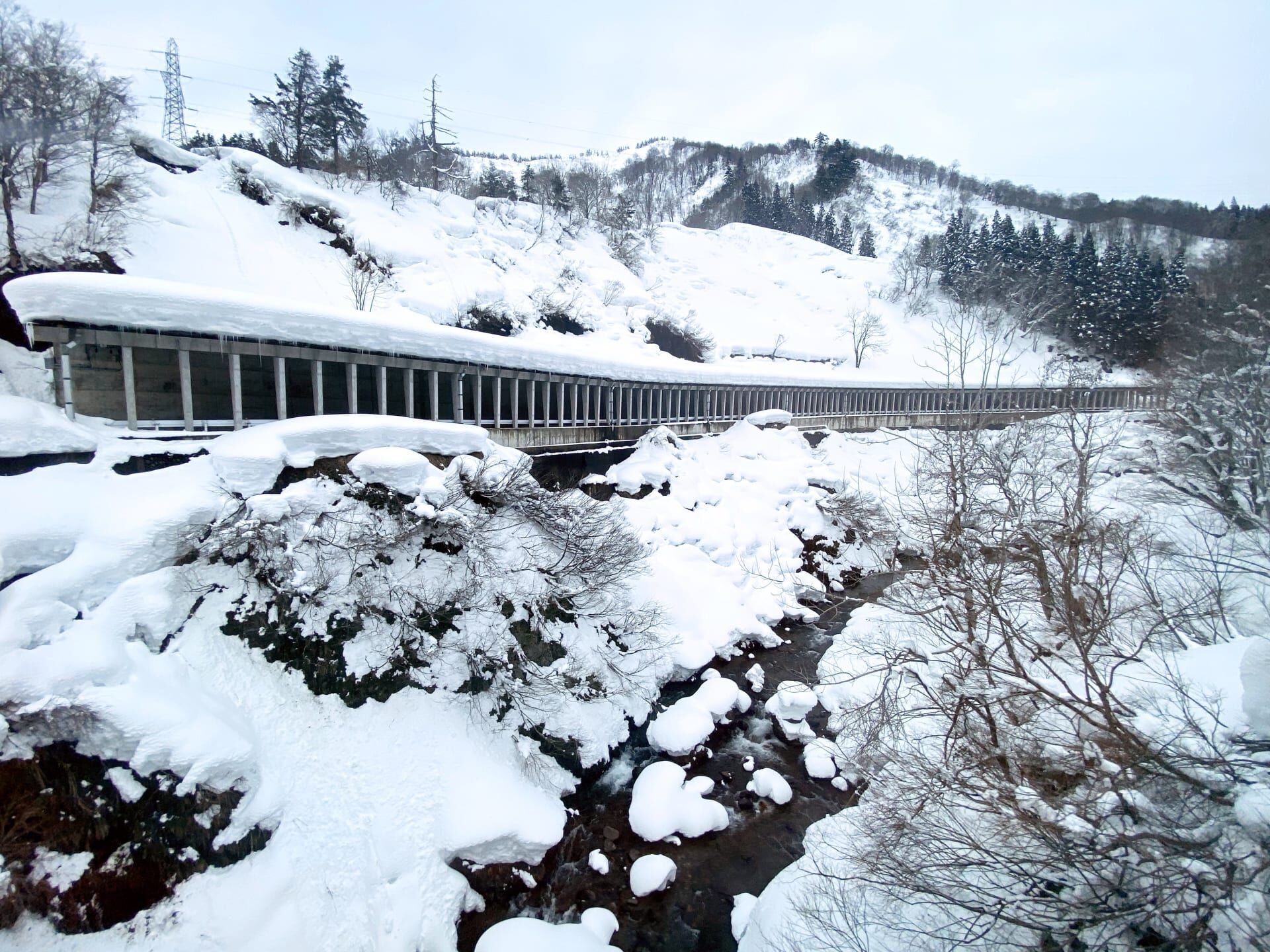
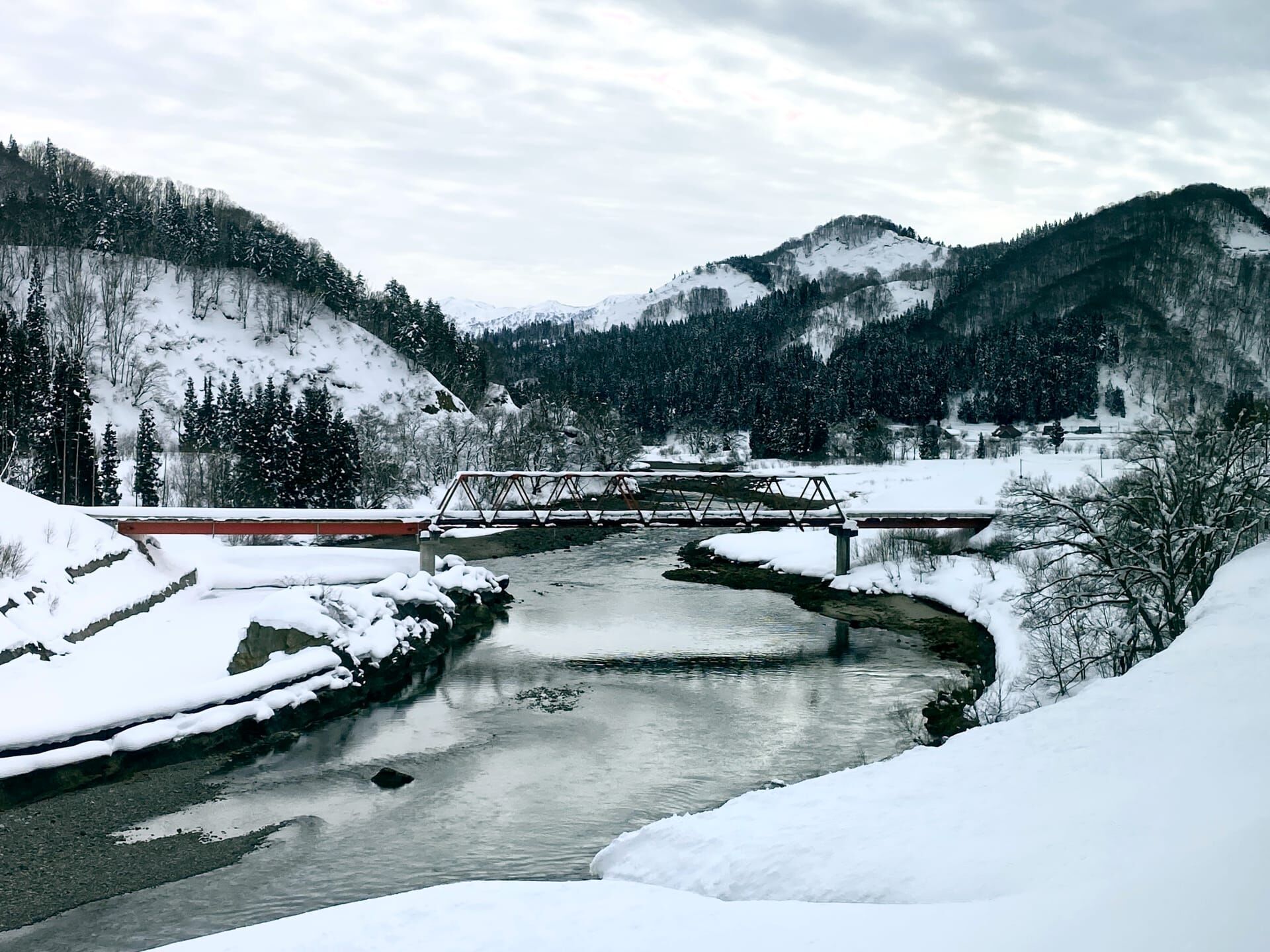
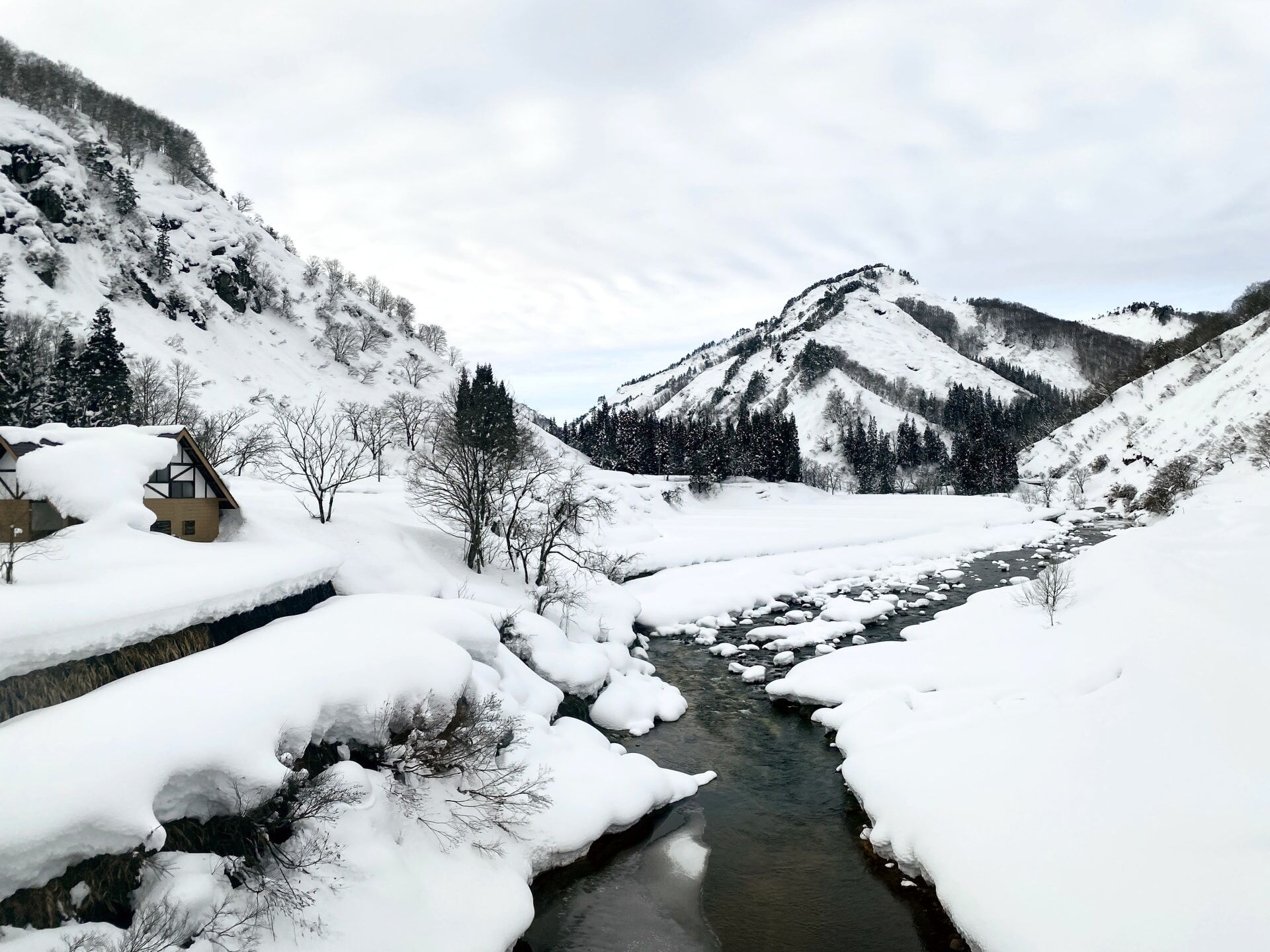
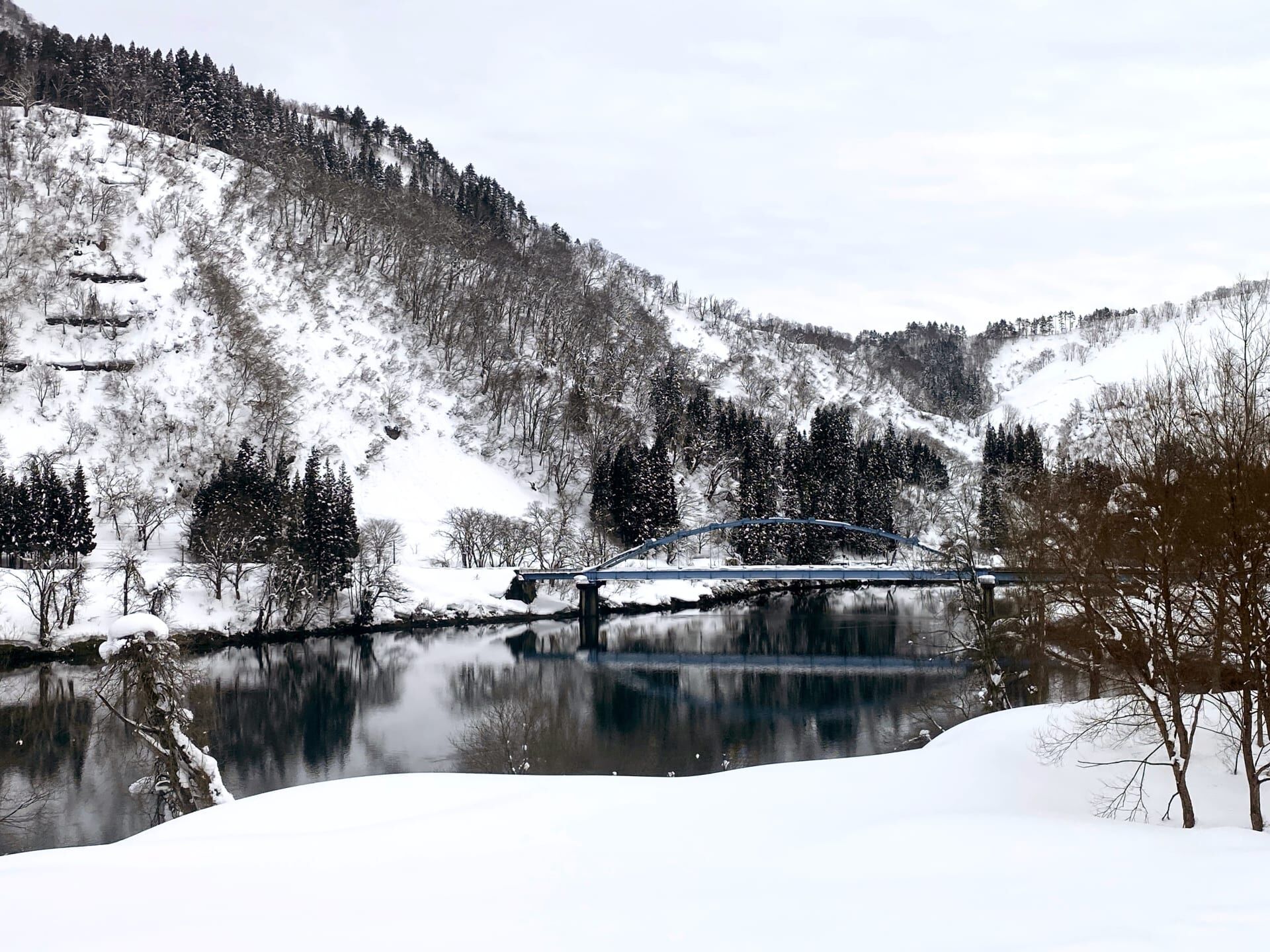
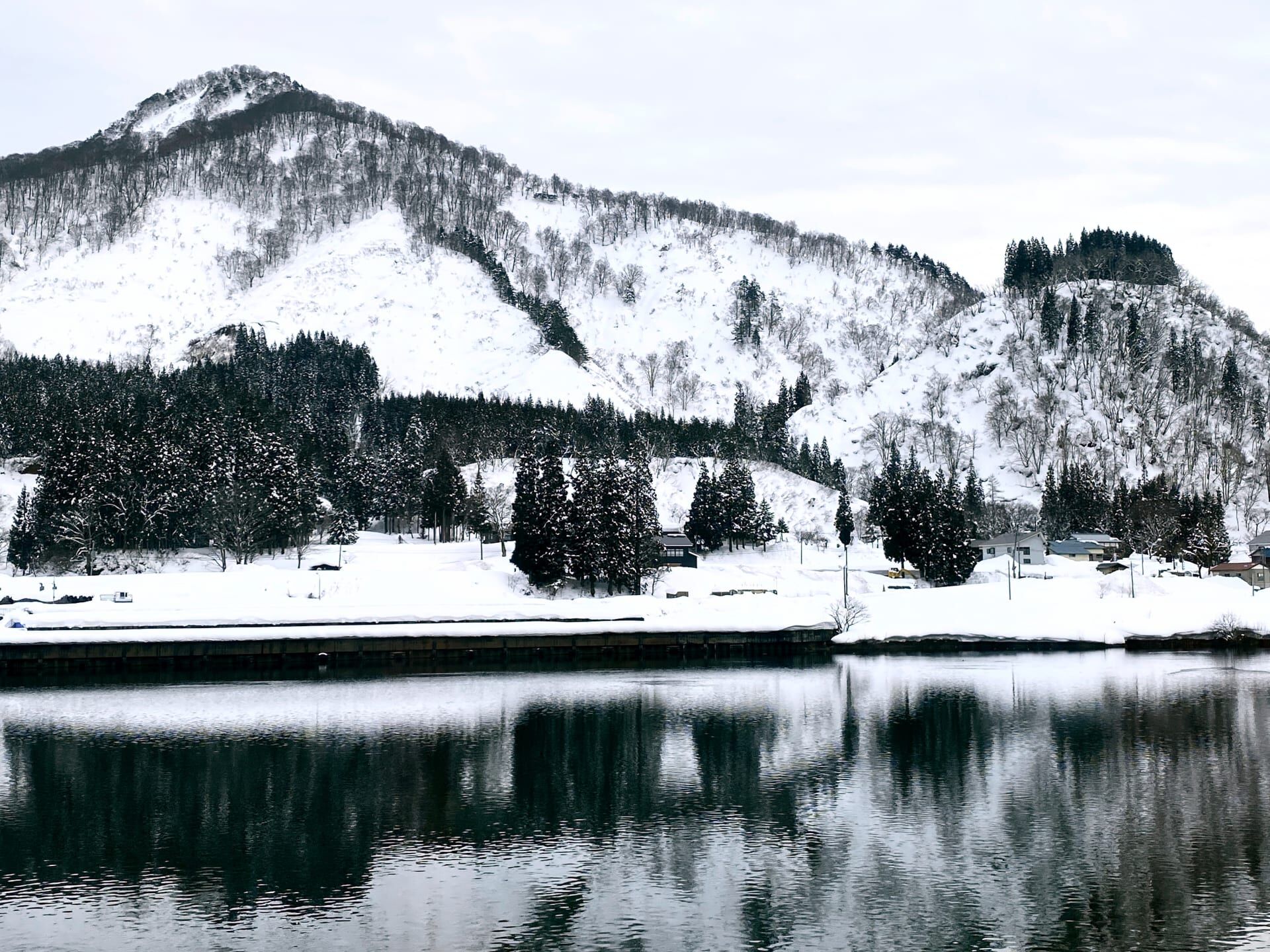
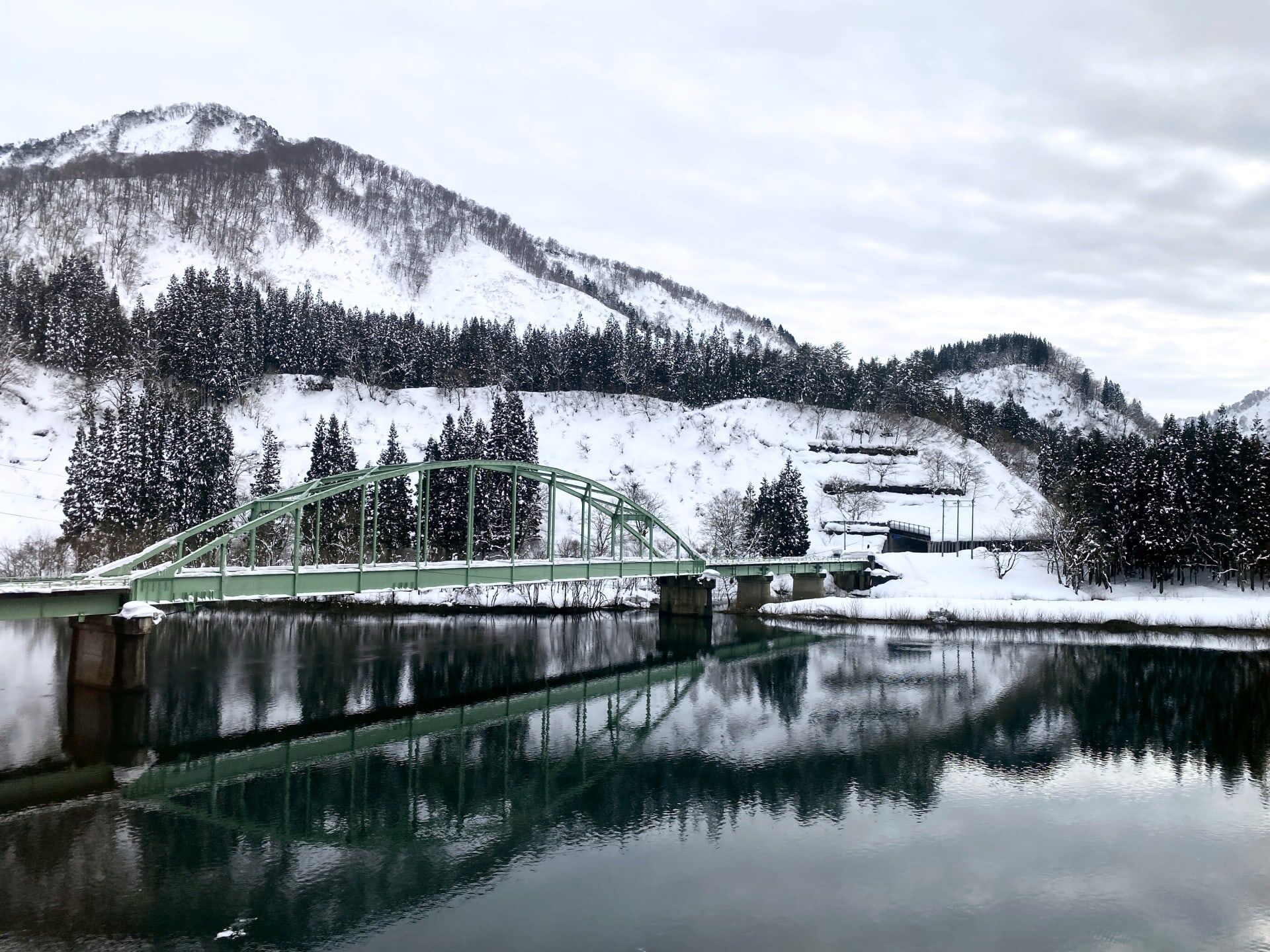
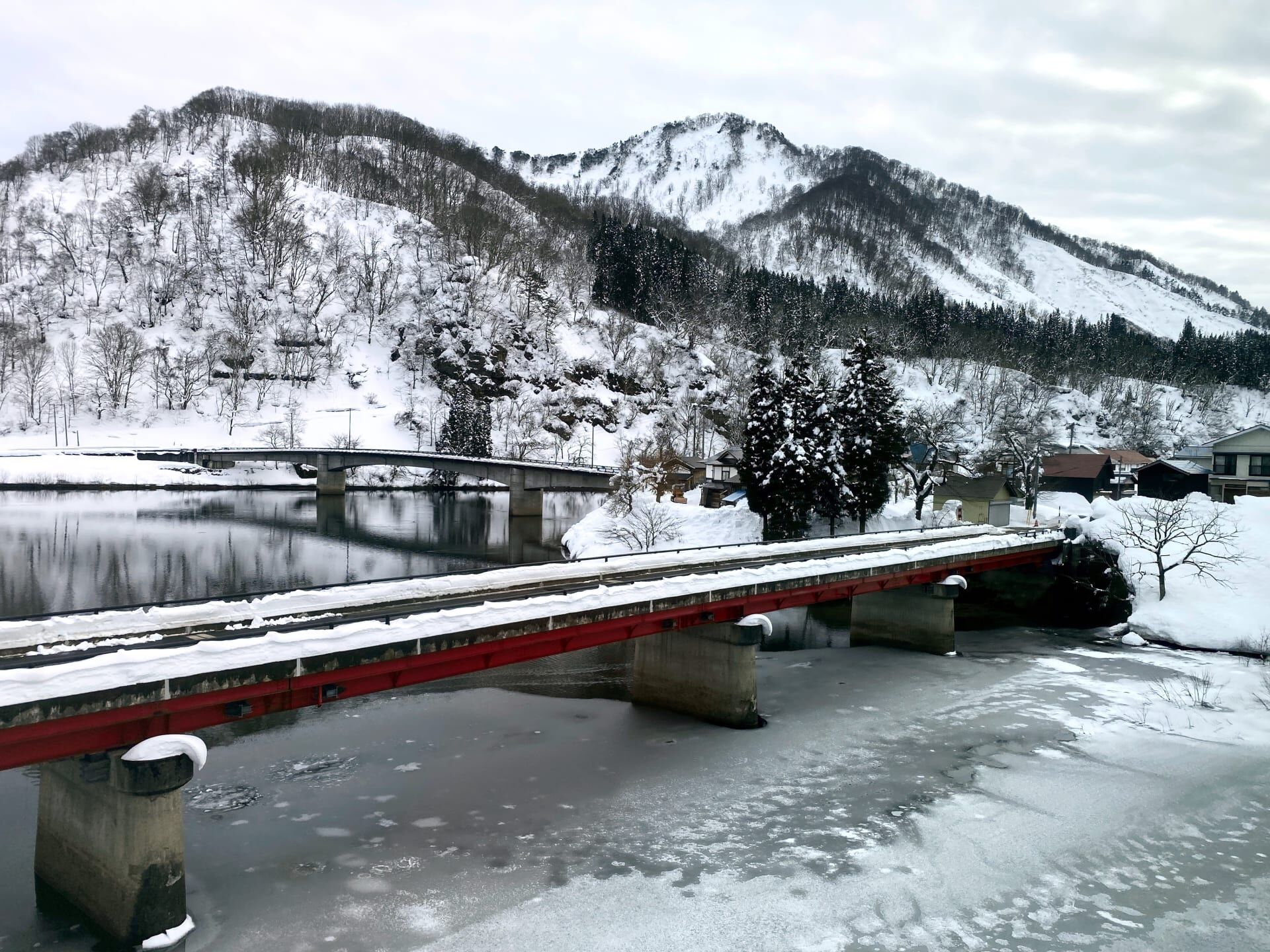
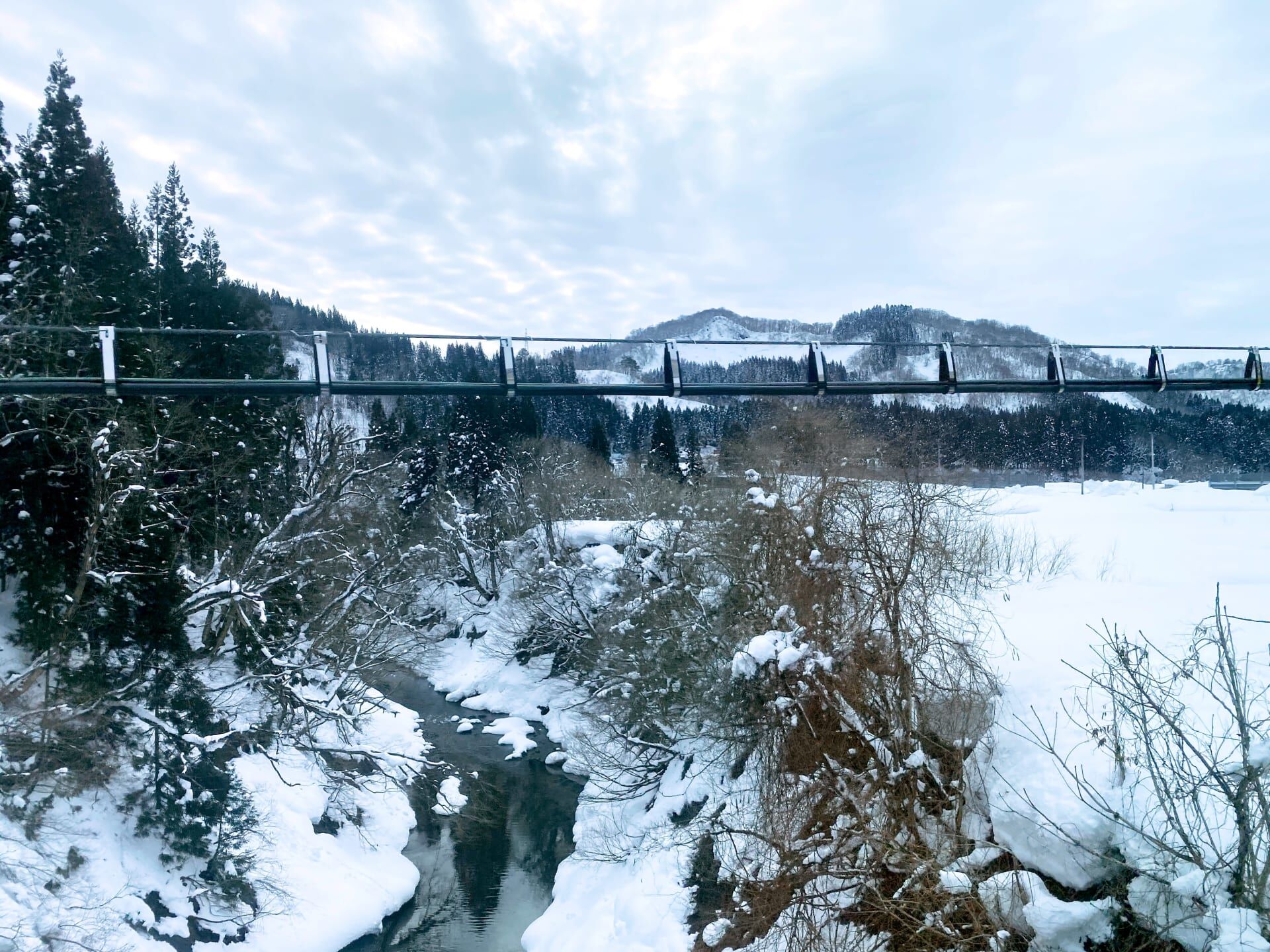
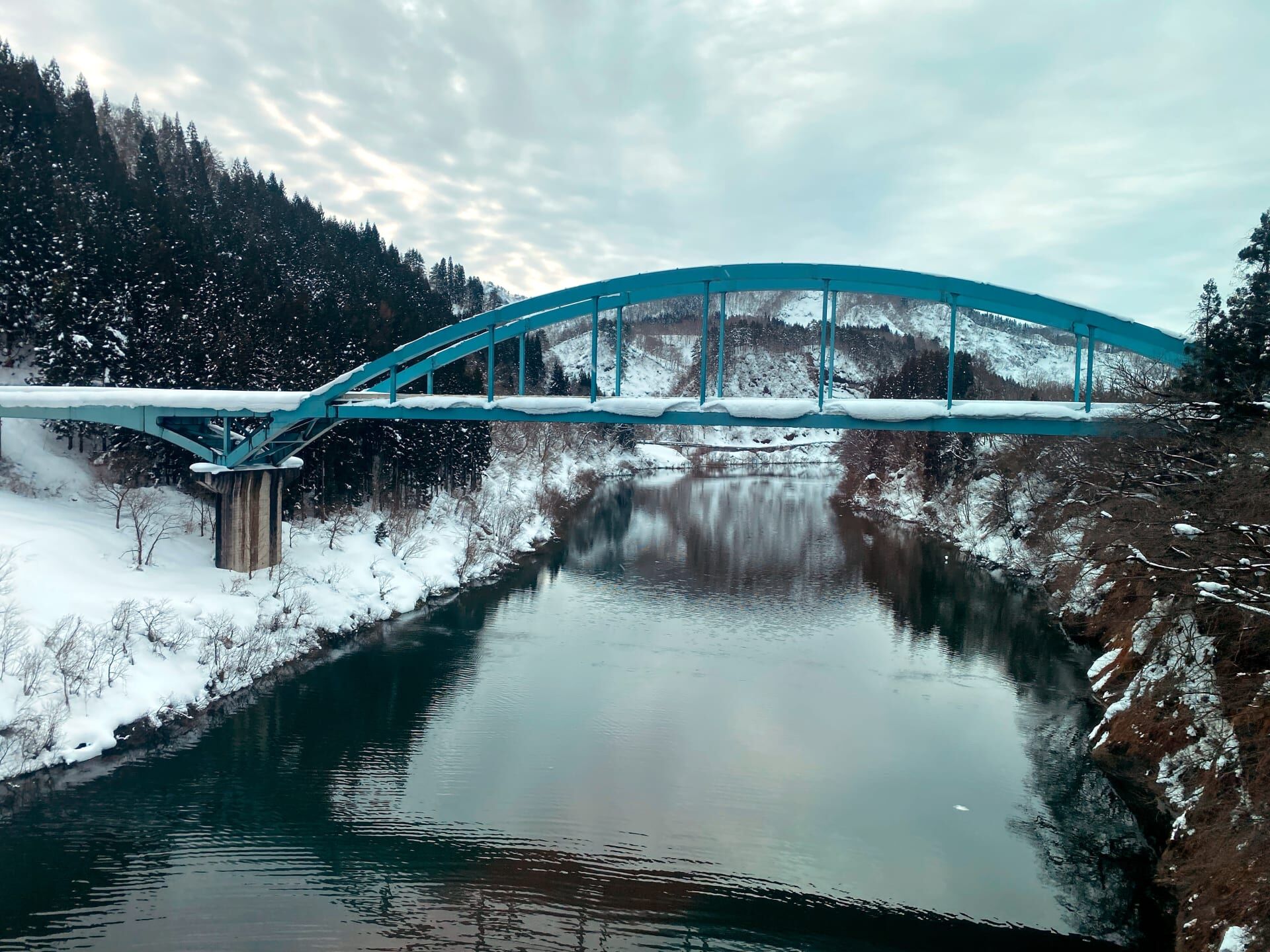
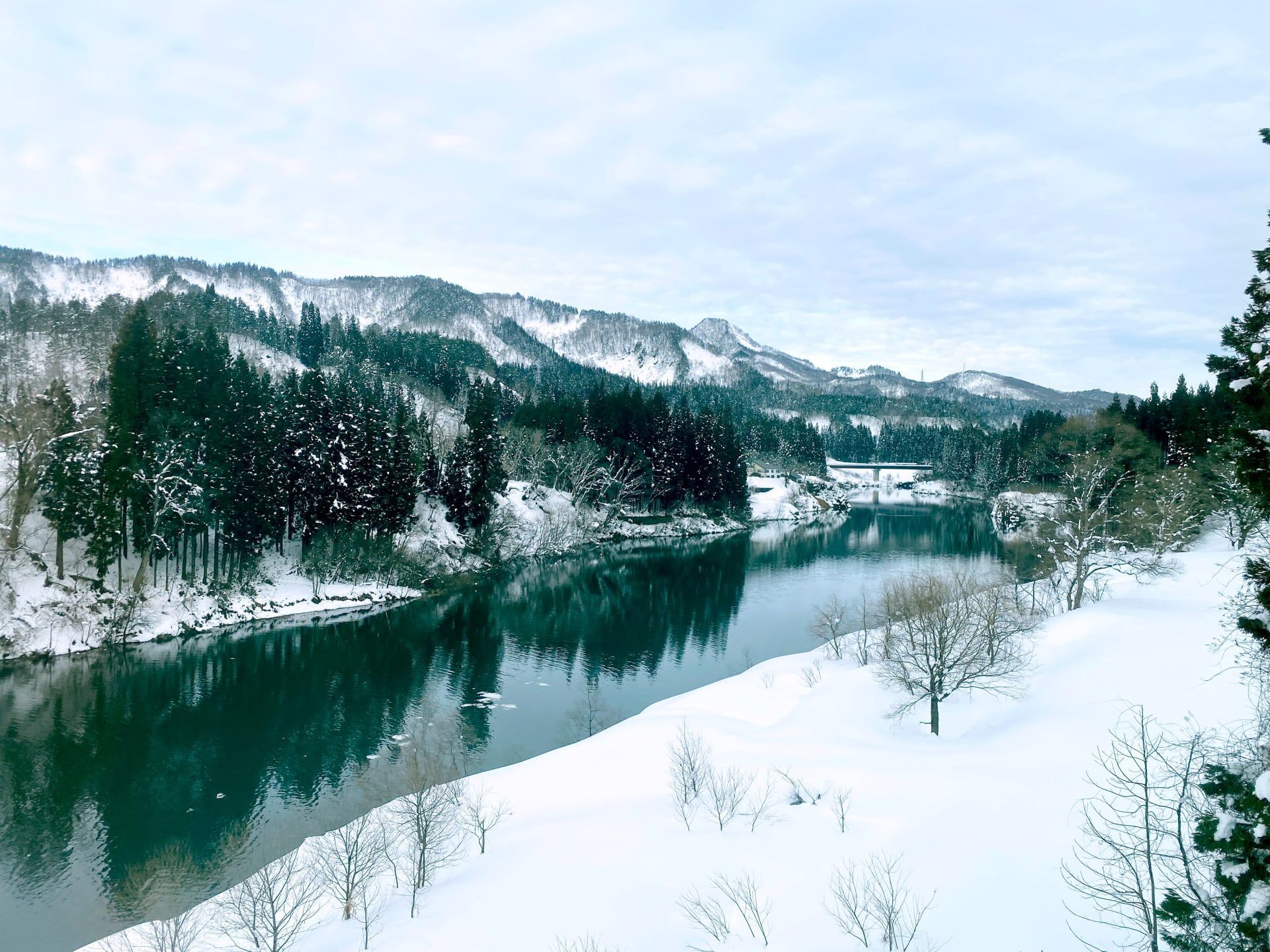
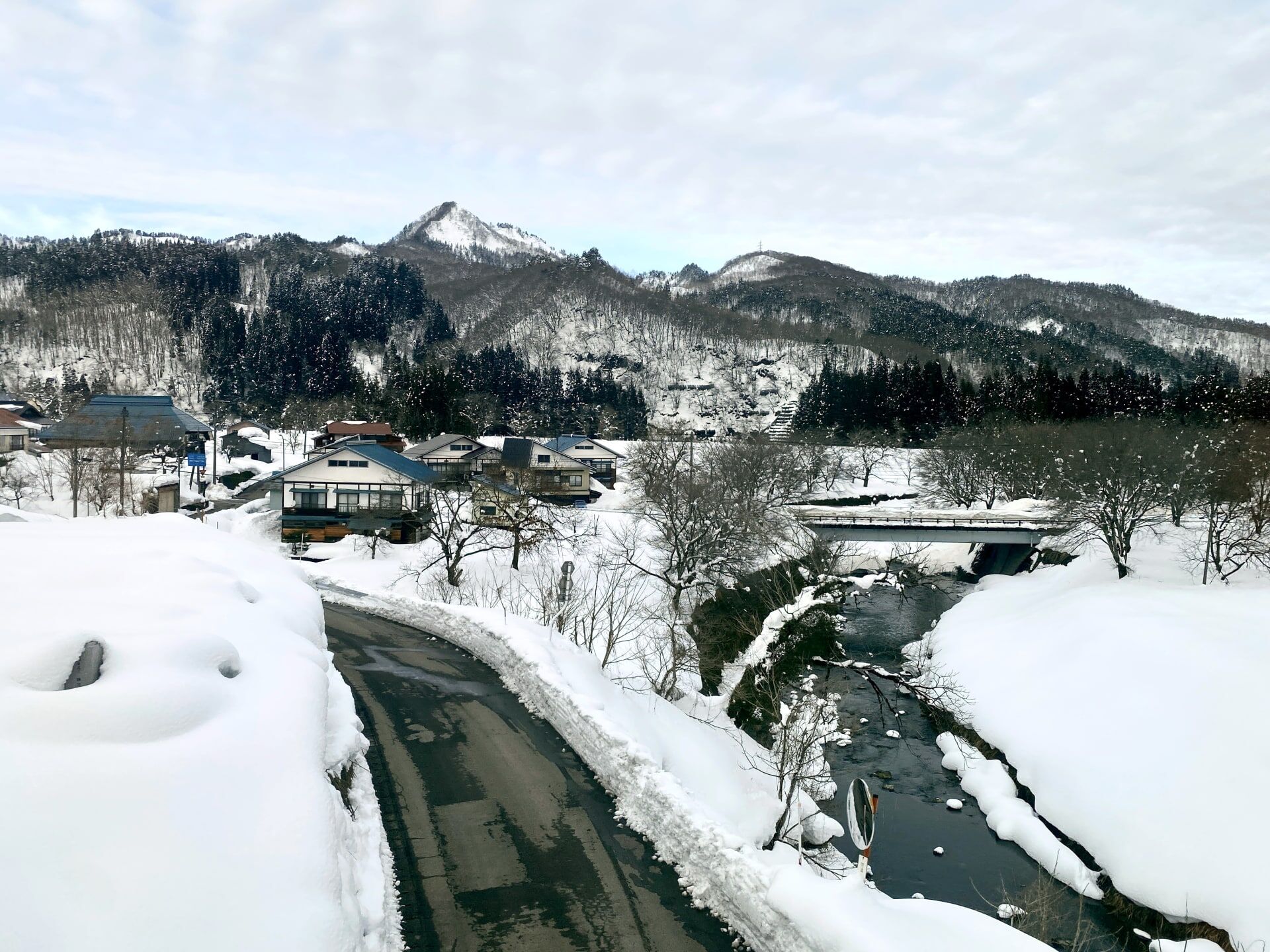
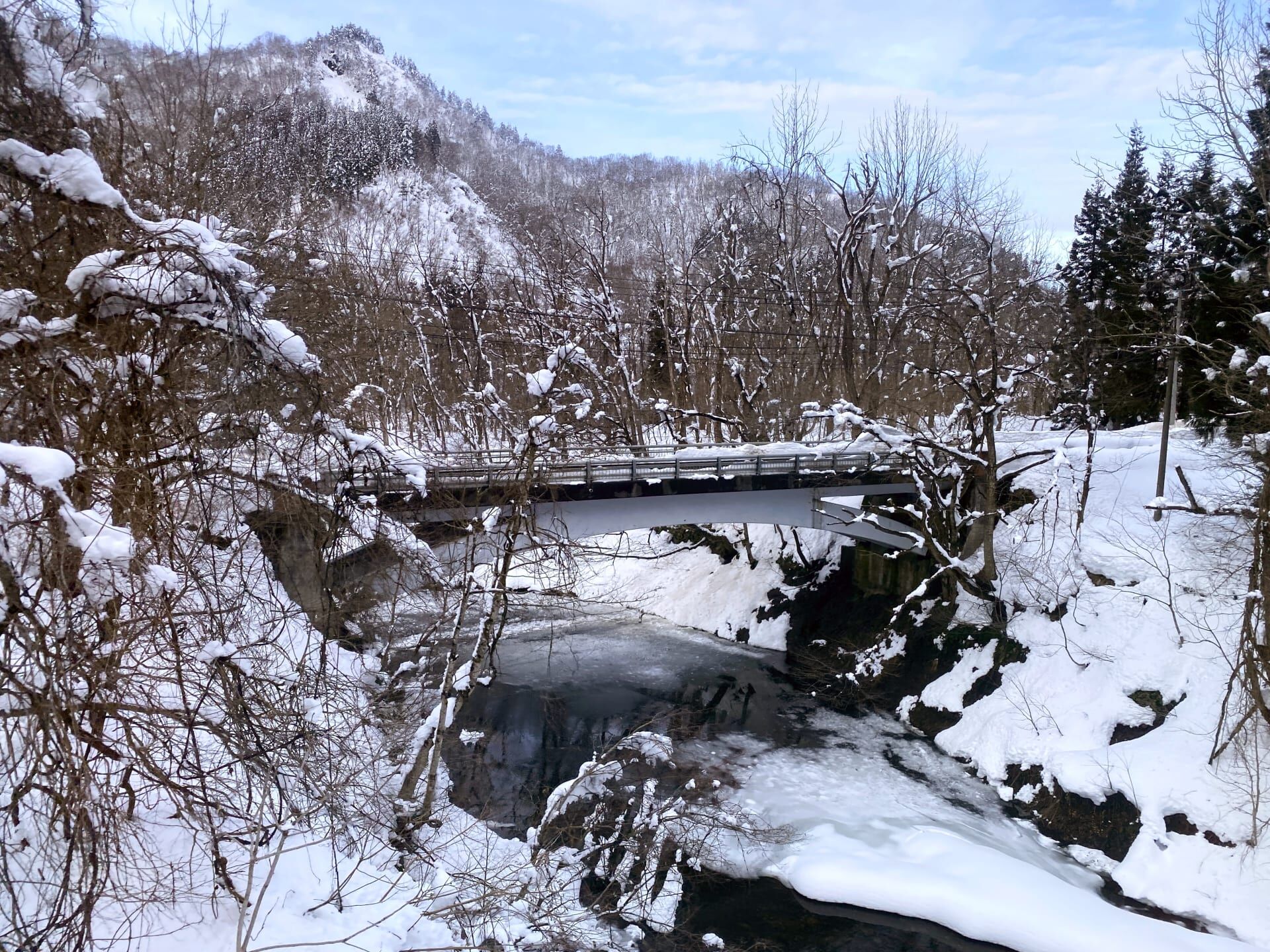
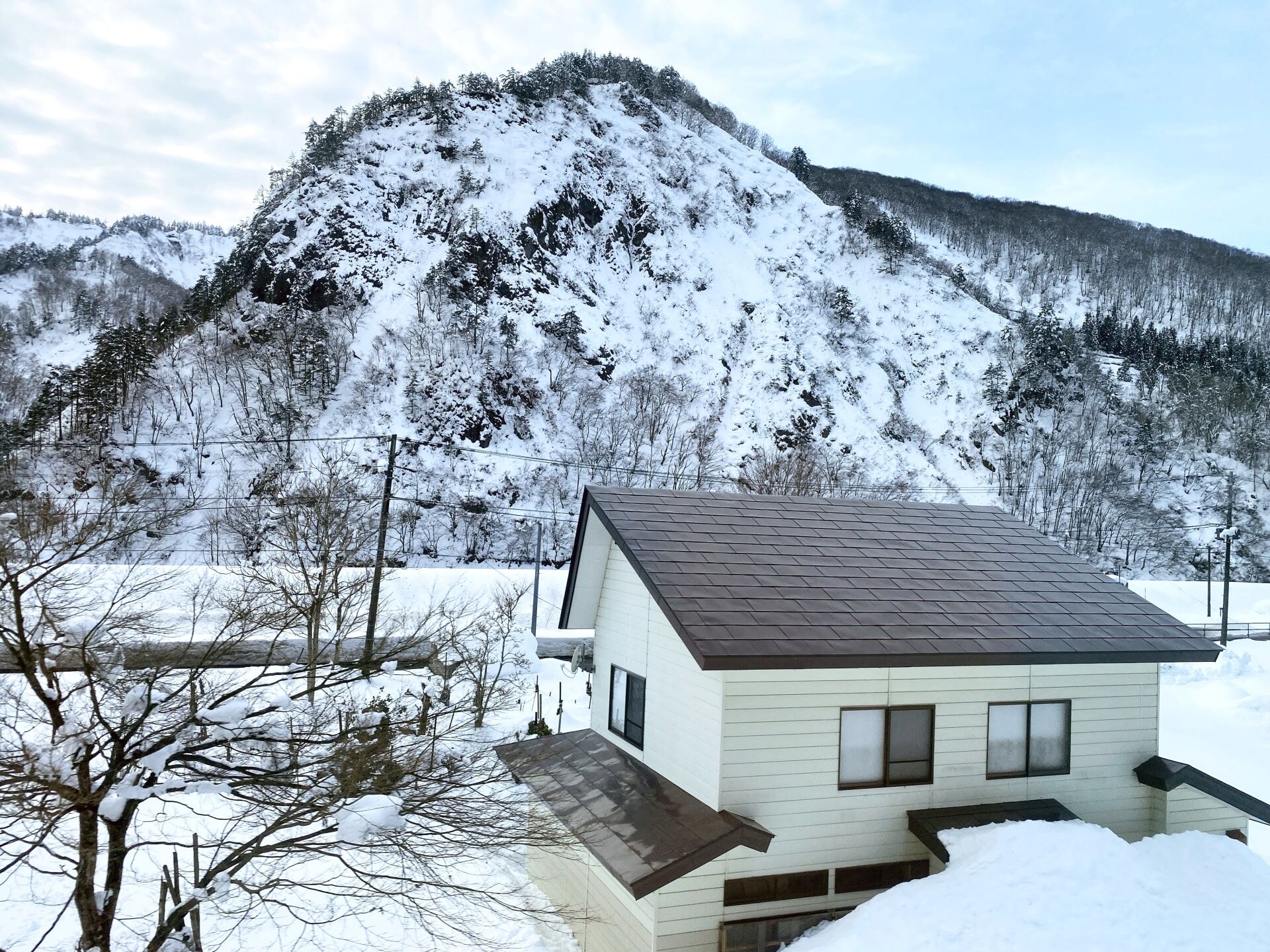
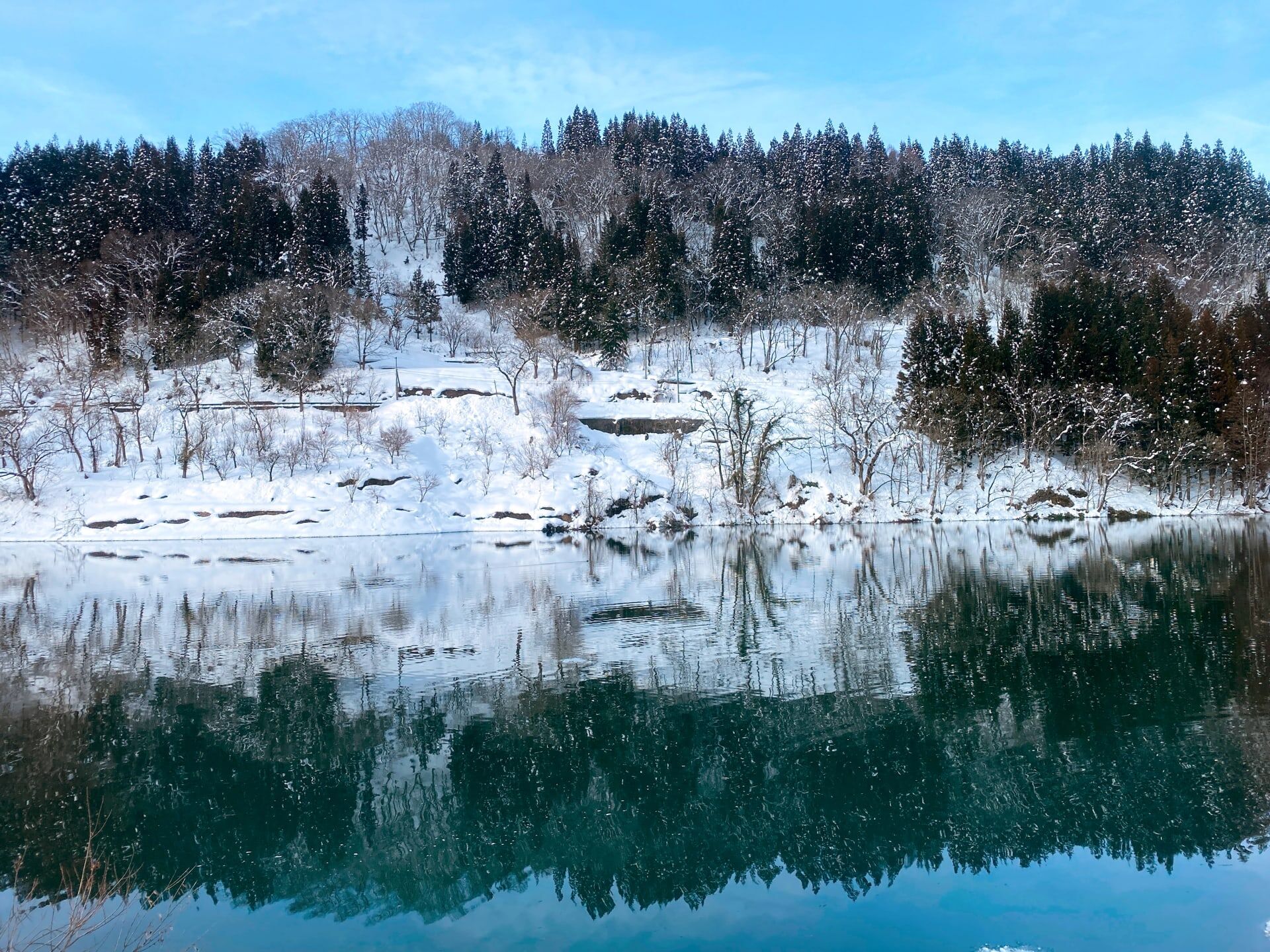
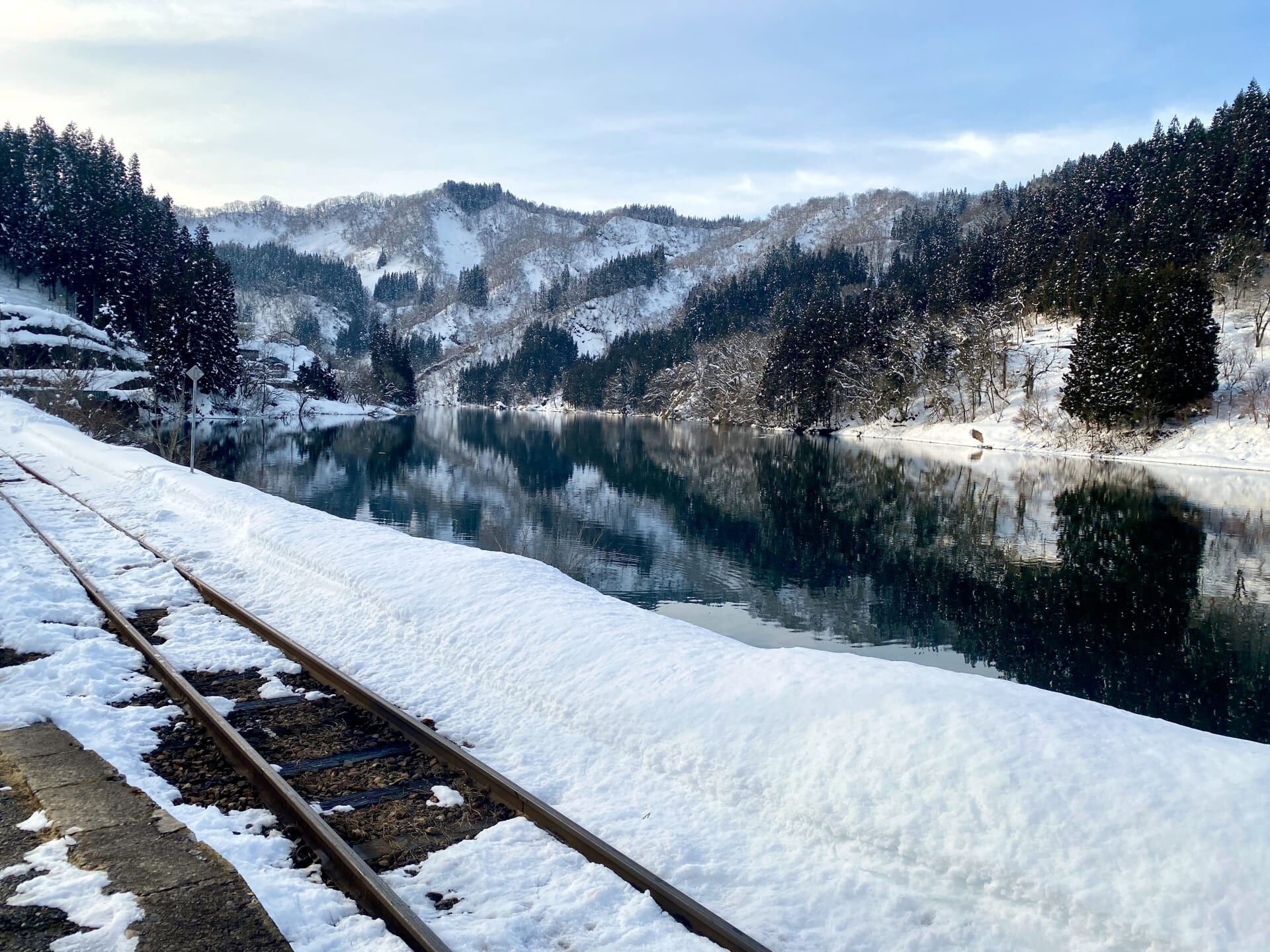
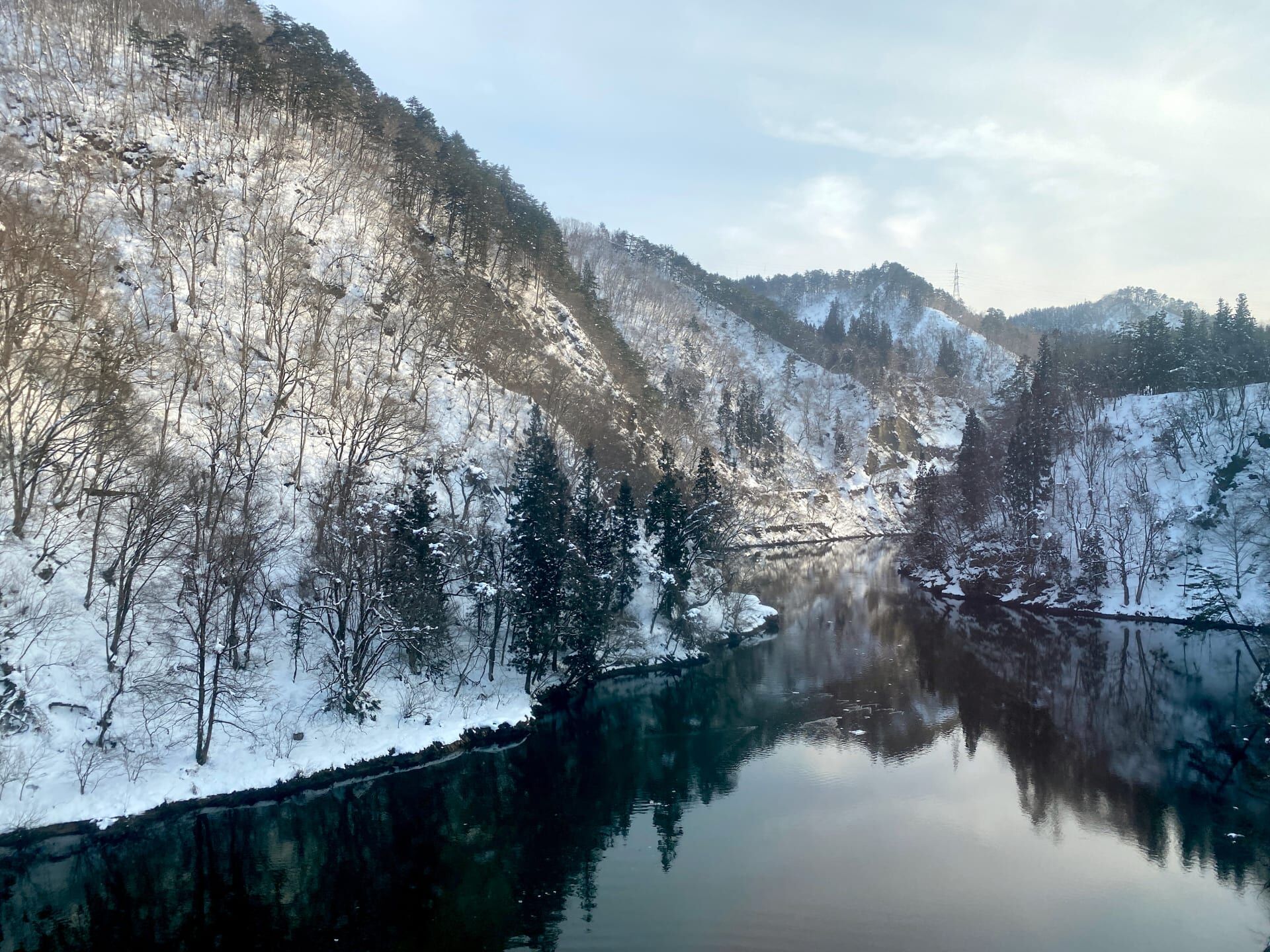
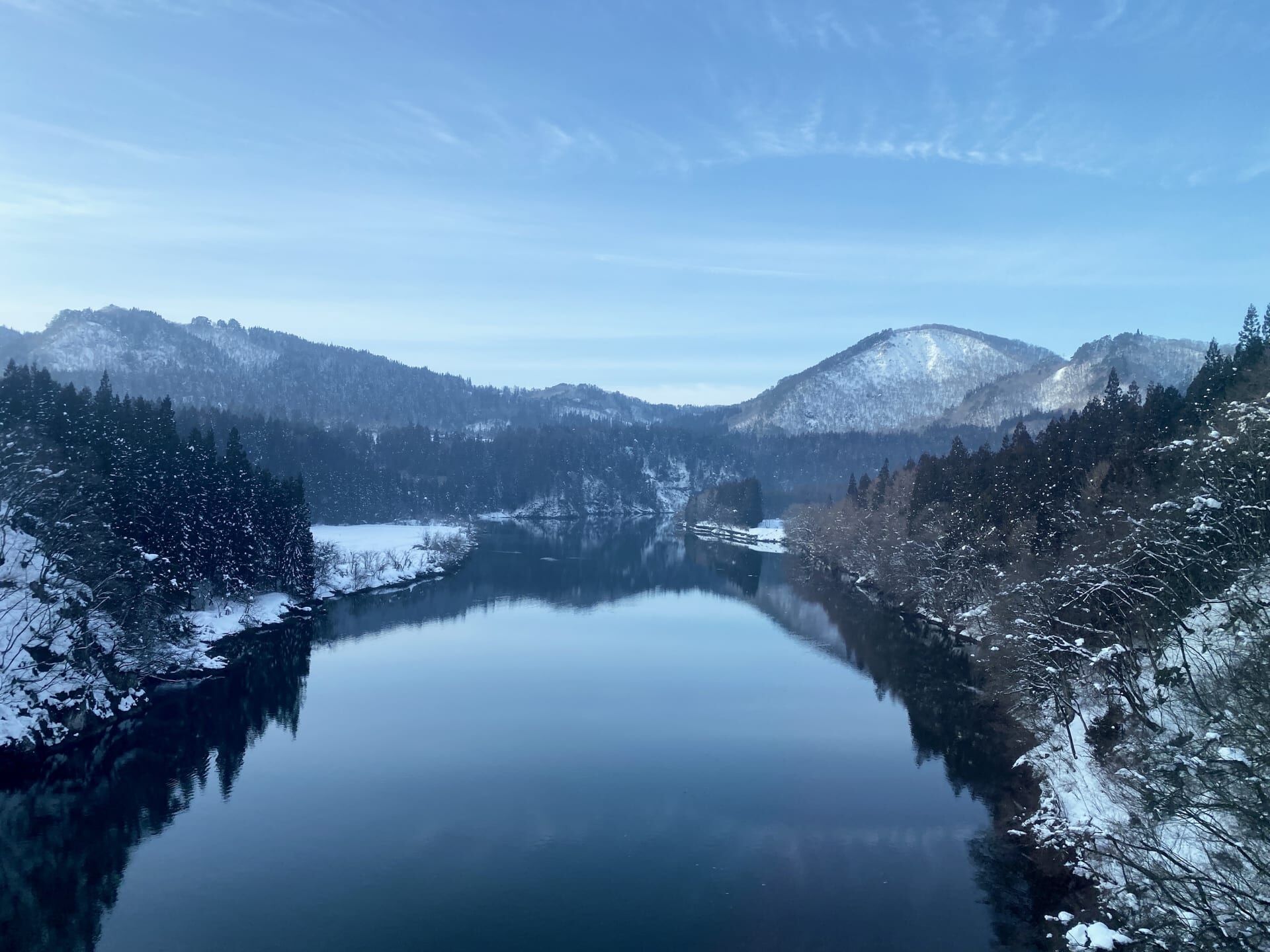
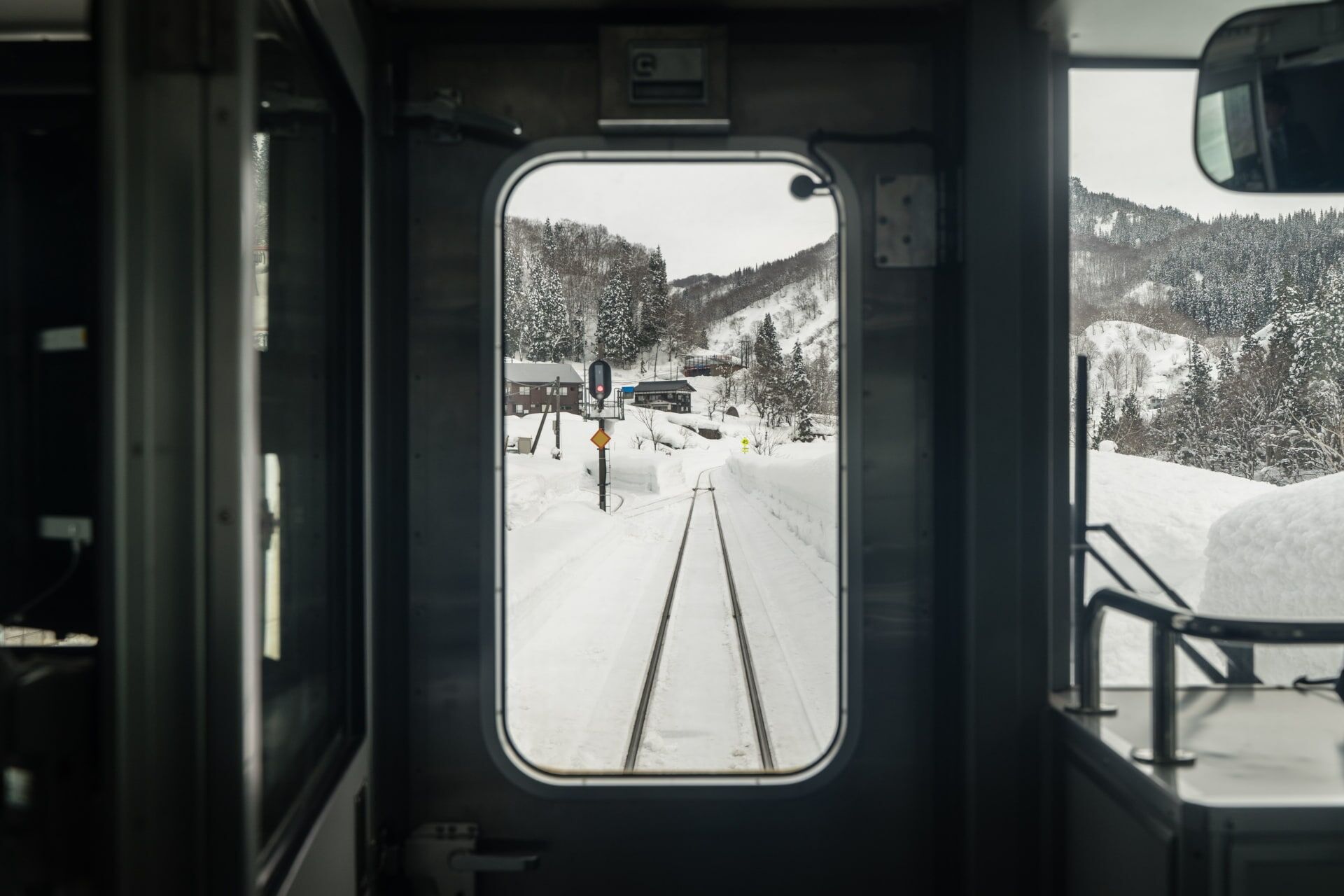
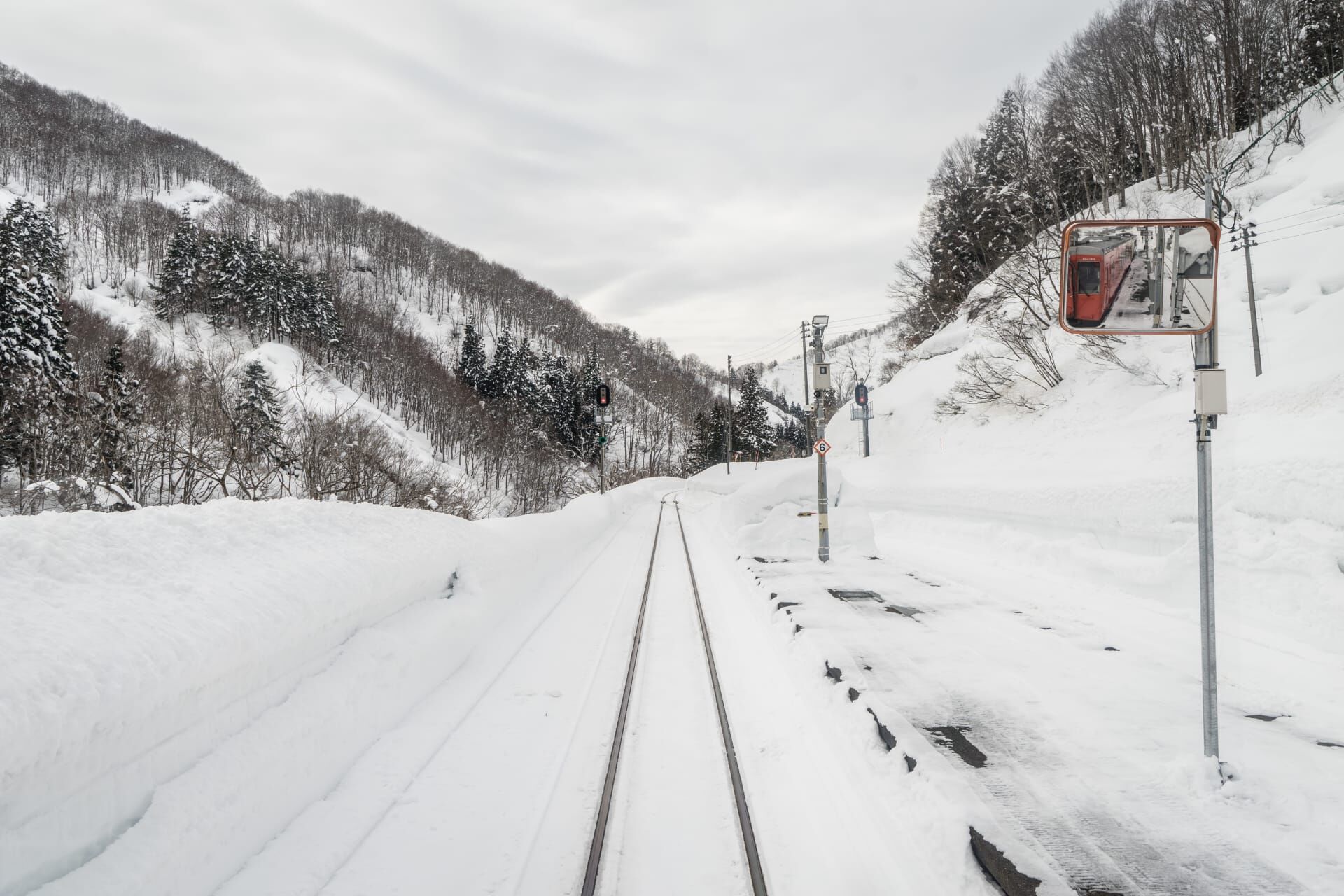
The cost of this 135 kilometre scenic railway journey was ¥2,640 (approximately $26 AUD). Readers will recall that a ride on the Tadami Line was one of two train experiences at the top of my Japan wish-list, alongside visiting Okuōikojō Station. The journey certainly did not disappoint and, at this point in time, ranks in the top three train journeys I’ve ever taken. The railway winds past rivers, lakes, and tiny villages, all set against a backdrop of beautiful snow-covered mountains. During the winter, the Tadami Line is the only way to travel between Fukushima and Niigata Prefectures, with the border closed to road traffic due to high snowfall on the mountain roads.
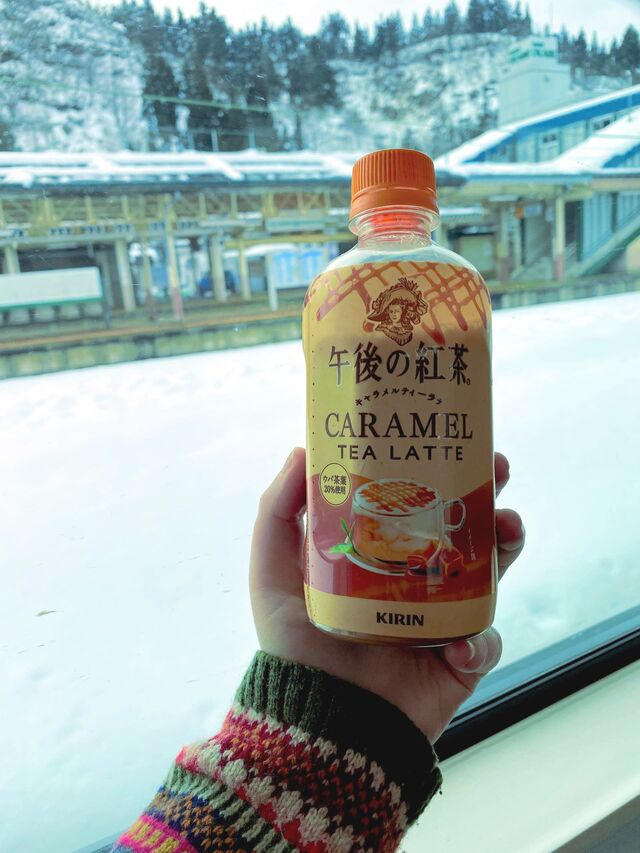
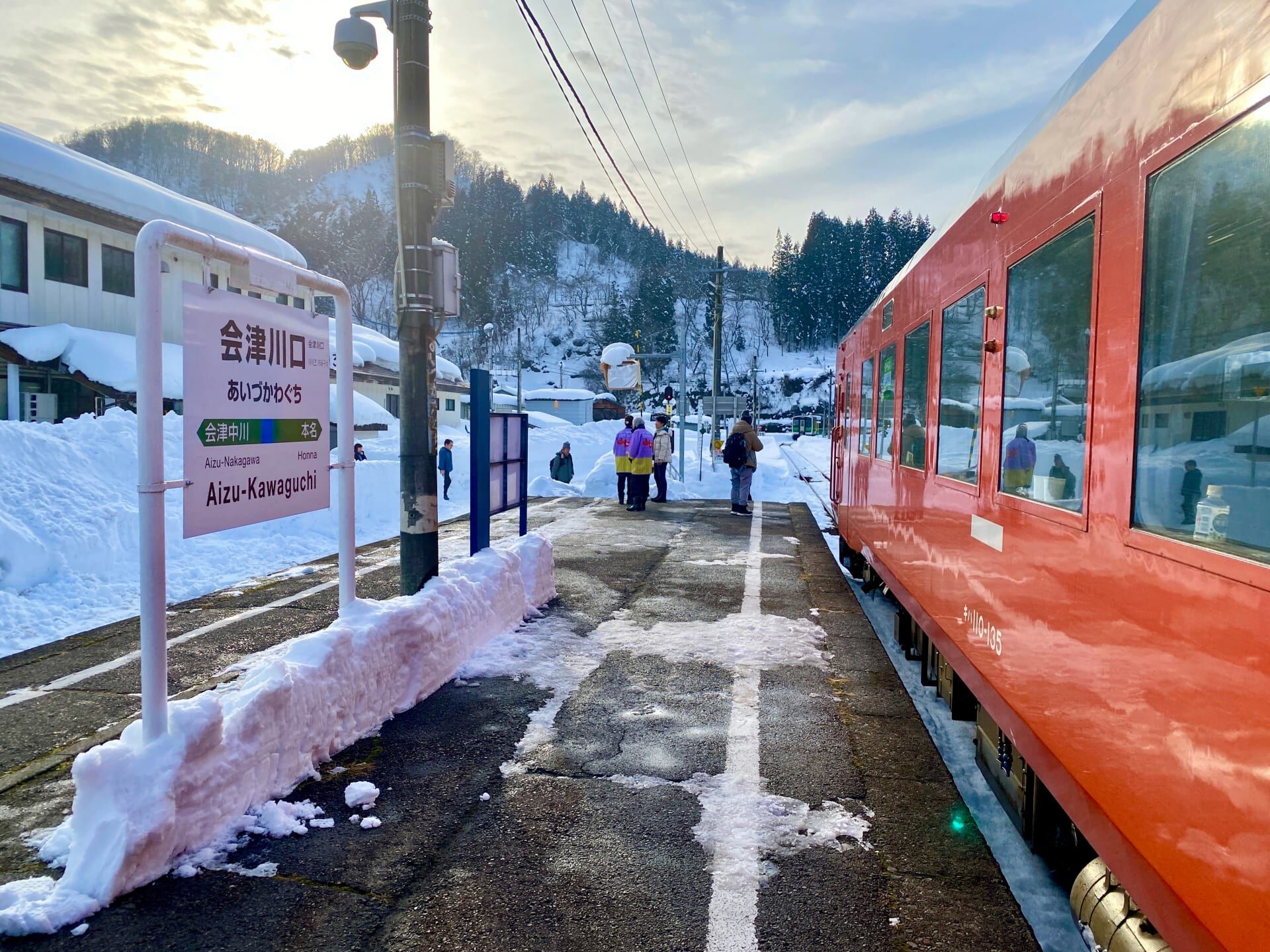
In 2011, the Great East Japan Earthquake and the subsequent nuclear accident caused unprecedented damage to Fukushima Prefecture. The situation was made even worse by flooding and landslides caused by torrential rain which resulted in extensive damage to the Tadami Line, washing away railway bridges, stations, and tracks. The result was the suspension of the section of line between Aizu-Kawaguchi and Tadami from 2011 to 2022. Apparently, few venture to this part of Japan, meaning the line generates little visitor revenue and there was no real urgency to repair it. The entire line eventually resumed operation in late 2022, after 11 years of bus replacements.4
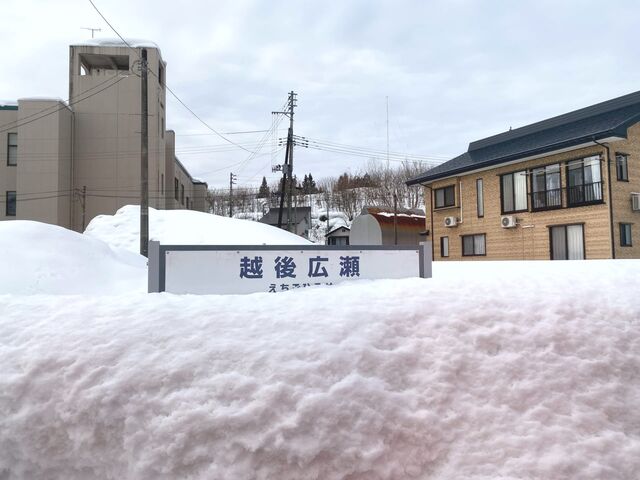
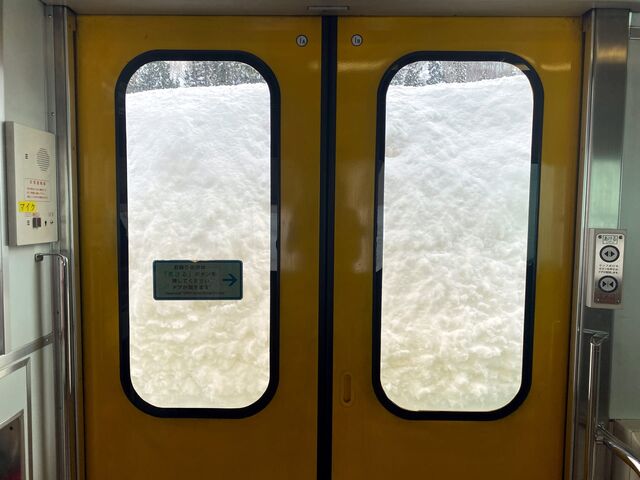
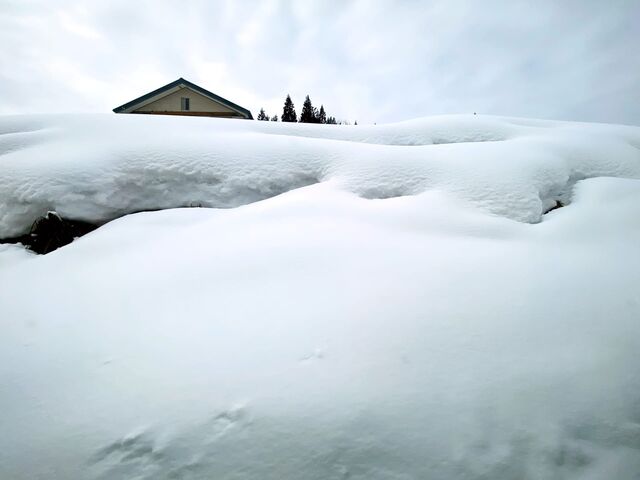
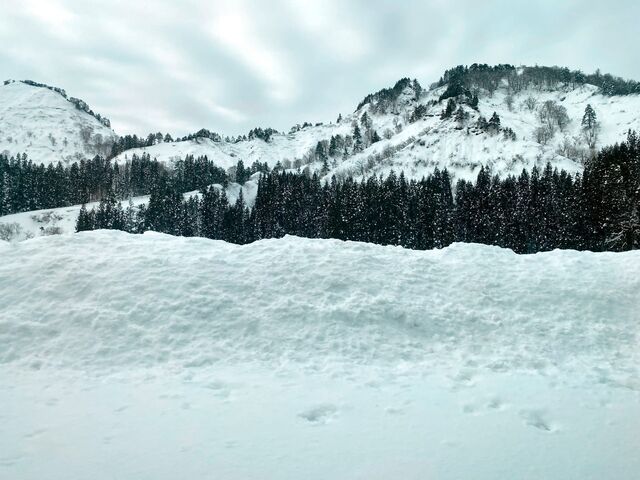
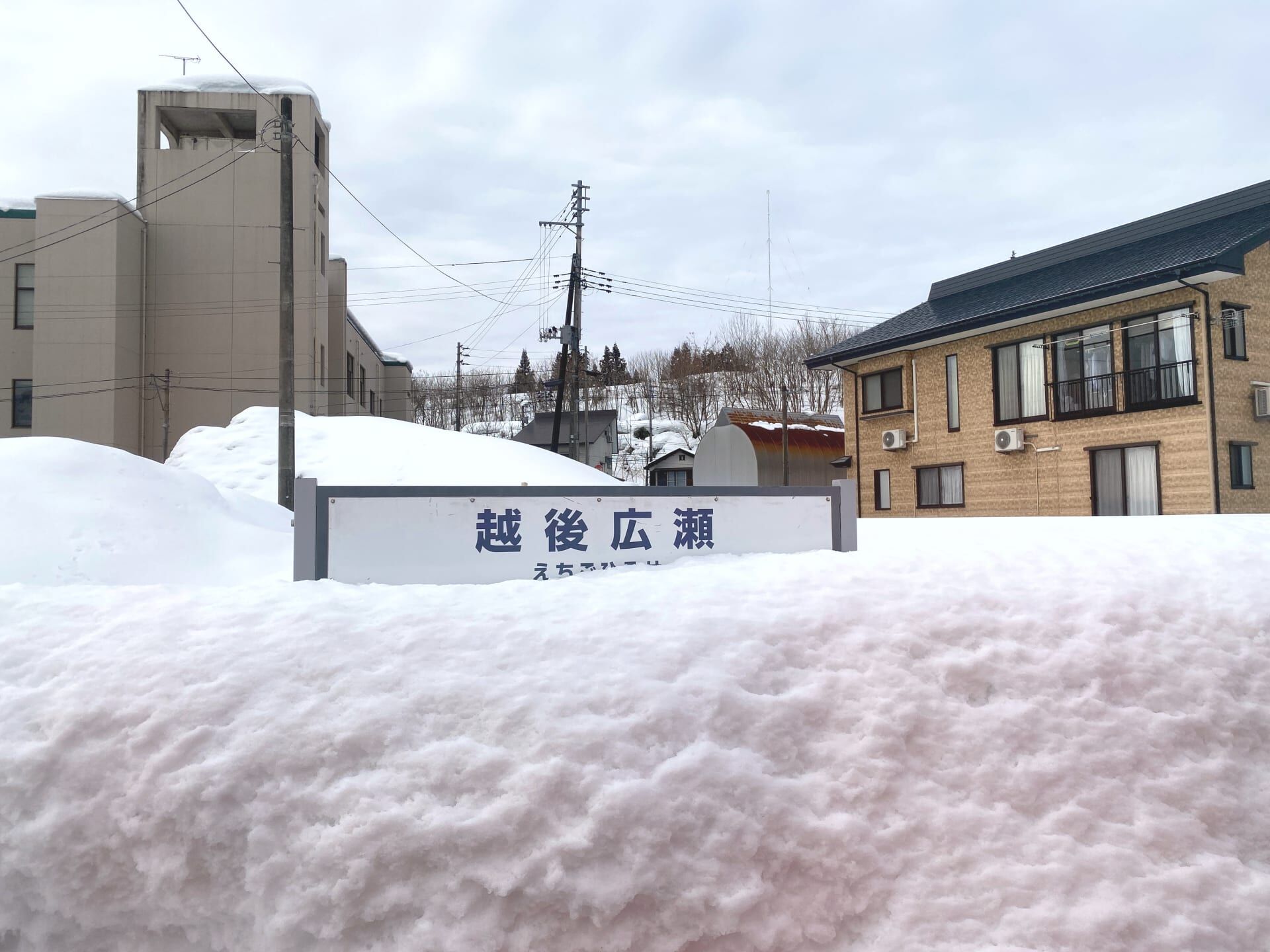
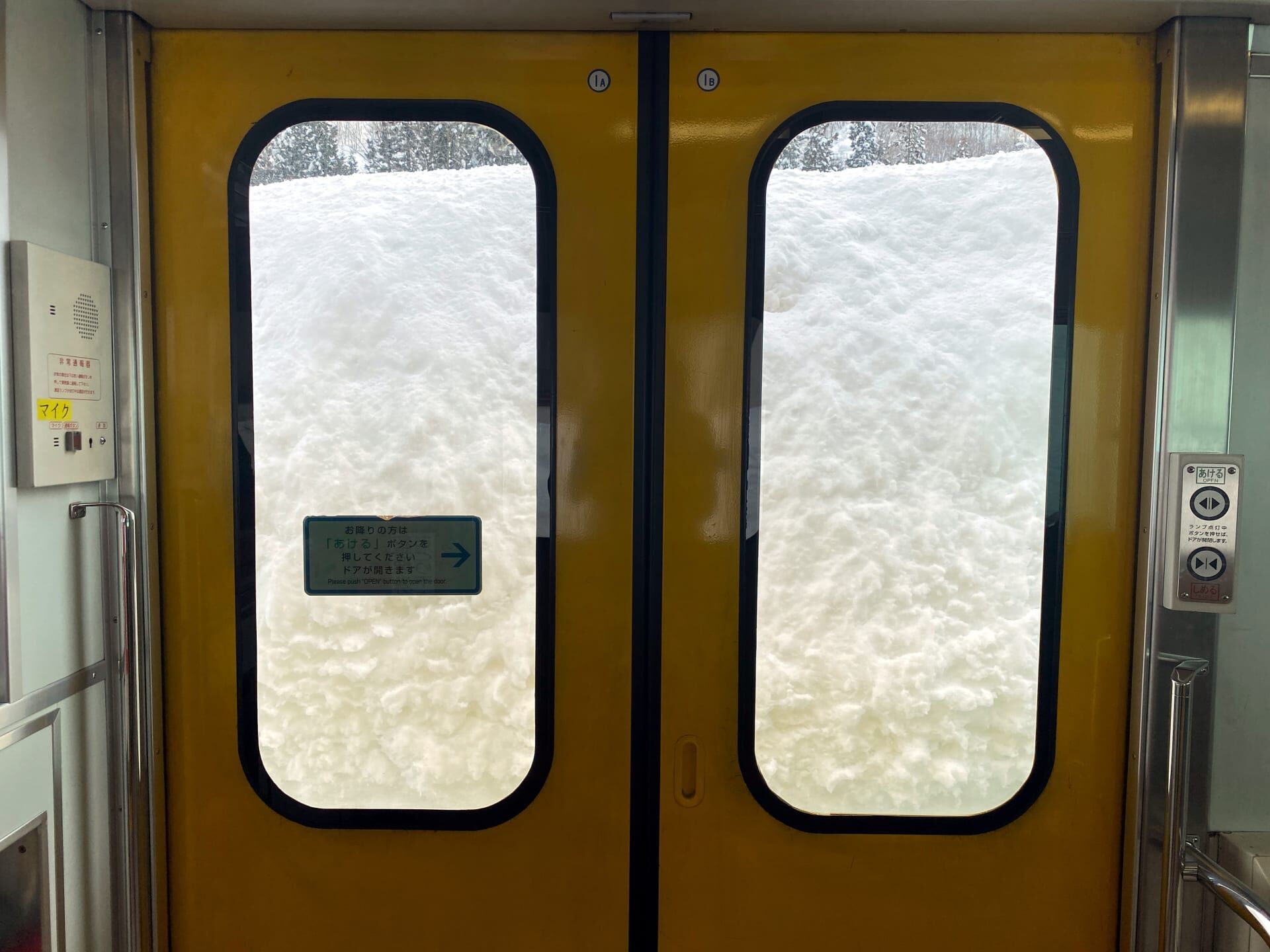
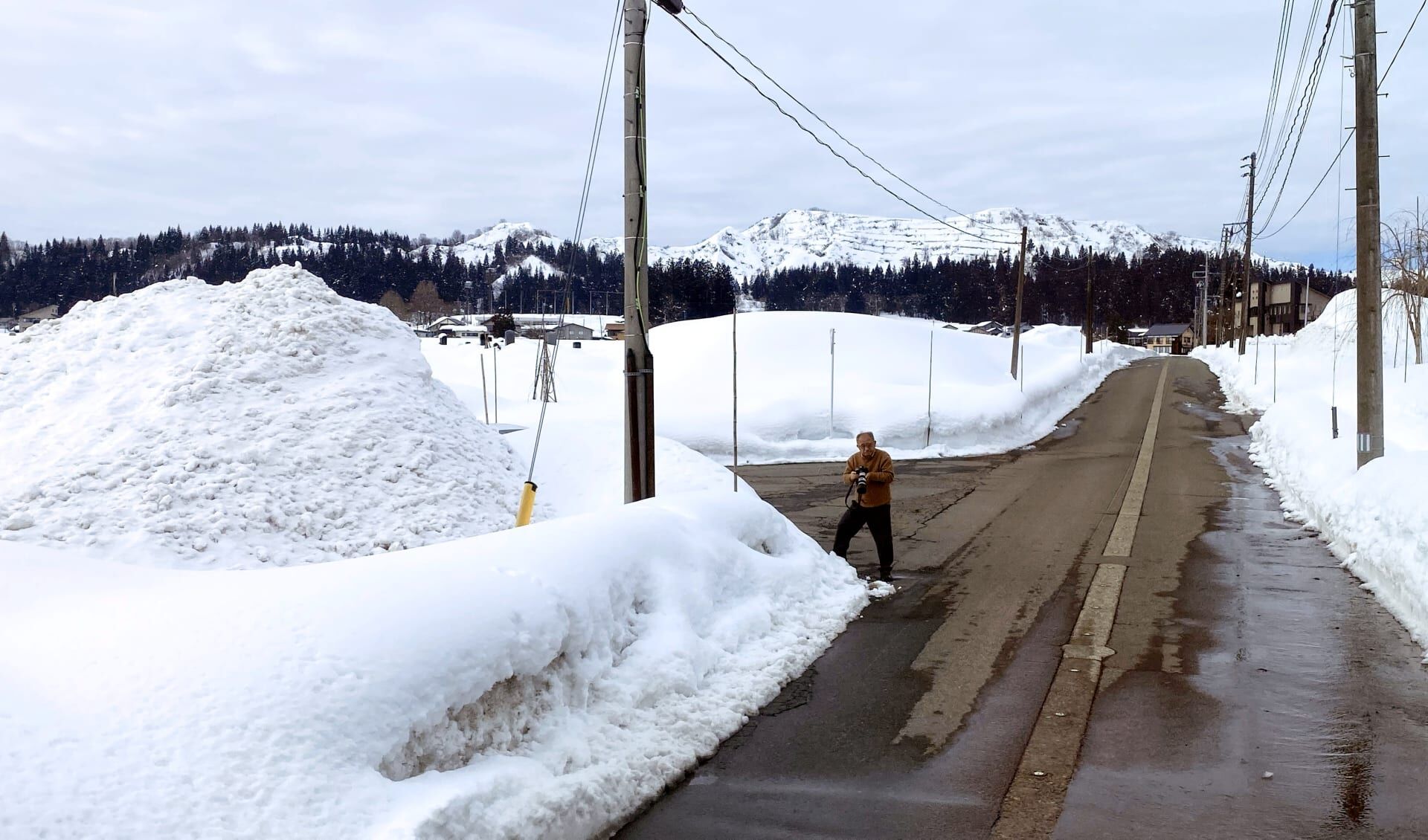
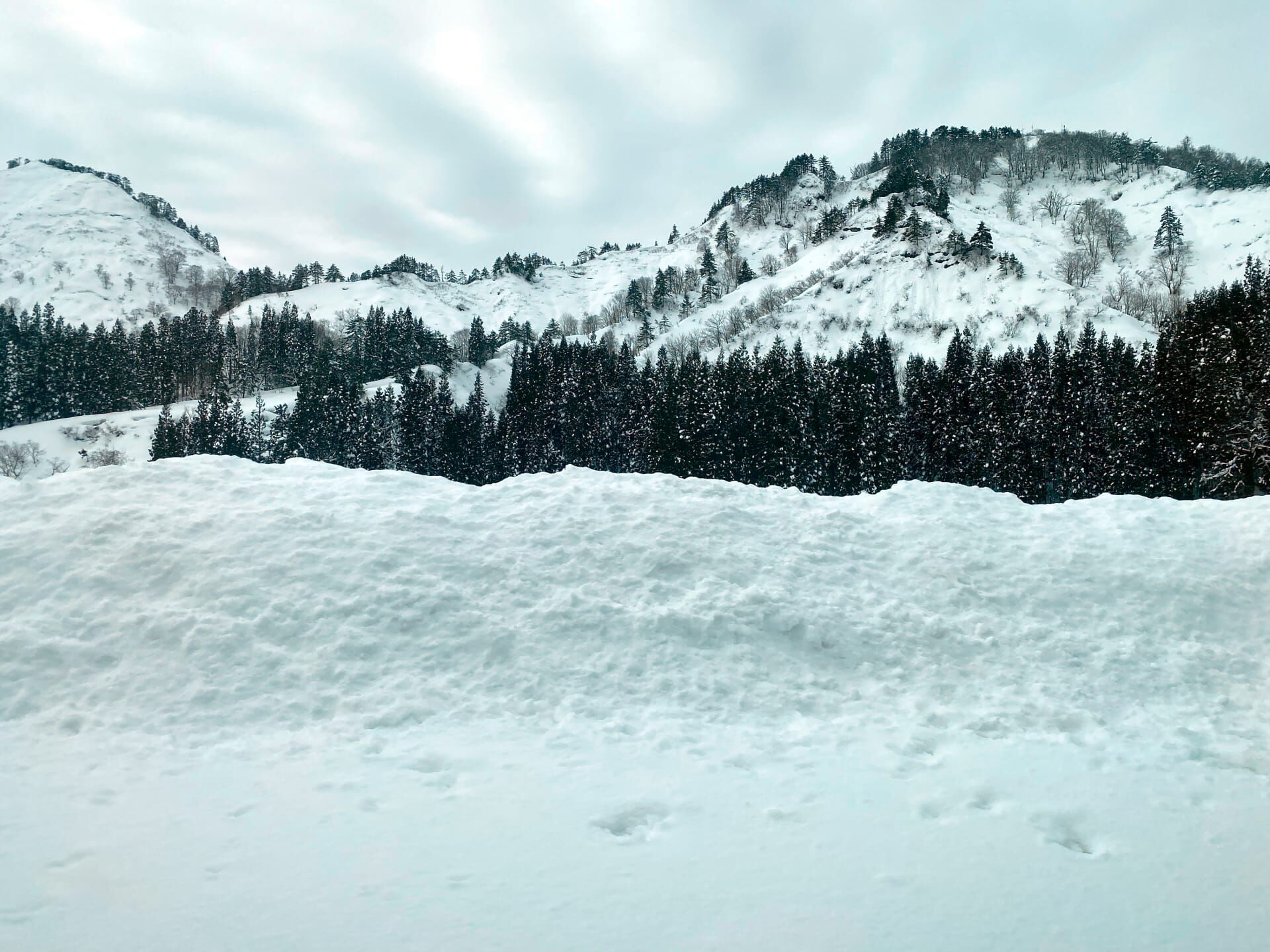
The area around the line is one of Japan’s snowiest regions. The week prior to our journey, several Tadami Line services were cancelled due to very heavy snowfall. If it weren’t for my earlier train ride that day (to the start of the Tadami Line), I would have said that I’d never seen so much snow.
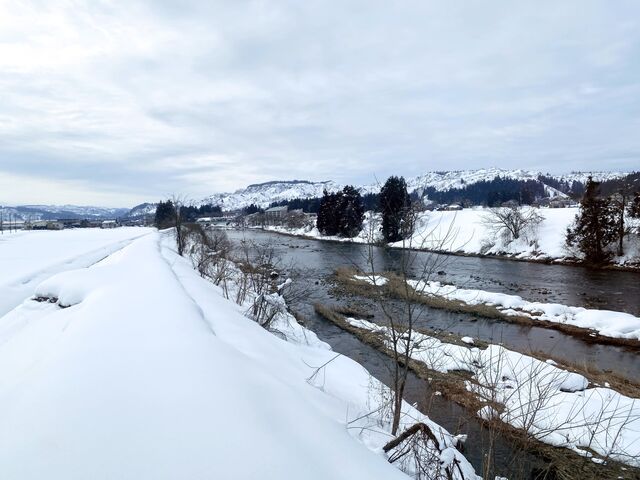
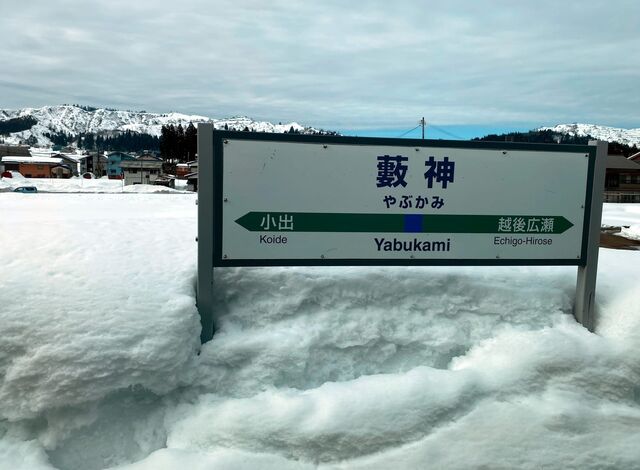
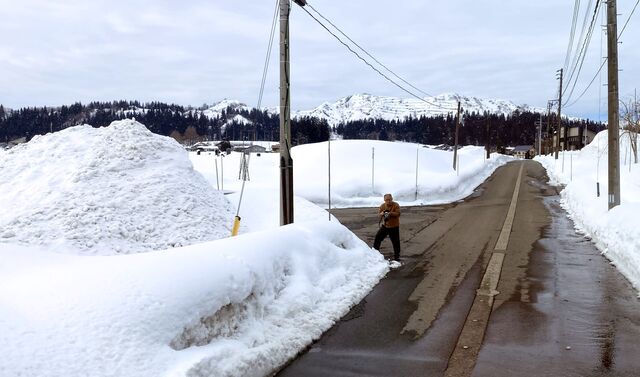
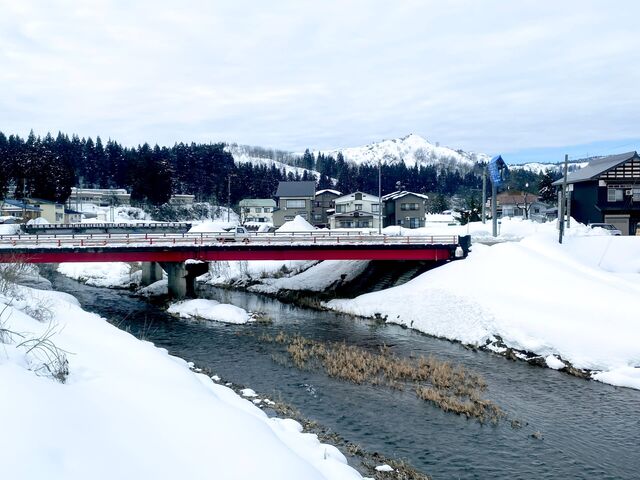
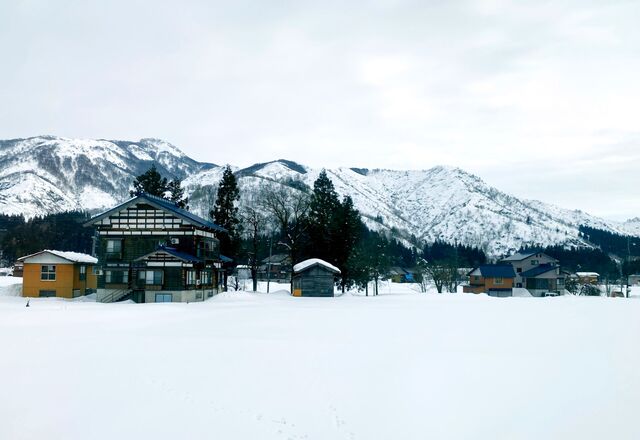
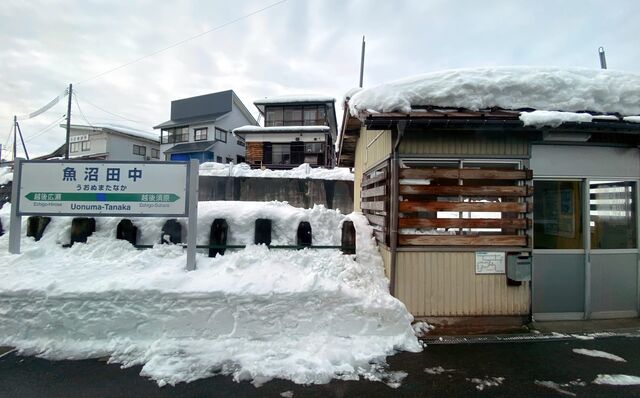
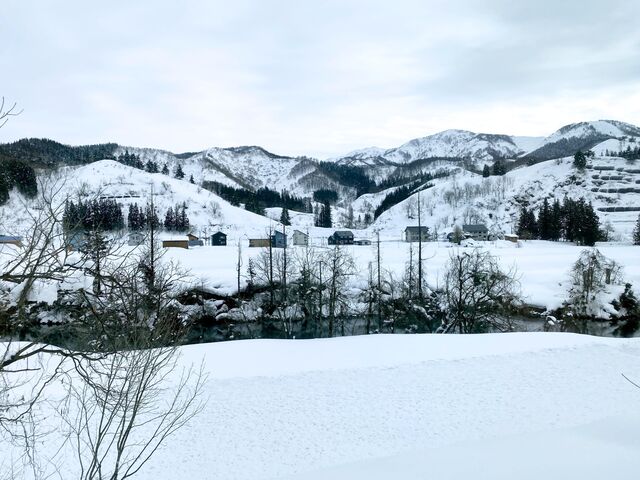
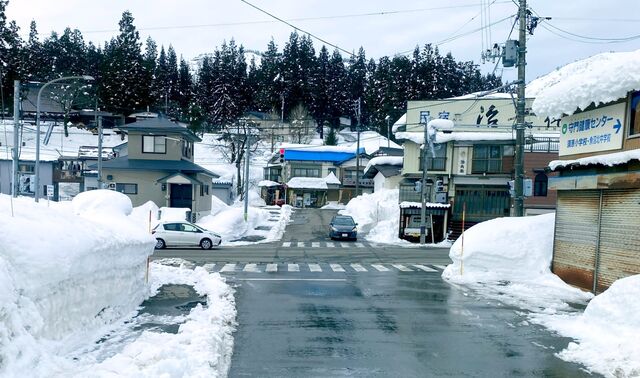
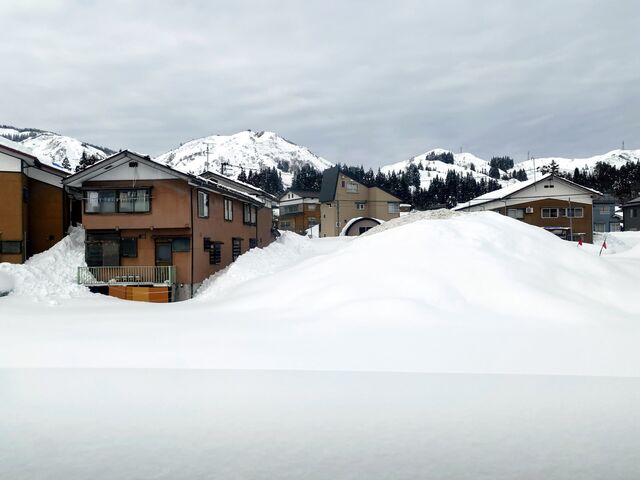
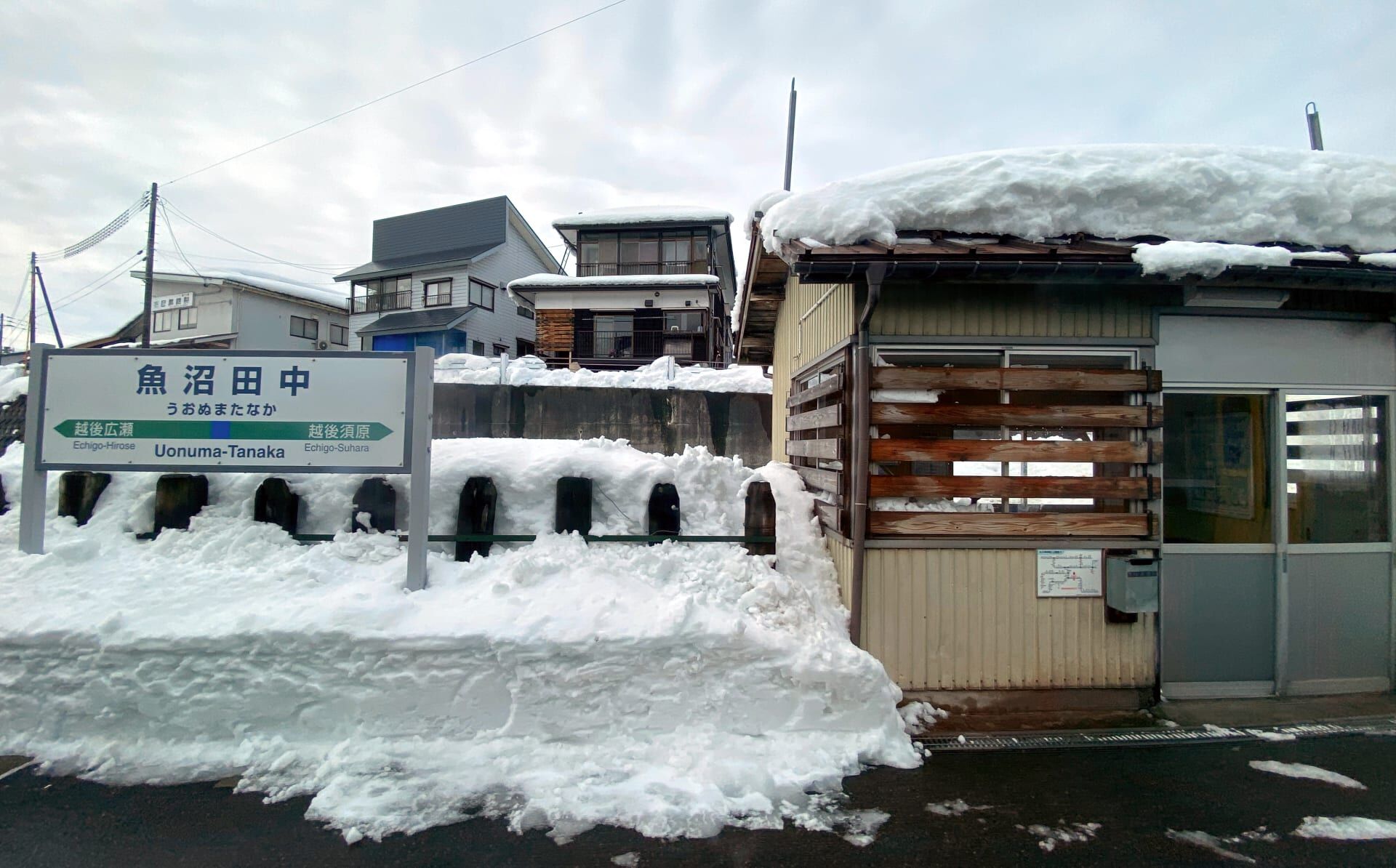
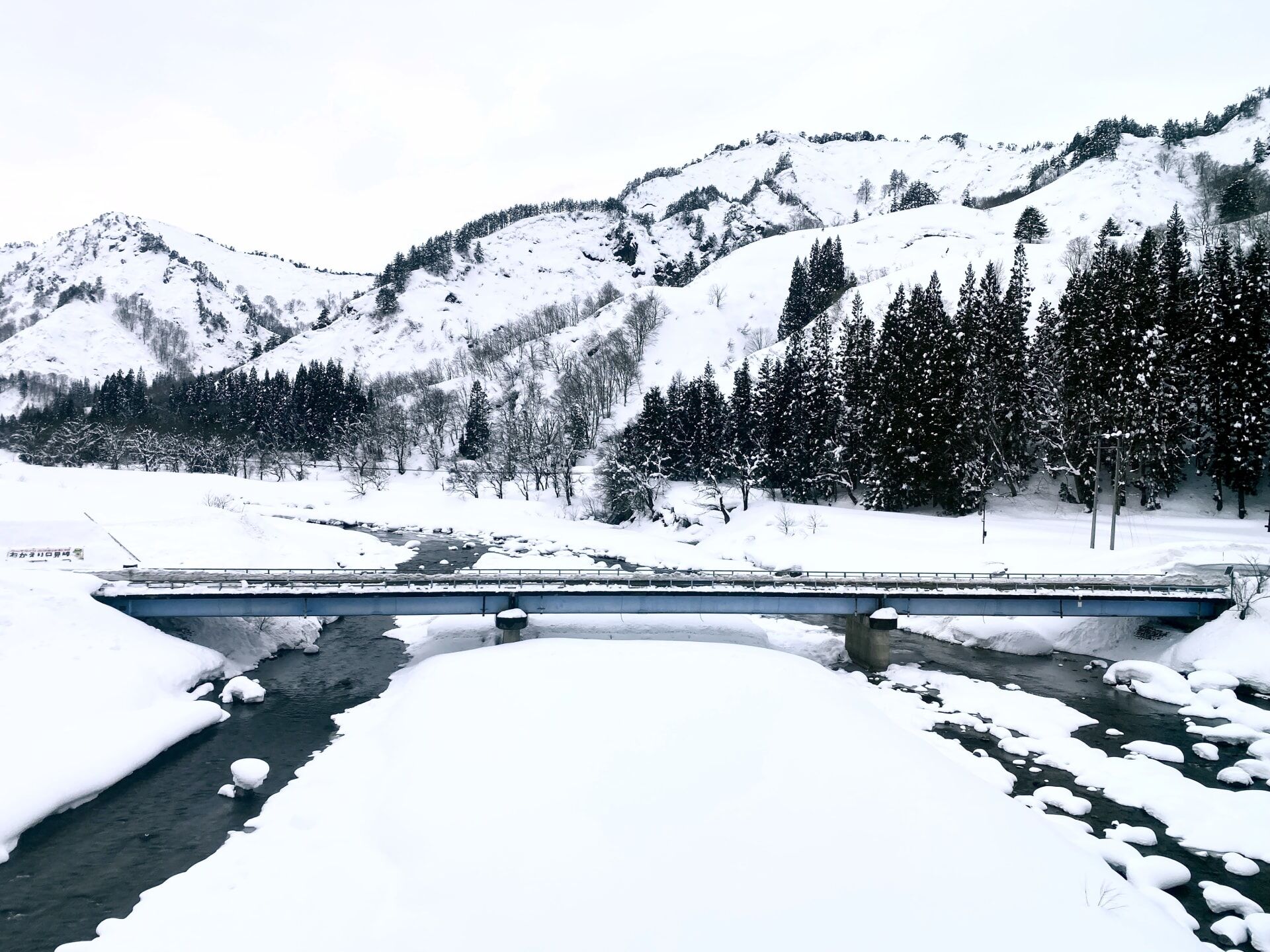
Over the course of the journey, our train crossed the Tadami River a total of eight times and passed through 36 stations.5
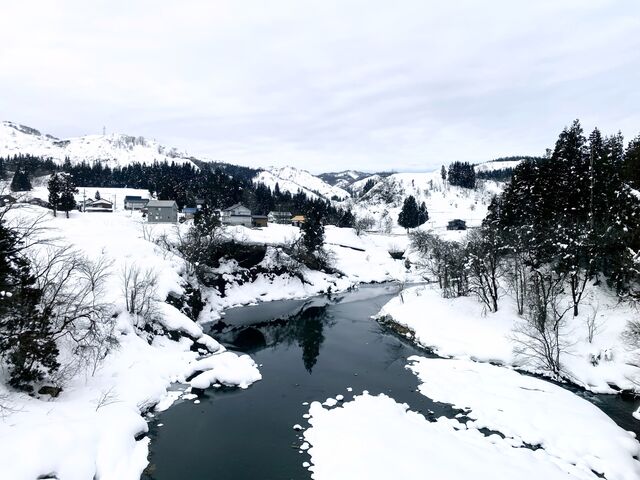
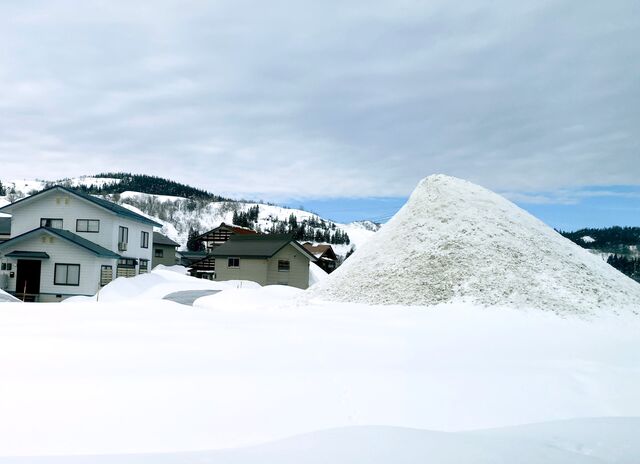
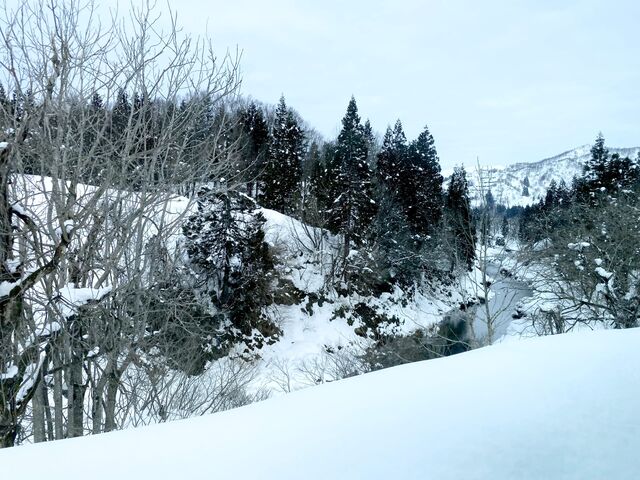
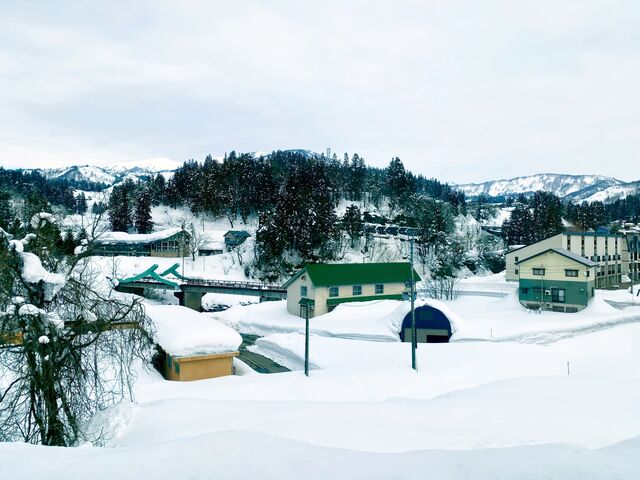
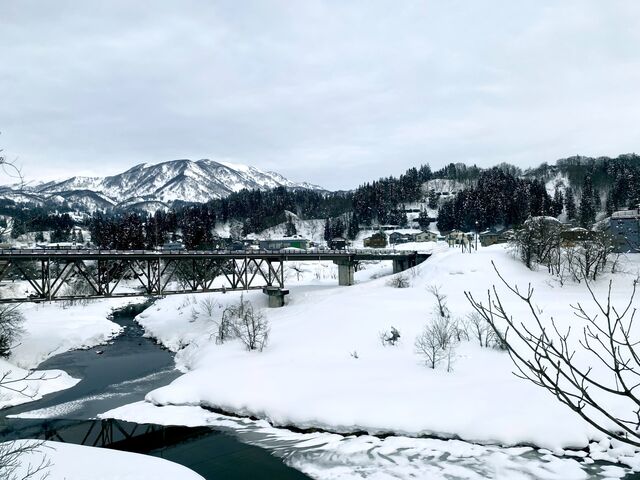

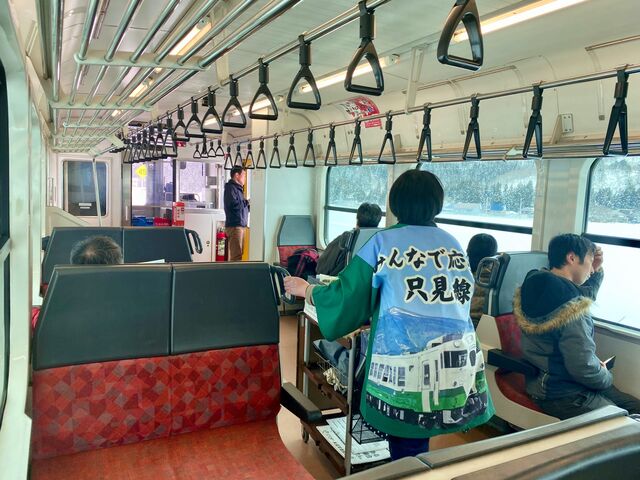
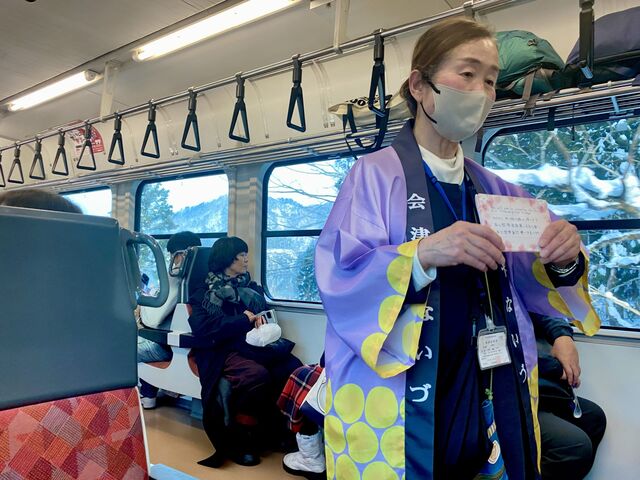
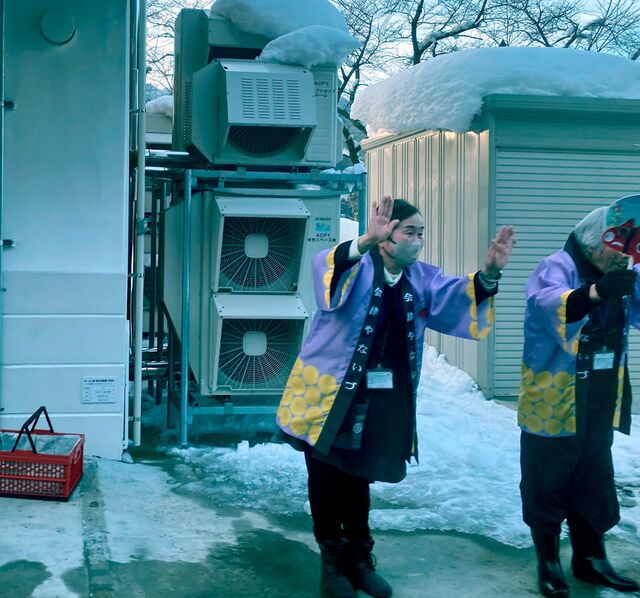
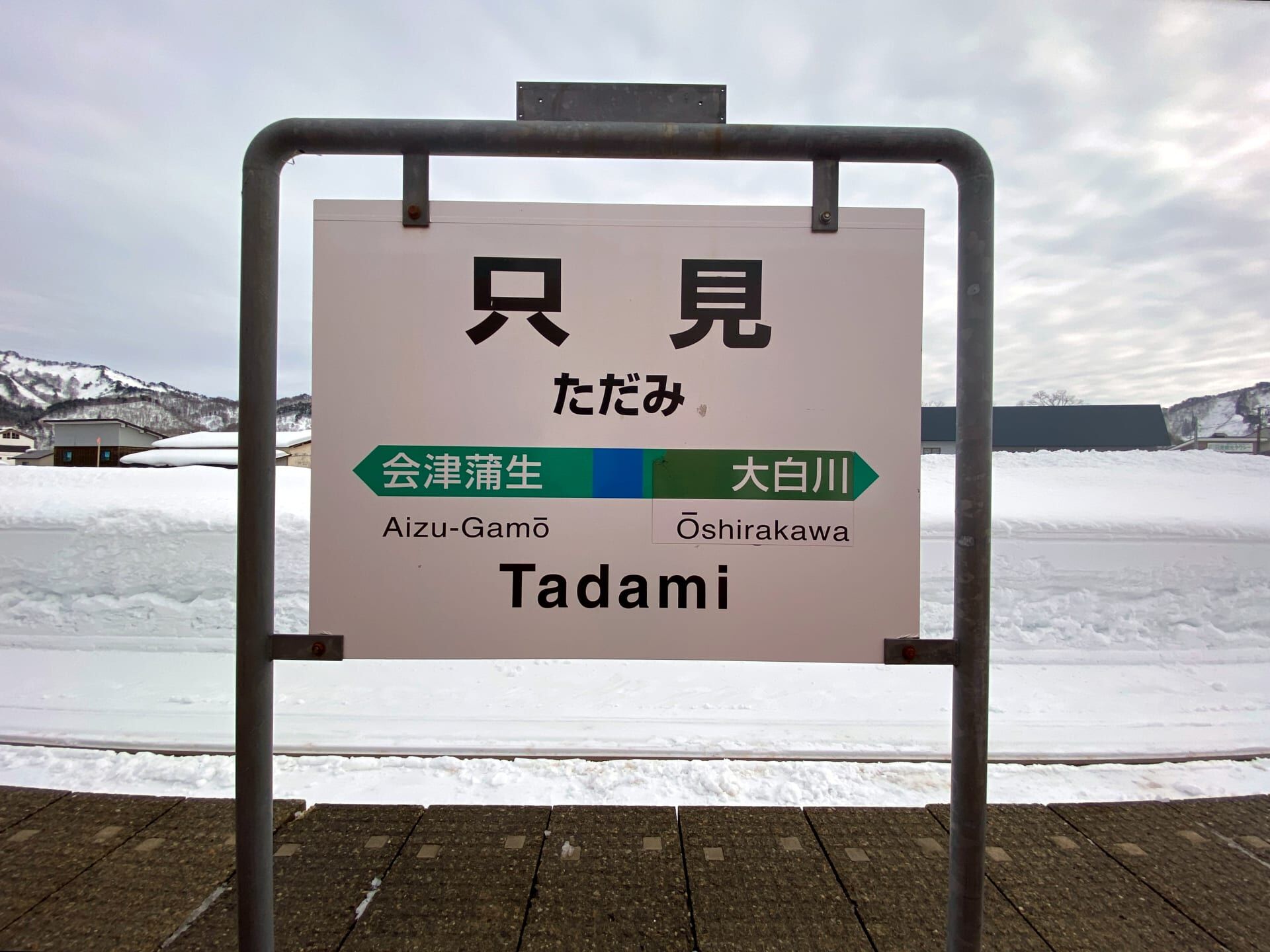
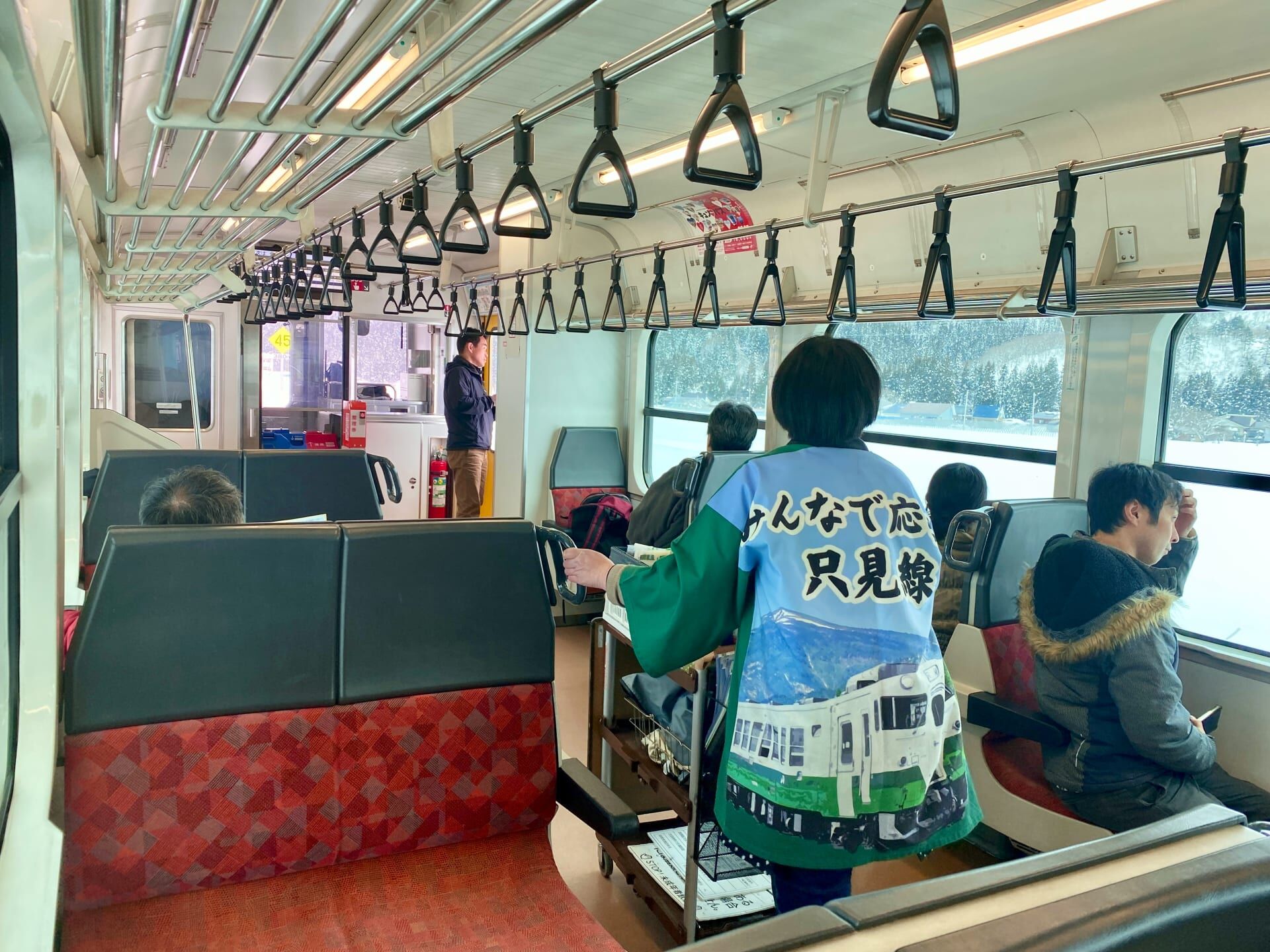
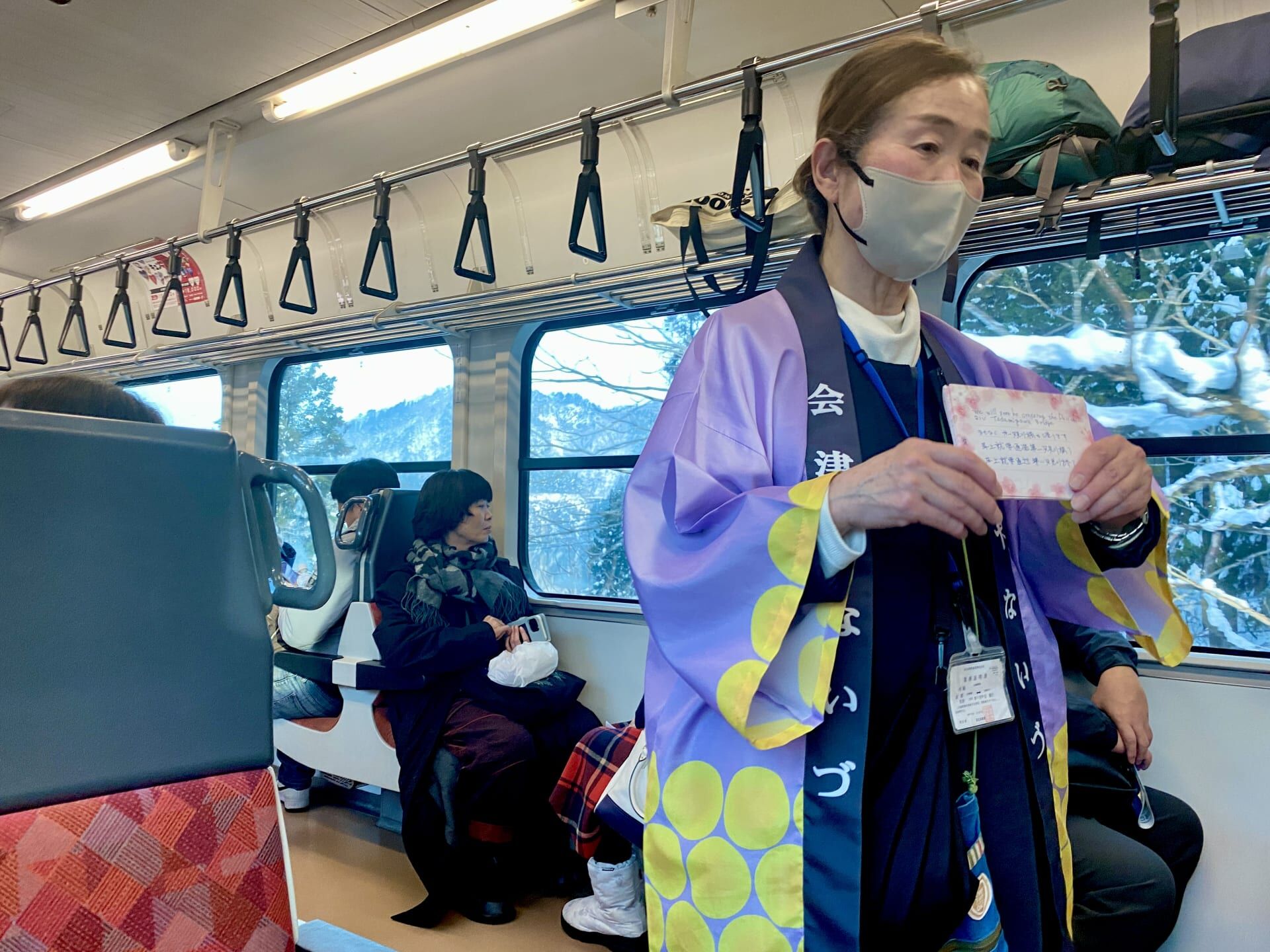
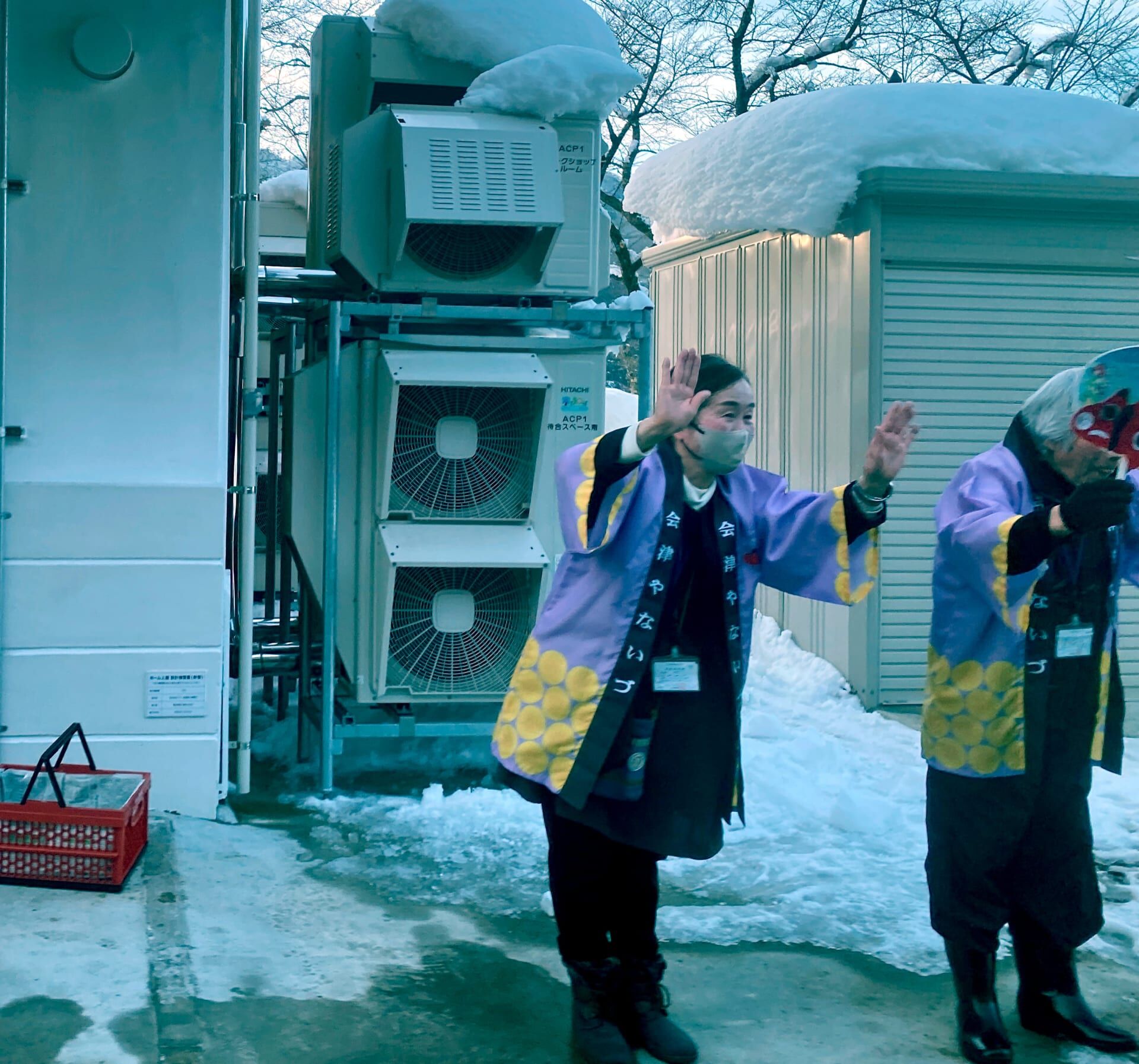
A little past the halfway point of our journey, the train pulled into Tadami Station. Tadami is famous for its annual snow festival, where huge sculptures are carved from the town’s abundant winter snow. Two volunteers boarded the train at Tadami with a small souvenir cart, dressed in striking Tadami Line kimonos. They entertained passengers with facts about the line’s history and the sights en route, but as the commentary was in Japanese, I wasn’t able to understand it. Unfortunately, my Japan by Rail Trailblazer Guidebook, even with its 500+ pages about Japan’s railways, also did not contain any information about the Tadami Line, presumably because it was published while the line was closed between 2011–2022.

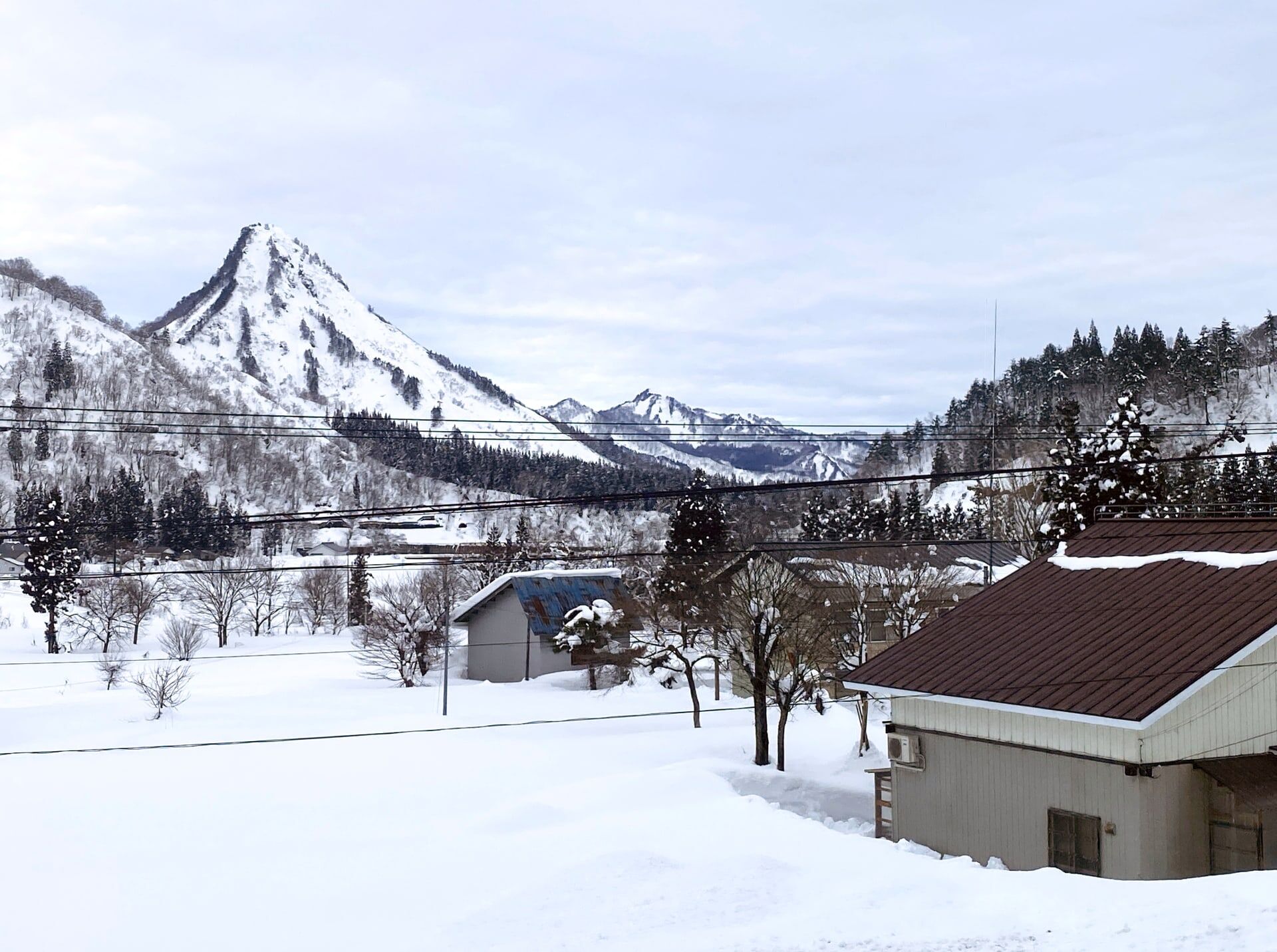
Shortly after departing Tadami Station and emerging from a long tunnel, we passed Lake Tagokura. The lake is famous for char fishing. Another highlight en route was Mount Gamo: an 828-metre-high mountain known as the ‘Matterhorn of Aizu’ due to its sharp peak.
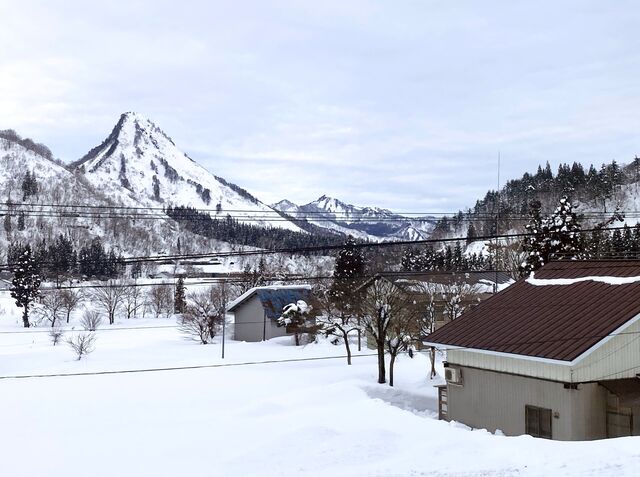
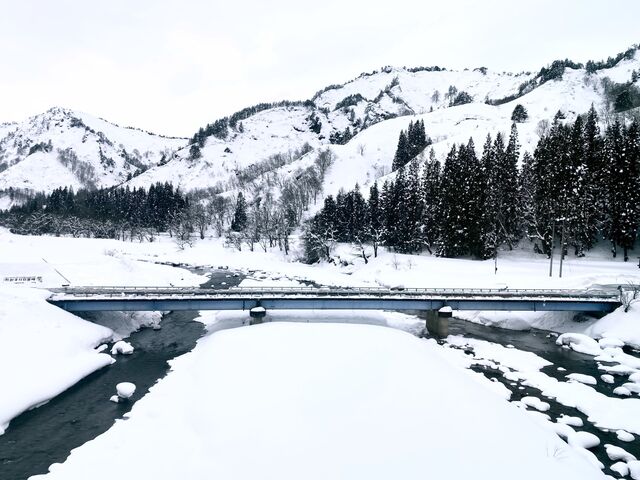
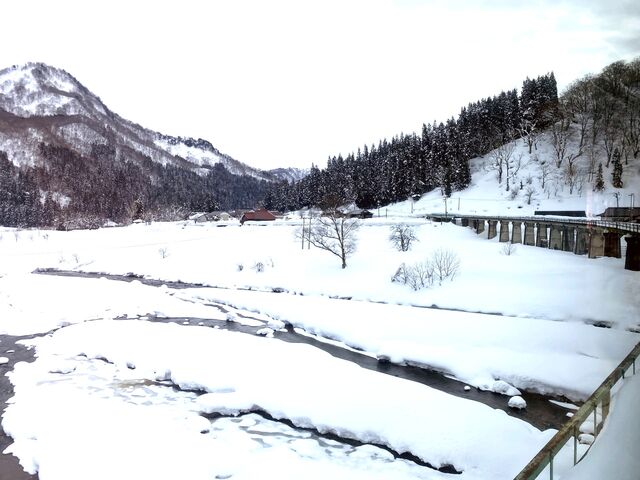
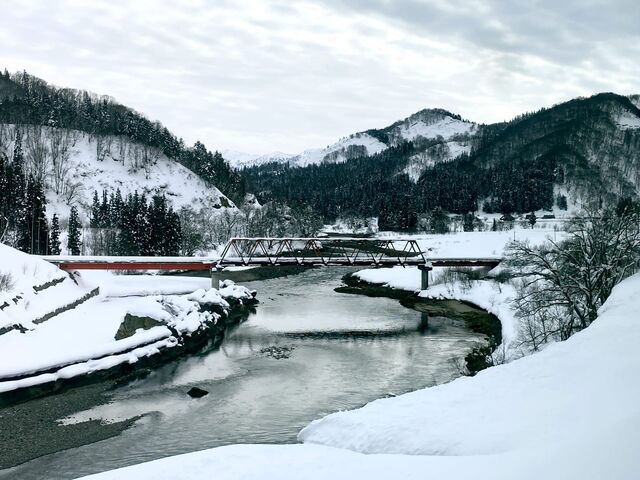
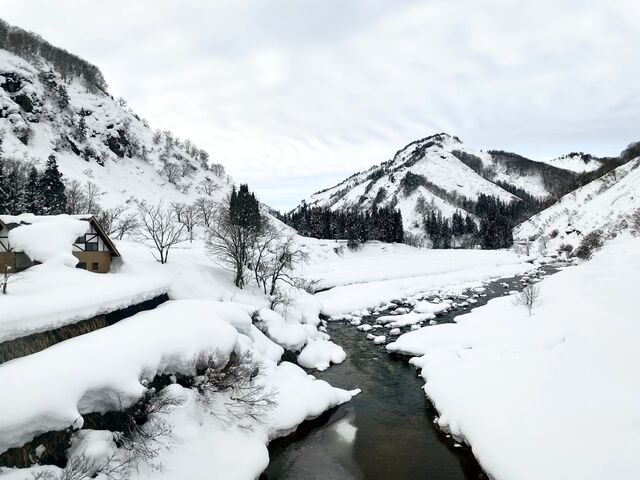
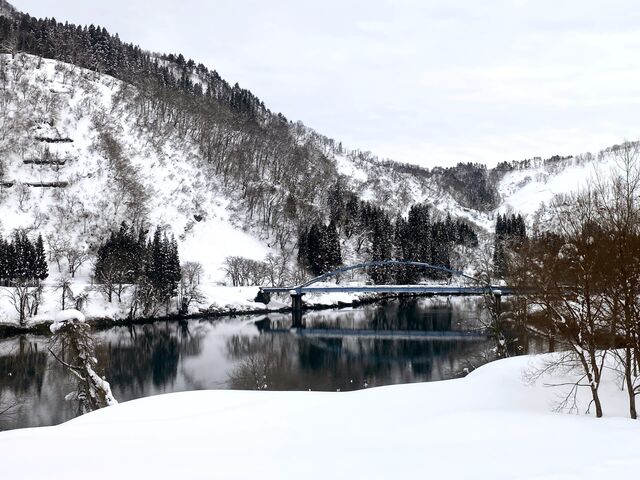
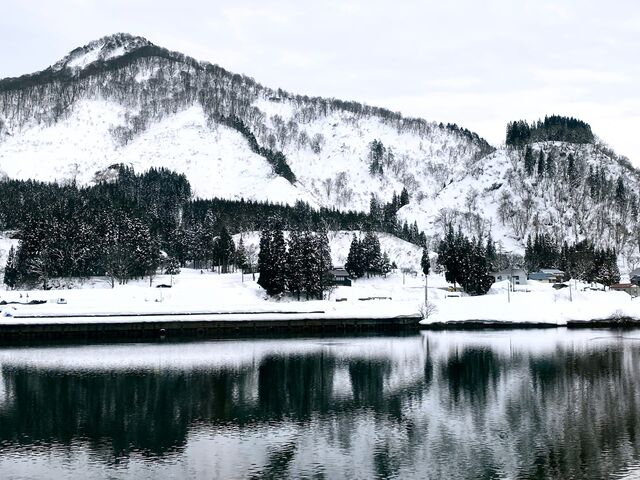
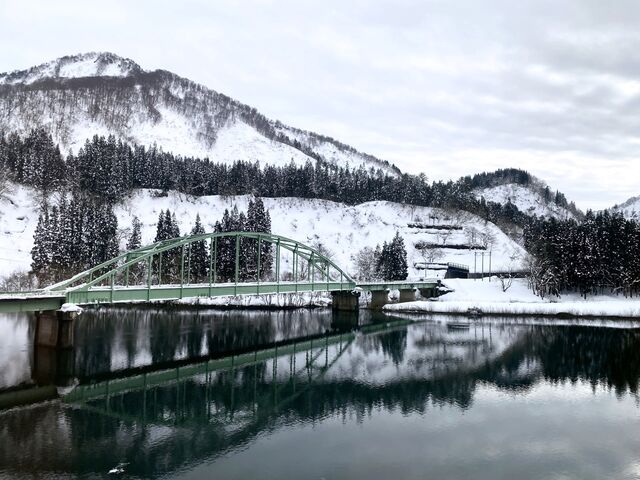
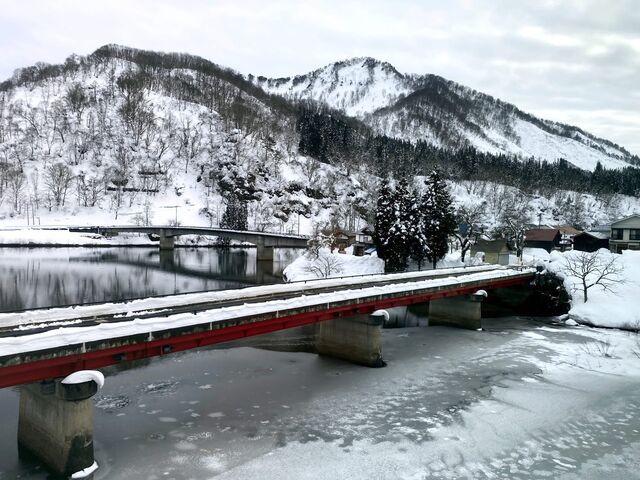

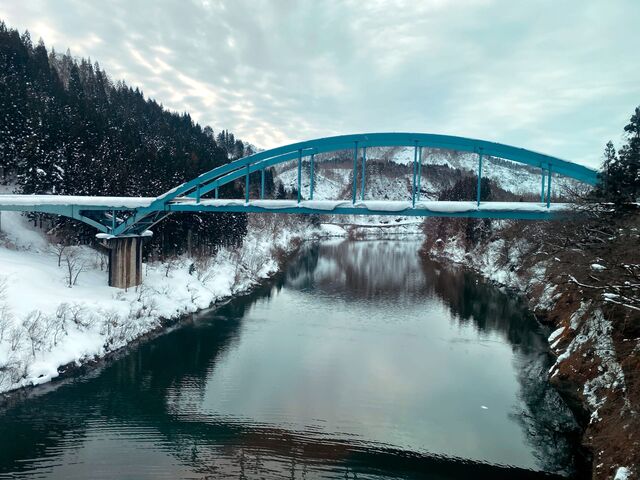
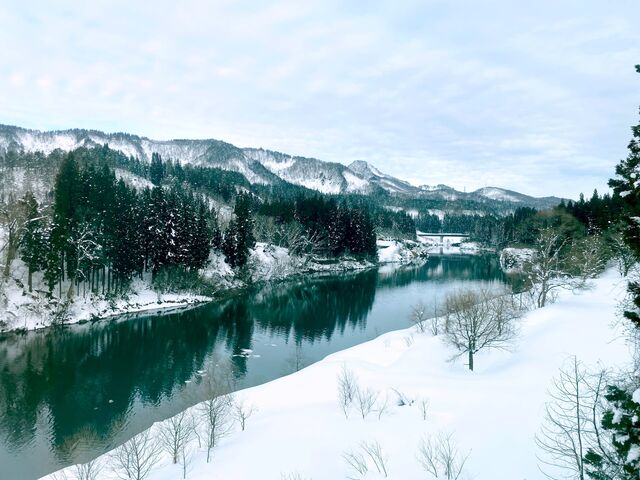
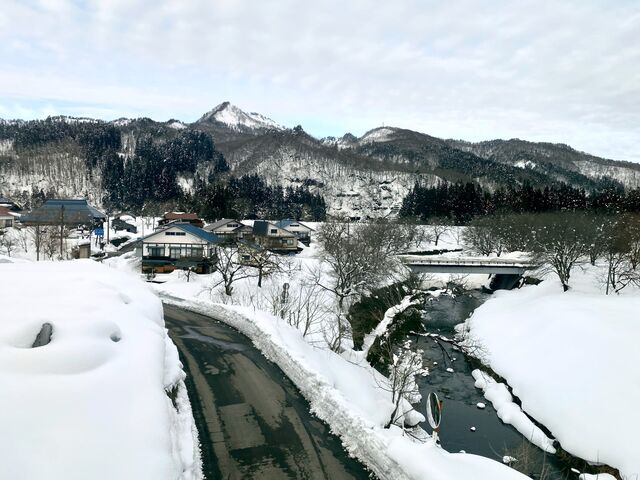
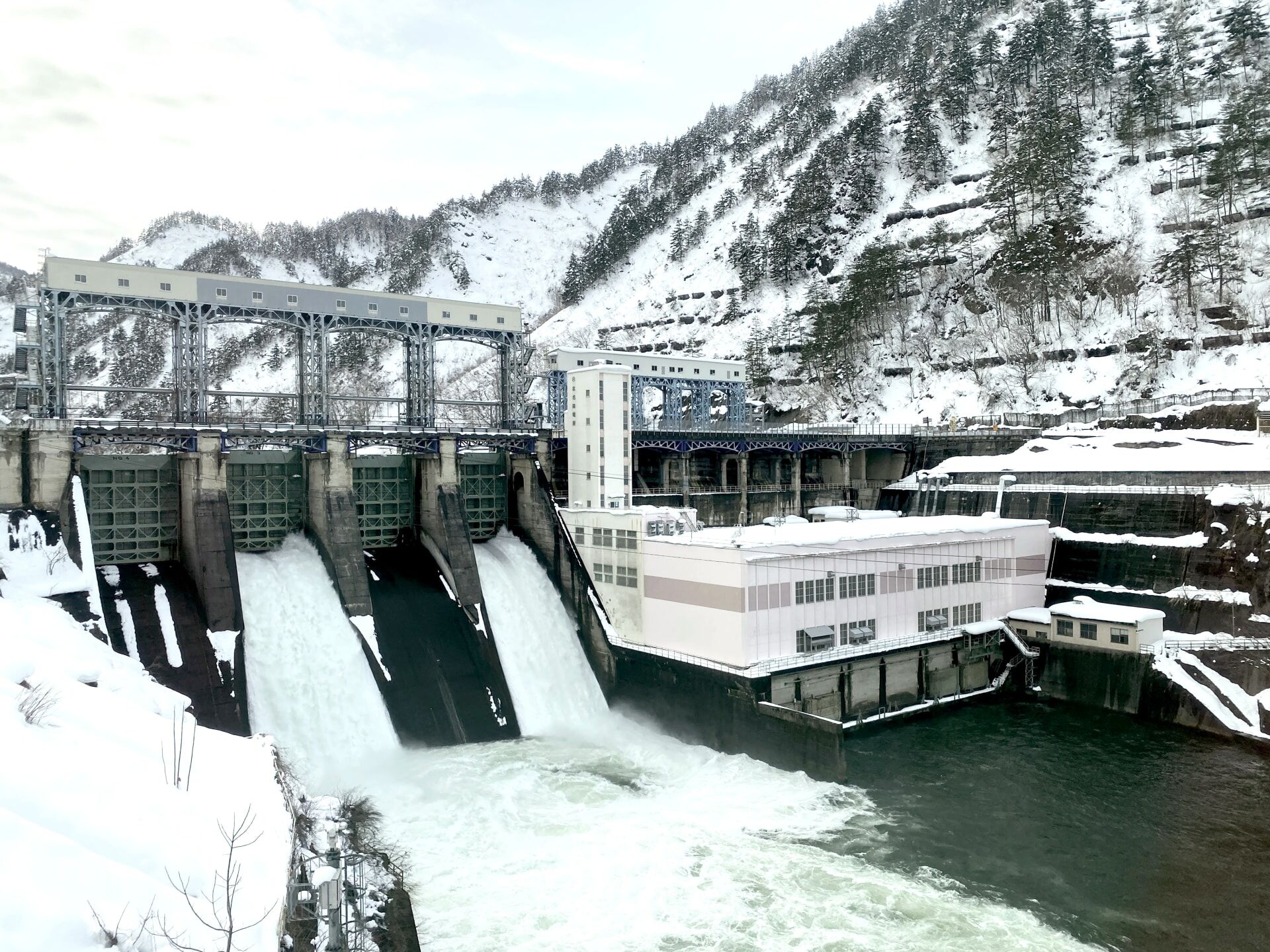
We then passed Honna Dam on the Tadami River which is visible as the train crosses the Sixth Tadami River Bridge.
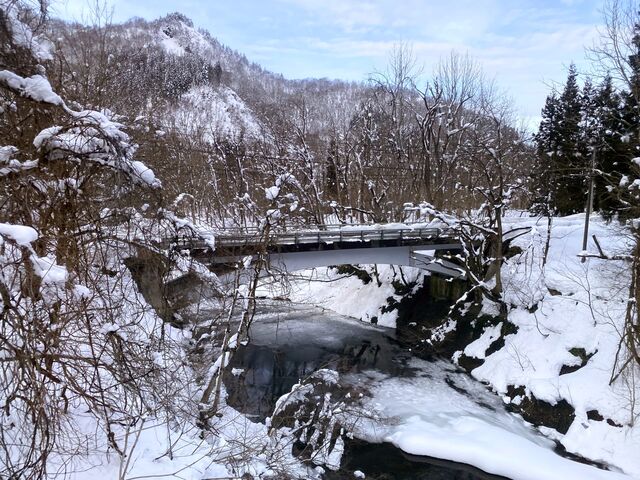
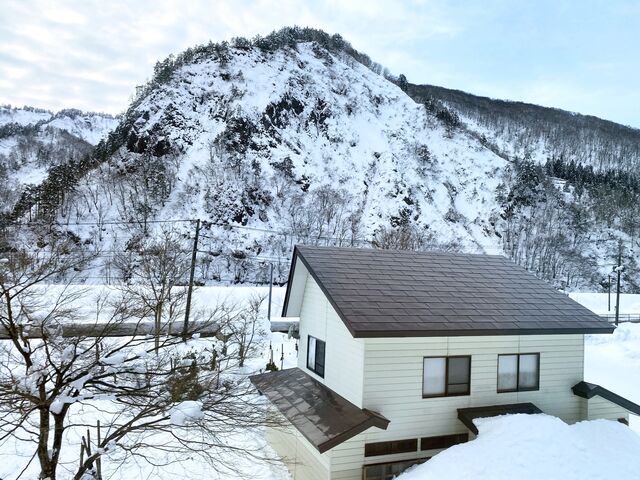
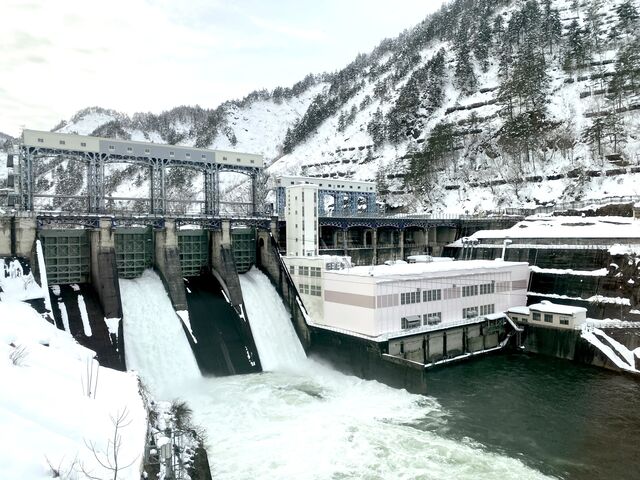
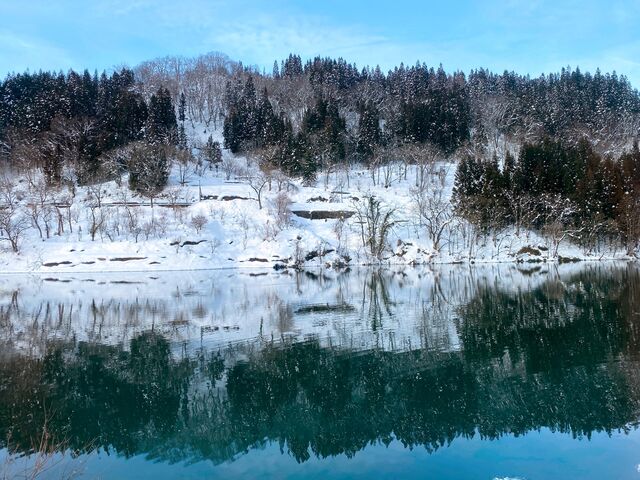
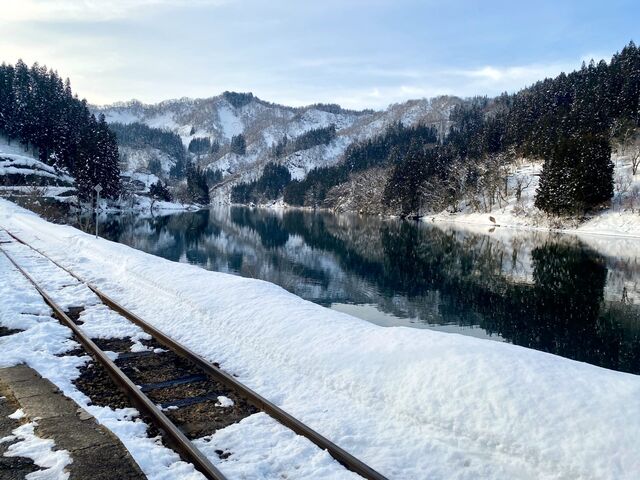
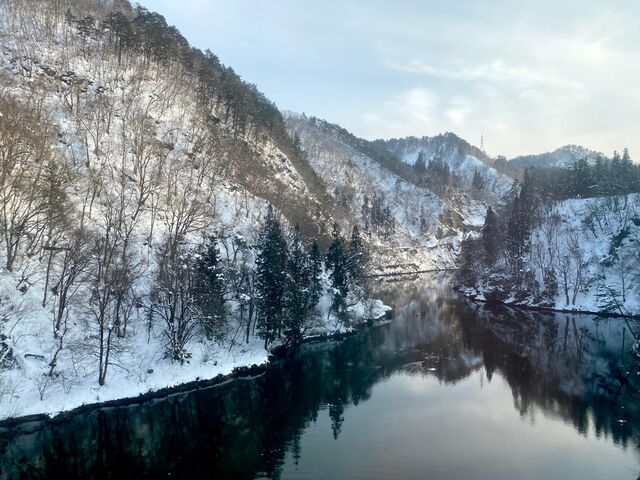
Perhaps the most famous site en route, however, was the First Tadami River Bridge which the train crosses shortly after leaving Aizu-Nishikata Station. About two hours into the journey, a tour group had boarded, accompanied by two new guides. The female guide was especially enthusiastic about the upcoming First Tadami River Bridge. She walked up and down the carriage holding a note written in English, announcing that we’d soon be approaching the bridge. She showed us this note each time she passed, just in case we’d forgotten. Bizarrely, she kept this up for what felt like over an hour, but when we finally crossed the bridge there was almost no fanfare.
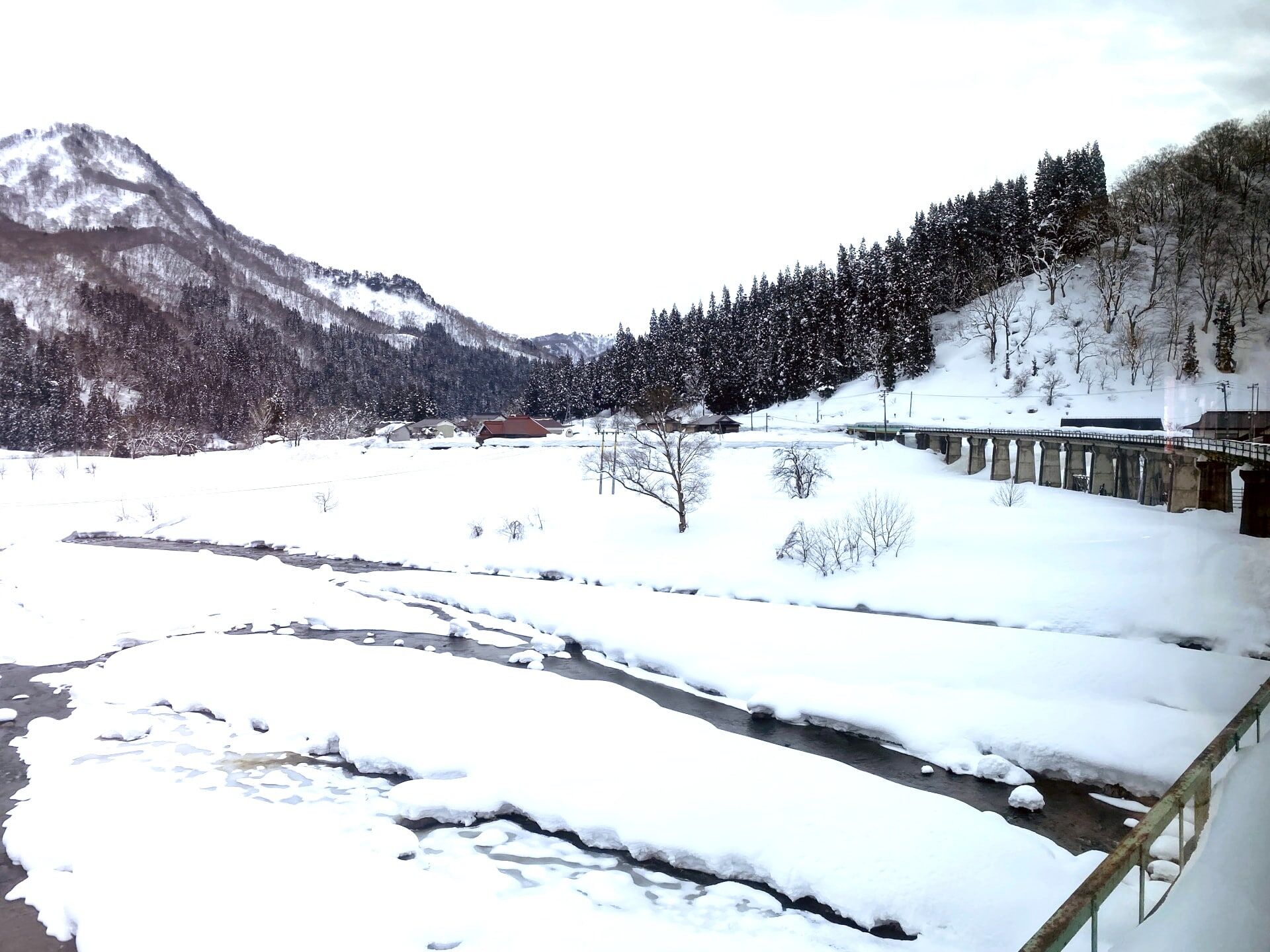
The below pictures show the views from the First Tadami River Bridge.
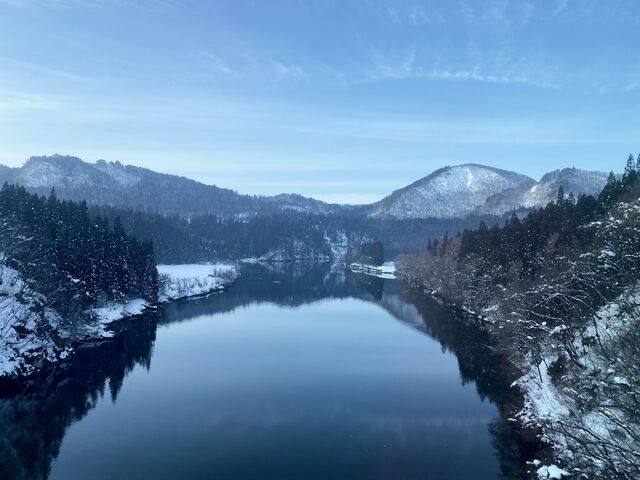
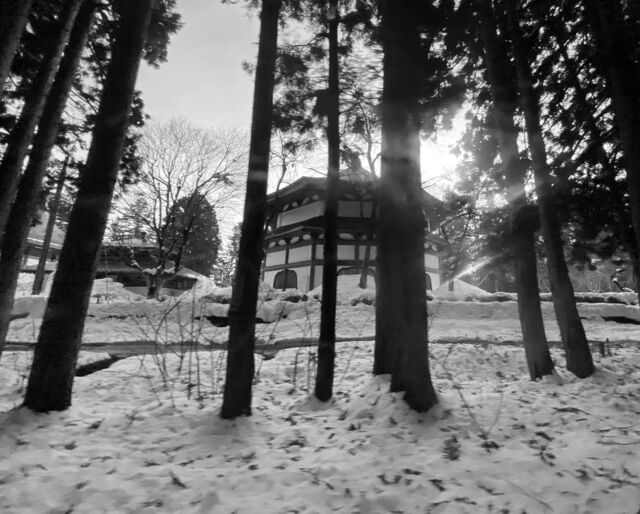
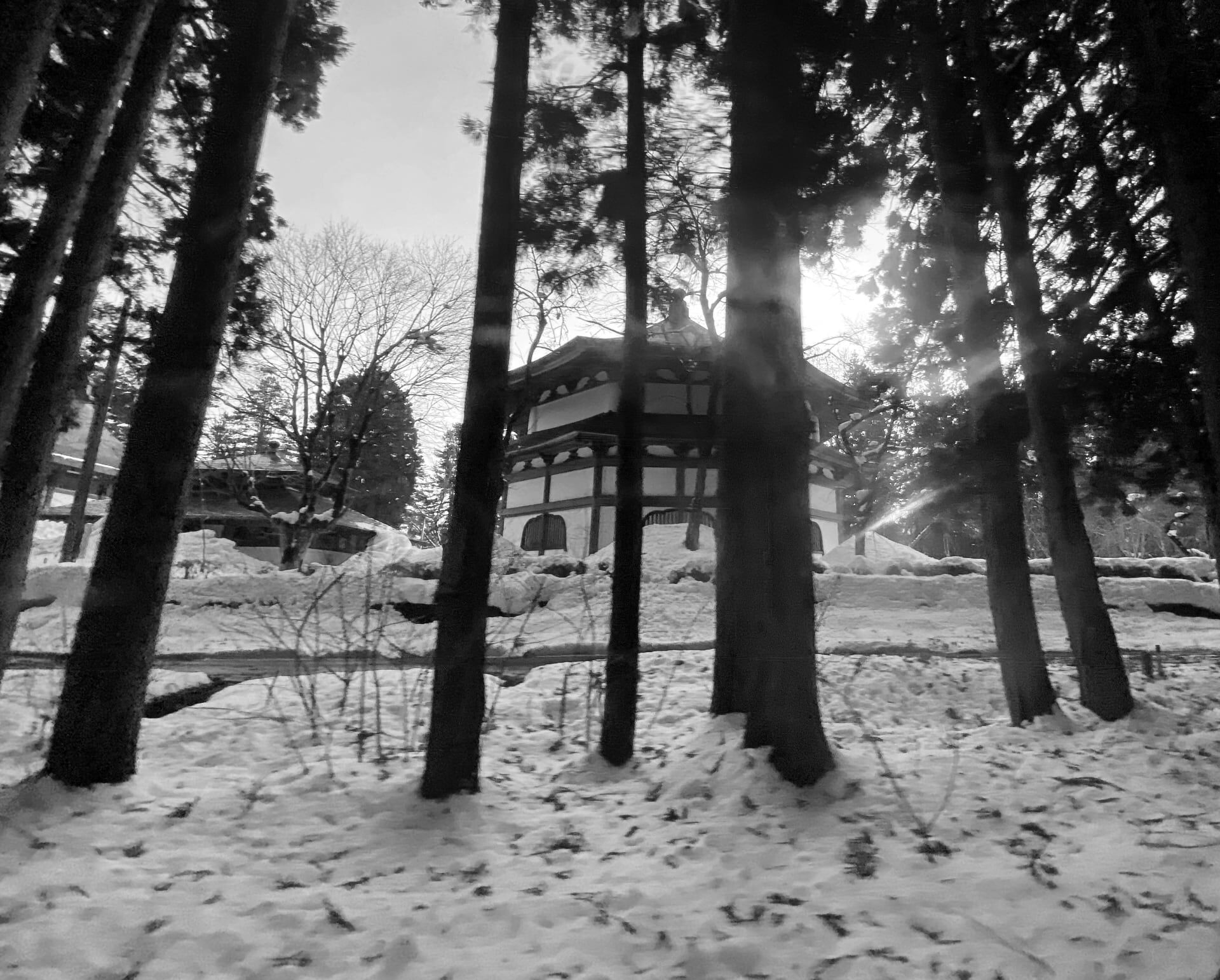
Toward the end of the journey, we passed the 1,200-year-old Fukuman Kokuzo Bodhisattva Enzoji Temple. This Buddhist temple is the birthplace of Akabeko, the popular red cow toy that is sold throughout Japan’s Aizu region. As noted in a previous blog, Akabeko is depicted on the Aizu-Wakamatsu Eki stamp.
Shortly after, the tour guides alighted and waved goodbye with great enthusiasm.
Throughout the journey, my photographer friend Jif also managed to capture some impressive shots of the Tadami Line.
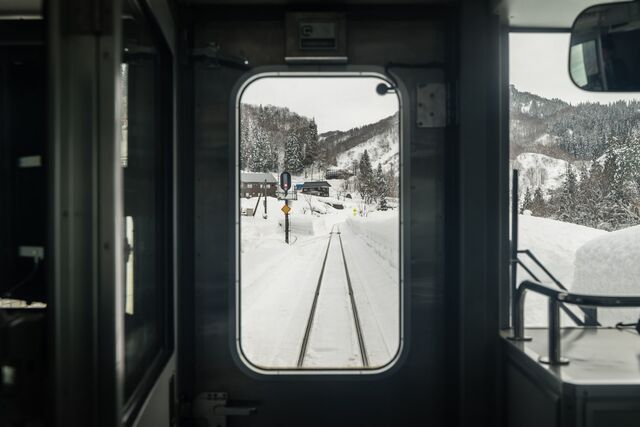
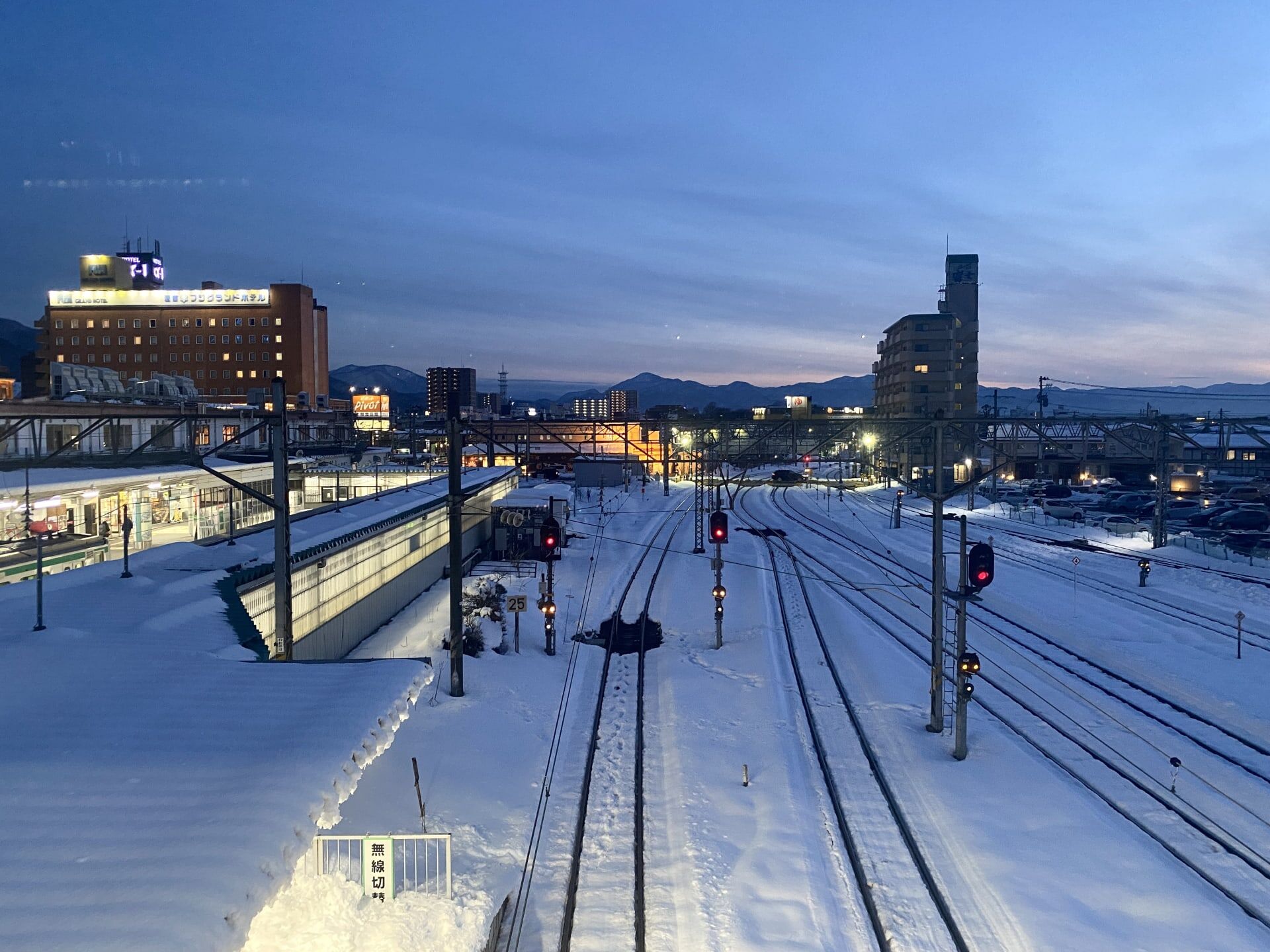
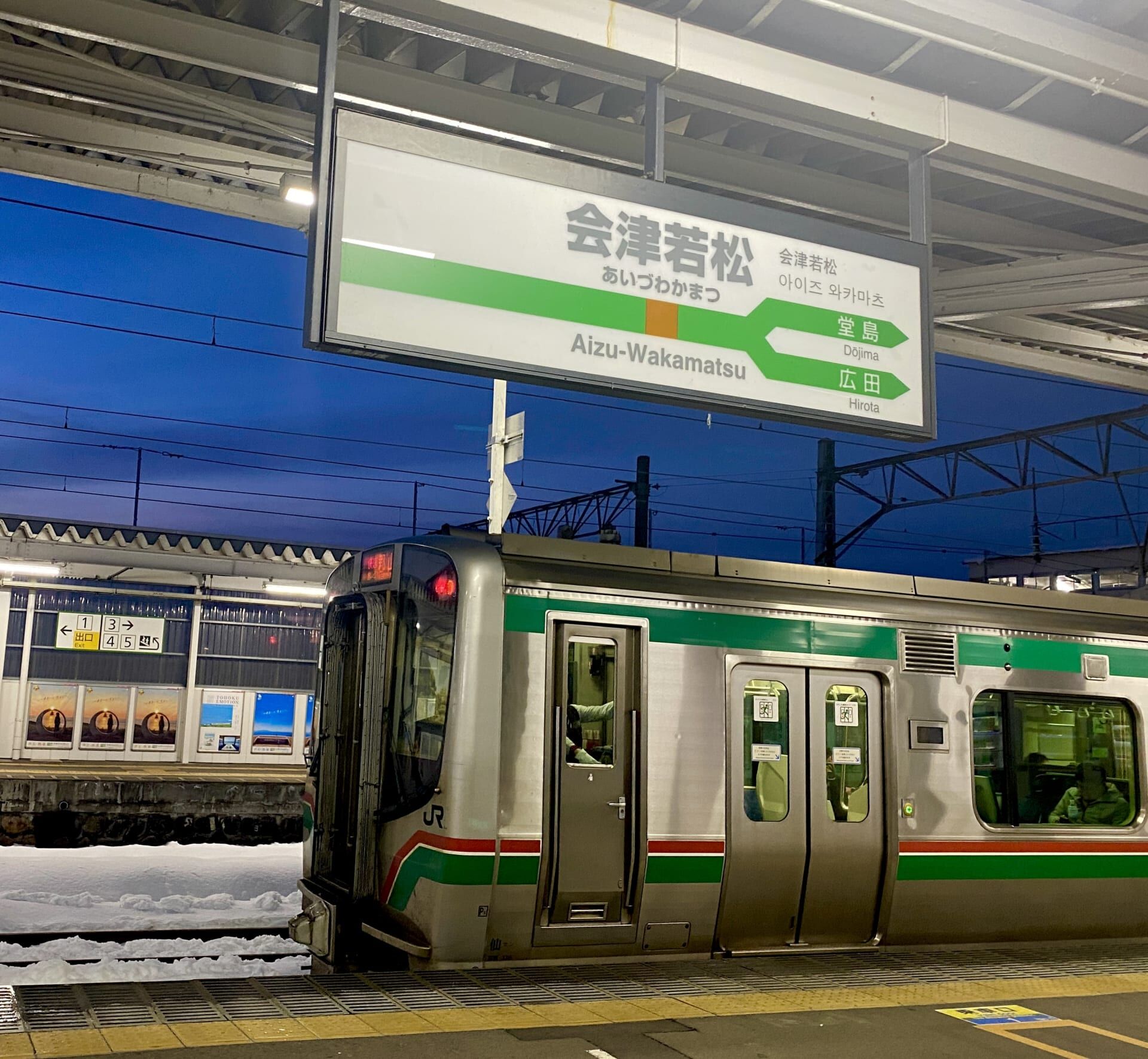
After approximately 4.25 hours, our journey came to an end as we pulled into Aizu-Wakamatsu Station. Aizu-Wakamatsu is known for its samurai history and sake-brewing. My guidebook informed me that Aizu-Wakamatsu possesses the three essential conditions for producing high-quality sake: rice, pure water, and a cold climate.6
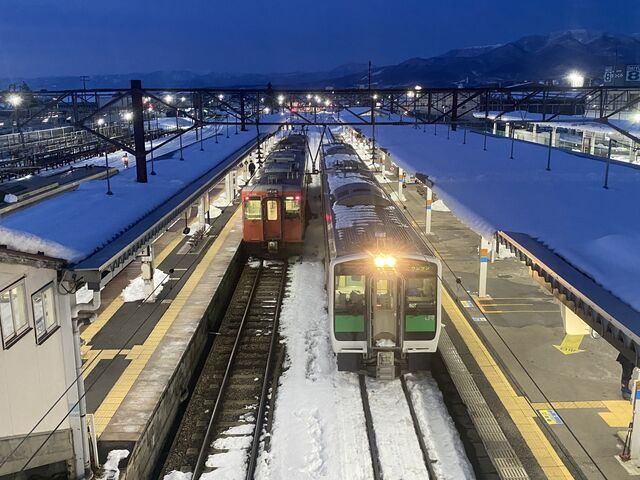
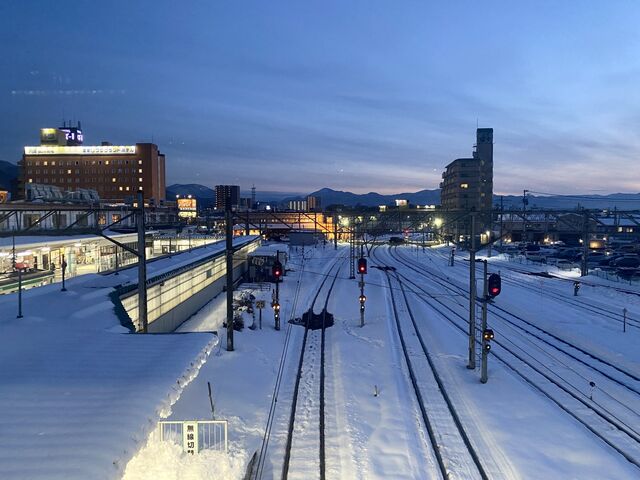
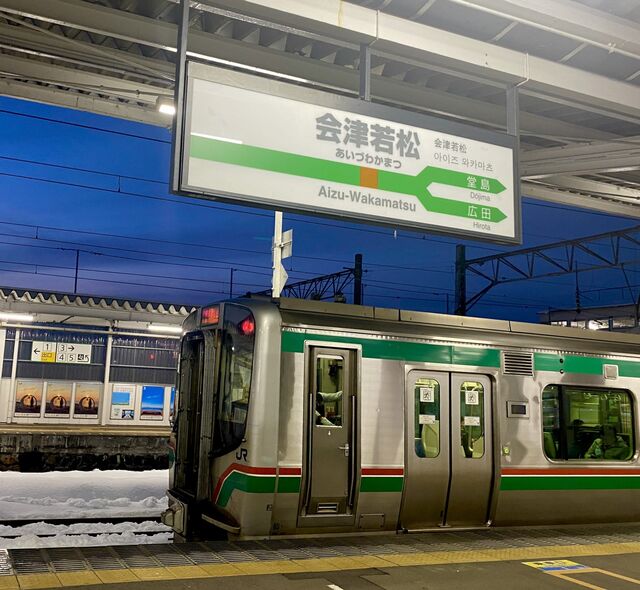
Return to Tokyo: E5 Series (Tōhoku Shinkansen)
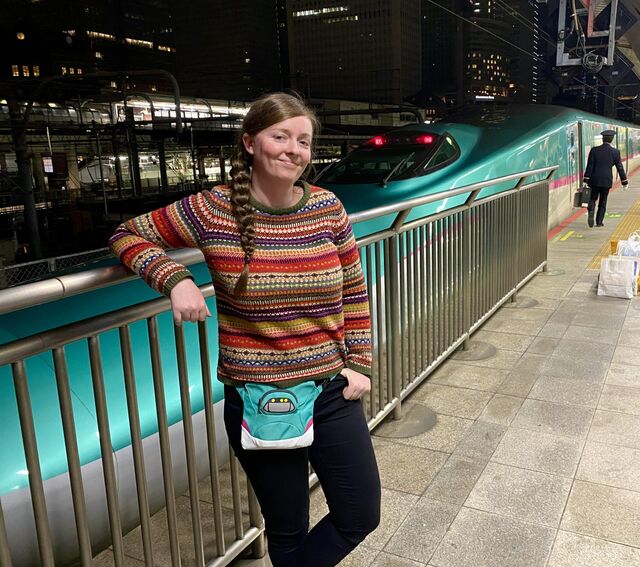
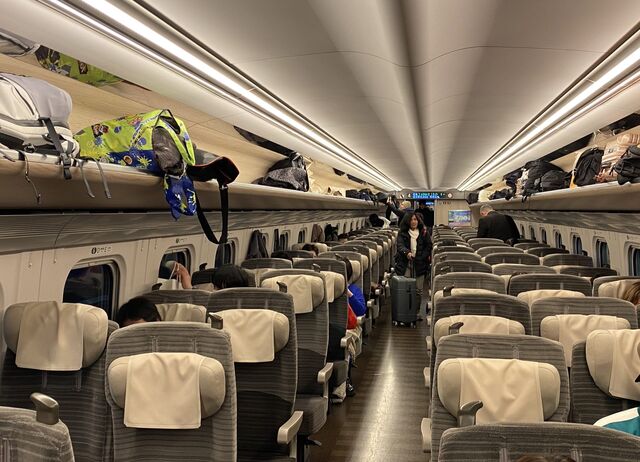
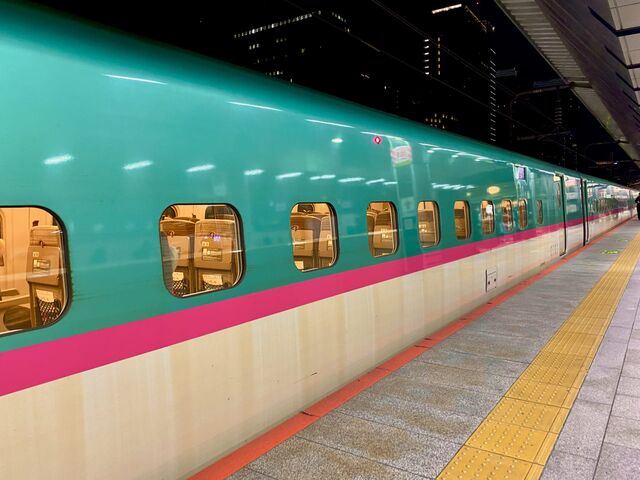
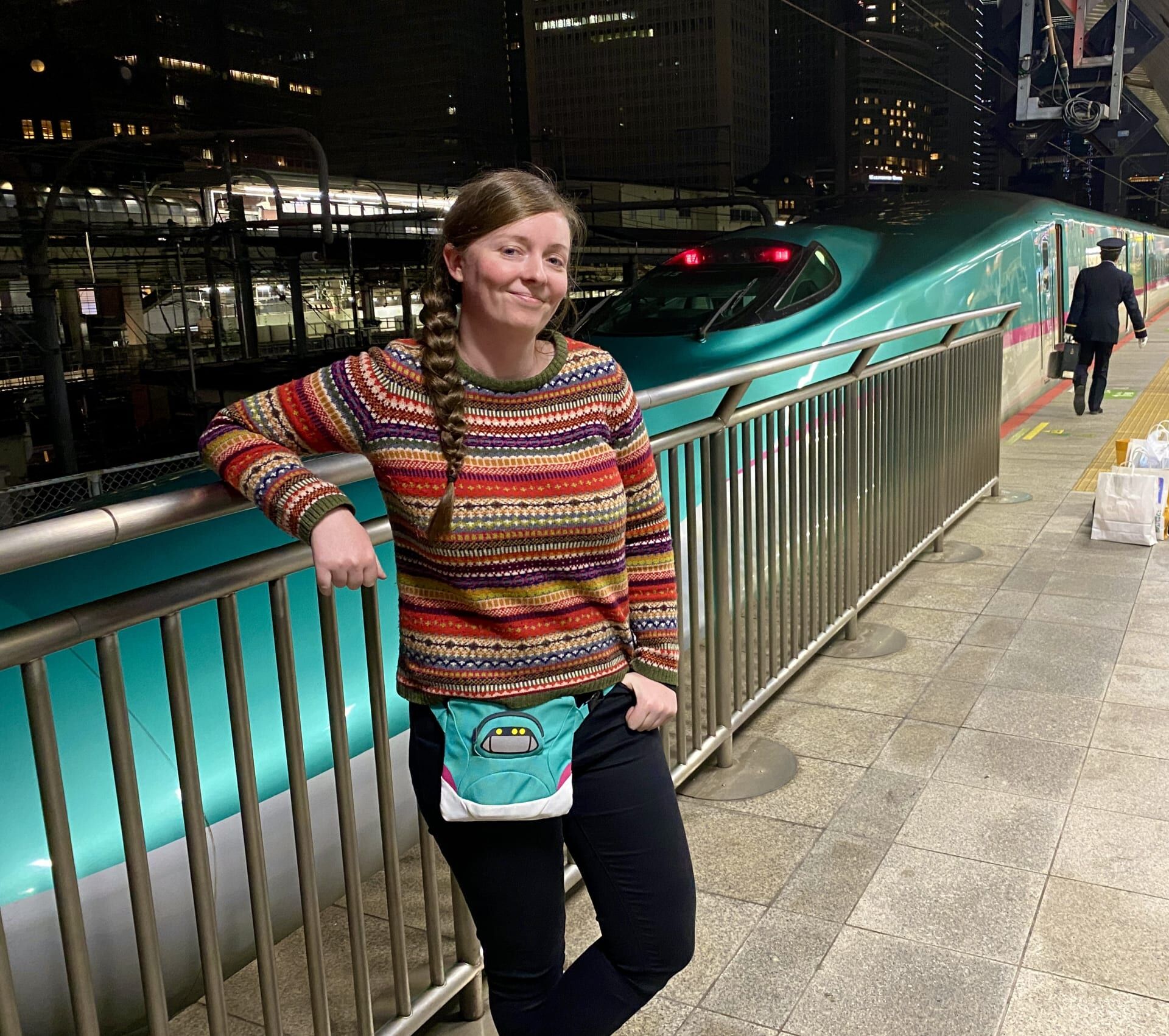
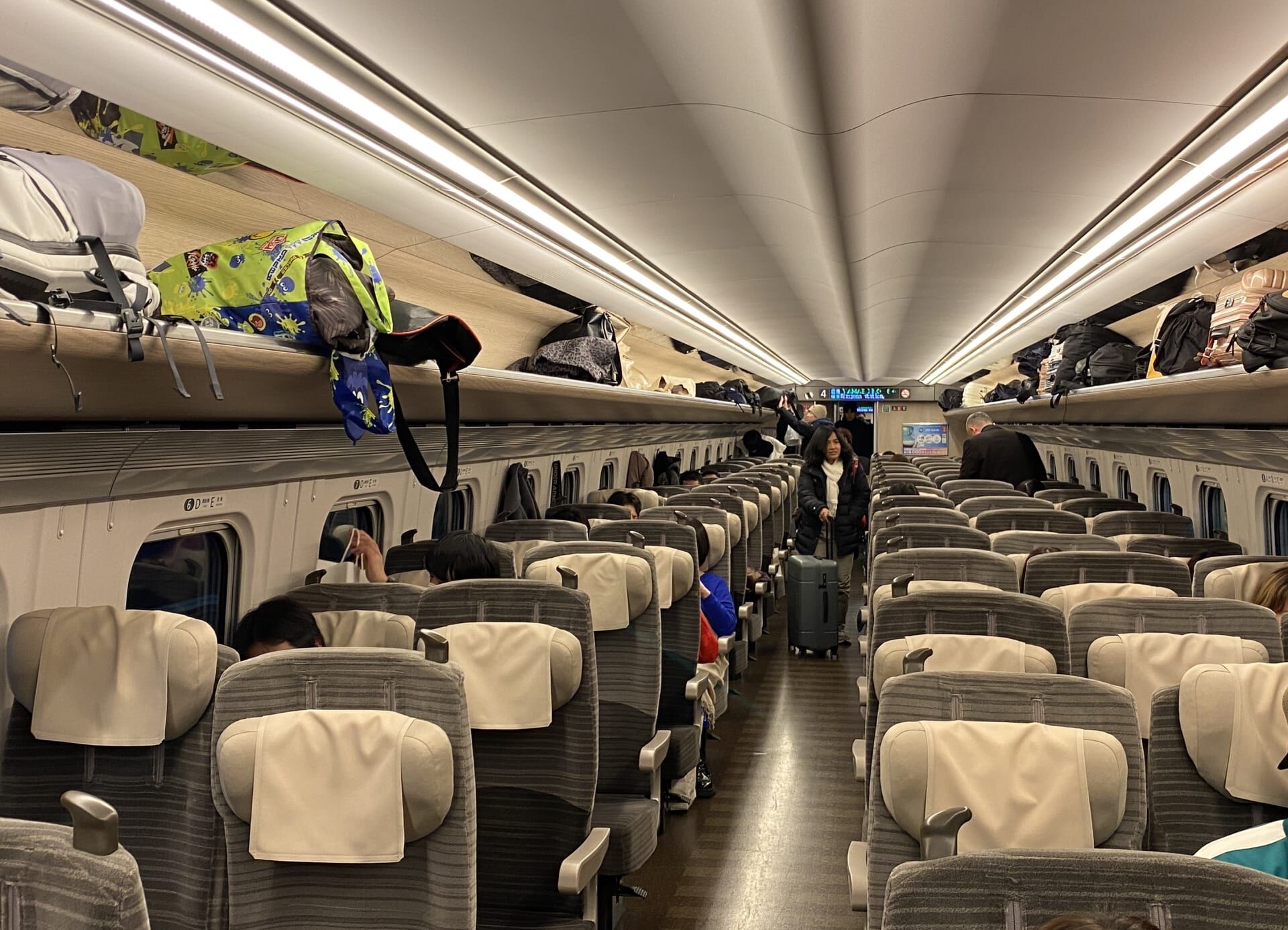
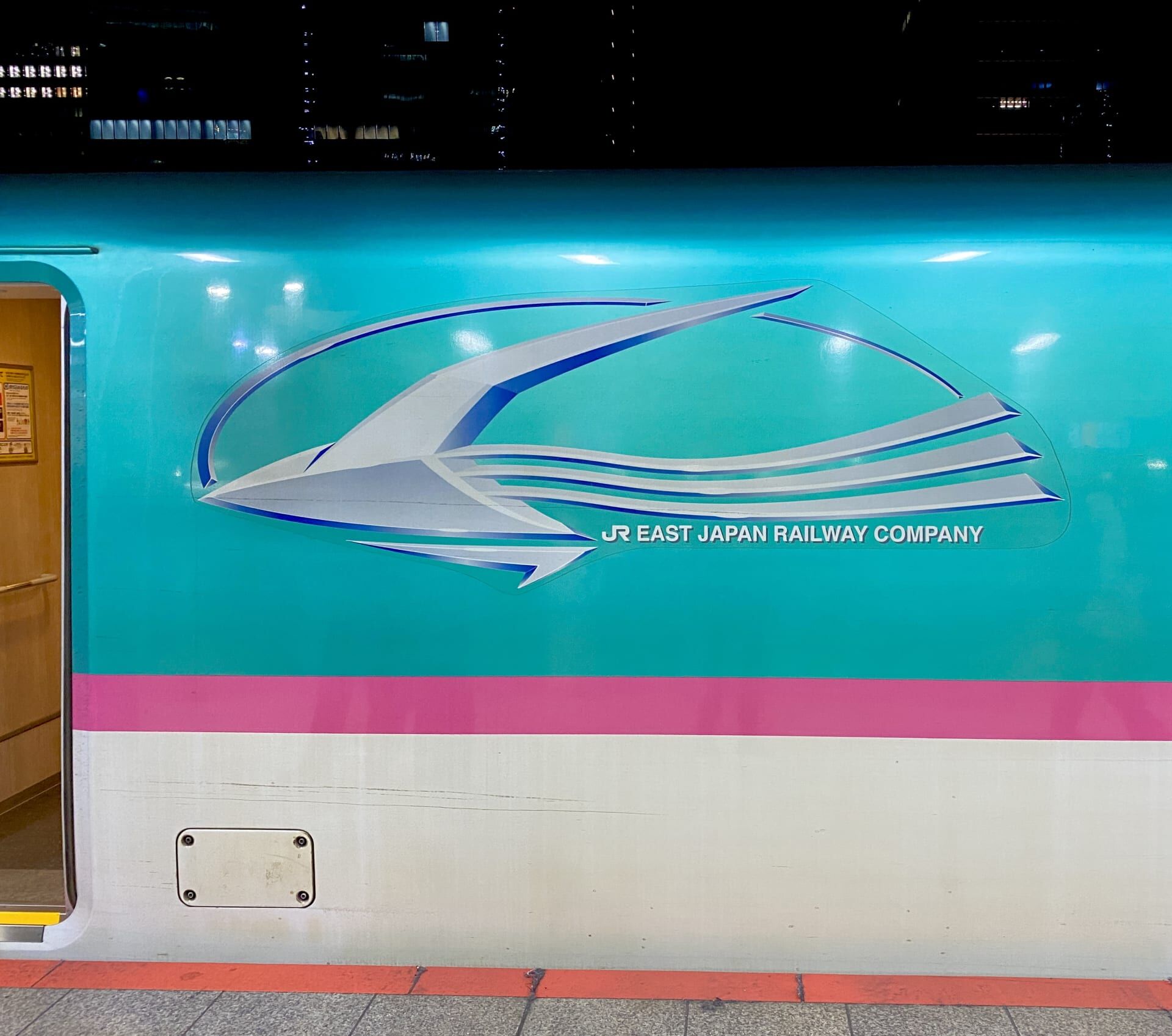
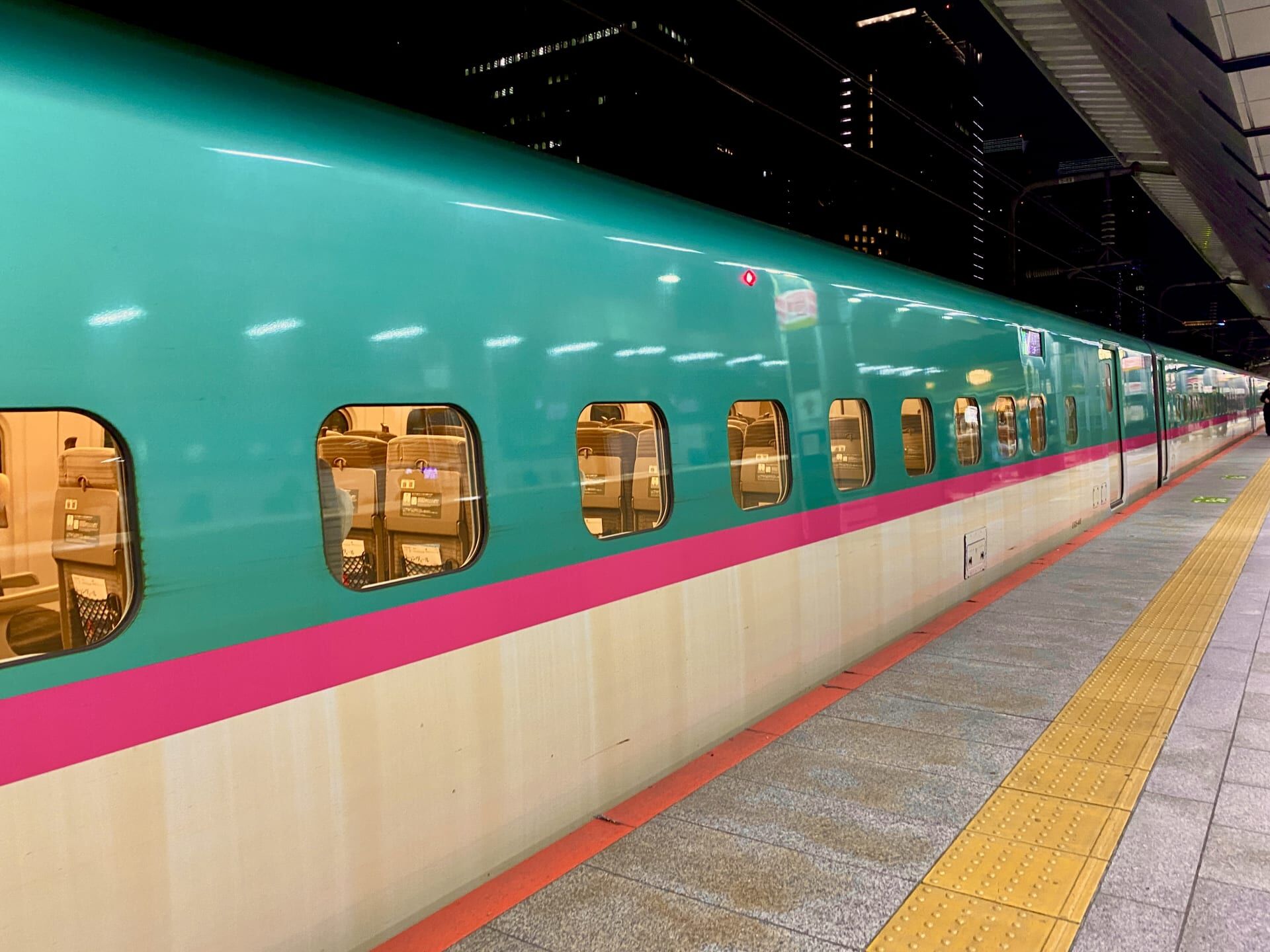
From Aizu-Wakamatsu Station, we travelled on the Ban’etsu Line for 1 hour and 15 minutes to Kōriyama Station. From there, we boarded the Tōhoku Shinkansen to Tokyo Station, a journey that also took approximately 1 hour and 15 minutes. The Tōhoku Shinkansen is Japan’s longest Shinkansen line and has the highest operating speeds on the network. Our train for this journey was the E5 series Shinkansen, my favourite train based on visual appearance, with its striking green upper body.

Ramsey Zarifeh and Anna Udagawa, Japan By Rail (Trailblazer, 5th ed, 2022) 354. ↩︎
Icarus Publishing, The World of Unexplored Stations (2024). ↩︎
Tanner, ‘Japan’s DEEPEST Station Actually Gave Me Chills’ (YouTube, 2 December 2025). ↩︎
Tadami Line Official Site, ‘Tadami Line Story’ (Online). ↩︎
Fukushima Travel, ‘Guide to Visiting the Famous Tadami River Bridge Viewpoint’ (Online). ↩︎
Zarifeh & Udagawa (n 1) 328. ↩︎