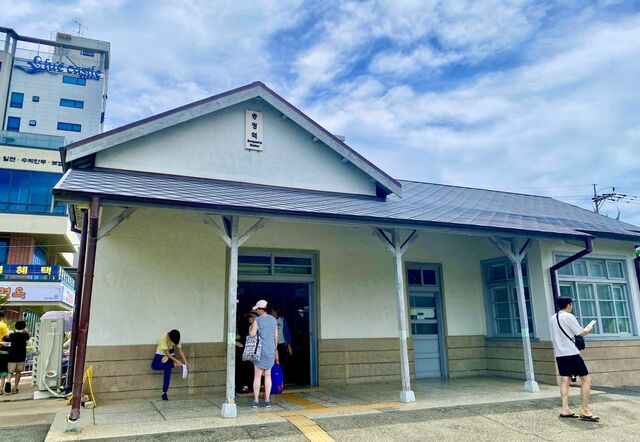
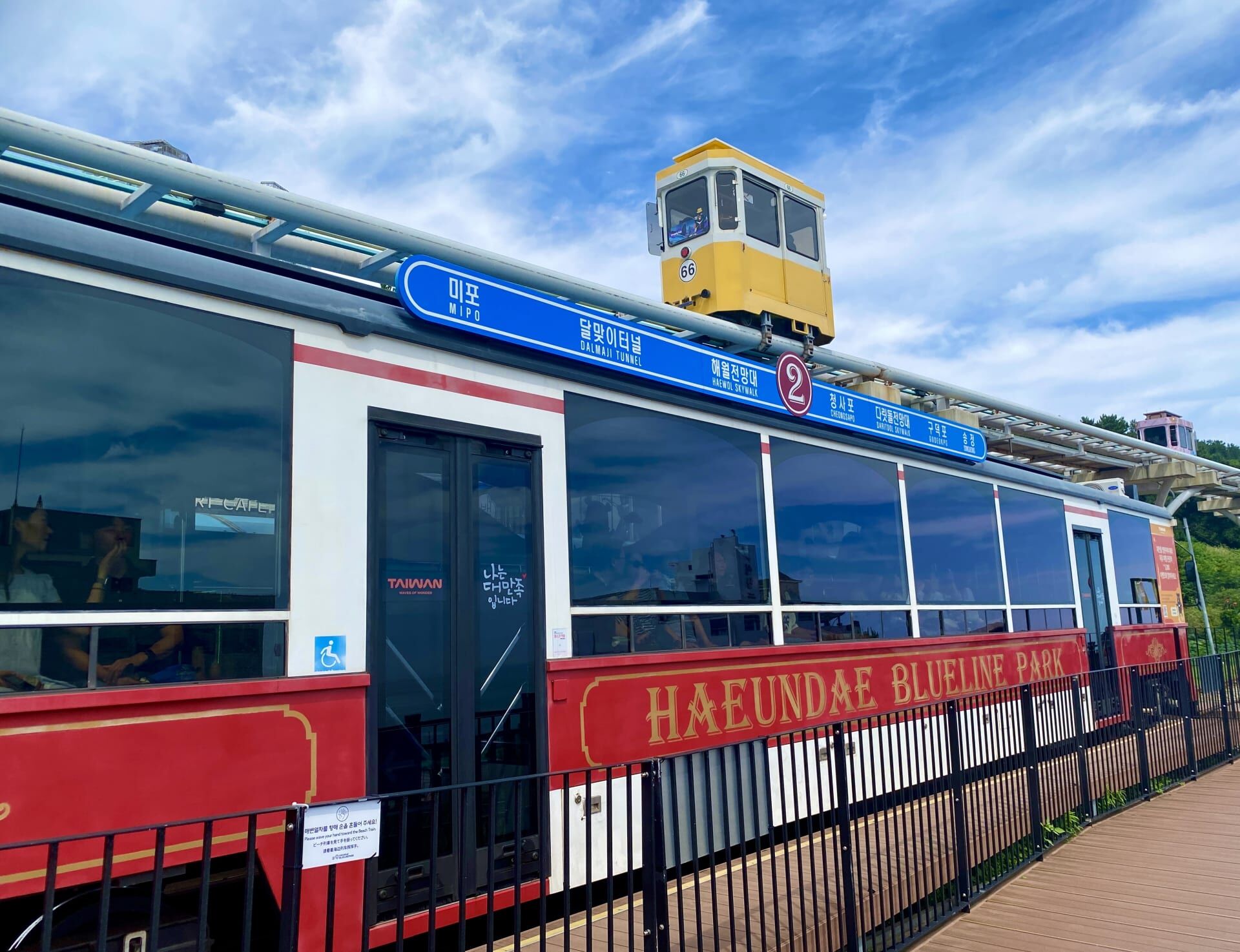
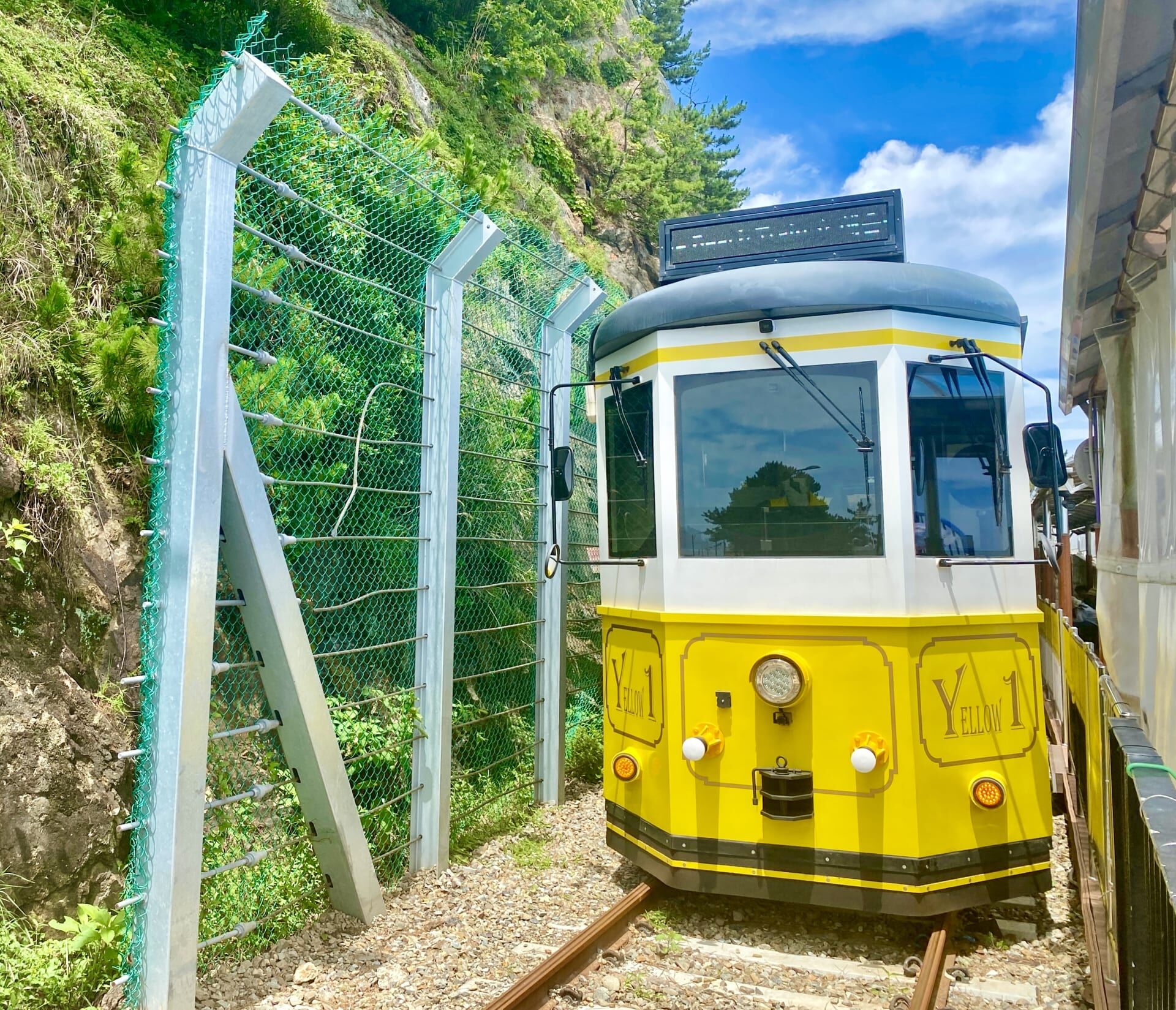
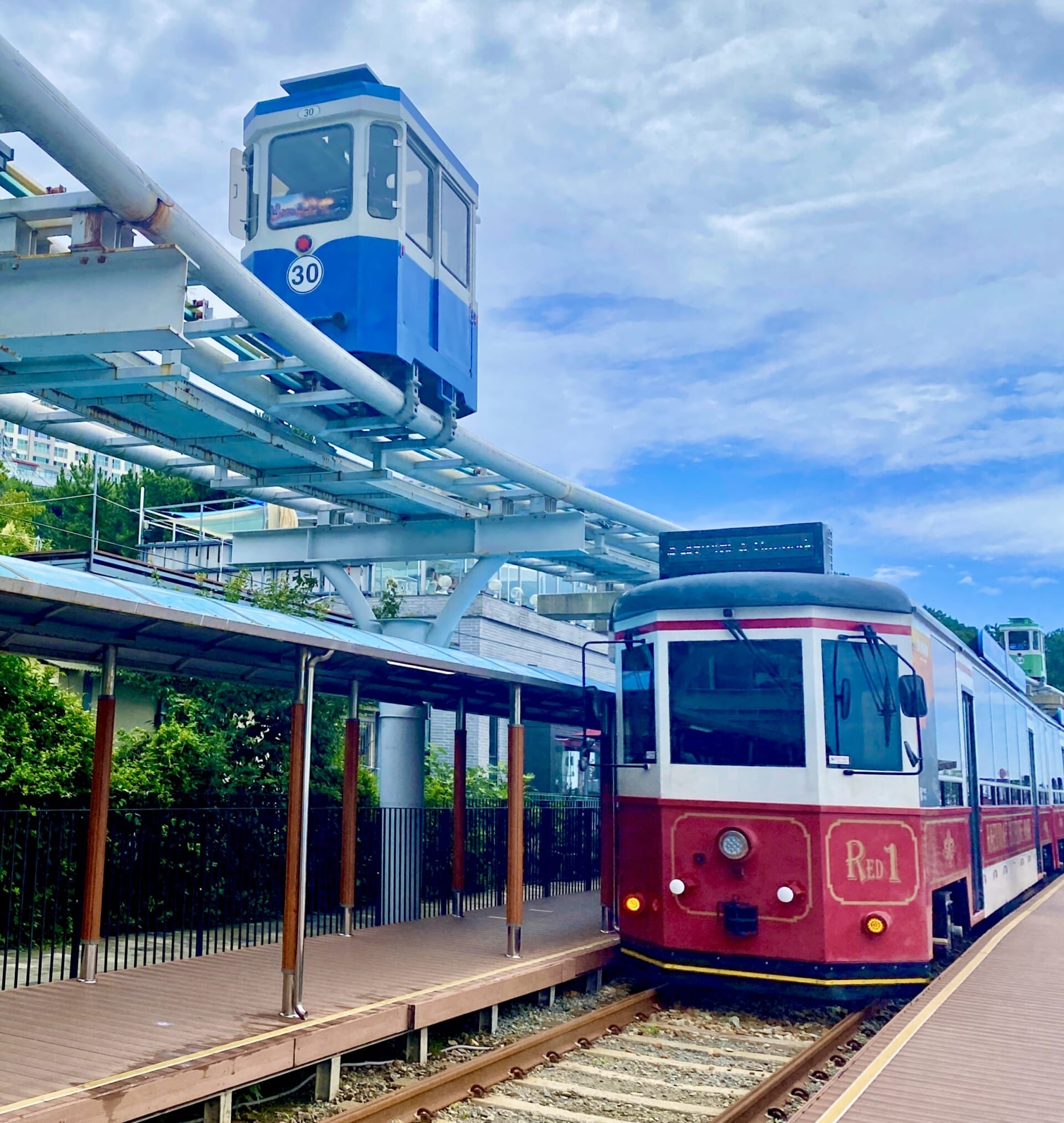
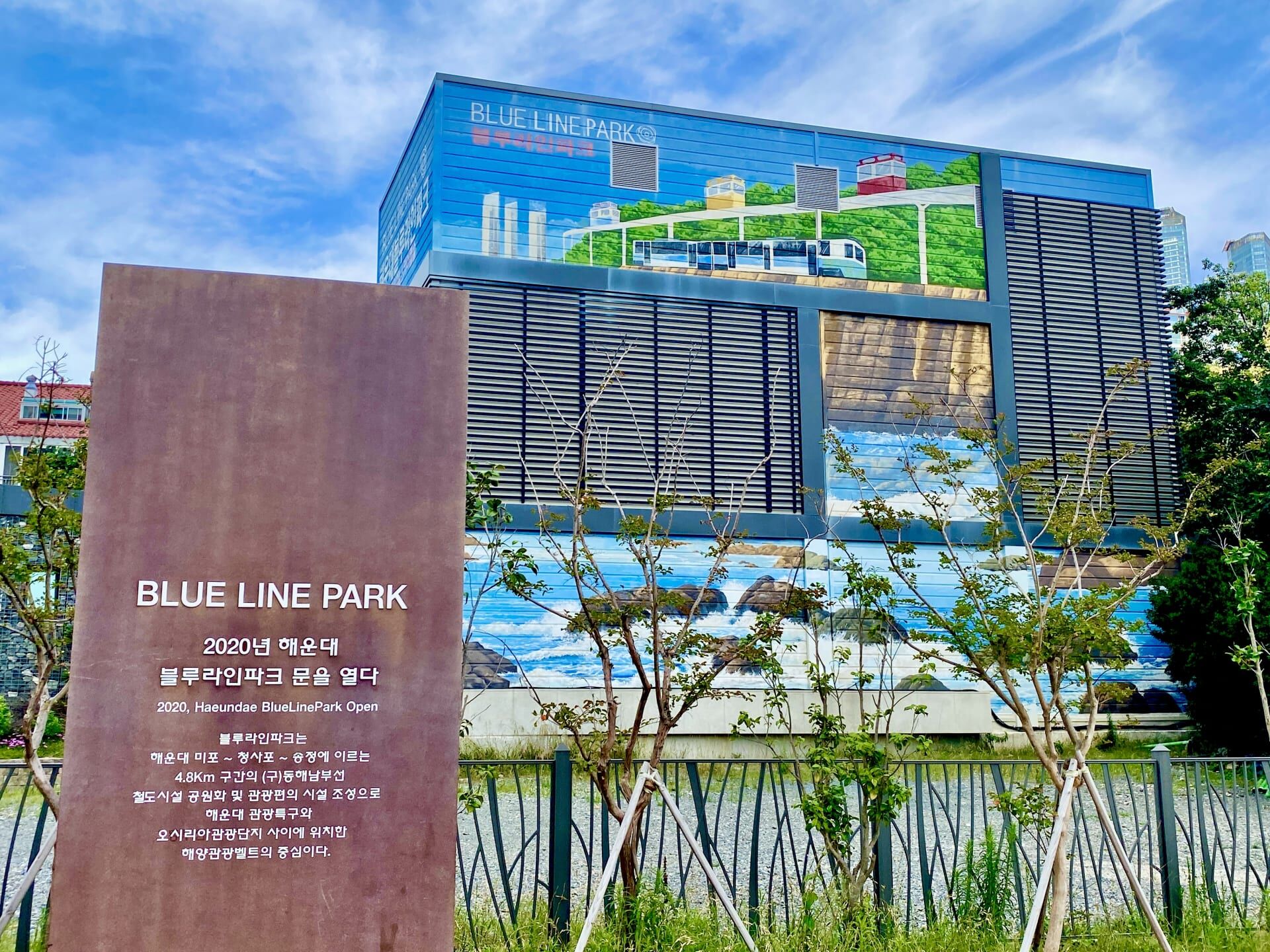
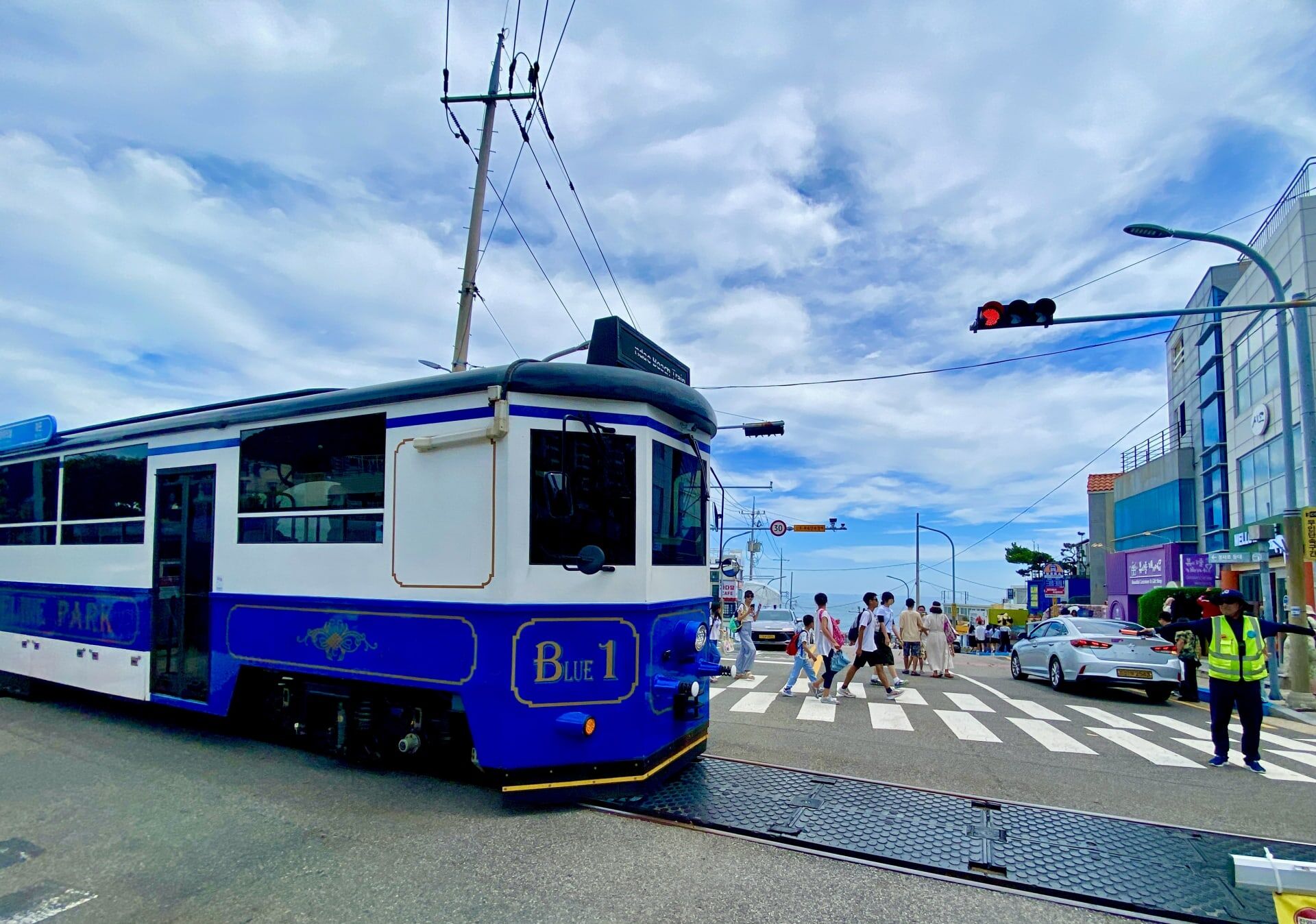
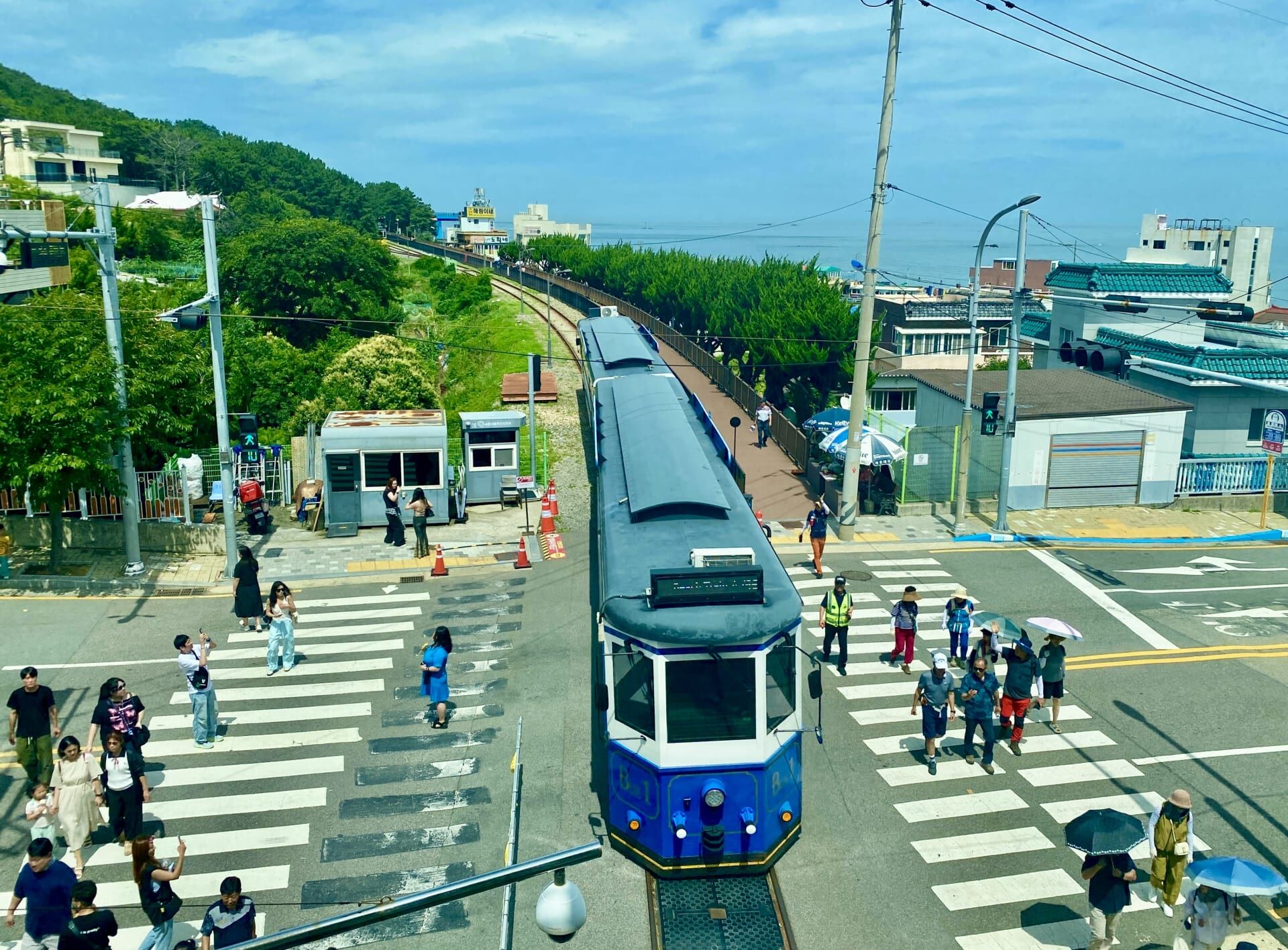
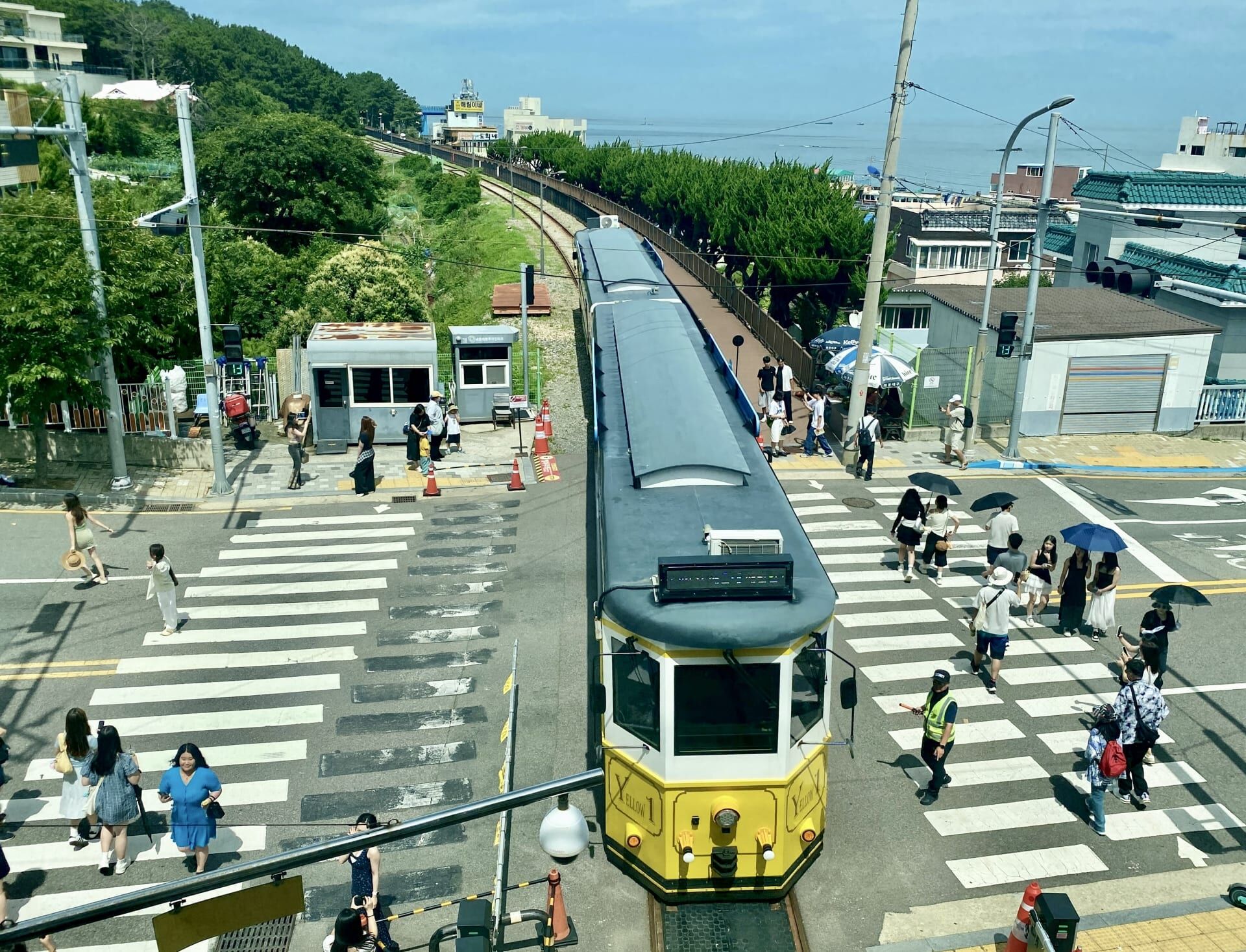
Running between Mipo and Songjeong Stations, the Haeundae Beach Train hugs Busan’s coastline on a journey lasting approximately 25 minutes. I enjoyed a ride on this train in July 2025.
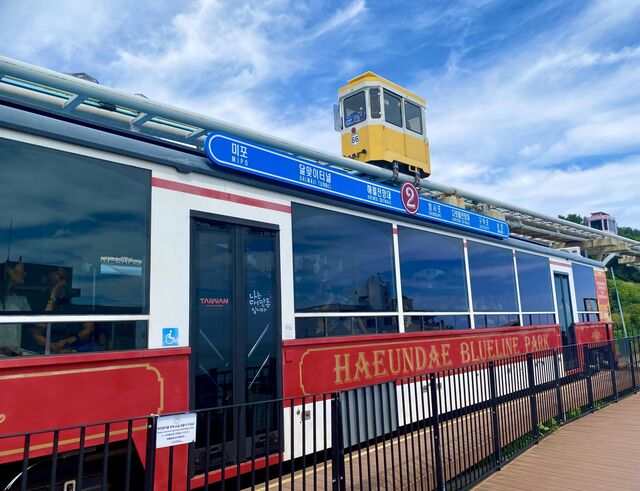
The Haeundae Beach Train commenced operation in 2020 and travels on the former Donghae Nambu Railway Line, which runs adjacent to the coast. This section of track was built in 1935 during the Japanese colonial period, with the aim of promoting Japanese tourism in Busan’s beach district of Haeundae.1 However, in 2013 the Donghae Nambu Line was relocated and the existing railway was closed.2 Owing to the natural beauty of this section of the former line, it was later repurposed as a walking path and tourist railway. The Haeundae Beach Train is considered an ‘amusement facility’, rather than a mode of public transportation. As such, visitors are warned that departure, arrival, and travel times are all subject to change.3
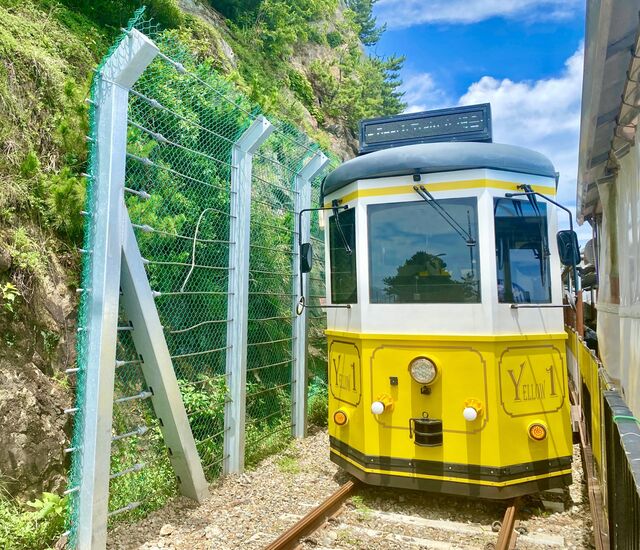
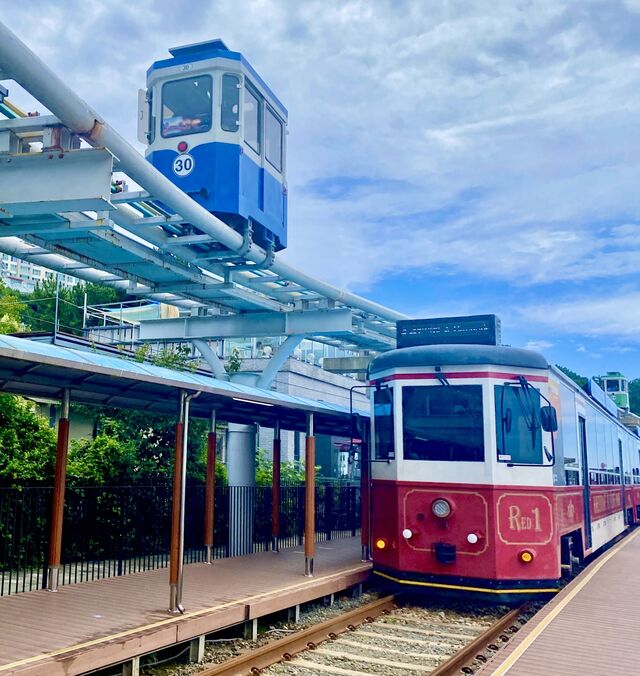
The Haeundae Beach Train is the world’s first battery-powered, eco-friendly train. Running above the railway is the Haeundae Sky Capsule, elevated some 7–10 metres above the ground. Readers may recall that I rode the Sky Capsule when I visited Busan in July 2023. When I returned to South Korea in 2025, experiencing the train was high on my list of priorities.
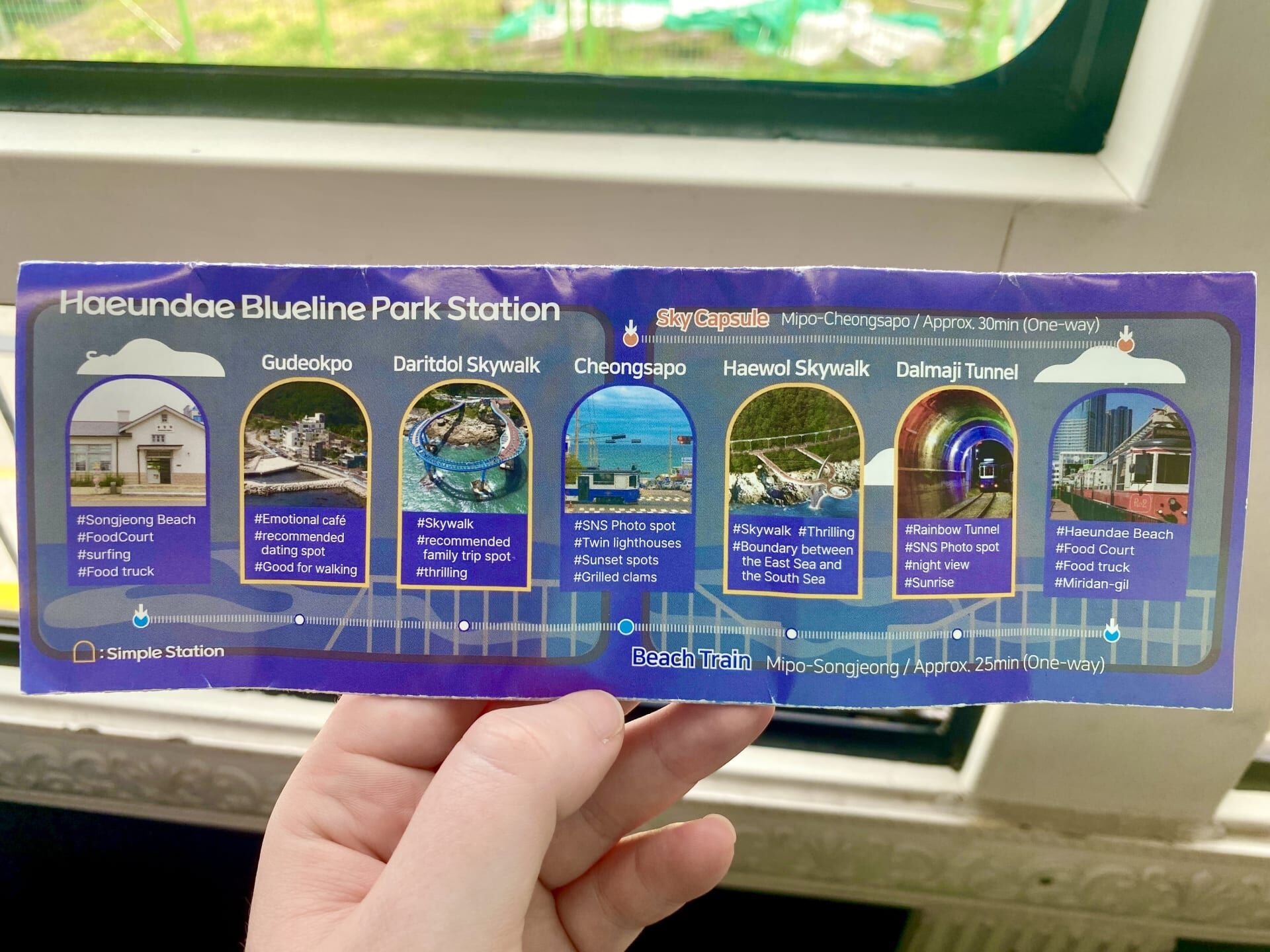
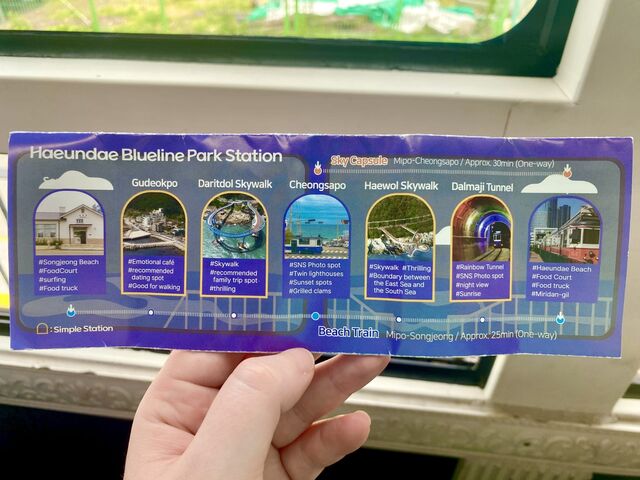
For my train journey, I purchased a one-day pass which allows passengers to alight at each station along the route. The cost of this day pass was 16,000 KRW (approximately $16 AUD). The seven stations along the line are pictured below.
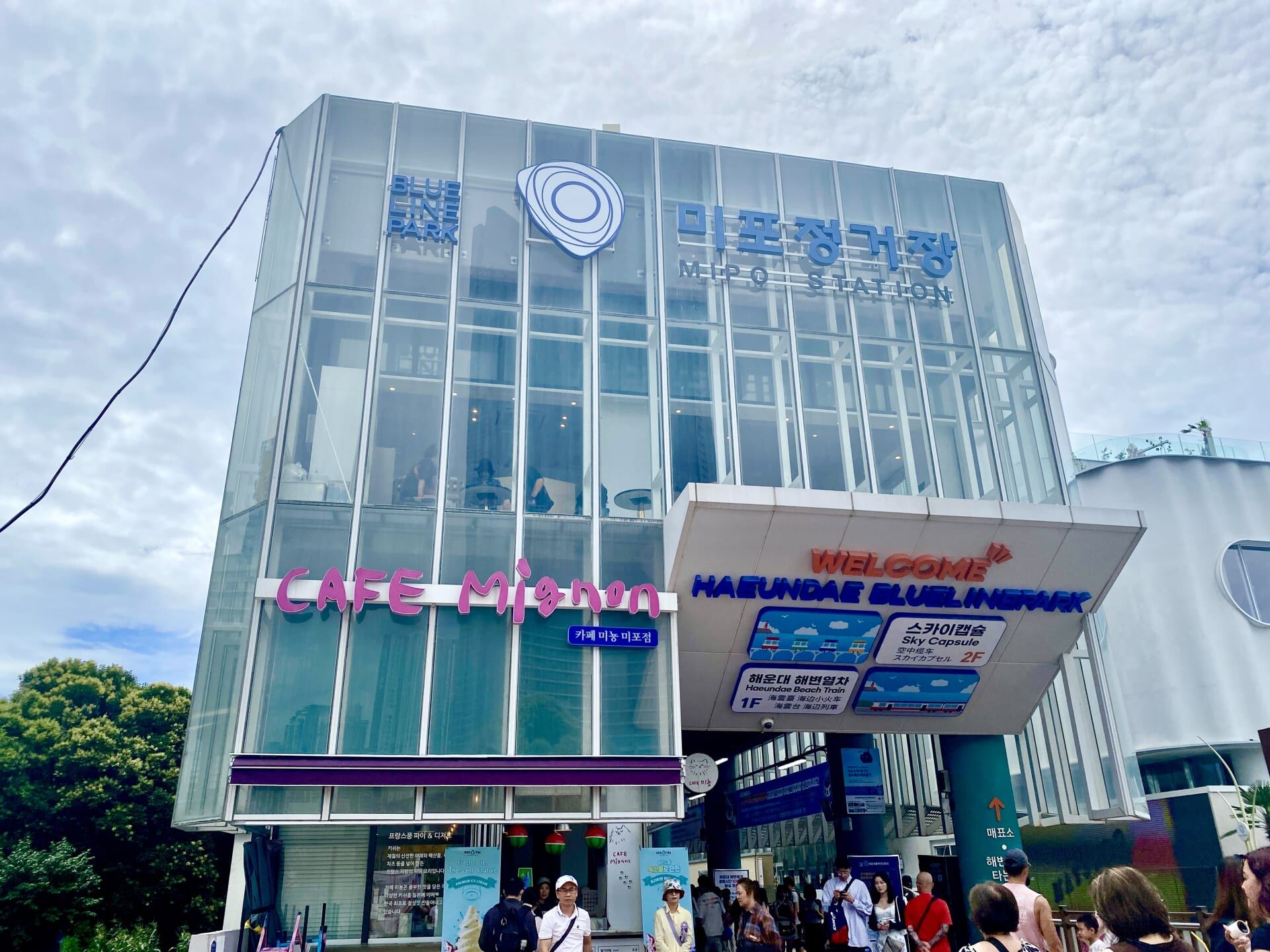
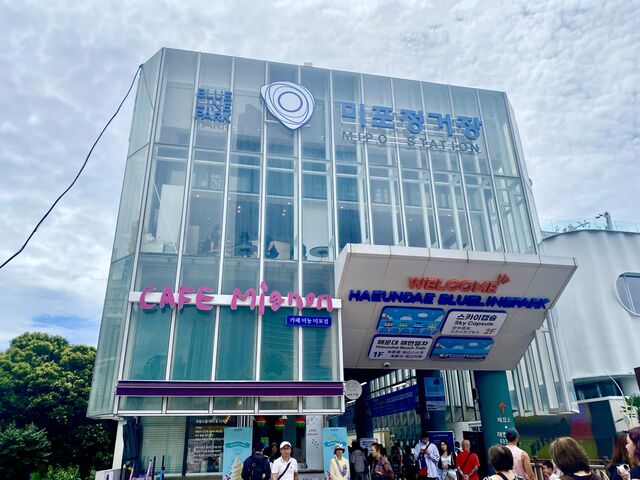
The journey starts at Mipo Station, which is located at the eastern end of Haeundae Beach. This station is relatively new, having been constructed only after the Donghae Nambu Line was relocated, as part of the line’s transformation into a dedicated tourist route.
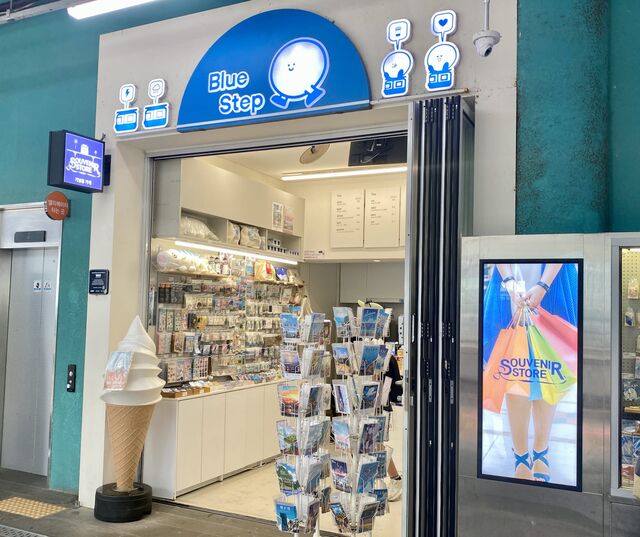
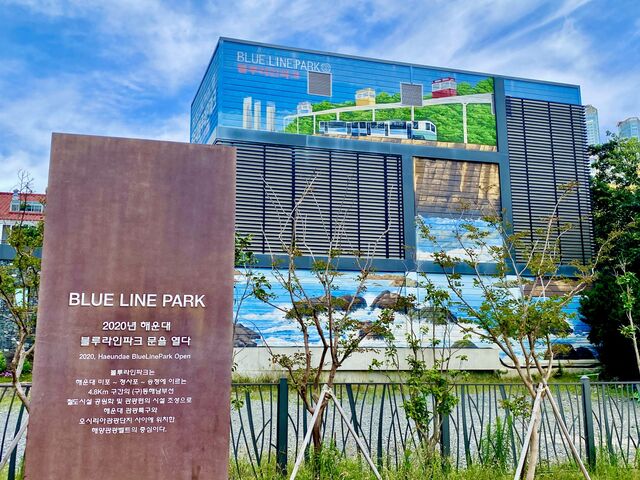
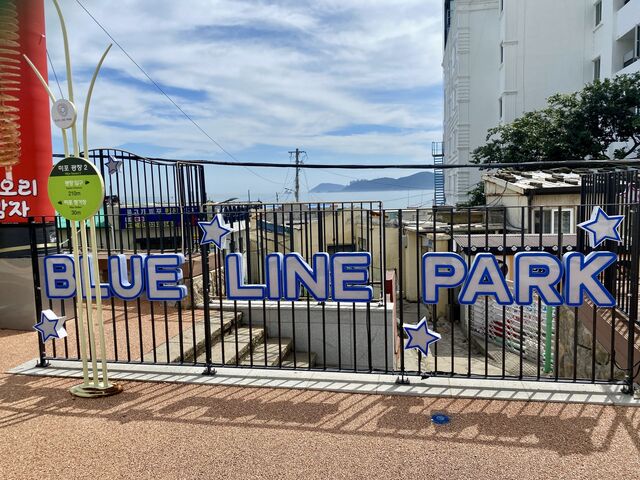
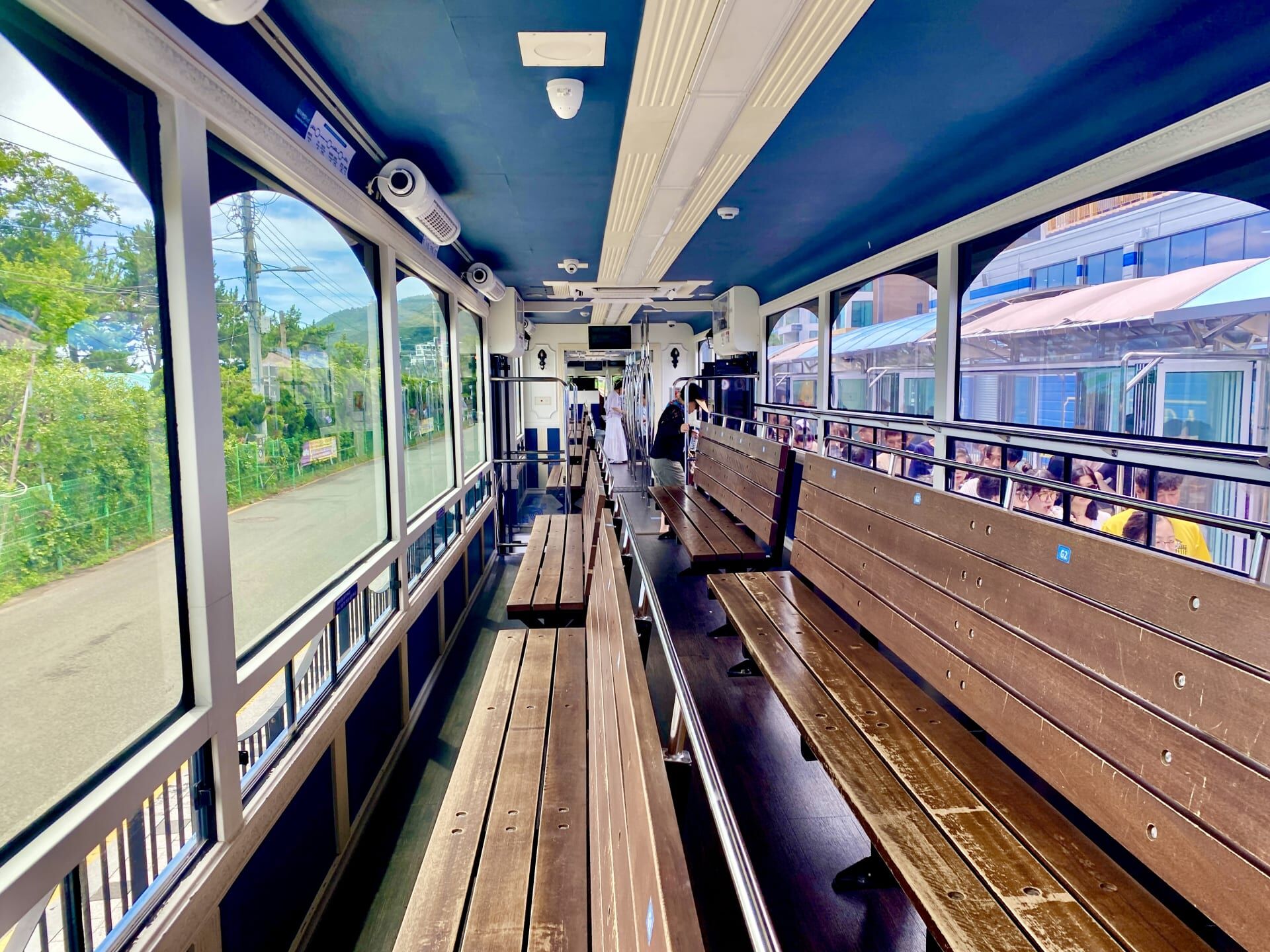
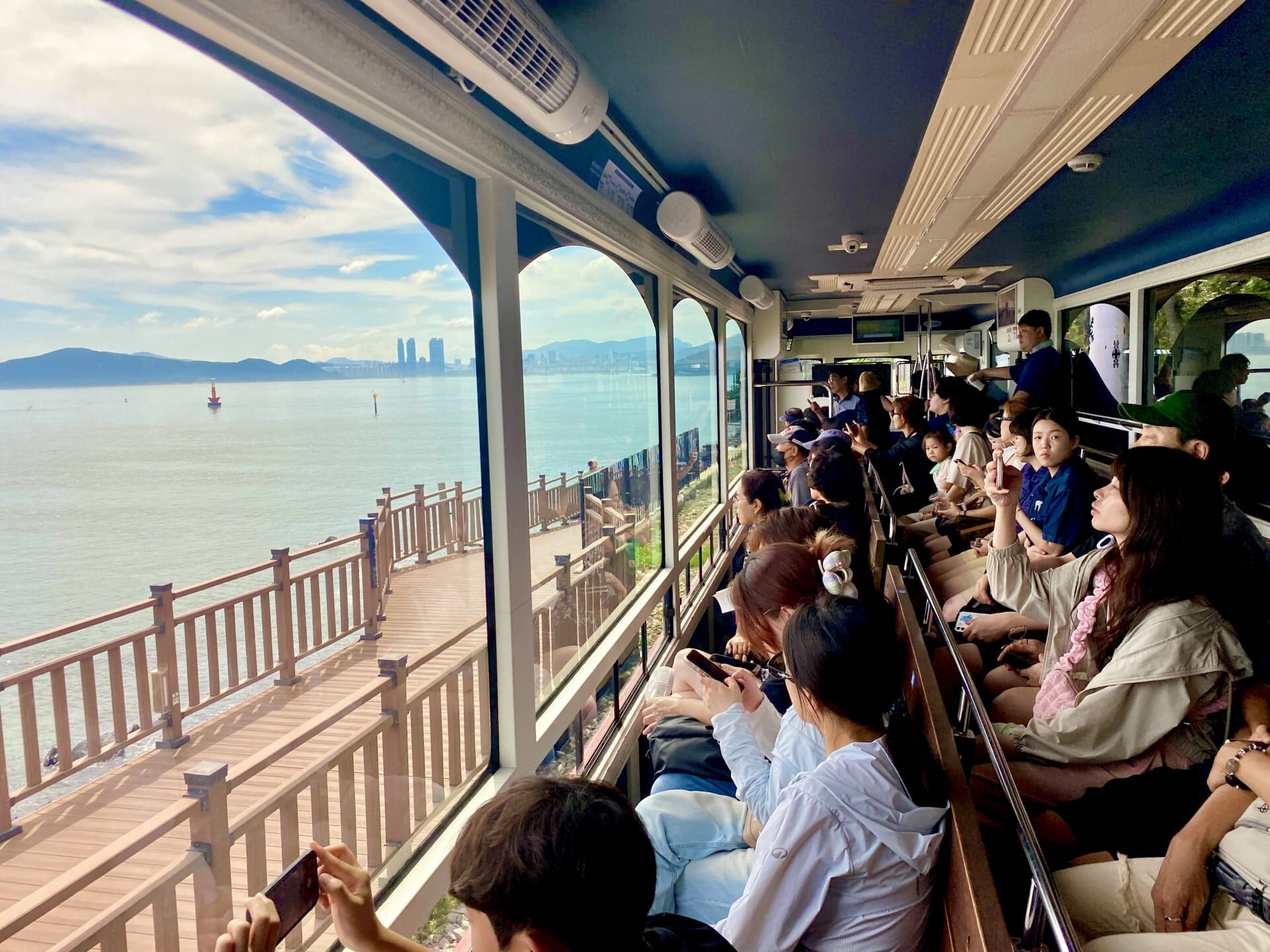
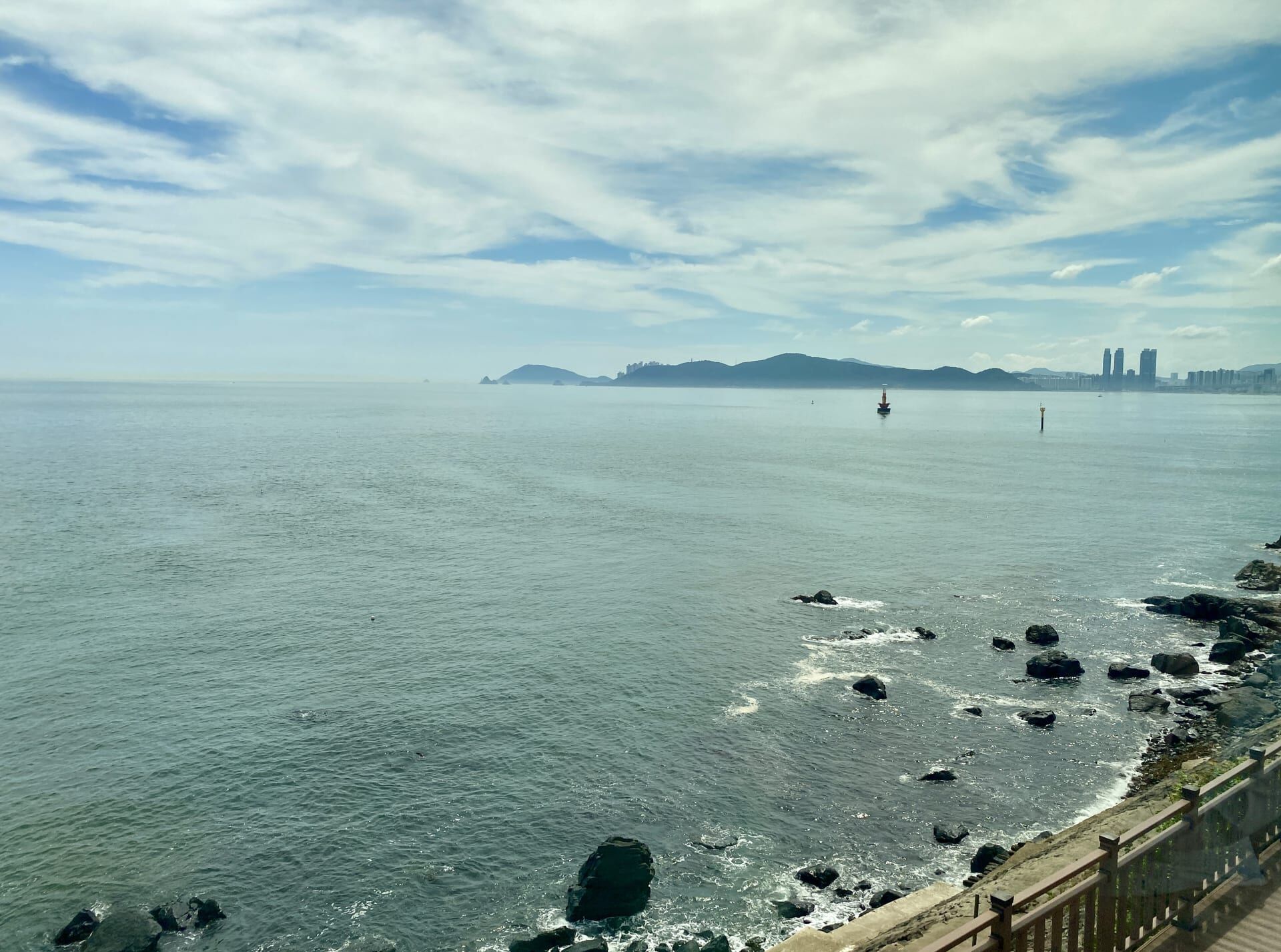
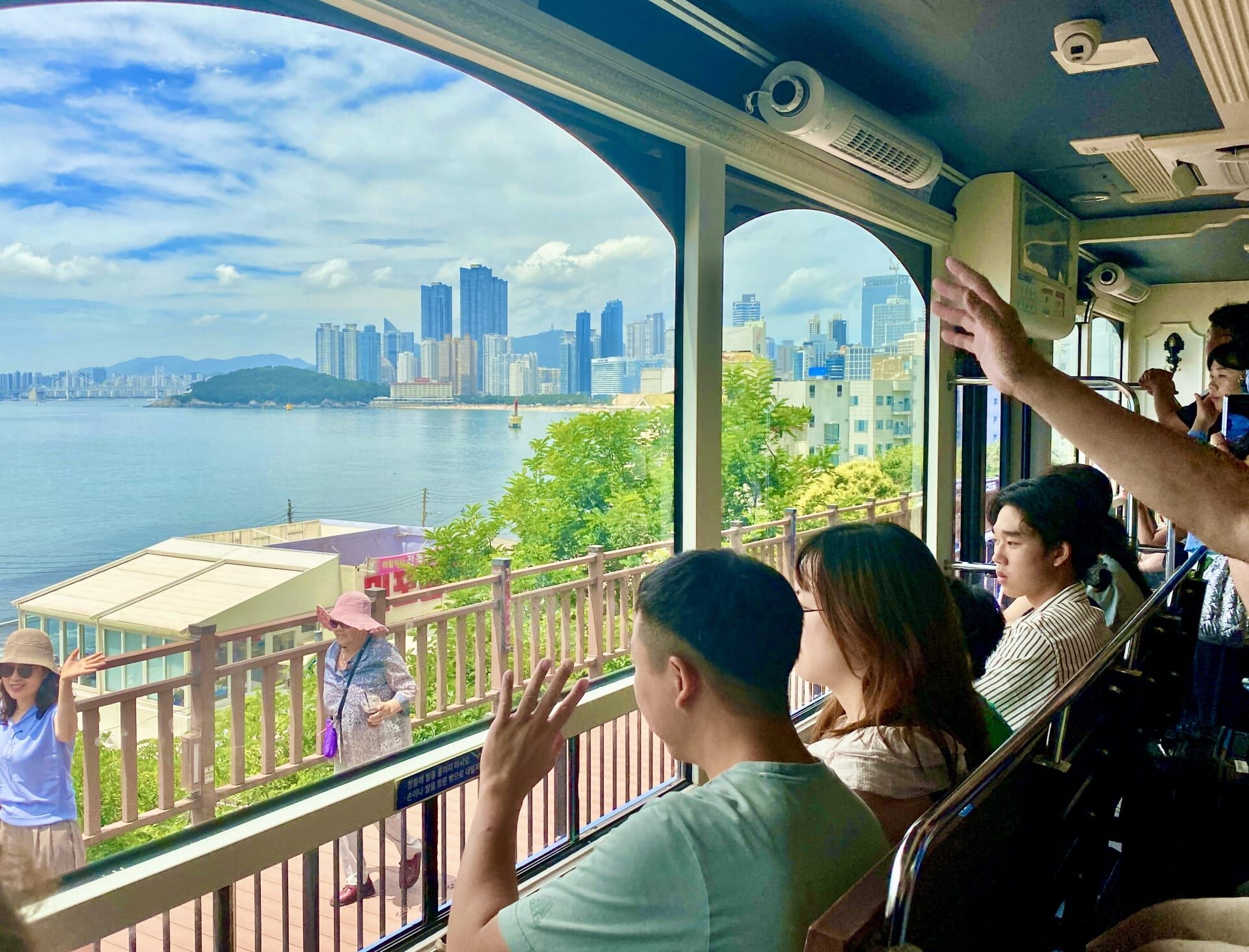
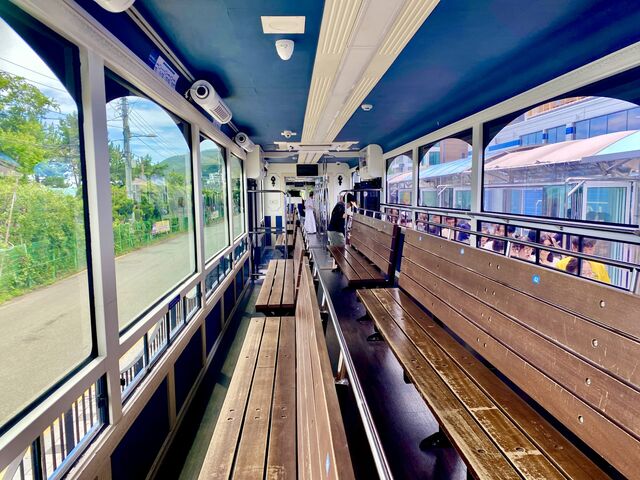
The train’s seating consists of two long rows of tiered benches facing large windows, giving passengers uninterrupted views of the sea and the mountains surrounding Busan. The train travels at a leisurely pace of 15 km/h.
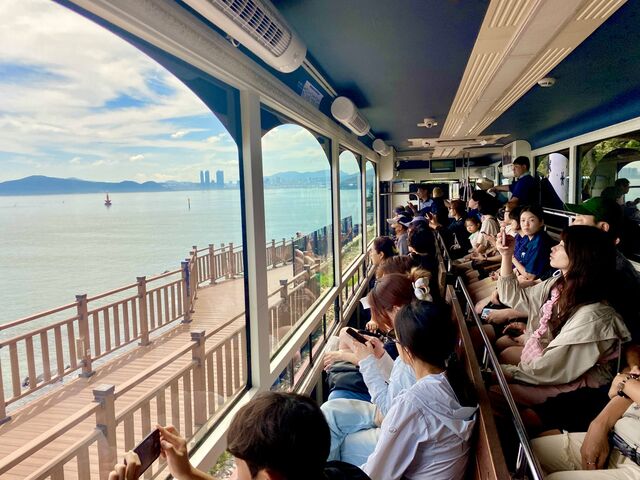
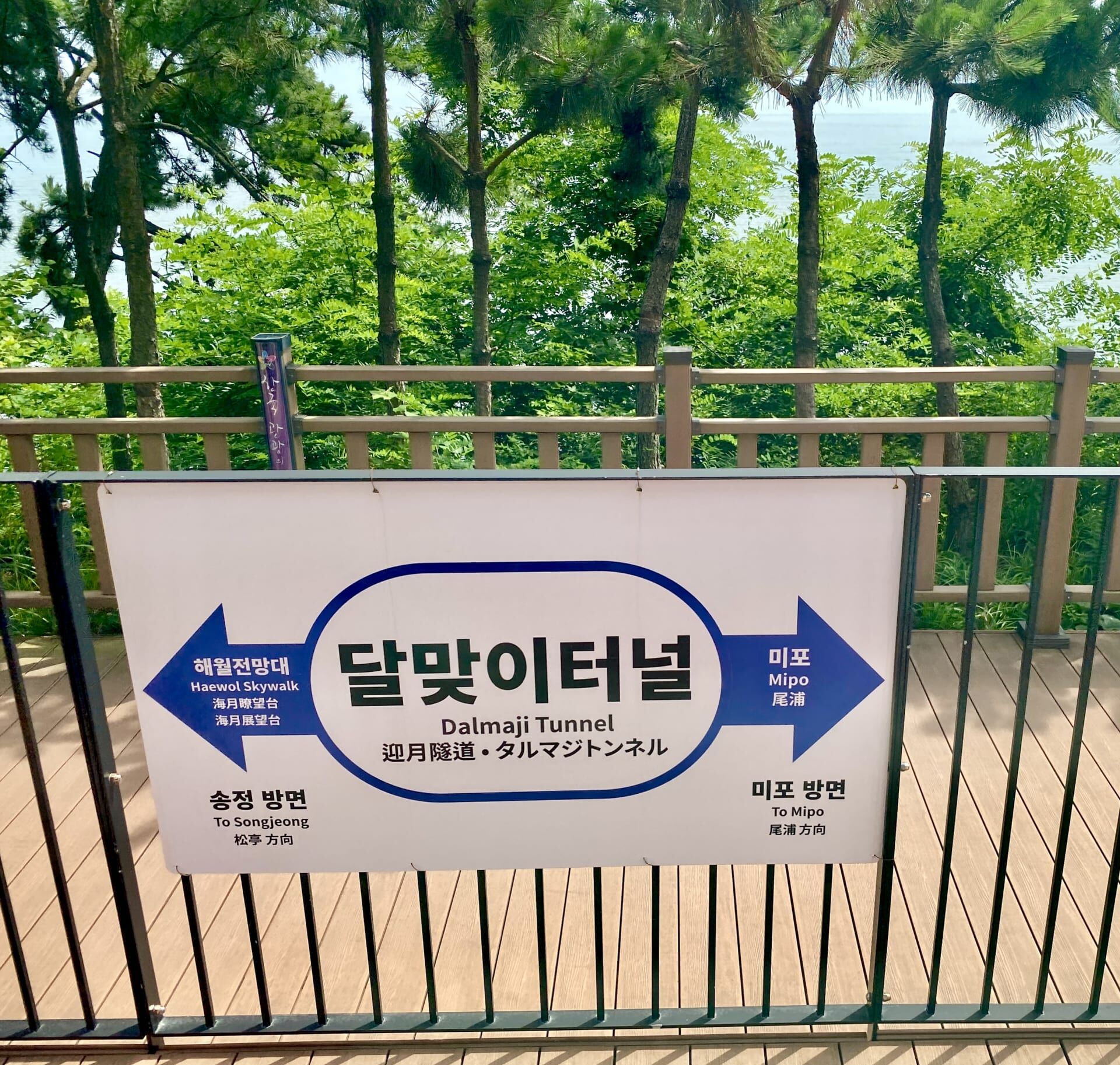
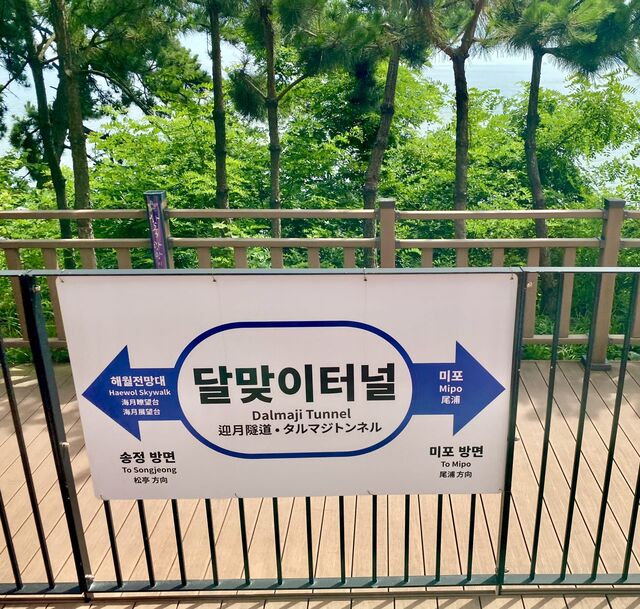
The first station is the Dalmaji Tunnel which was part of the former Donghae Nambu Railway Line.
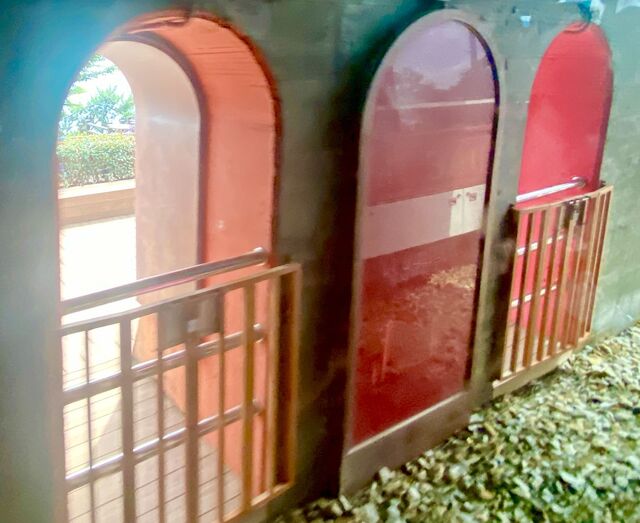
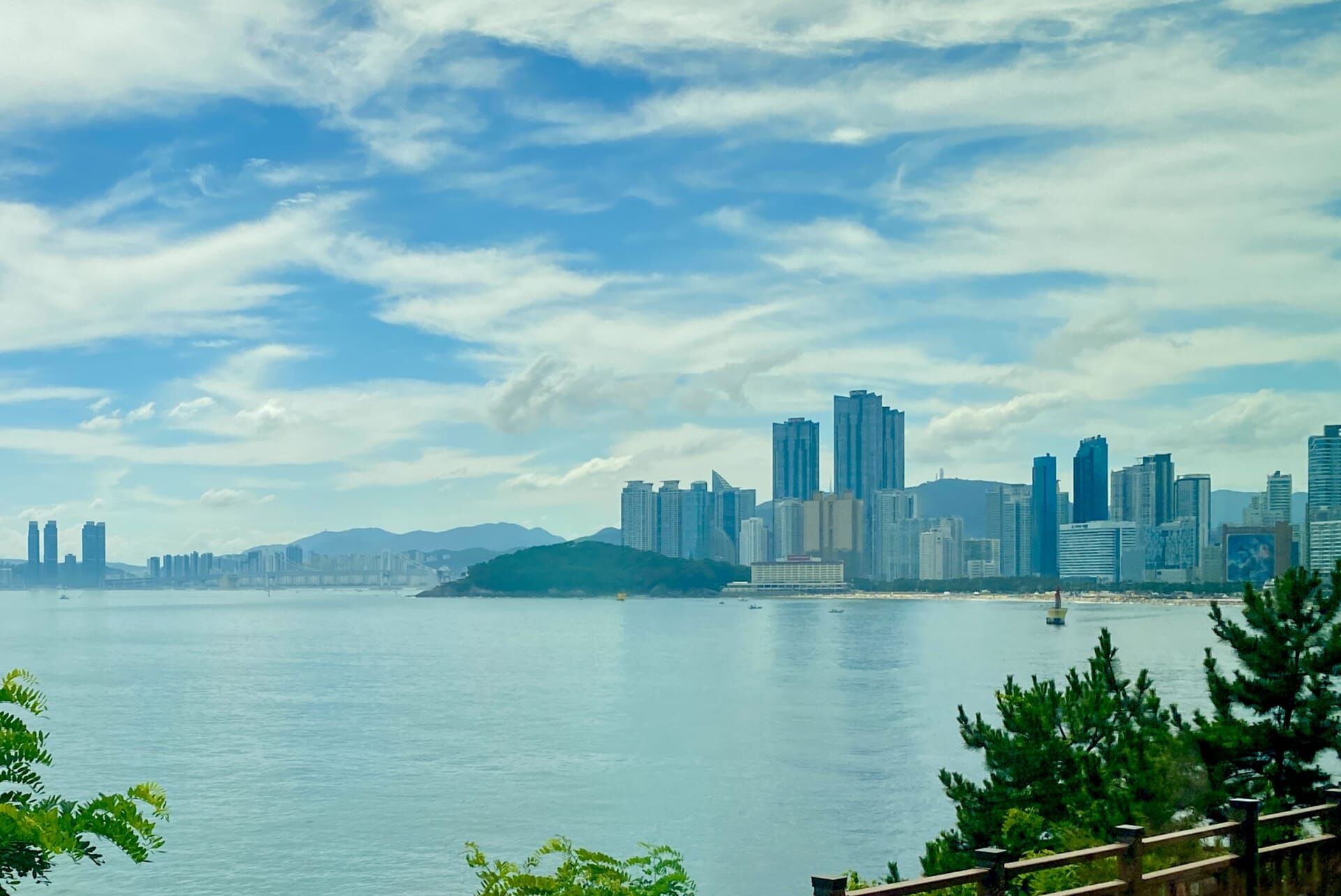
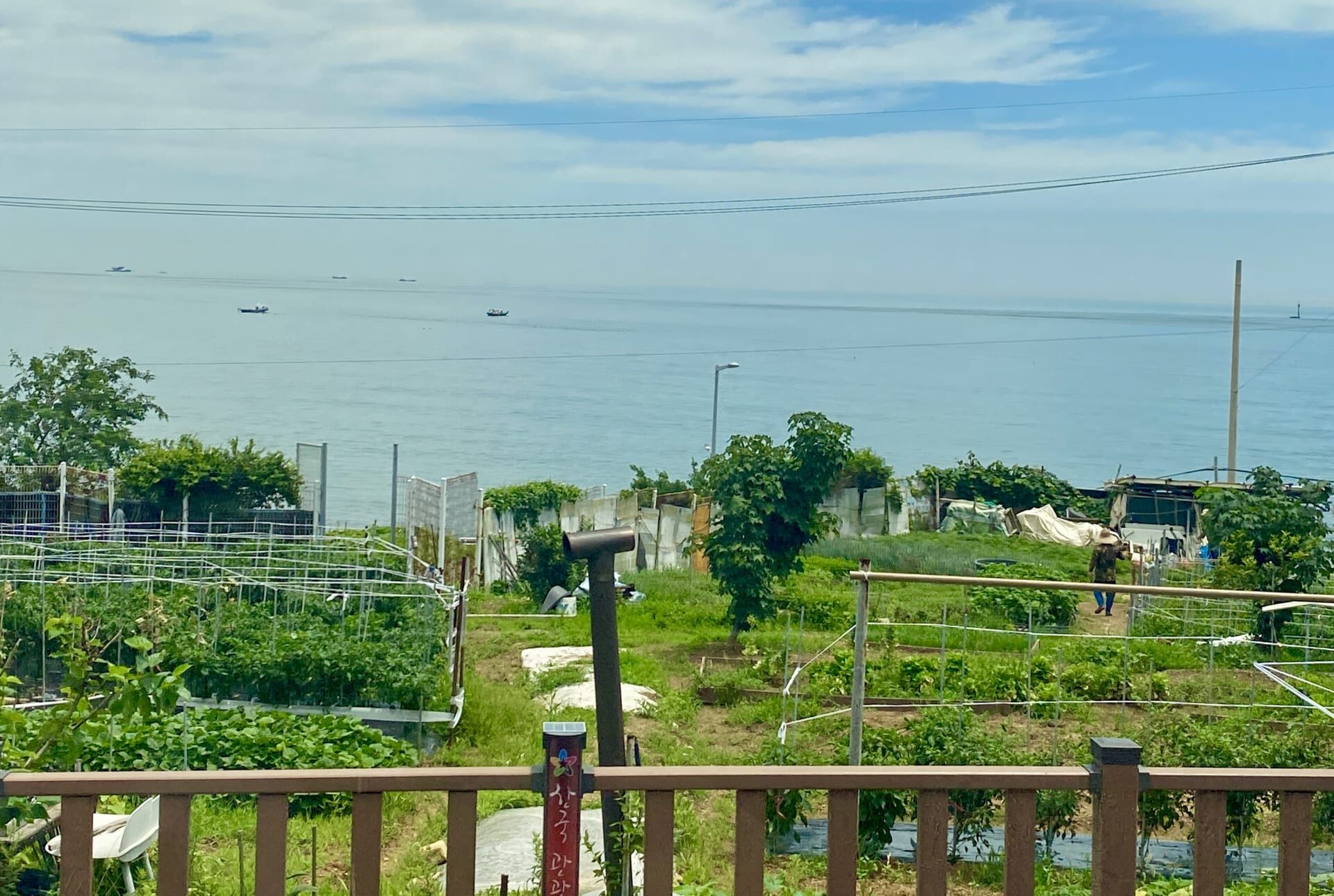
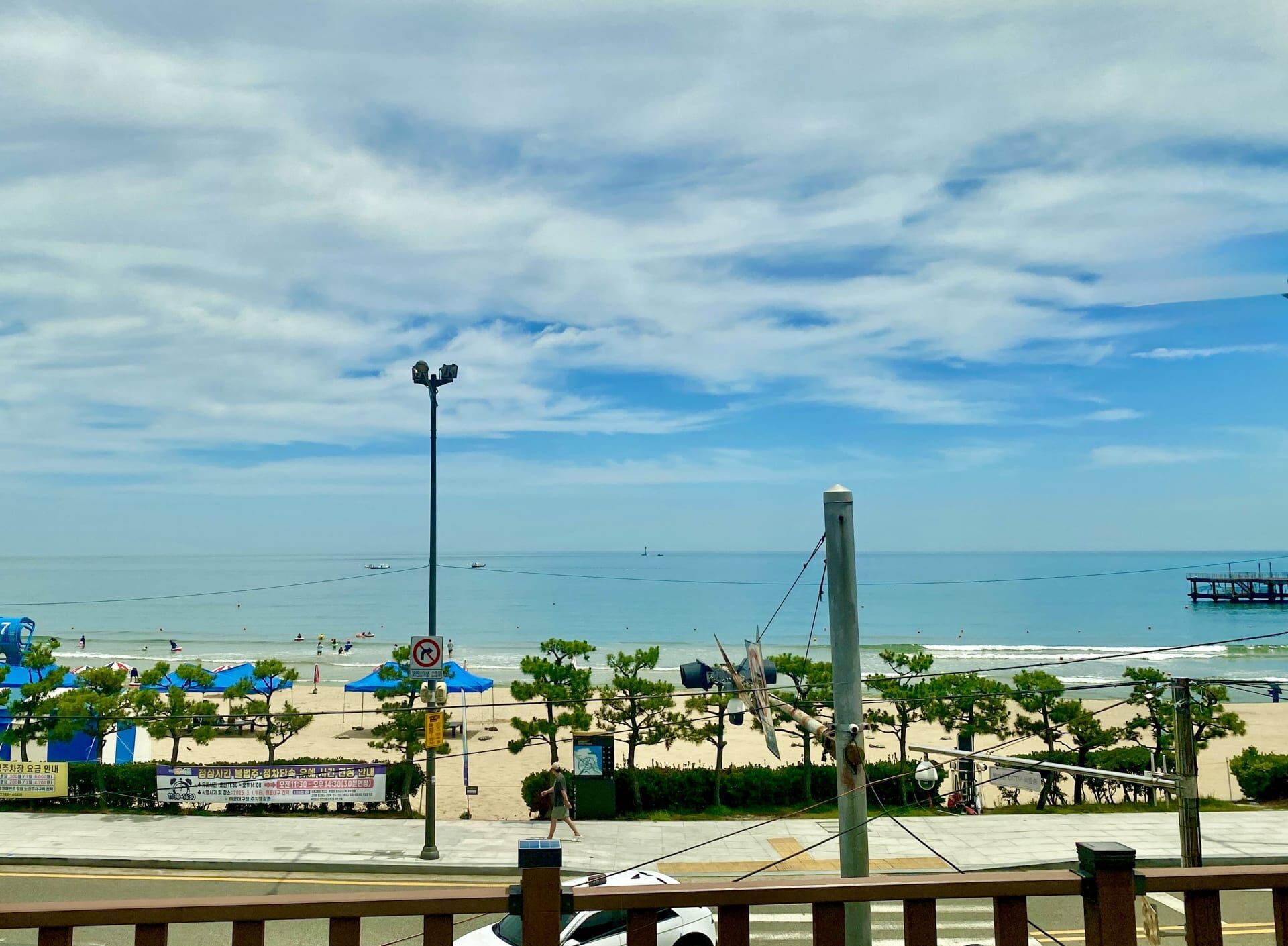
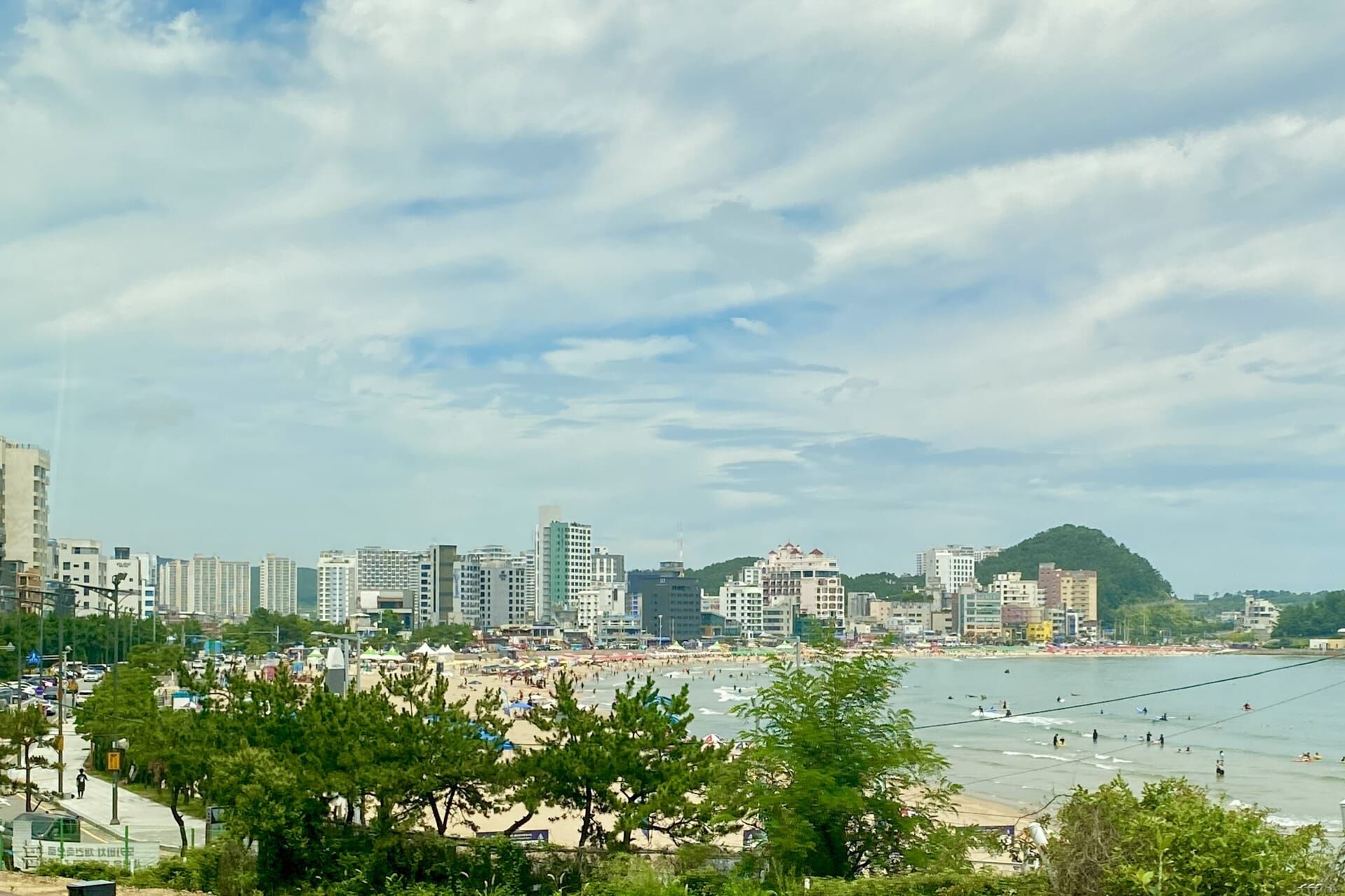
After exiting the tunnel, there are great views of Busan’s skyline rising behind the beach. On my journey, excited passengers waved to the locals tending to their allotments, as well as the tourists strolling along the adjacent walking path.
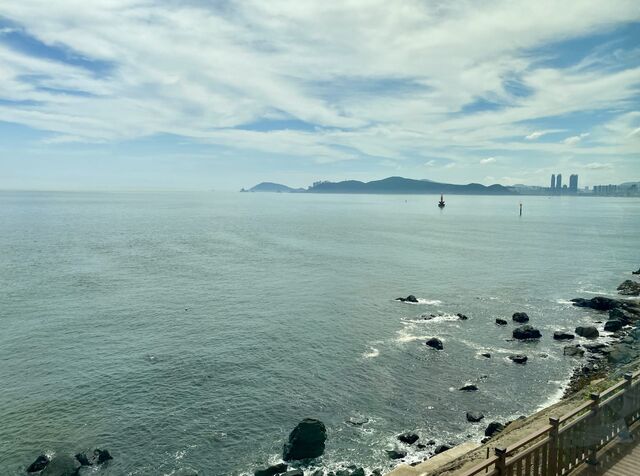
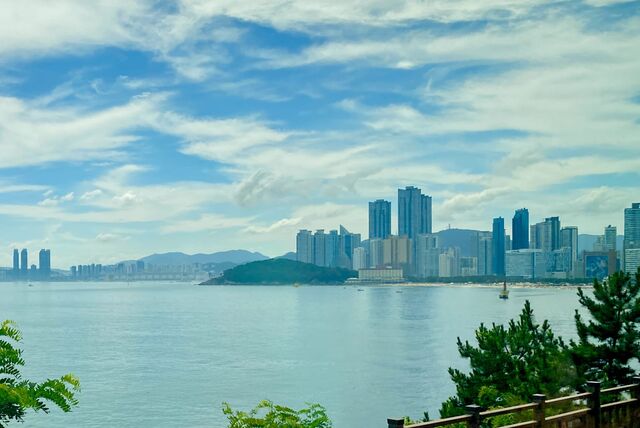
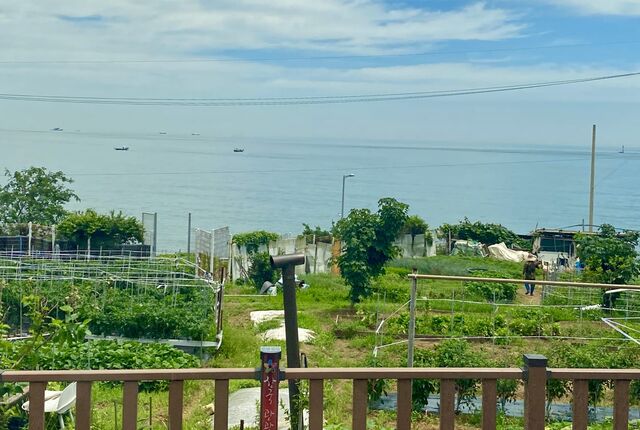
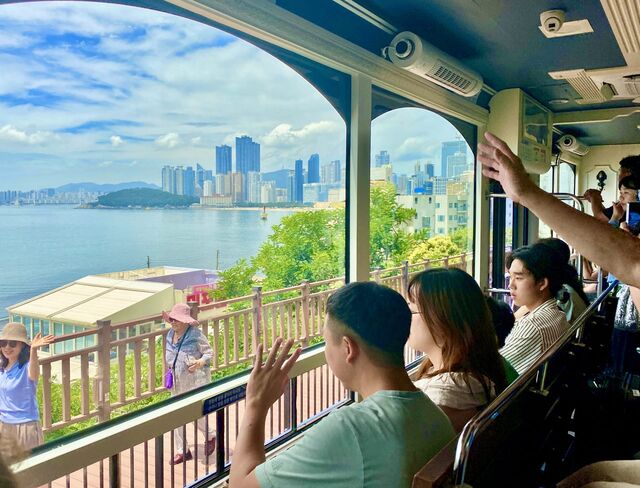
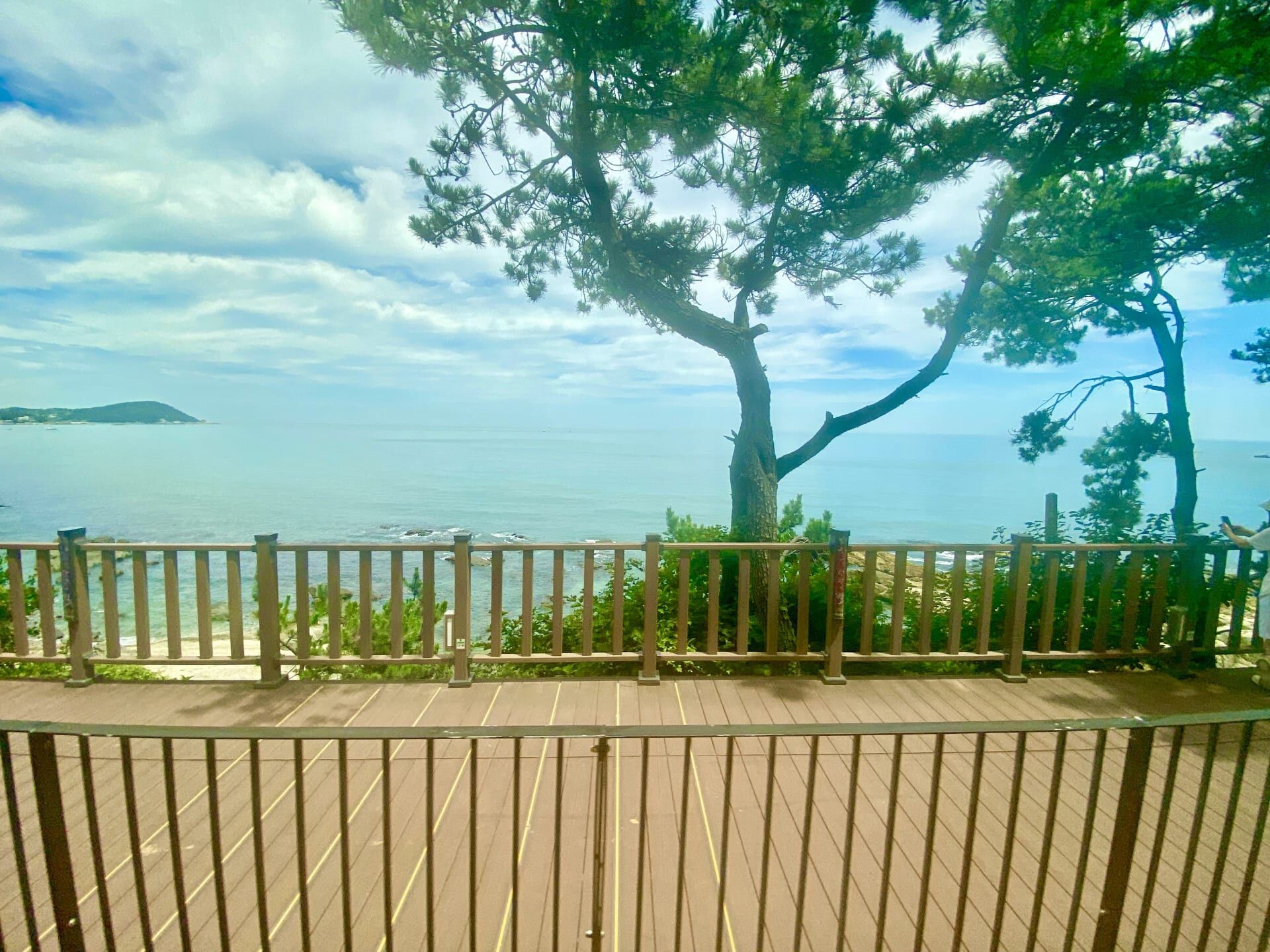
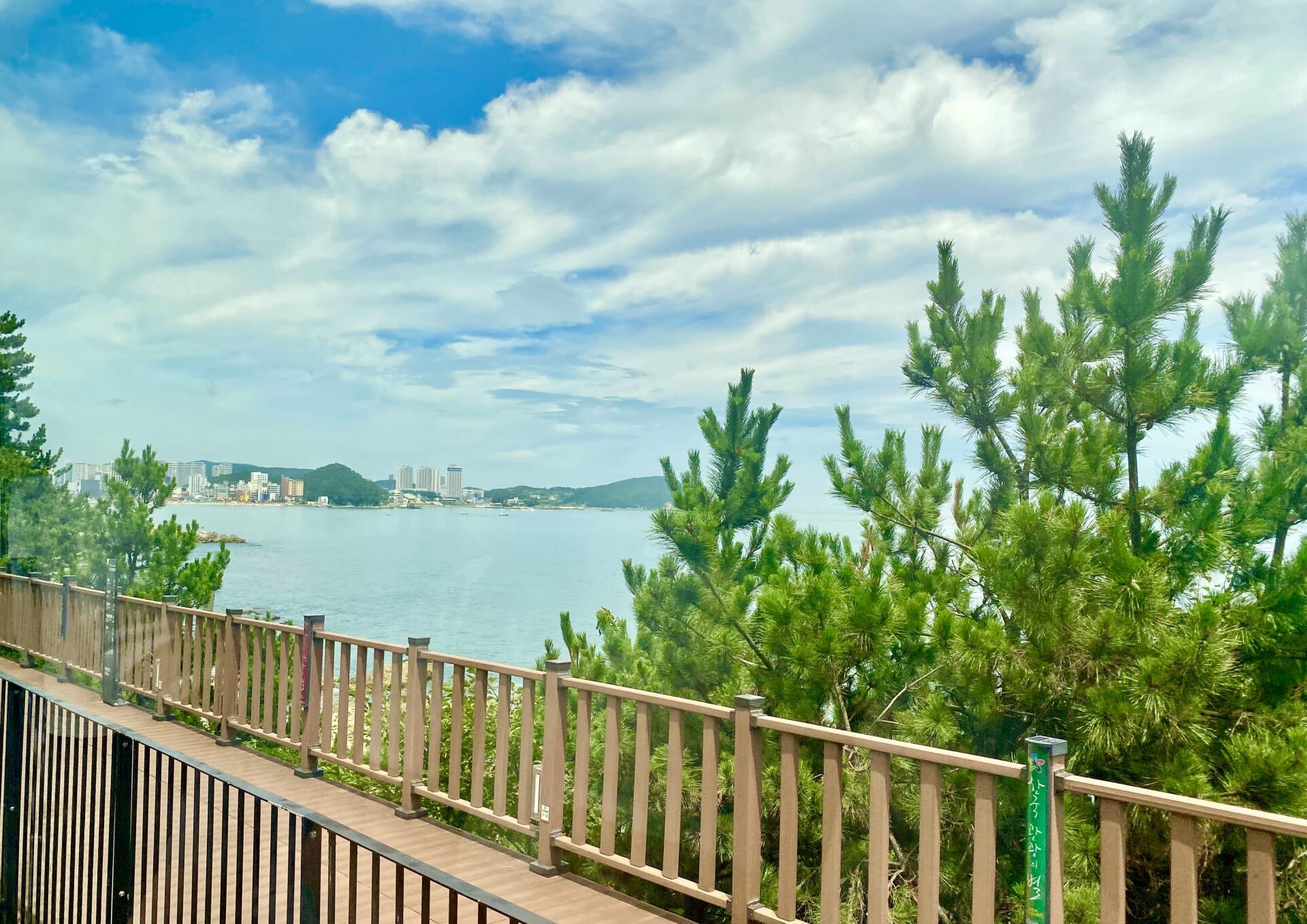
The Busan Green Railway is a 4.8km coastal walk along a wooden deck next to the railway line.
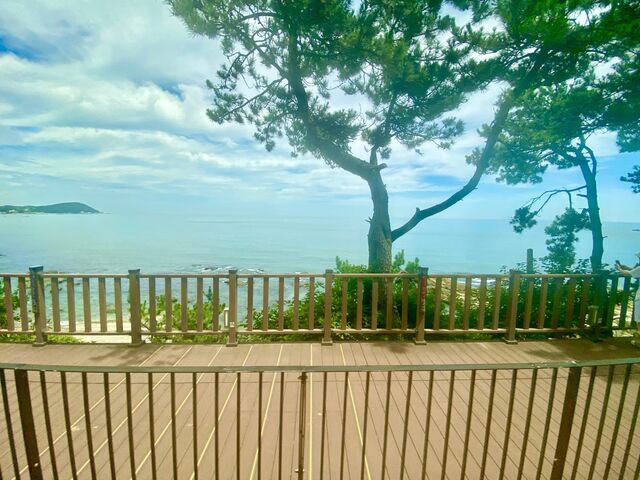
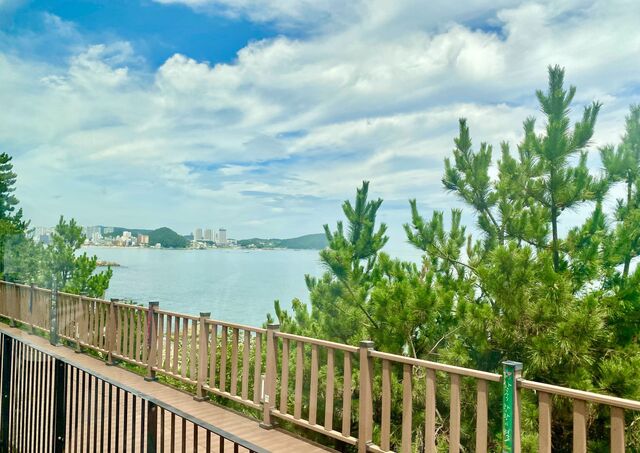
The first station where I alighted was the stop for Haewol Observatory which opened in 2024. ‘Haewol’ means ’to meet the sun and the moon together and enjoy the scenery’. This area was previously closed to the public, having been infiltrated by a North Korean spy ship in 1985.4
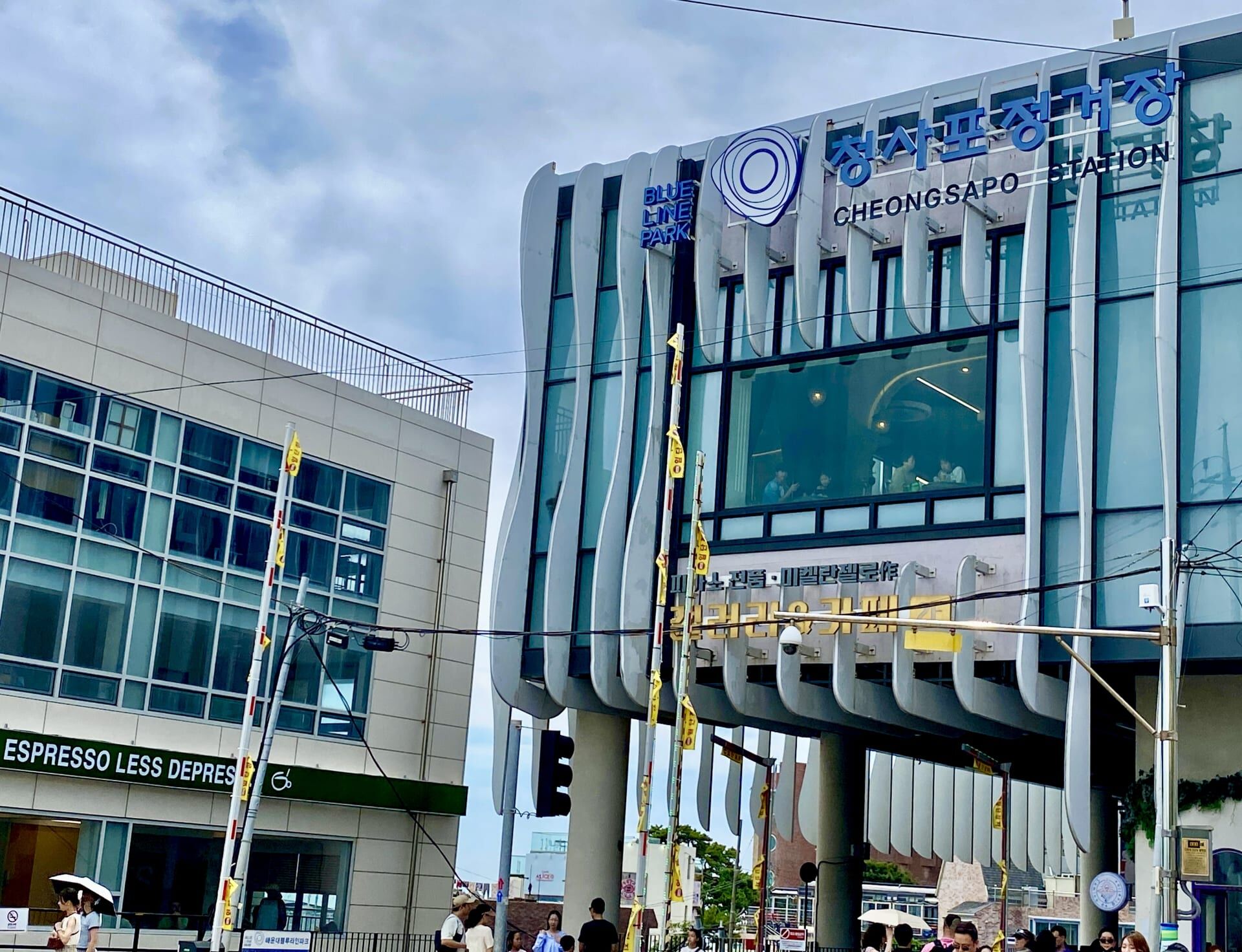
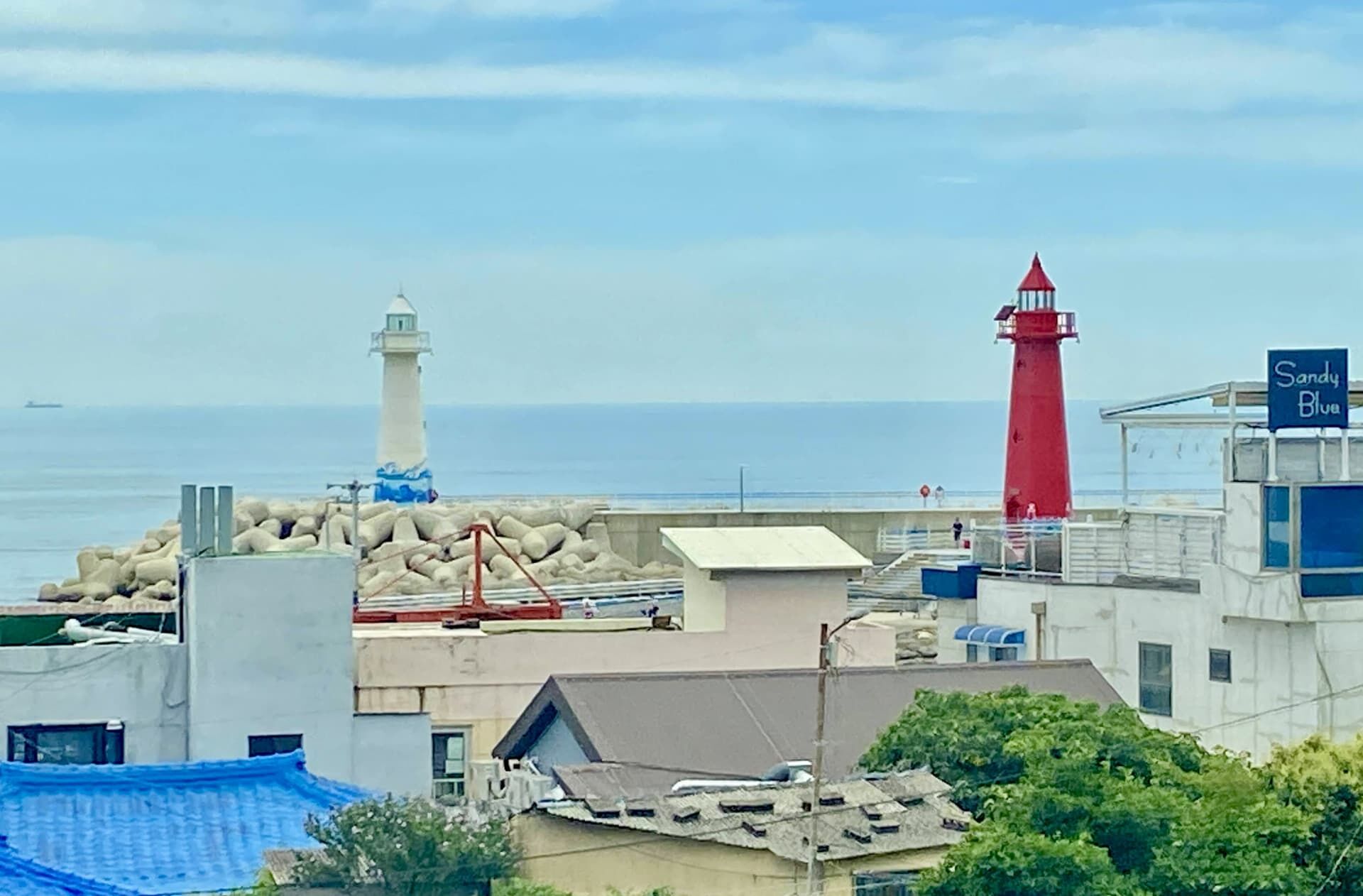
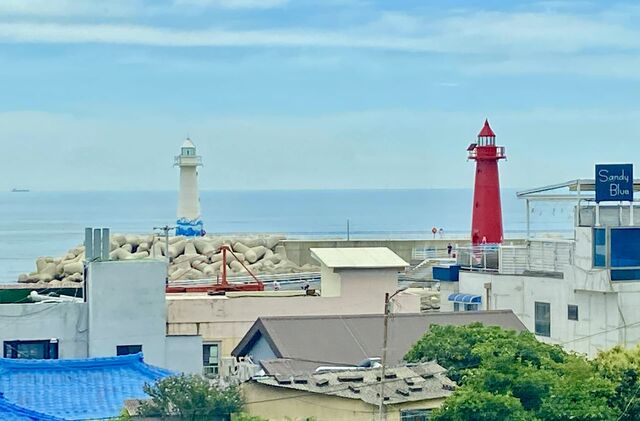
The next station was Cheongsapo, which is a seaside town known for its two lighthouses and many seafood restaurants. The railway crossing outside the station is a popular tourist attraction, owing to its resemblance to the famous beachside railway crossing in Kamakura, Japan, which I have previously written about.
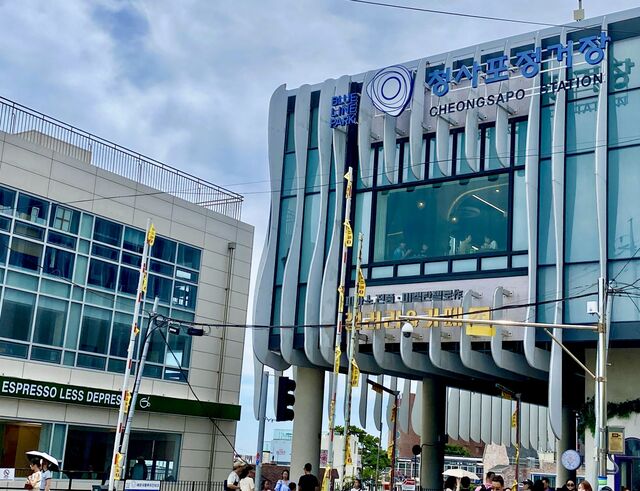
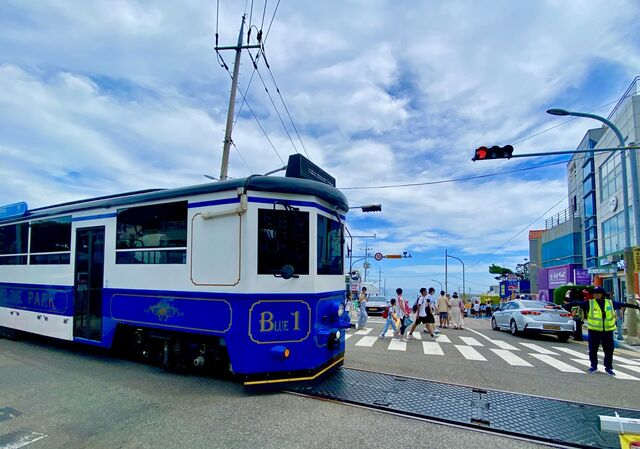
For a great view of the Haeundae Beach Train, I recommend securing a window seat at the café located on the top level of Cheongsapo Station.
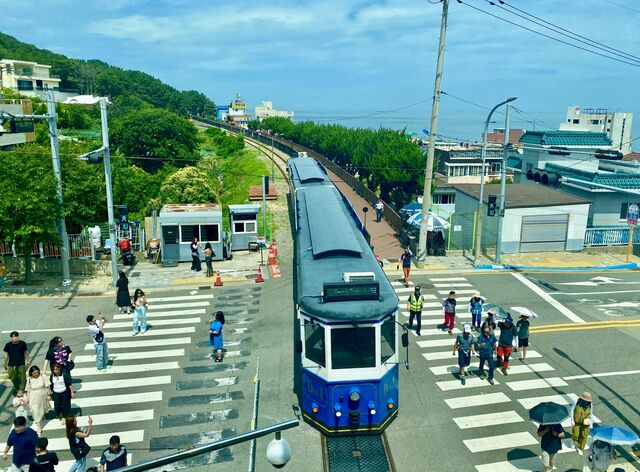
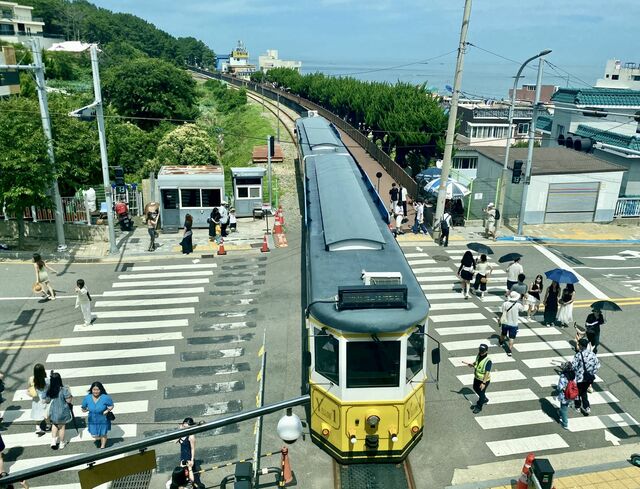
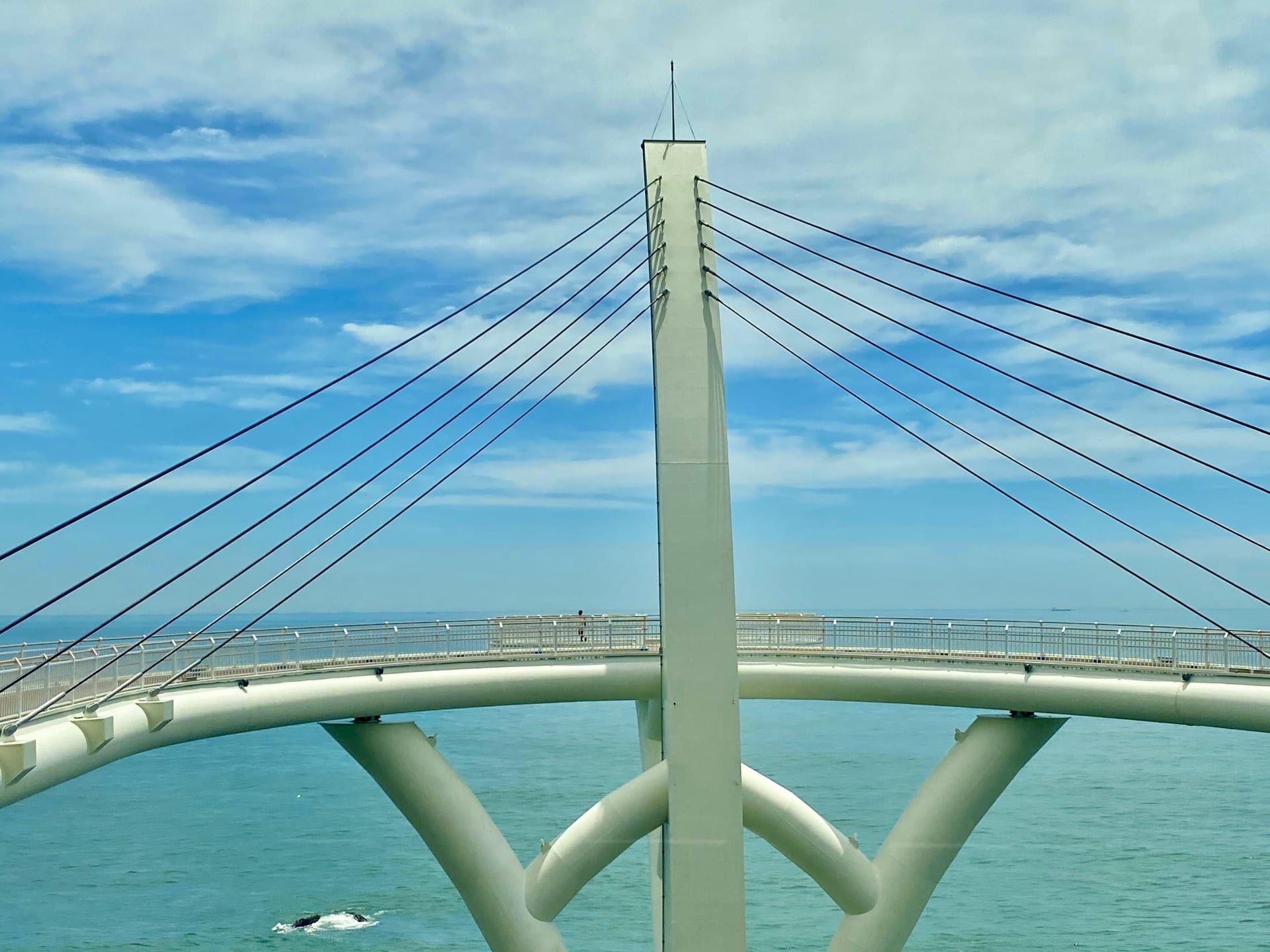
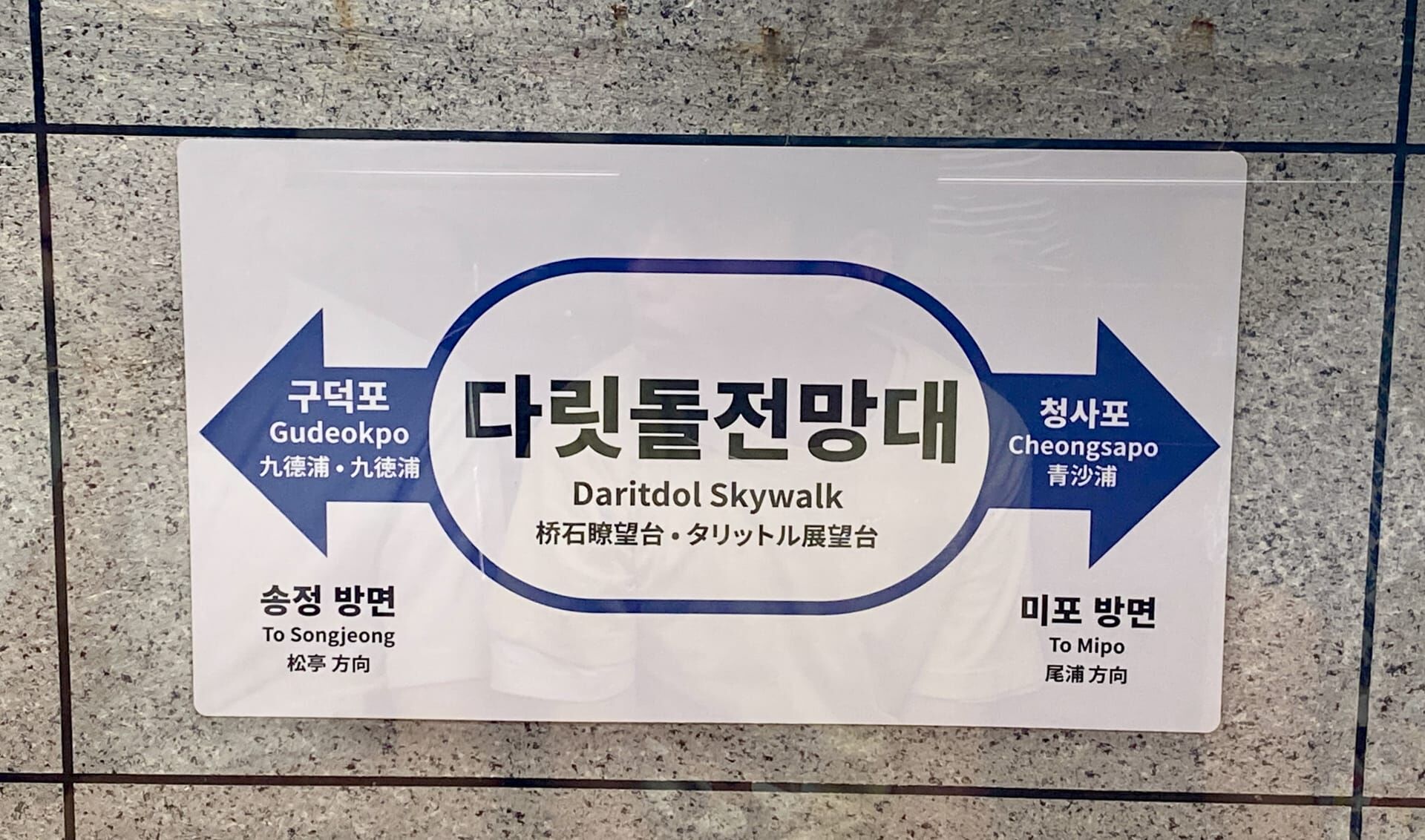
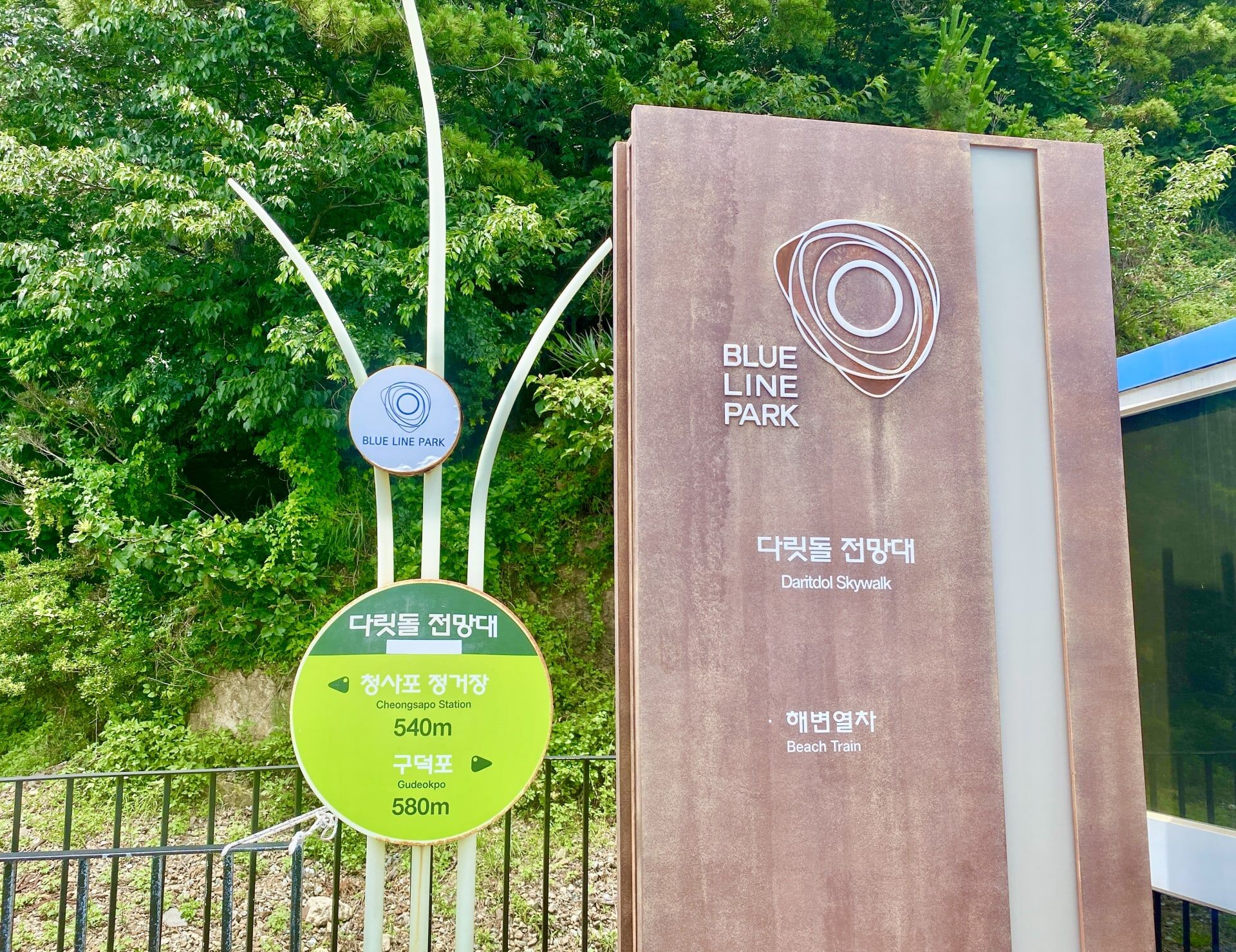
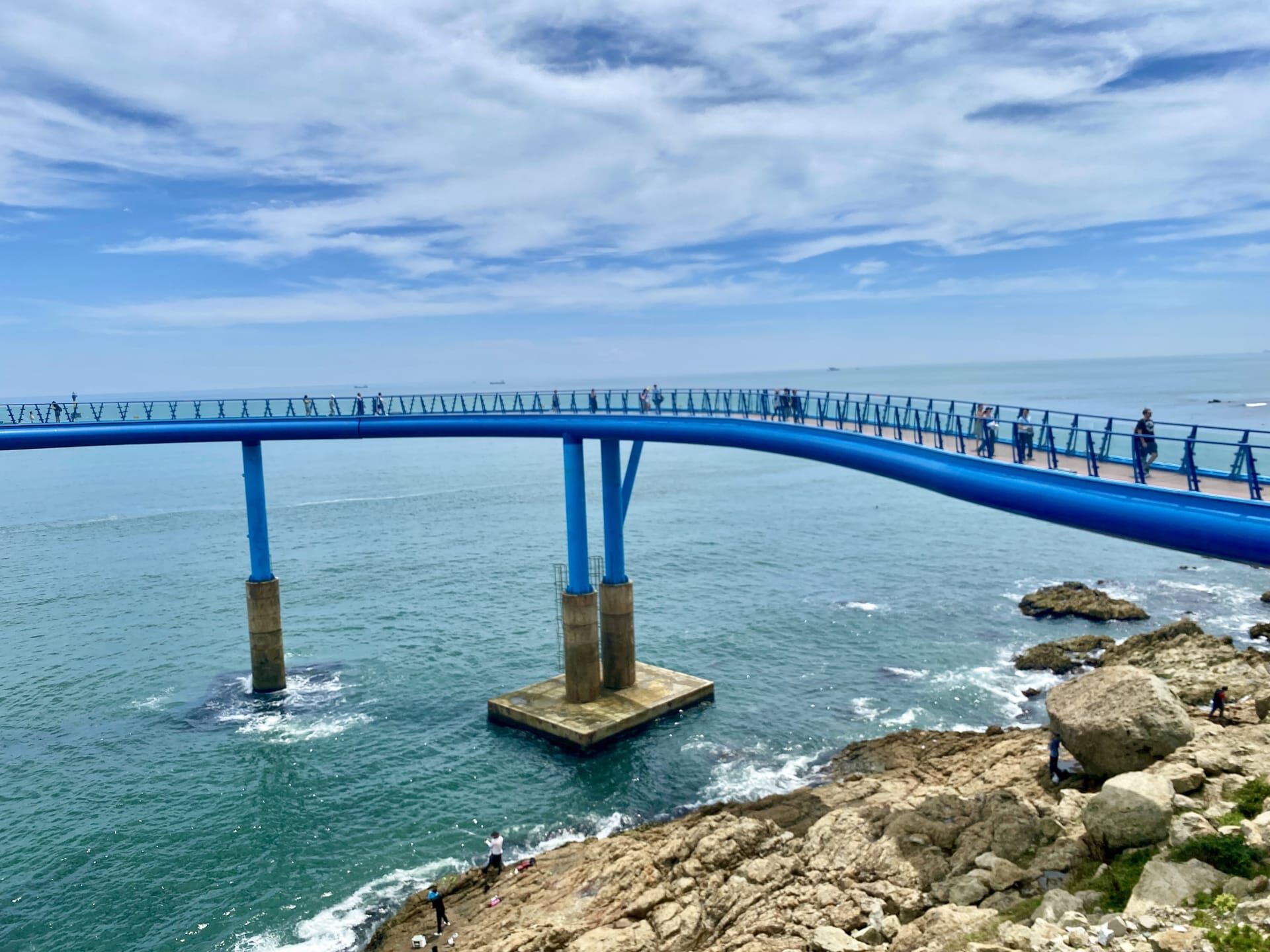
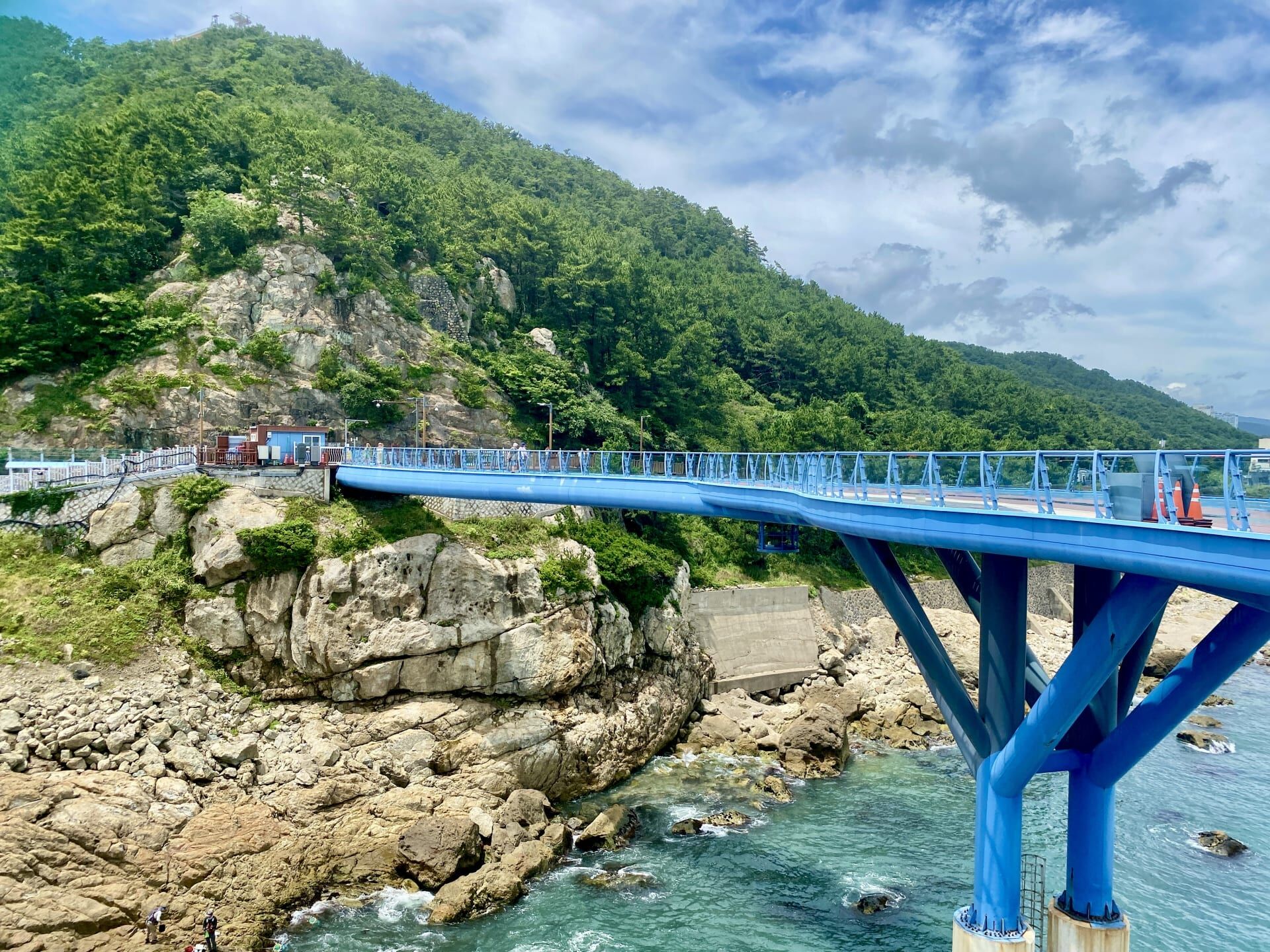
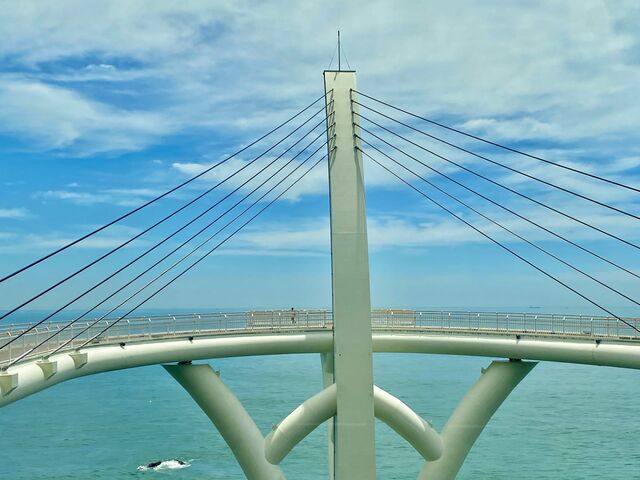
The next stop was the Daritdol Skywalk Station, which is situated between two rock cliffs. Daritdol Skywalk is an elevated walkway that sits 20 metres above the sea. The walkway’s transparent floor is intended to make visitors feel as though they are walking on water.5 The structure is modelled after a blue dragon, which is apparently the guardian of the village of Cheongsapo.6
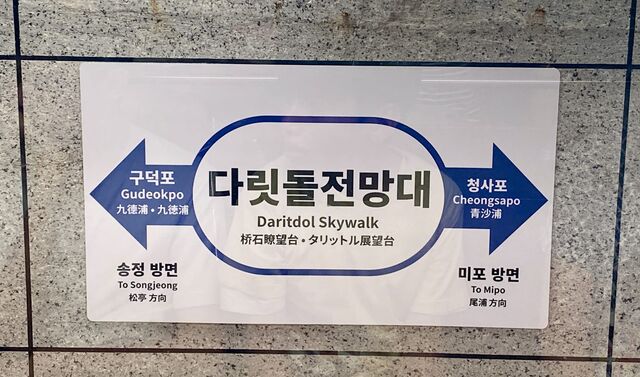
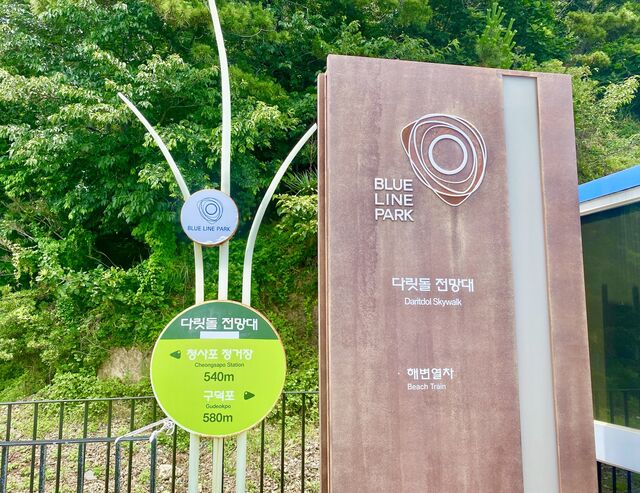
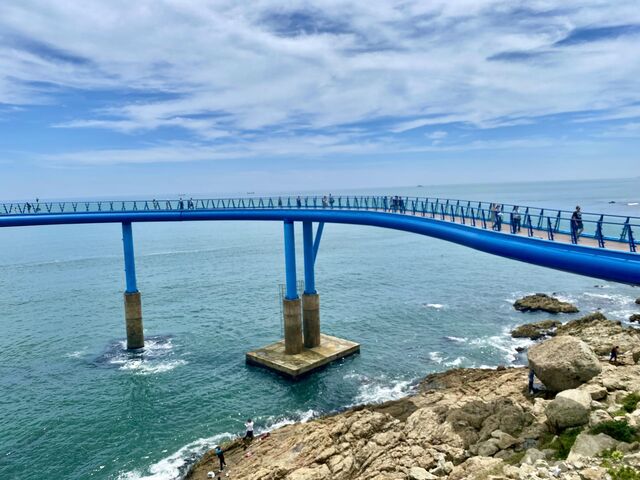
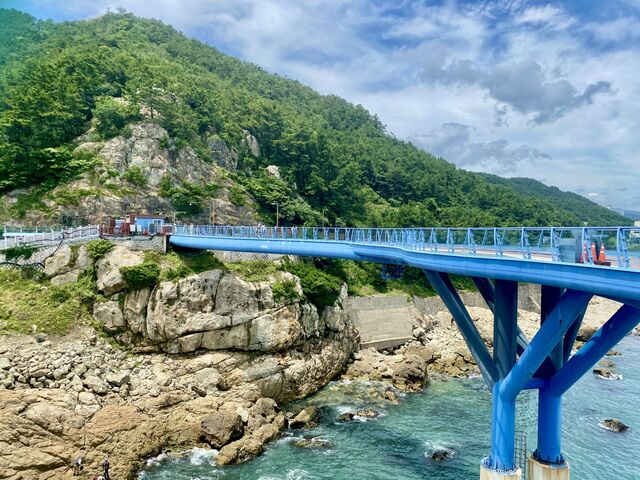
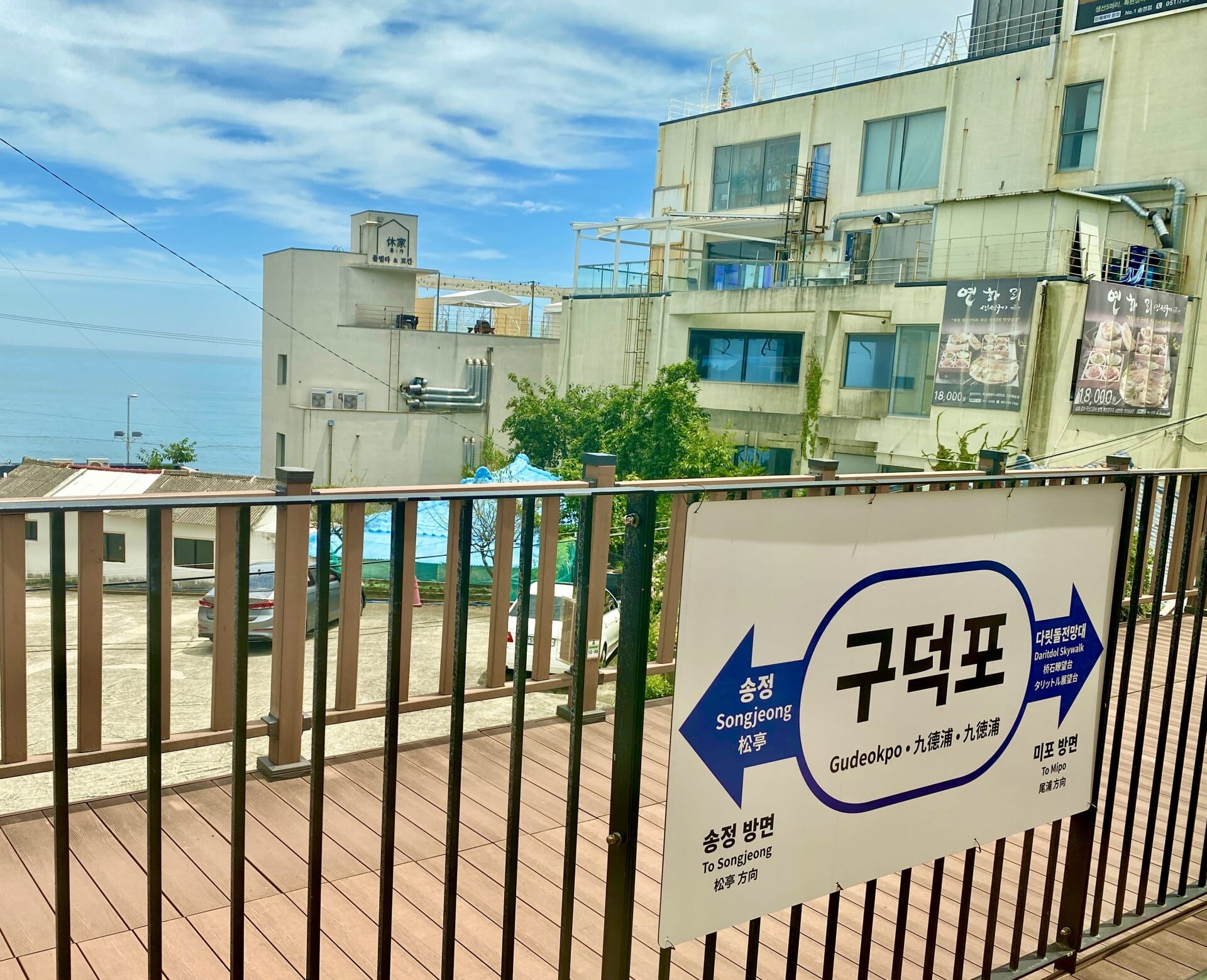
I didn’t alight at the next stop, Gudeokpo Station, but the information brochure I picked up described this village as ‘particularly charming, with numerous restaurants and cafes exuding an emotional atmosphere’.7
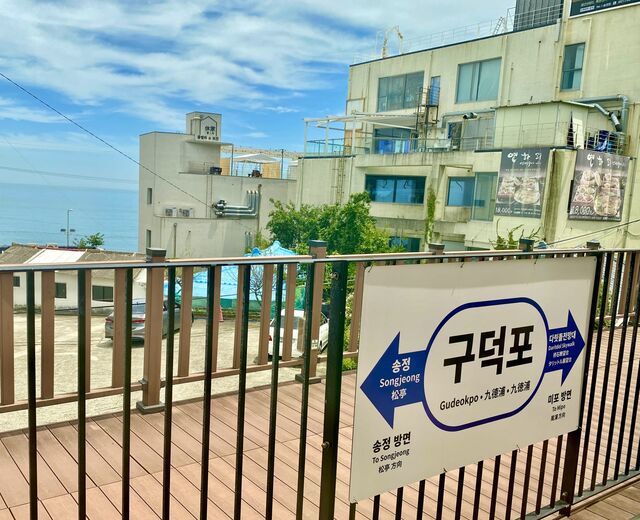
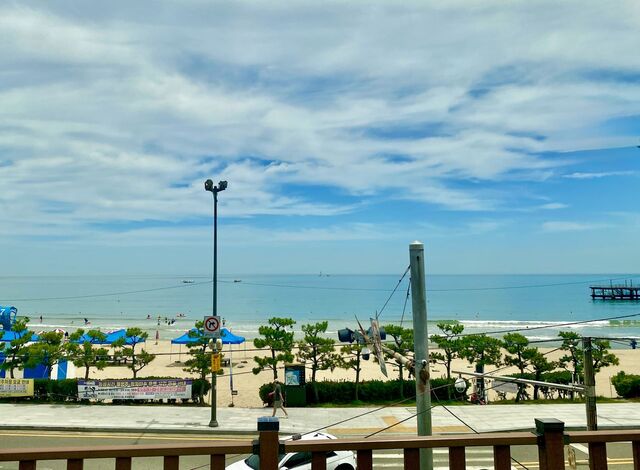
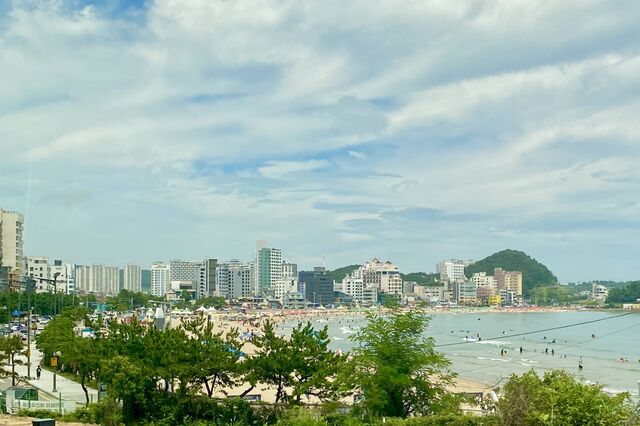
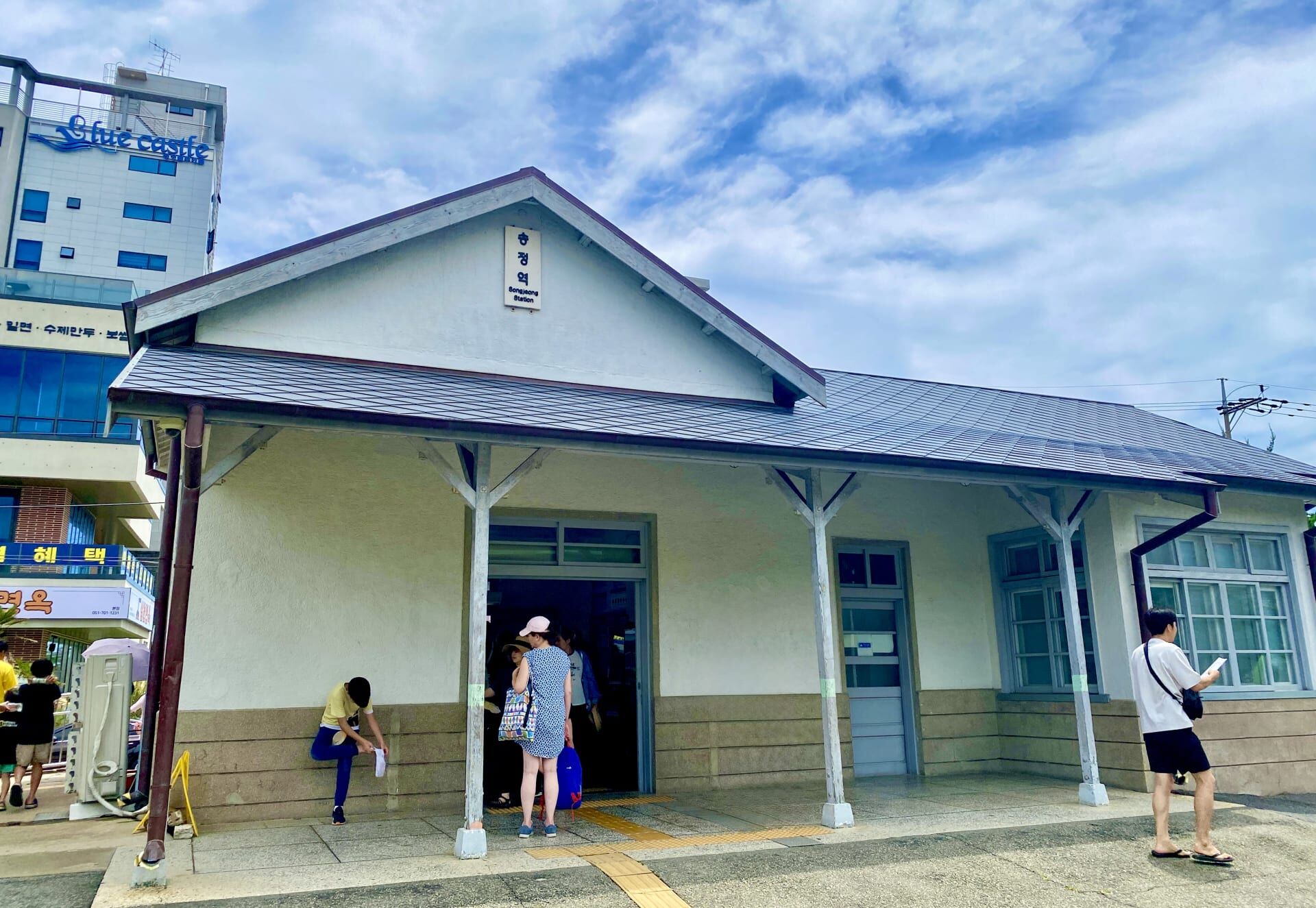
After an enjoyable trip, I alighted at the terminus station of Songjeong, ready for the return train journey back to Mipo.