The first trip of my 2025 European rail adventure took me along the beautiful shores of Italy’s Lake Como.
Bergamo and Surrounds
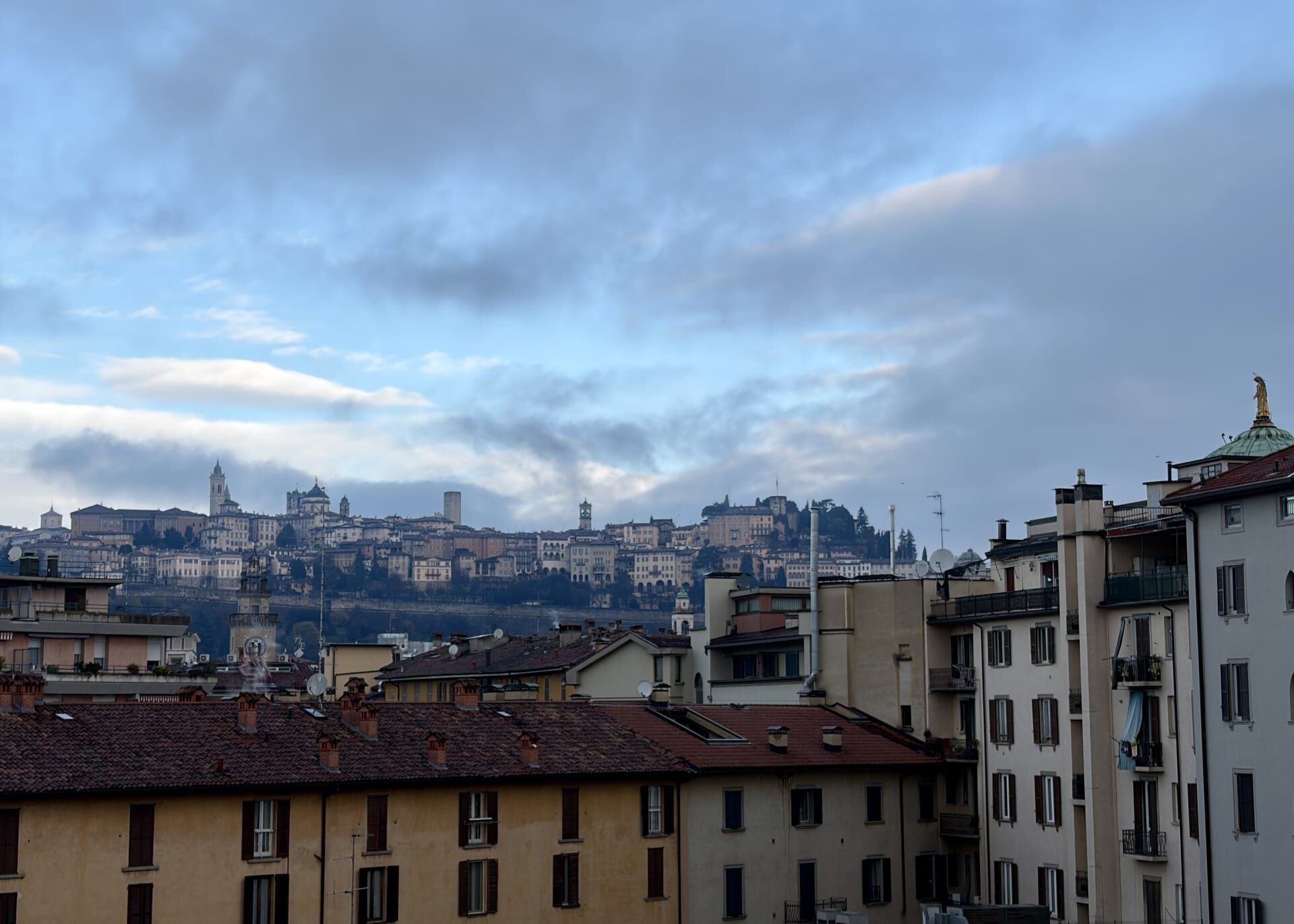
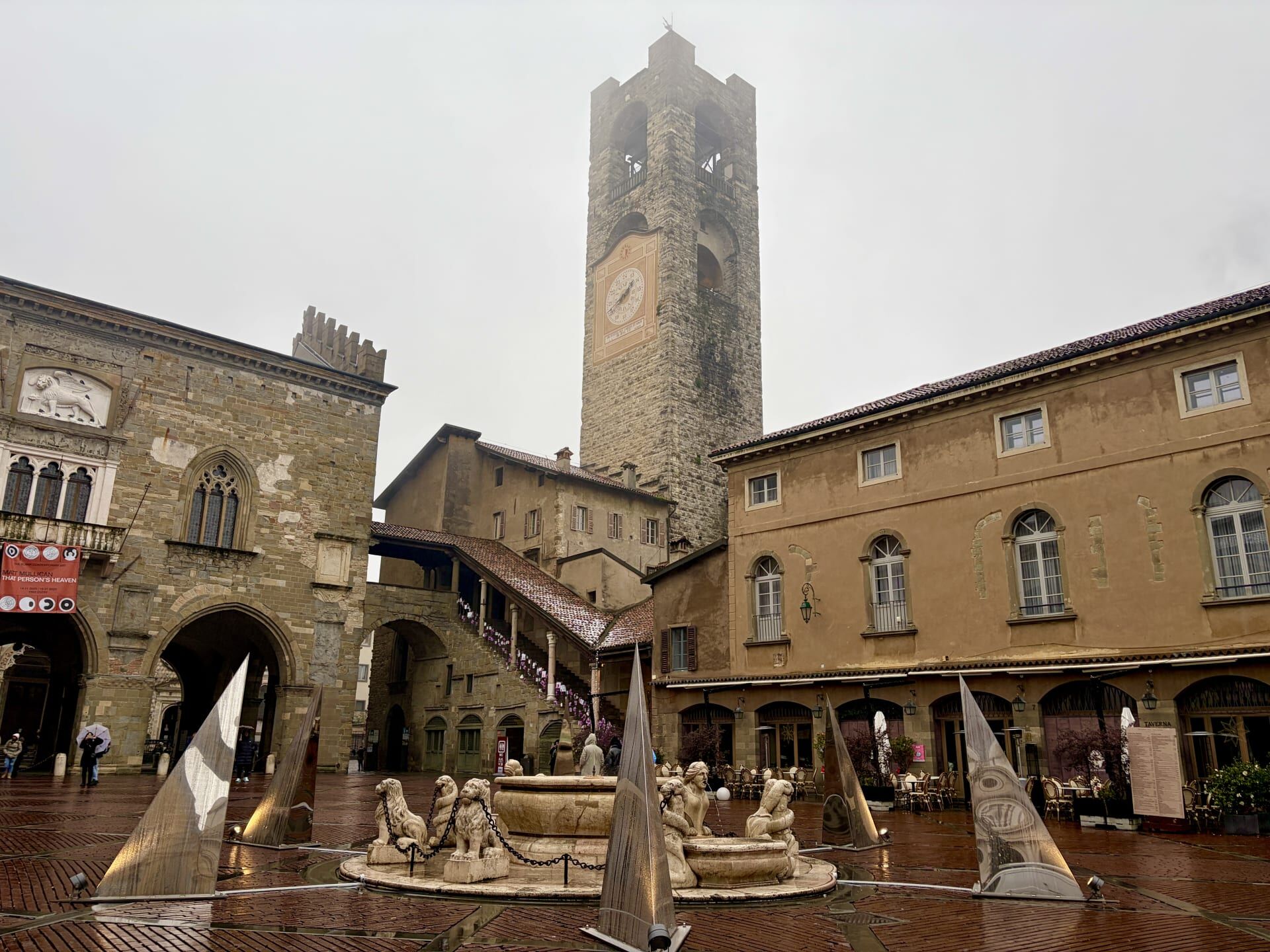
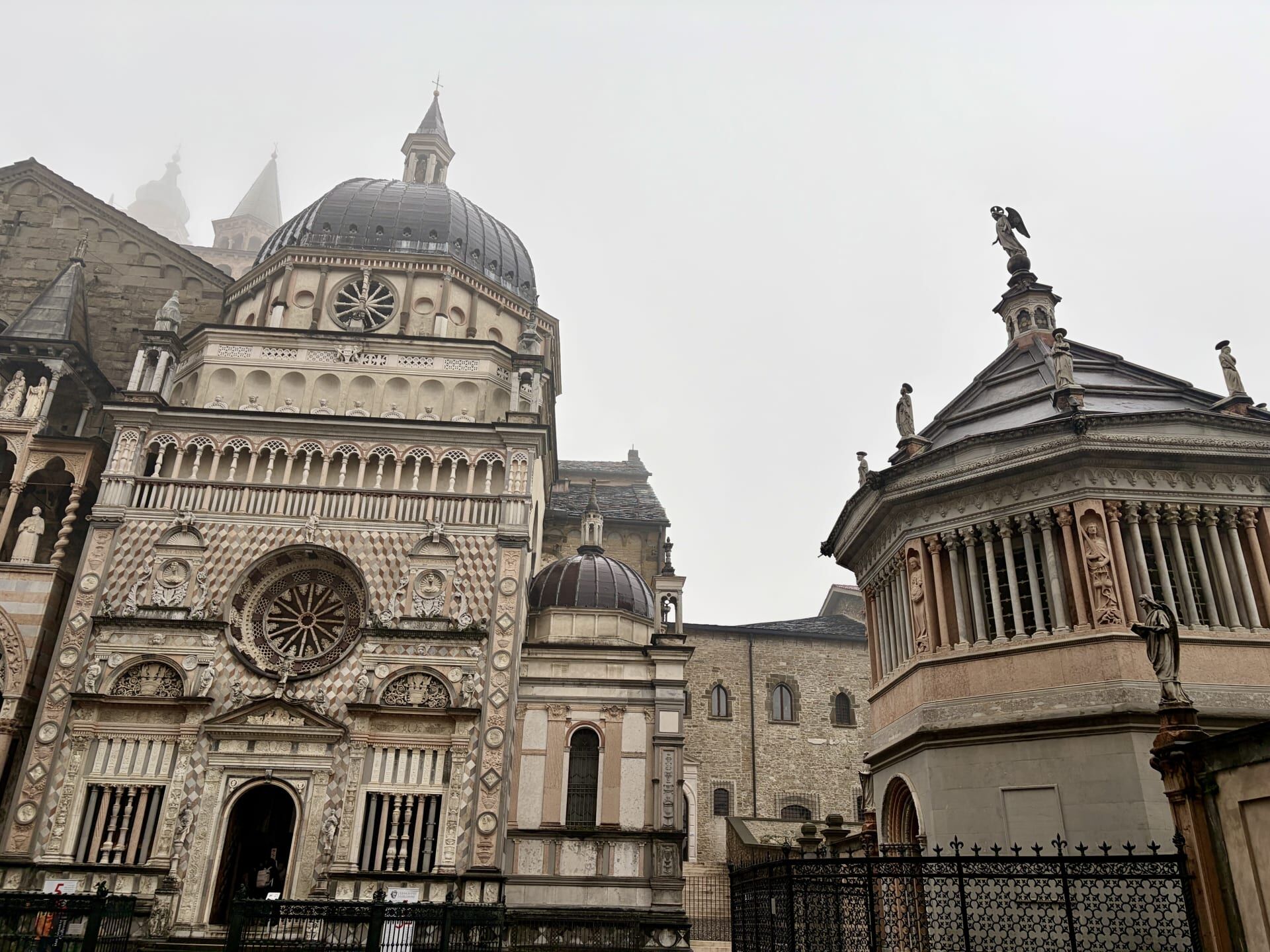
My journey began in Bergamo, located in Italy’s Lombardy region. The city is best known for its Città Alta—a hilltop medieval town enclosed by 16th century defensive walls.
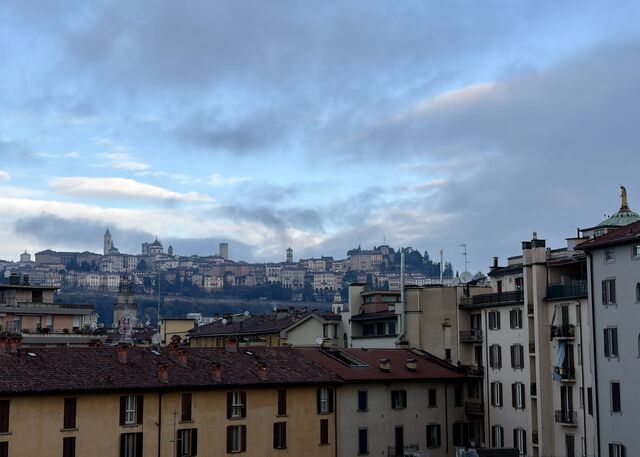
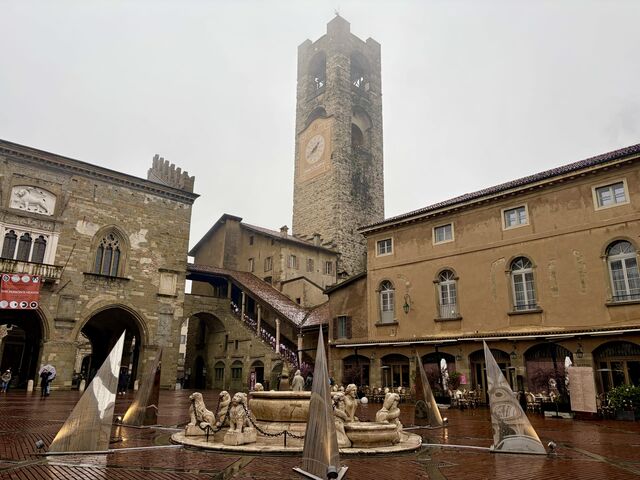
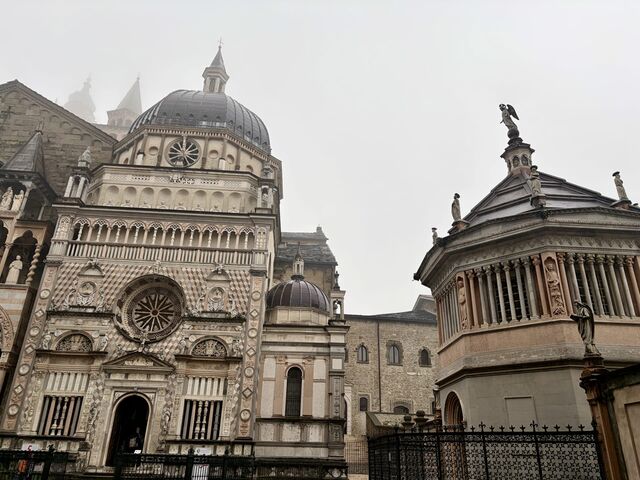
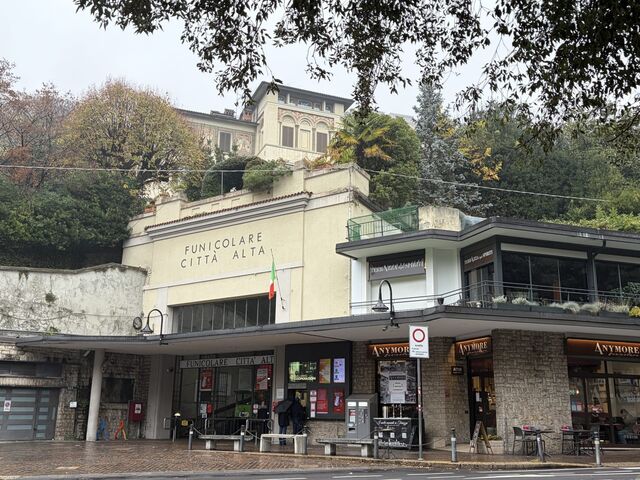
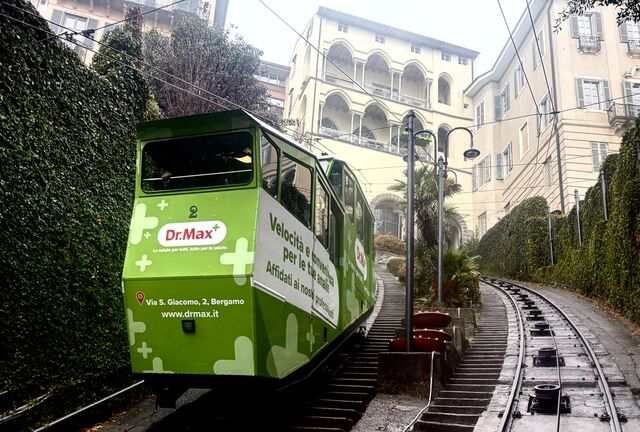
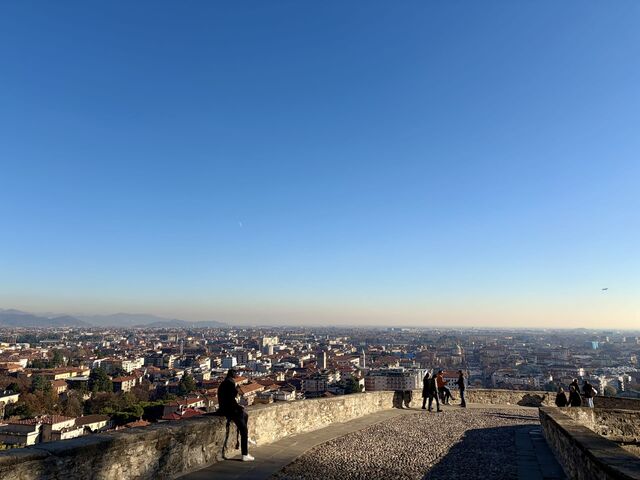
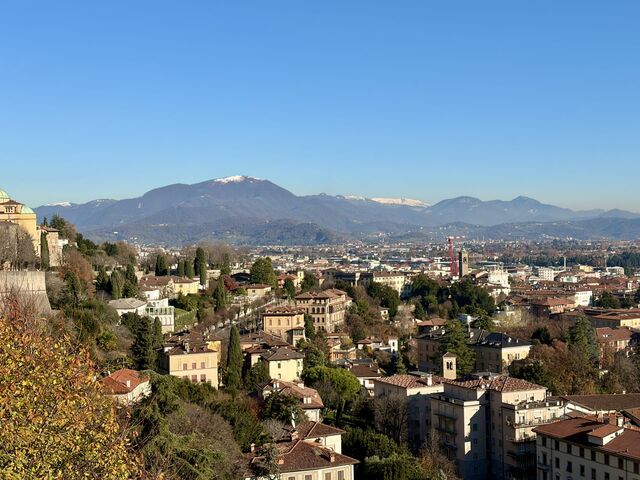
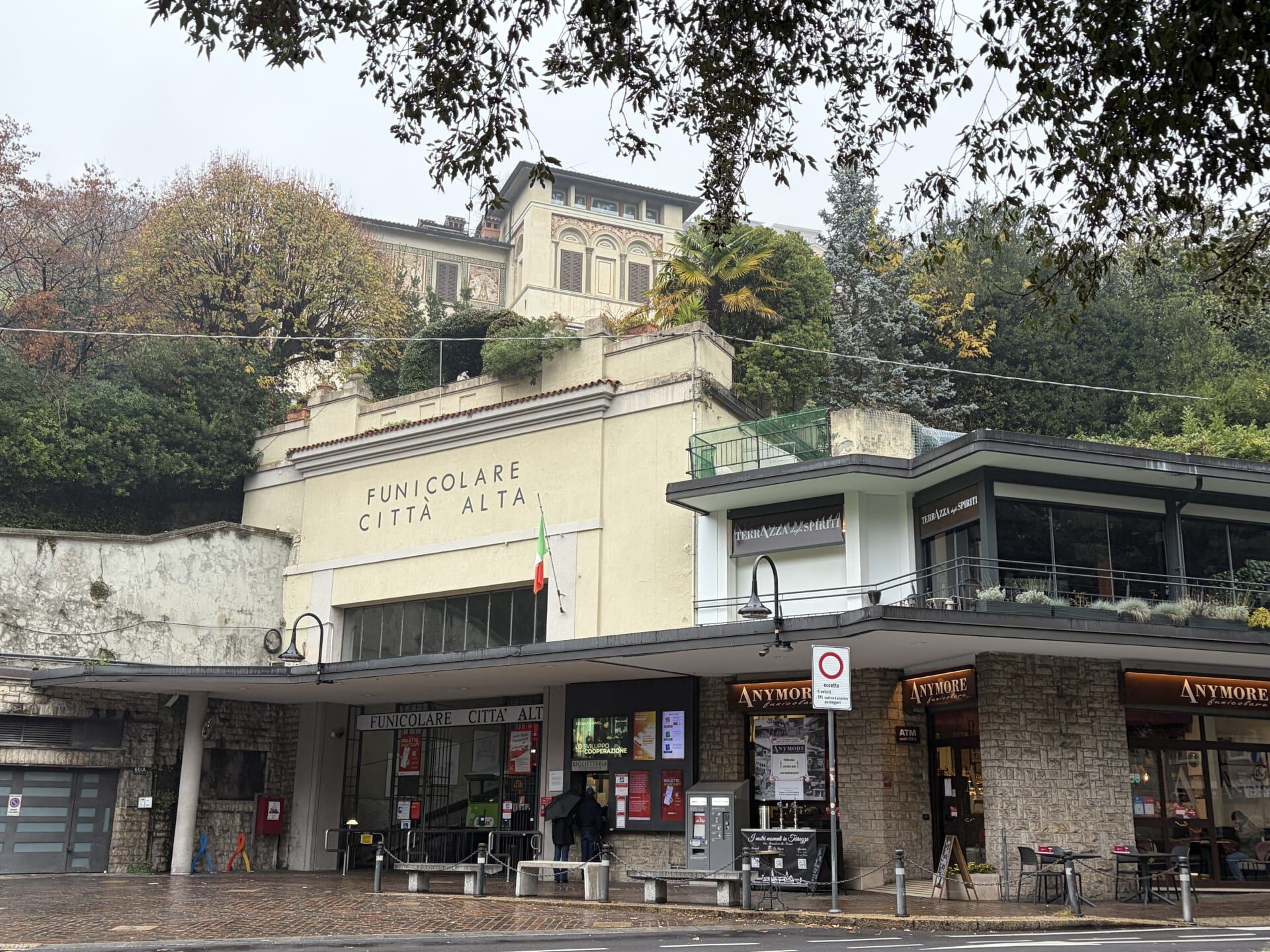
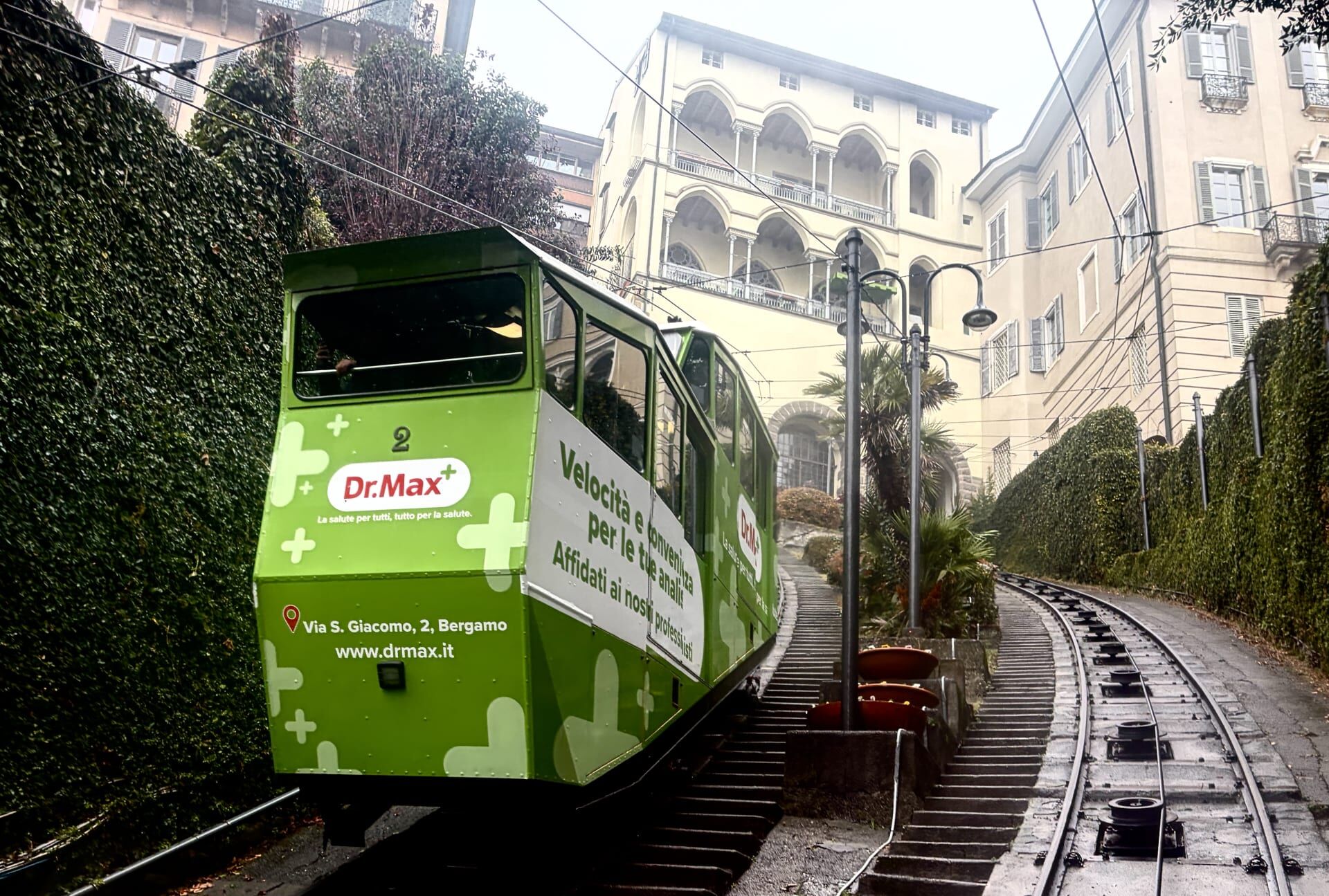
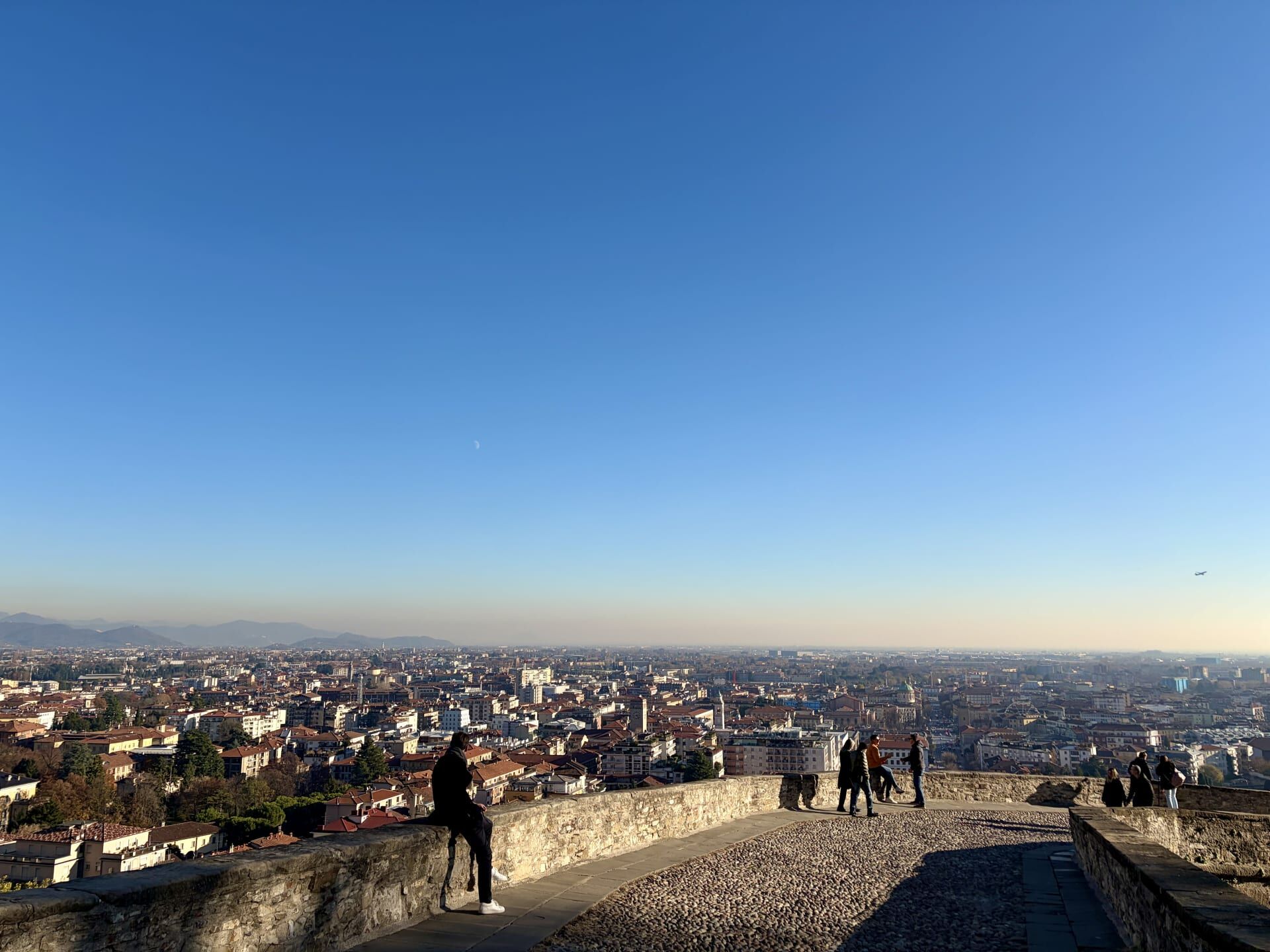
A funicular, constructed in 1887, still operates between the lower and upper city. From the top, there are sweeping views across Italy’s Po Valley.
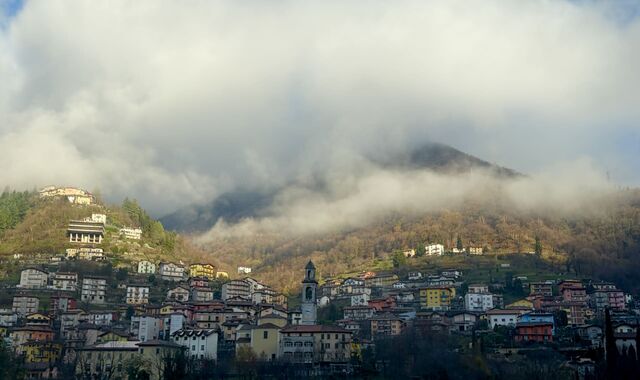
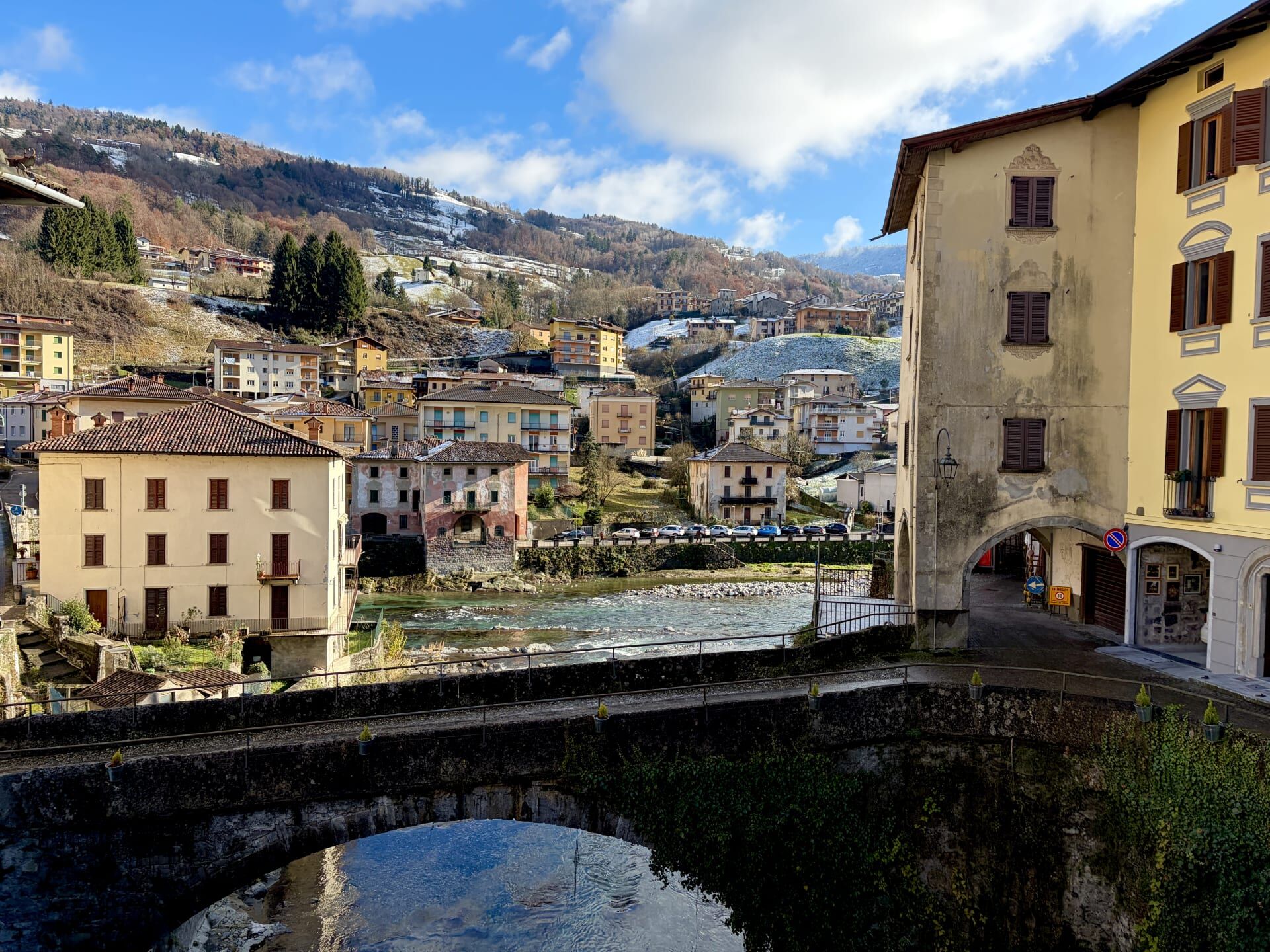
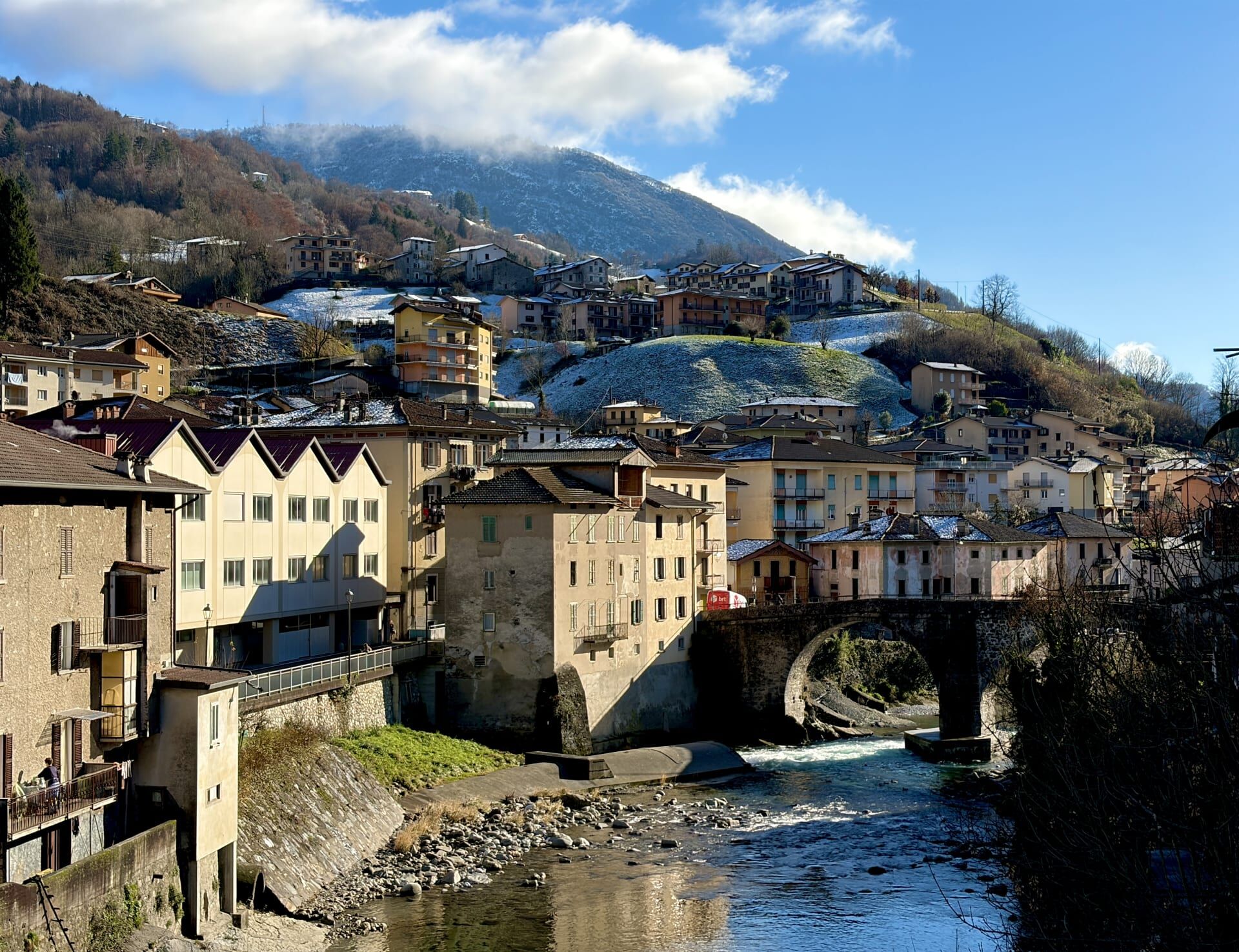
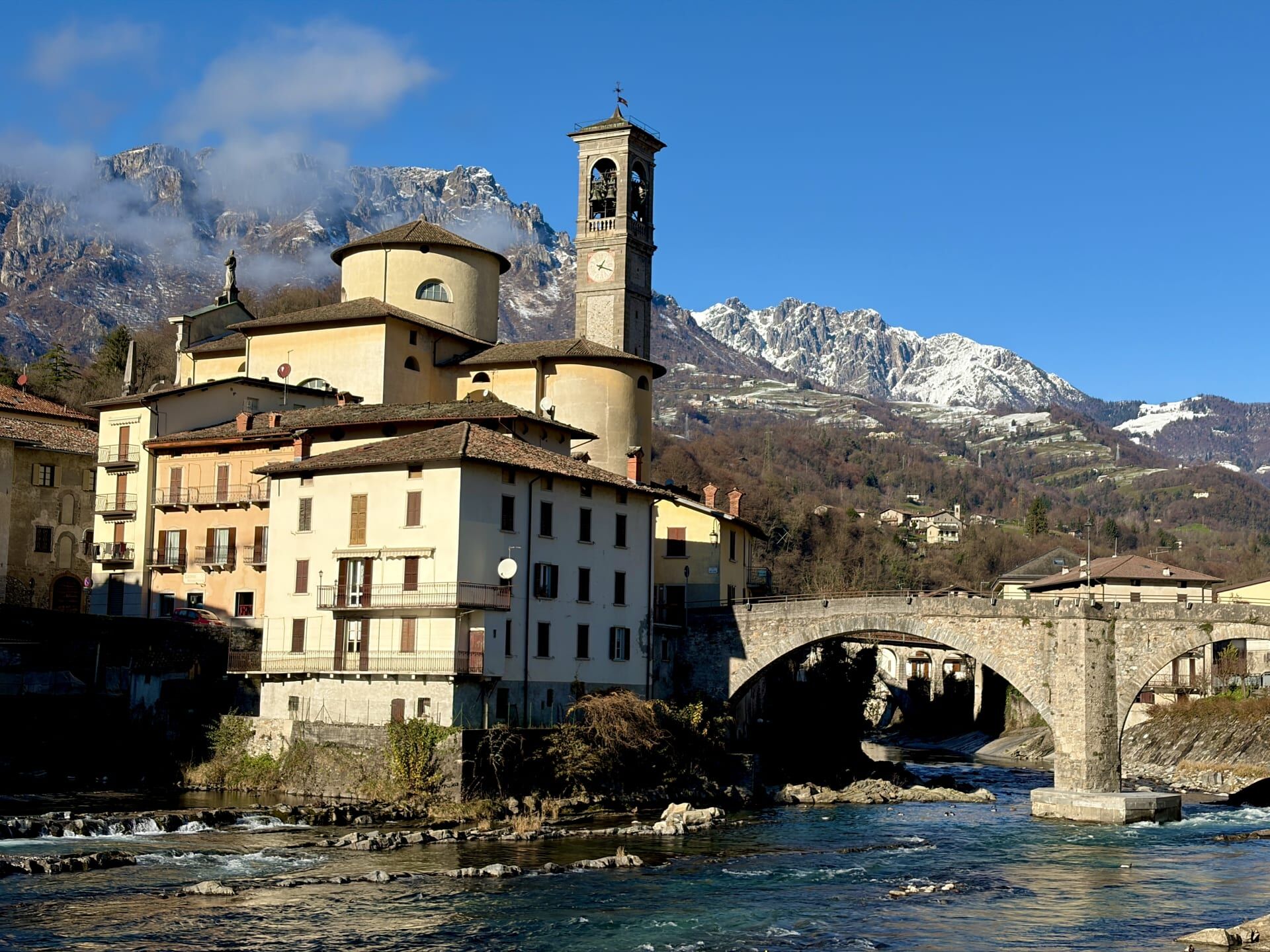
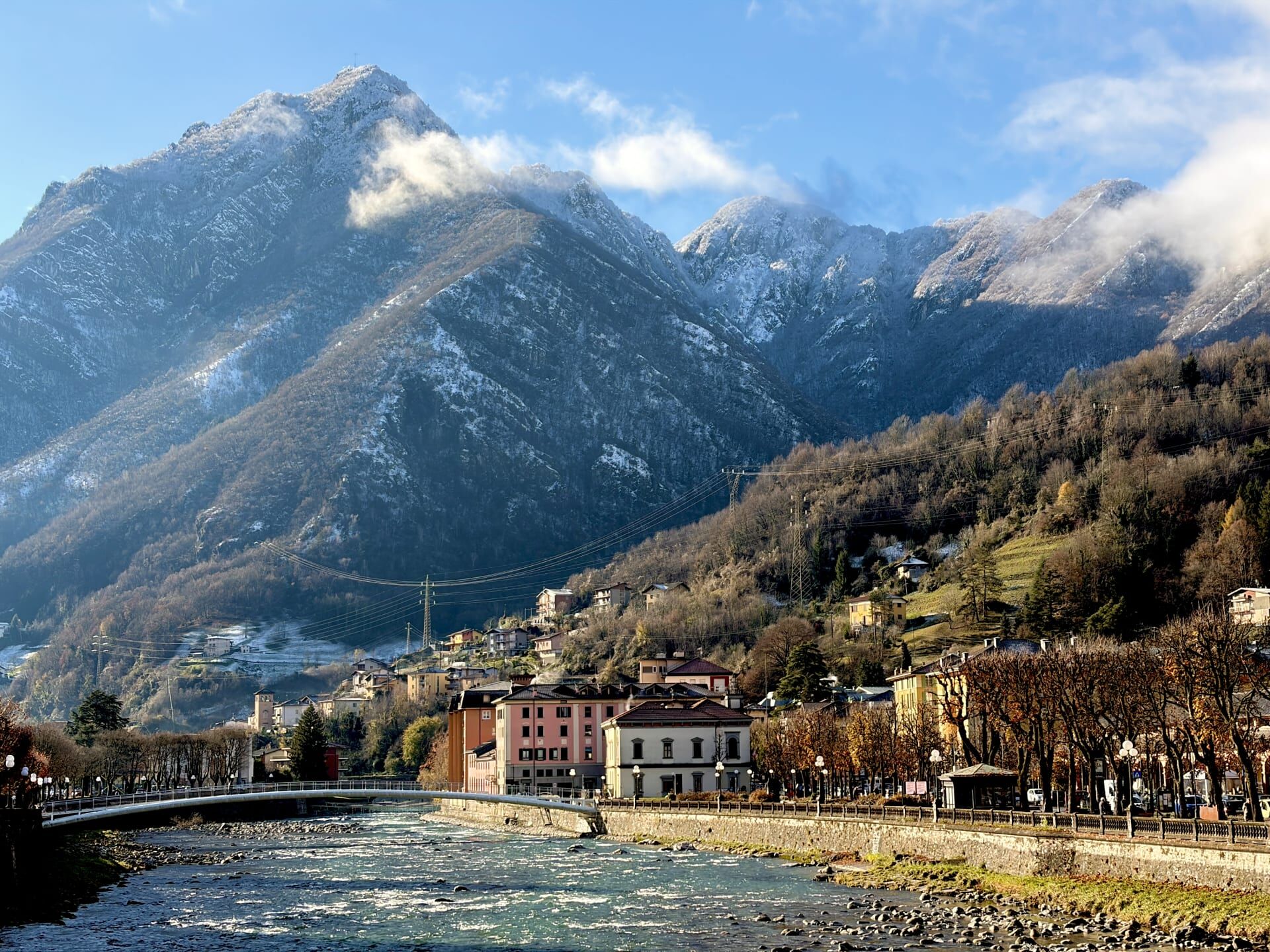
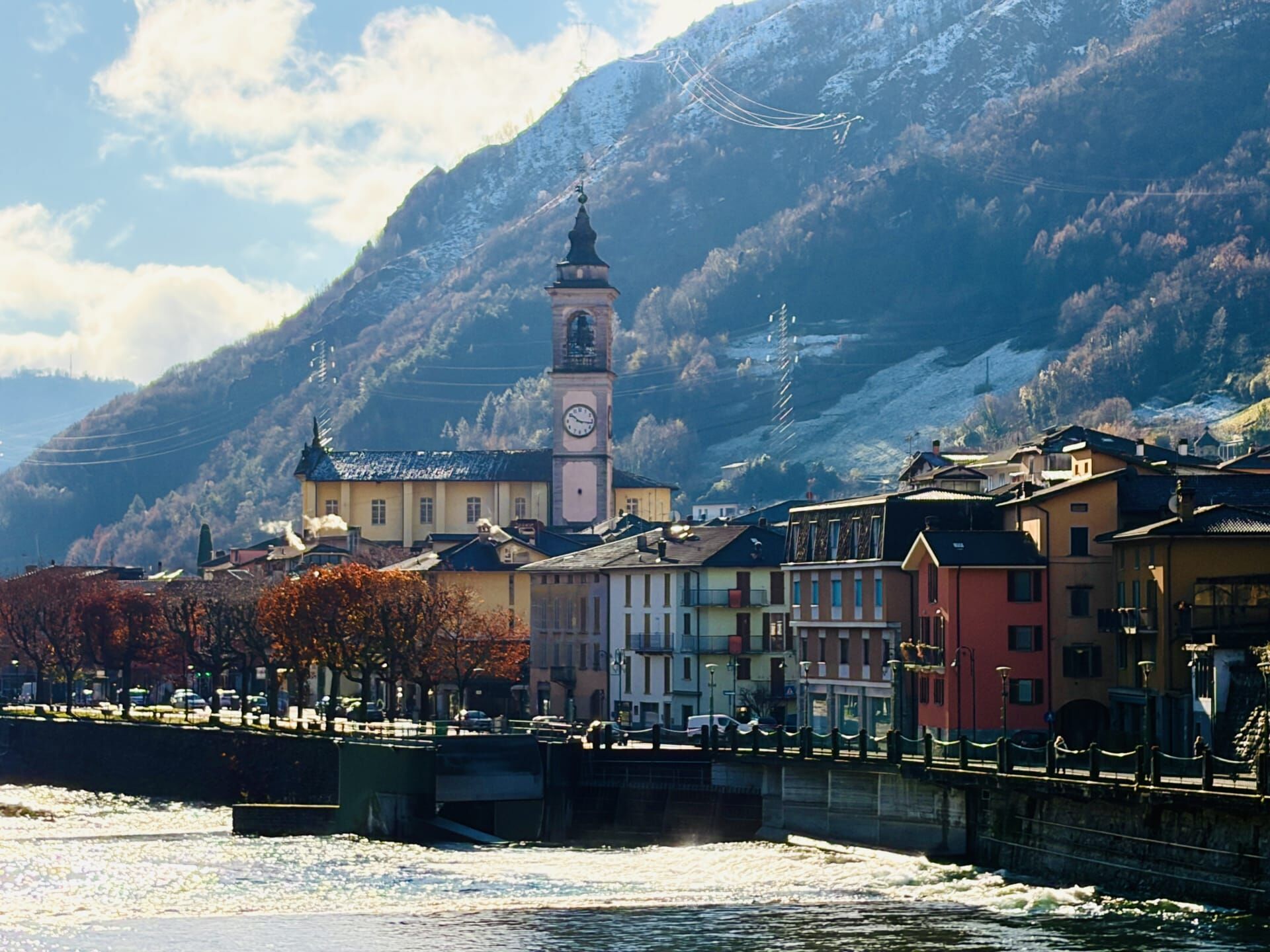
From Bergamo, the nearby comunes of San Giovanni Bianco (which is known for its seven Romanesque bridges) and San Pellegrino Terme (the source of the famous carbonated mineral water drinks) are also easily accessible.
These comunes were once linked by rail. The Valle Brembana Railway, which opened in 1906, ran along the Brembana Valley, connecting Bergamo with both San Pellegrino Terme and San Giovanni Bianco. The railway was originally constructed for the purpose of bringing tourism to the region’s bathing resorts, but was equally significant for its freight trains which carried the famous mineral waters of San Pellegrino, as well as goods from the paper mills in San Giovanni Bianco.1 Initially, steam trains ran on the line, but after only one year of operation, these were replaced with electric services.2 Unfortunately, the Valle Brembana Railway closed in 1966, due to factors including inadequate investment in track maintenance.3 As such, I sadly had to catch a bus to visit these towns from Bergamo.4
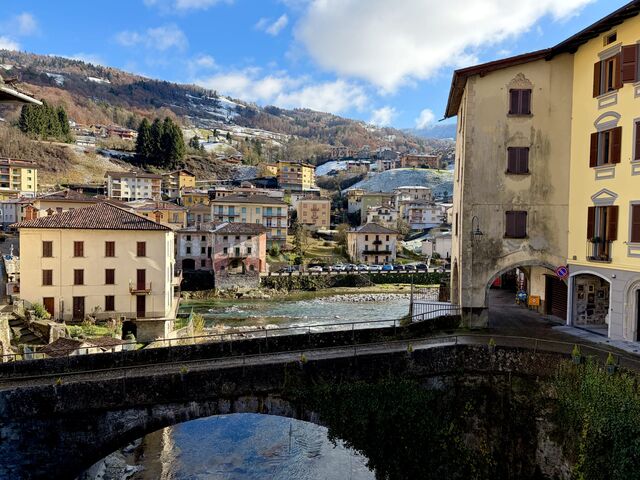
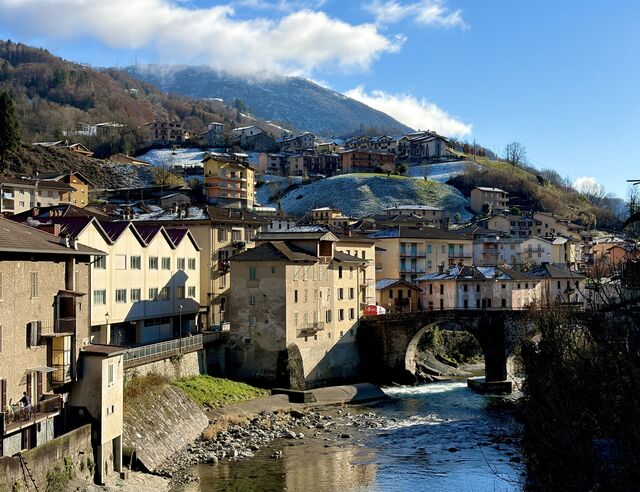
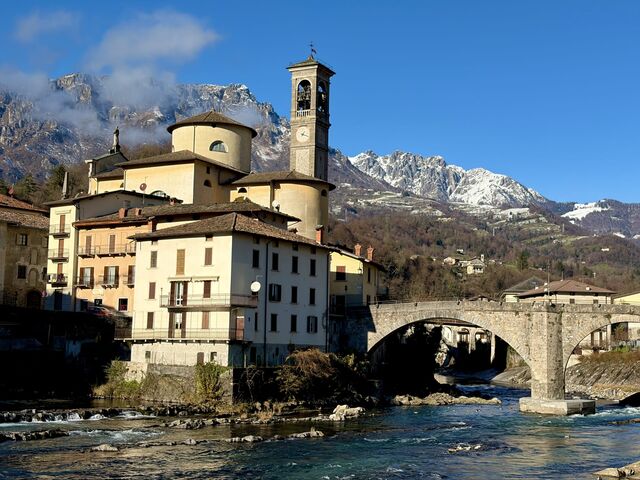
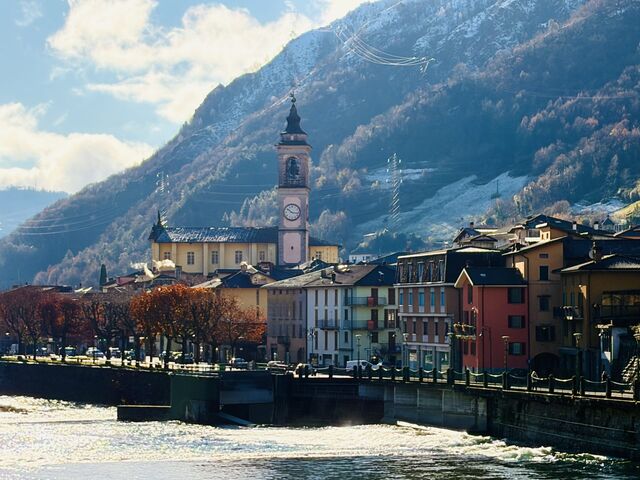
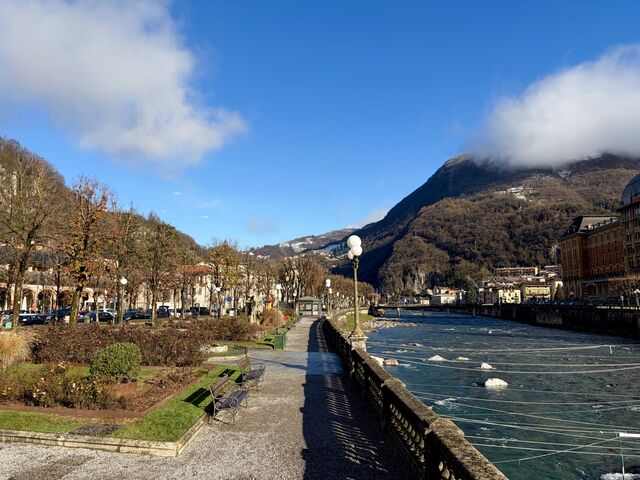
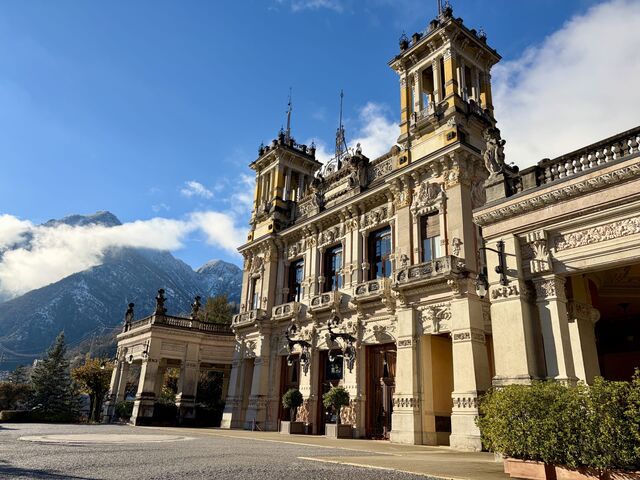
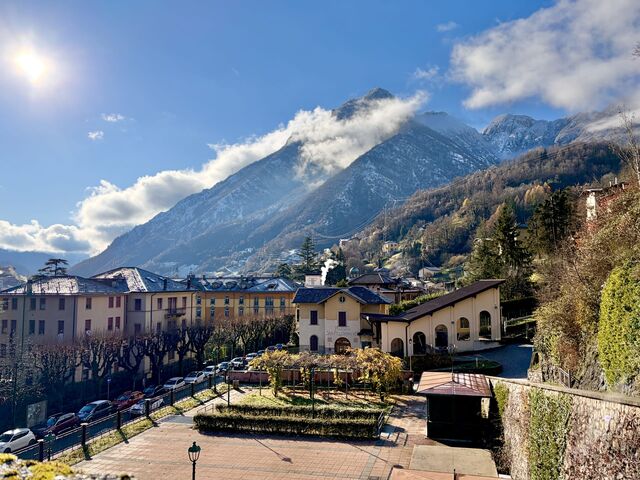
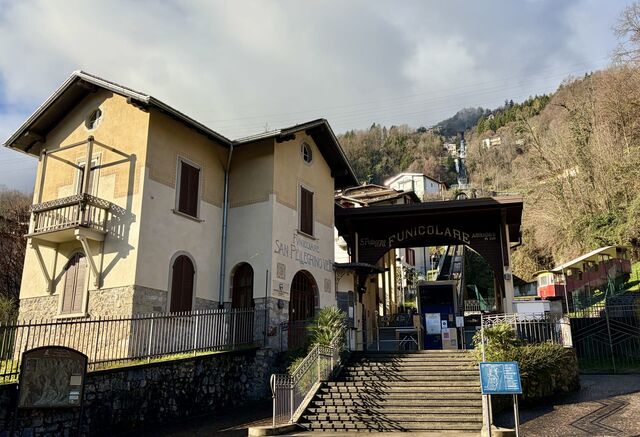
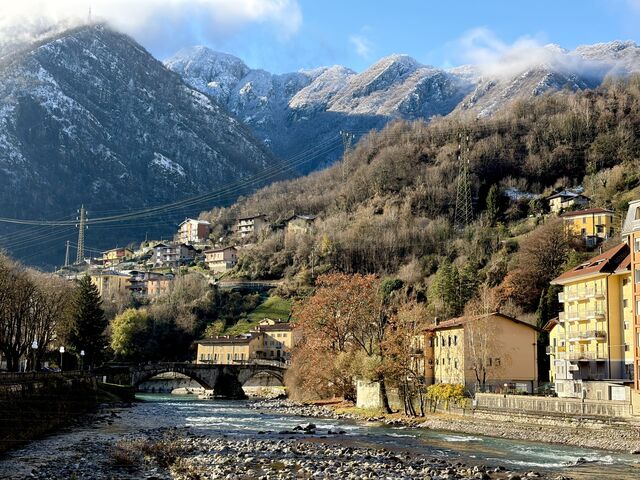
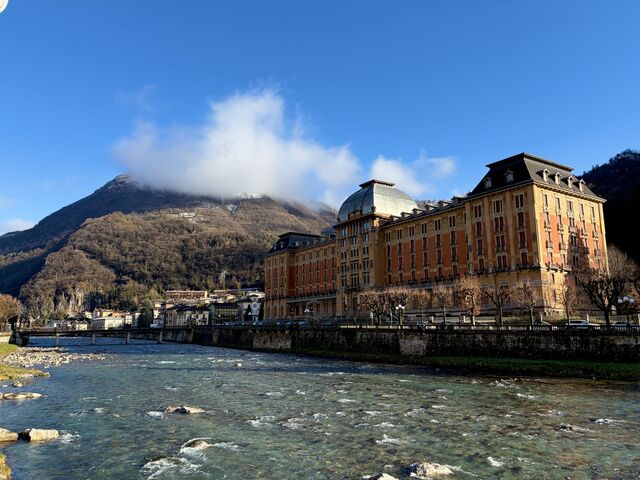
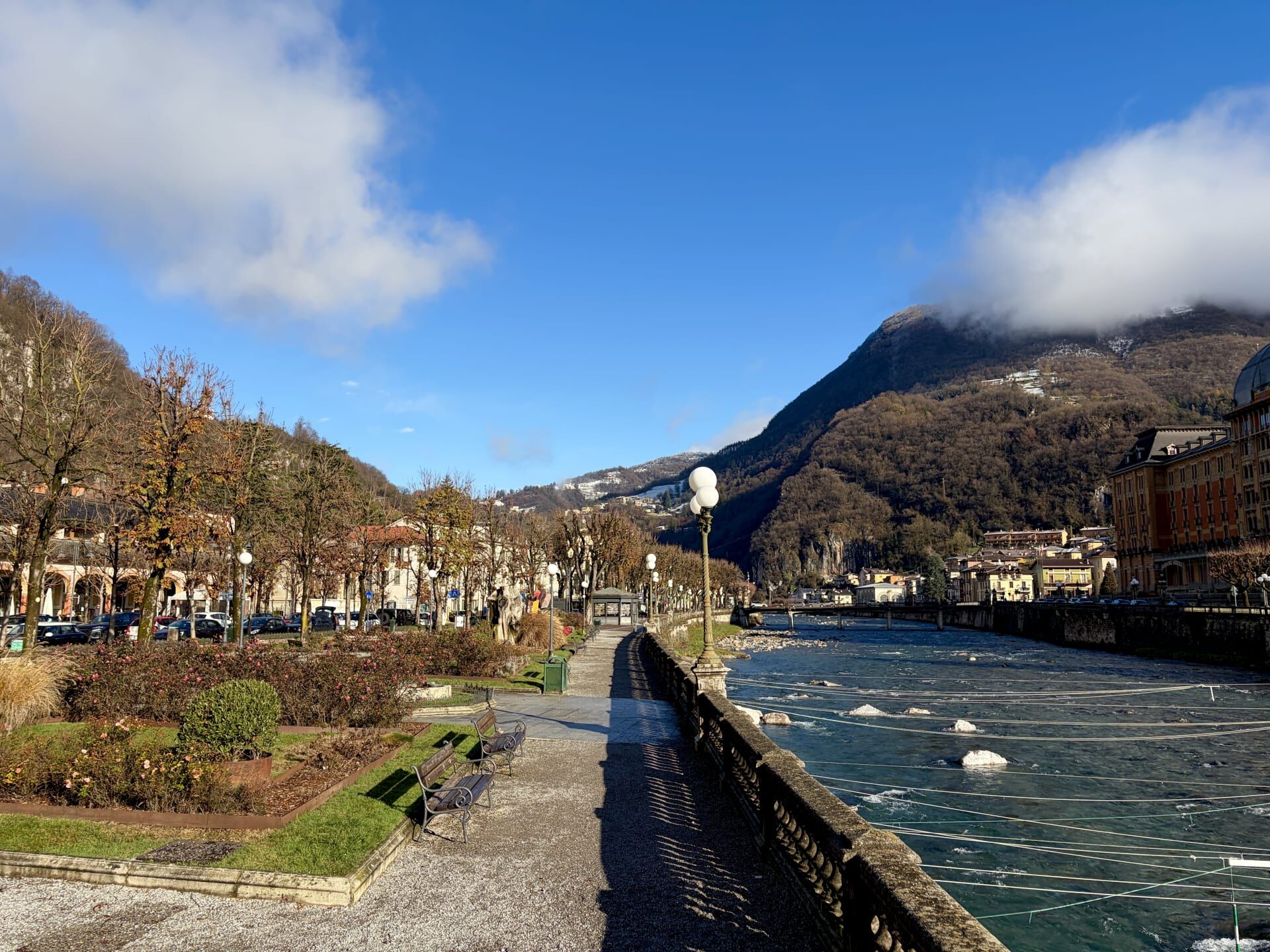
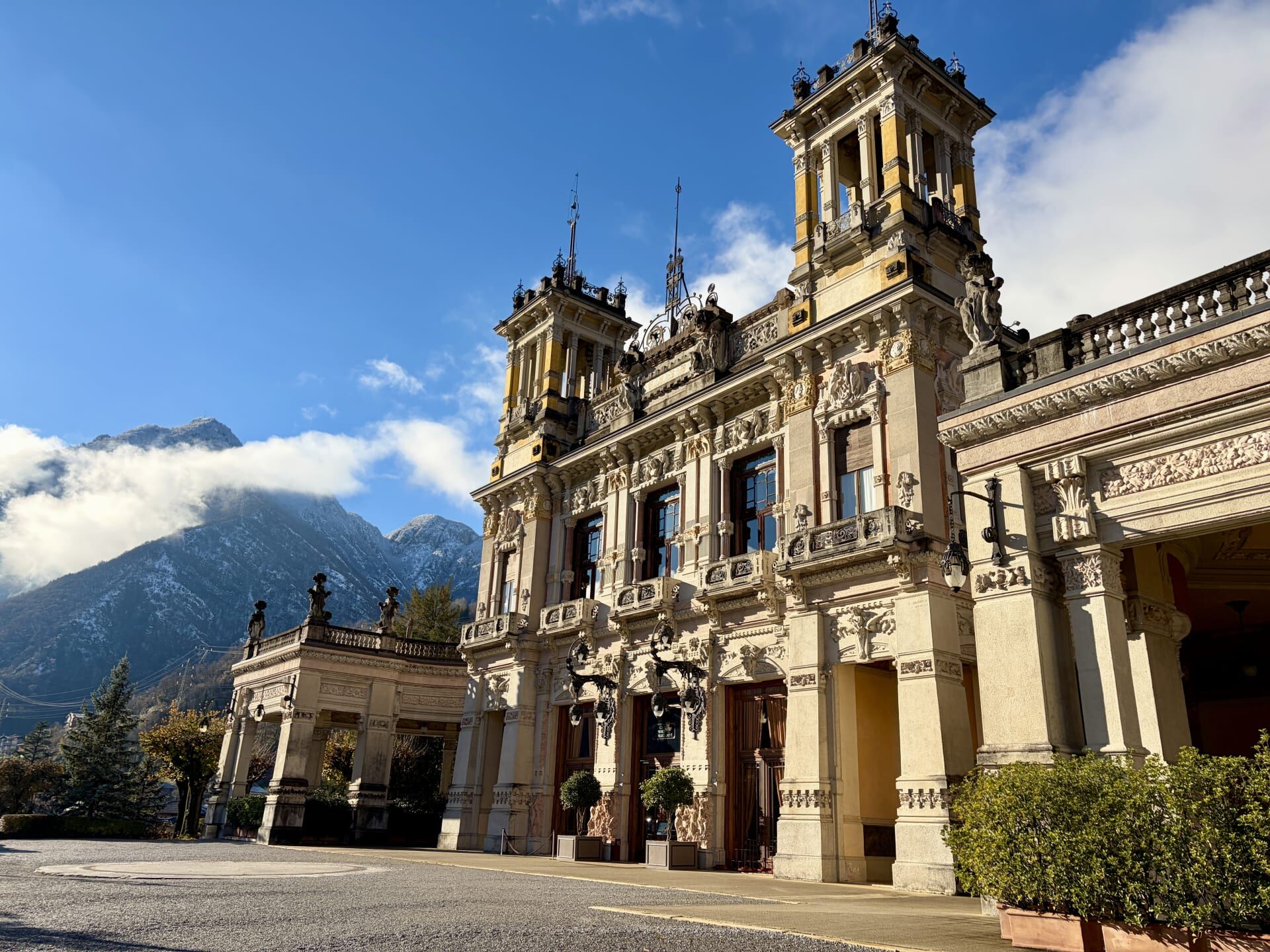
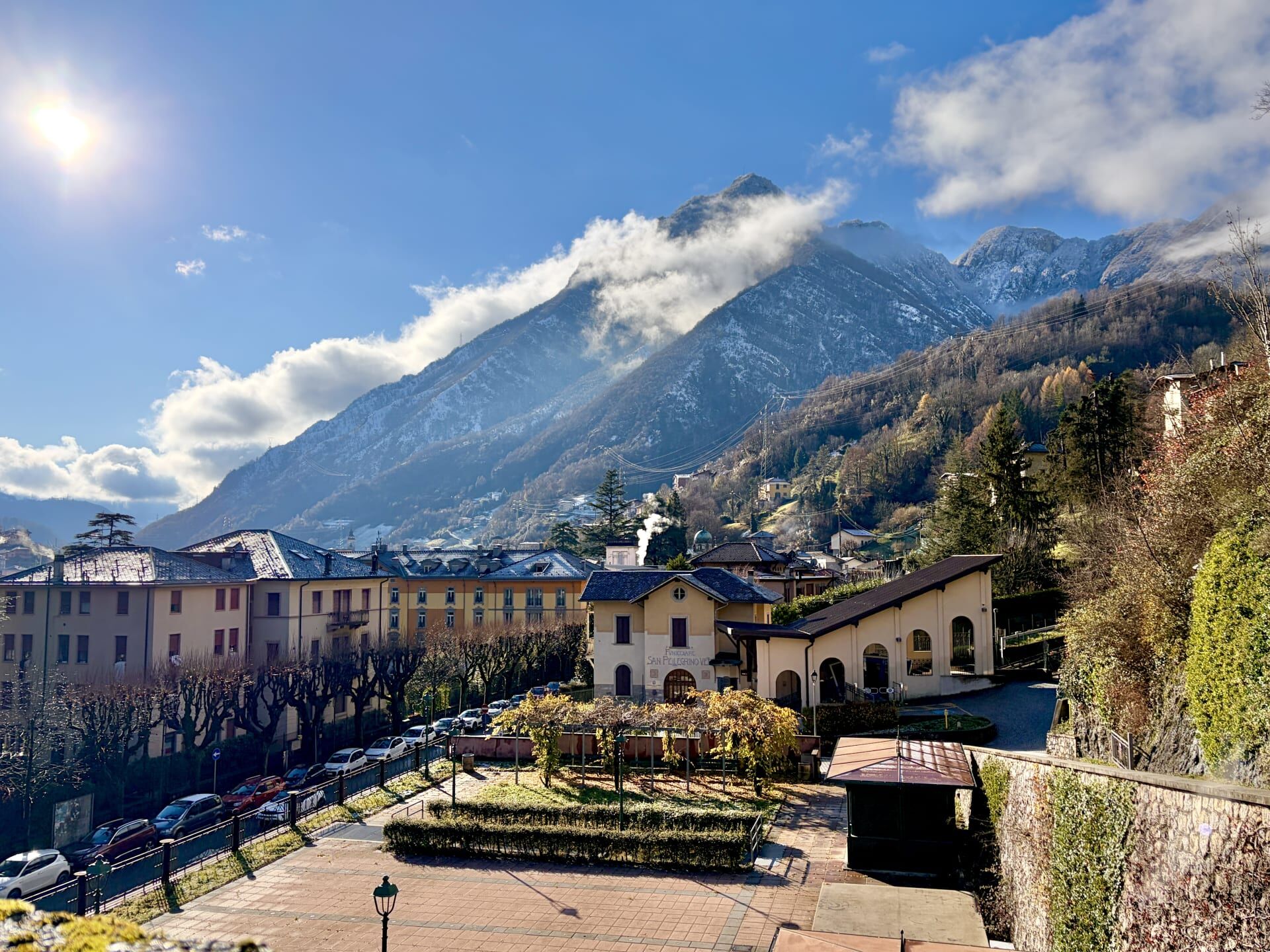
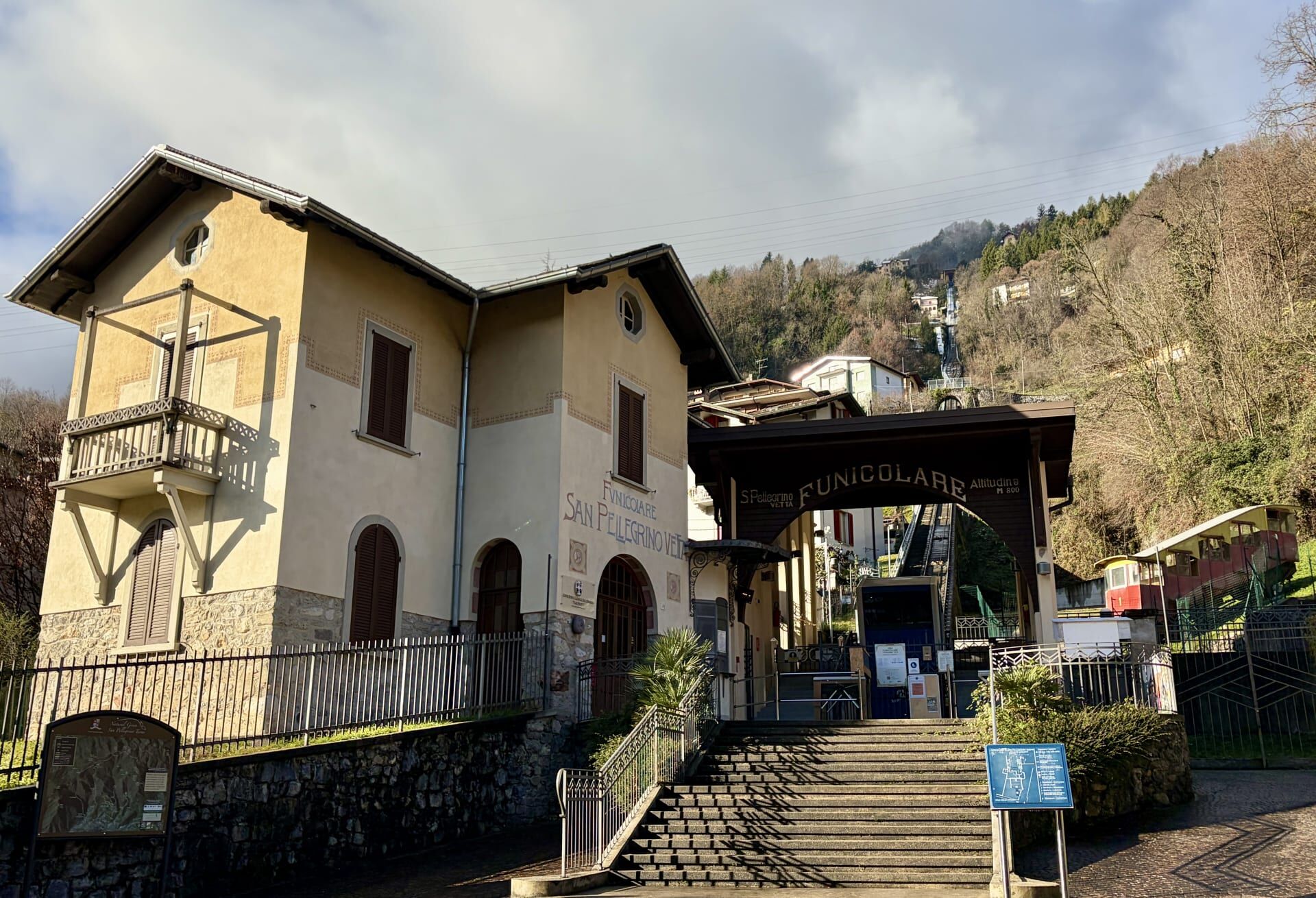
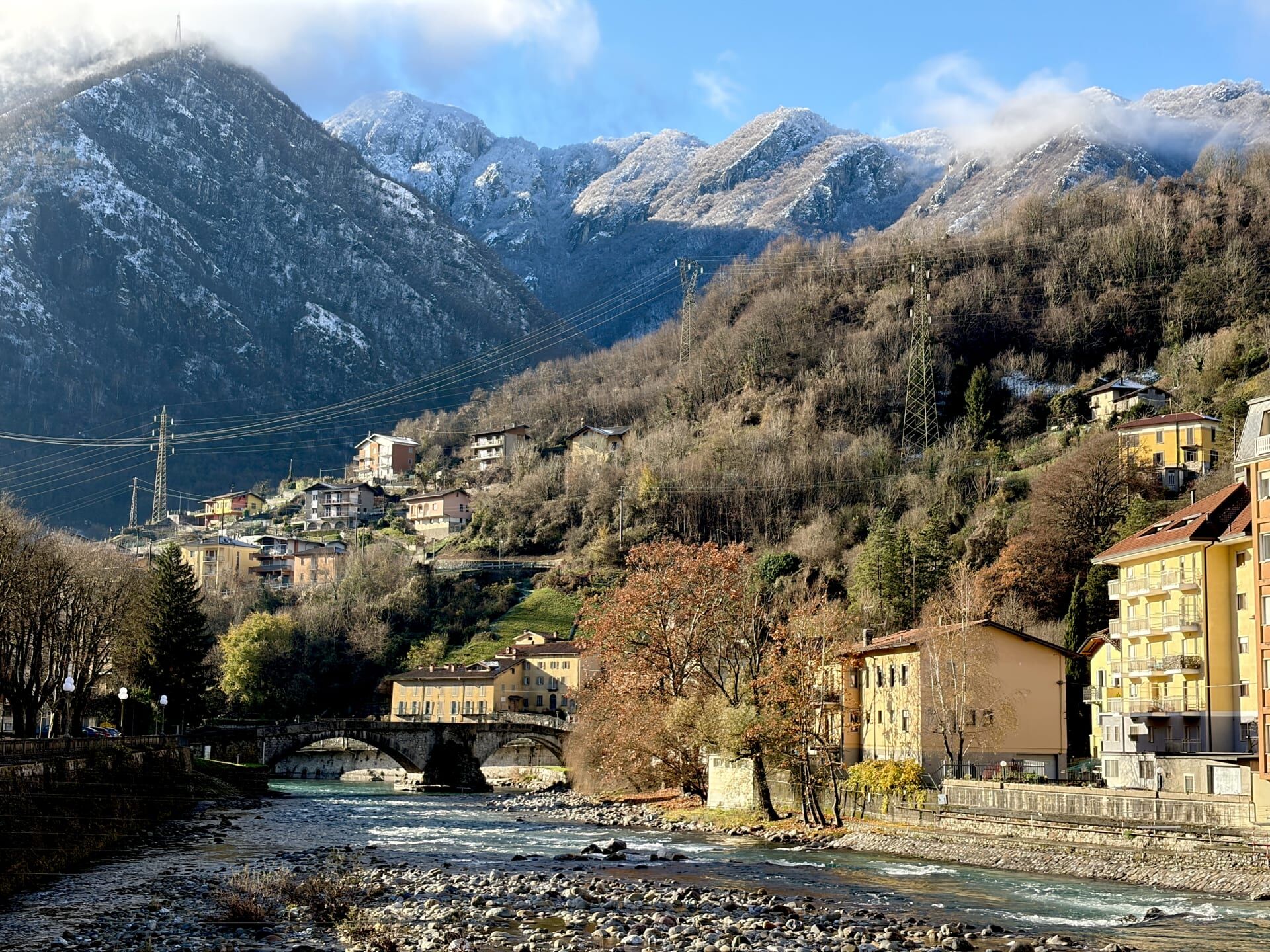
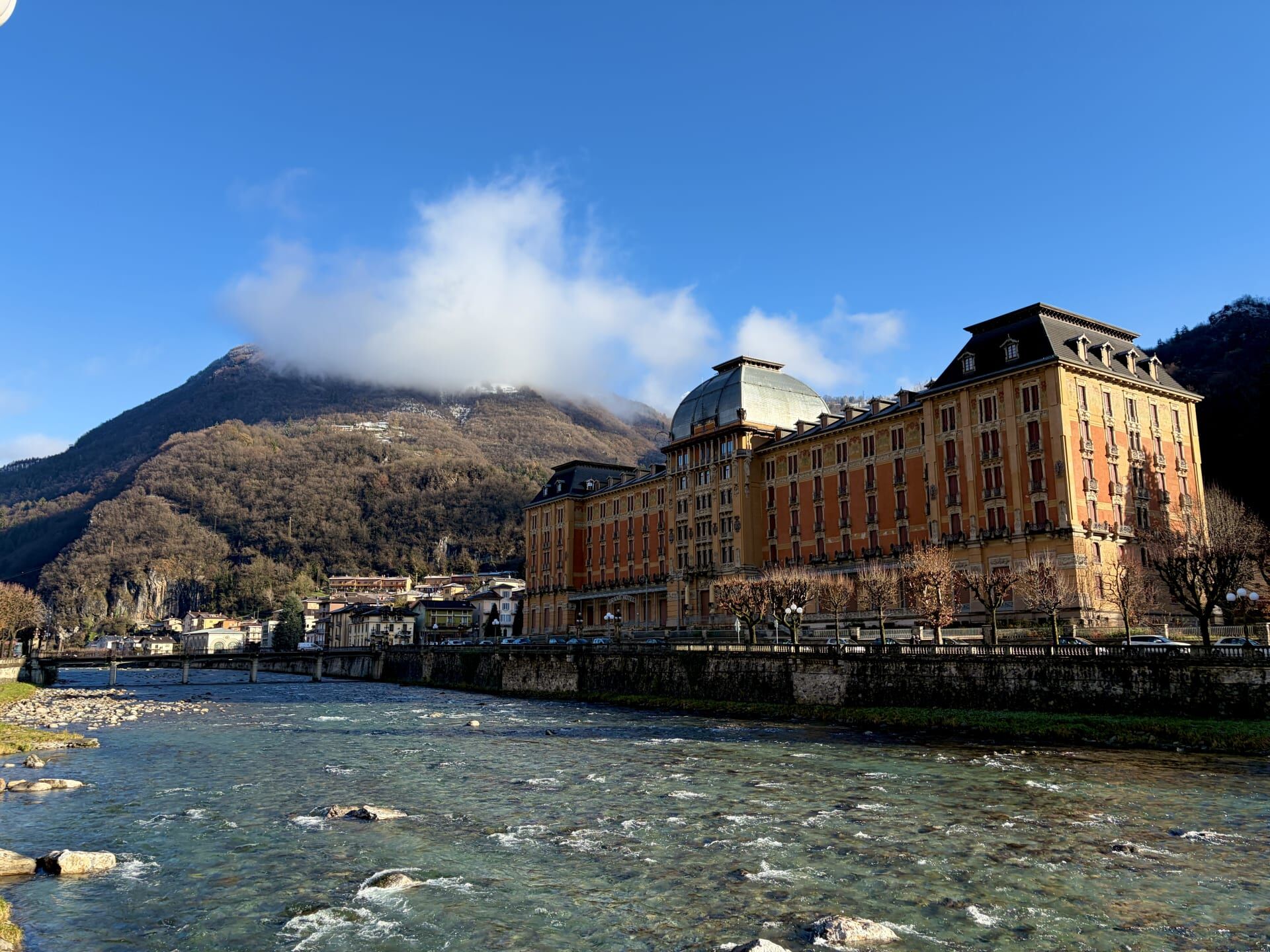
San Pellegrino Terme features a number of stunning Art Nouveau buildings and is one of the most beautiful towns I have ever visited. The San Pellegrino Terme funicular (pictured below) opened in 1909, before ceasing operations in 1989 as tourism to the comune declined. The funicular reopened 12 years later in an attempt to revitalise tourism, but was unfortunately closed on the day of my visit.
Bergamo–Lecco Railway
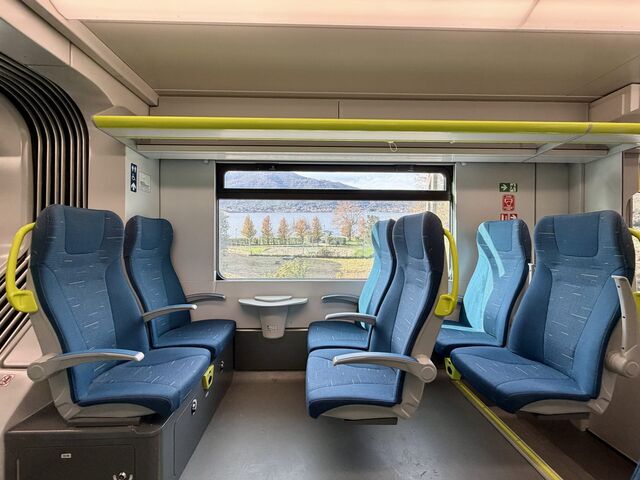
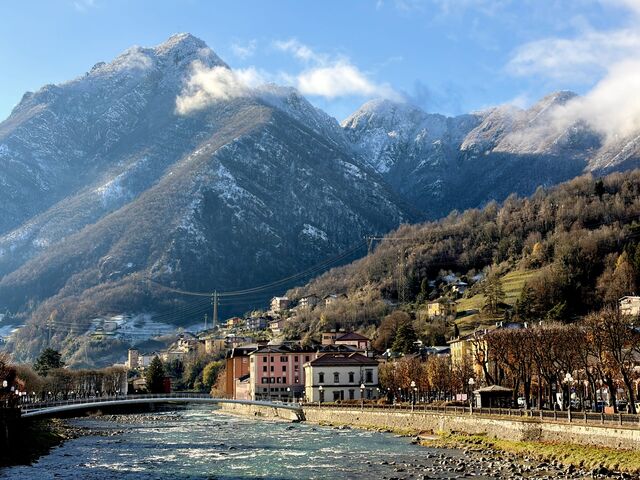
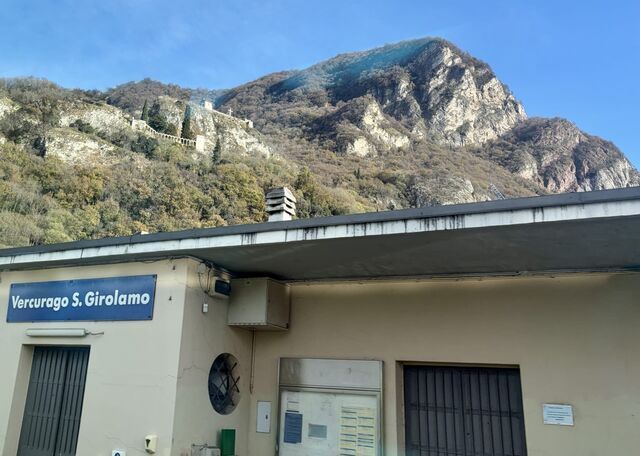
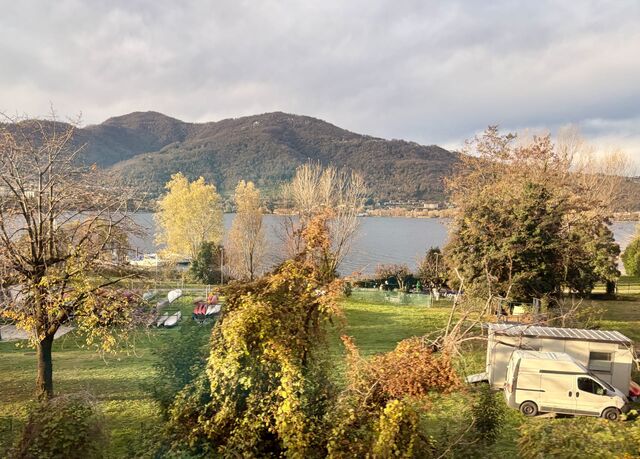
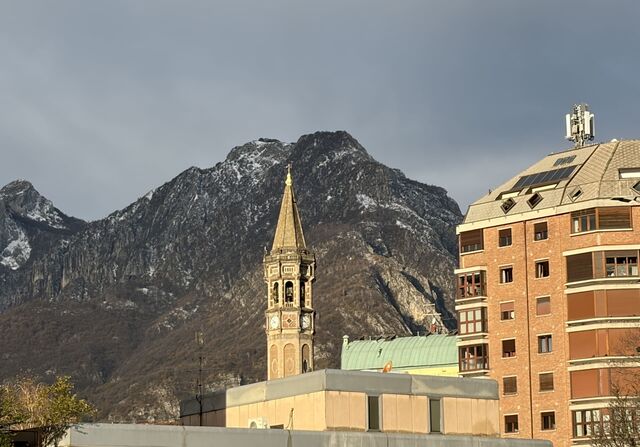
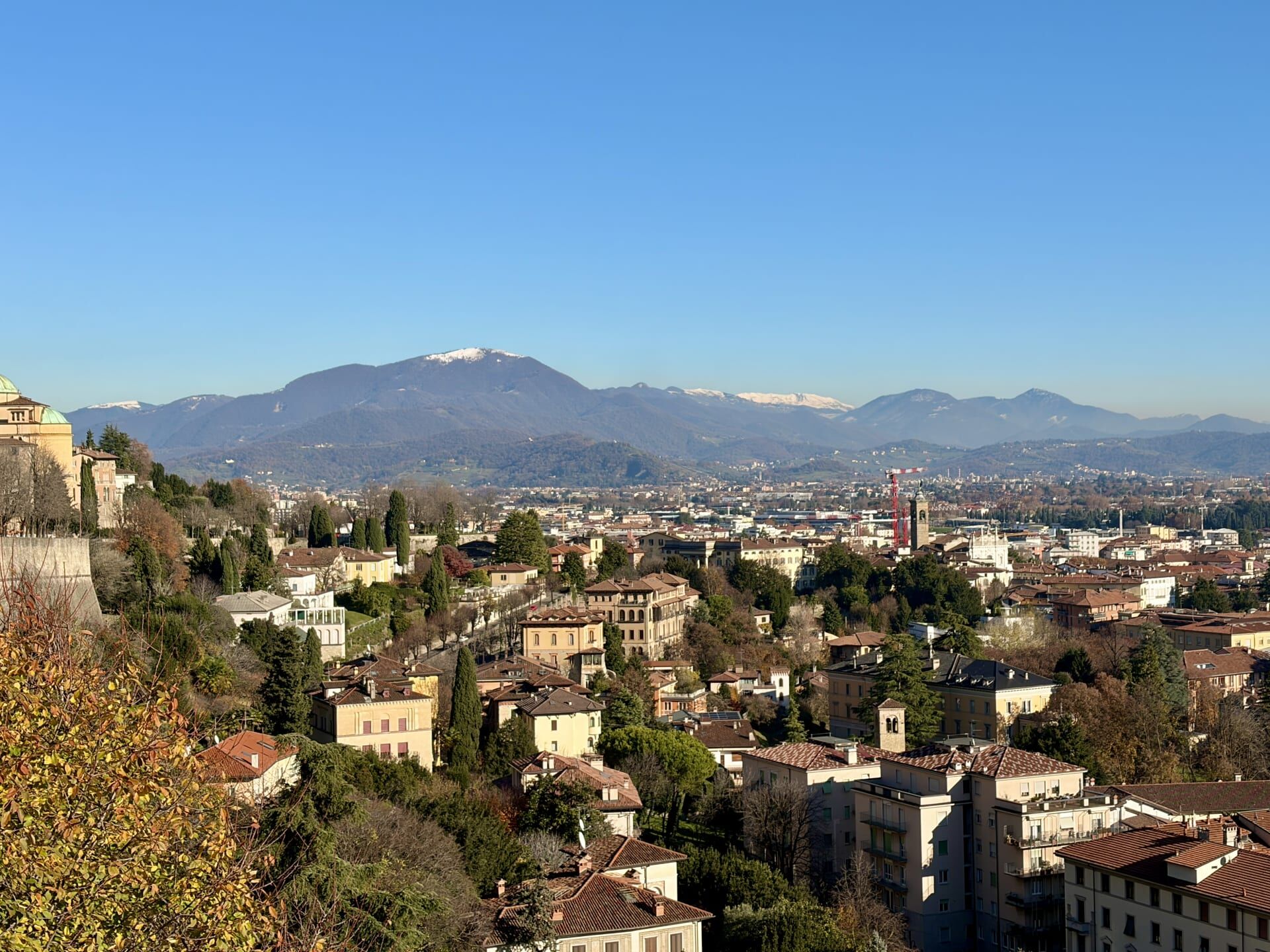
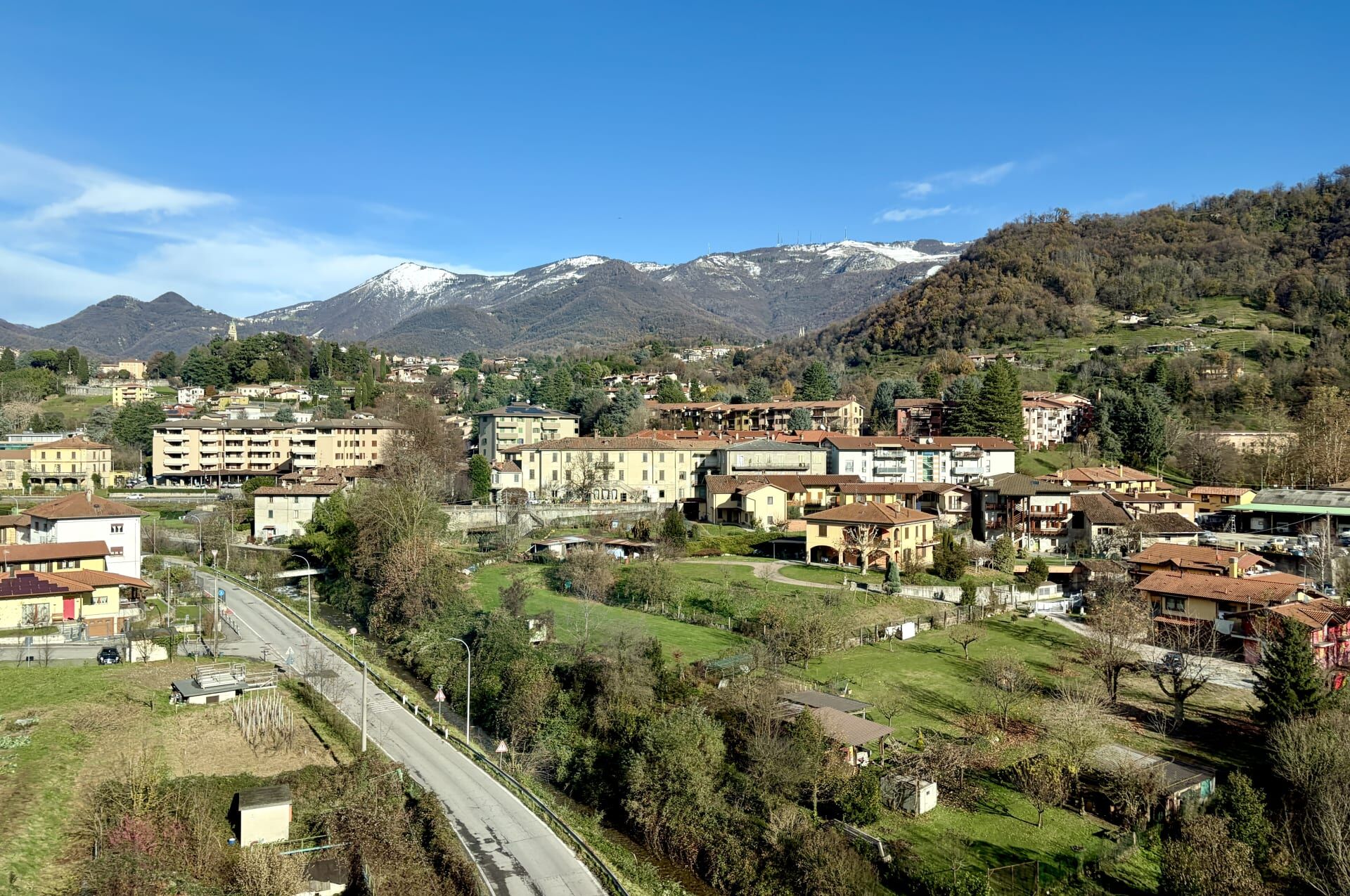
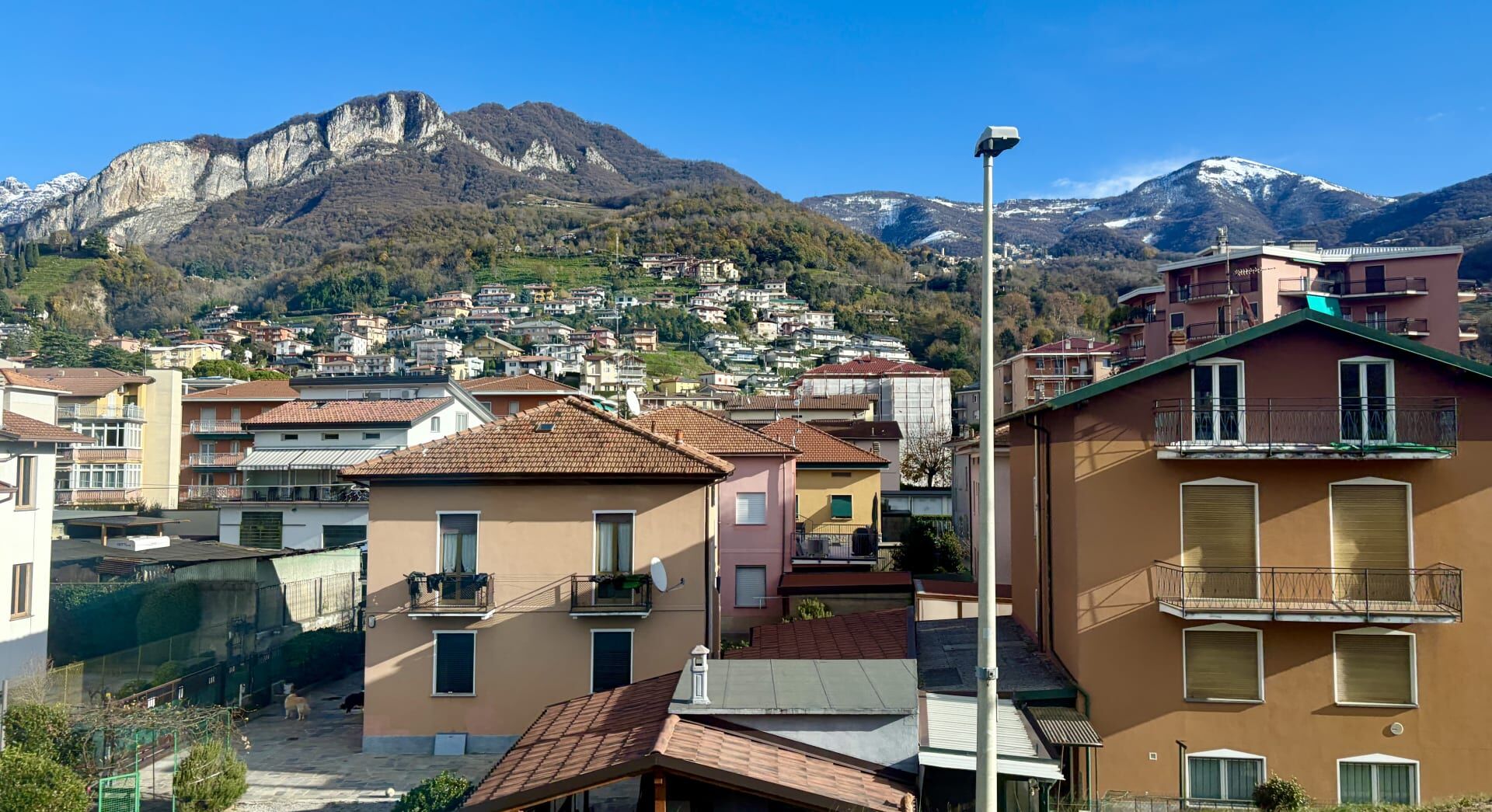
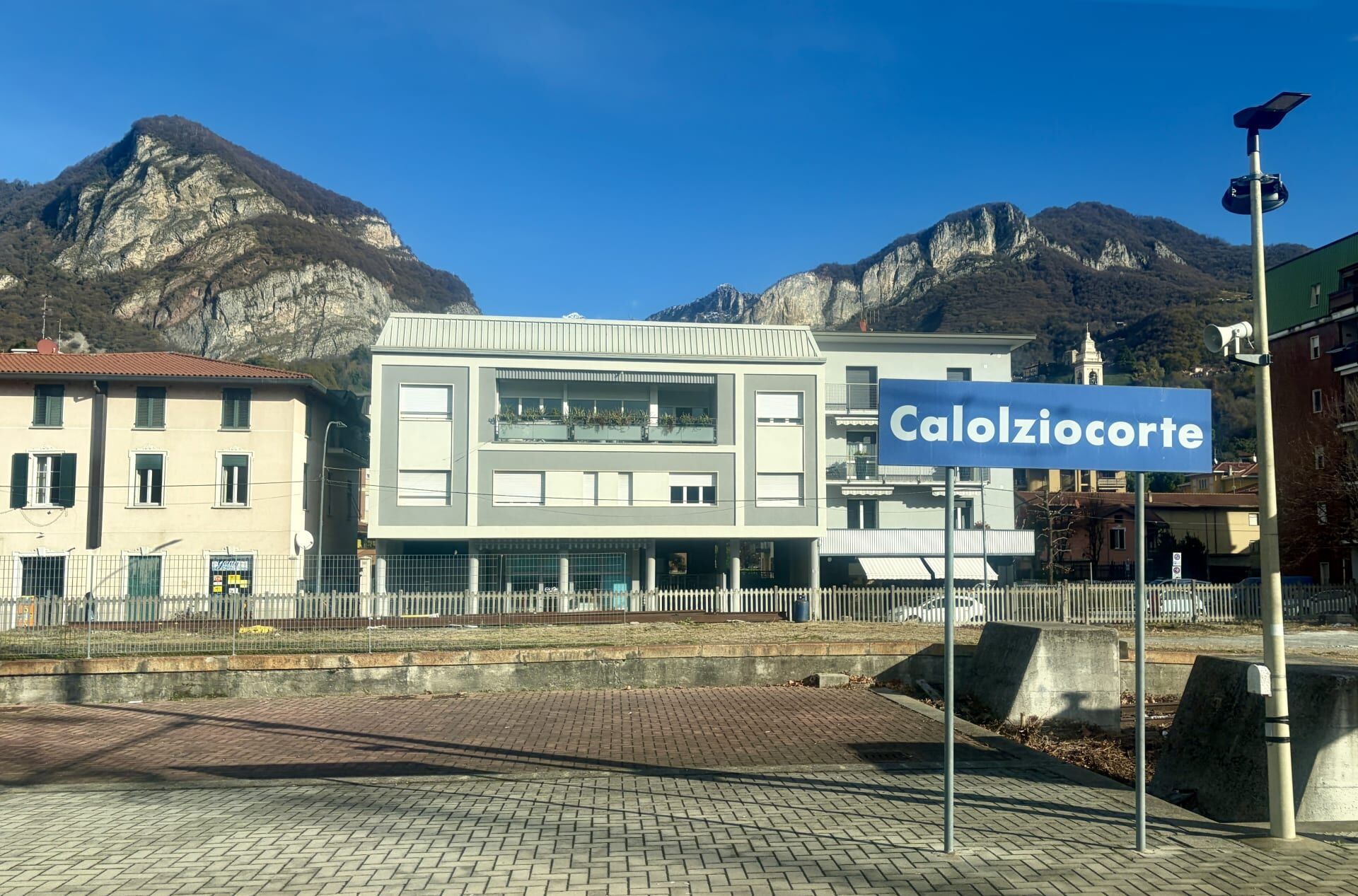
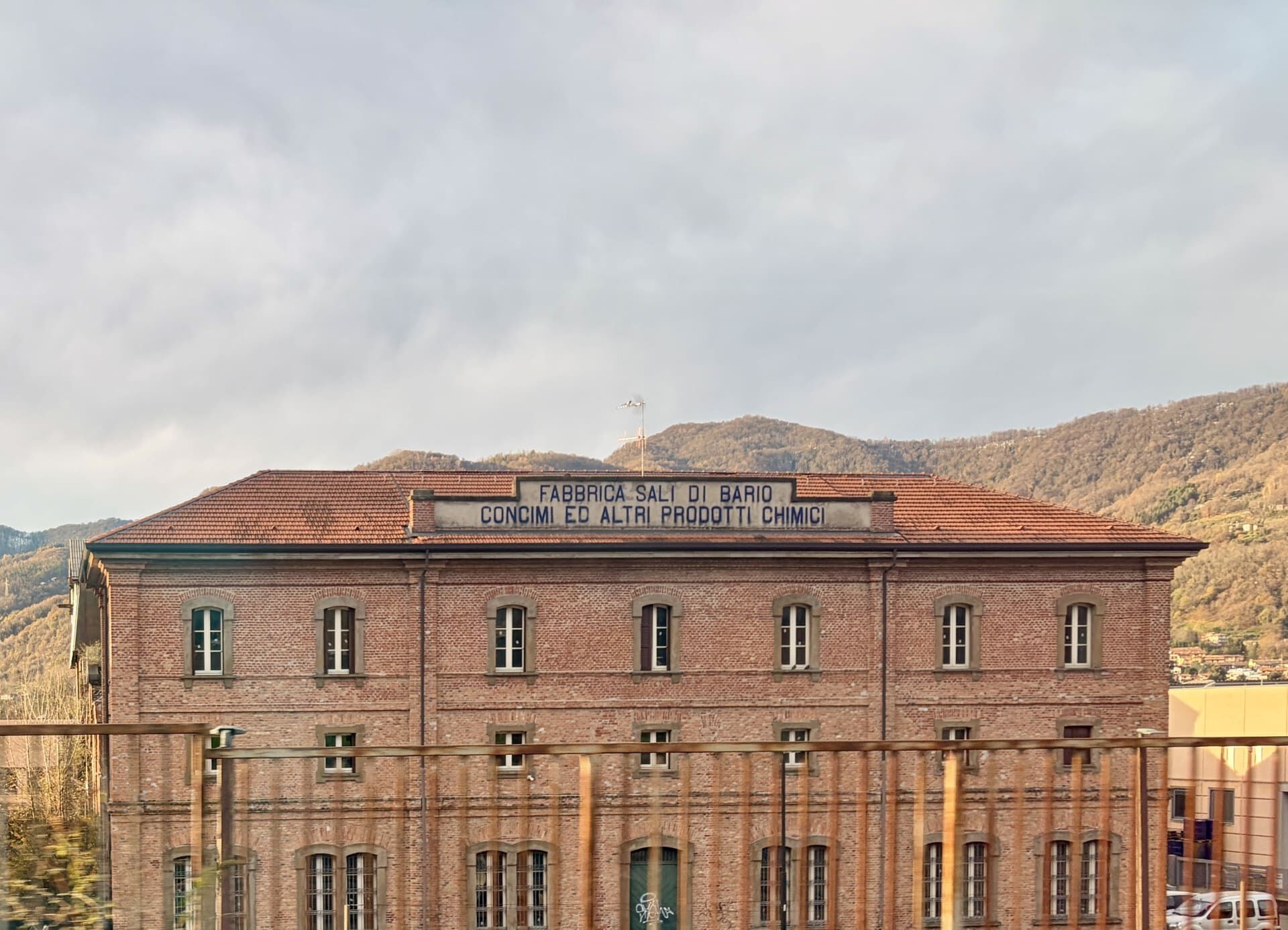
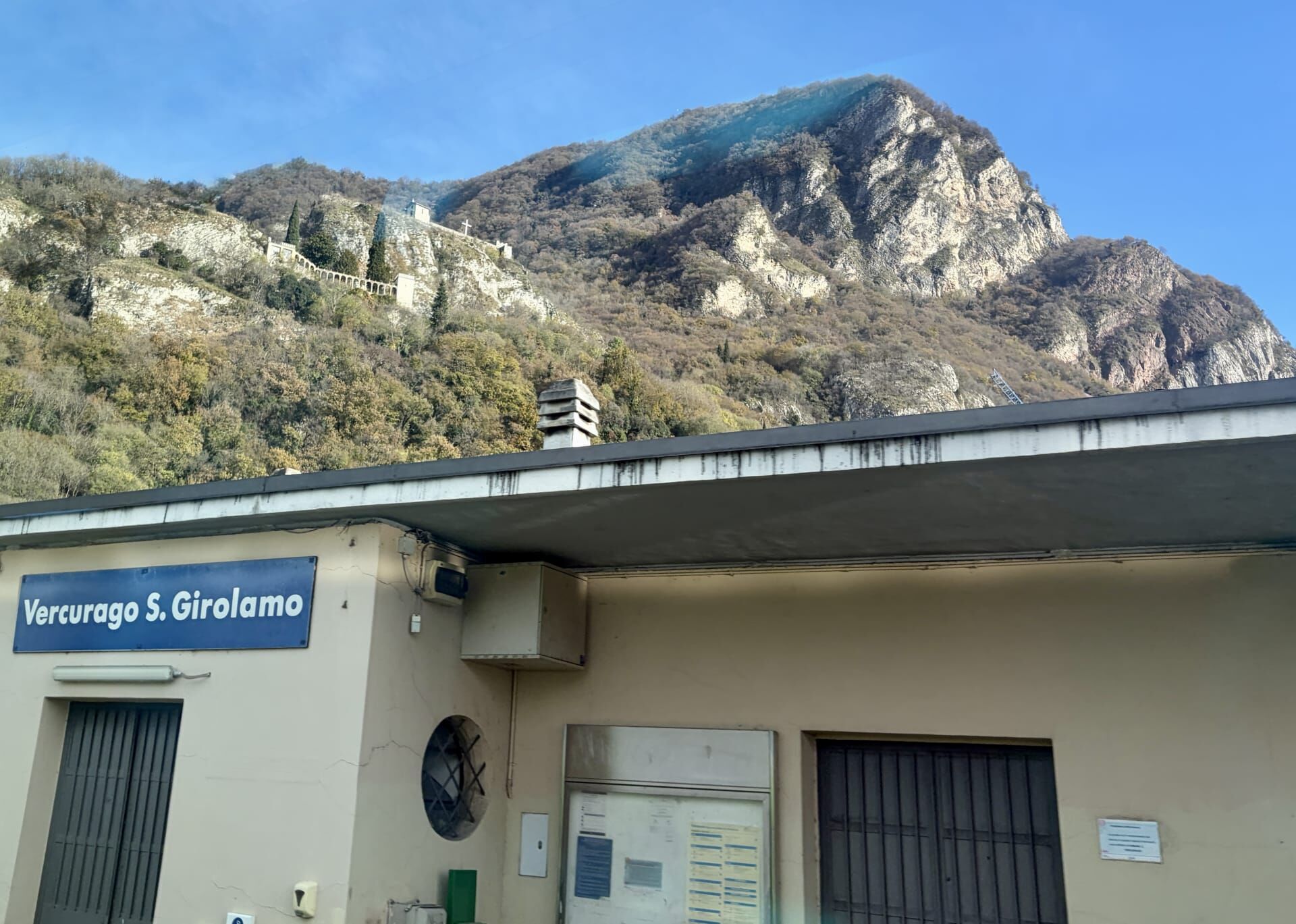
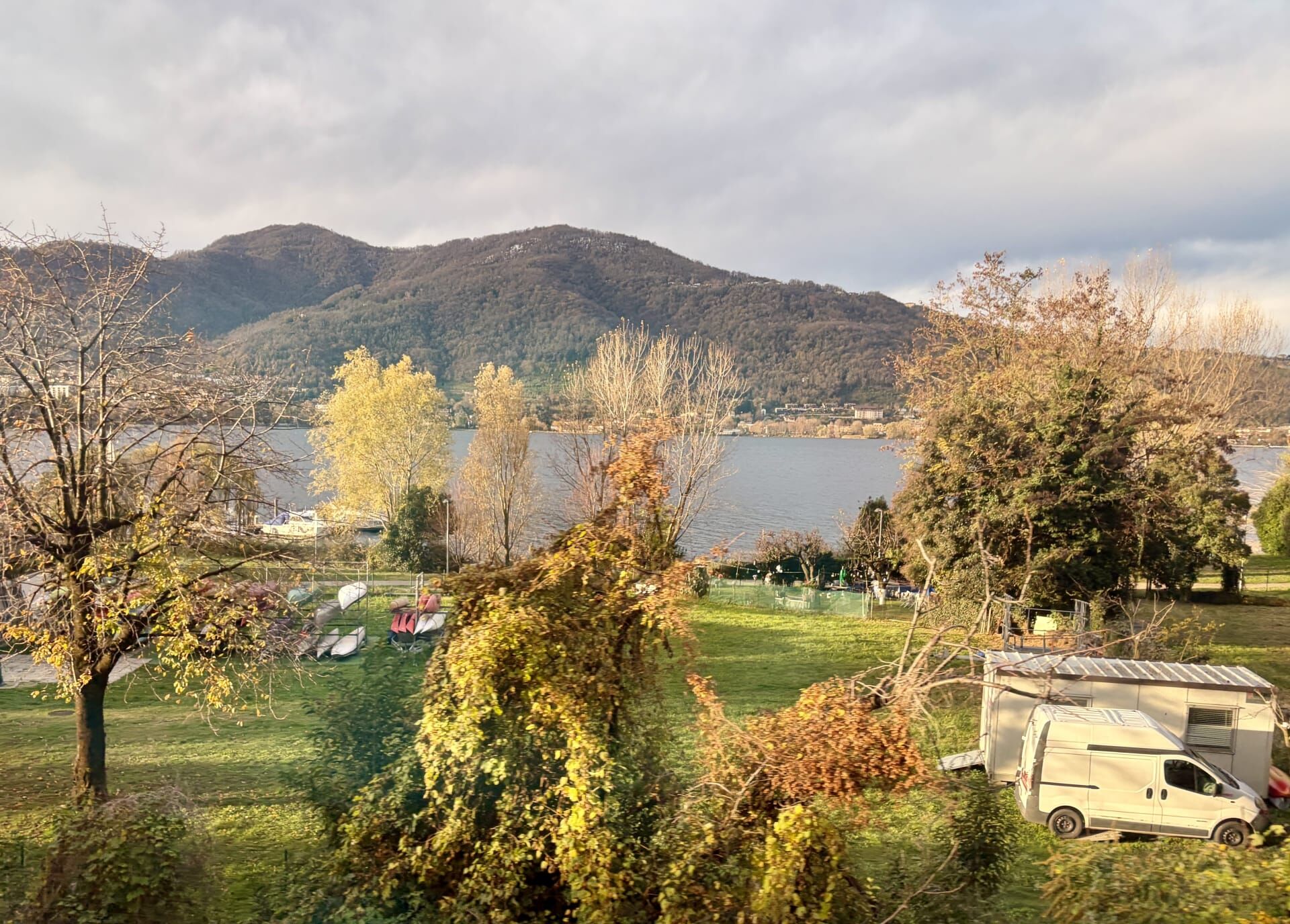
From Bergamo, I commenced my rail adventure with a trip on the Bergamo–Lecco Railway, before changing trains in Lecco for the line to Tirano. Some of the views from the Bergamo–Lecco Railway are pictured below.
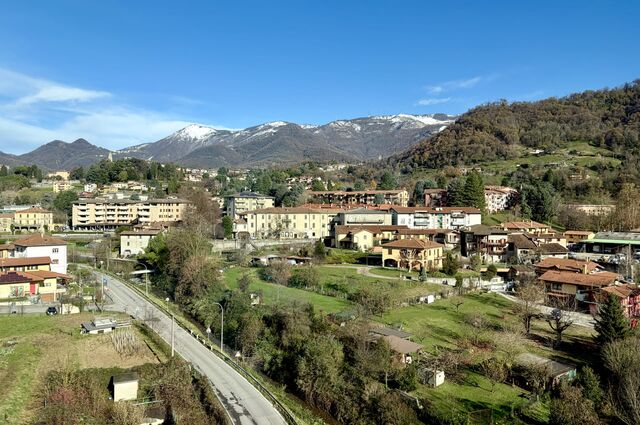
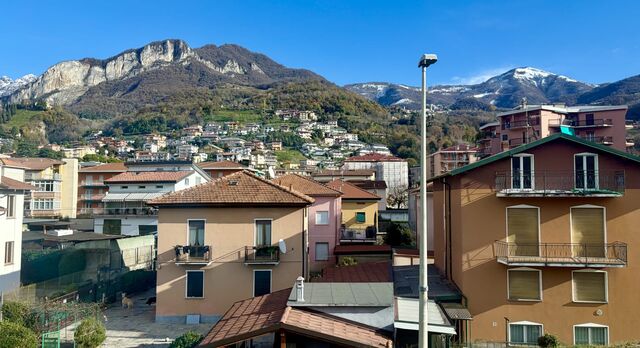
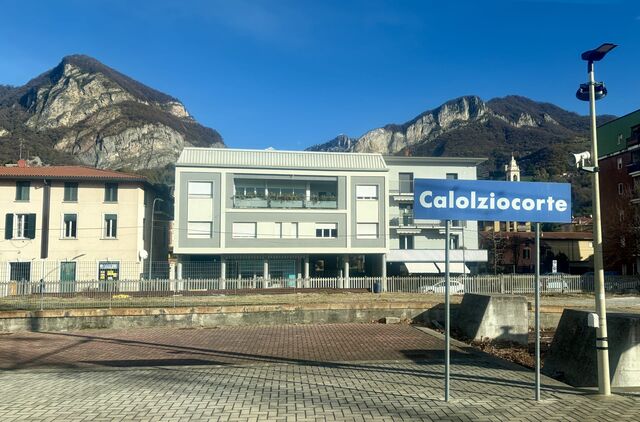
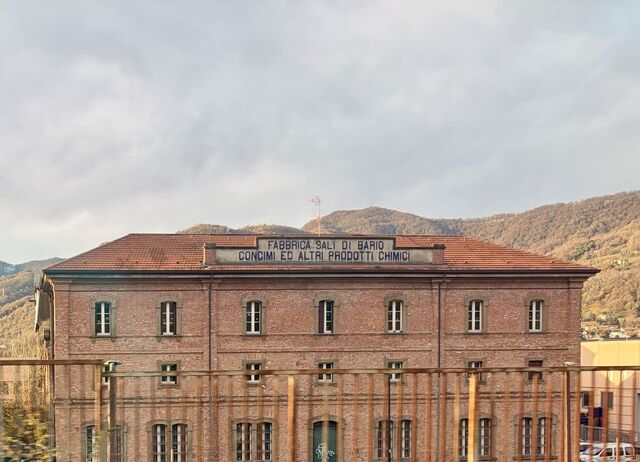
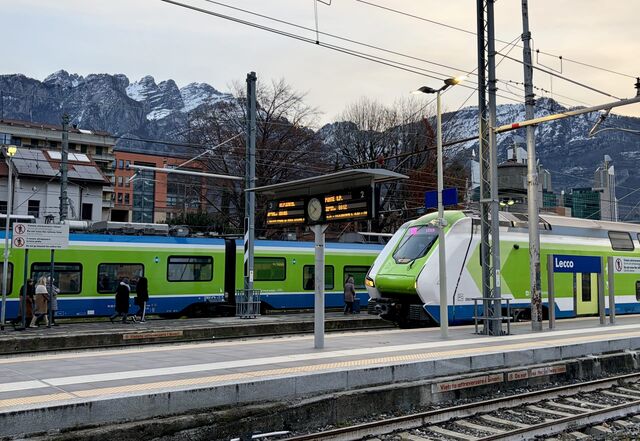
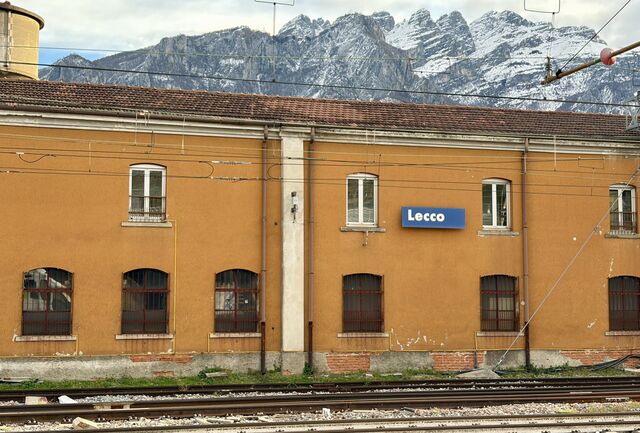
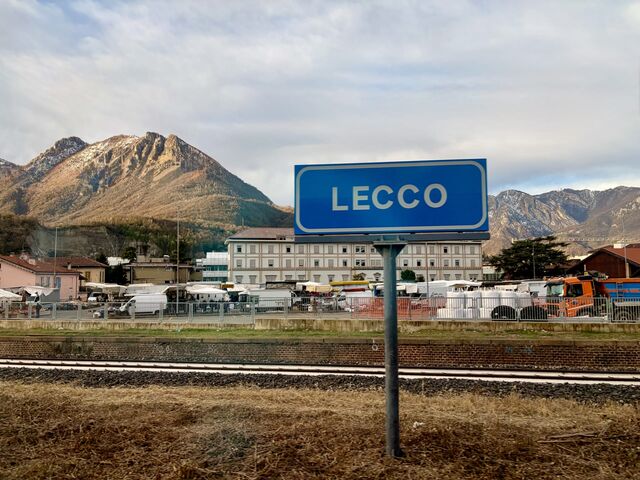
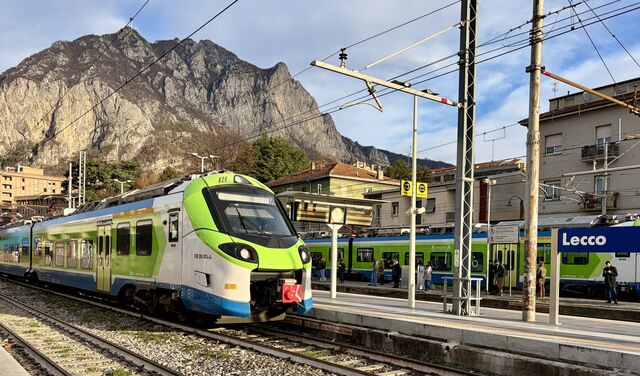
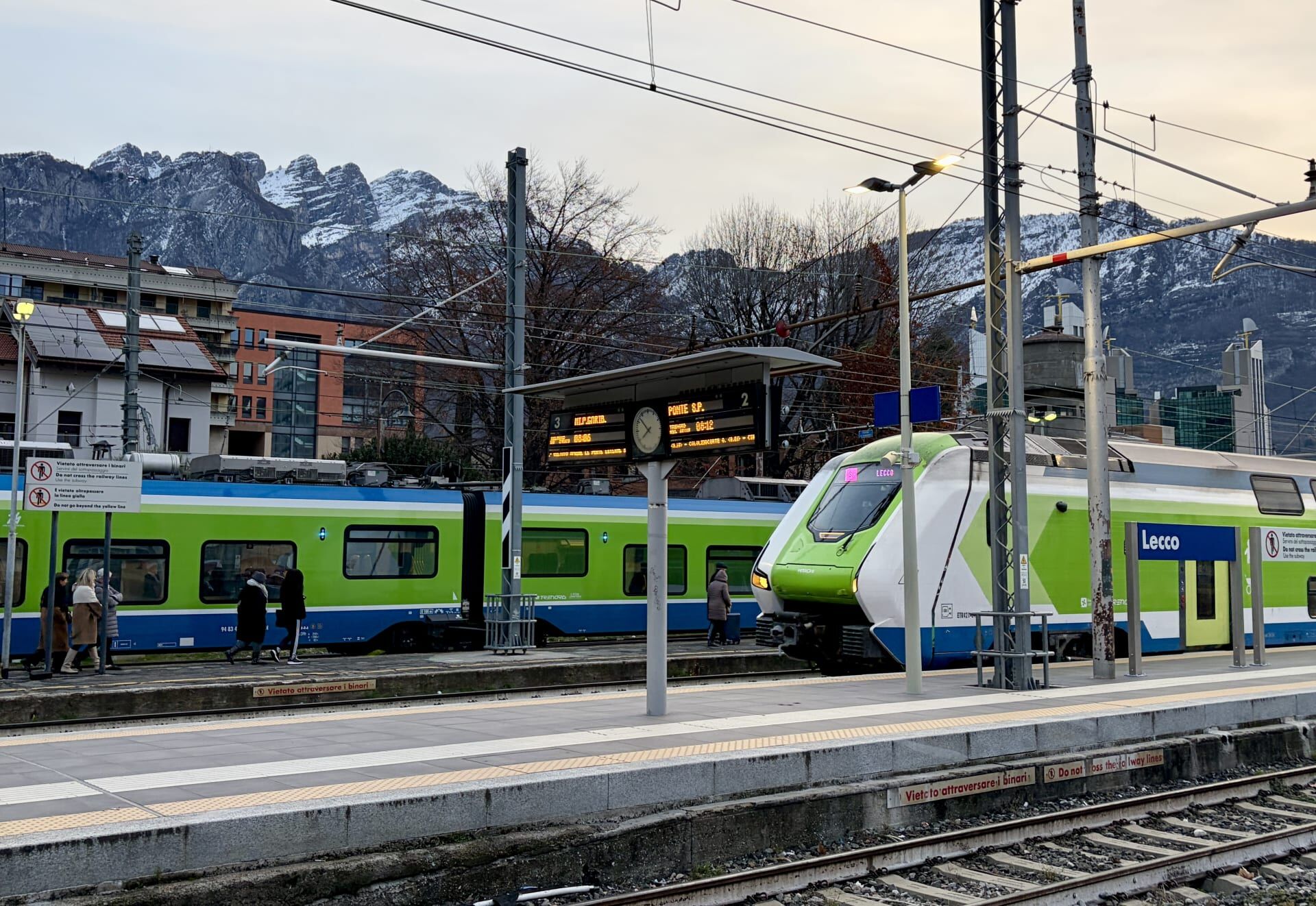
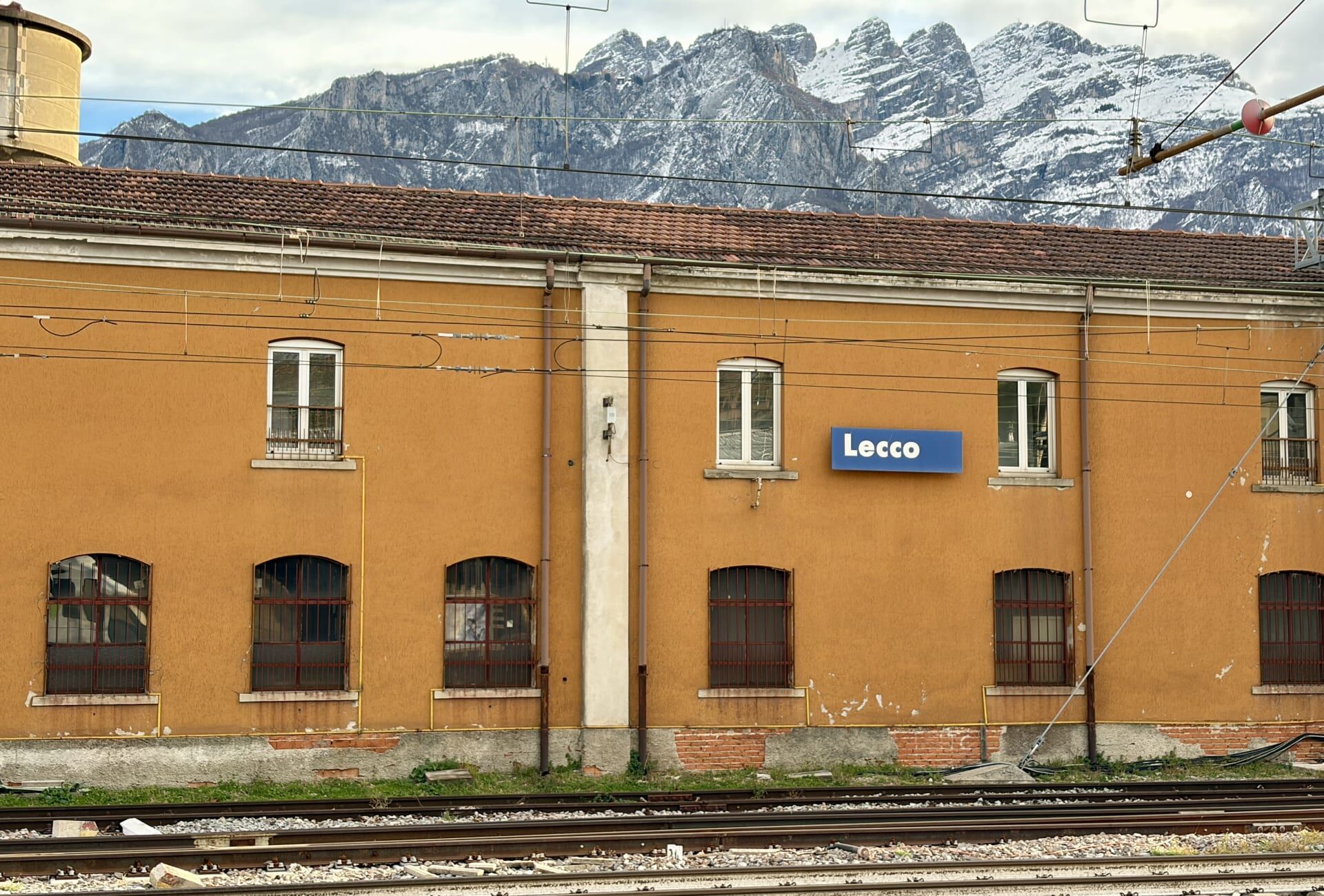
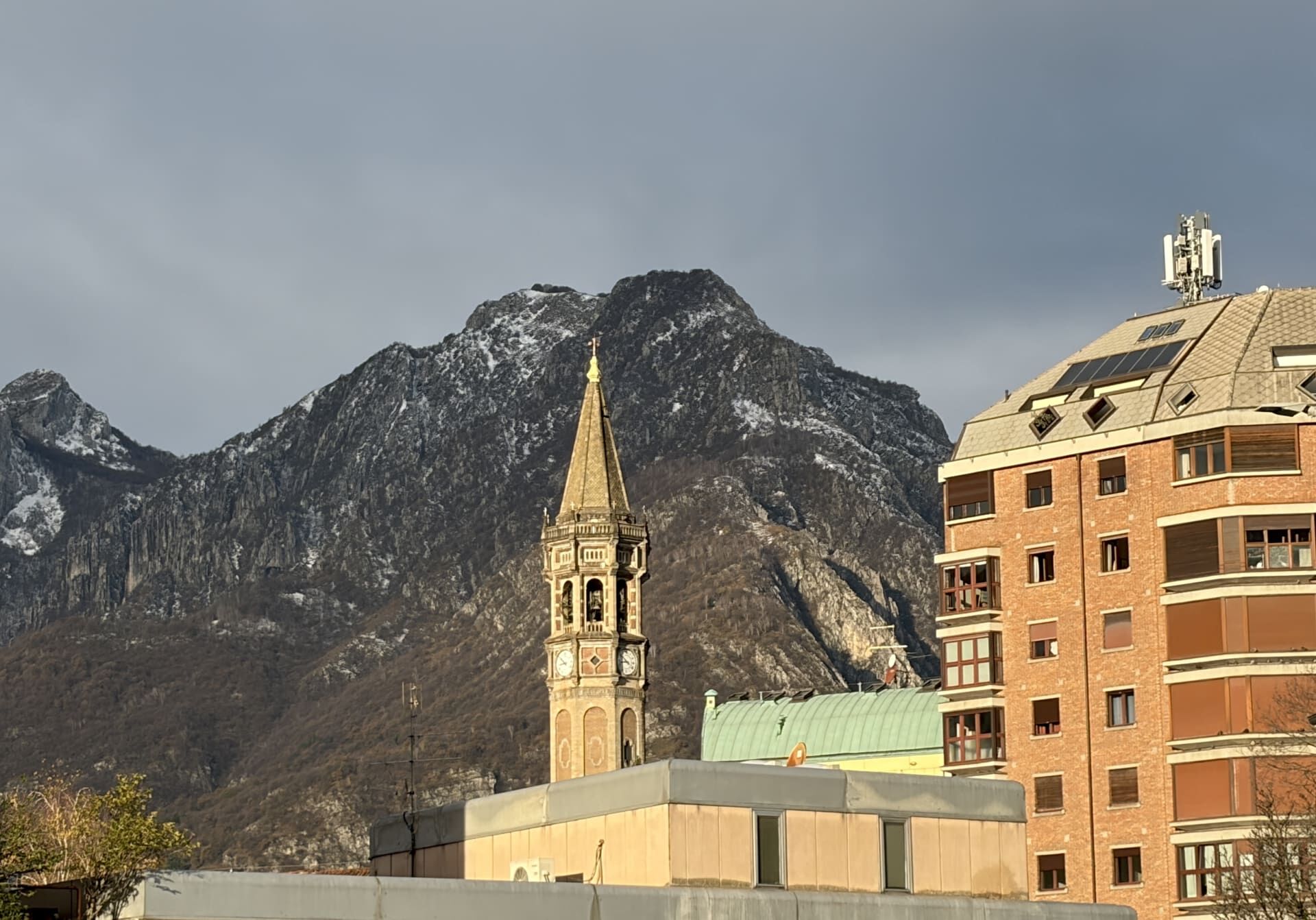
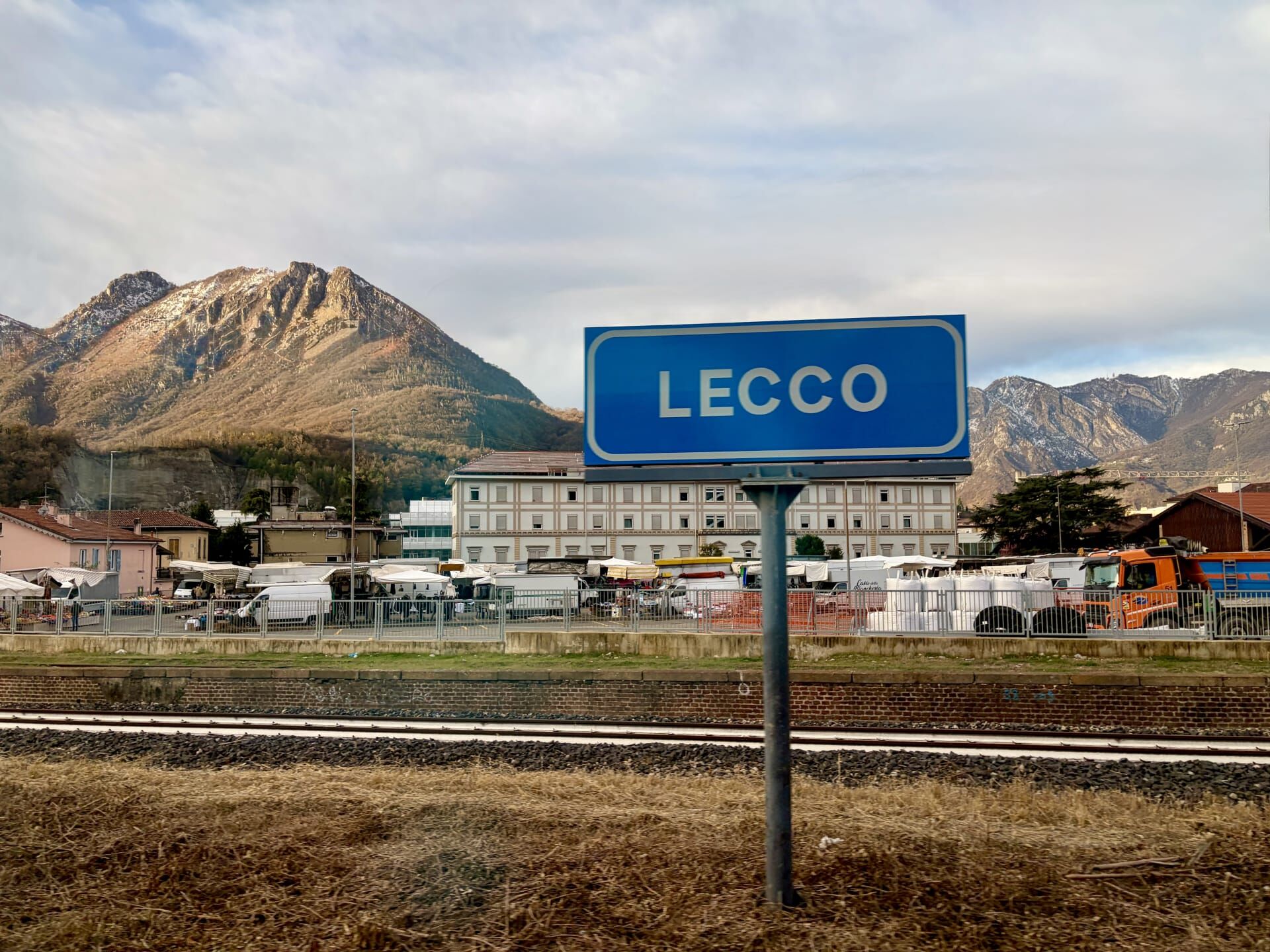
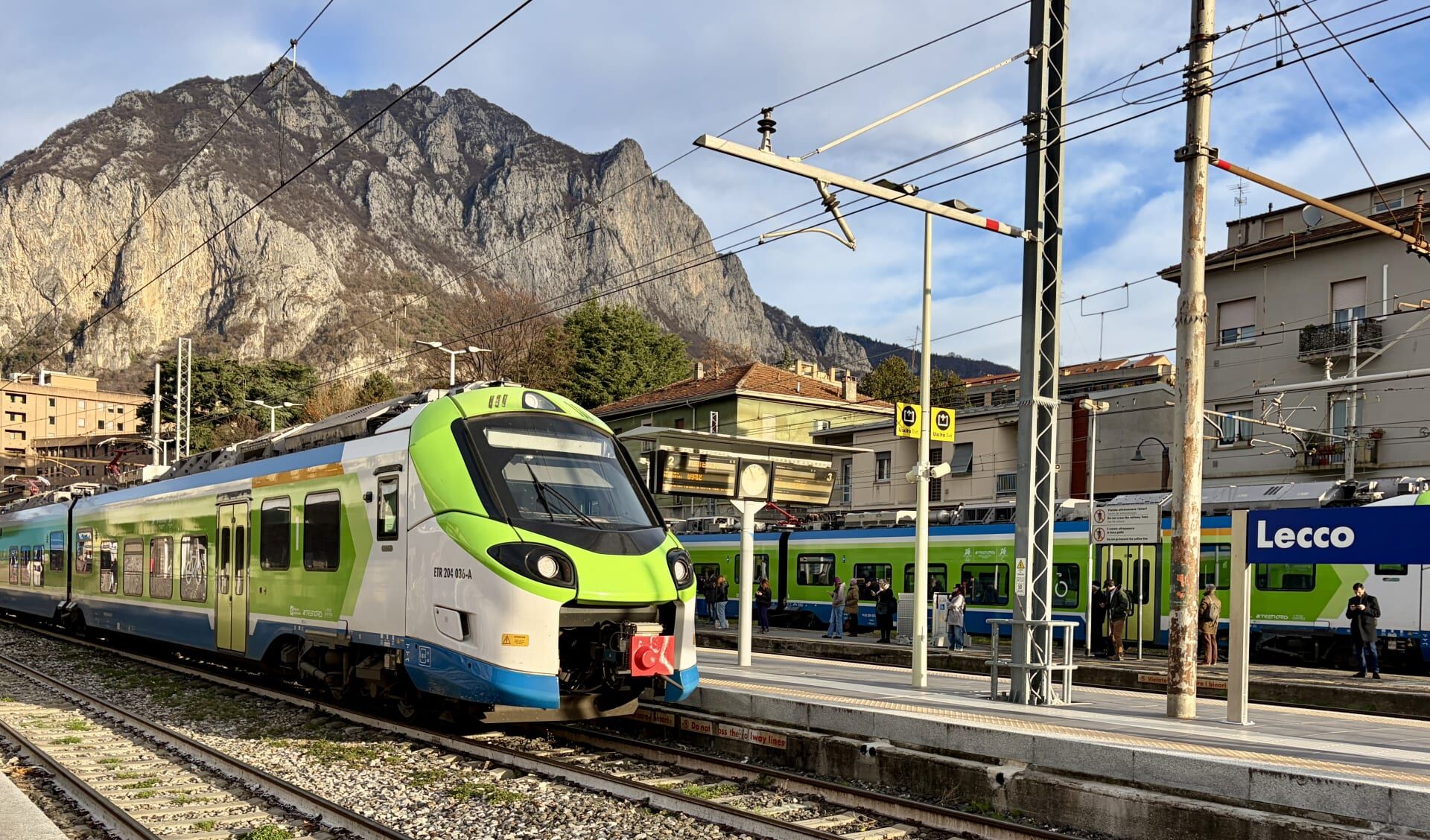
Lecco Station, which opened in 1863, is beautifully situated against a mountain backdrop and close to the banks of Lake Lecco (the southeastern branch of Lake Como). Lecco is a fairly major rail hub, connecting five different rail lines. It was the arrival of the railway and construction of Lecco Station which spurred the city’s industrialisation during the 19th century.5
Lecco–Tirano Railway
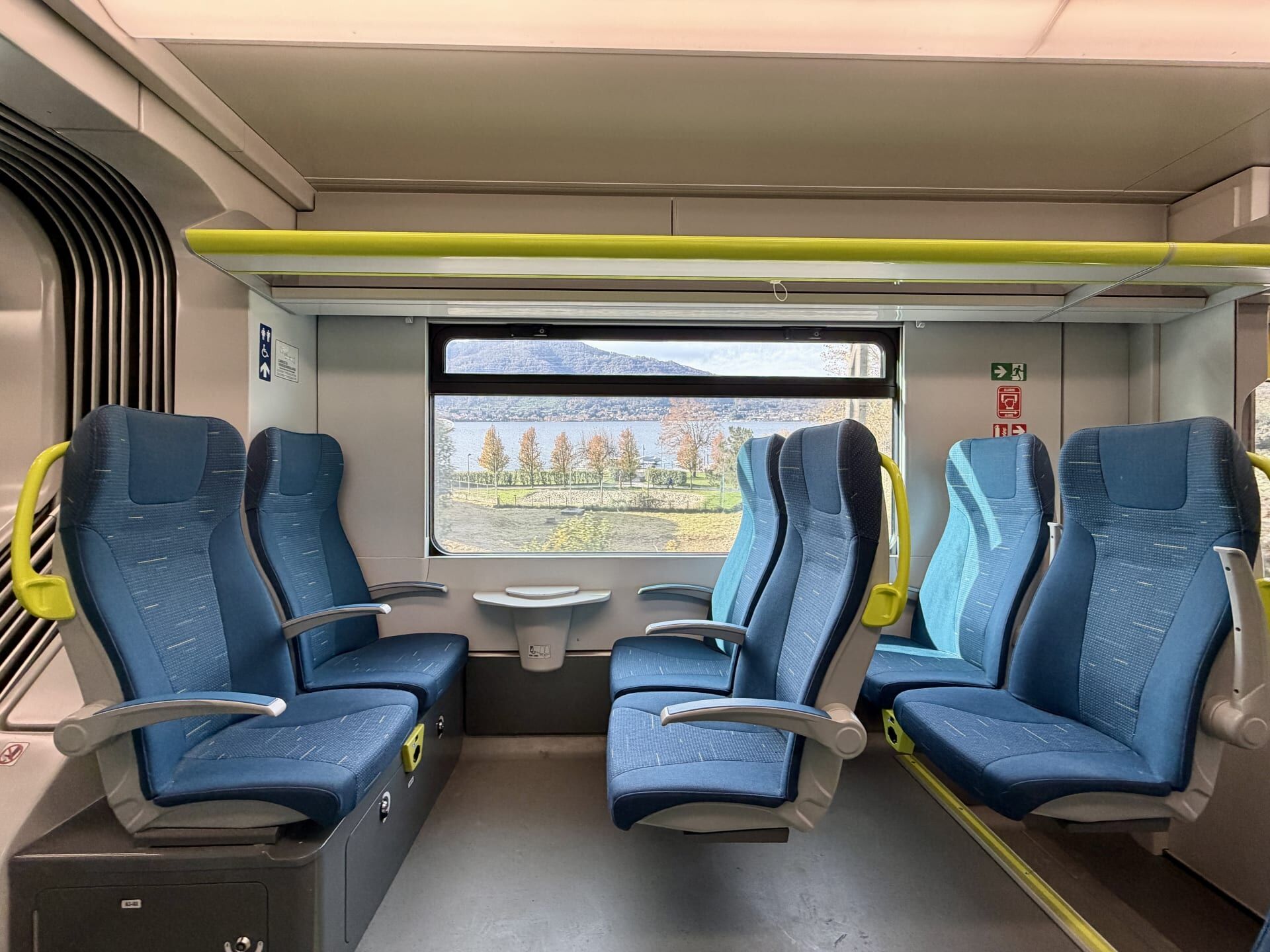
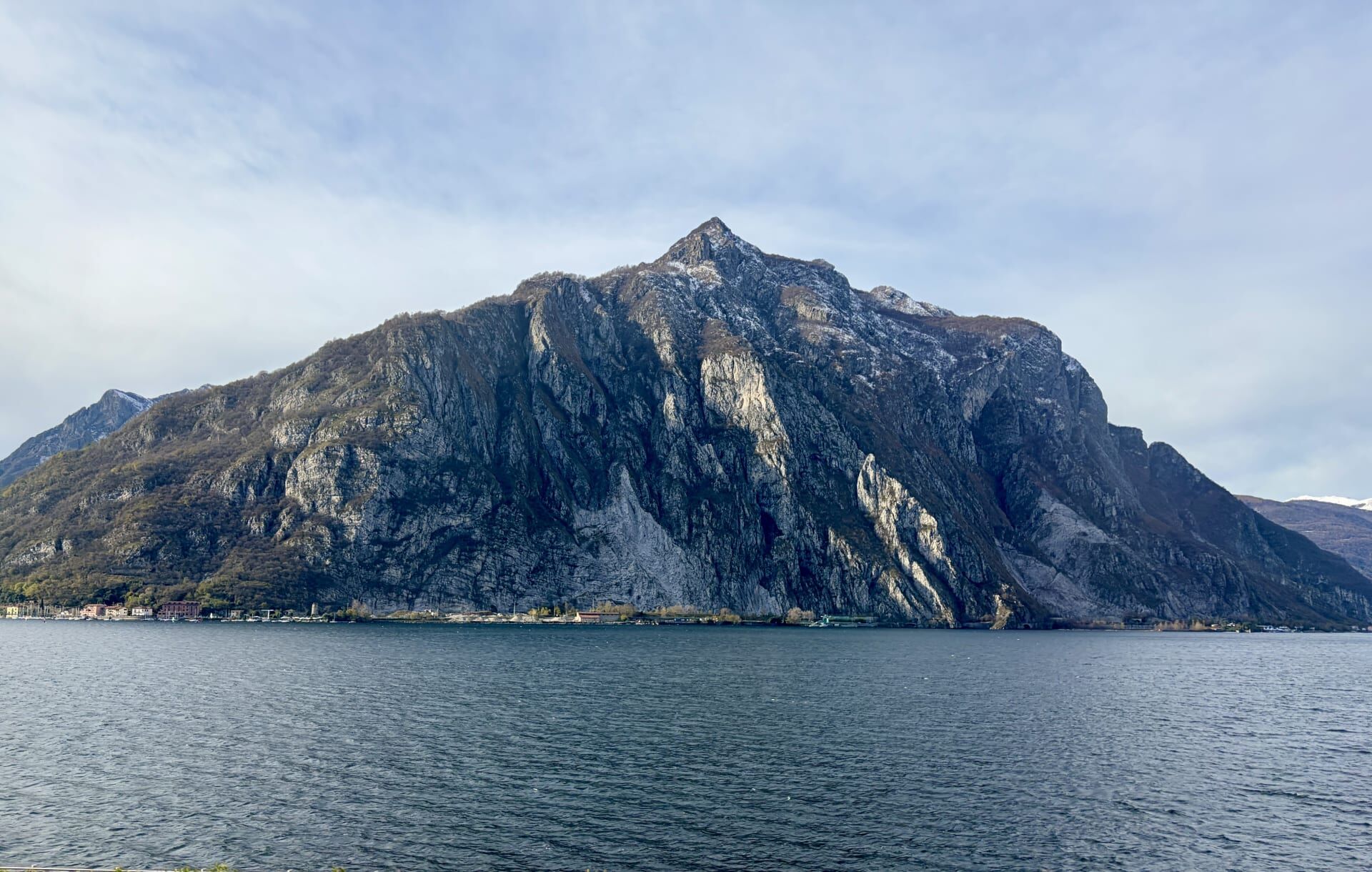
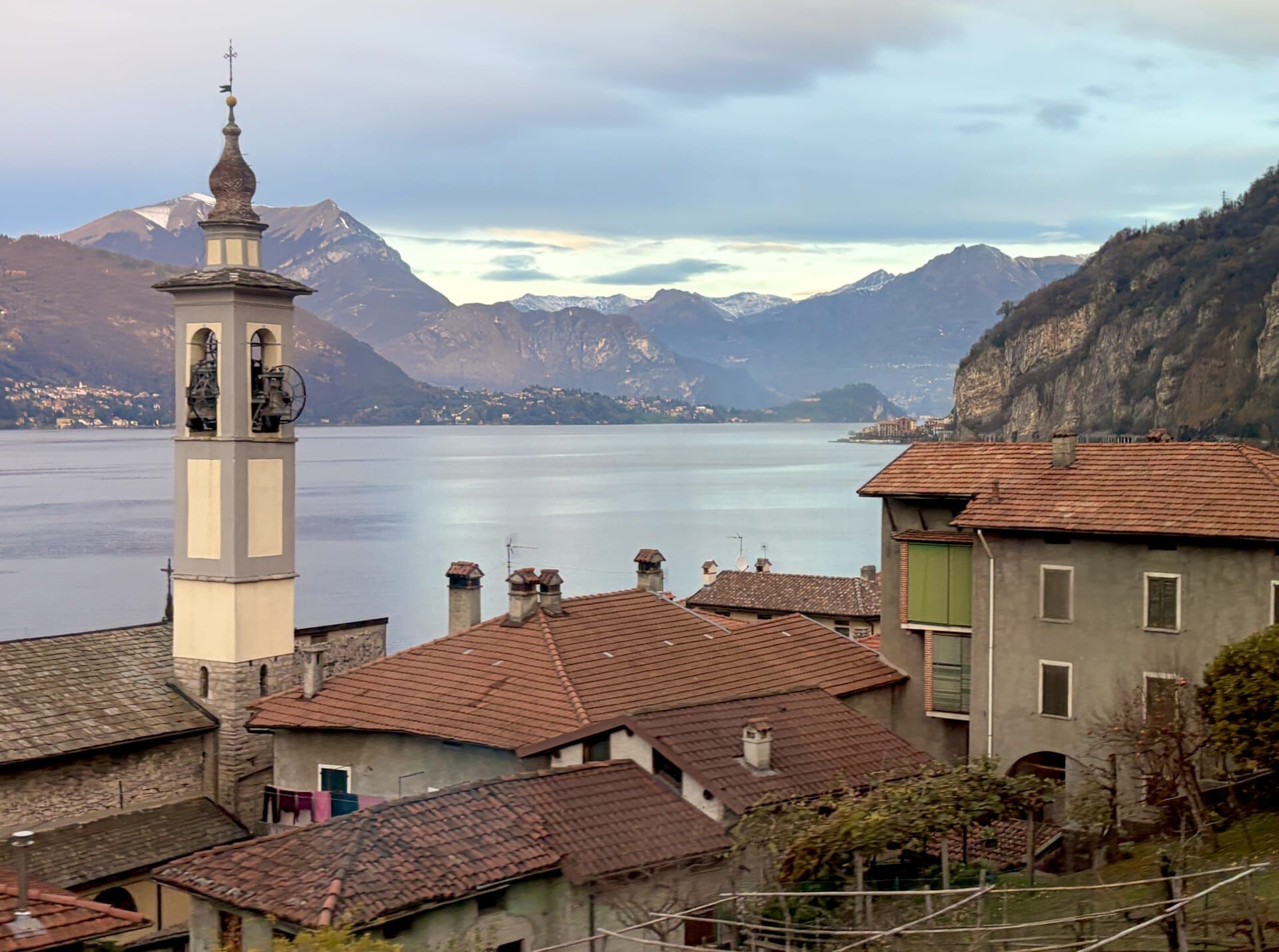
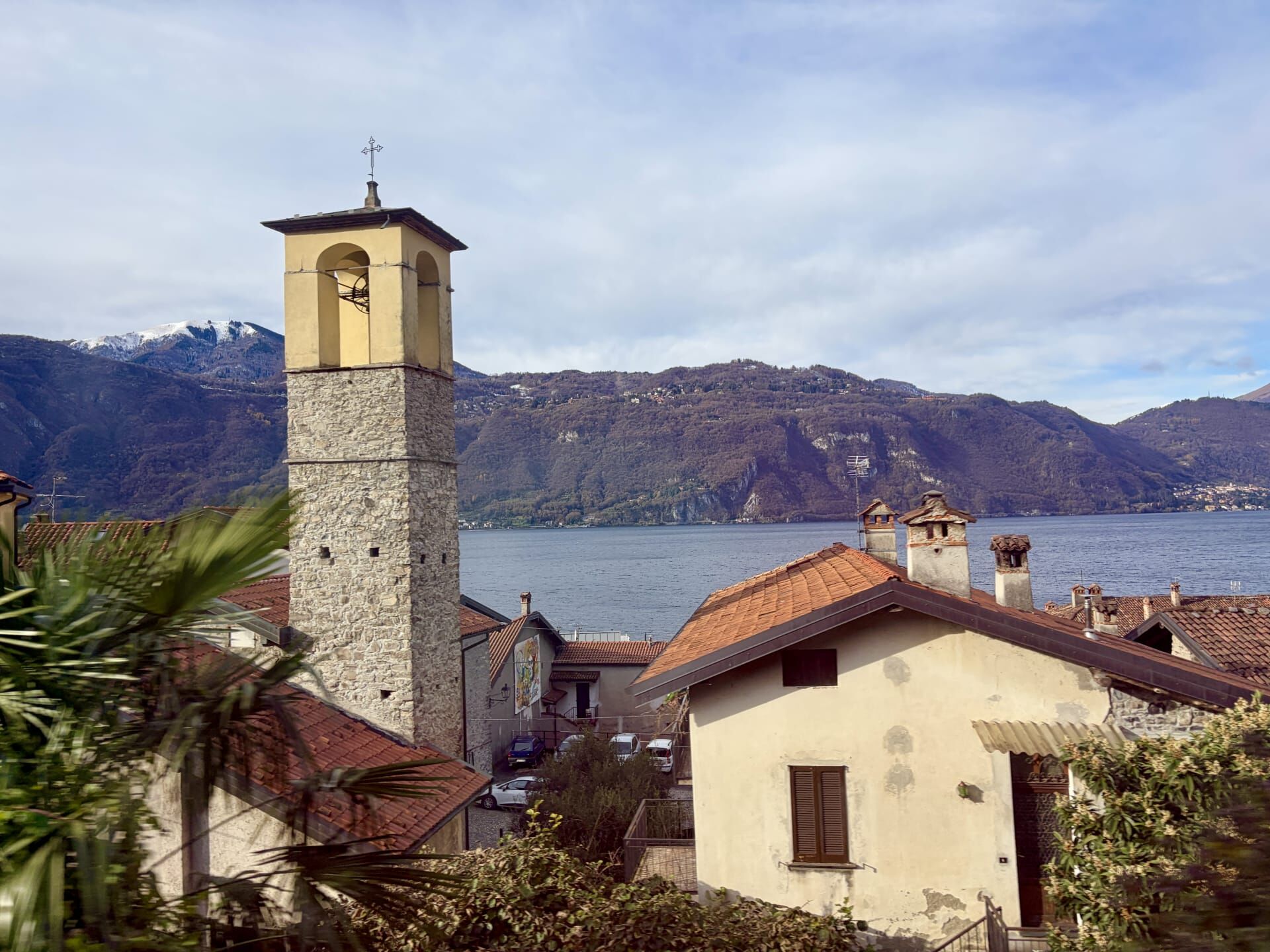
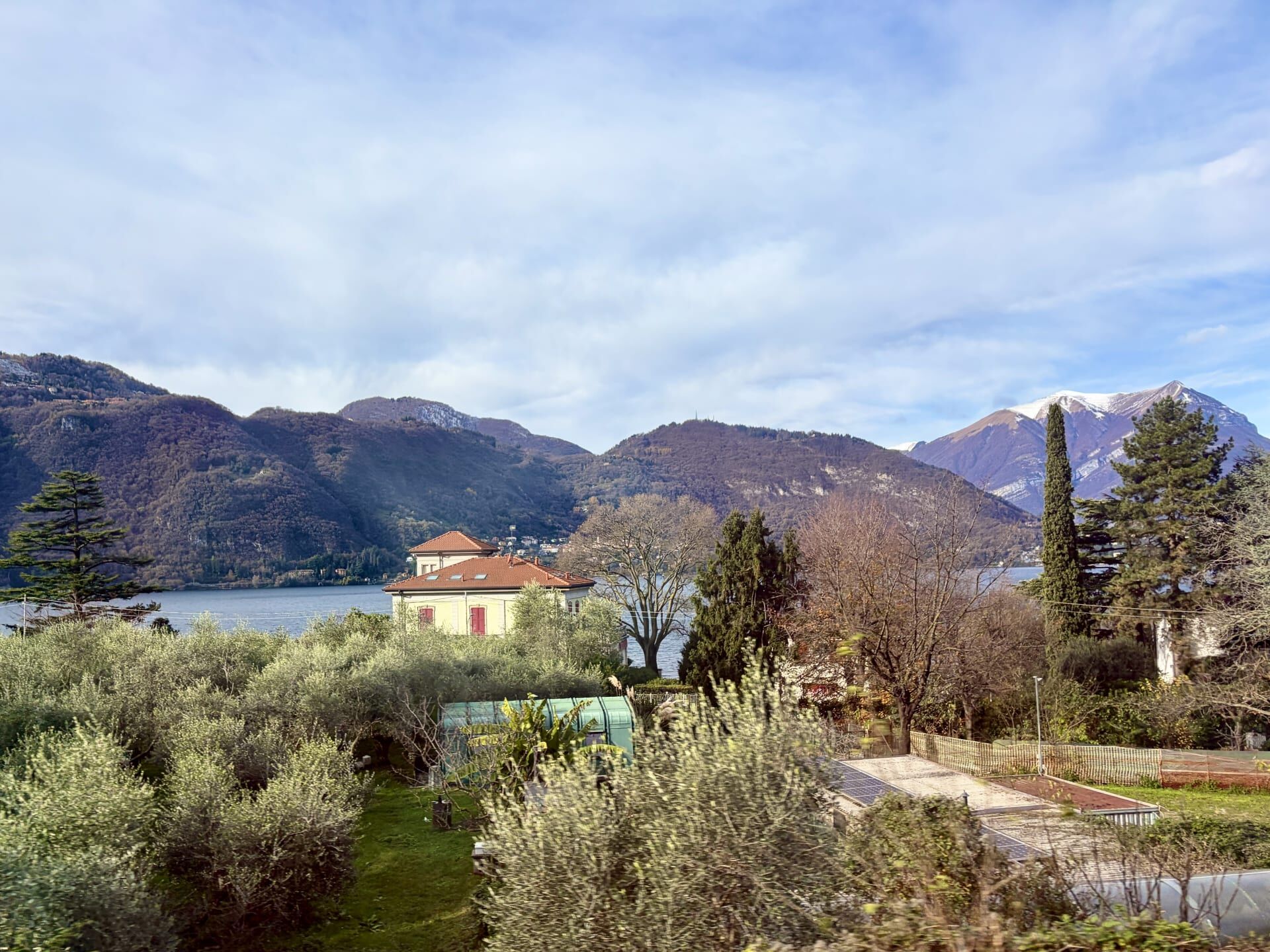
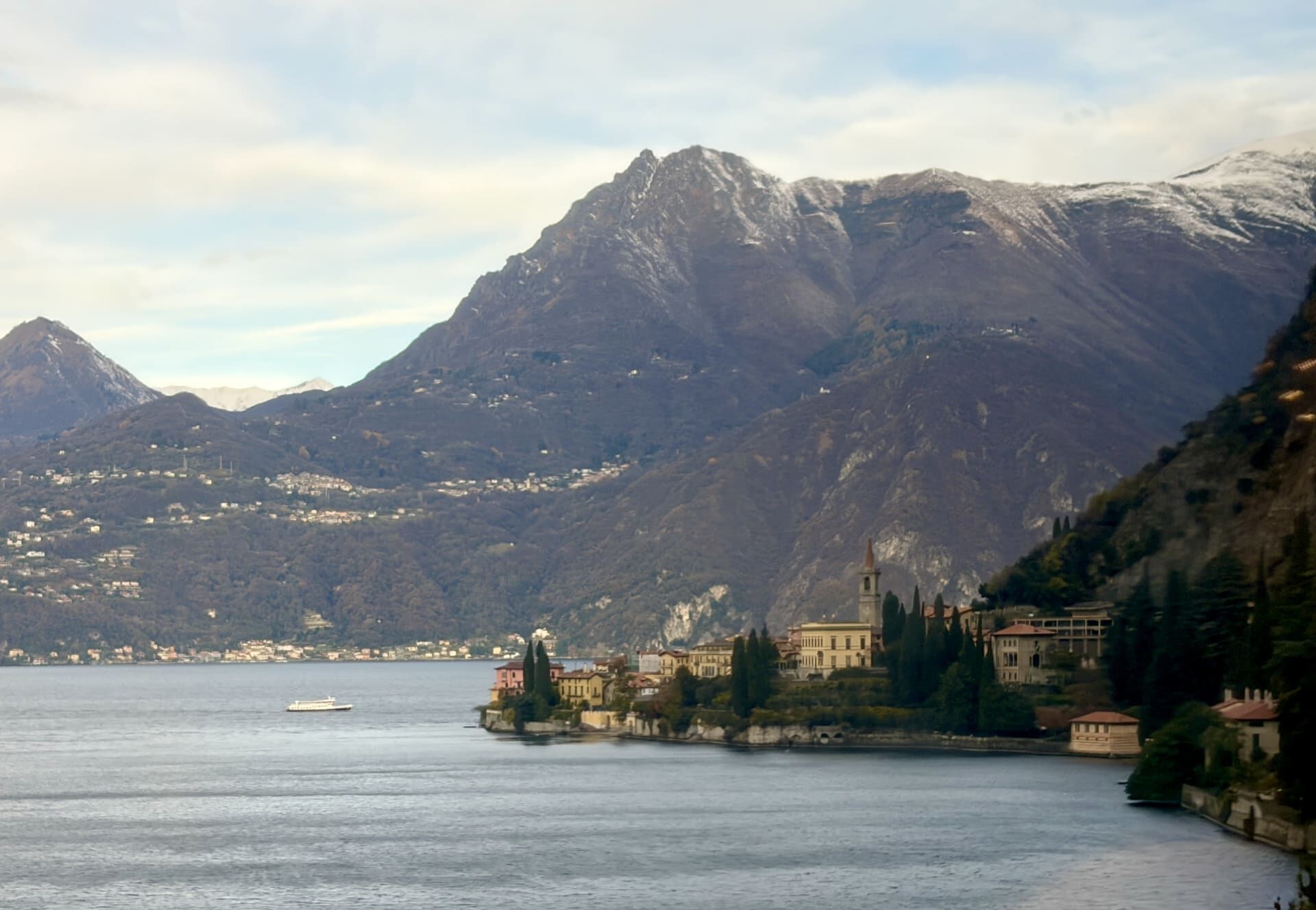
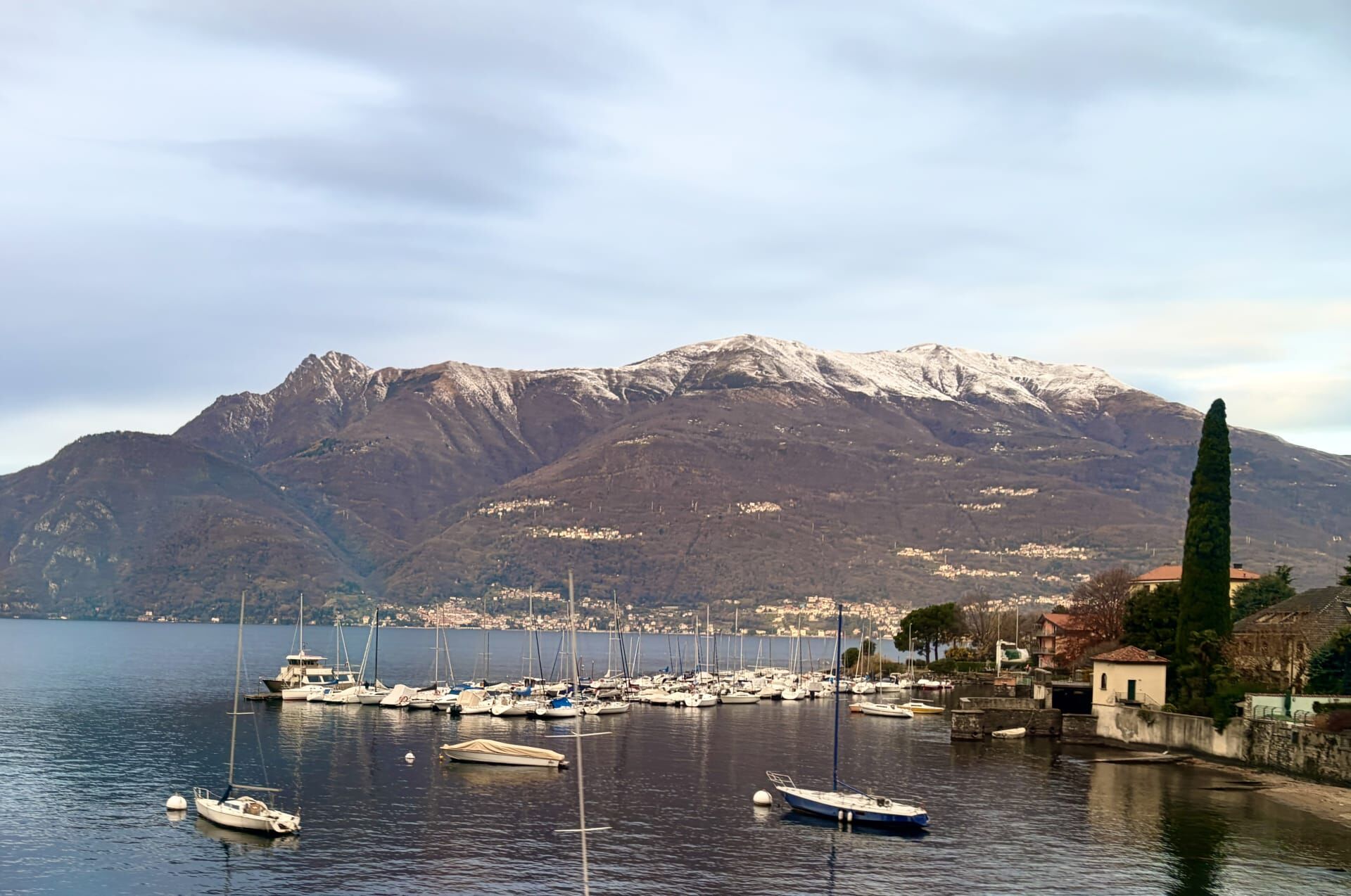
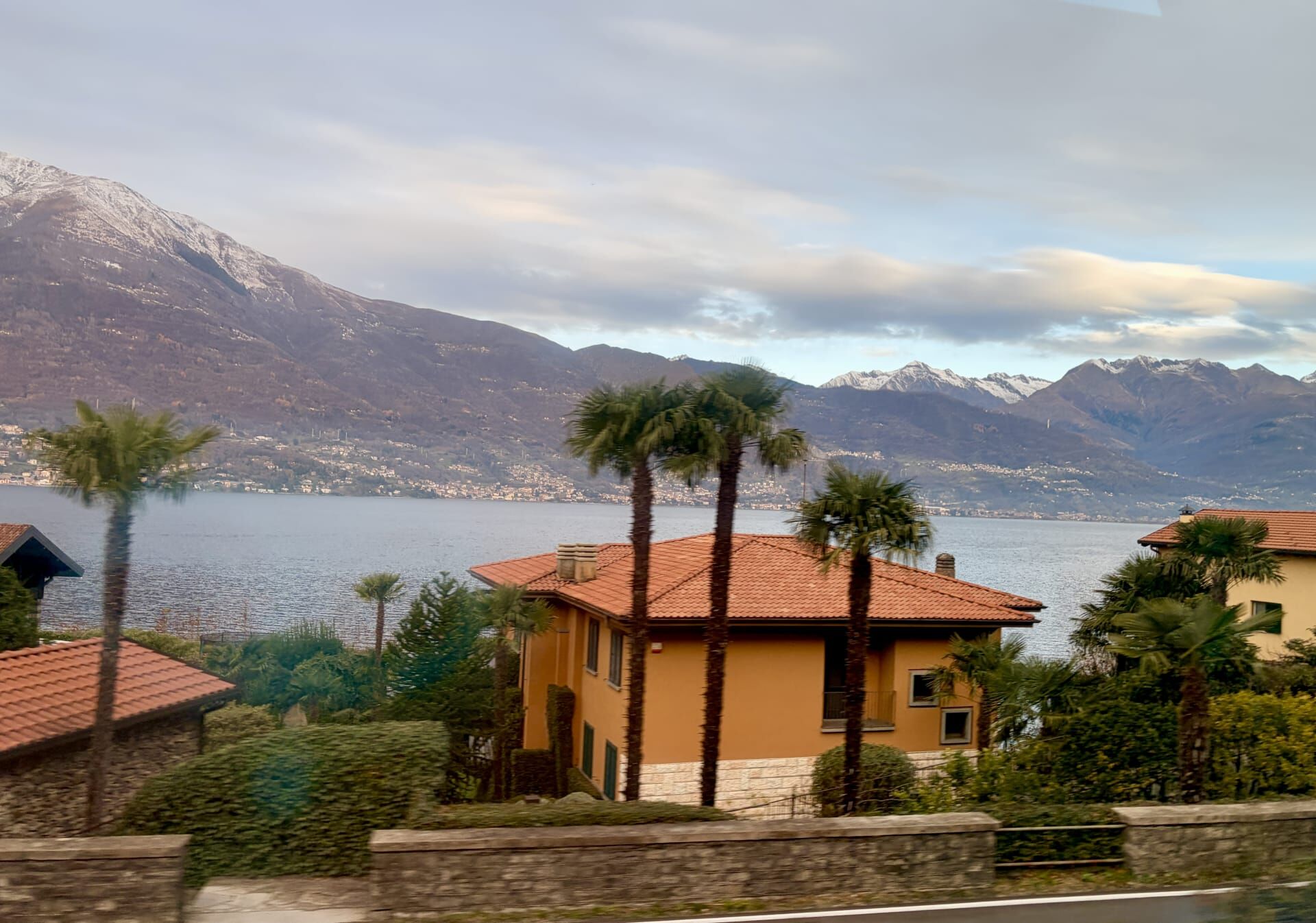
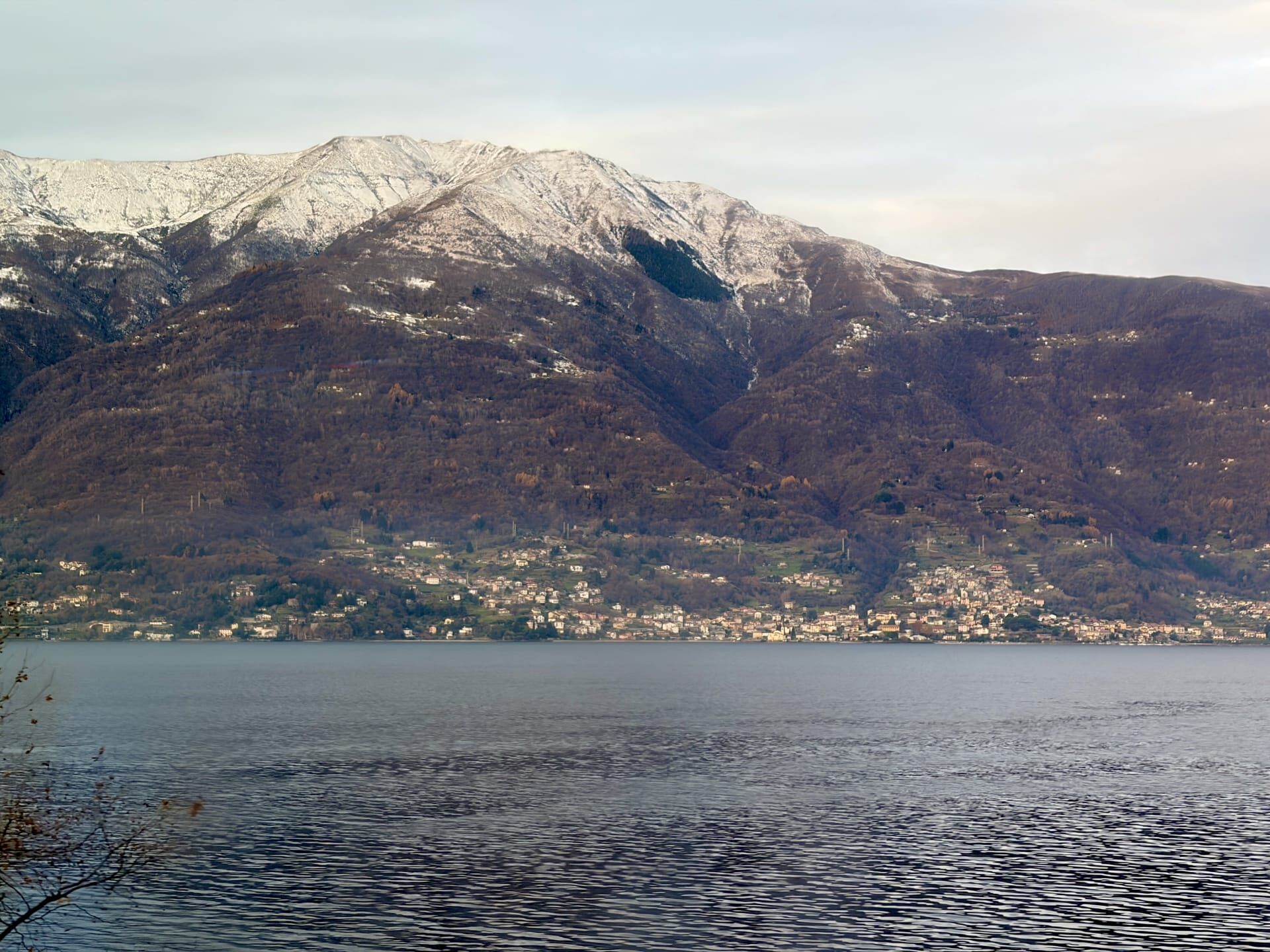
From Lecco, the views quickly become spectacular as the train skirted the edge of Lake Lecco and then Lake Como. Surprisingly, I have never seen this railway recommended, or even mentioned, in any rail guidebooks. When travelling north, it is imperative to sit on the left-hand side of the train to enjoy the lake views.
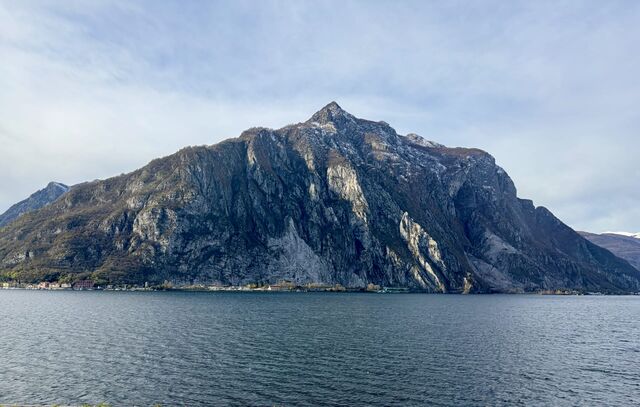
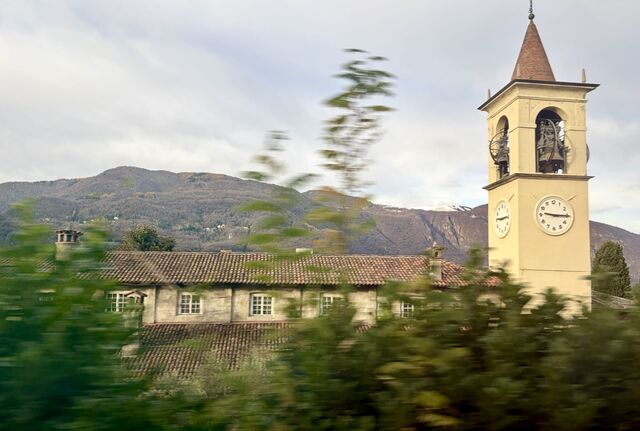
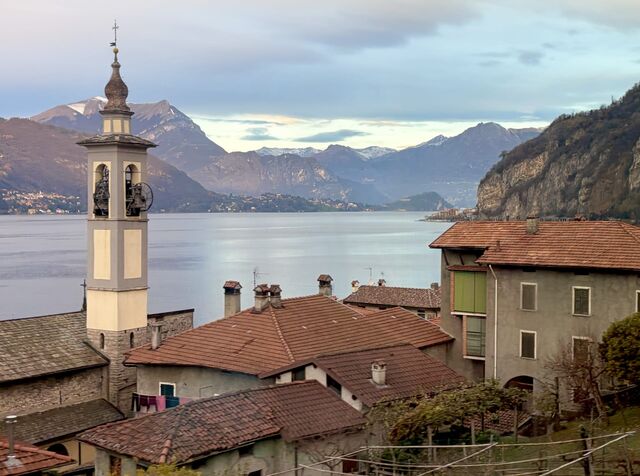
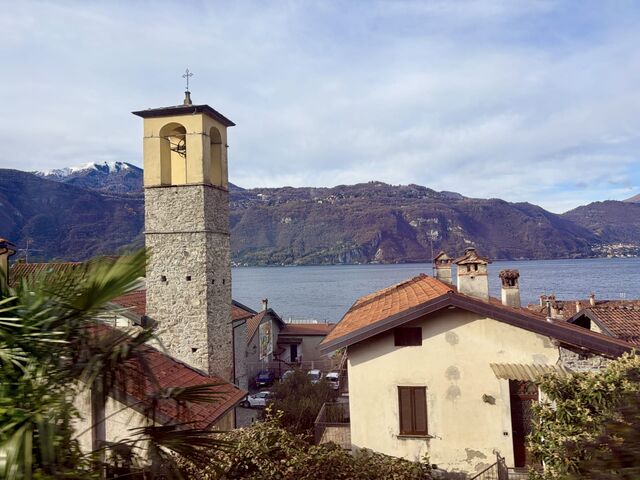
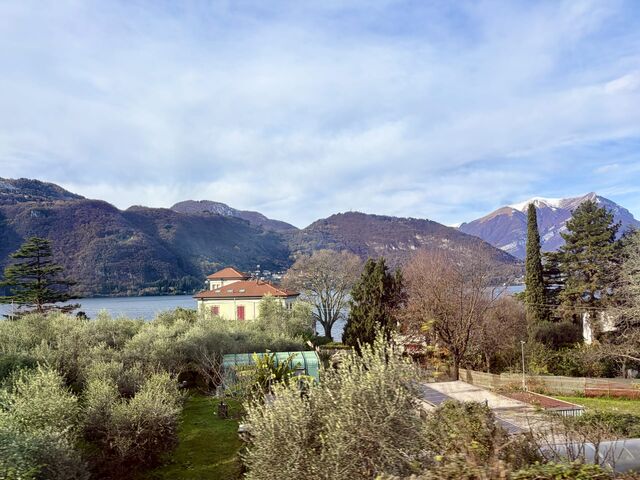
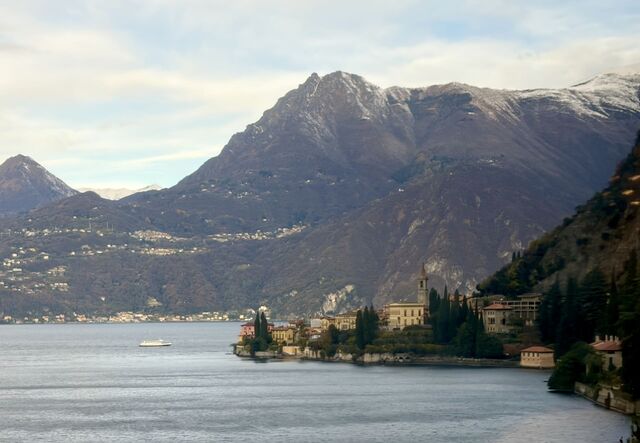
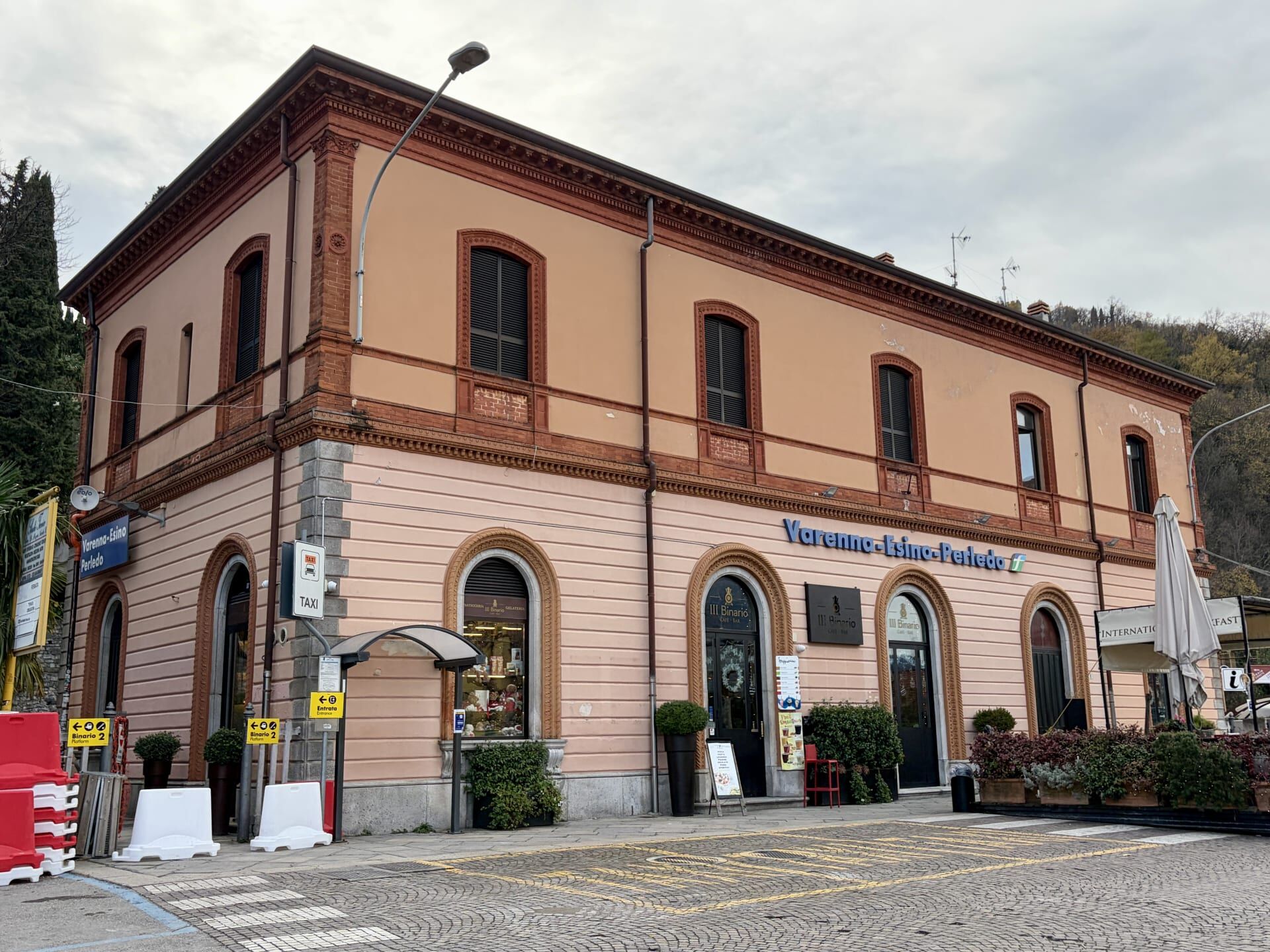
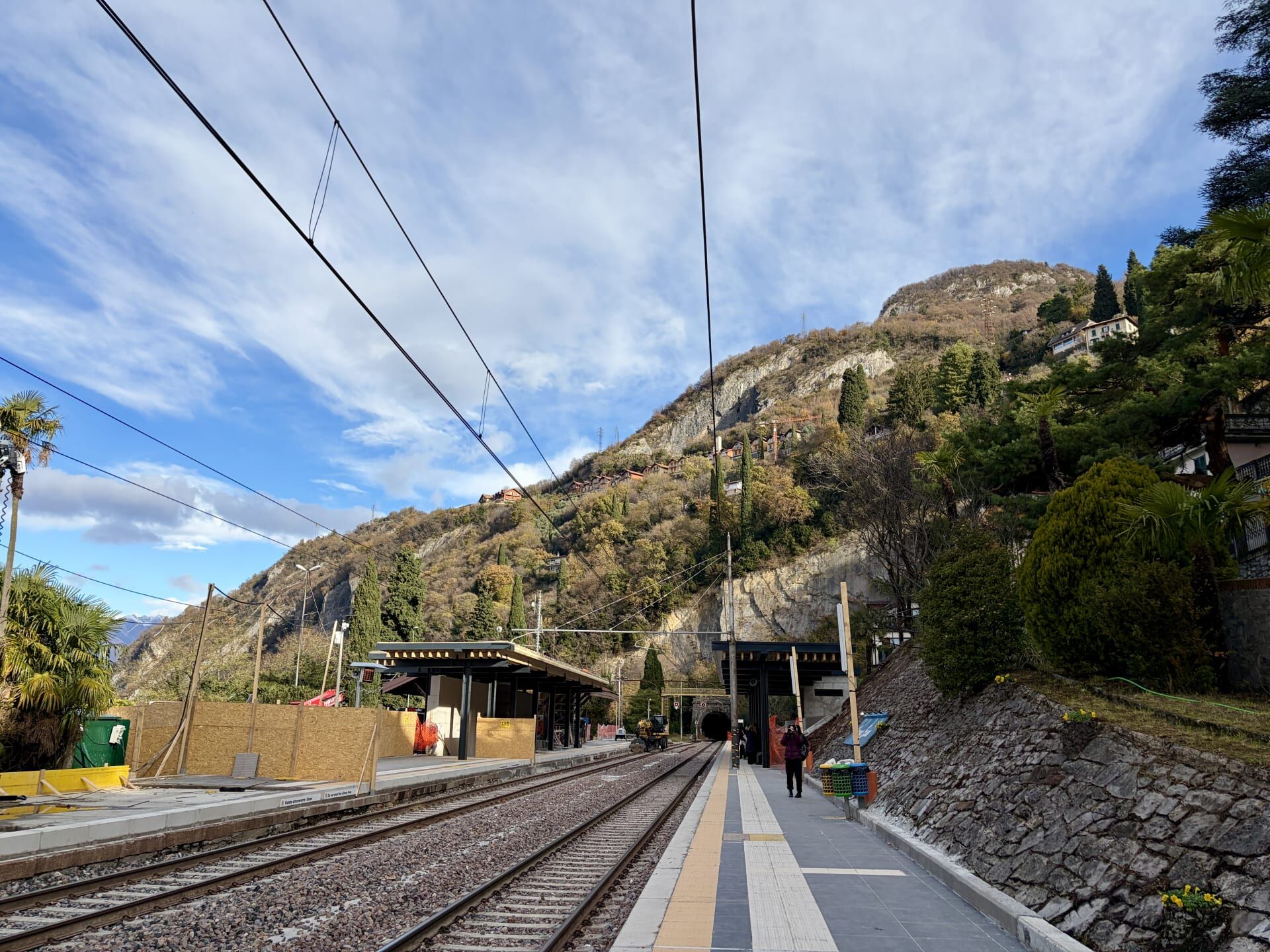
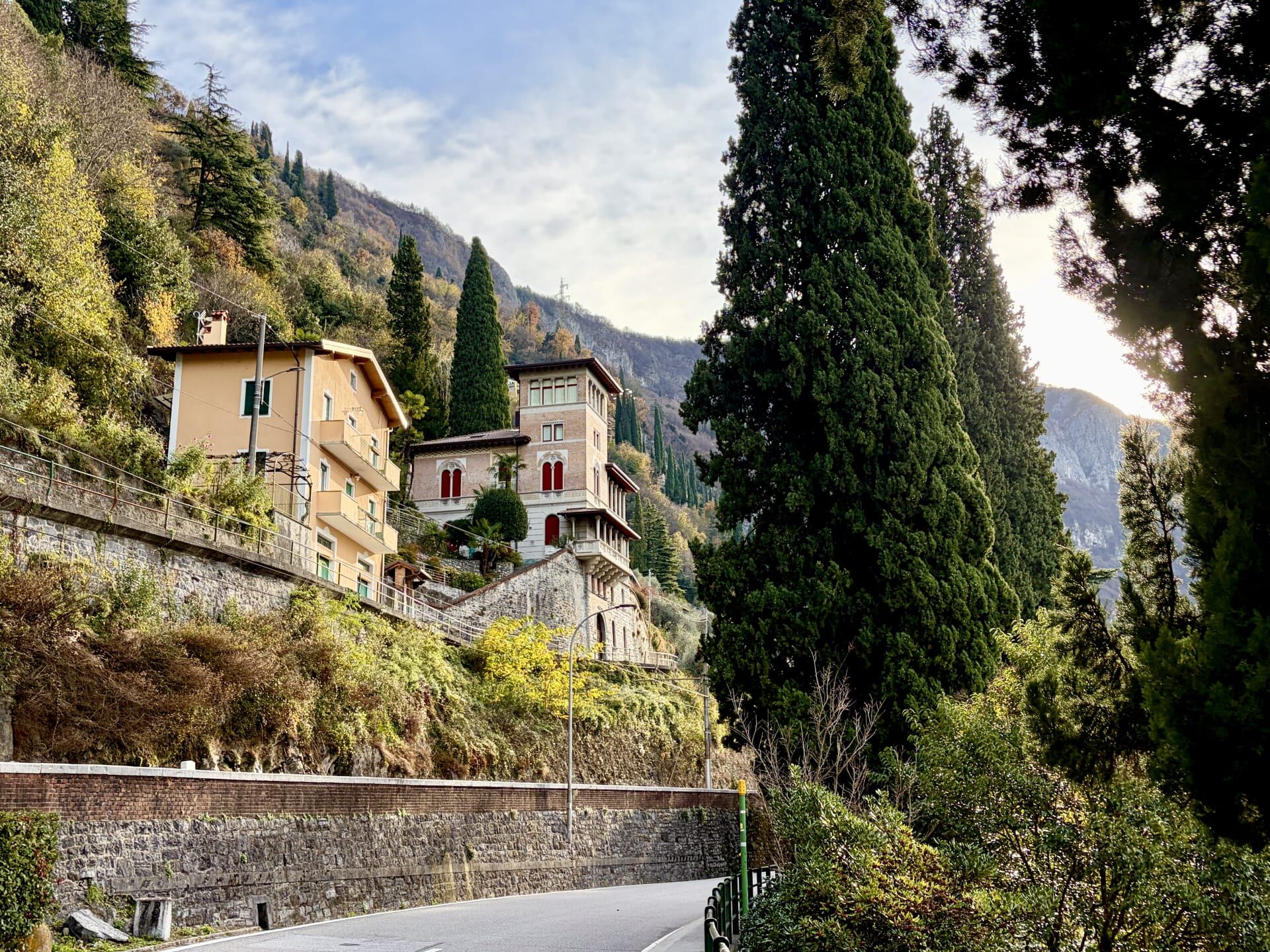
I alighted at Varenna-Esino-Perledo Station, which was constructed in 1892 and is another beautifully situated station.
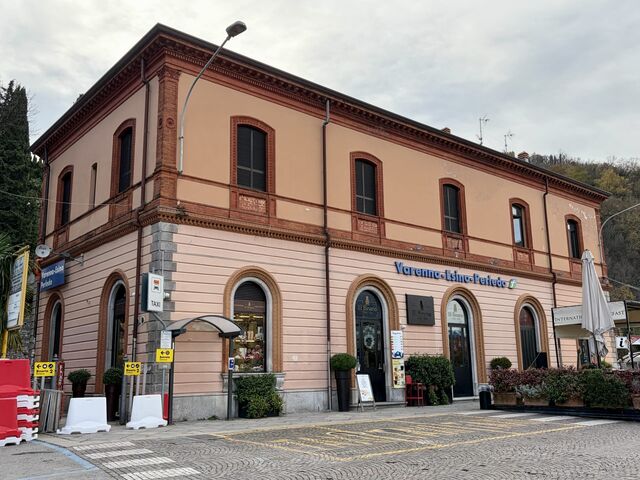
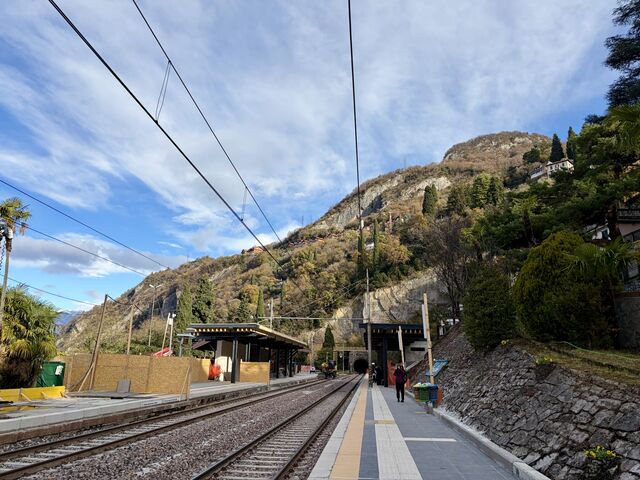
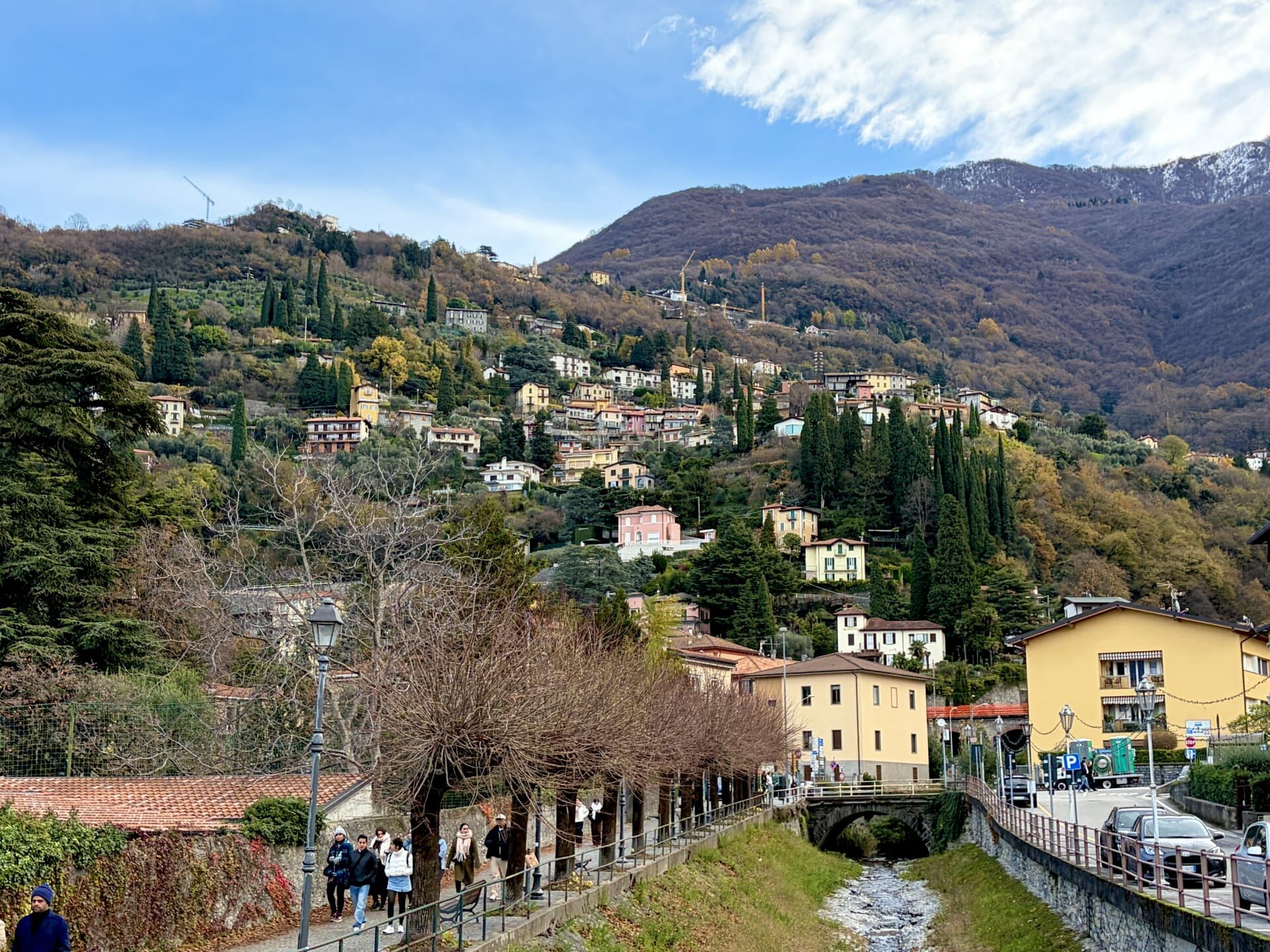
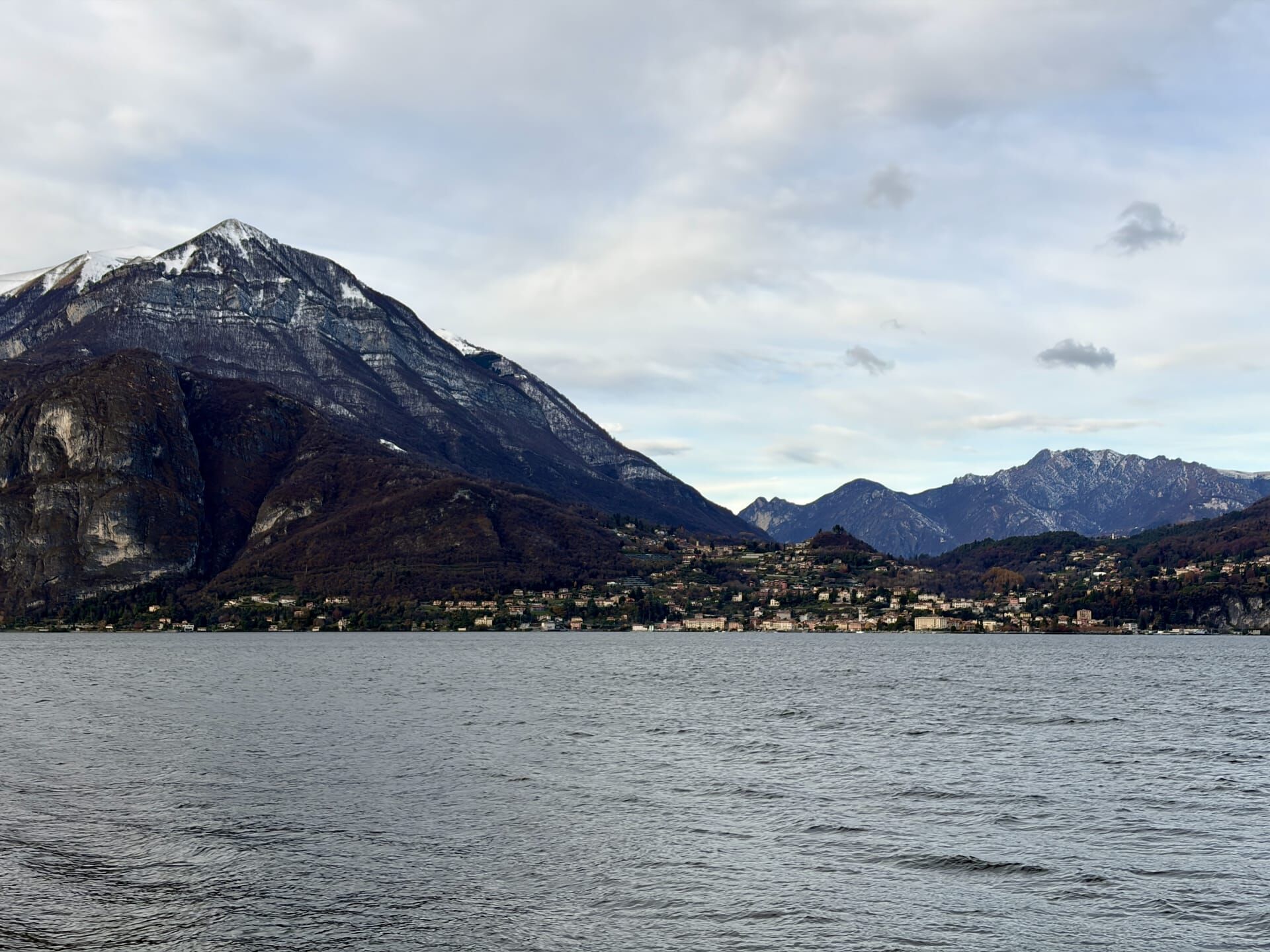
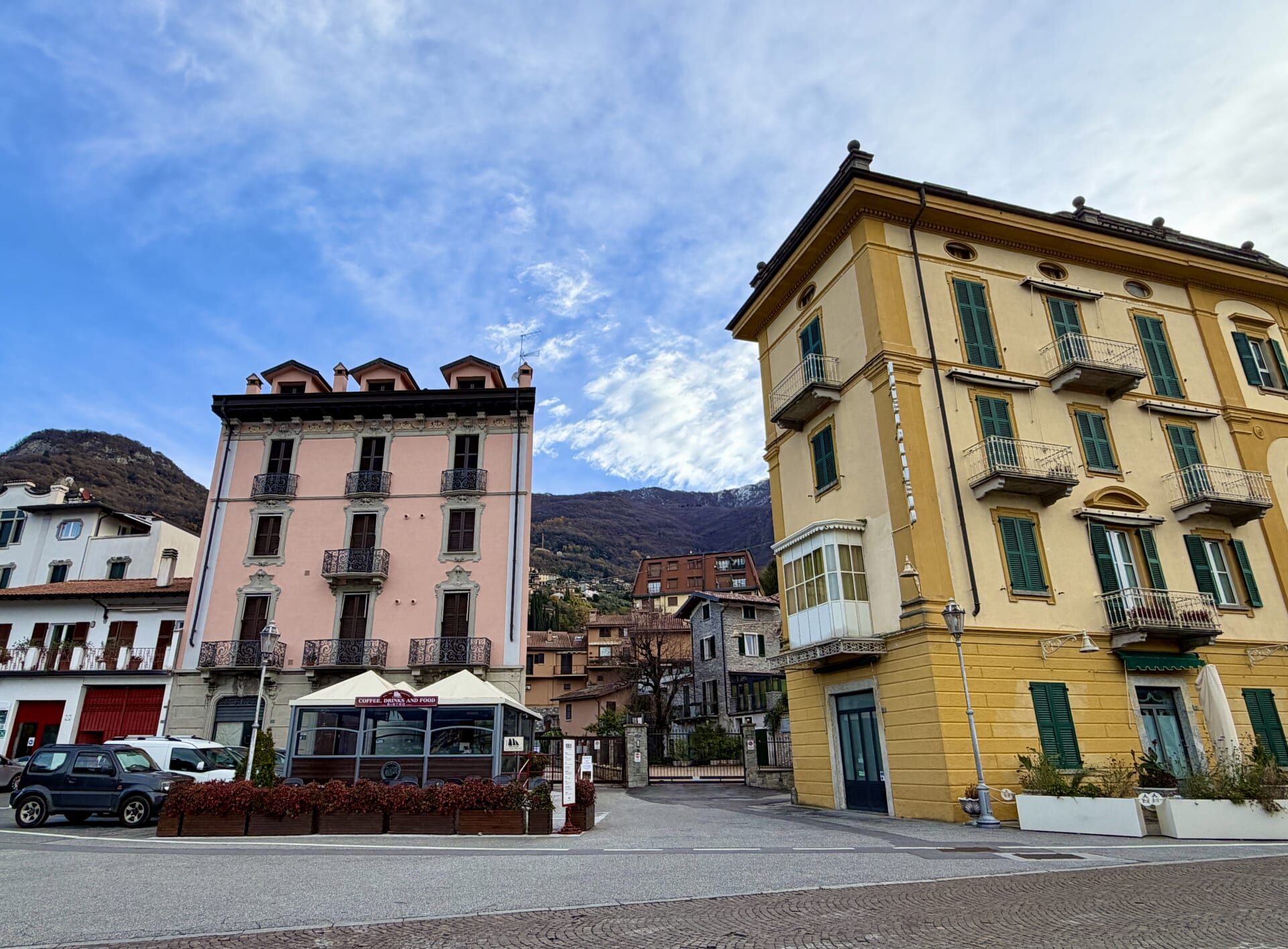
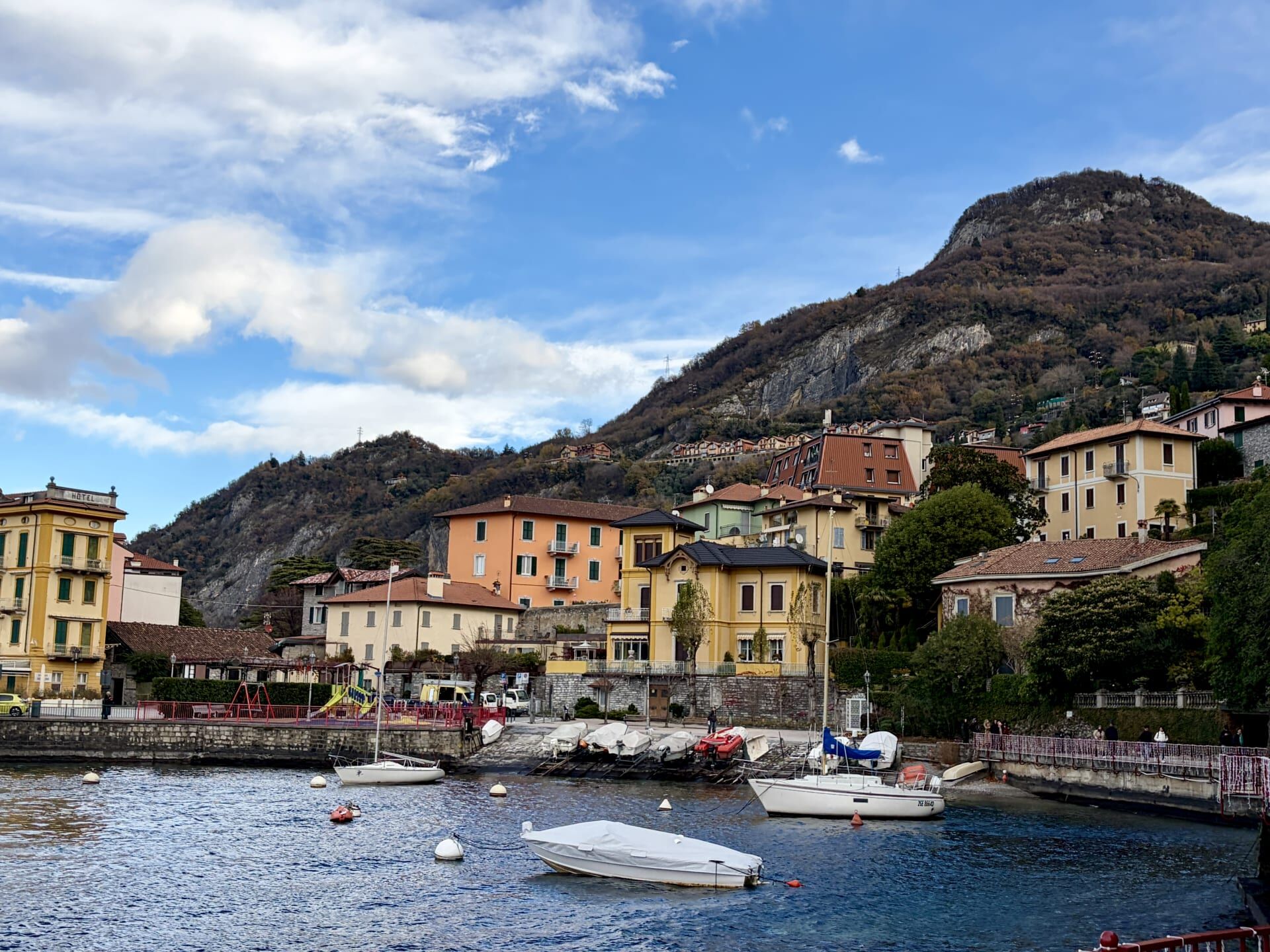
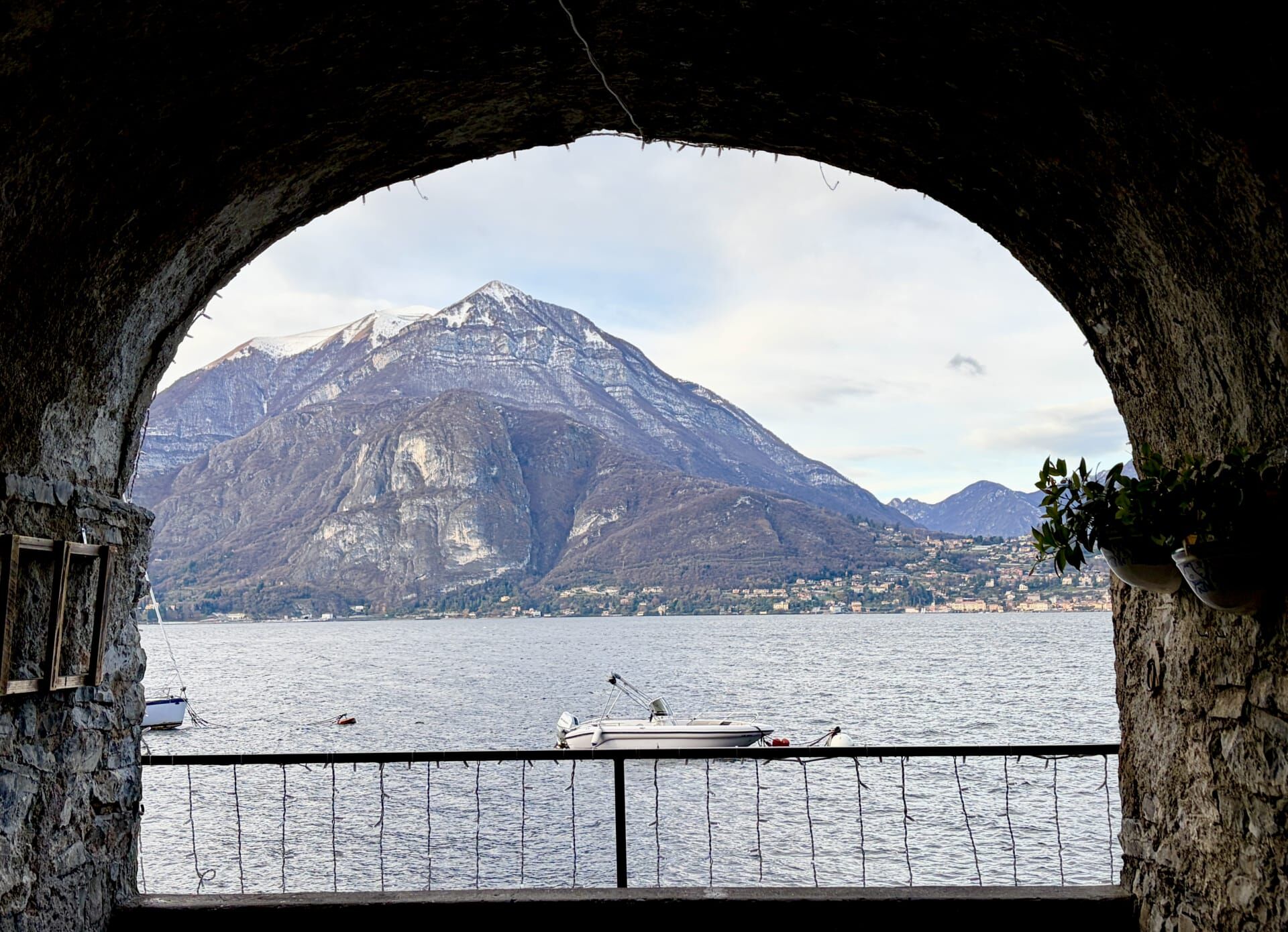
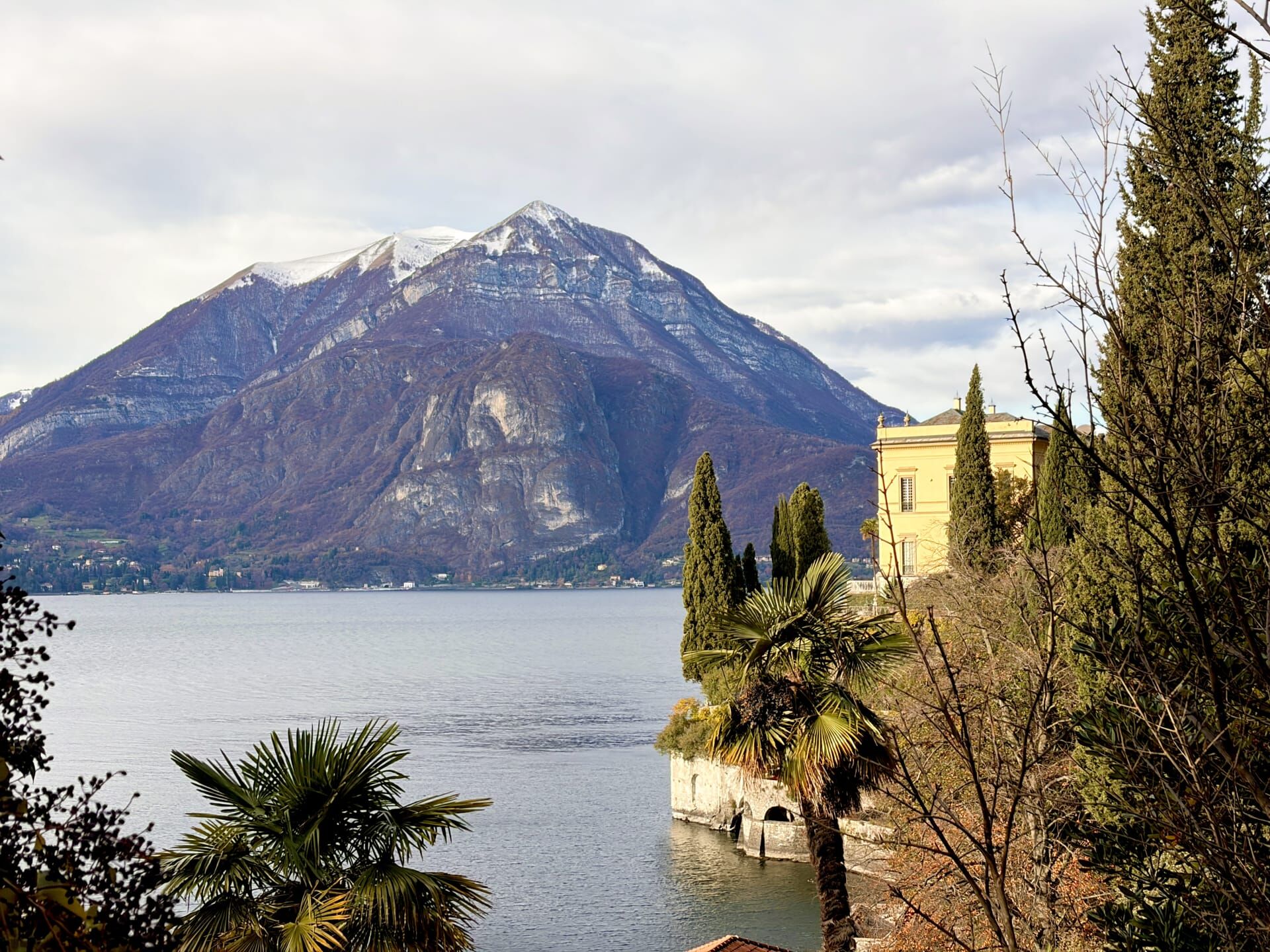
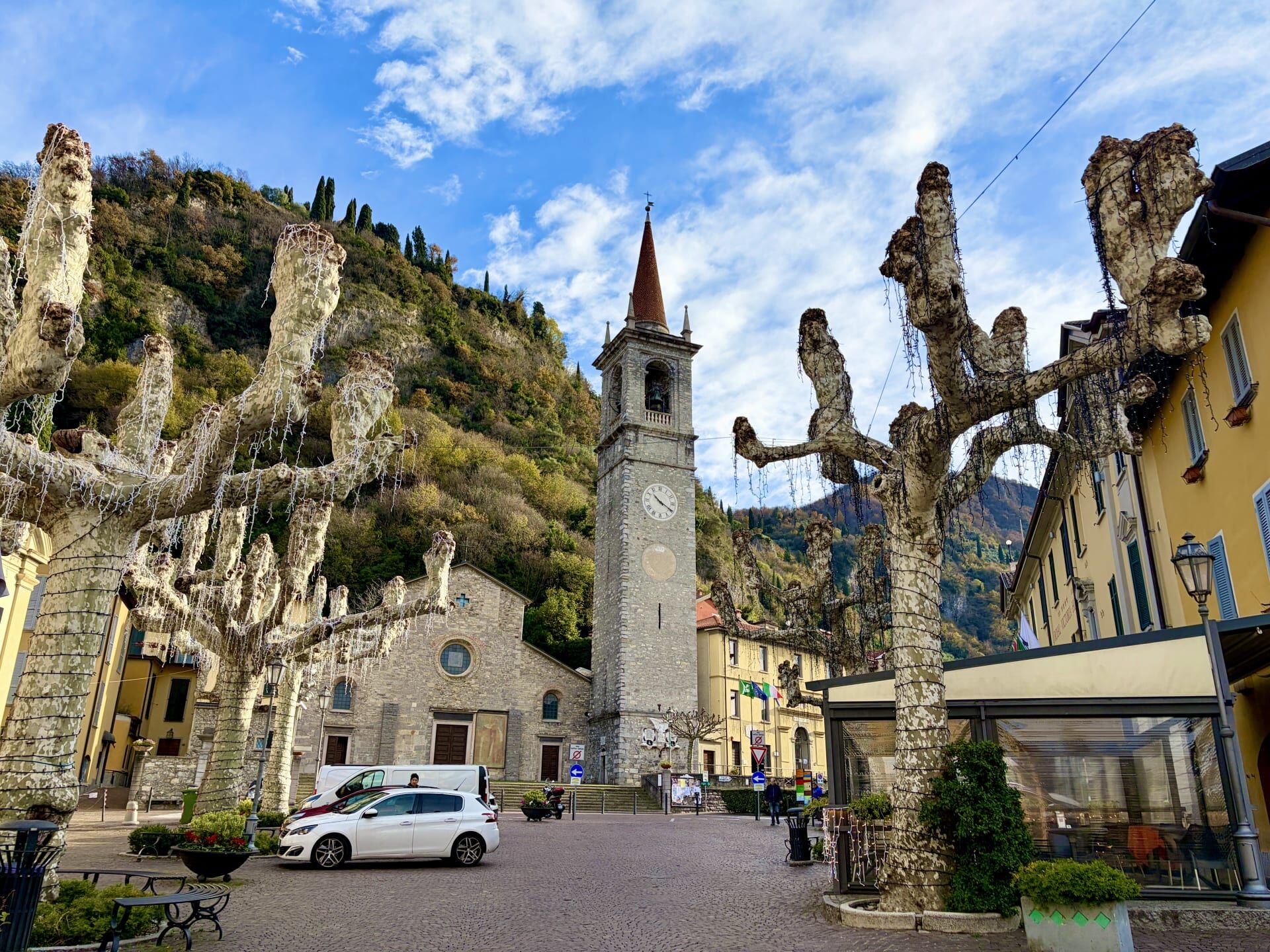
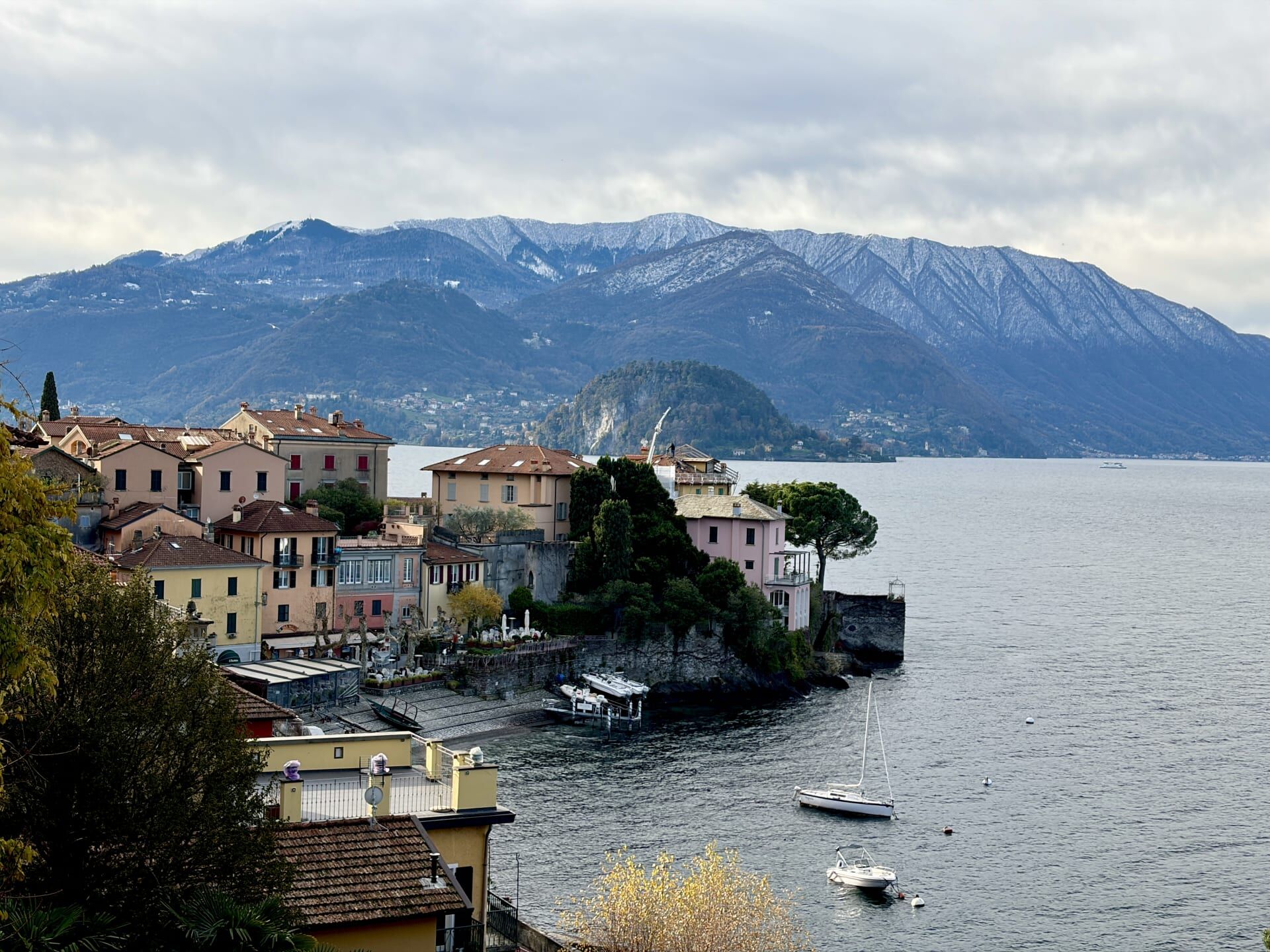
Varenna-Esino-Perledo Station serves a number of comunes, including Varenna which is set directly on the shores of Lake Como. It was a short 10 minute walk from the train station to the banks of the lake.
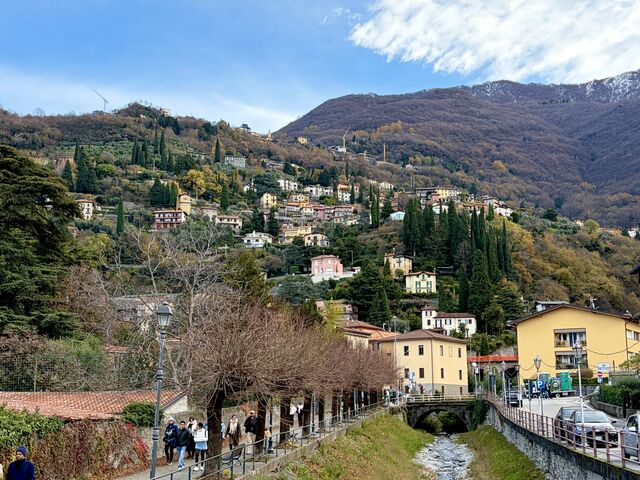
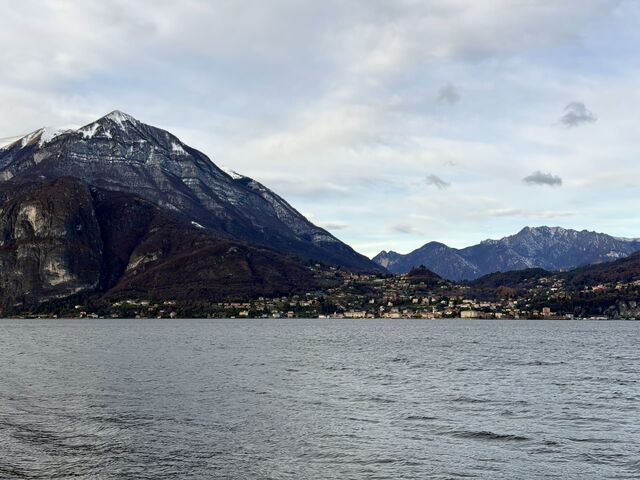
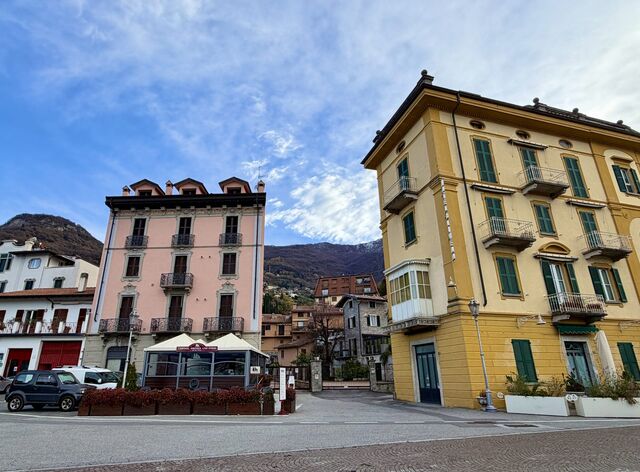
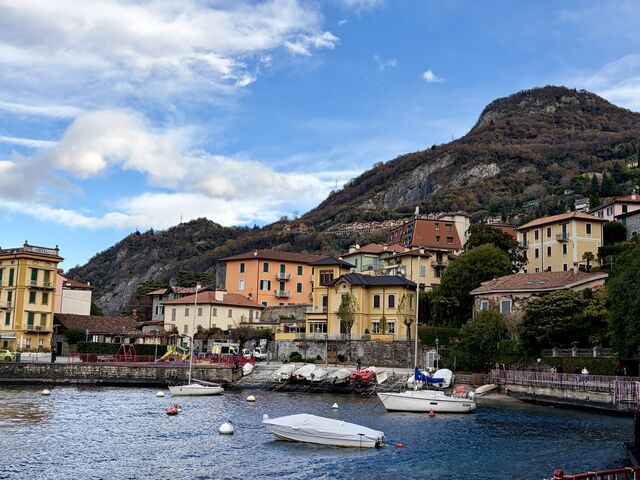
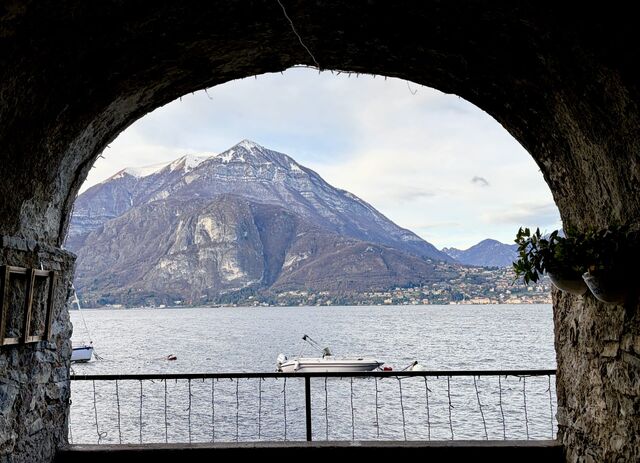
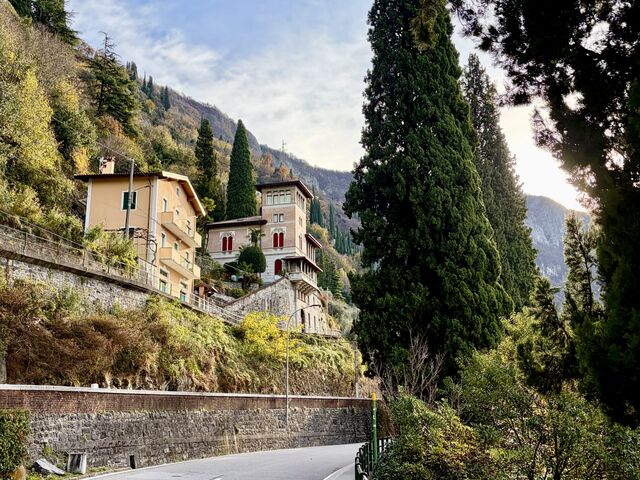
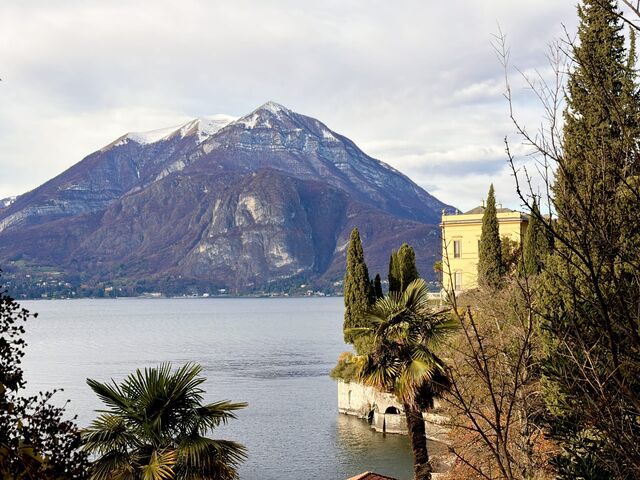
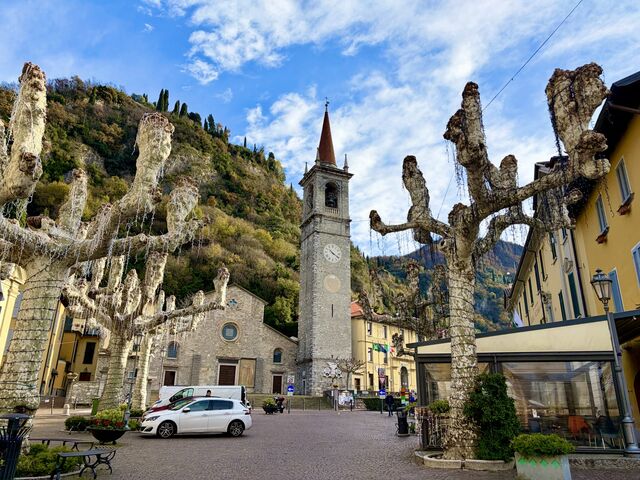
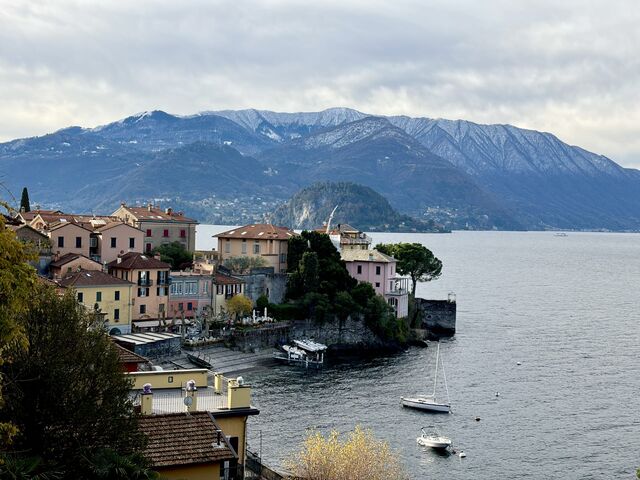
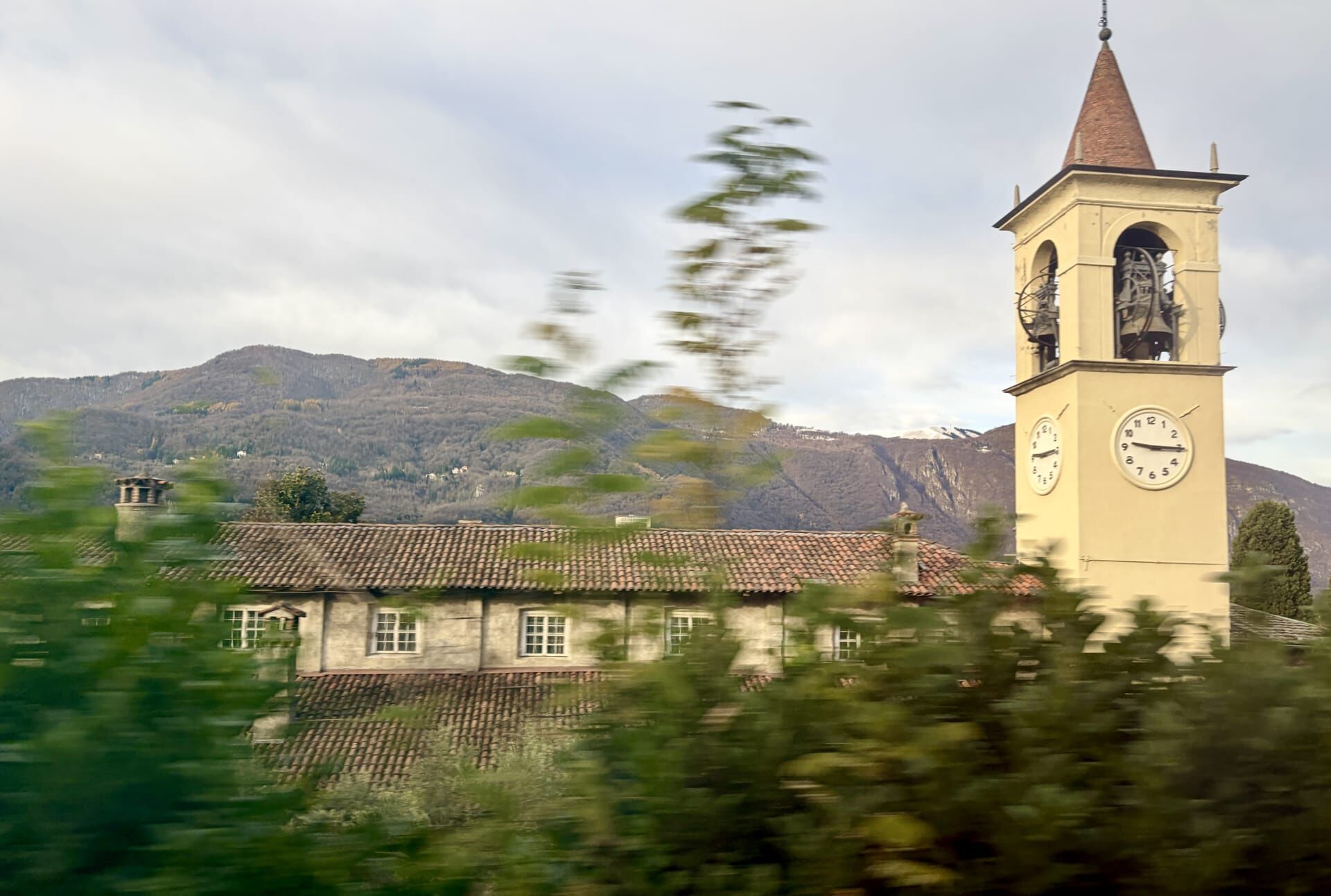
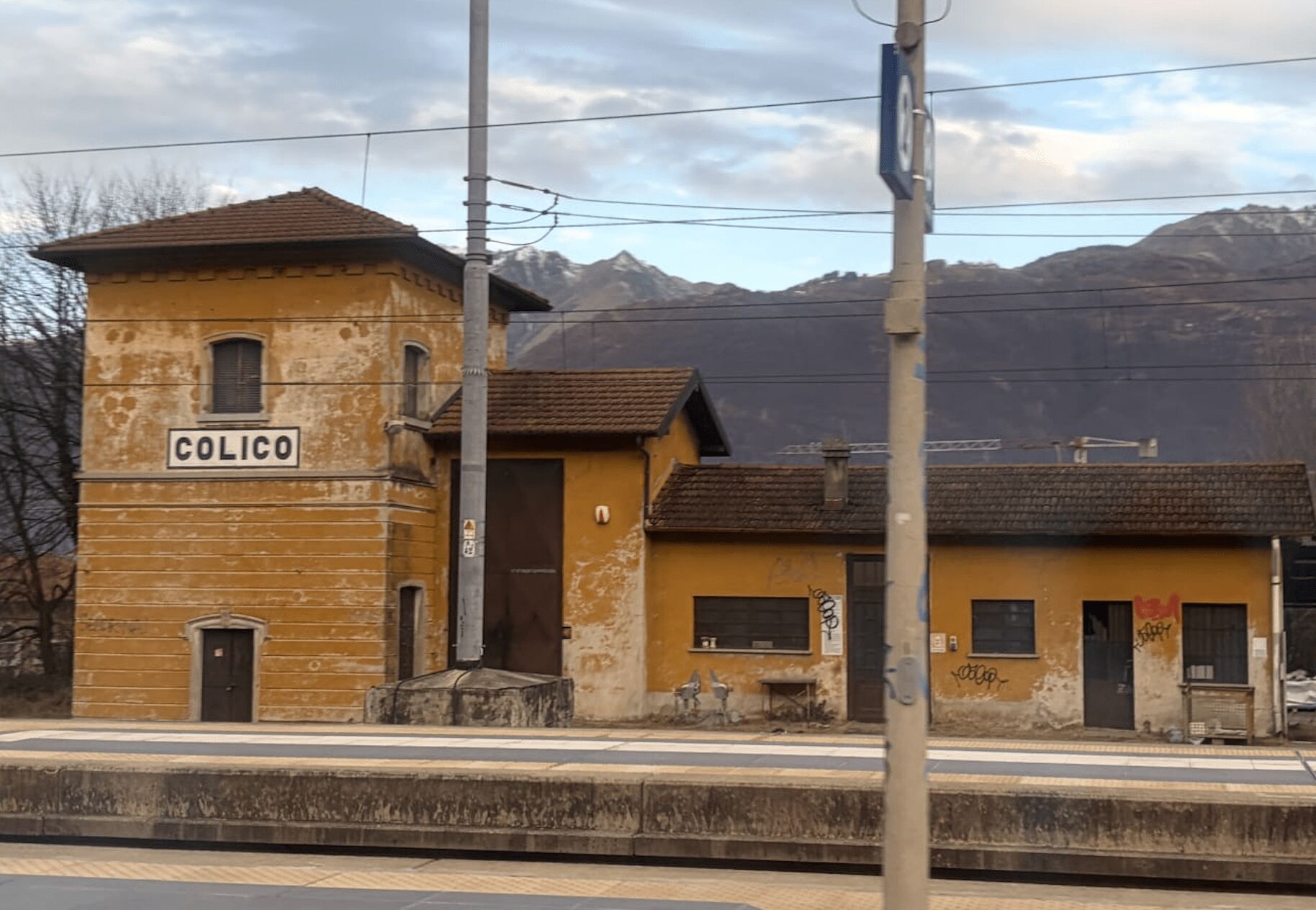
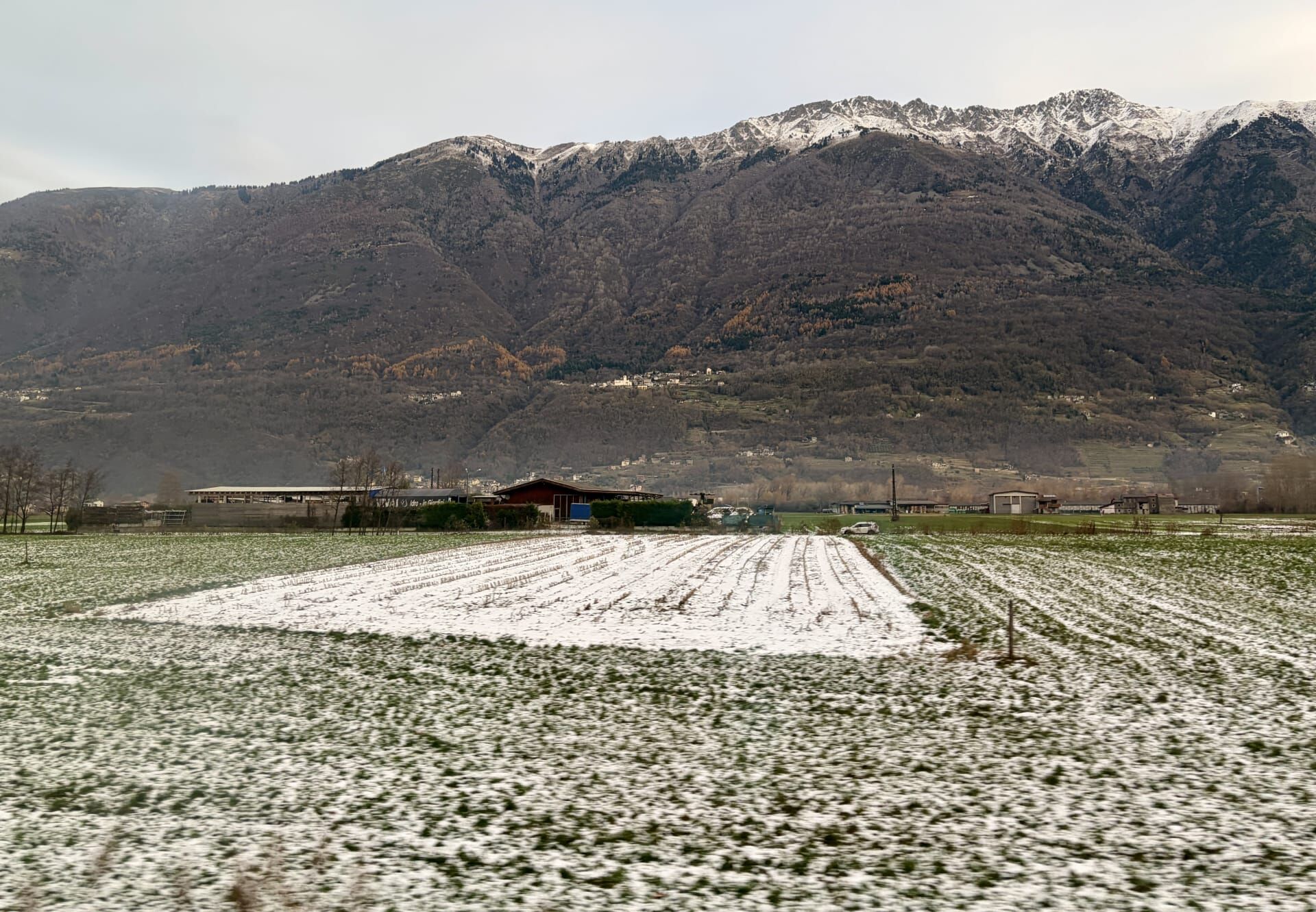
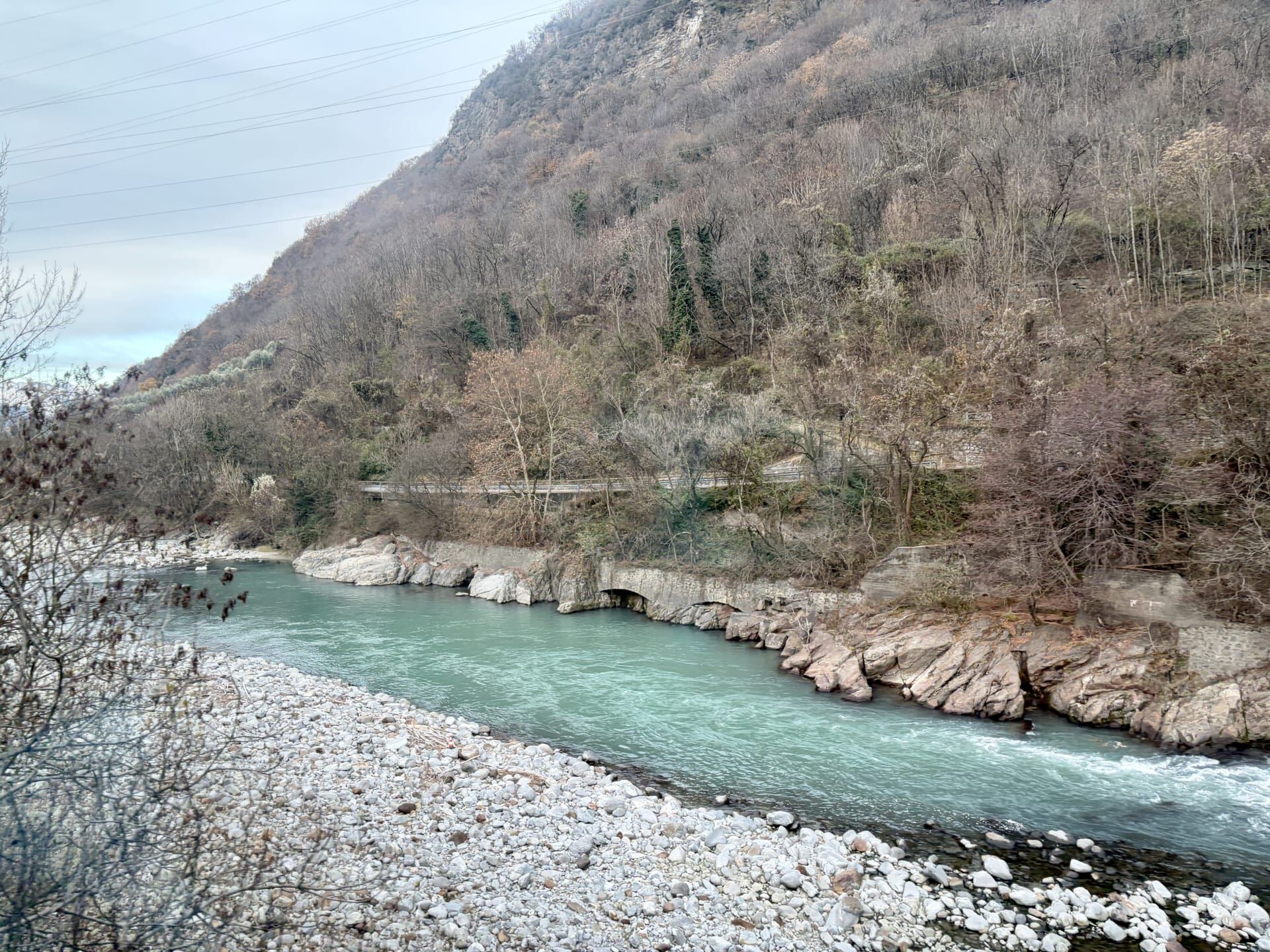
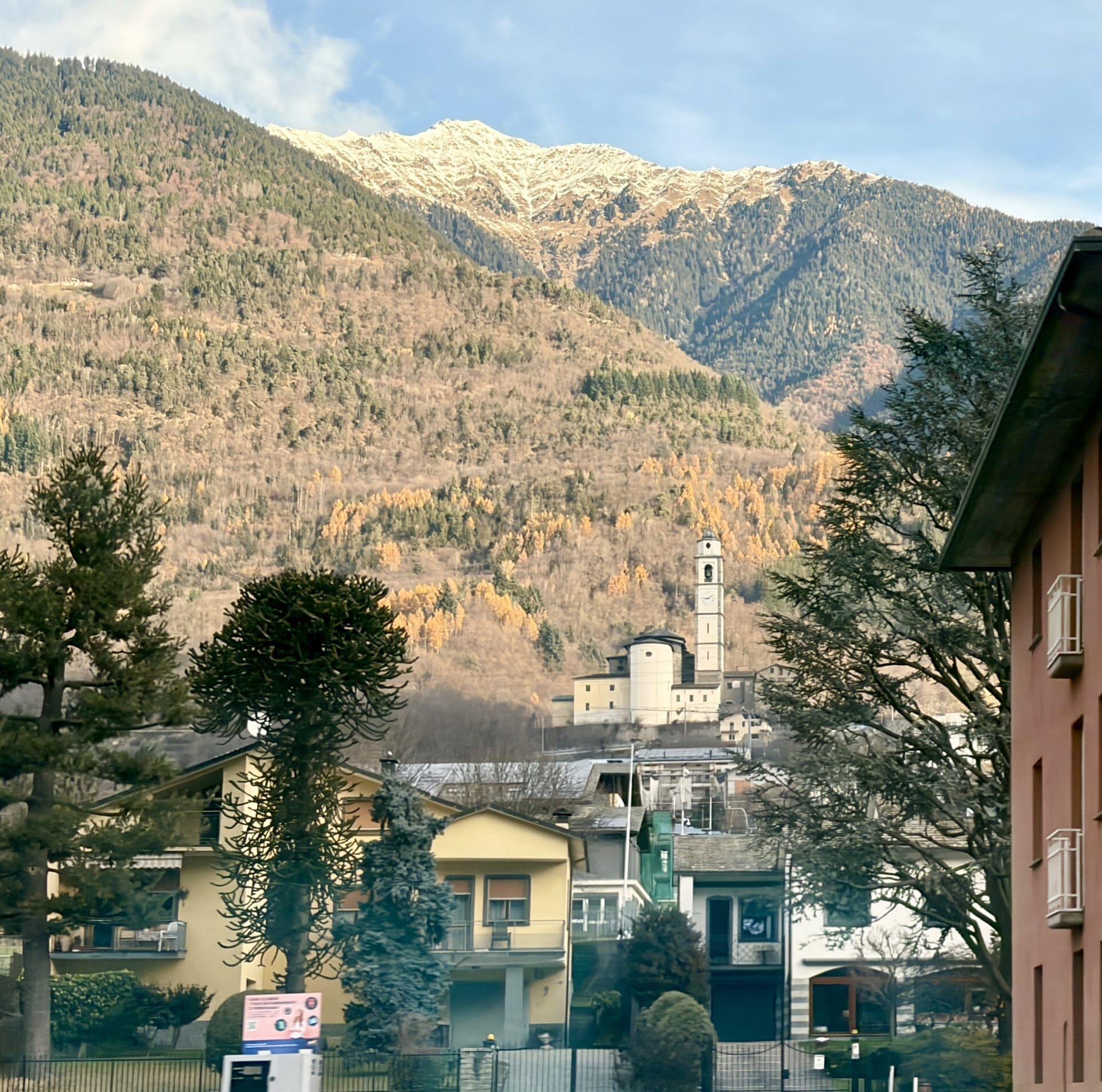
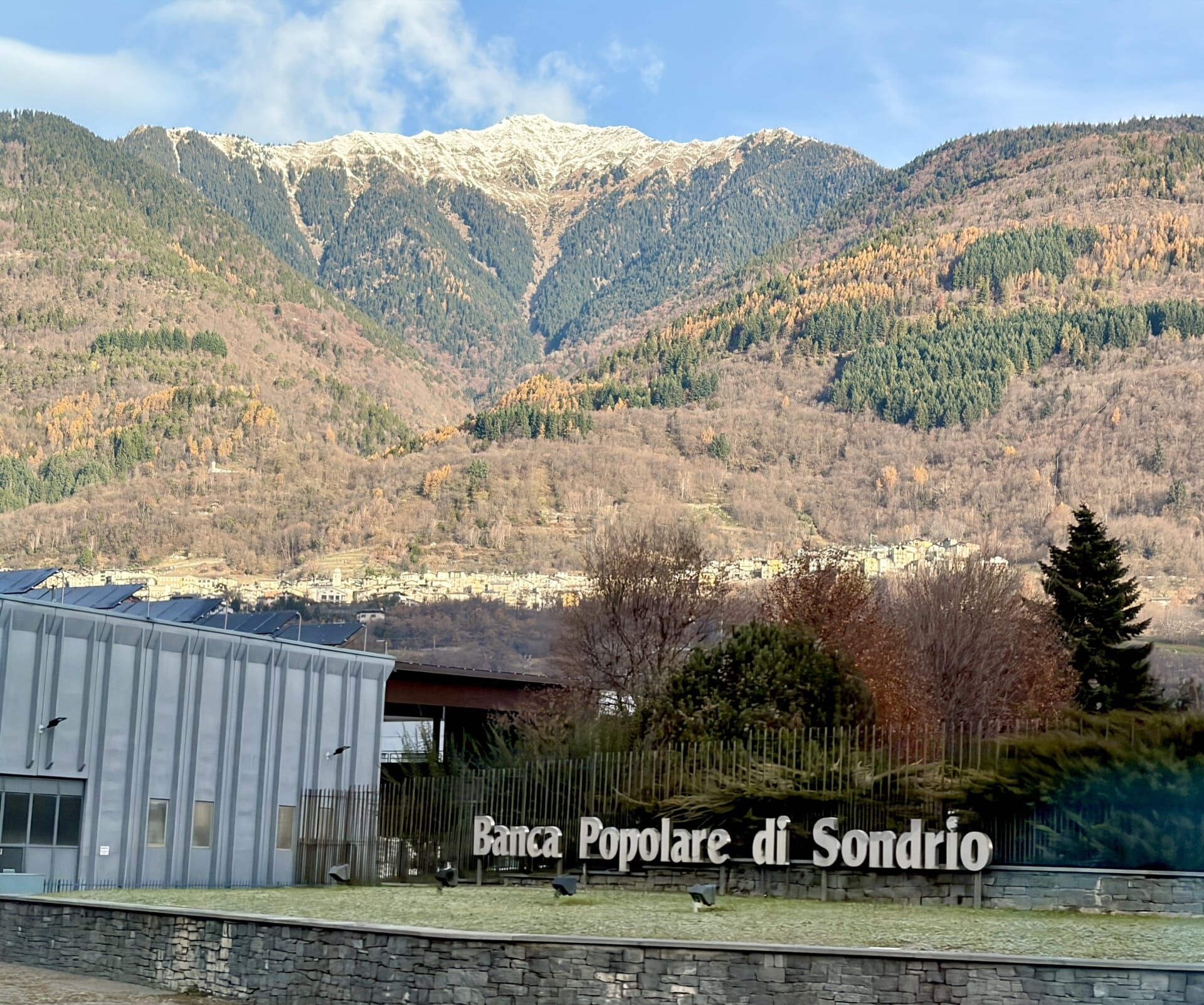
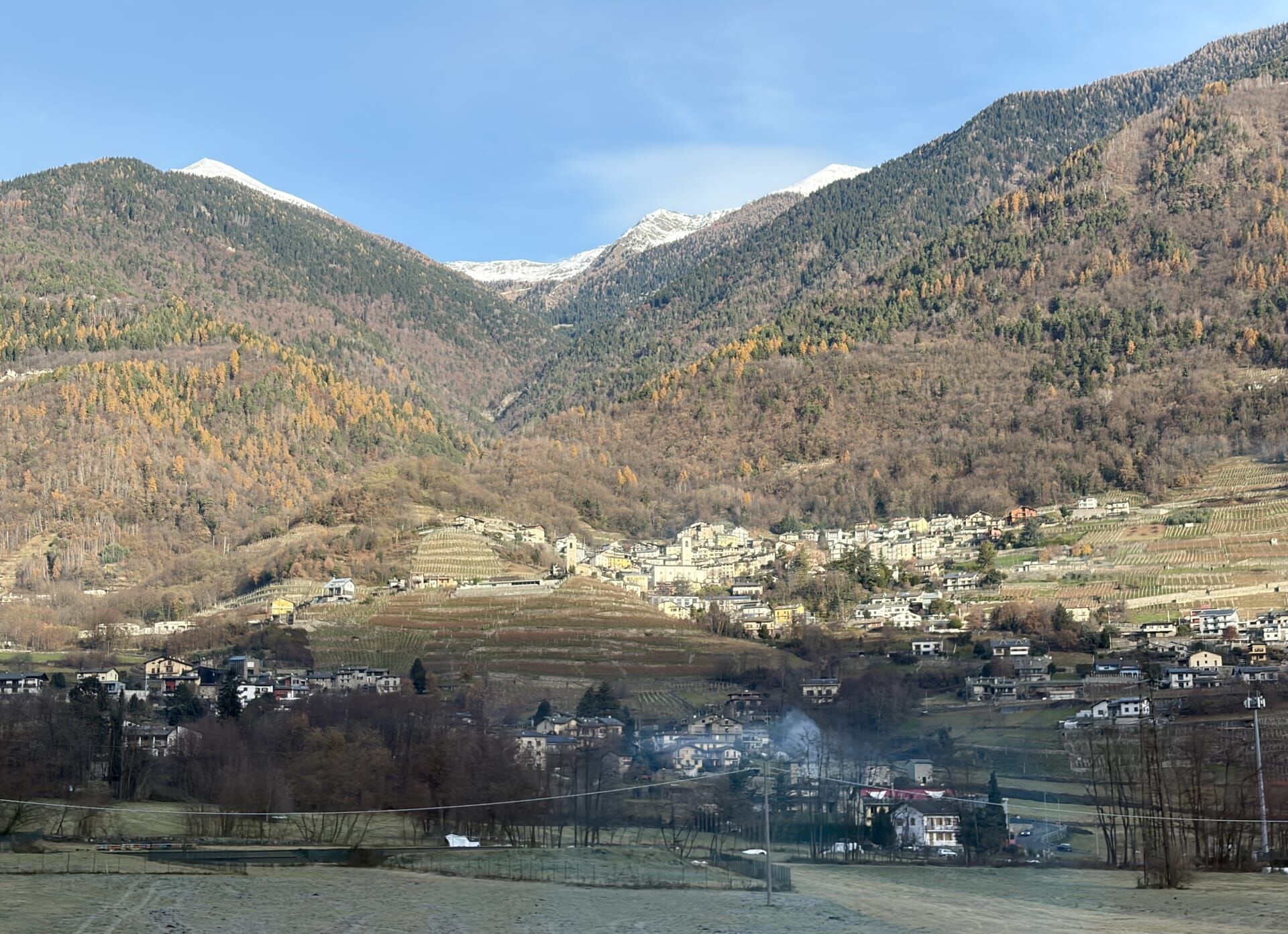
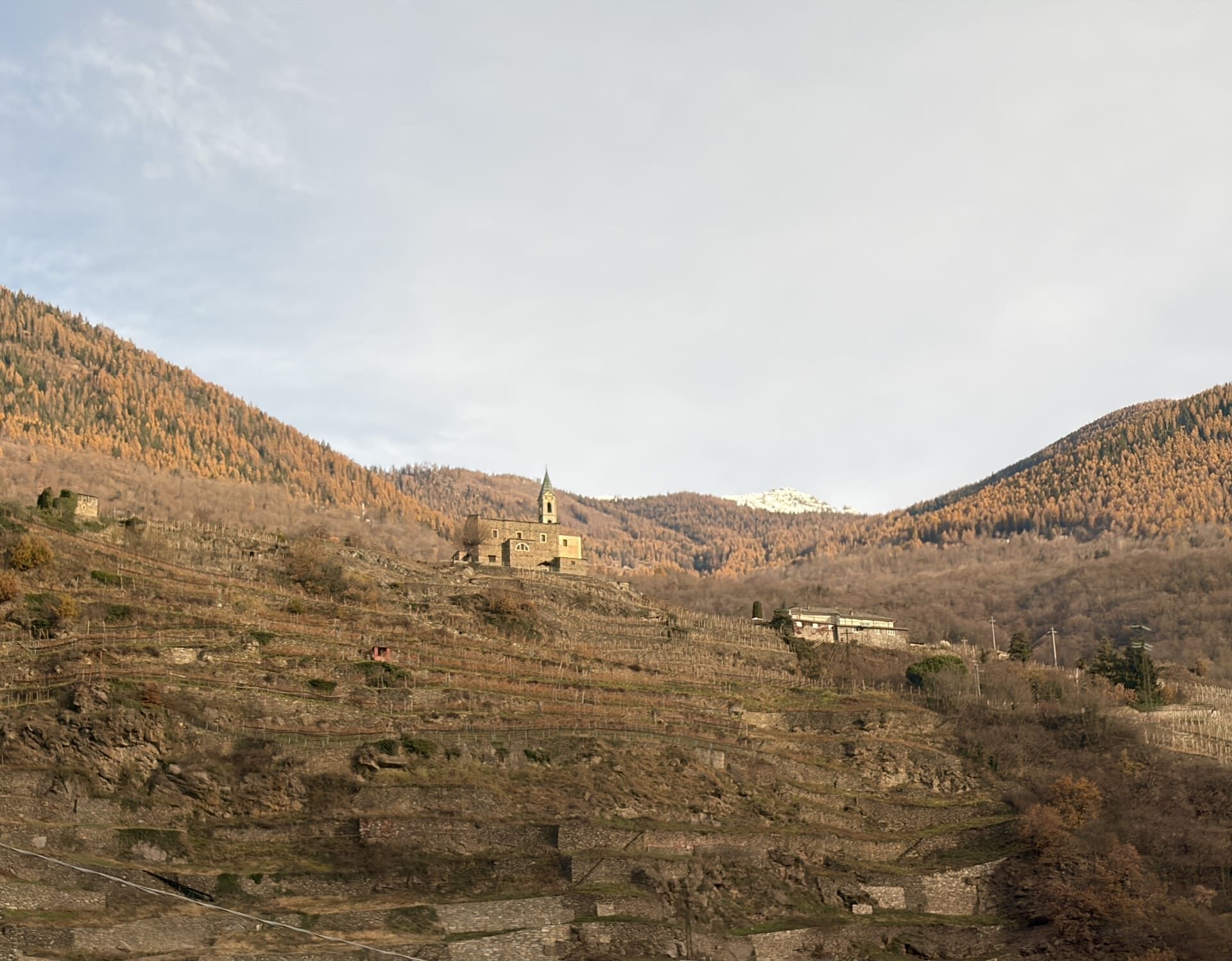
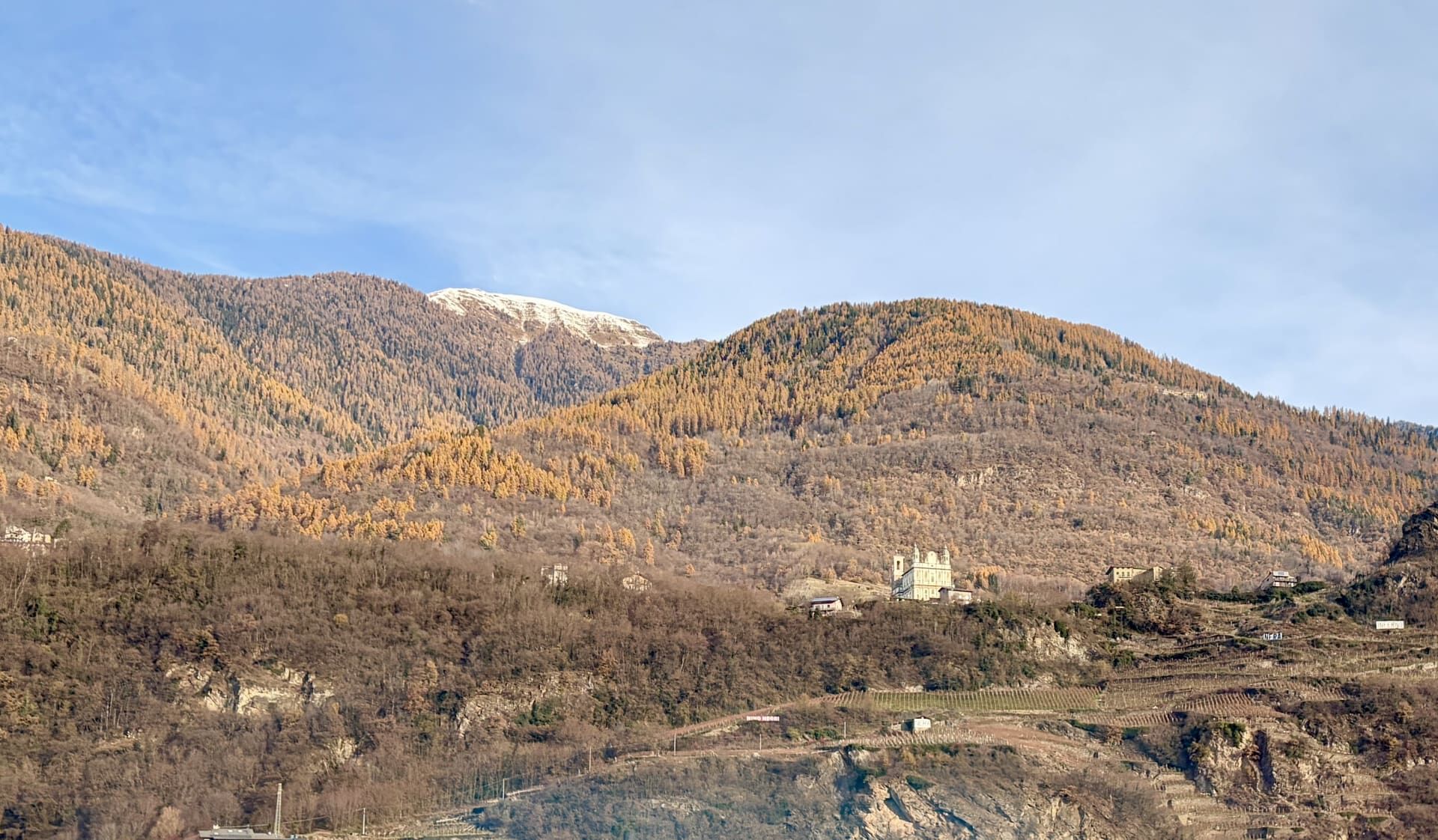
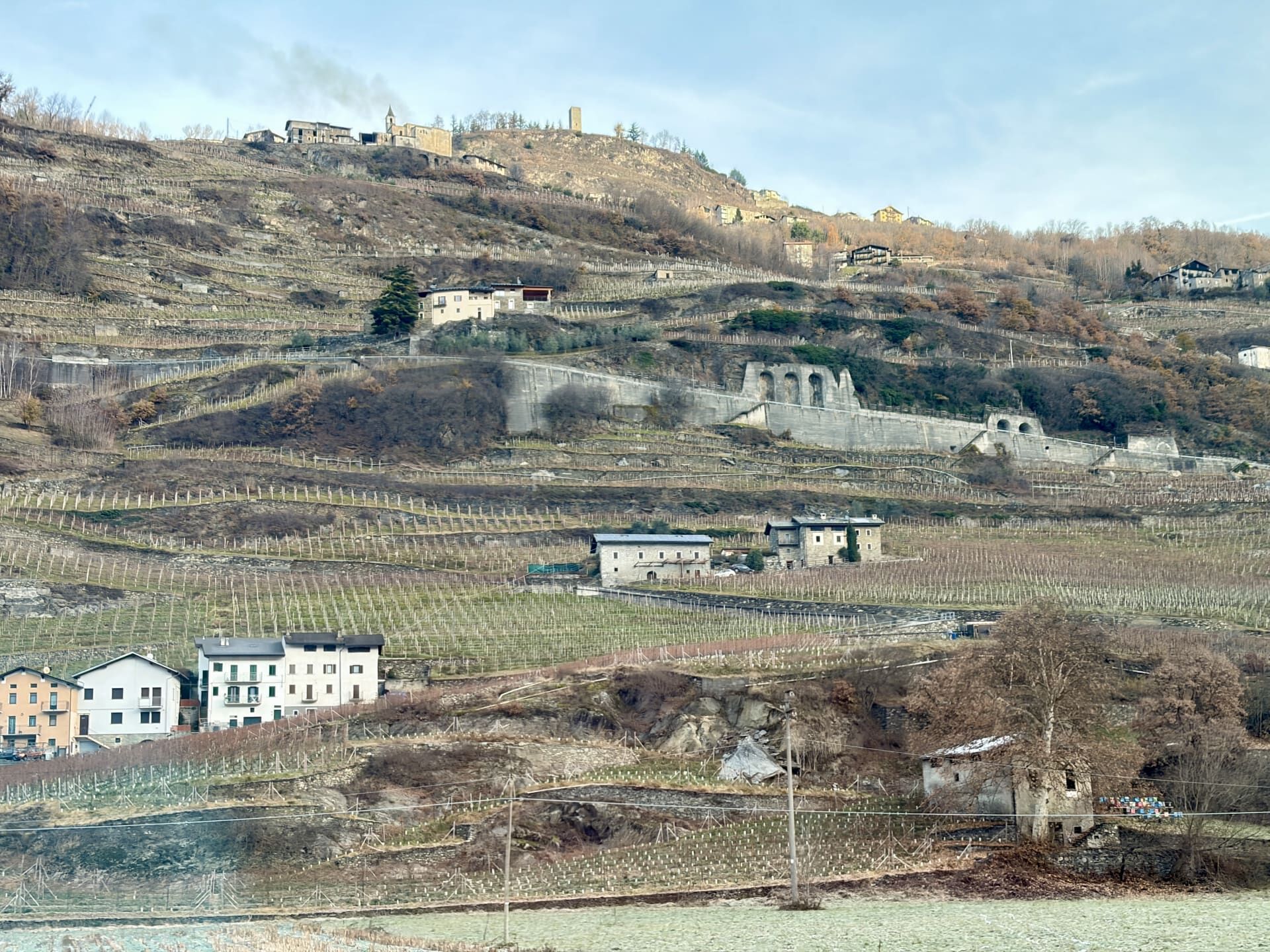
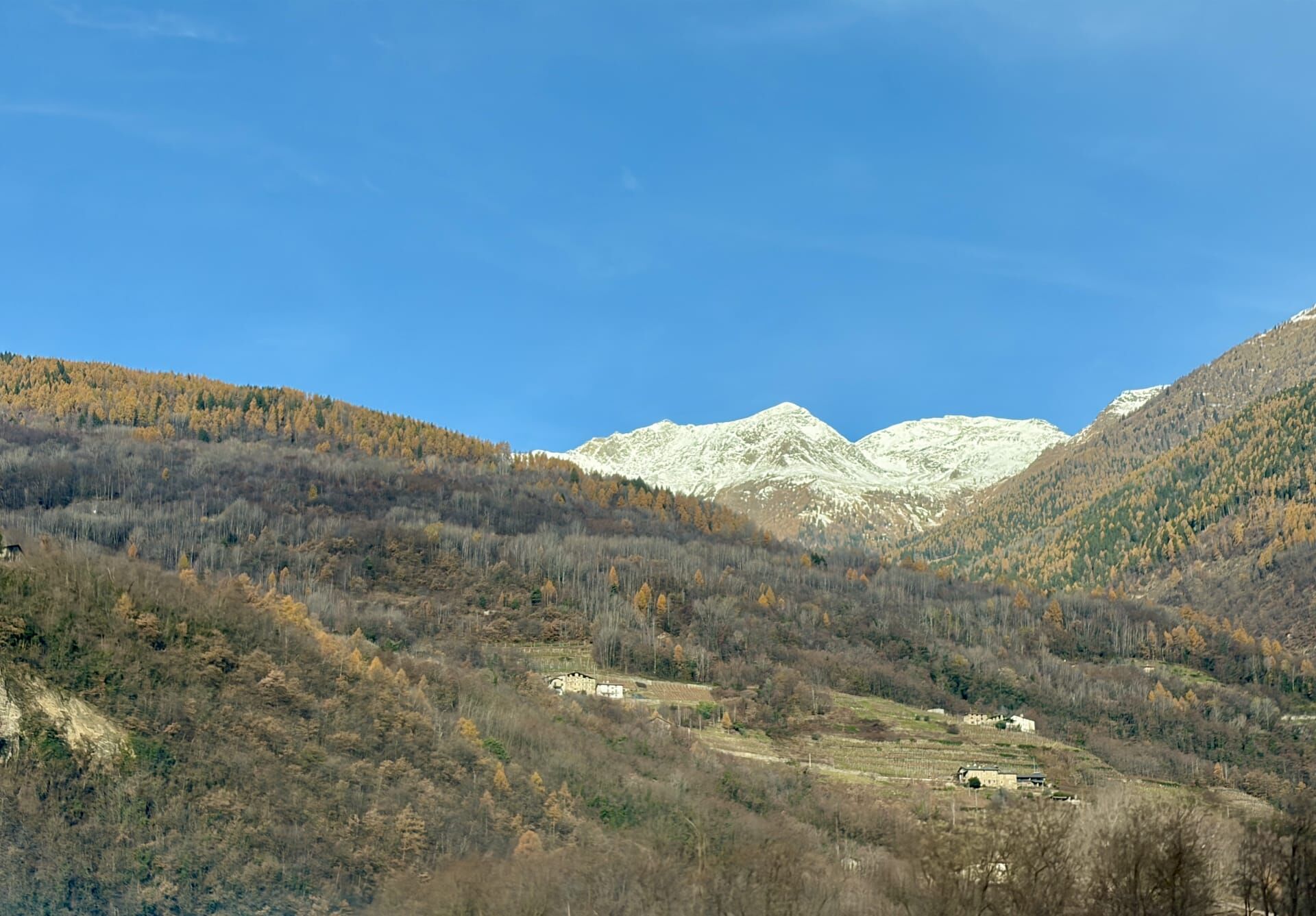
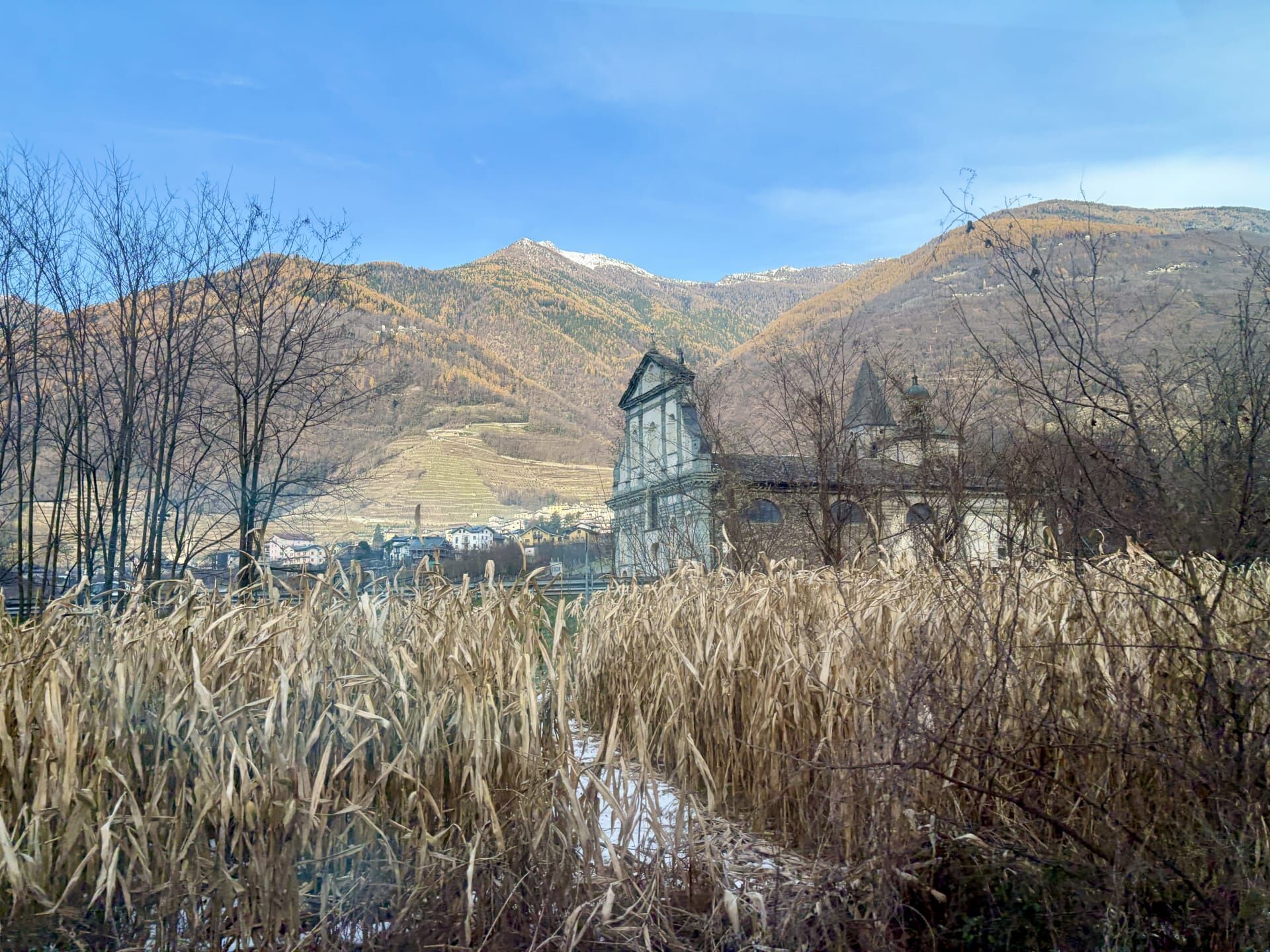
After exploring Varenna, I hopped back on the Lecco–Tirano Railway, where the stunning scenery continued as we travelled further north along Lake Como. The railway left the banks of the lake at Colico, before following the River Adda. At Sondrio, which was once crowned the world’s best alpine town, a large group of hikers alighted. As the train approached Tirano, there were great views of centuries-old churches nestled among vineyards on the mountains that rose around the railway.
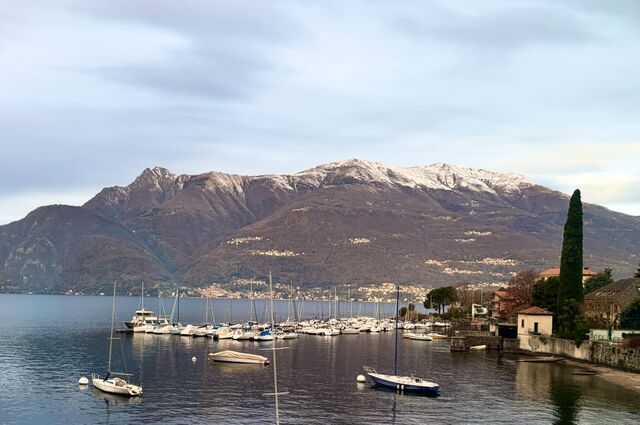
Lake Como
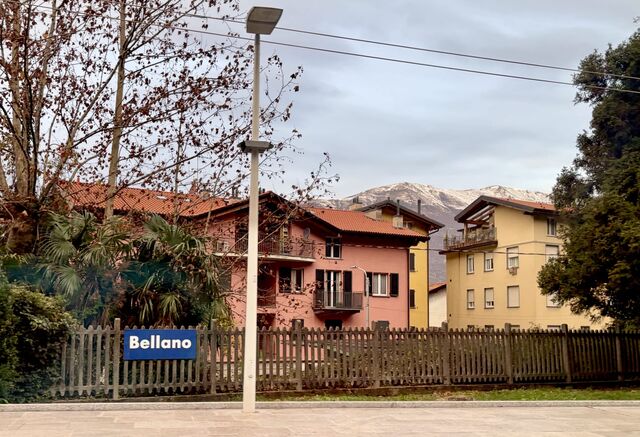
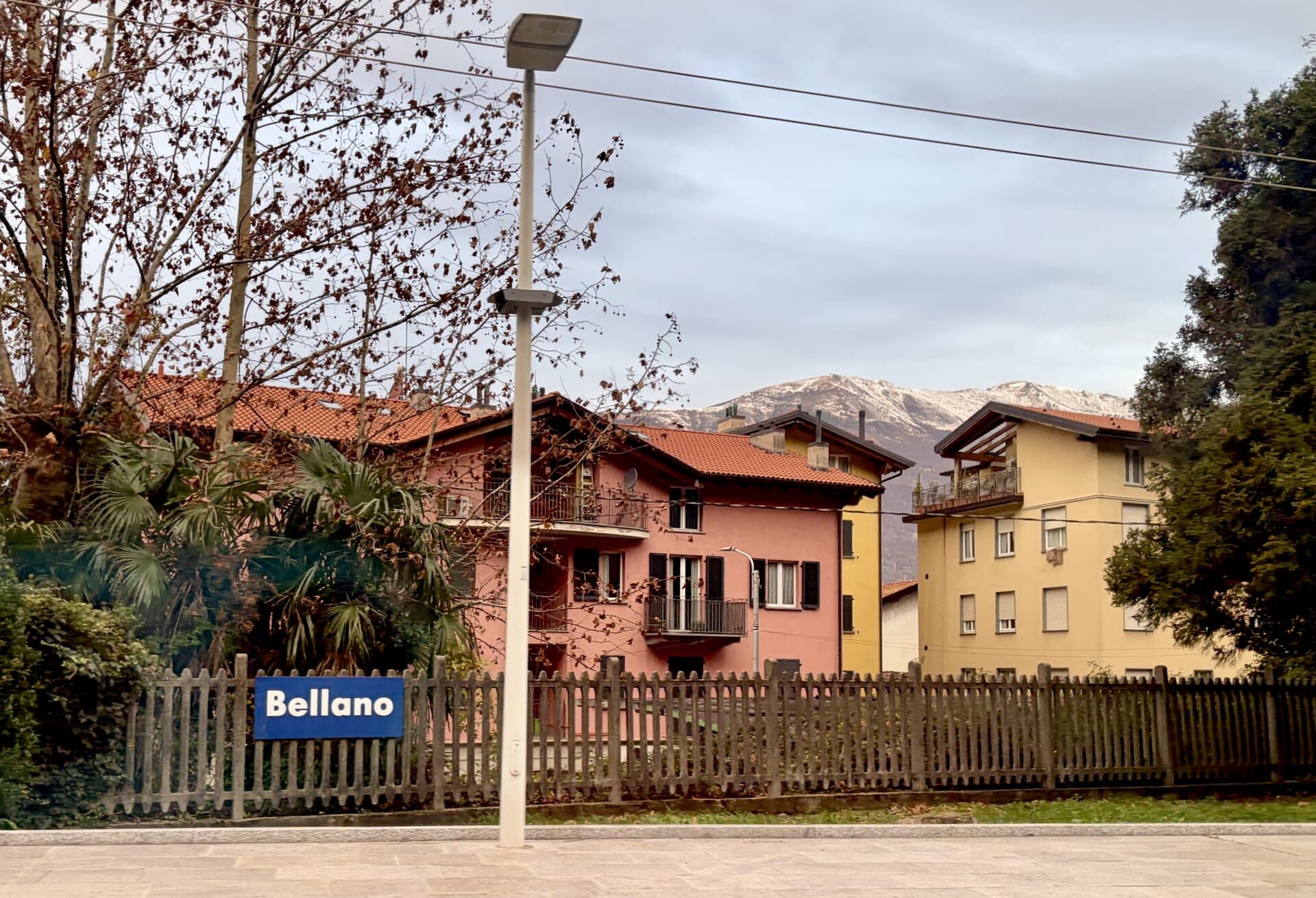
Bellano Station
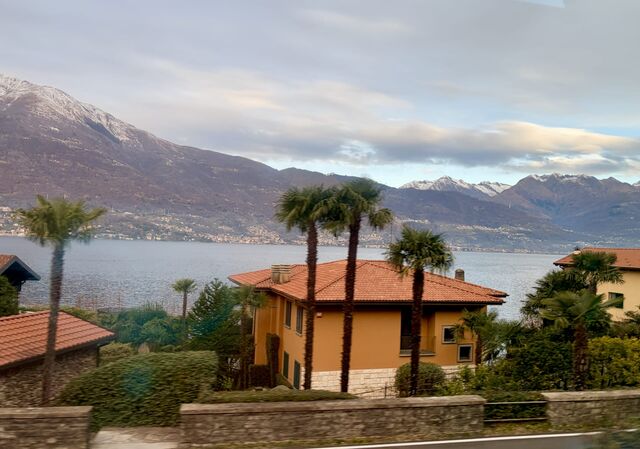
Bellano
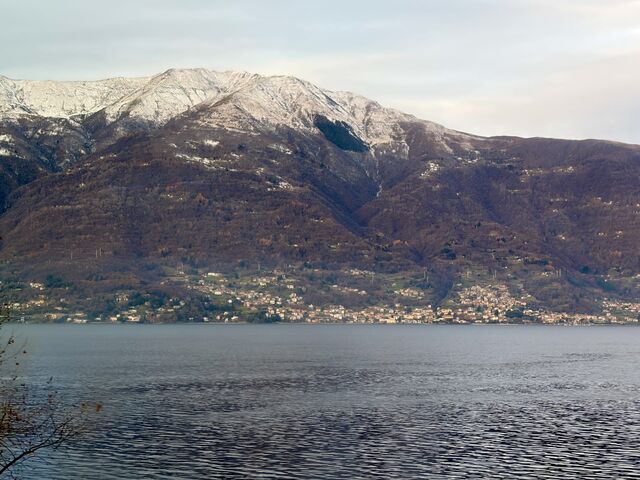
Lake Como
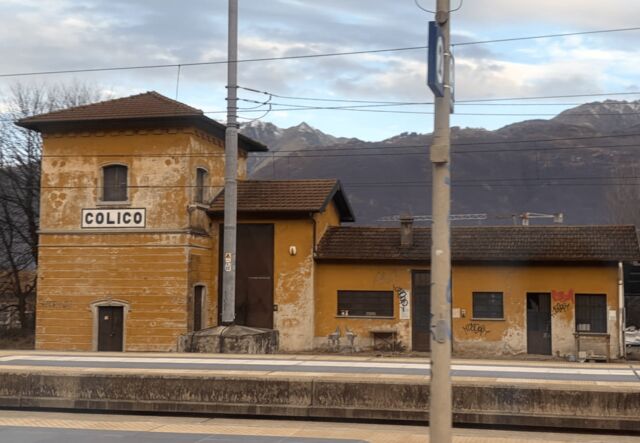
Colico Station
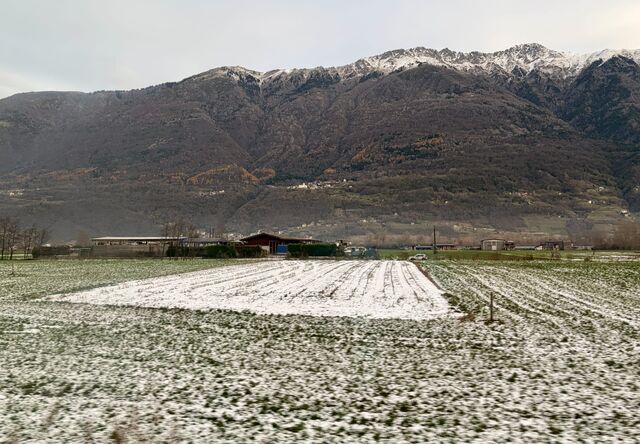
Cosio Valtellino
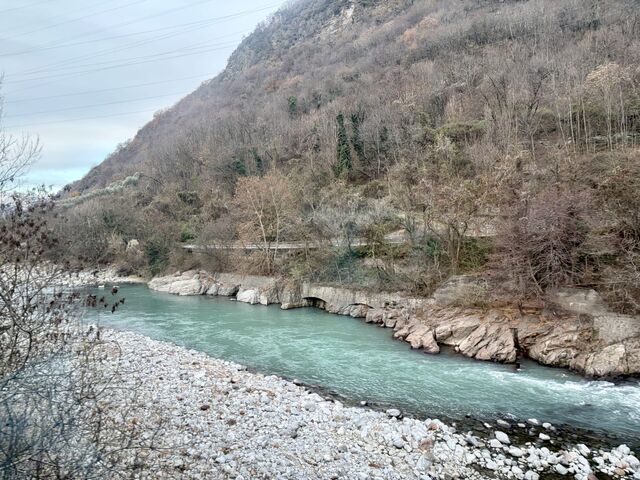
River Adda
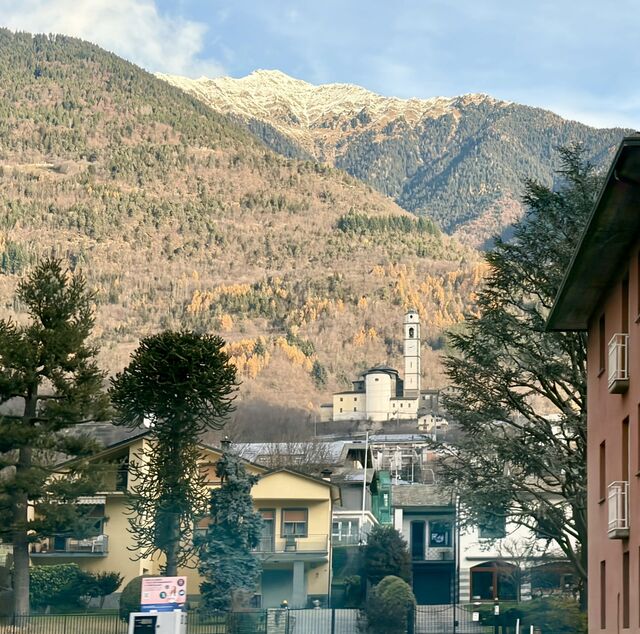
Church of Santa Maria Assunta, Berbenno di Valtellina
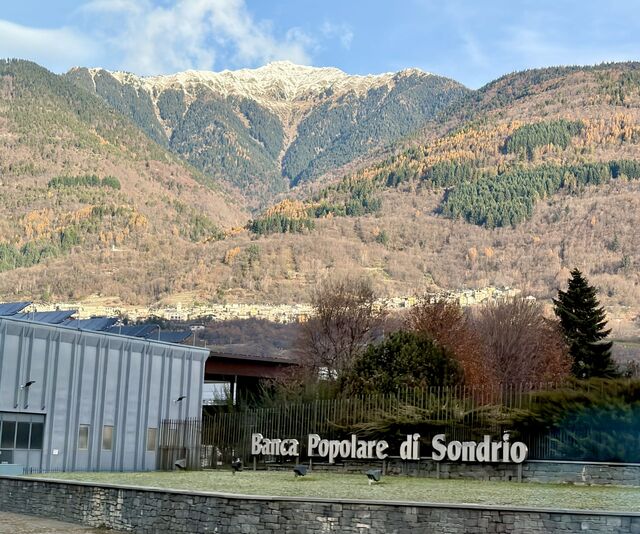
Postalesio
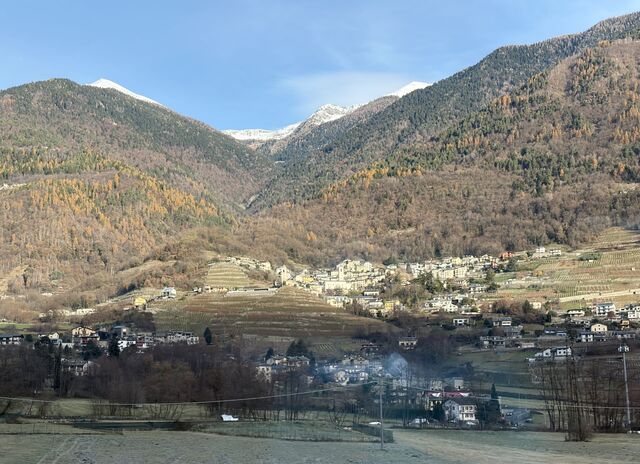
Sondrio
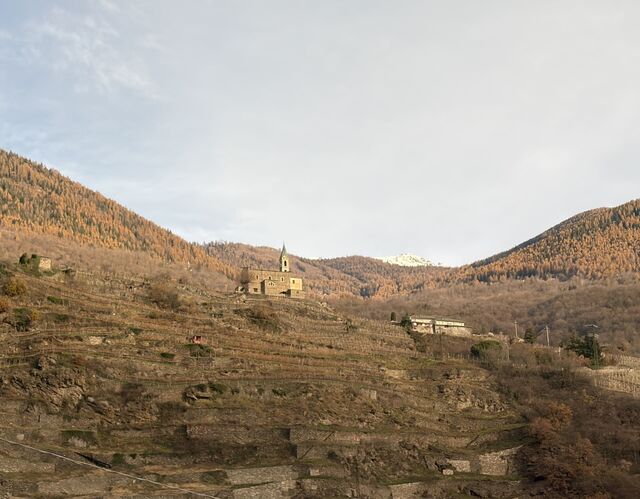
Church of St Antonio Abate, Valtellina, constructed 1668
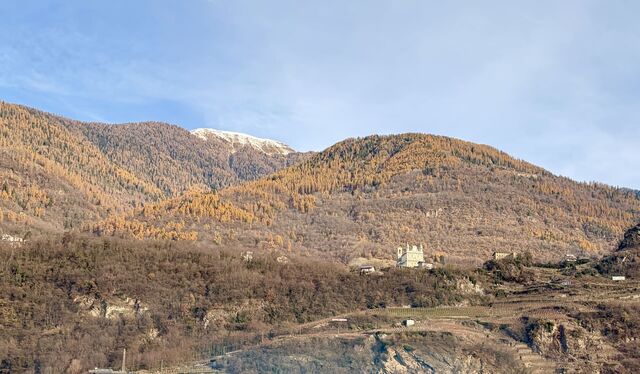
Sanctuary of the Holy House, Tresivio, constructed 1646–1790
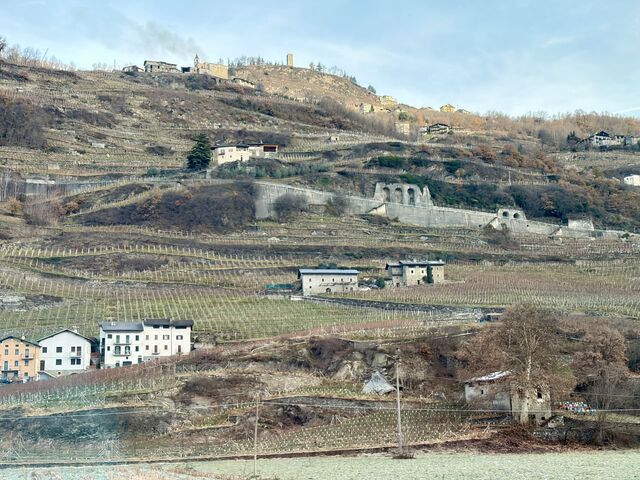
The Church of San Gervasio, perched on the hill
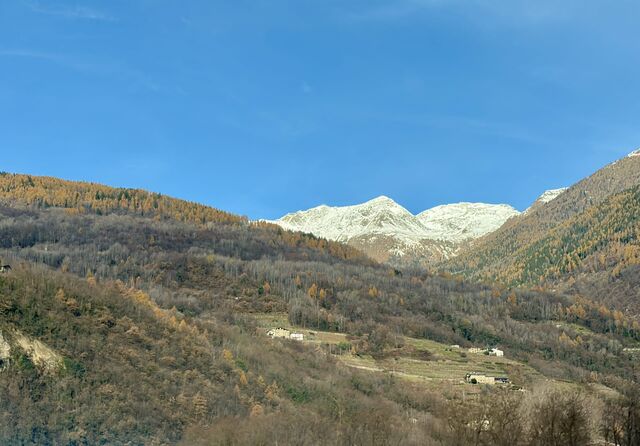
Teglio
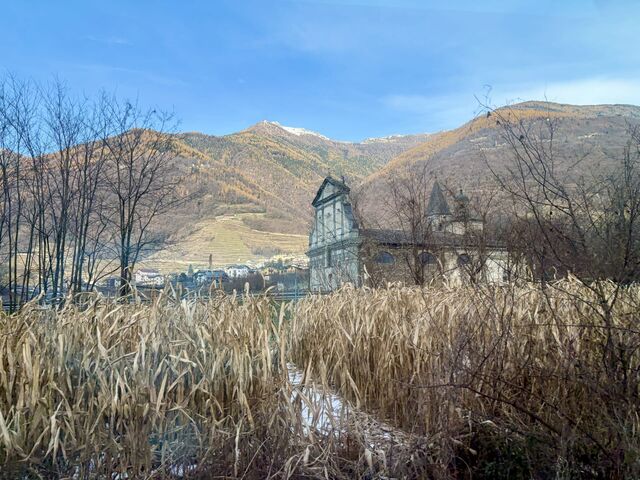
Sanctuary of the Madonna del Piano, Bianzone
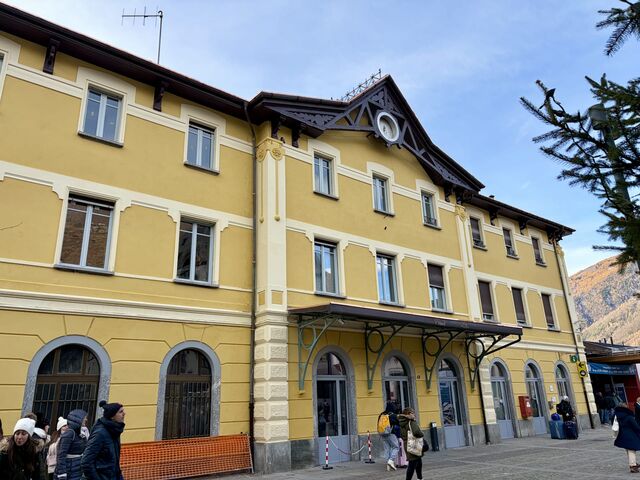
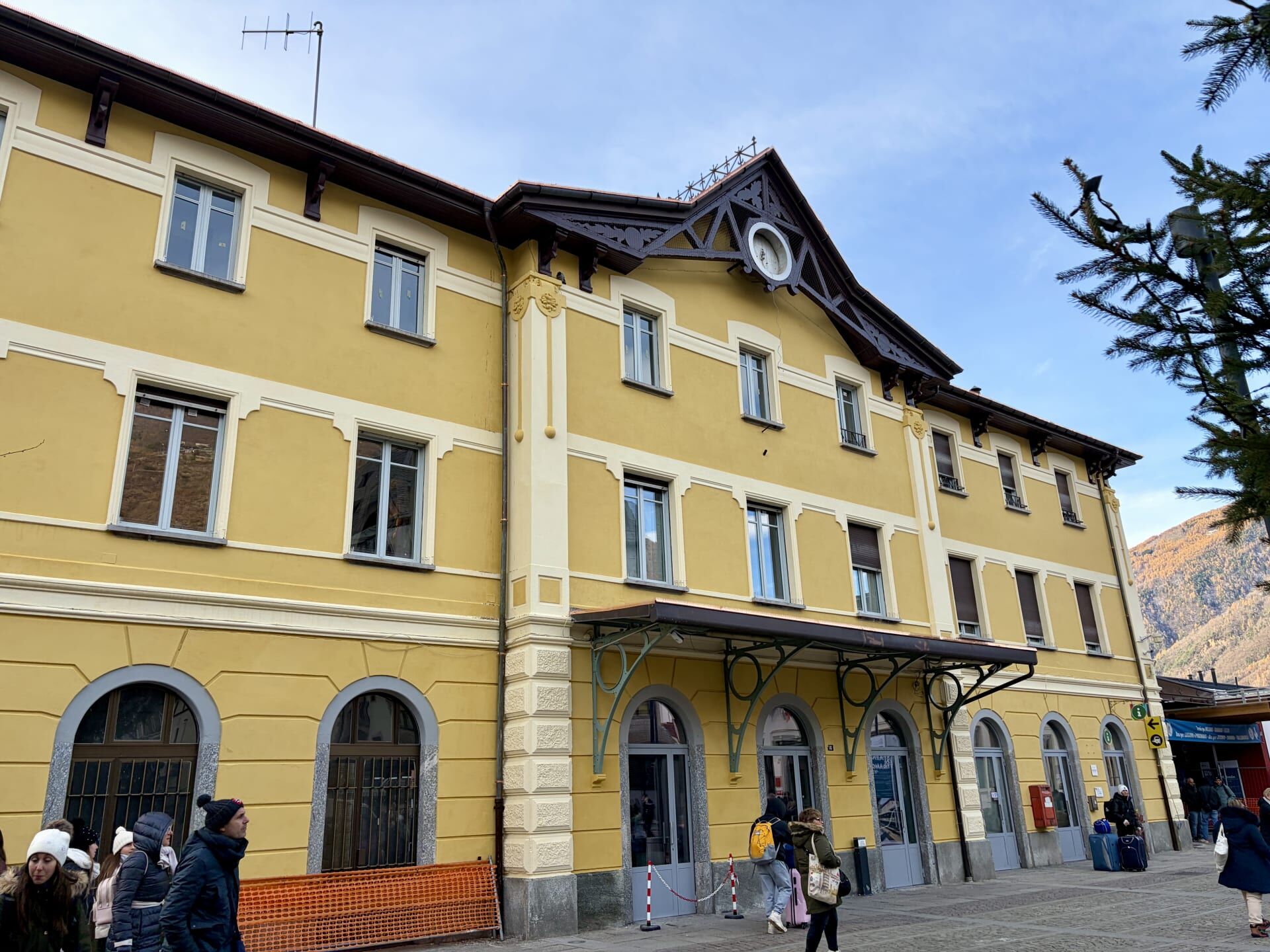
I continued to the railway’s terminus at Tirano, which is located very close to the Italian–Swiss border. Tirano actually has two railway stations: the one where I arrived, which opened in 1902 and serves as the terminus of the Lecco–Tirano line, and the adjacent Rhaetian Railway station, which opened in 1908 and is the starting point of the famous Bernina Railway!

C Ferruggia, G Leopardi, and L Martinelli, The Brembana Valley Railway 7. ↩︎
Barbara Marana, ‘A GIS Pre and Post Processing Contribution to a Multi Techniques Test Survey for an Ancient Railway Restoration in the Brembana Valley’ (2018) 10(5) Journal of Geographic Information System 573. ↩︎
Ibid. ↩︎
VisitBrembo, ‘Railway Station Piazza Granelli’ (online). ↩︎
Lecco News, ‘160 years ago, the railway arrived in Lecco: An exhibition celebrates its history’ (20 November 2023, online). ↩︎