In December 2025, I took a trip on what many train guidebooks and websites describe as one of, if not the, world’s best railway journeys. Starting in Tirano, Italy and travelling to Chur, Switzerland, this journey along the Bernina and Albula Railways takes just over four hours, with a change of trains in the famous Swiss alpine resort town of St Moritz.
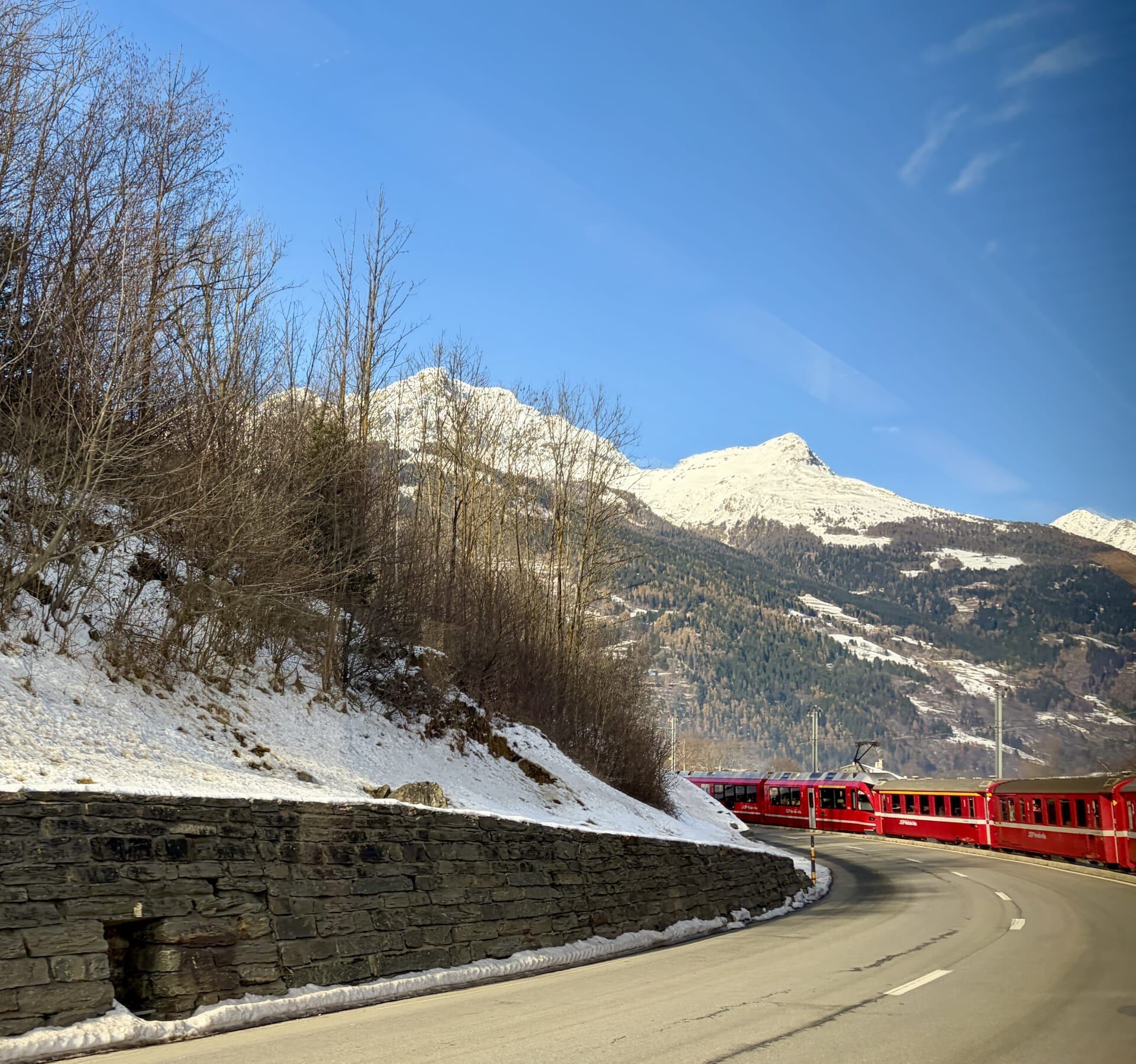
The Bernina Express is a famous tourist sightseeing train that travels this same route between Tirano and Chur. While it doesn’t require a change of trains, it does require advance booking and a seat reservation, and only has a limited number of stops. I took the identical route, but did so on regular local trains which run hourly, do not require any special booking or seat reservation, and allow passengers to board and alight at any station en route. The large glass panoramic domed windows on the Bernina Express are replaced with windows that can be opened on the regular trains, allowing for great photo opportunities. While I’m not opposed to the tourist train, for my 2025 winter rail adventure, it made sense for me to elect for the regular trains, given that these were fully covered by my Eurail Pass and I was remaining flexible with my stops and train timings. Having windows that could be opened was also a major advantage, making it much easier to capture amazing shots of the train as it curved along the tracks and through the snowy mountain landscape. Another of Switzerland’s famous tourist trains, the Glacier Express, also travels along the line between St Moritz and Chur (before continuing to Zermatt). The below map shows my route and some of the main sights along the way.
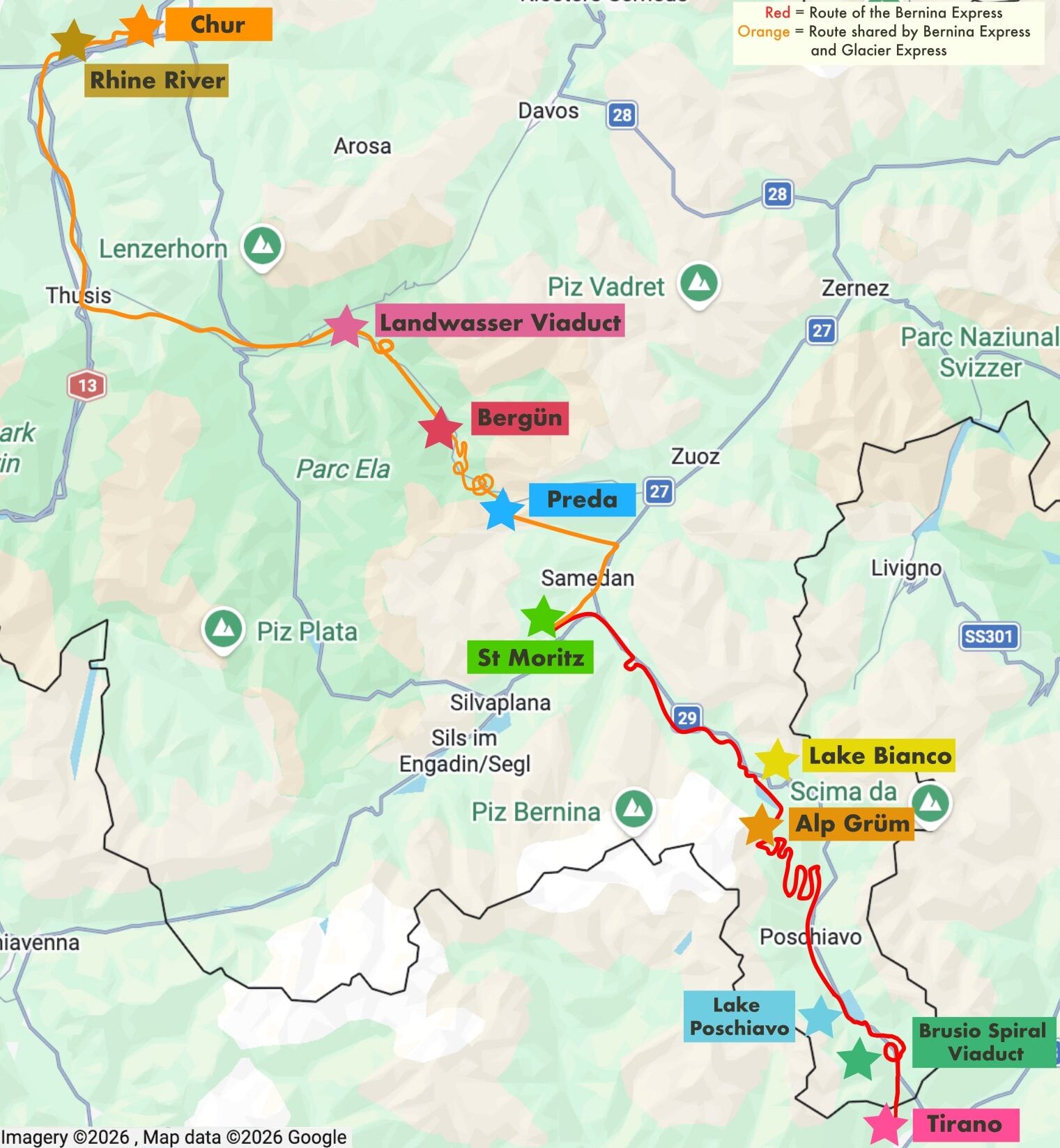
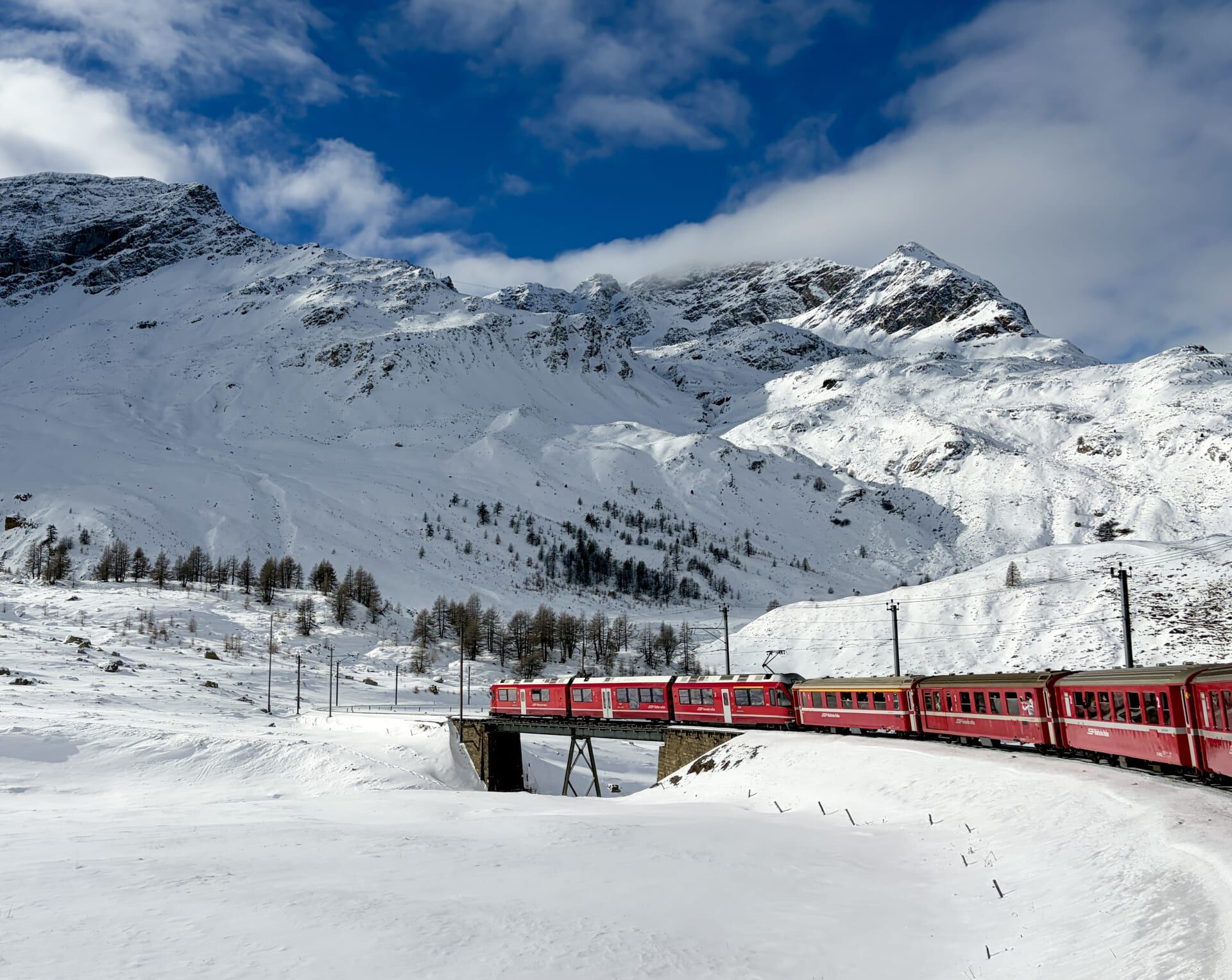
Owned and operated by the Rhaetian Railway, the Bernina and Albula lines were jointly listed as a UNESCO World Heritage Site in 2008, making them one of only four railways worldwide to receive this status. Austria’s Semmering Railway is another.1 You can read about my 2023 journey on that railway here. One of the features that makes the Bernina and Albula Railways so remarkable is the height elevation they achieve without the use of rack assistance. Instead, the lines rely on ingenious engineering—winding sections of track, spectacular spiral loops, and towering viaducts—to traverse the steep mountain terrain.
The Bernina line, which links Tirano to St Moritz, is Europe’s highest rail line operating without cogs,2 and overcomes a greater vertical distance than any Swiss rack railway.3 The railway was built at the start of the 20th Century by thousands of Italian workers under challenging alpine winter conditions, with the goal of connecting St Moritz to Italy’s rail network.4 The railway was initially only intended for use during the summer months, with a sleigh service instead operating along the high-altitude sections during winter. However, winter services along the line eventually commenced in 1913—1914.5 In 2011, the Bernina line was the first railway in the world to be covered on Google Street View. The Albula line, north from St Moritz, also forms part of the route of another famous Swiss tourist train: the Glacier Express. Before this railway was built, it took a long and arduous 14 hour stagecoach journey to travel between St Moritz and Chur.6 Construction of the railway commenced in 1898.7 Unlike the Bernina Railway, which opened a decade later and was fully electrified from the start, the Albula line commenced operation as a steam railway.
The train from Tirano to Chur travels across 196 bridges and viaducts on its journey past snow-capped mountains, alpine meadows, frozen lakes, and quaint Swiss towns.8 It is certainly a scenic delight and this post contains some of my favourite pictures that I have ever taken from a train window.
Tirano
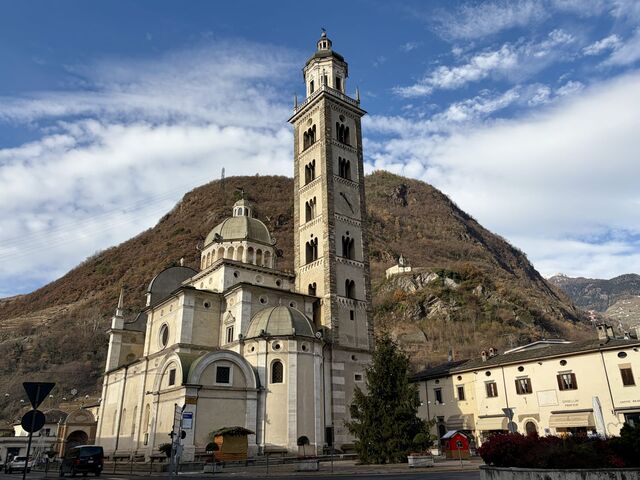
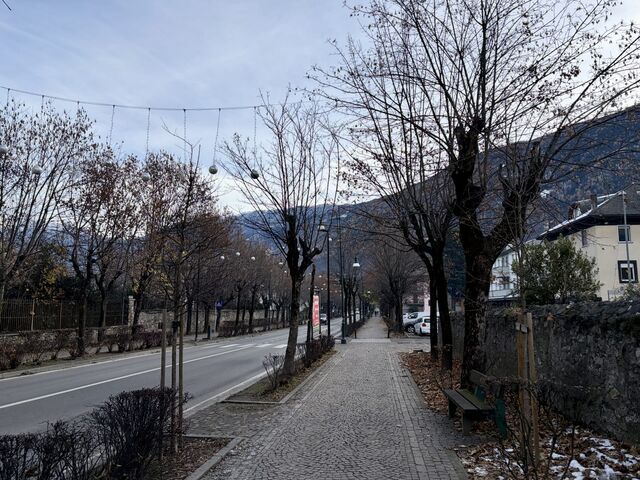
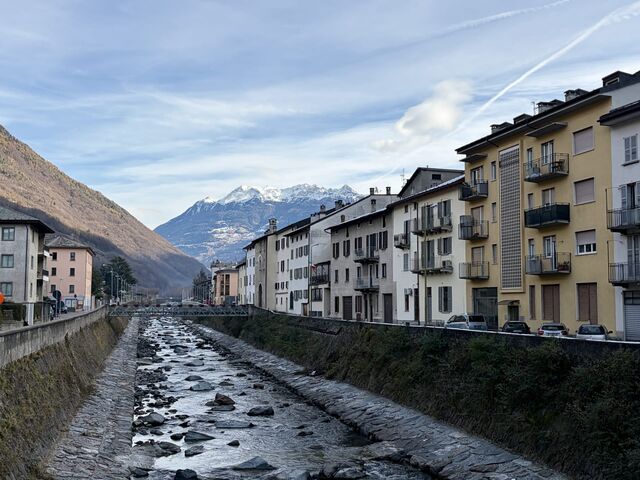
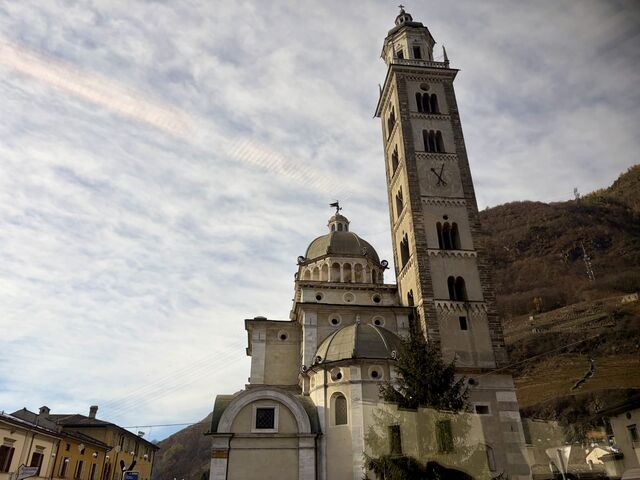
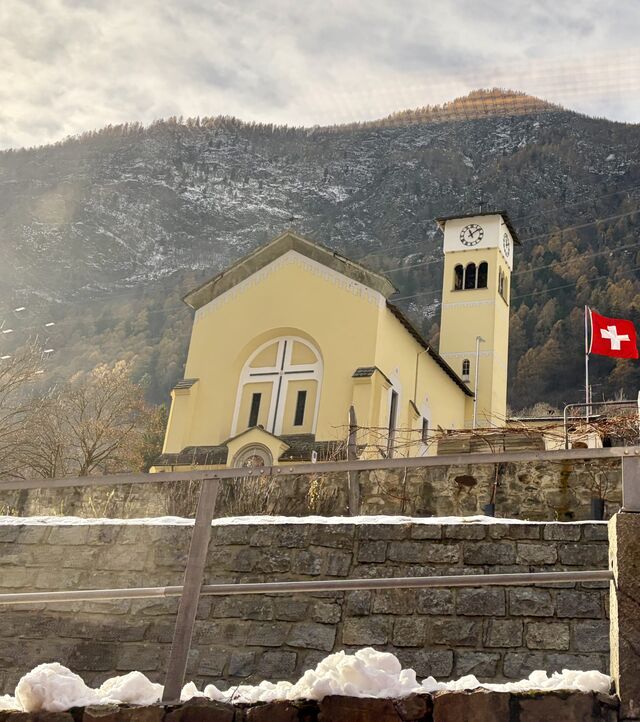
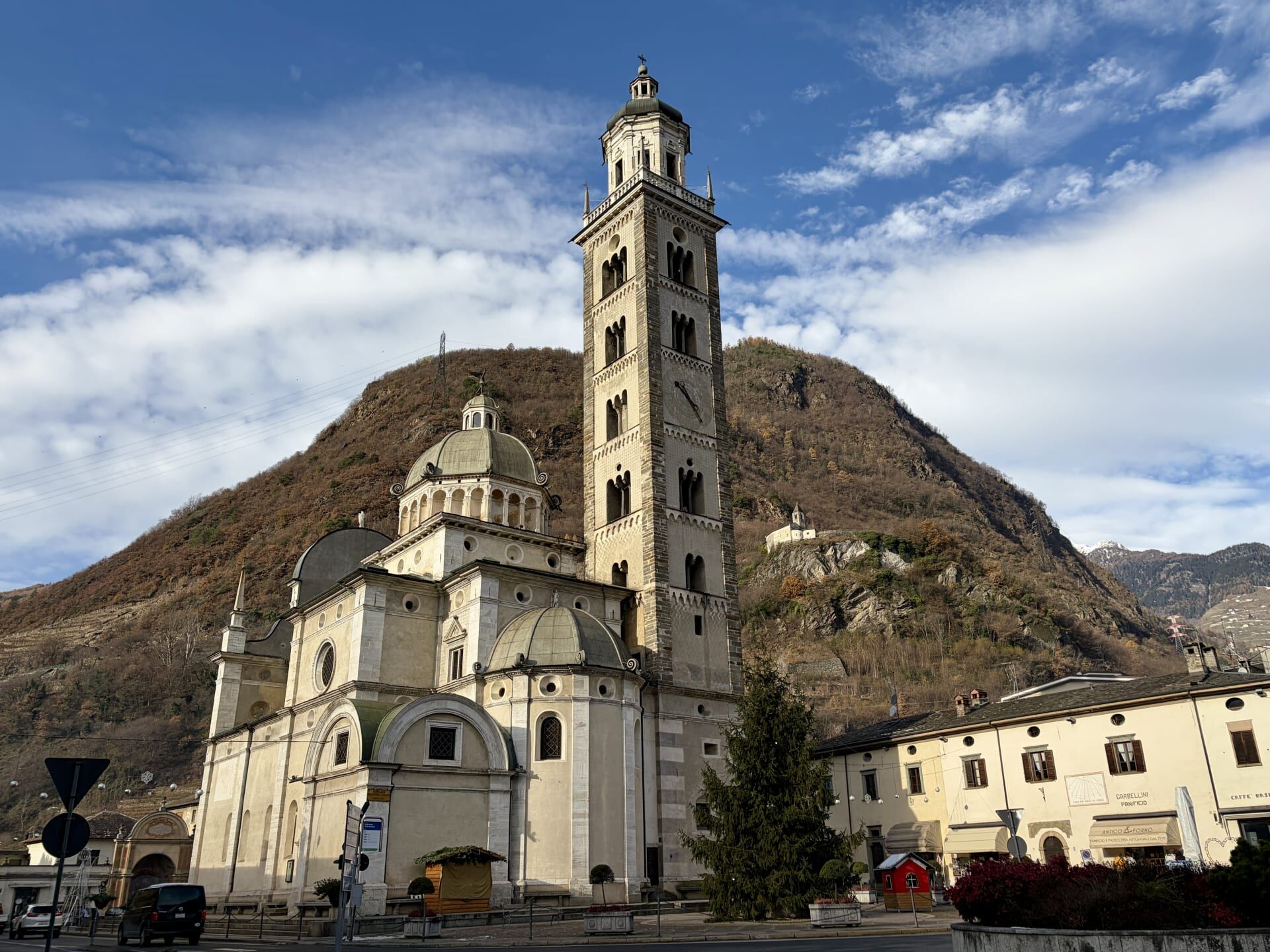
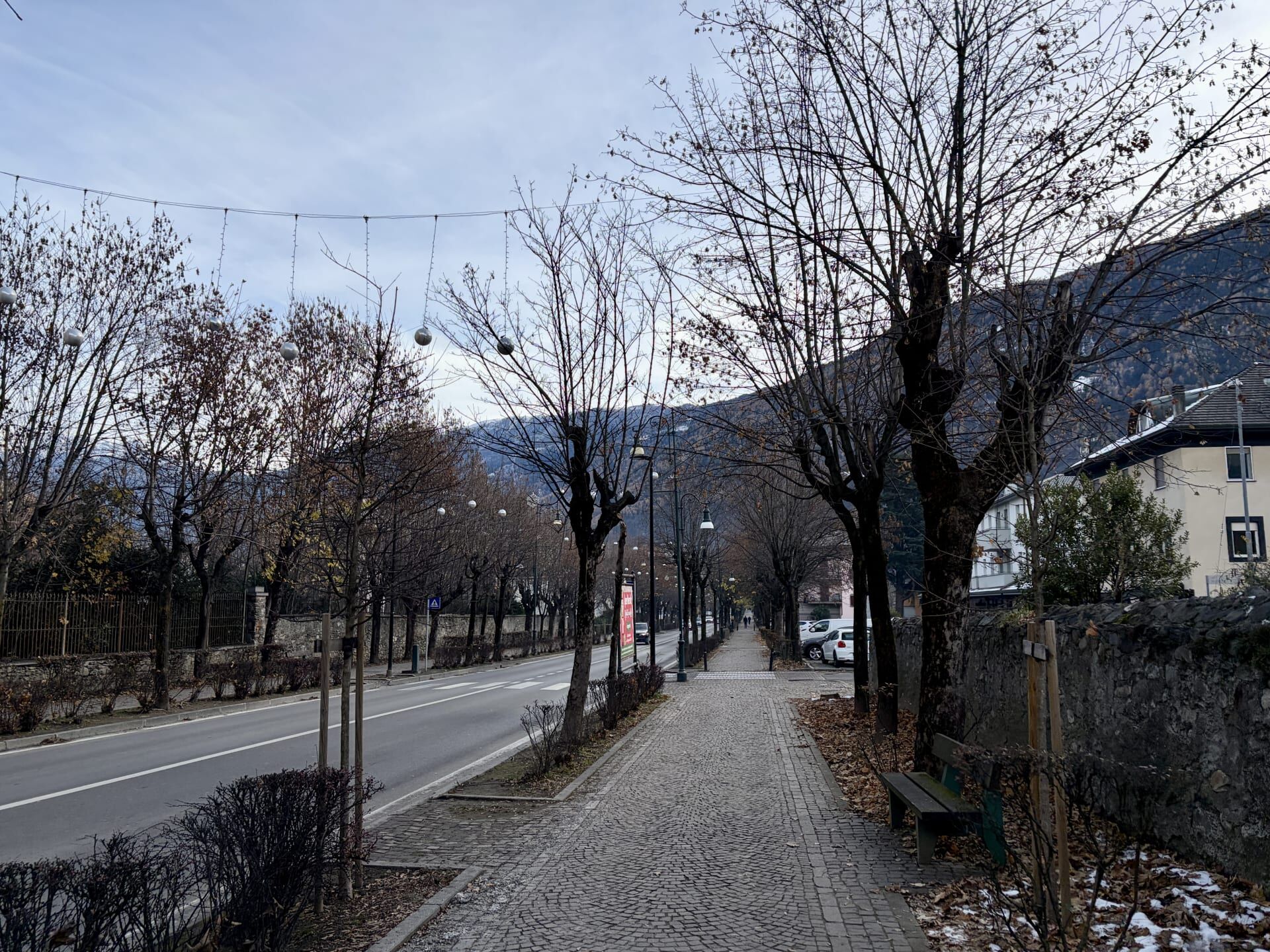
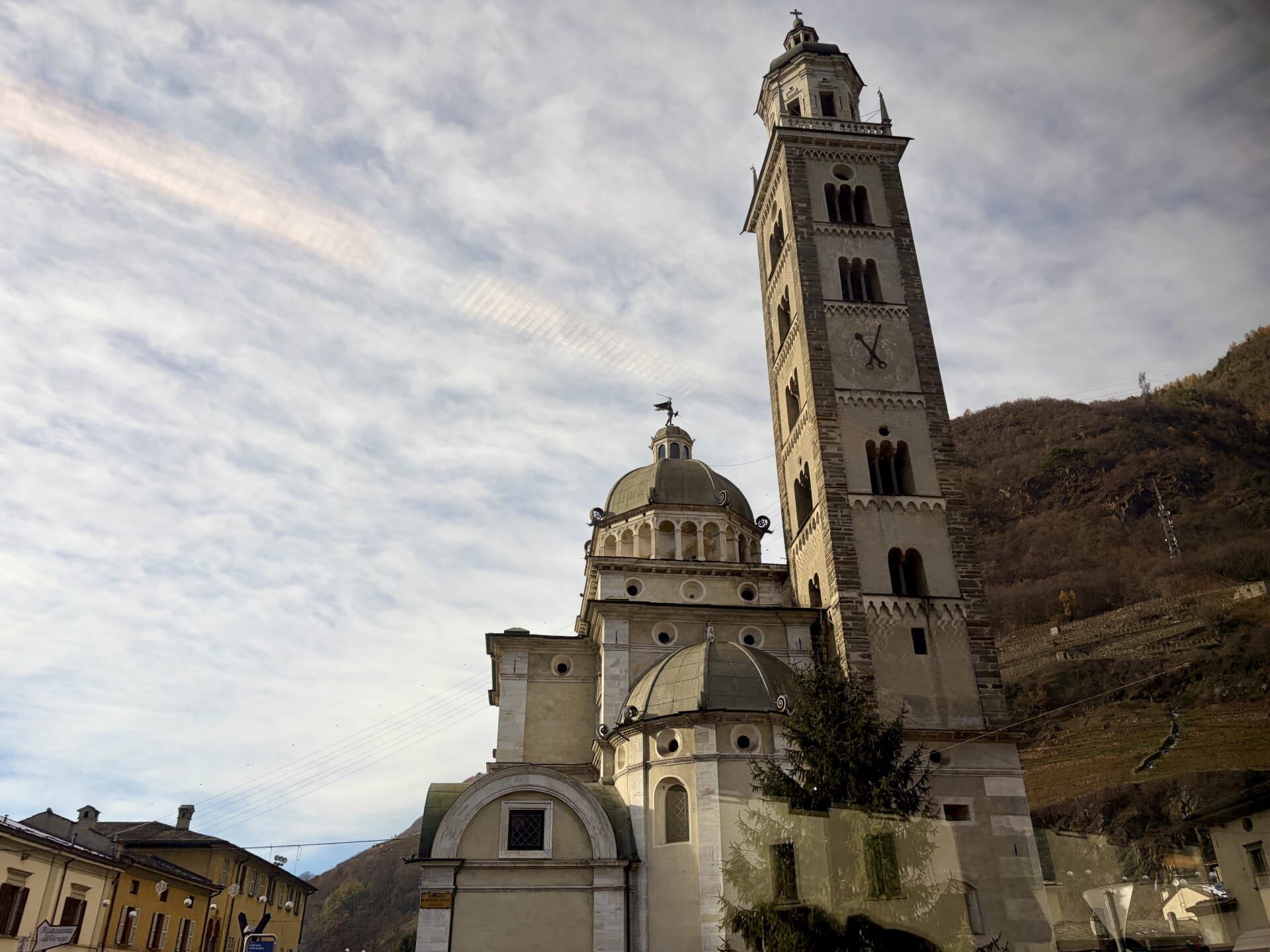
The journey began in the northern Italian town of Tirano, where I enjoyed my short amount of time wandering through the streets. The Basilica of the Madonna di Tirano, constructed in 1513, is an impressive structure. The Basilica is guarded by the ancient church of Santa Perpetua, built in the 11th Century, which sits on a vineyard on top of a hill overlooking the town. Tirano’s Old Town connects to the Basilica via a long, tree-lined avenue. As I would soon find out, trains travelling on the Bernina line pass within metres of the Basilica.
While I found Tirano to be a very pleasant town, I was excited when it came time to return to the station and board my Bernina line train! I chose a seat in the left of the carriage, having read that this would provide the best views when travelling north. I also chose the very back carriage so I could capture shots of the rest of the train as it navigated the twists and turns en route.
This was the only train out of the 100 I travelled on during my 2025 European rail adventure where the first class carriage was full (in sharp contrast to all the other trains, where first class was nearly empty). Luckily, the passengers in my carriage were all very happy to stand up and move from side to side, so we could all enjoy the best views on both sides of the train. Generally, the left side was more scenic, so I was pleased to have secured a seat there, however, the beautiful Lake Poschiavo, near the beginning of journey, required me to switch to the right side.
On board the train
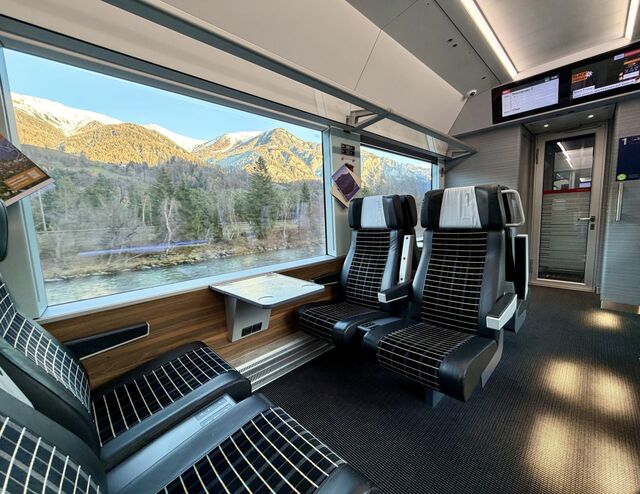
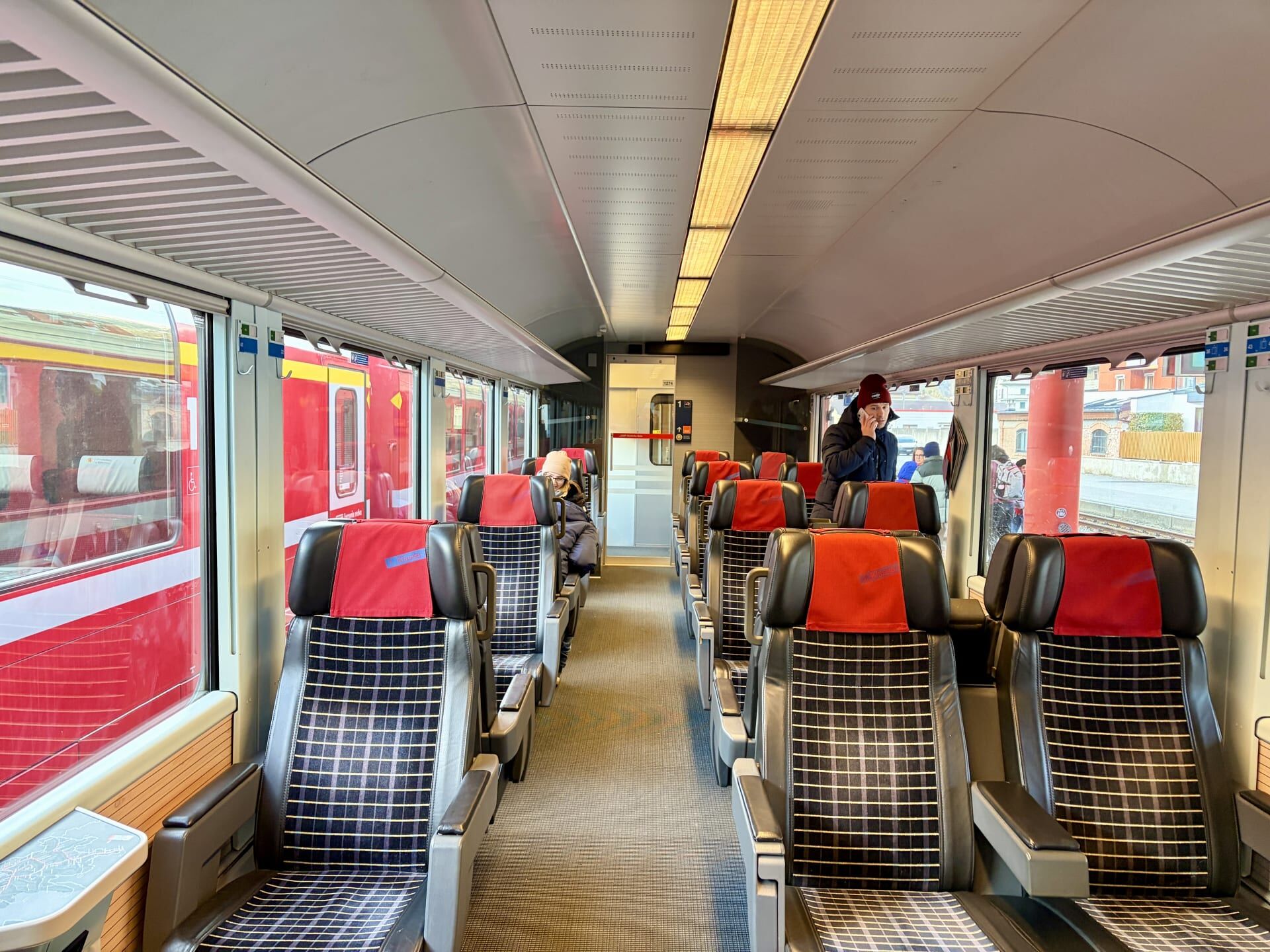
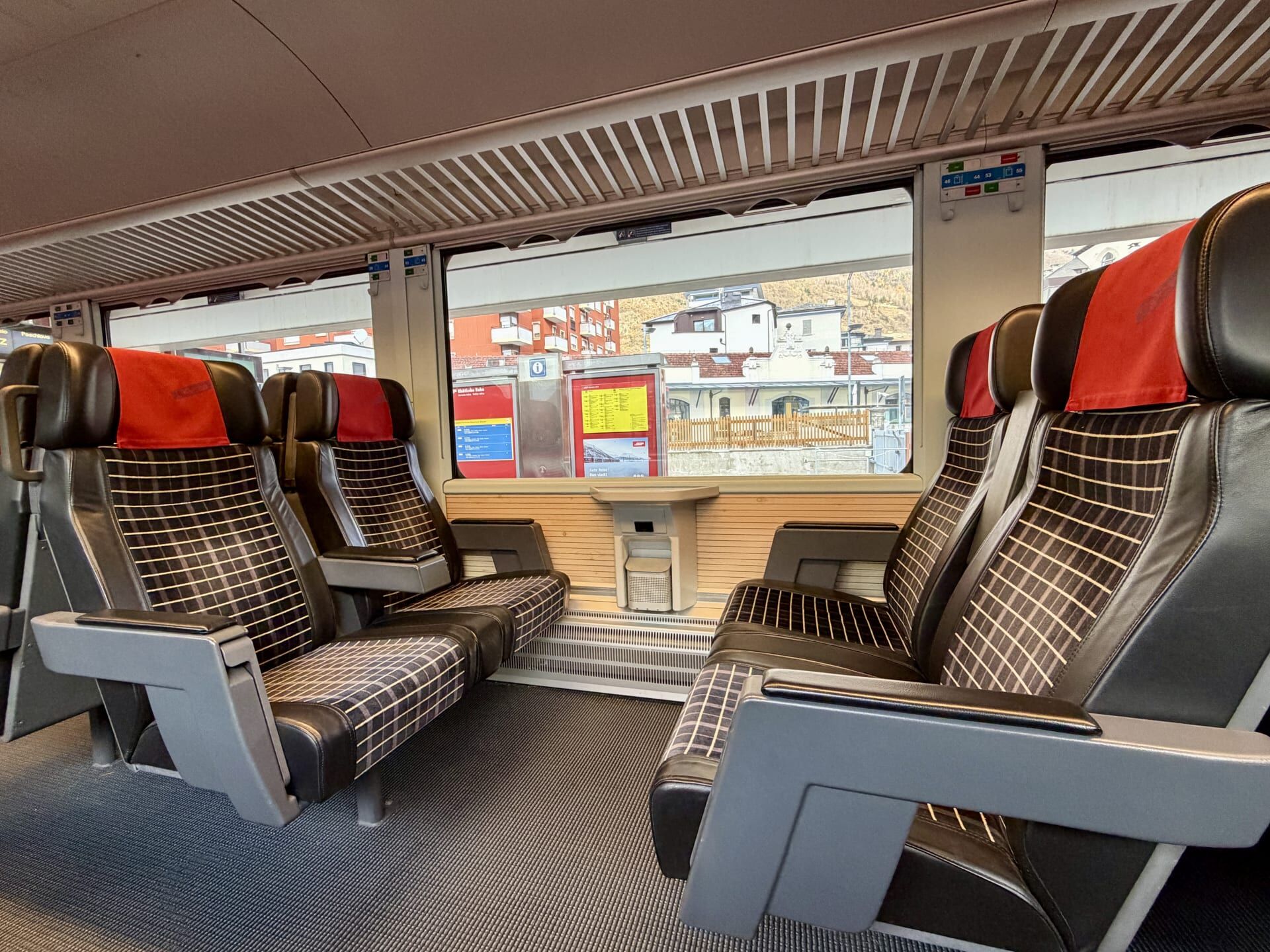
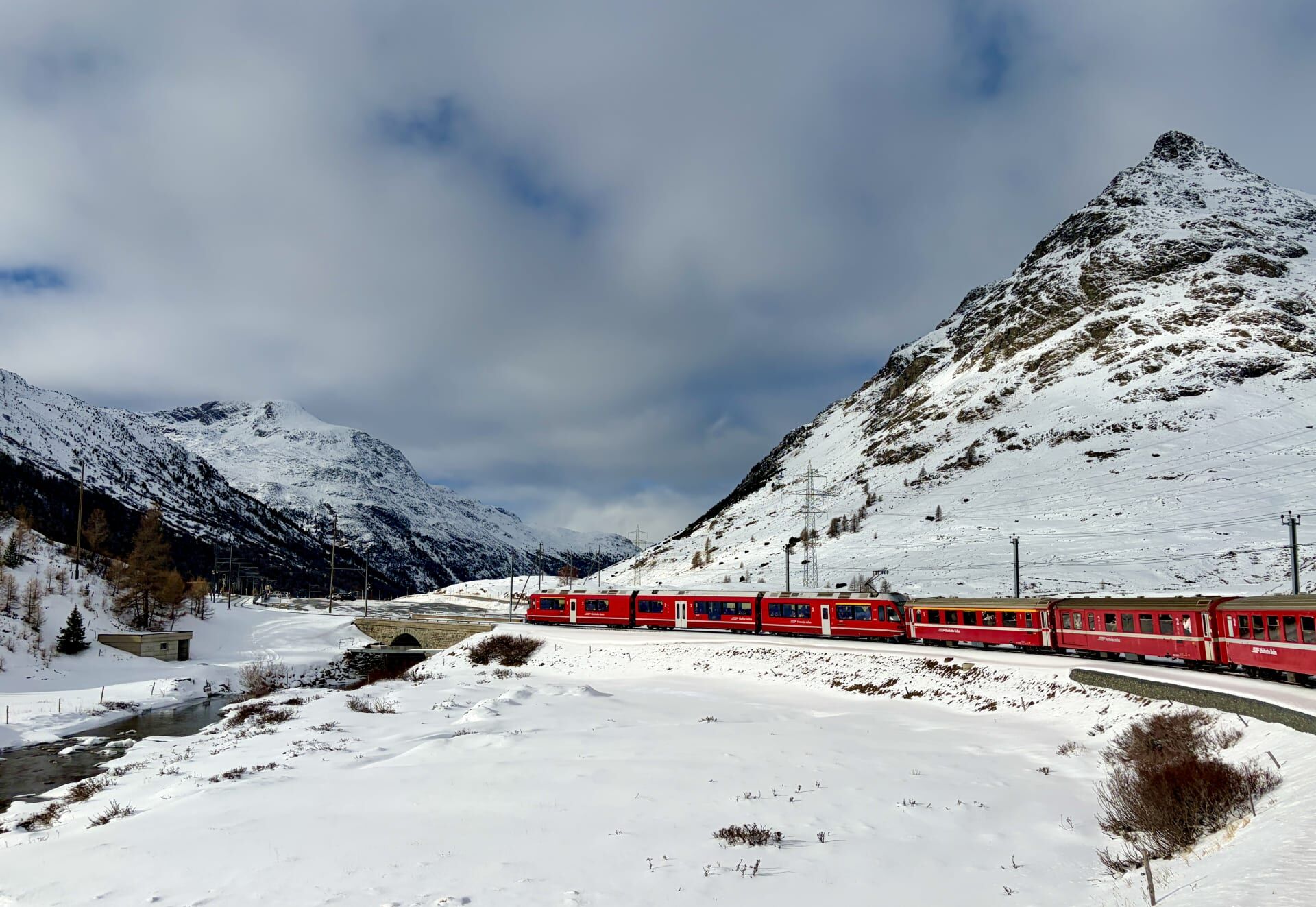
As noted above, the regular trains on the Bernina line have the benefit of allowing passengers to open the windows and take glare-free photographs of the beautiful scenery. I also found the first class carriage to be very spacious. As with many Swiss trains, the first class carriages are arranged in a 2+1 configuration, with a single seat on one side of the aisle which is ideal for solo travellers.
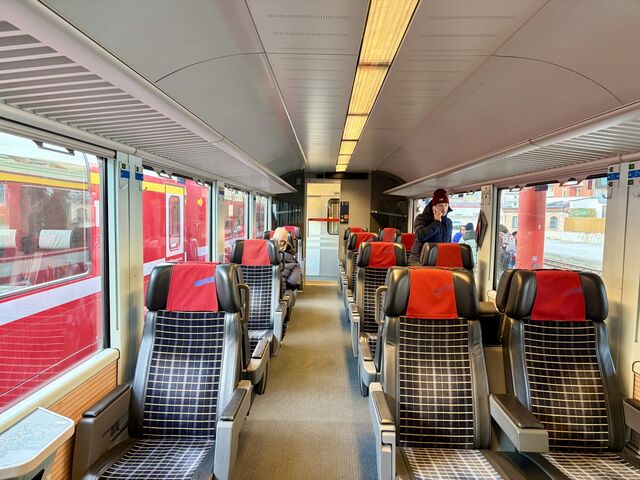
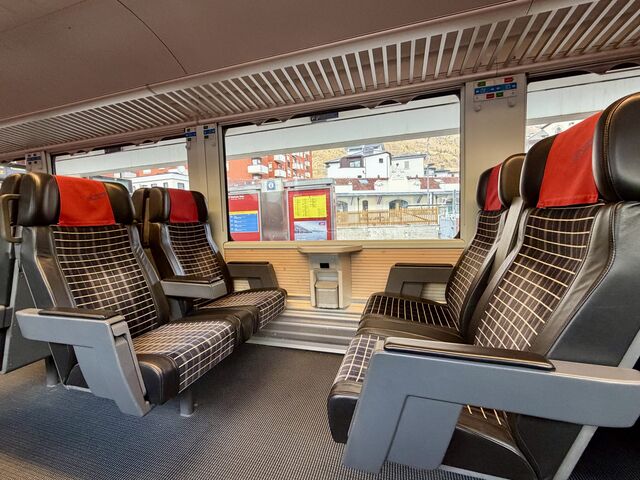
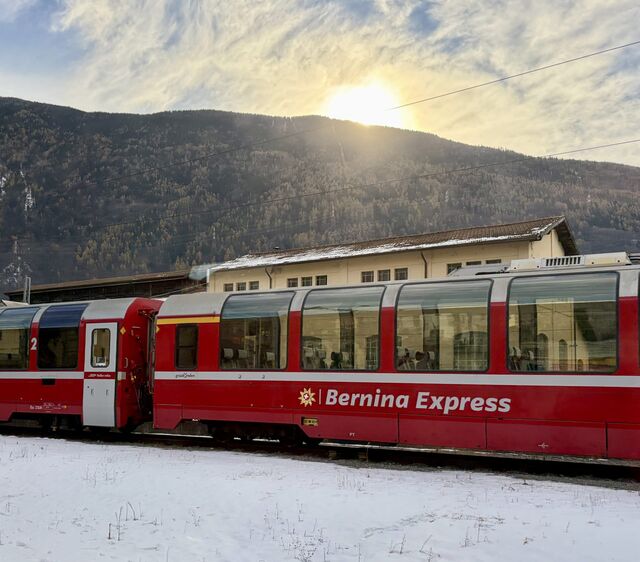
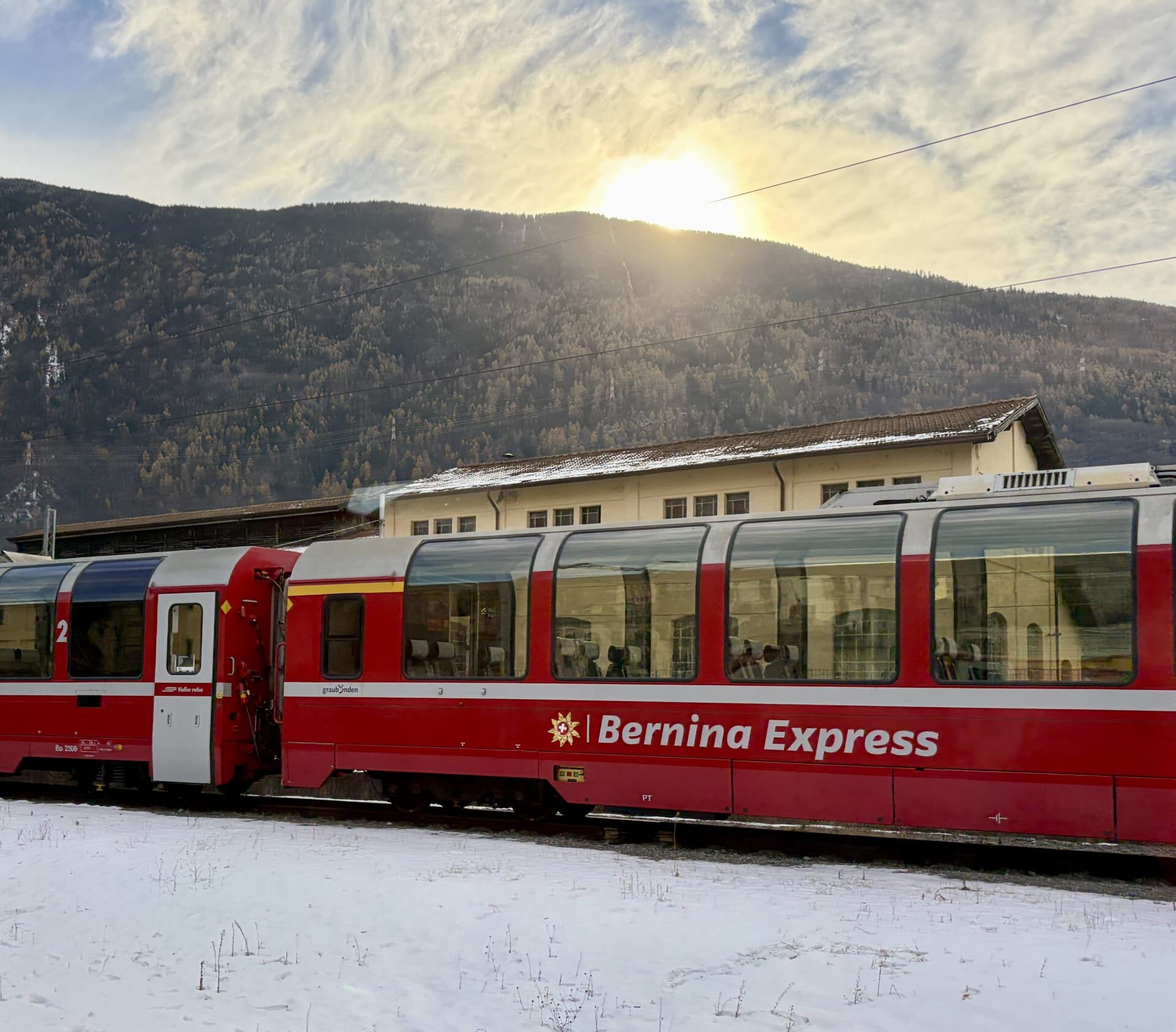
As the train was pulling out of Tirano Station, I spotted the Bernina Express tourist train which takes the same route. The train, with its large panoramic windows, is pictured below.
Bernina Railway: Tirano–St Moritz
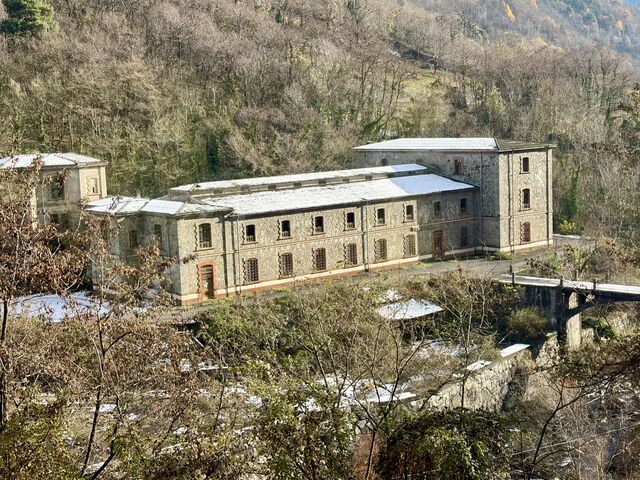
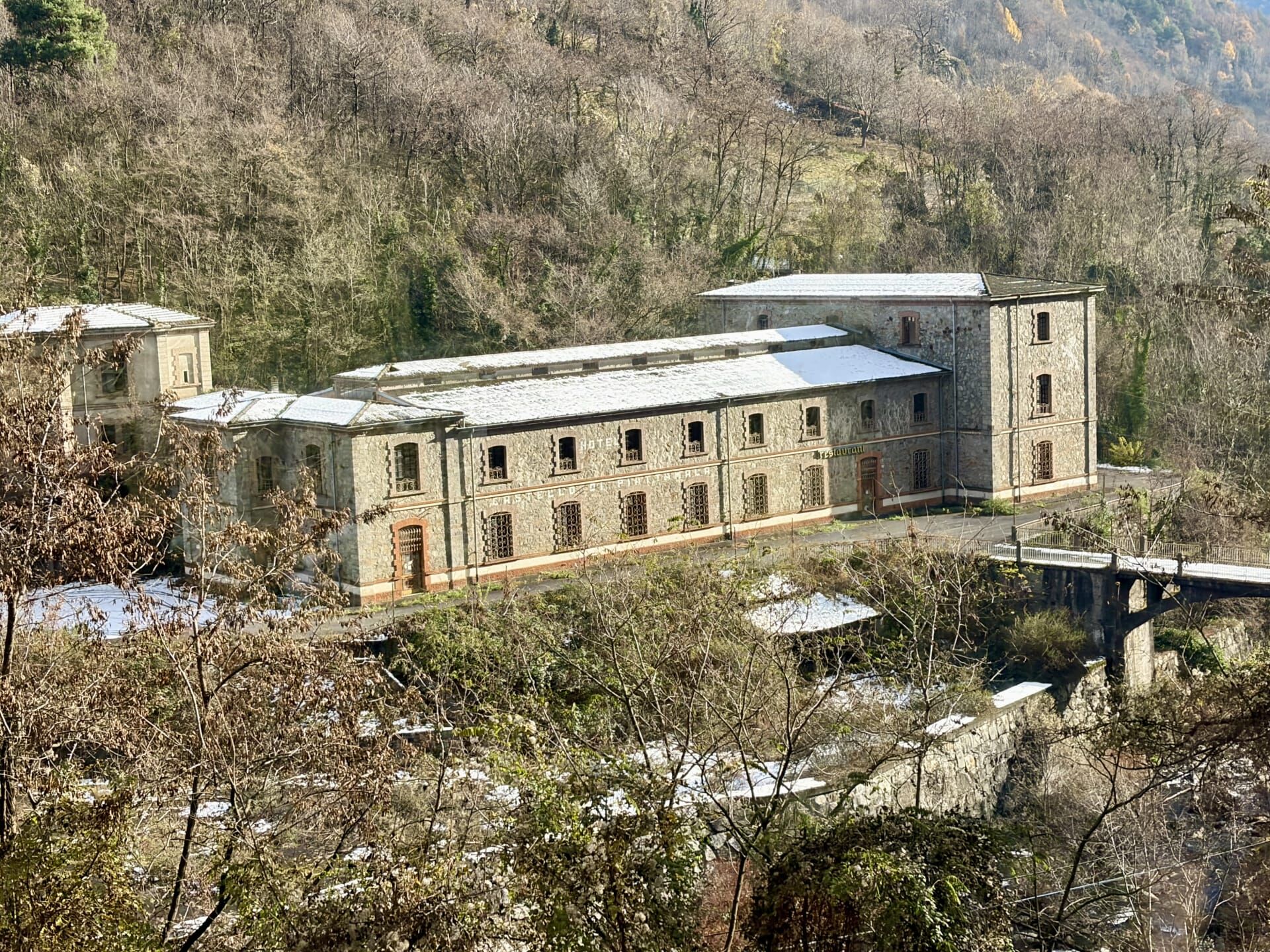
It was a unique start to the journey, with the train running down the middle of the road like a tram, side by side with cars, passing right in front of the Basilica of the Madonna di Tirano. Before long, we passed an abandoned hotel before crossing the border into Switzerland.
Not long into the journey, we reached the first architectural highlight of the trip: the famous Brusio Spiral Viaduct. This 360-degree spiral loop was constructed so the train could climb steeply over a short distance.9 As the train gains 10 metres in height, the railway crosses over itself on the viaduct which is supported by nine stone arches.
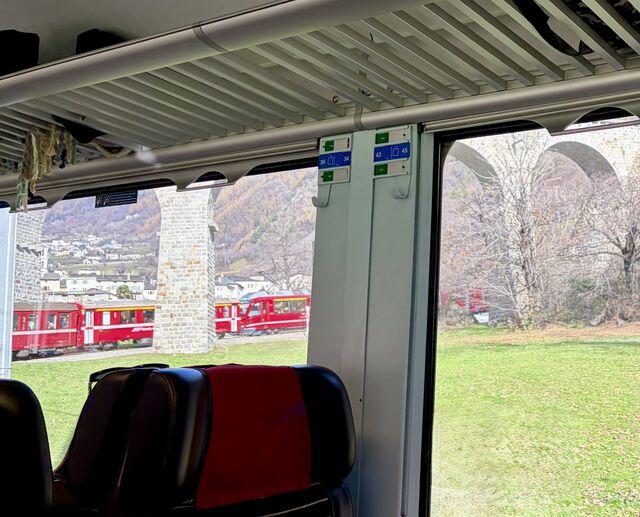
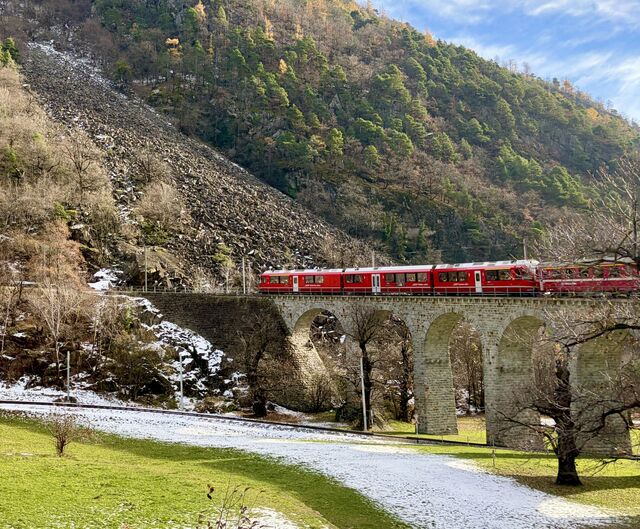
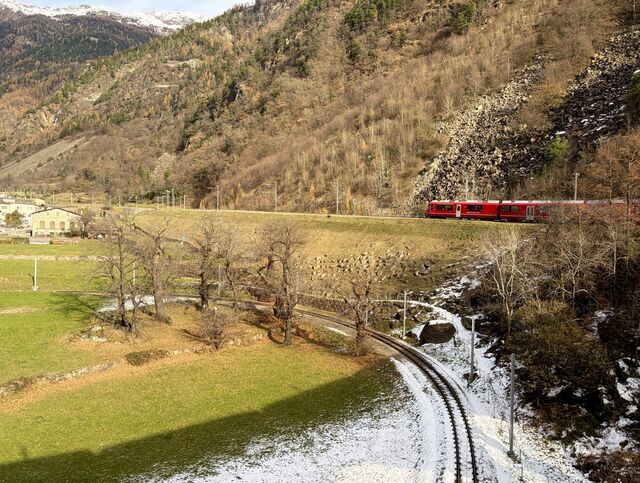
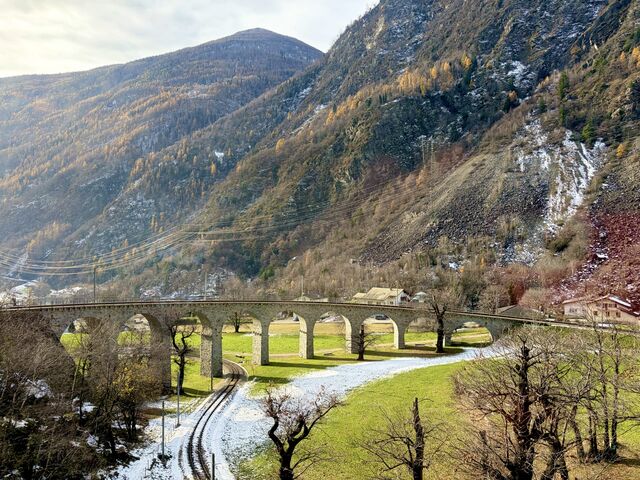
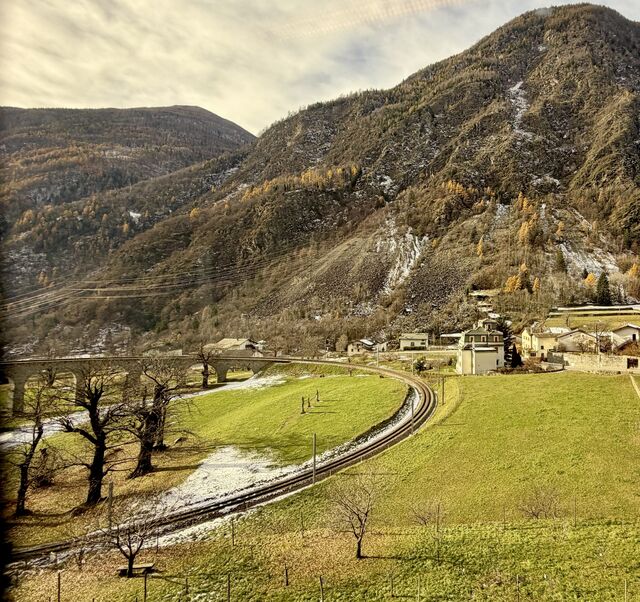
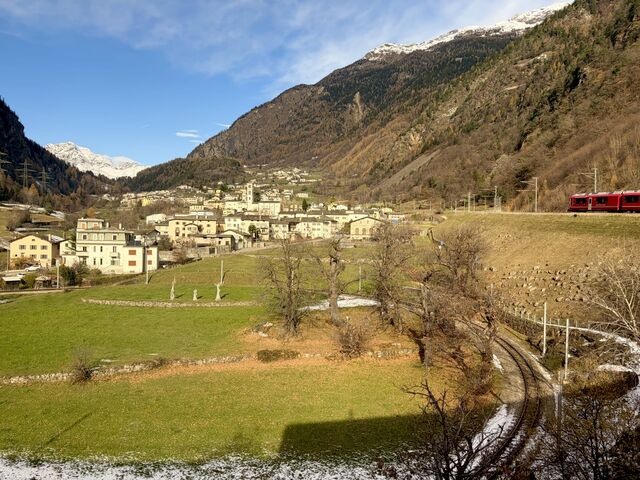
My guidebook informed me that a replica of the Brusio Spiral Viaduct can be found in Costa Rica.10 The circular viaduct is part of the Tren Turístico Arenal—a mountain railway owned by a Swiss emigrant who now works as a hotelier in Costa Rica. The train carries passengers from the hotel to a panoramic mountain restaurant, with the summit station located in a tunnel beneath the restaurant. This is meant to resemble Switzerland’s Jungfraujoch Station, which I have written about here. Interestingly, the Costa Rican replica was originally constructed for a farmer near Lausanne in Switzerland, but sadly his railway never received the necessary operating permit, leaving the structure to find a new home in Central America.11
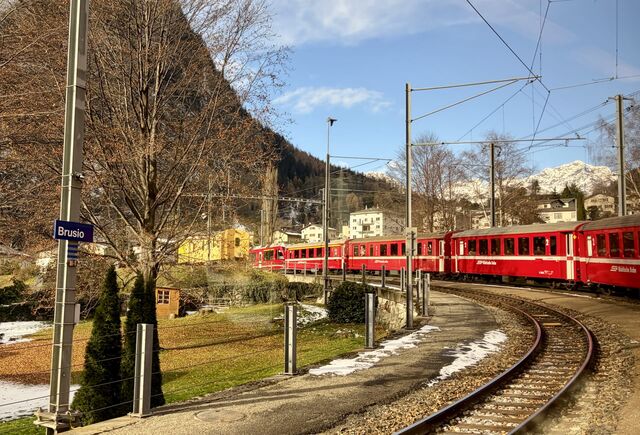
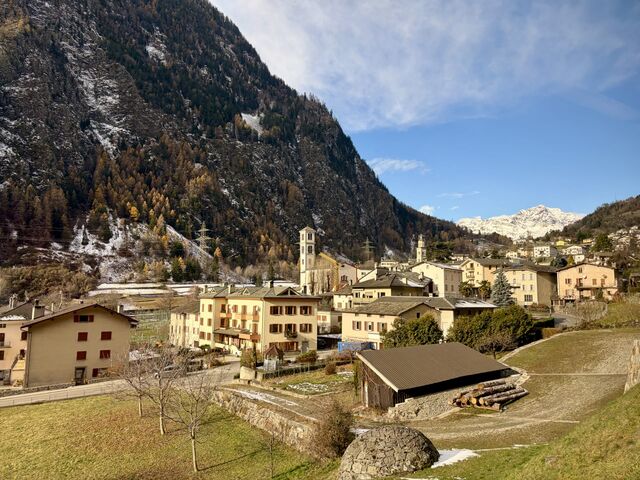
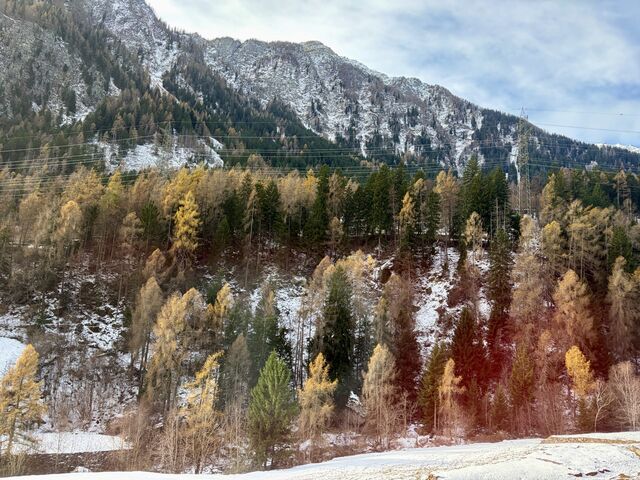
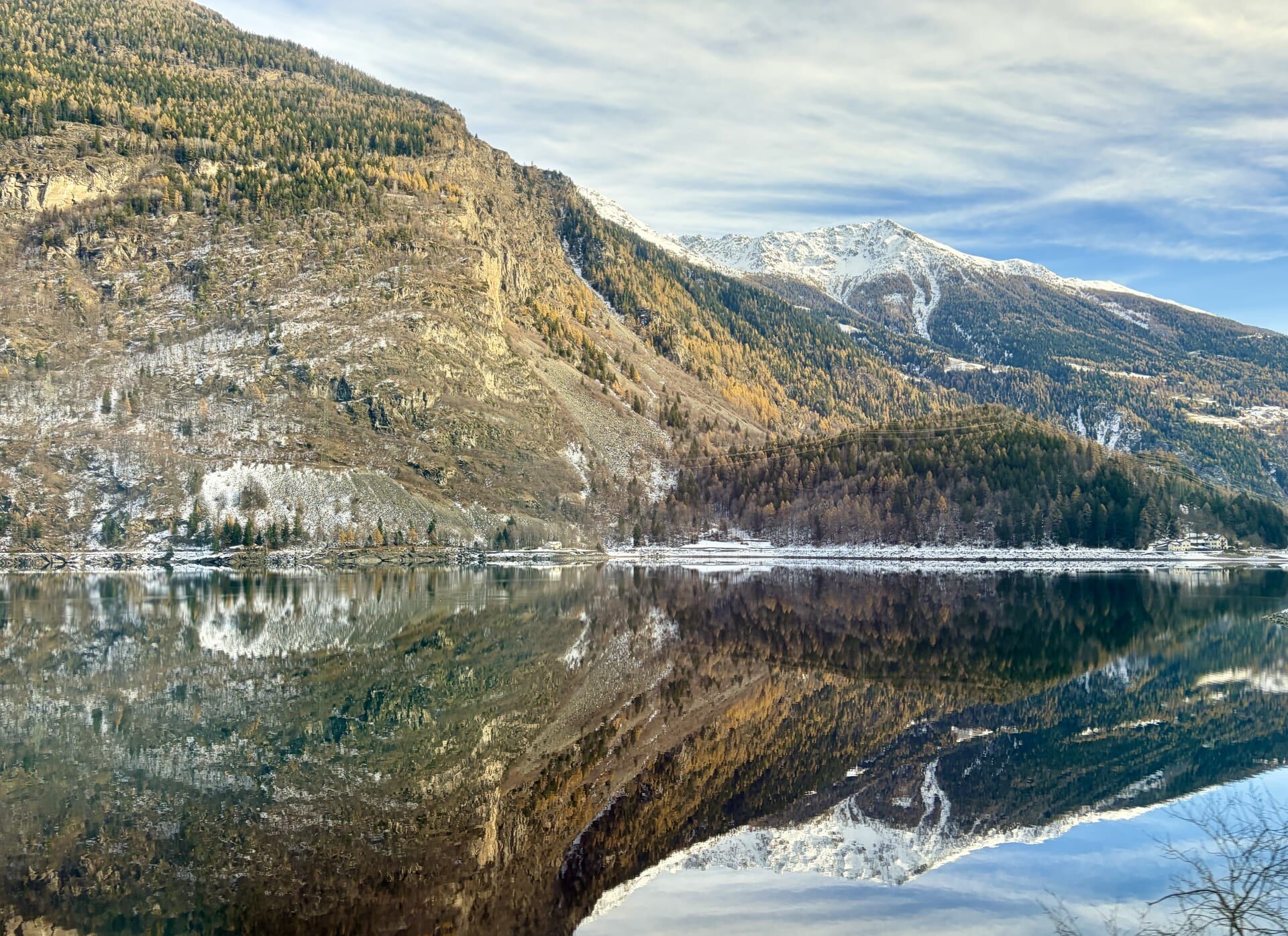
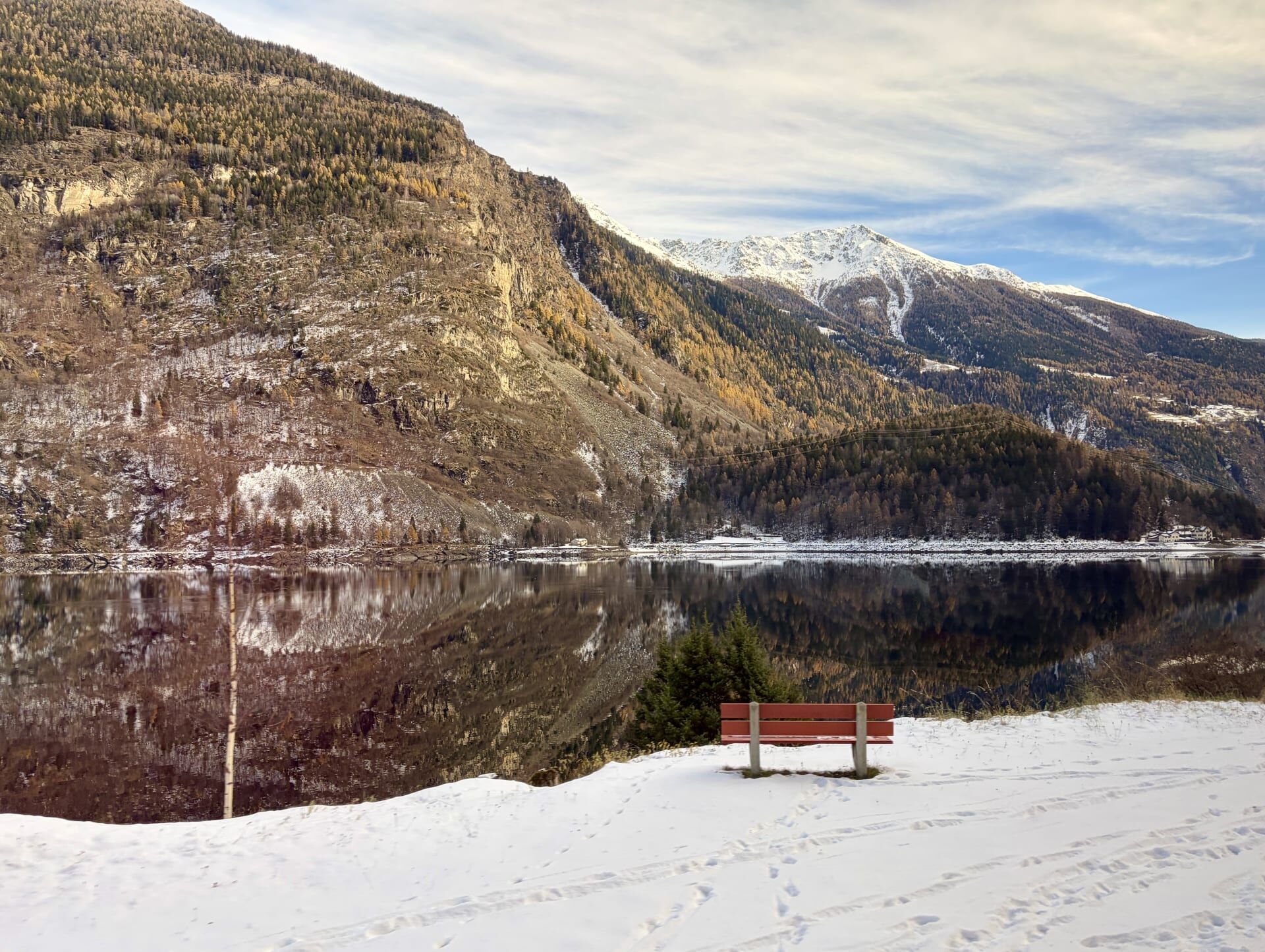
The line then continued past the alpine Lake Poschiavo. Here, the best views were from the right of the train. Miralago Station lies directly on the southern tip of the lake and is one of the most beautifully situated train stations I have ever seen.
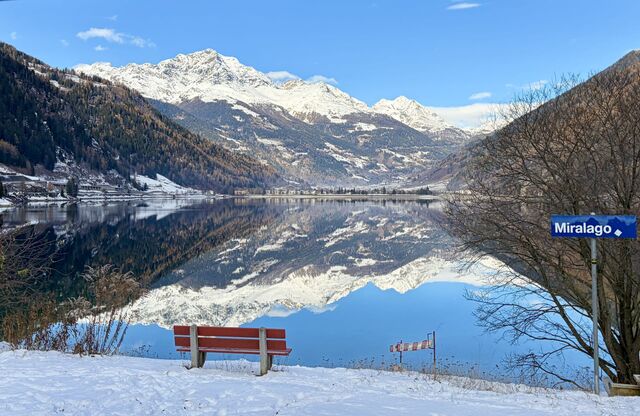
The glassy lake, framed by the surrounding mountains, was absolutely stunning, and I managed to capture some of my favourite photos ever from a train window here.
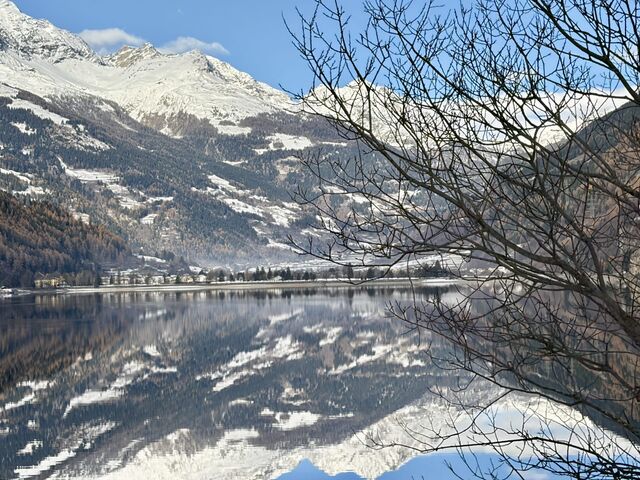
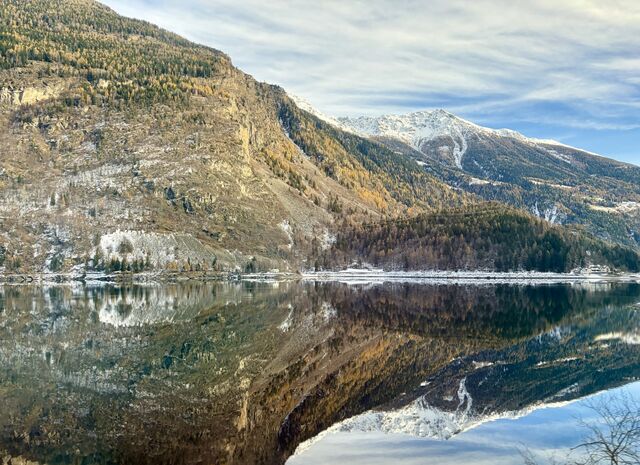
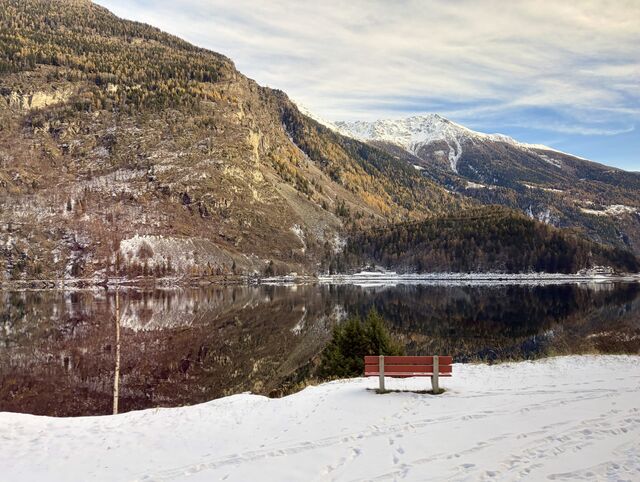
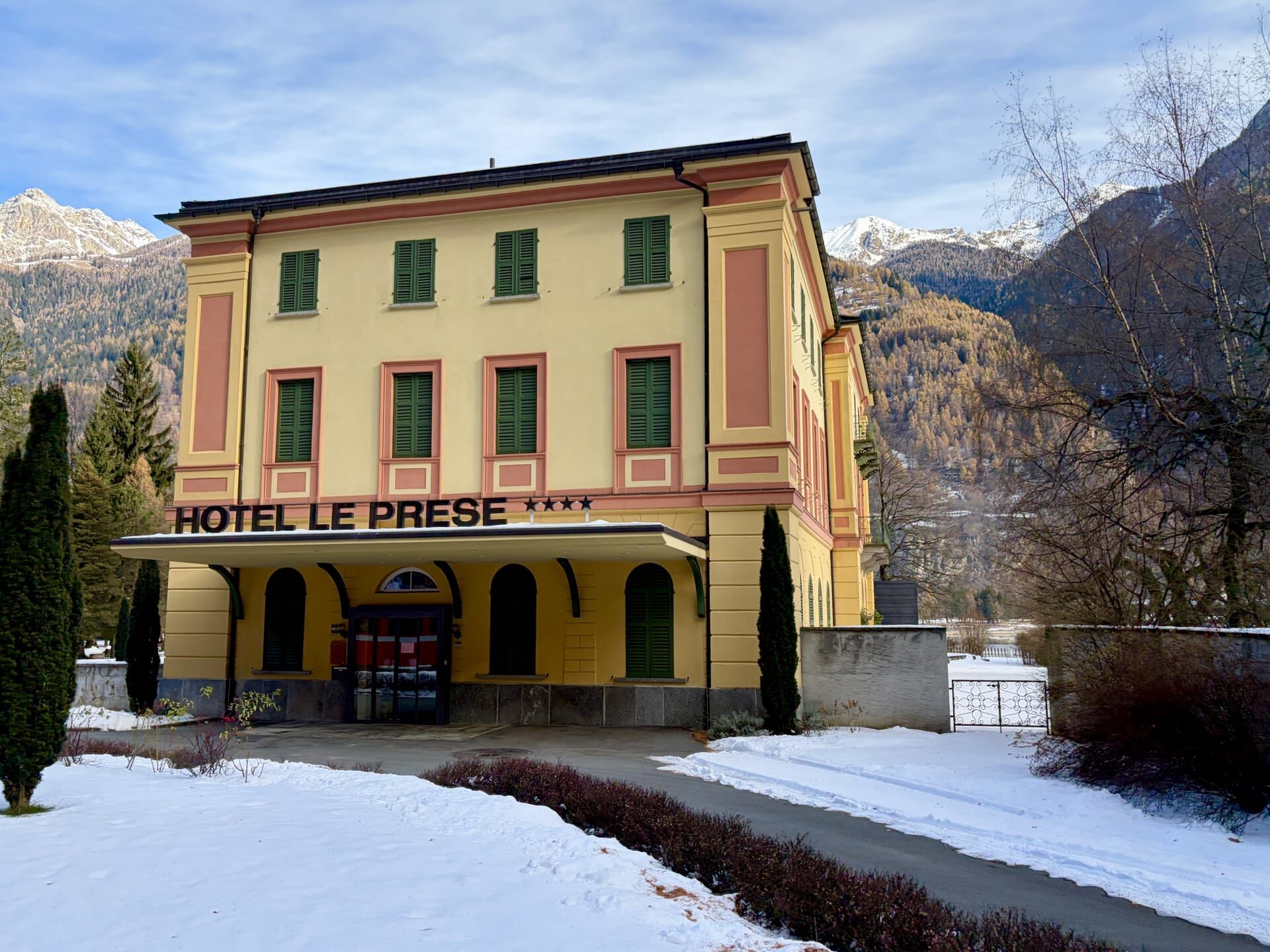
We then passed the village of Le Presse which lies at the northern end of Lake Poschiavo. According to my guidebook, the village contains several boutique hotels and an abundance of recreational activities which make it a suitable stop for those wishing to break the journey.12
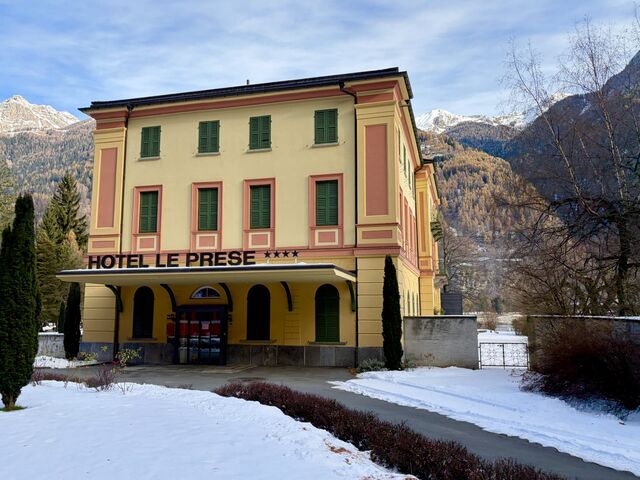
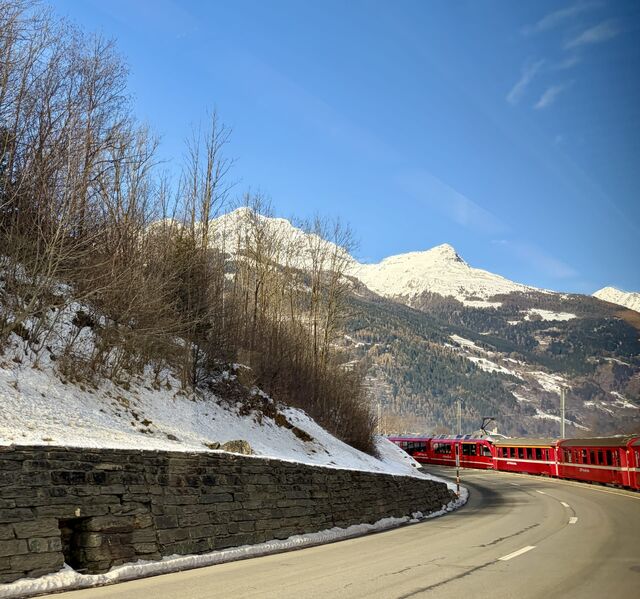
Next, the railway passed high above the medieval town of Poschiavo, which my guidebooks consistently praise for its ‘Italian flair and great gelato’,13 bustling markets offering local burrata and wine,14 elegant Renaissance architecture,15 and the pastel-painted, shuttered houses that line its Old Town.16
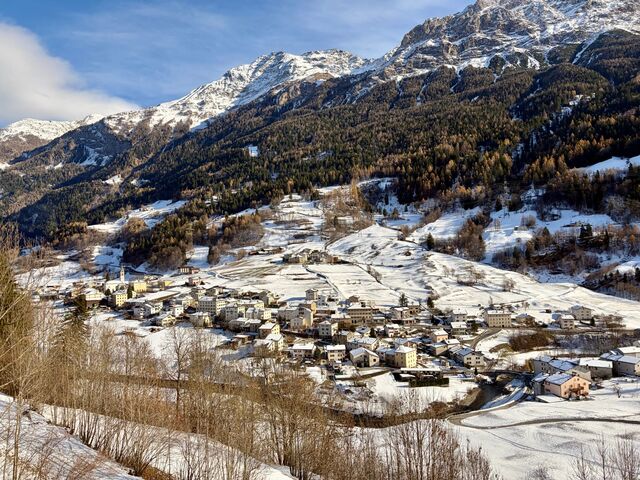
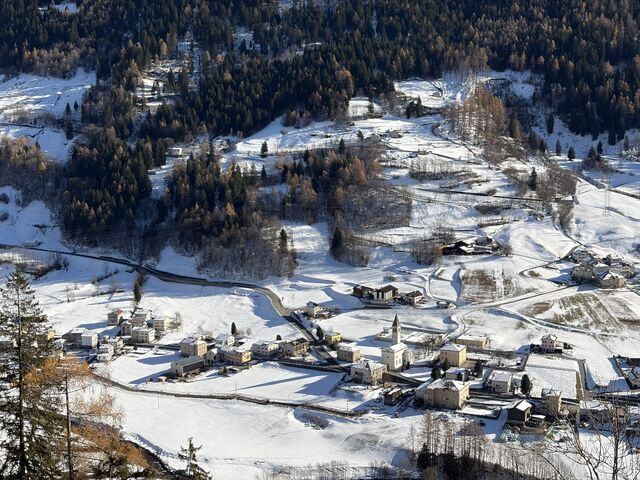
From Poschiavo, the train climbed over 1,000 metres, without the aid of a rack railway, to Alp Grüm. This ascent was nothing short of spectacular as the train wound through what felt like an endless succession of tight curves. As my guidebook aptly observes, this is ‘one of the greatest sections of railway in the world.’17
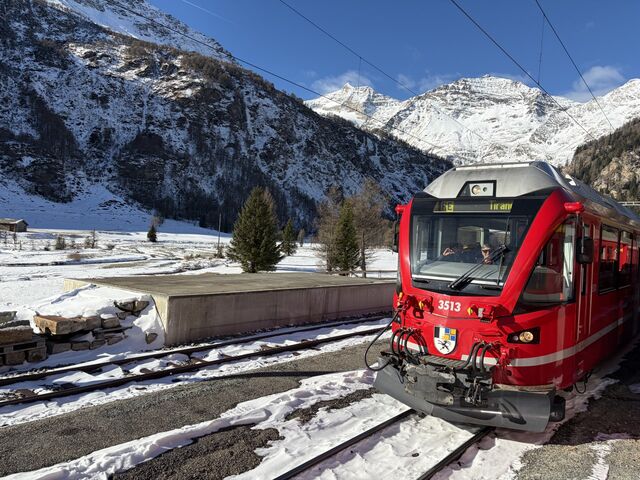
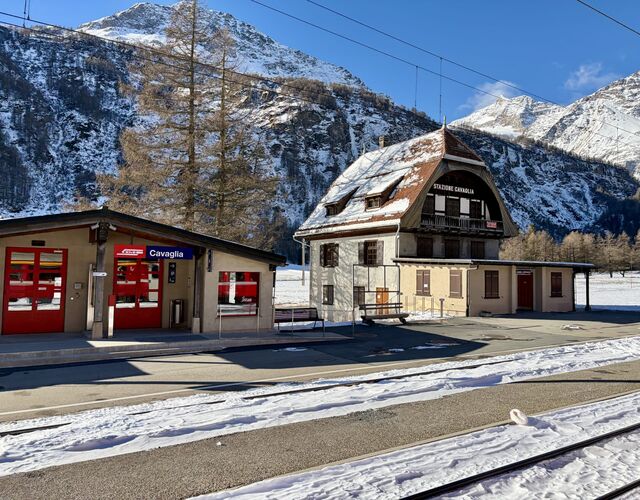
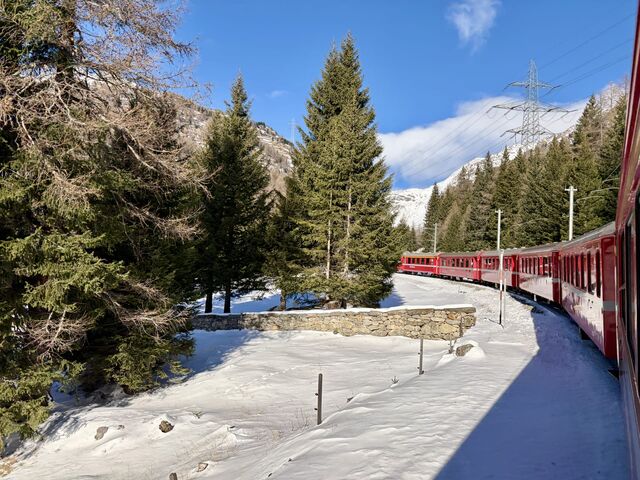
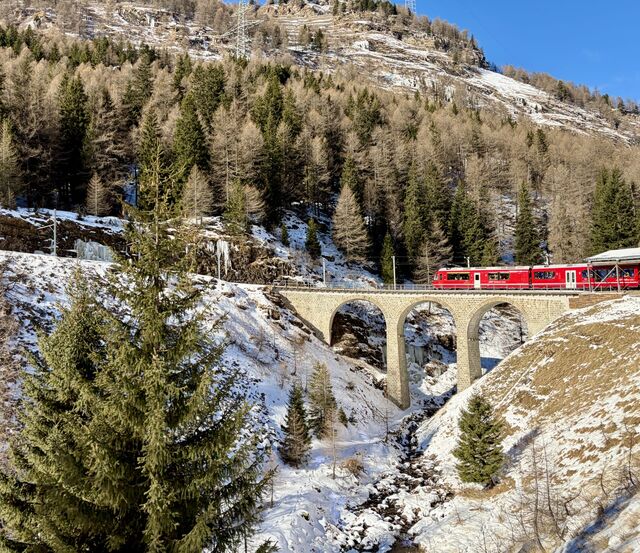
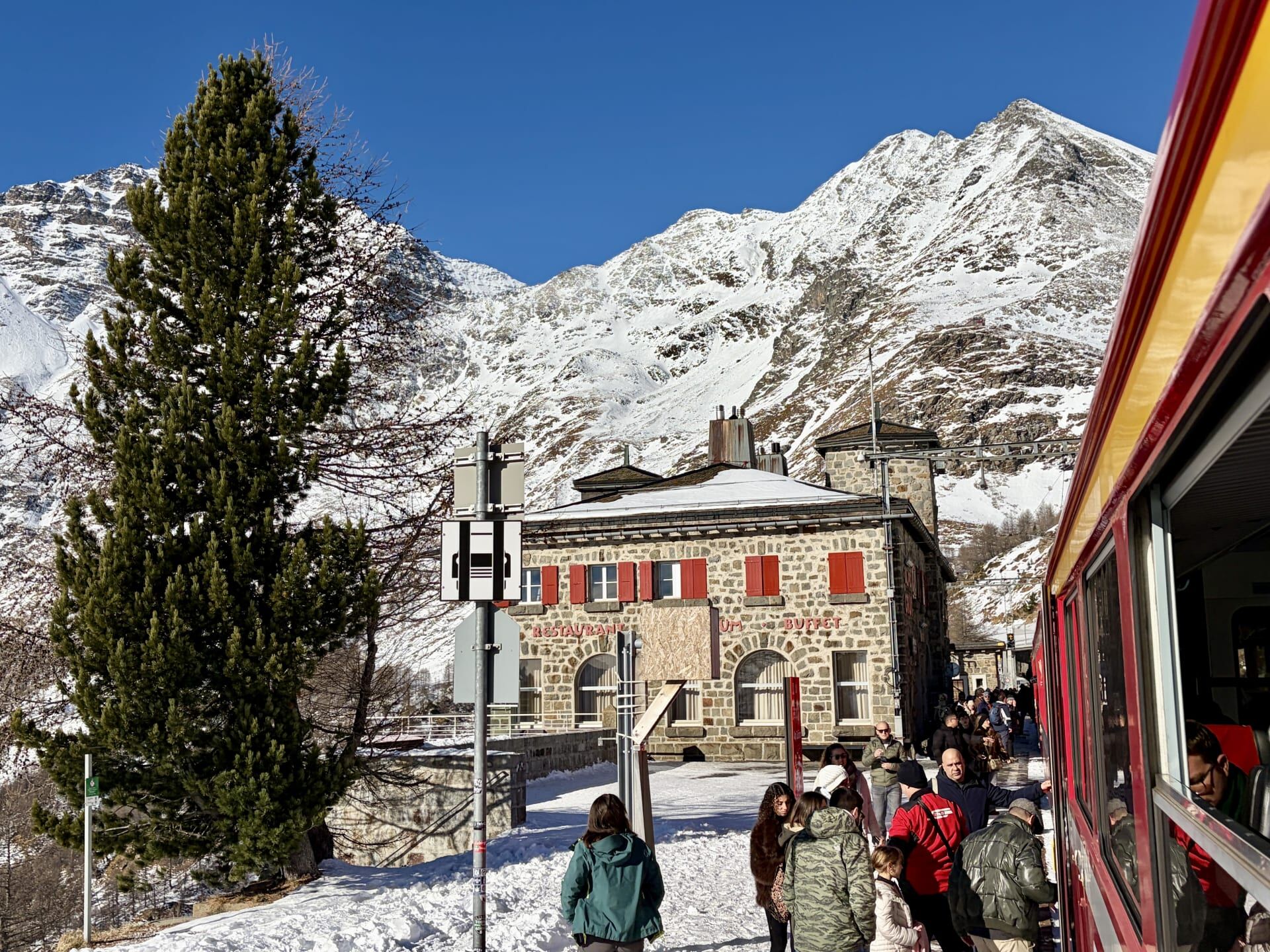
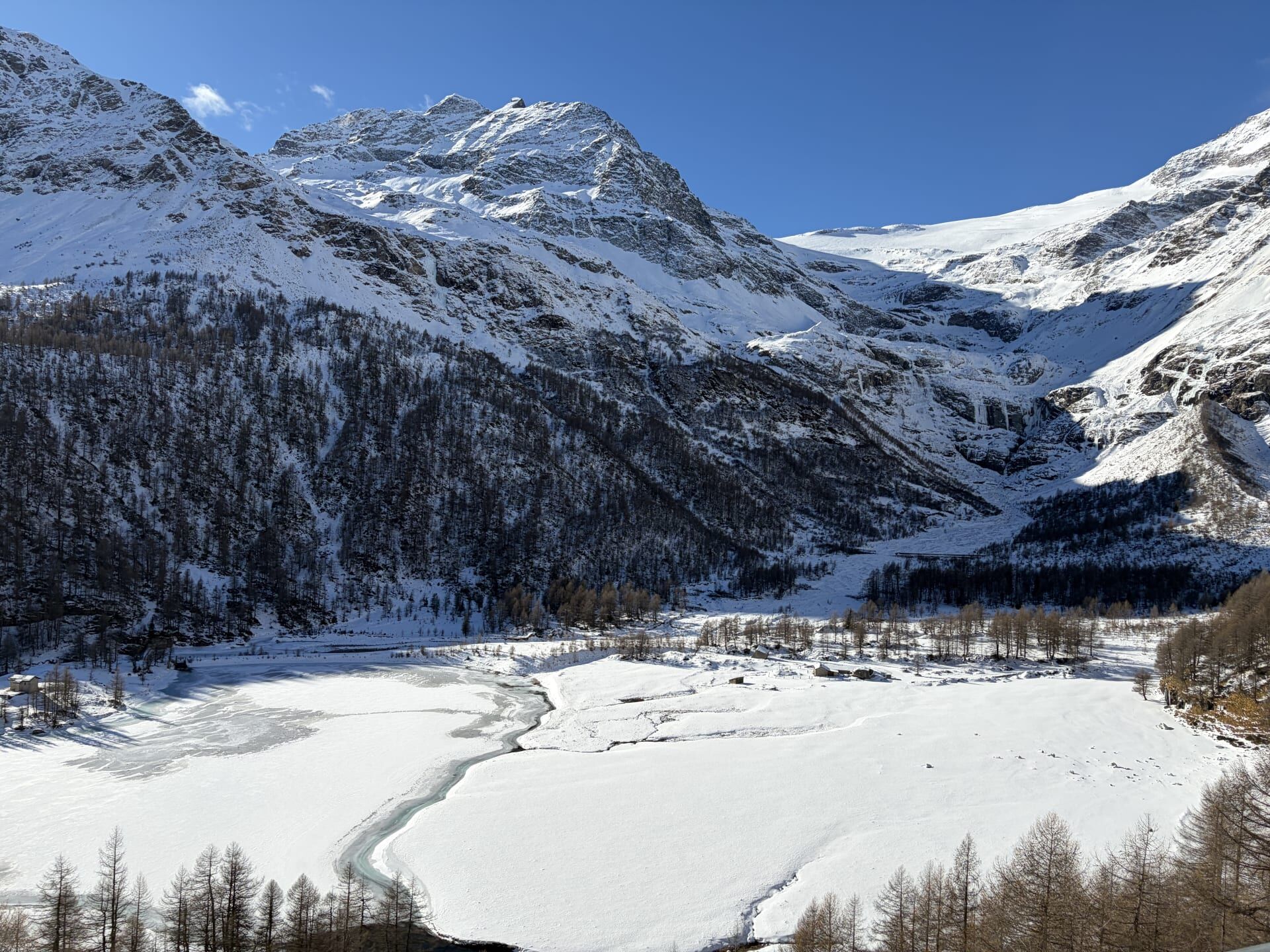
The remote Alp Grüm Station lies opposite the Palü Glacier. The hamlet of Alp Grüm is only accessible by railway during the winter months, with locals having their groceries and other necessities delivered by train.18 During the summer, it is also possible to reach the hamlet via foot. There is a small hotel and restaurant located at the railway station.
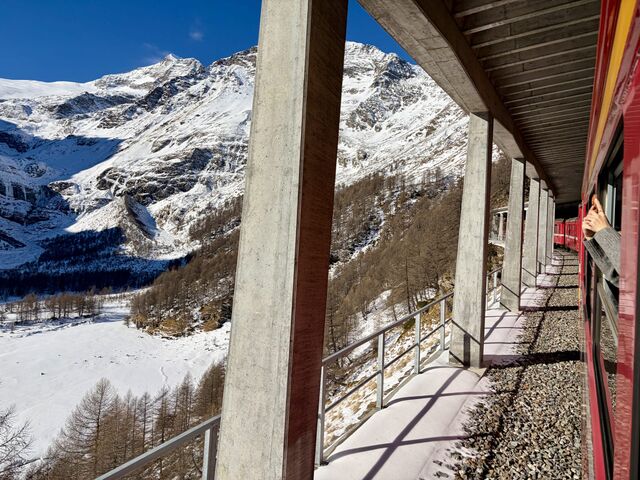
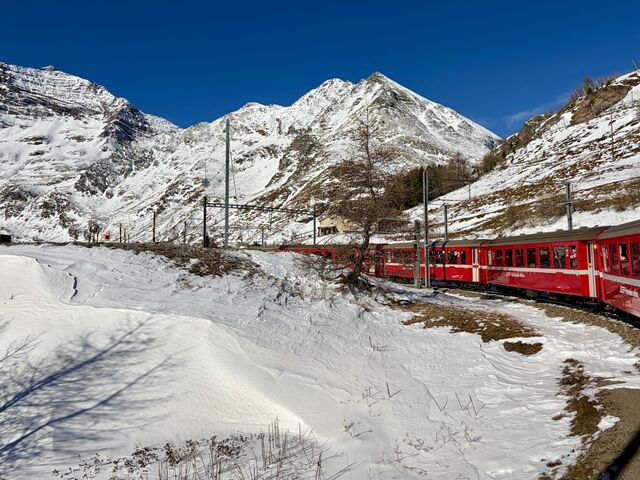
From Alp Grüm, the train left the Italian-speaking part of Switzerland and entered a region where Romansh is also spoken.19 Although spoken almost exclusively in the canton of Graubünden and by less than 0.5% of Switzerland’s population,20 Romansh is one of the country’s four national languages.
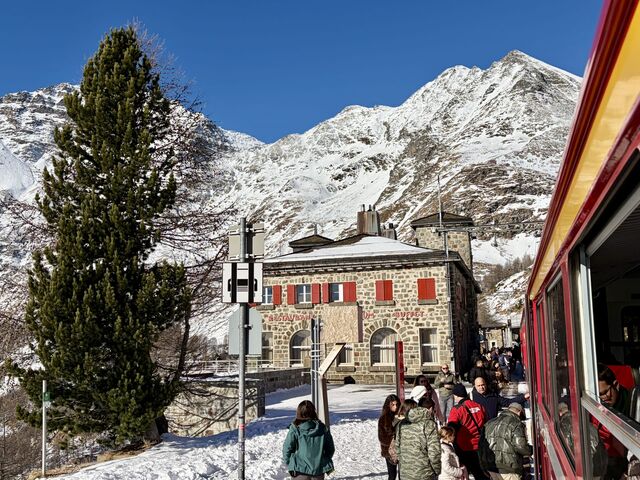
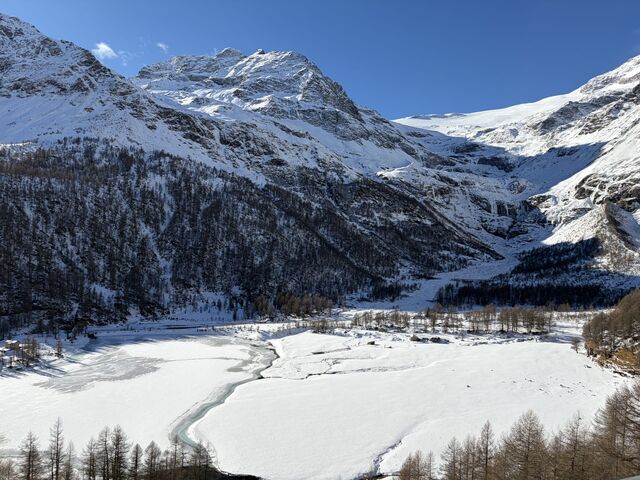
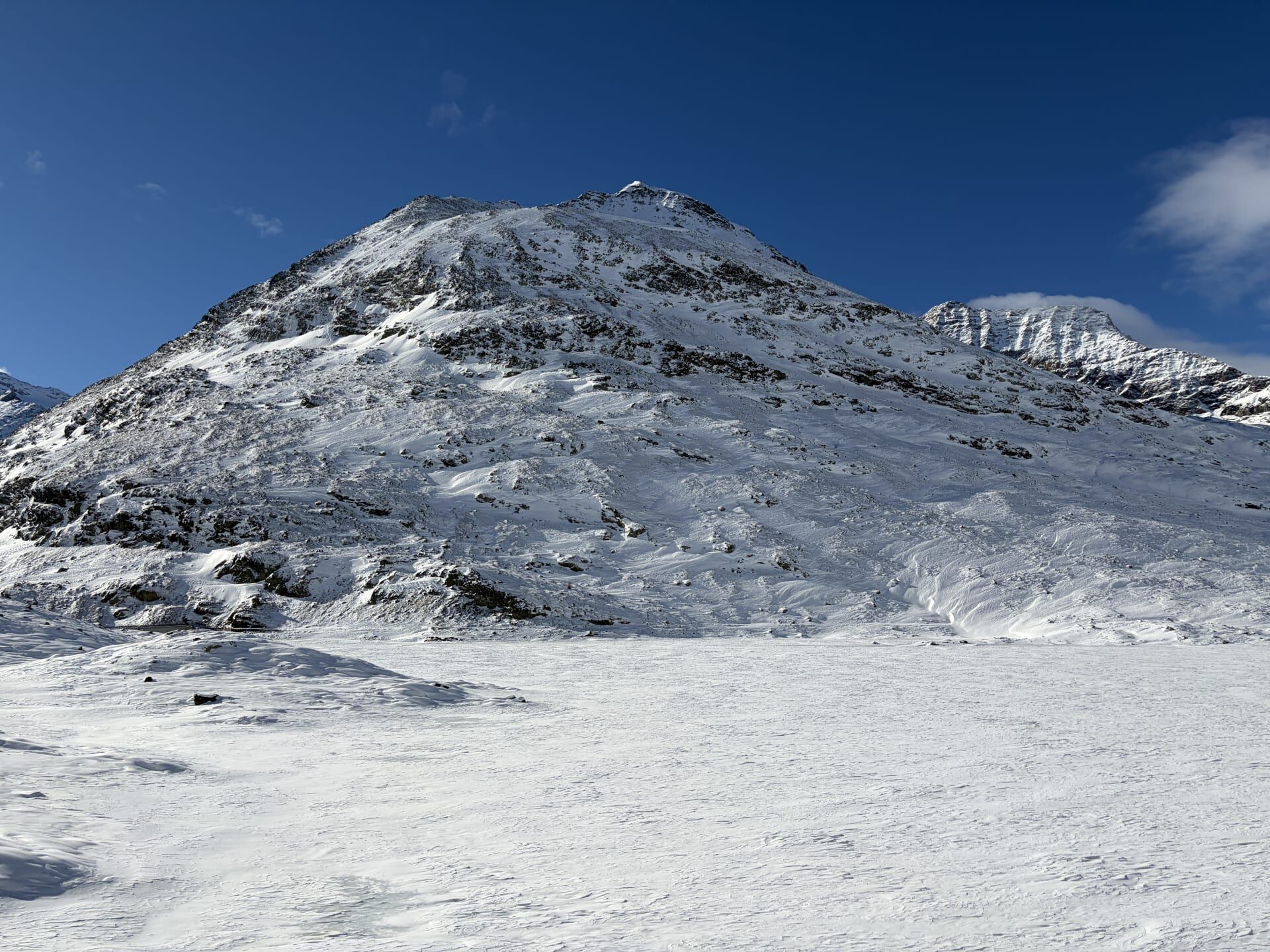
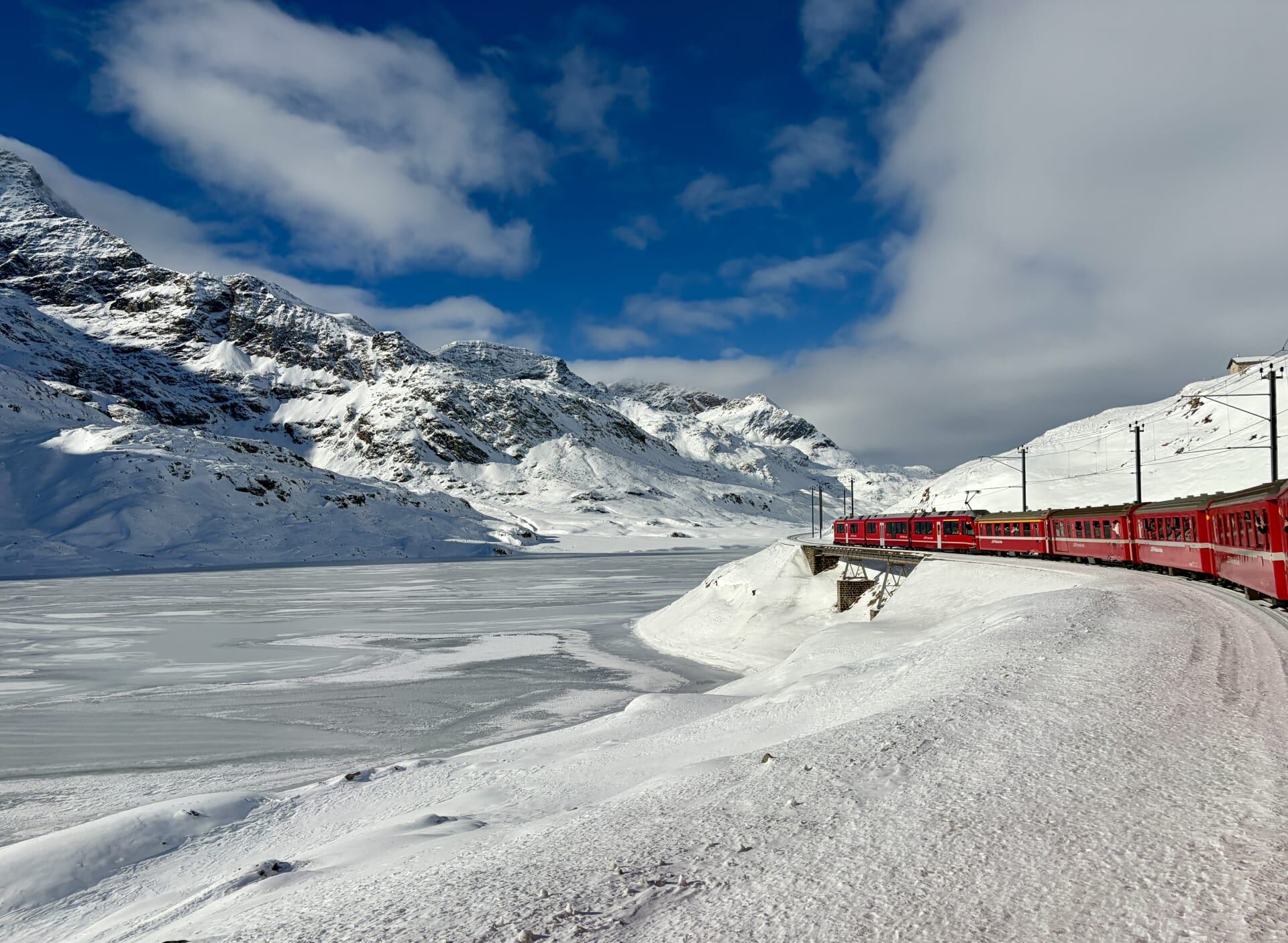
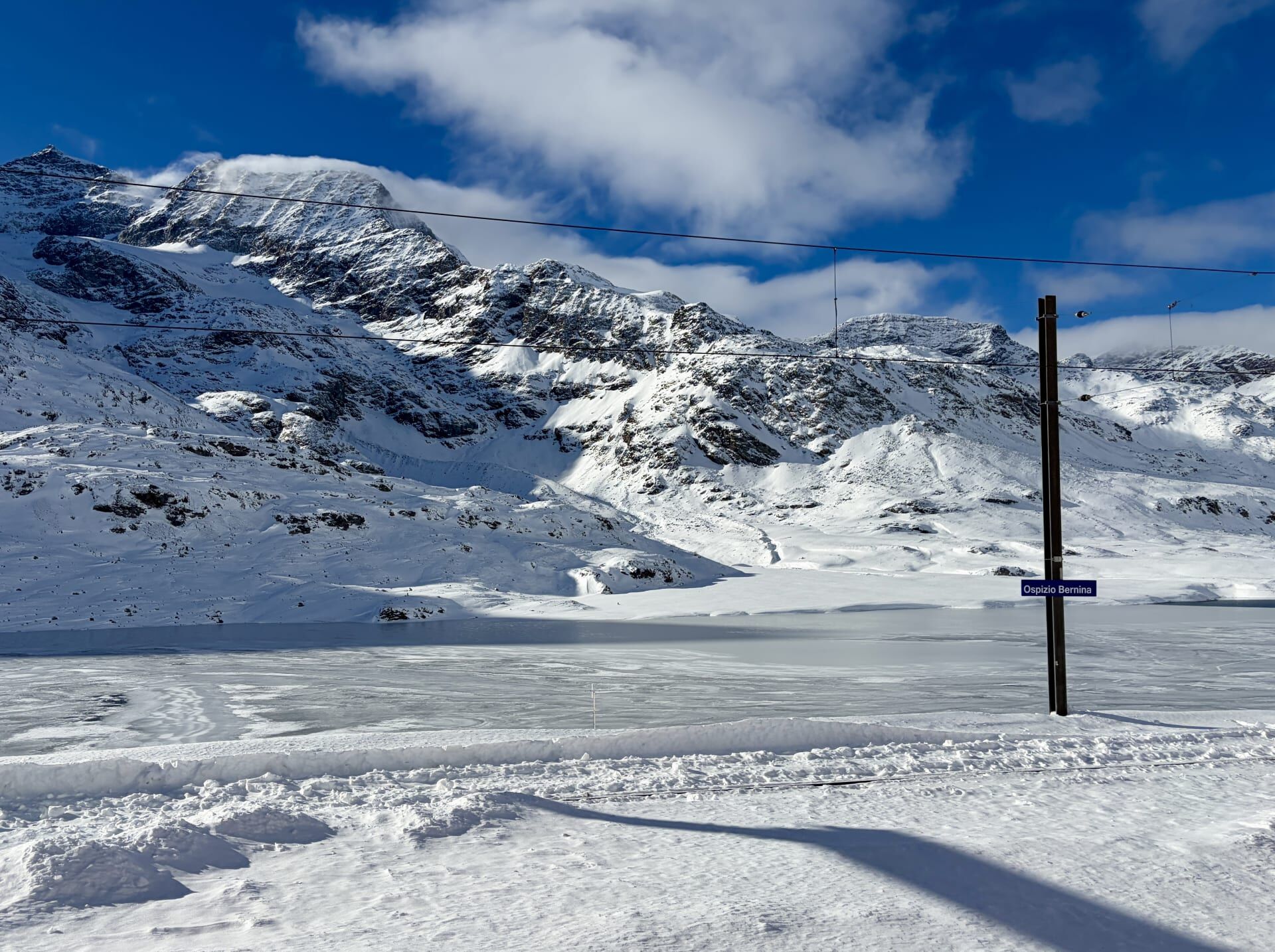
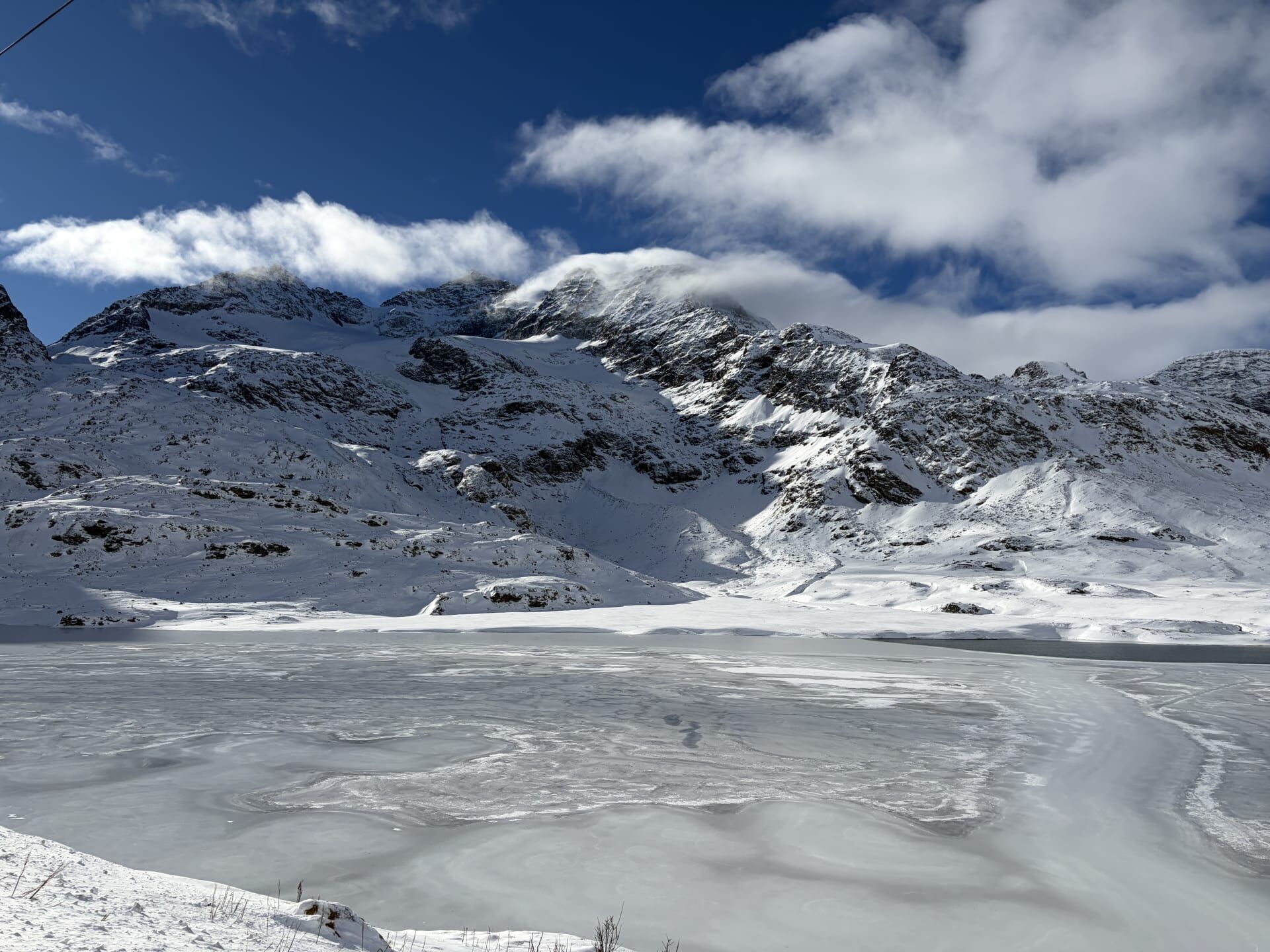
The railway then continued to climb to Ospizio Bernina Station, located on the banks of the frozen Lake Bianco. From Lake Bianco flows a river system that descends into Italy and contributes to the formation of Lake Como.21 You can read about my train journey along the edge of Lake Como here.
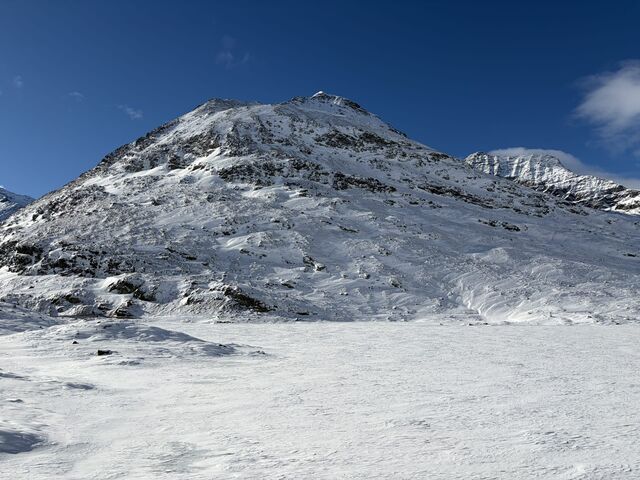
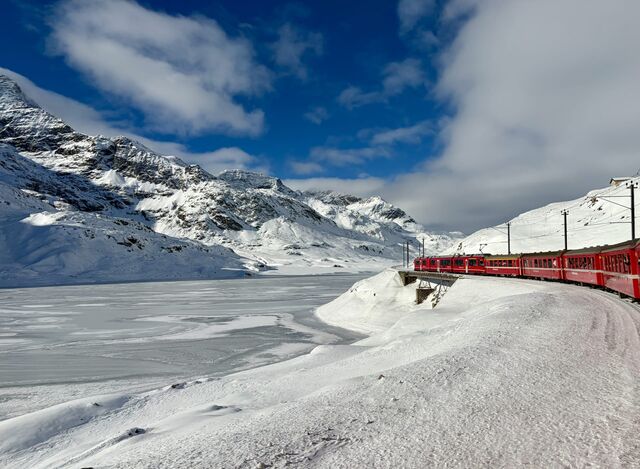
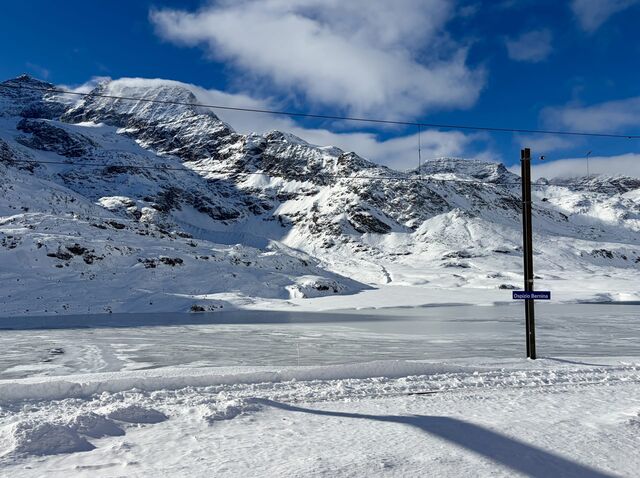
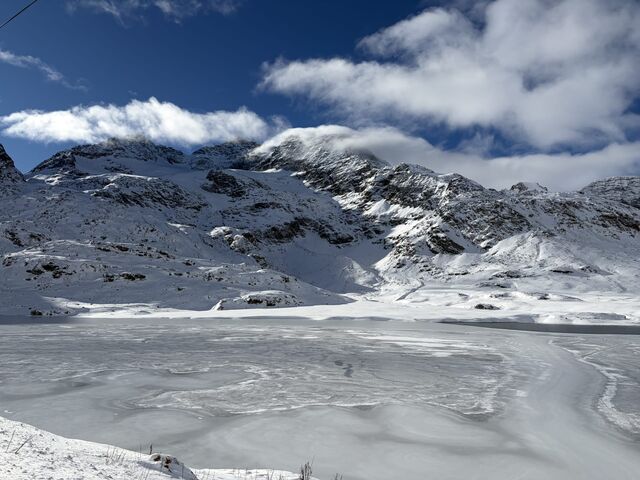
Ospizio Bernina Station is the highest point on the line at 2,253 metres,22 and the highest through station in Europe. It is also the highest point on any non-rack railway on the continent. Jungfraujoch Station is Europe’s highest railway station, but this is a rack railway and terminus station. My 2014 journey to Jungfraujoch Station is documented here.
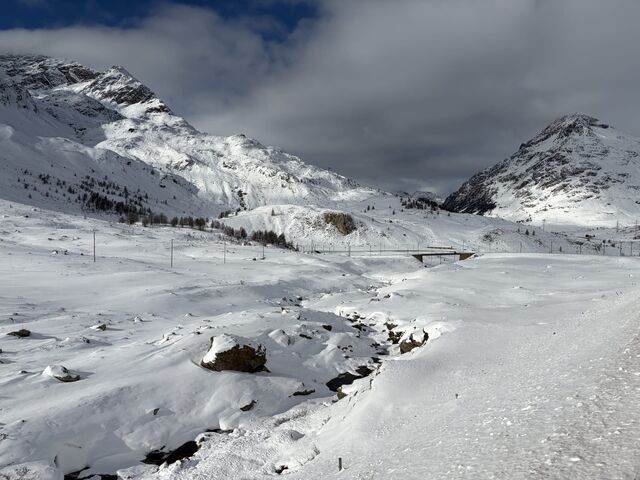
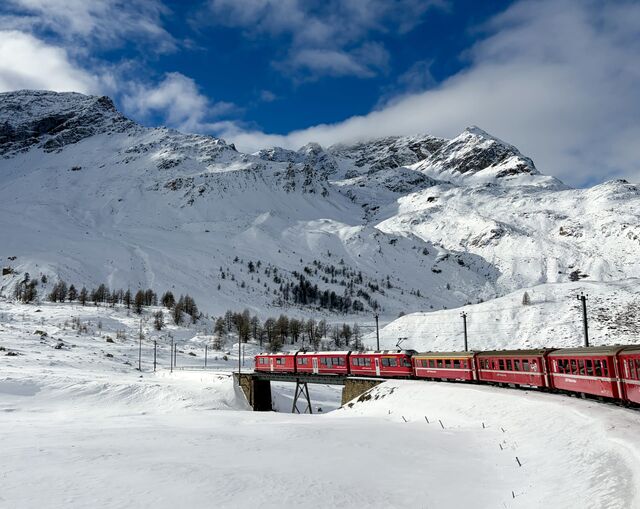
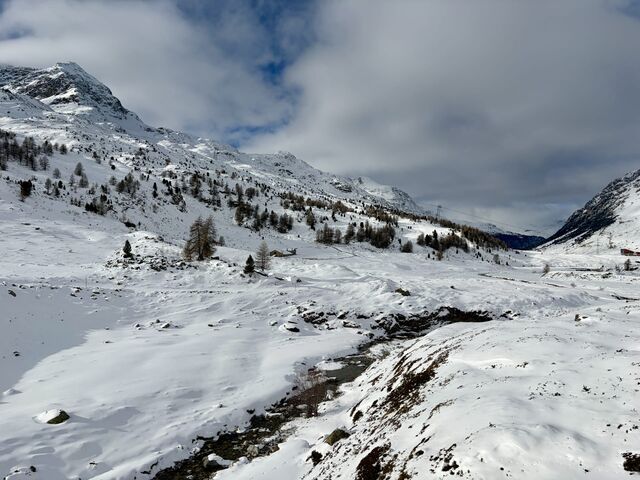
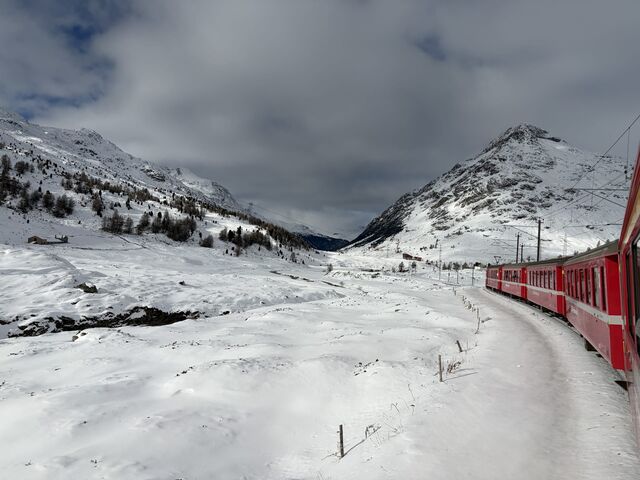
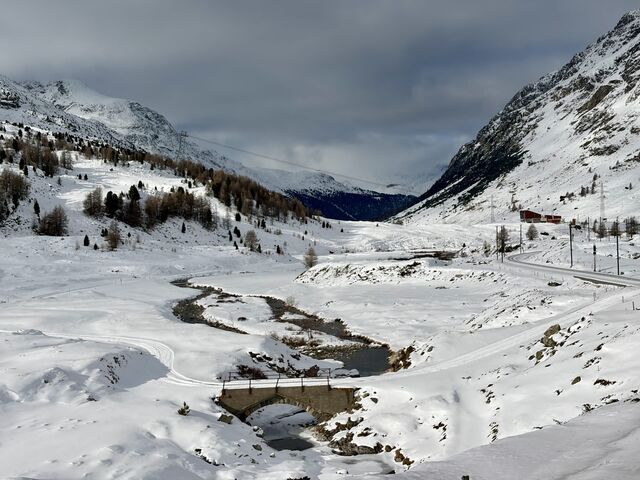
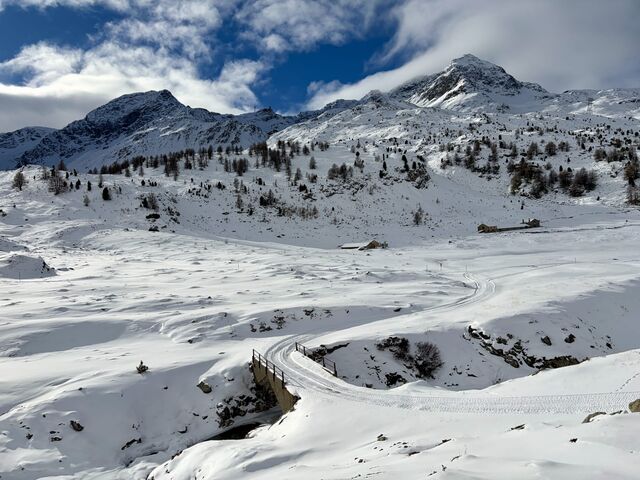
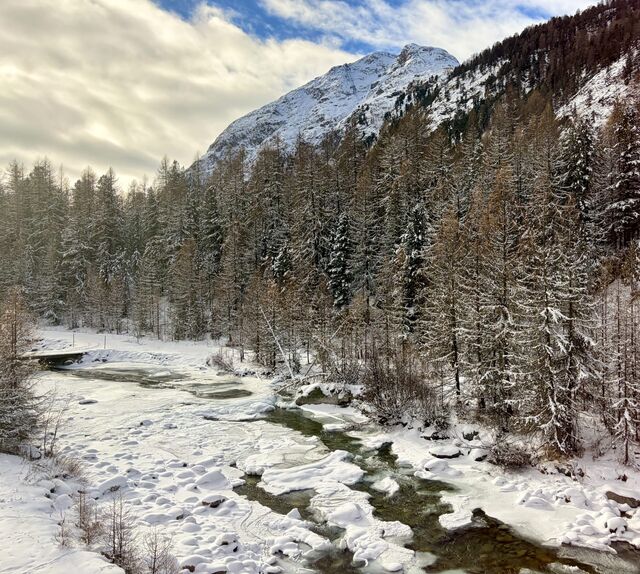
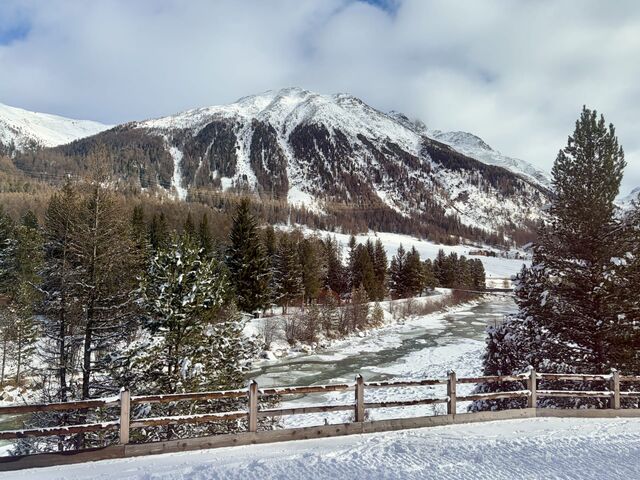
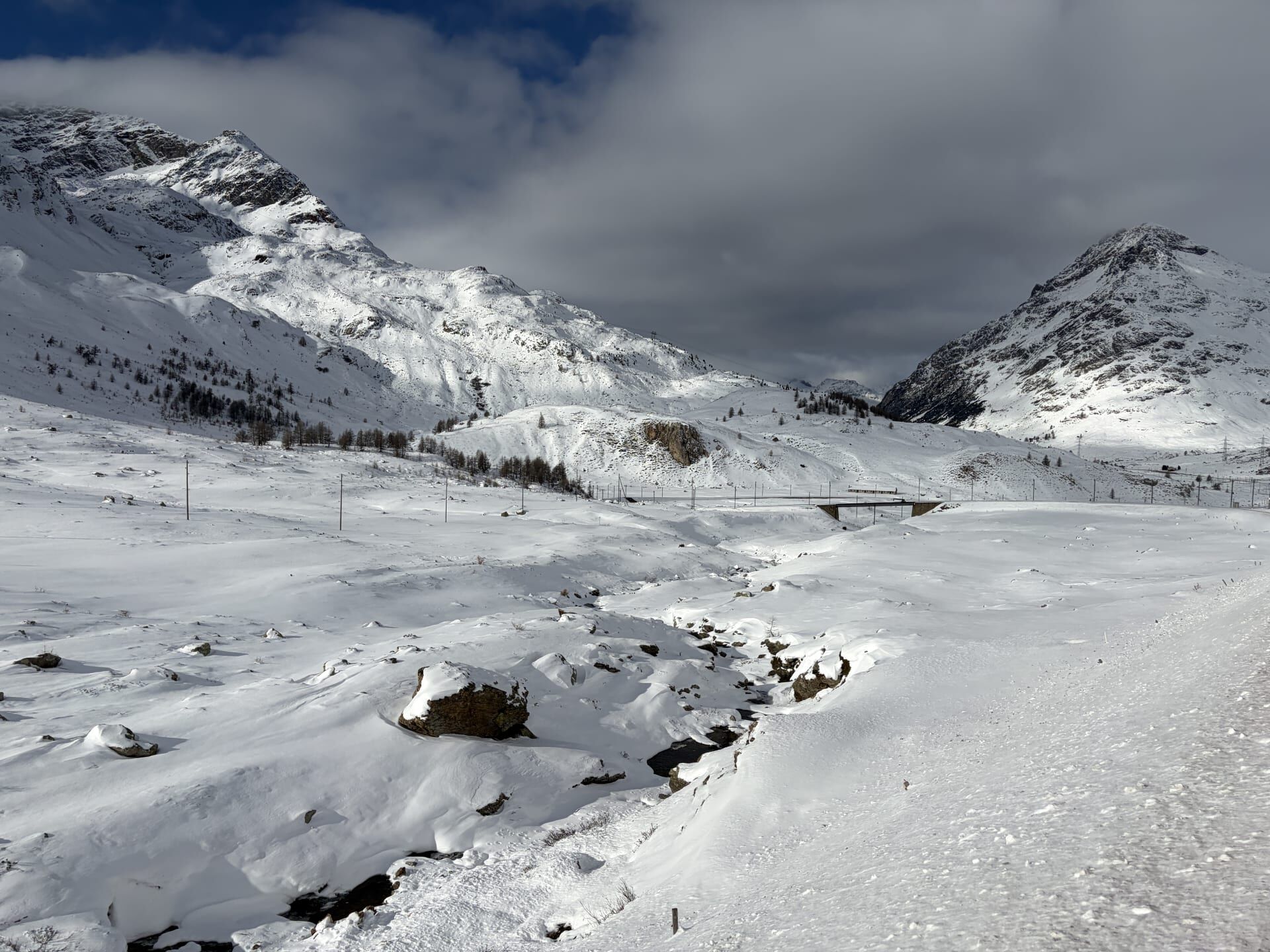
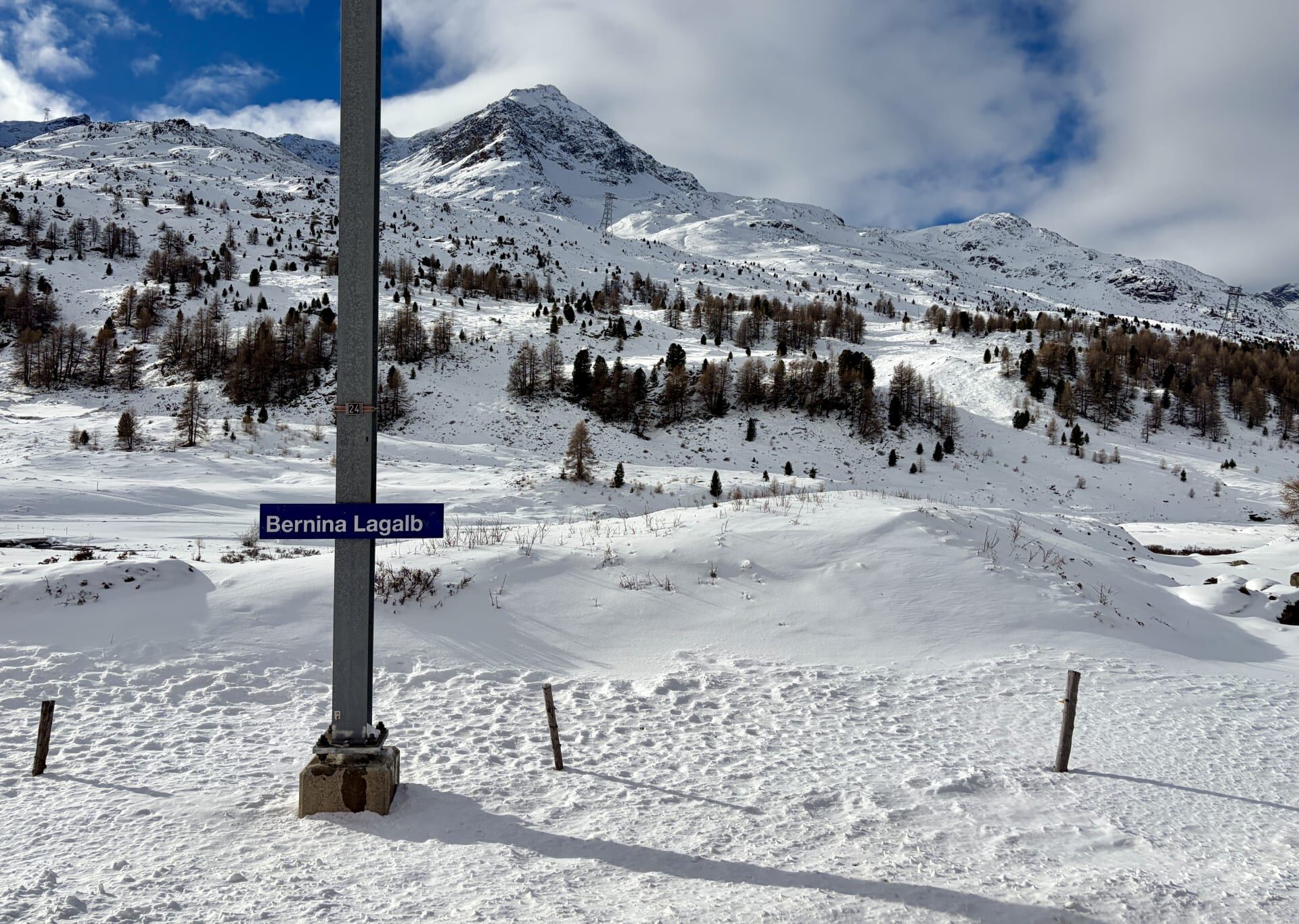
At other times of the year, I imagine the landscape here is quite stark, but in winter it was softened by a heavy blanket of snow.
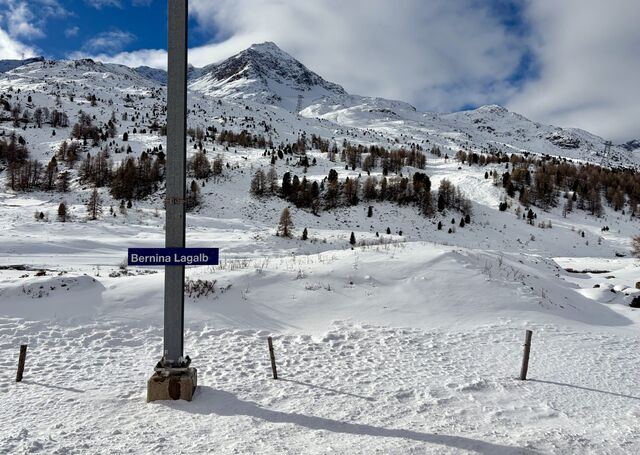
The famous Morteratsch Glacier is visible from this section of the railway. My guidebook informed me that during the early 1900s, it was possible for Edwardian tourists to walk just 150 metres to the glacier. Today, however, the glacier has retreated significantly due to global warming, and now requires a walk of roughly three kilometres from the railway.23
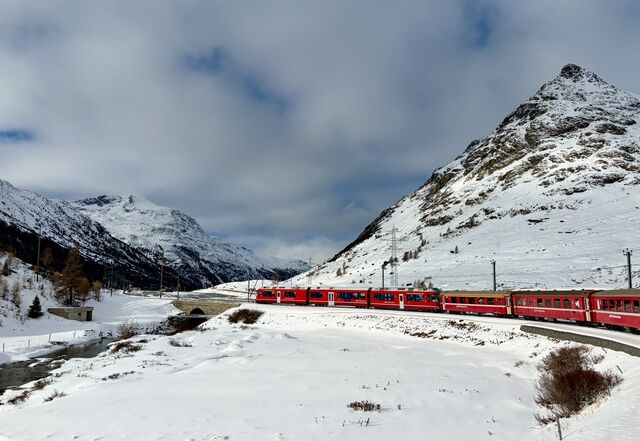
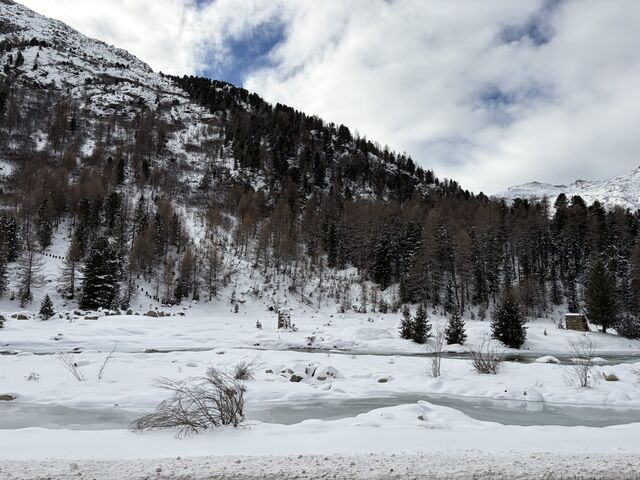
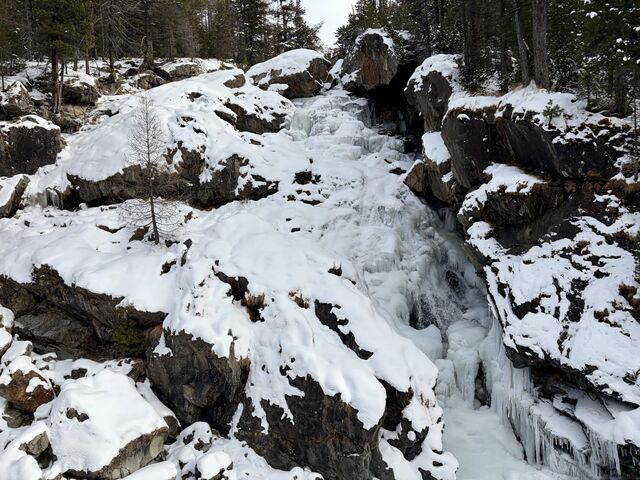
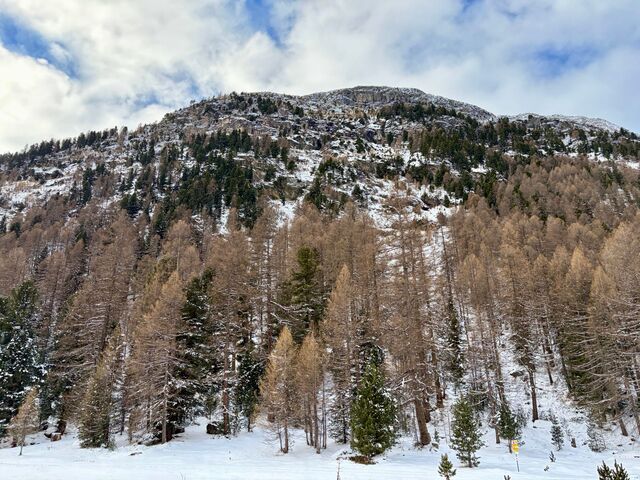
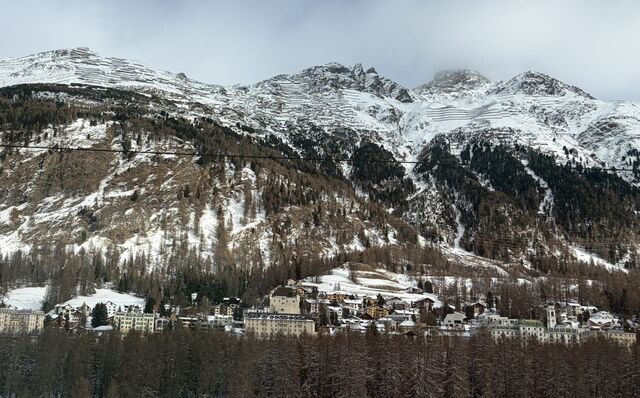
The train then proceeded past Surovas Station and the alpine village of Pontresina. In the Middle Ages, this was the most prominent village in the region (even more famous than the nearby St Moritz) until a devastating fire in the early 18th Century destroyed much of the village.24
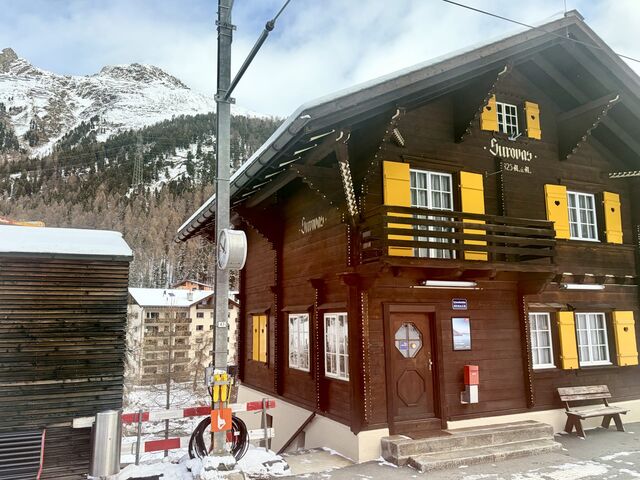
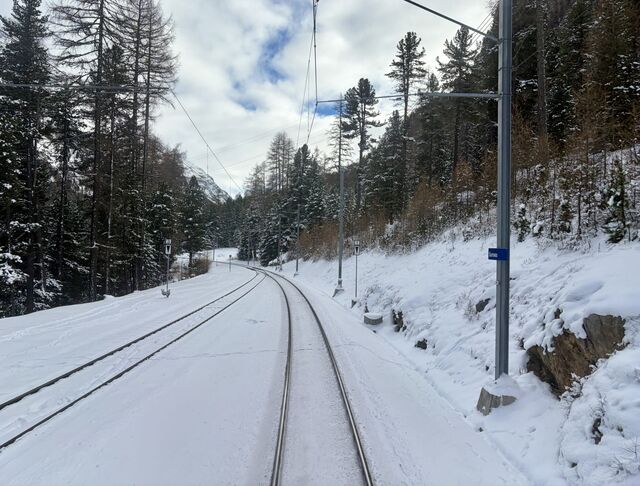
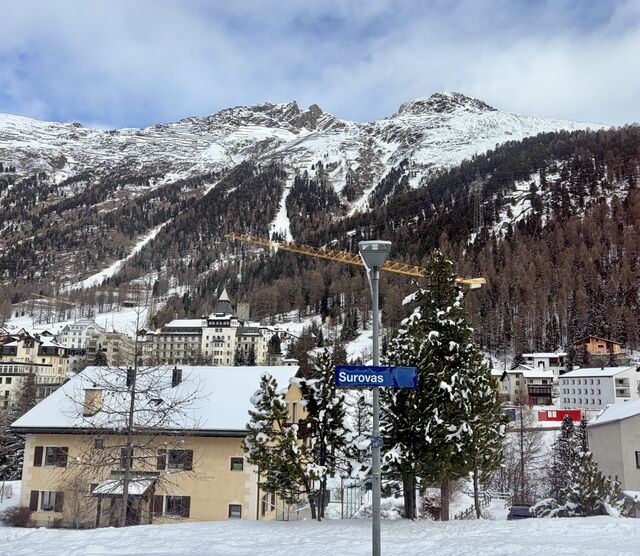
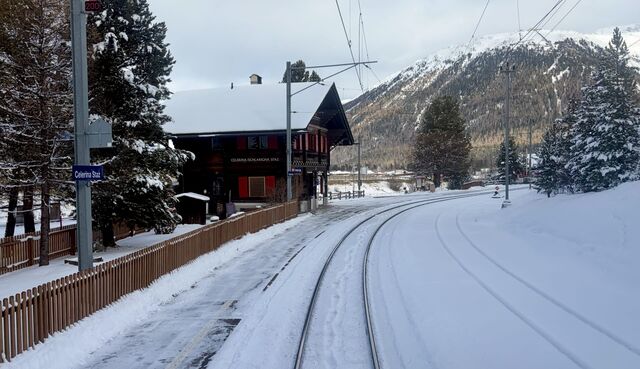
Celerina Staz, the station immediately prior to St Moritz, occupies a historic chalet built in 1720.25
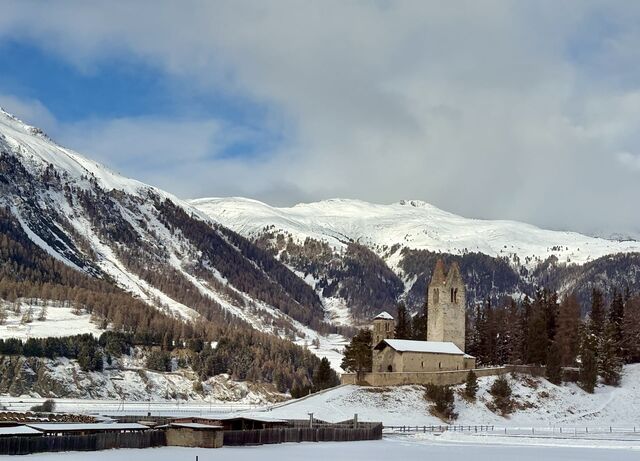
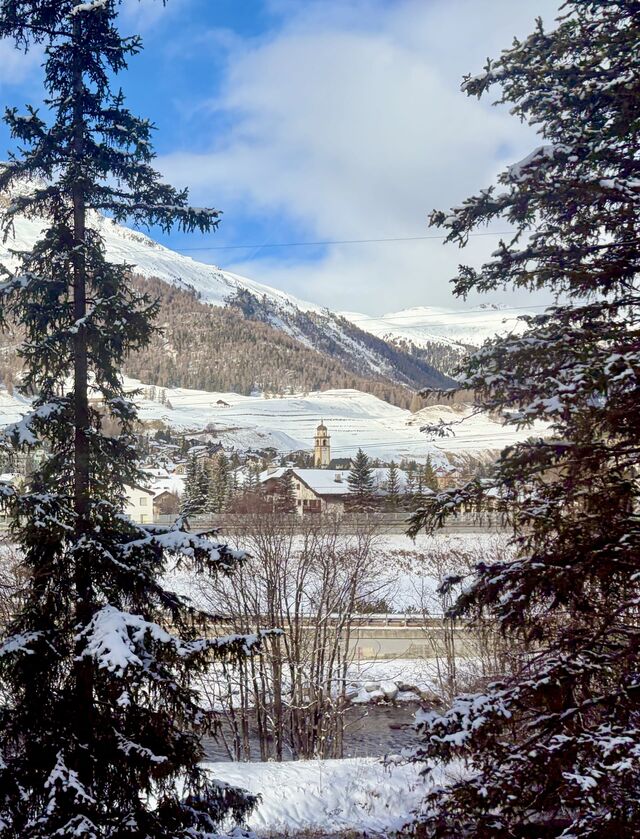
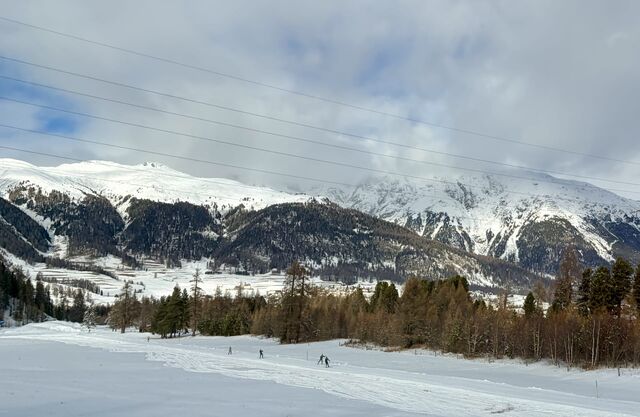
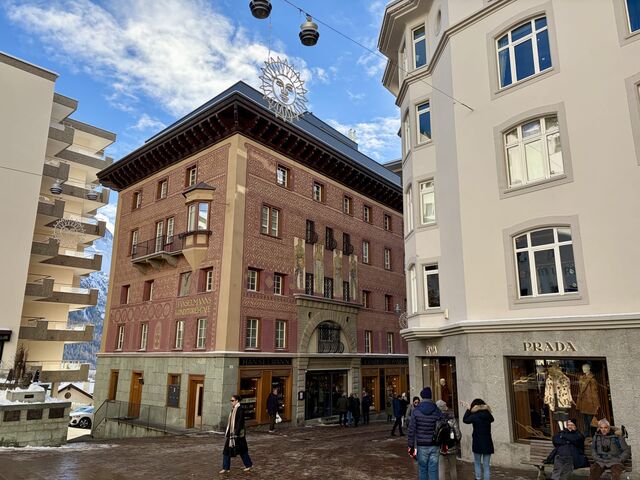
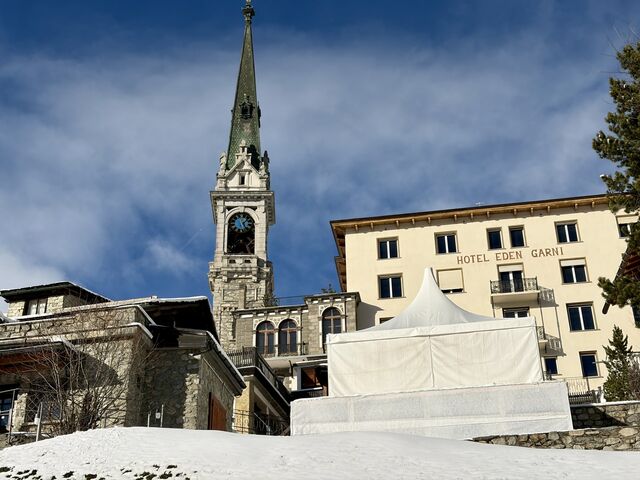
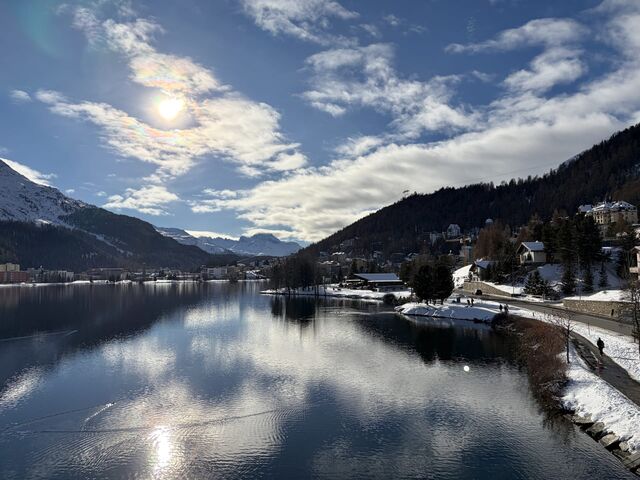
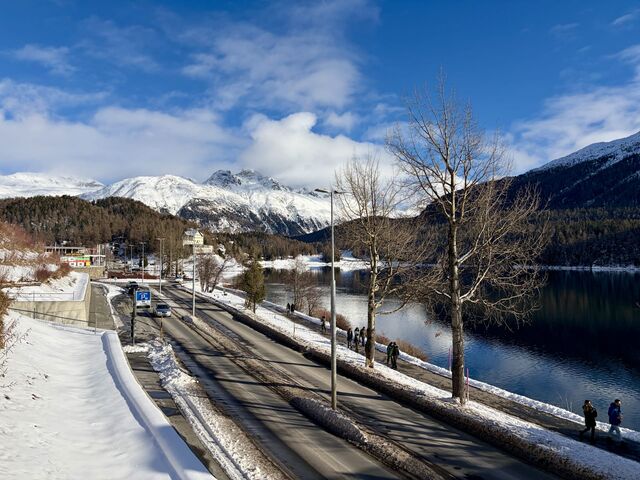
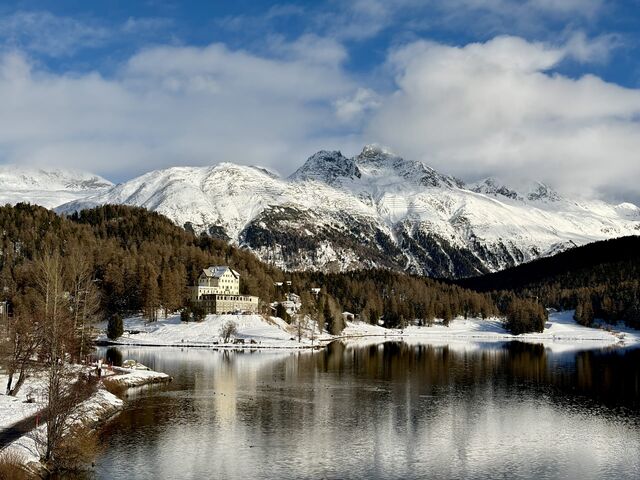
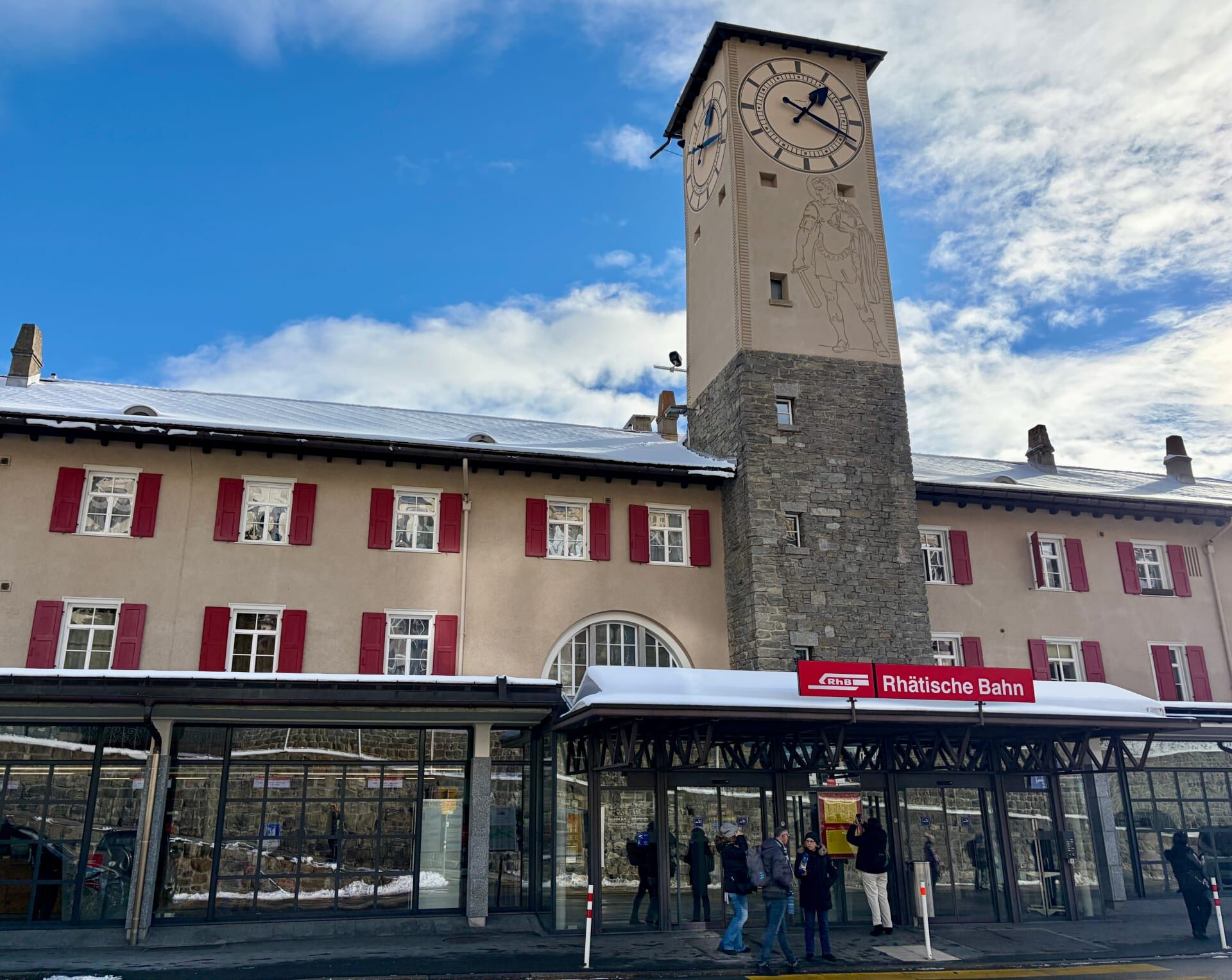
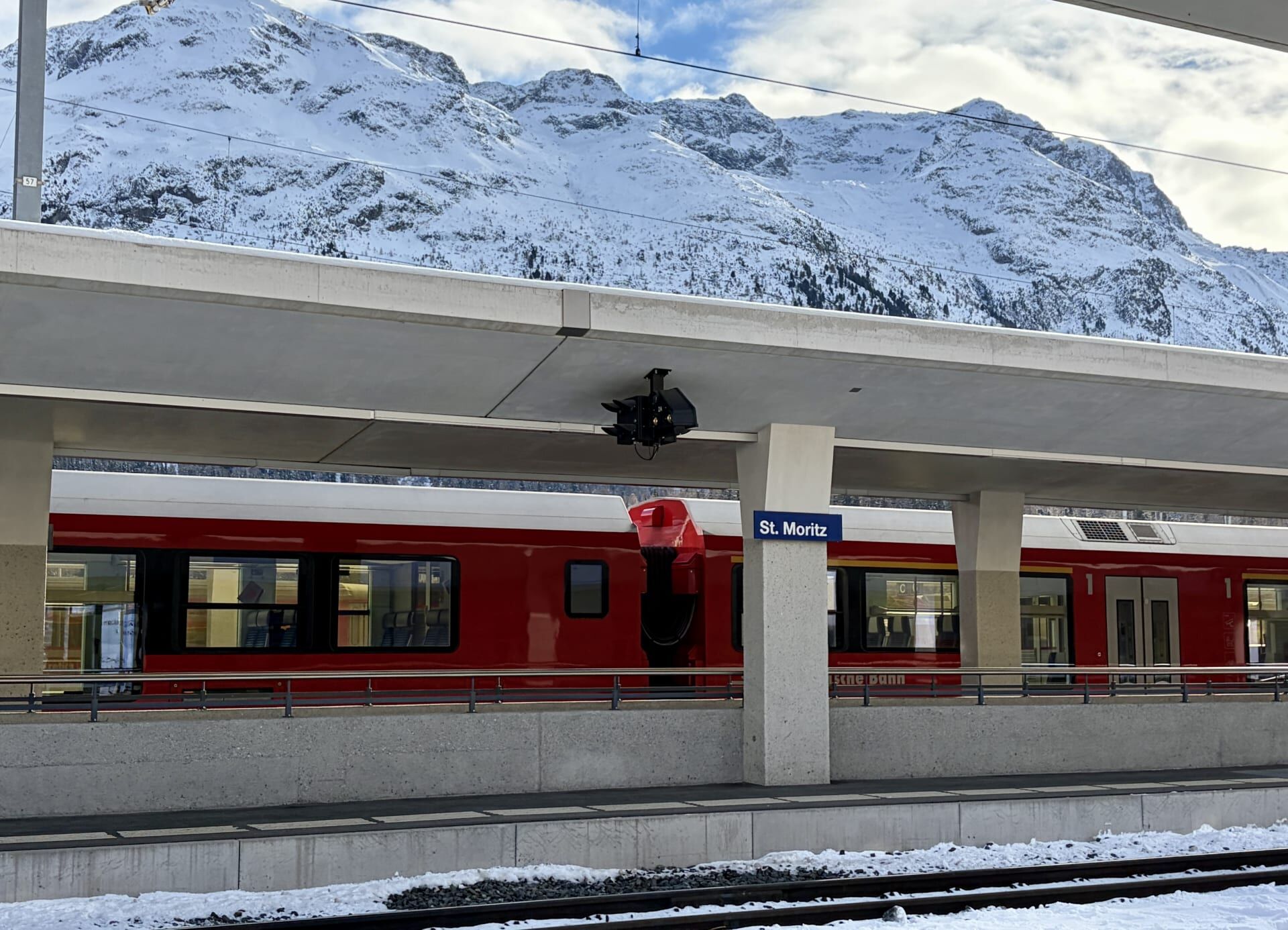
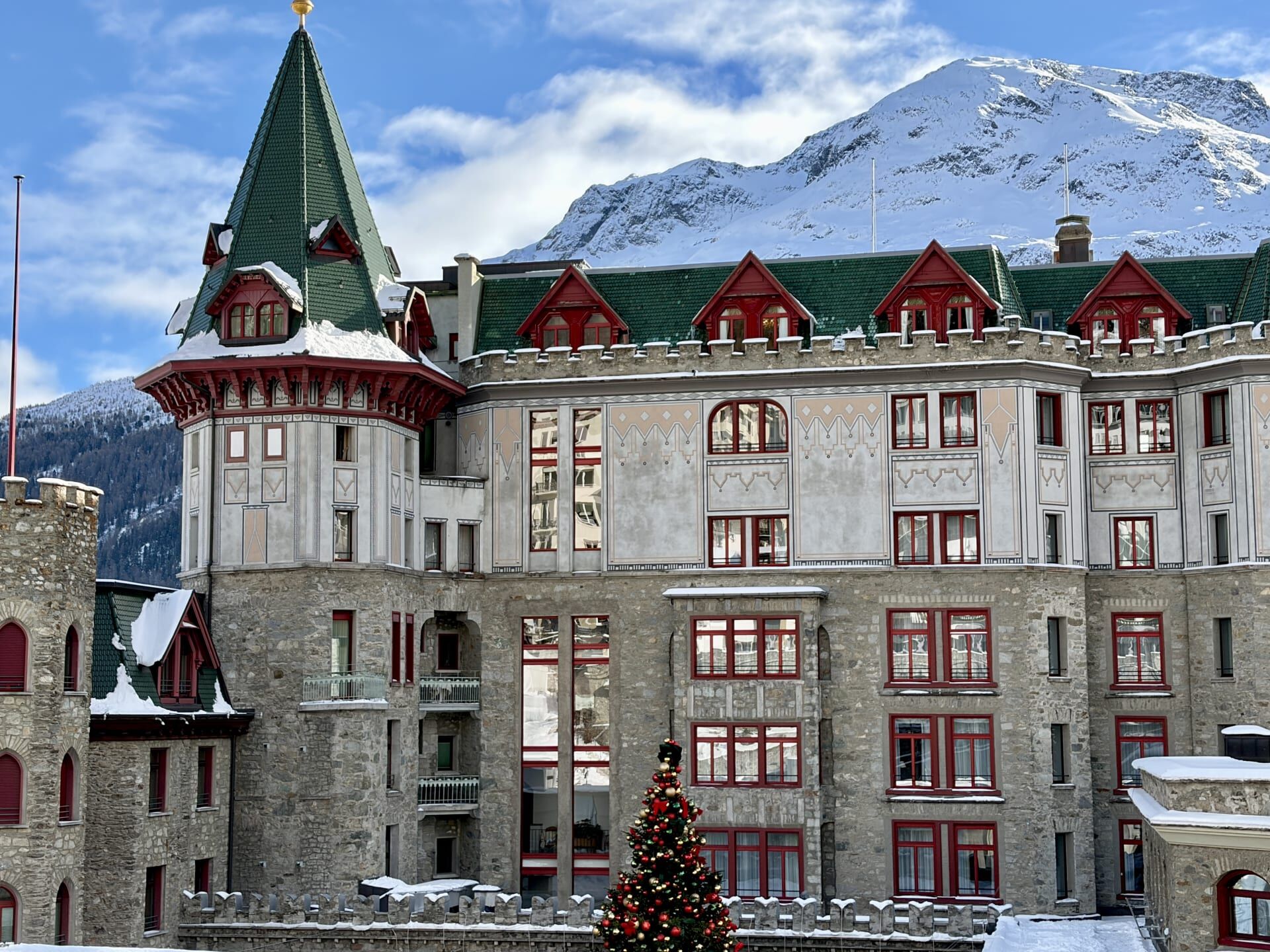
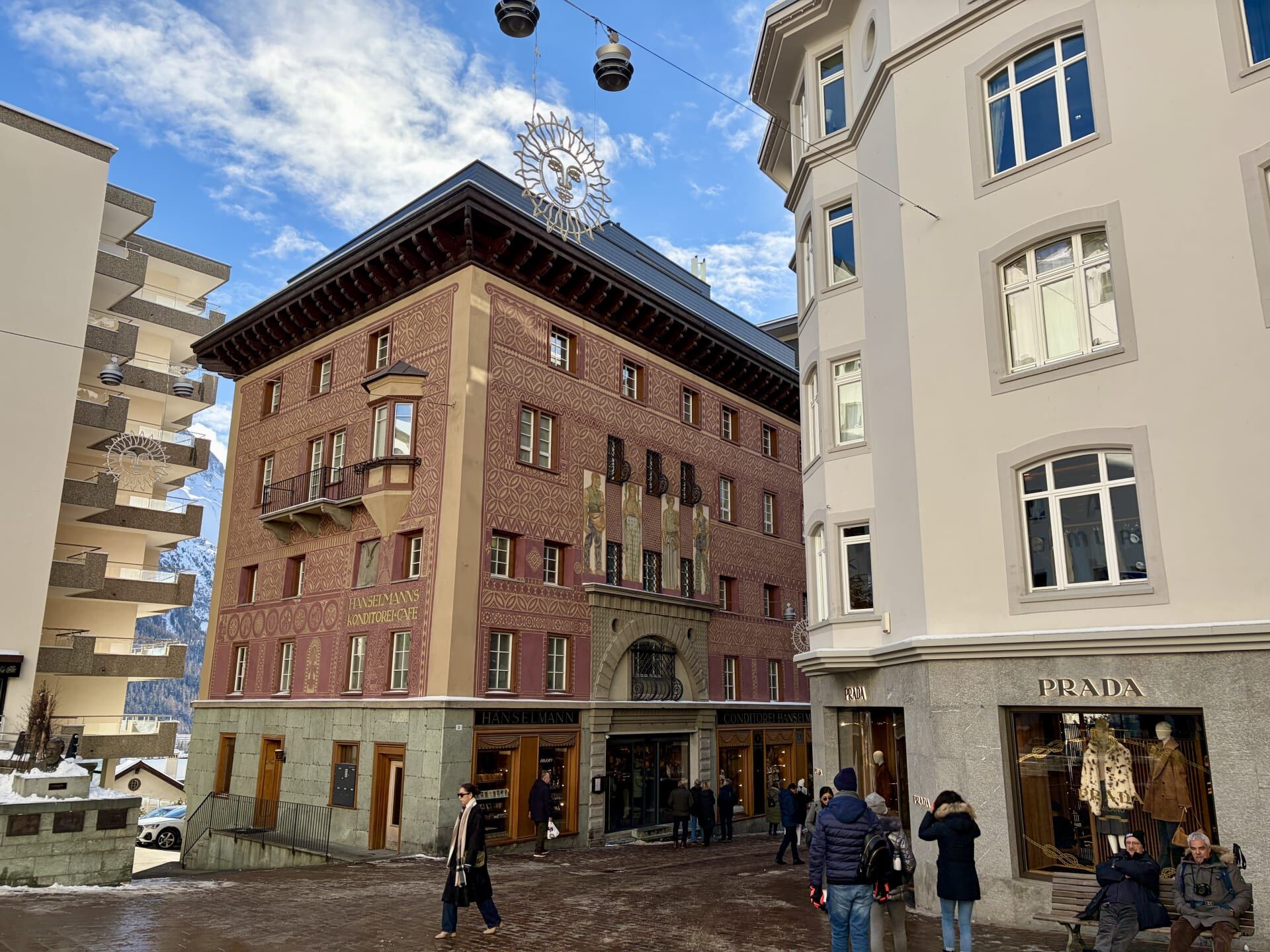
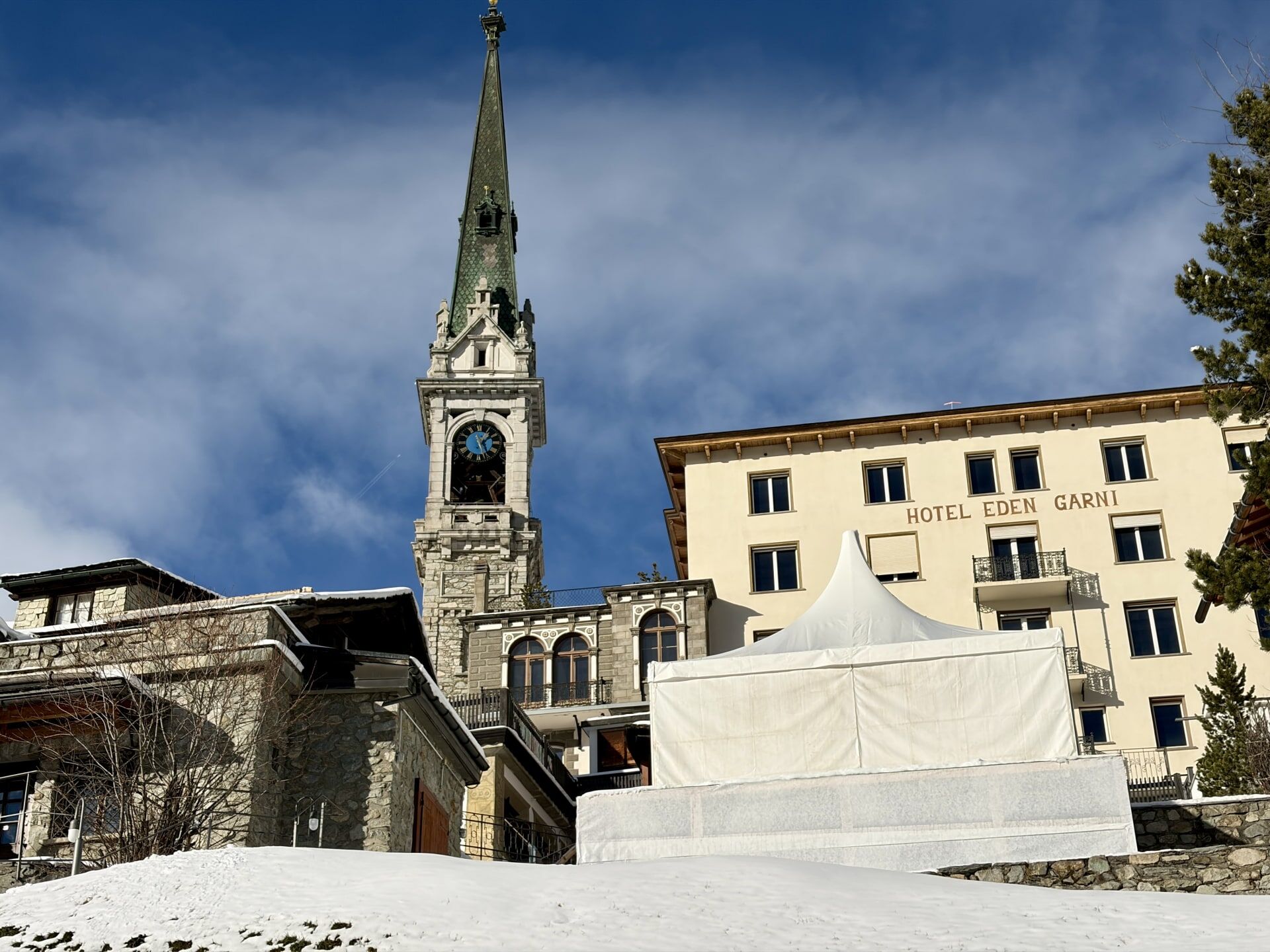
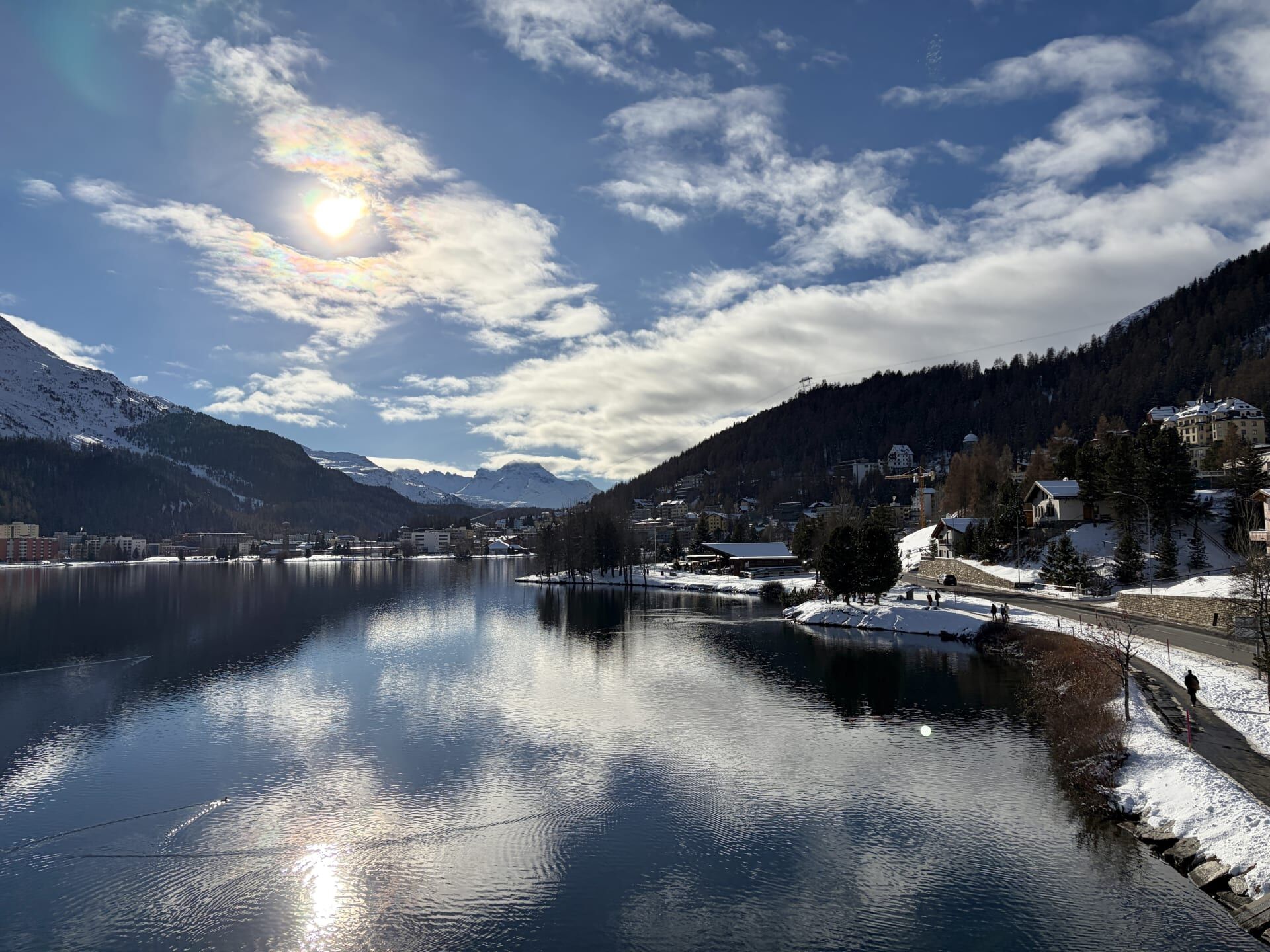
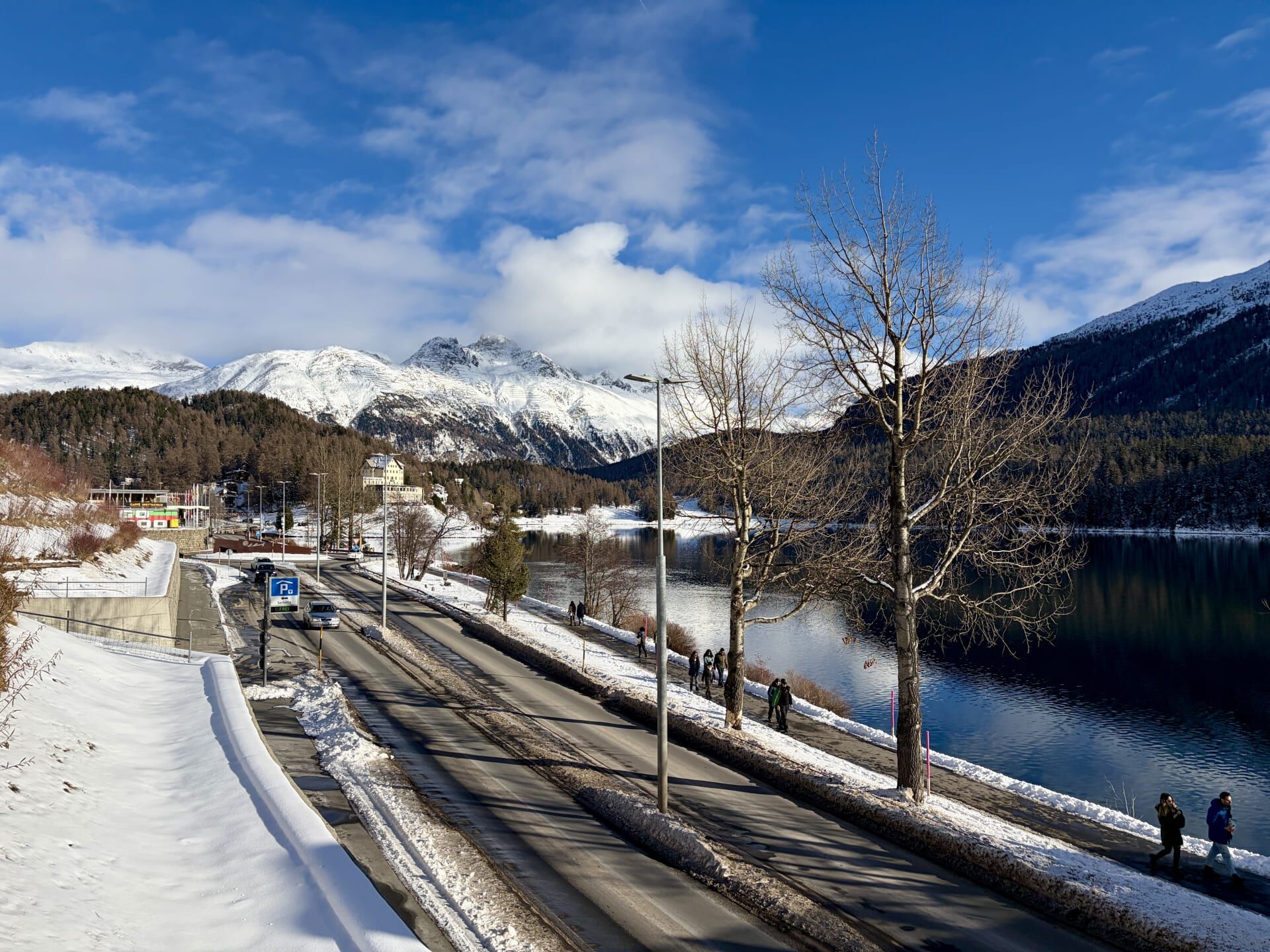
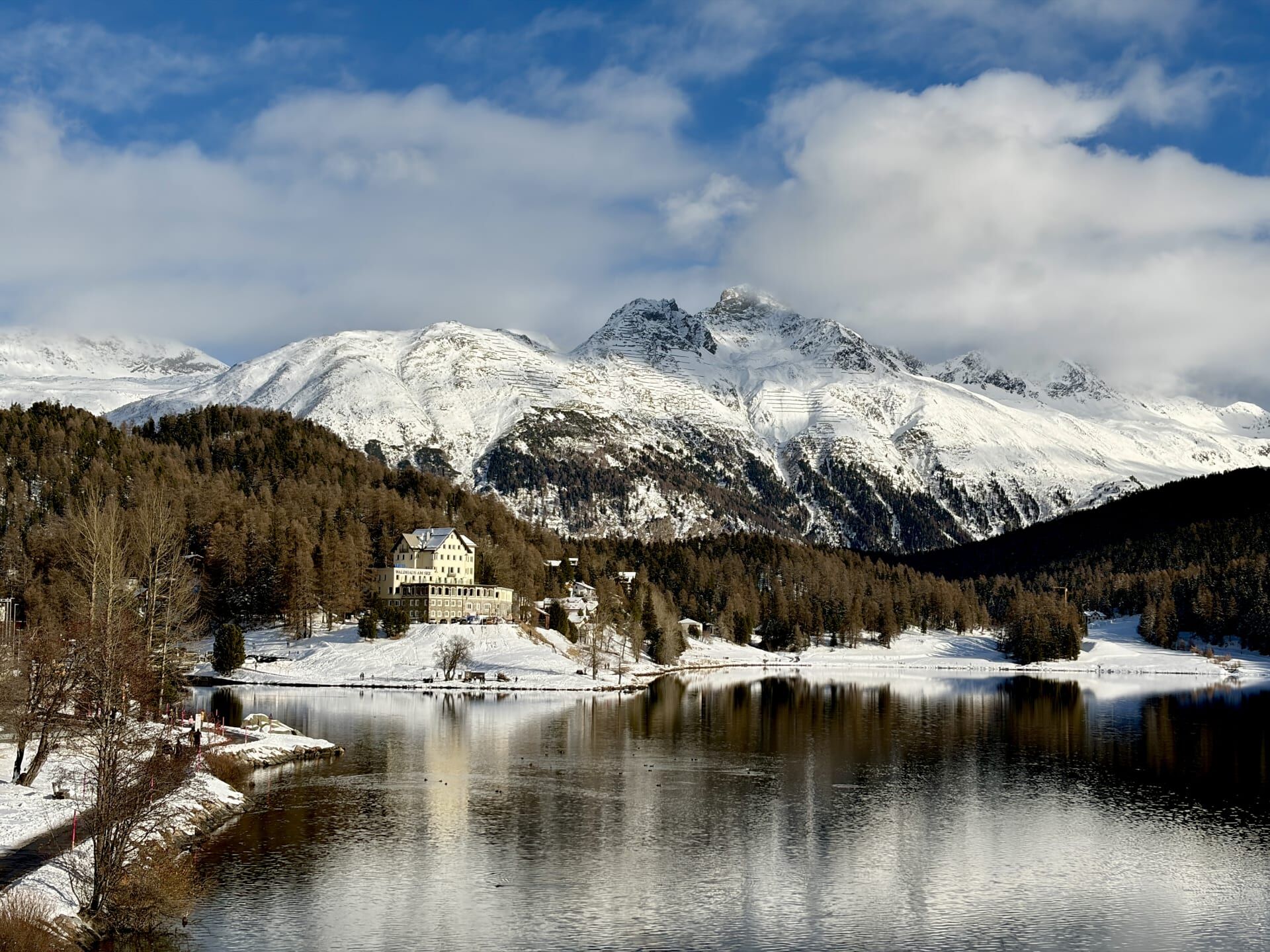
The train then pulled into the luxurious alpine resort town of St Moritz where I alighted. I had an hour to wander around the town before catching my next train. The Bernina Express tourist train actually bypasses St Moritz on its route to Chur, but on the regular local trains that I was riding, St Moritz is a convenient place to transfer trains.
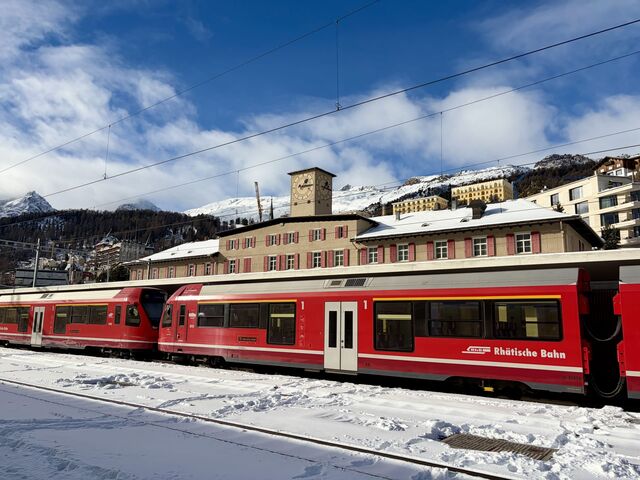
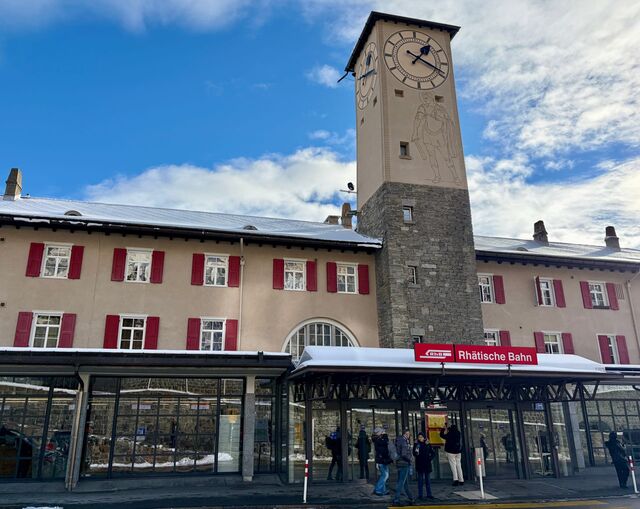
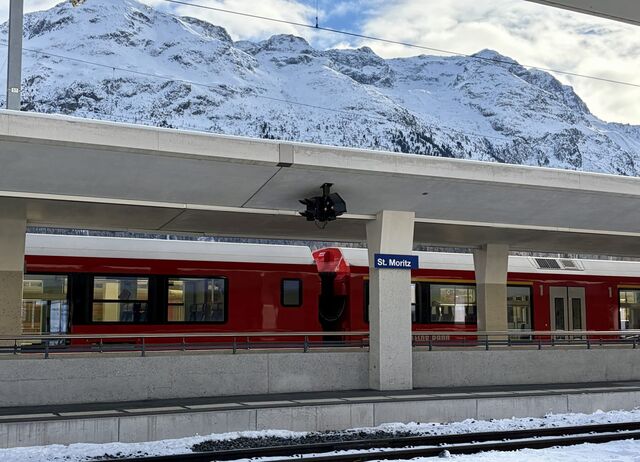
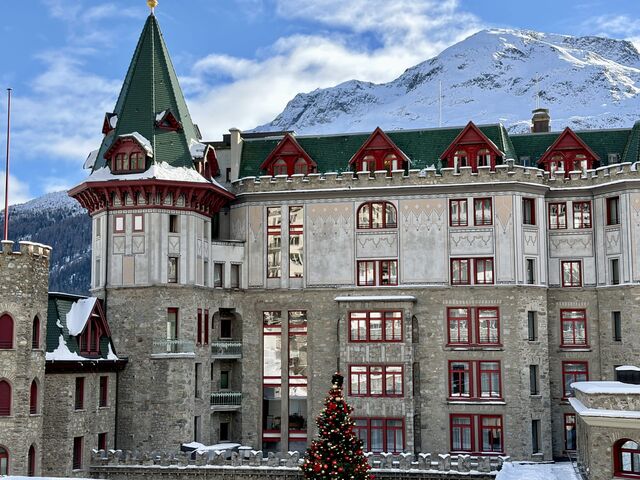
I had seen St Moritz described as charmless, but I didn’t mind my short amount of time here. In 1519, Pope Leo X apparently promised full absolution to any Christian visitor who drank from the town’s springs.26 However, it wasn’t until the latter half of the 19th Century that St Moritz really emerged as a popular winter destination, when a savvy hotelier offered free accommodation to a group of British tourists in order to showcase the town’s winter charms.27 With the arrival of the railway at the beginning of the 20th Century, St Moritz grew into one of the world’s most exclusive ski resorts.28
Albula Railway: St Moritz–Thusis
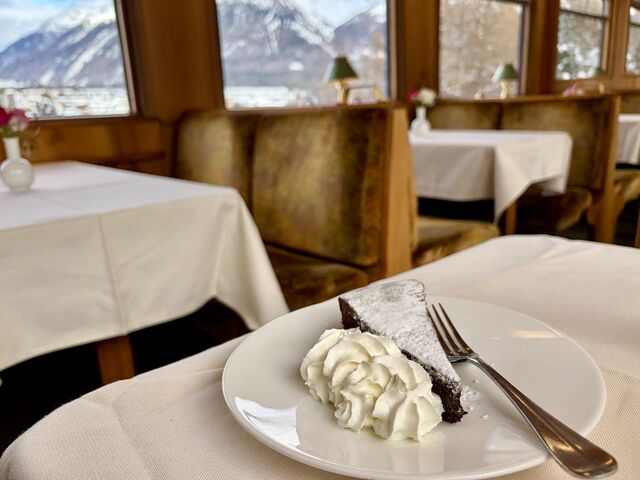
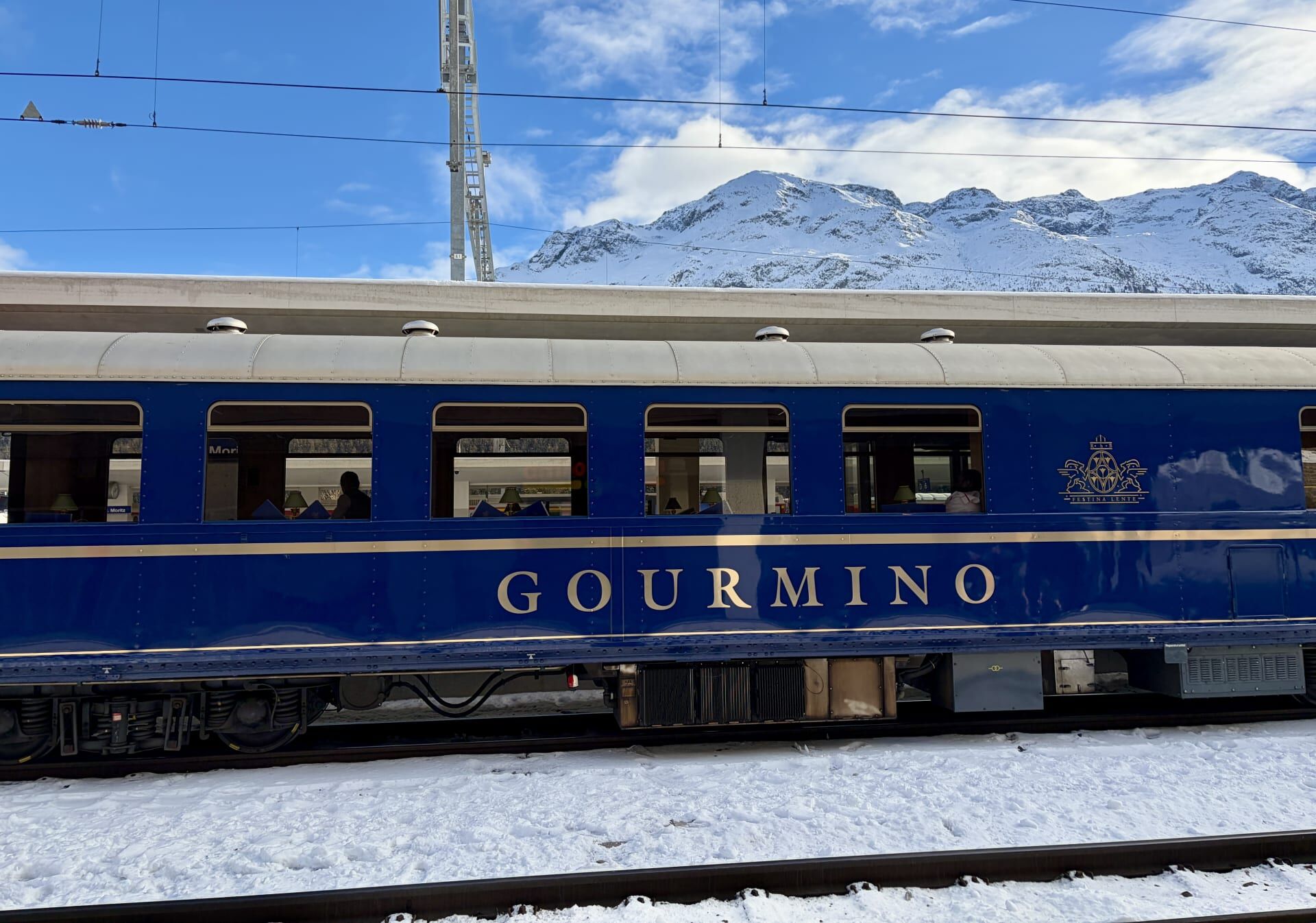
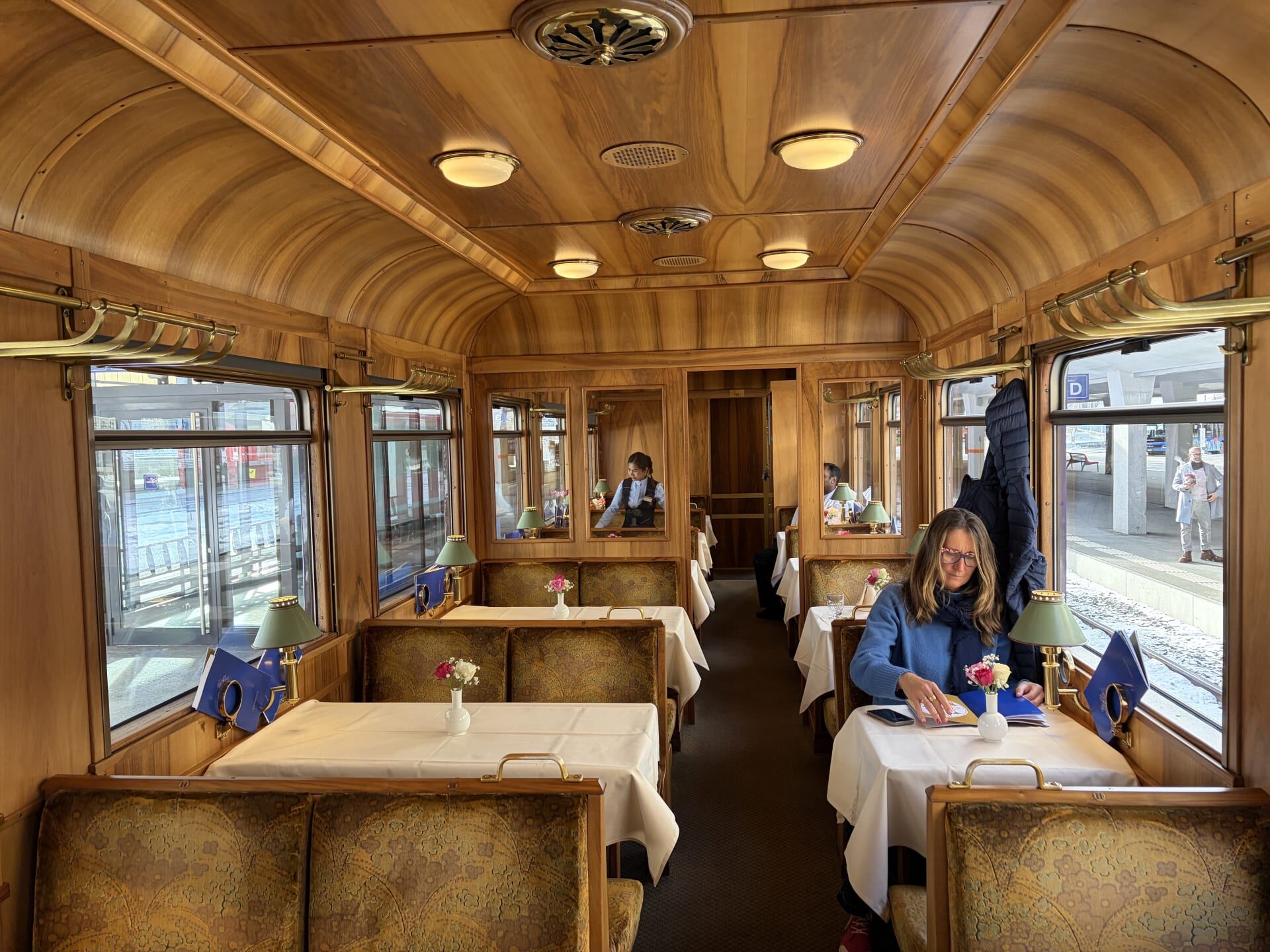
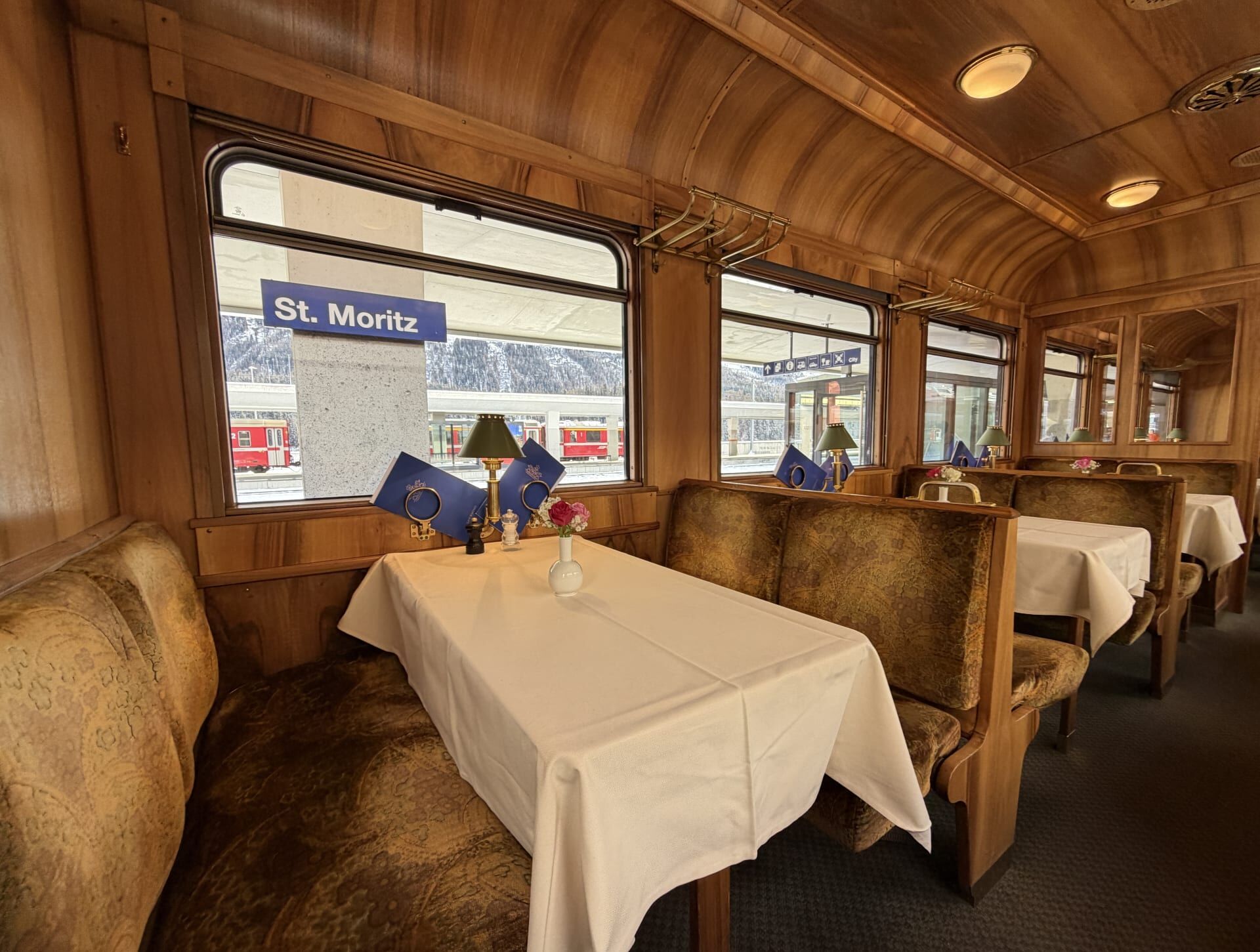
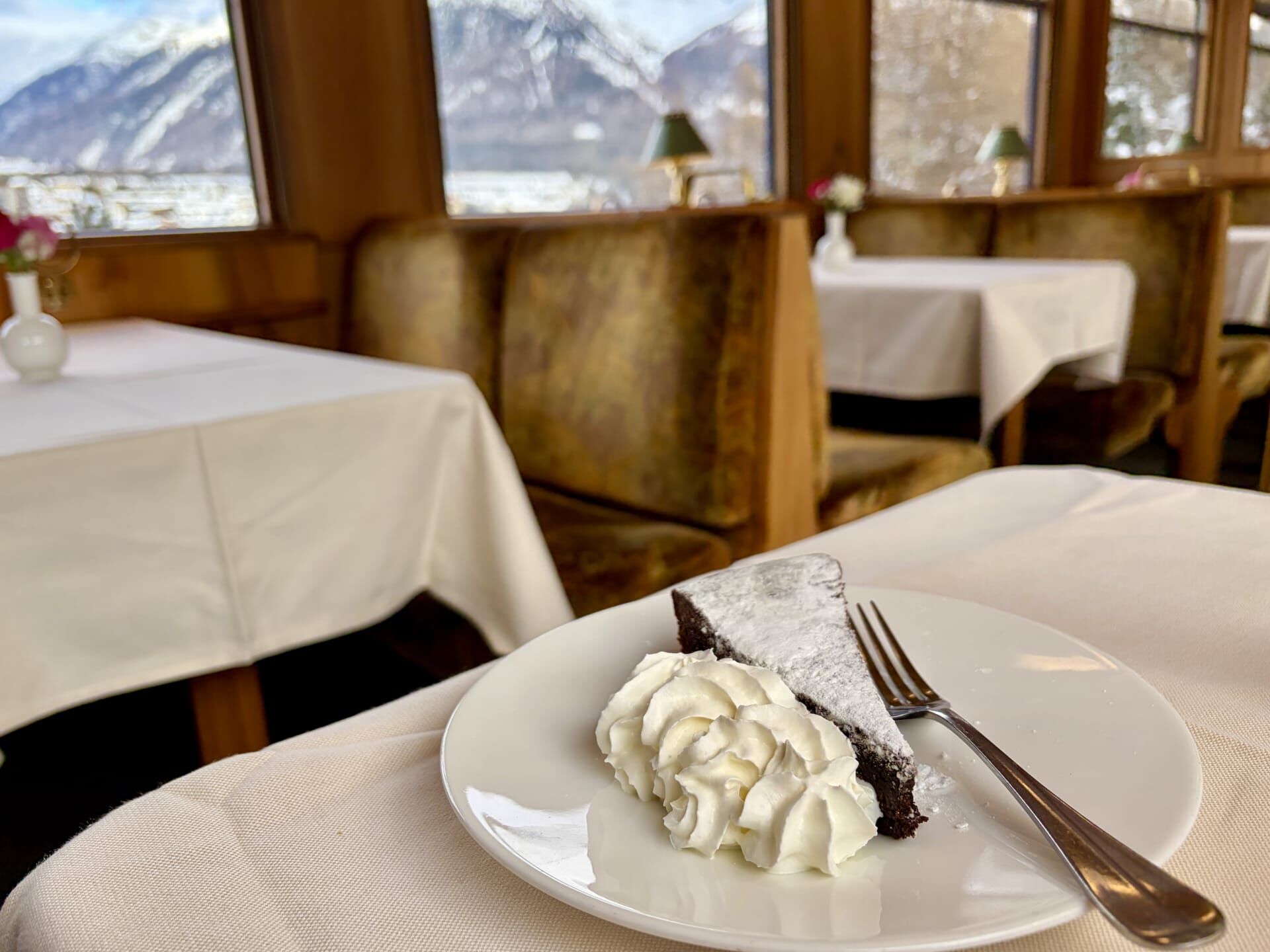
After my brief wander around St Moritz, I returned to the station and boarded my next train which would take me to Chur. One of the reasons I had planned to change trains here was because I knew that a special ‘Gourmino’ carriage would be attached to this specific afternoon Albula line service between St Moritz and Chur. As the train travelled through the snowy landscape, I enjoyed a nice slice of chocolate cake in the beautifully restored dining carriage from the 1930s. One train per day in each direction on the Albula line has the Gourmino dining car attached. The railway company’s website recommends reserving a seat if you wish to dine in the carriage, however, I didn’t do so and the carriage was empty apart from me and one other diner.
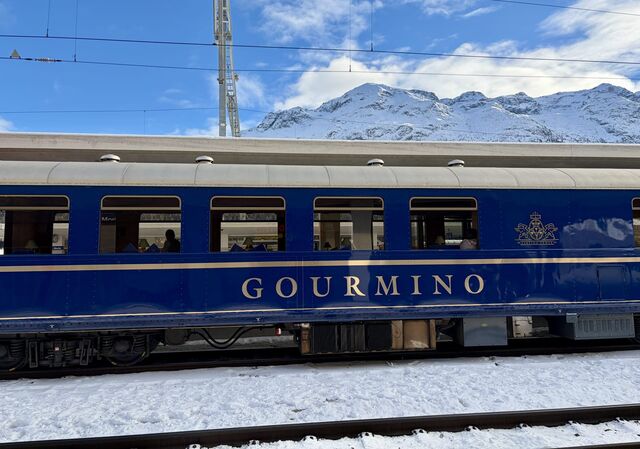
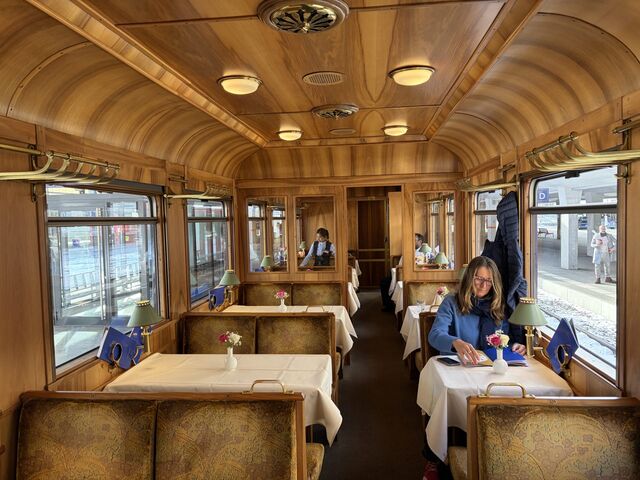
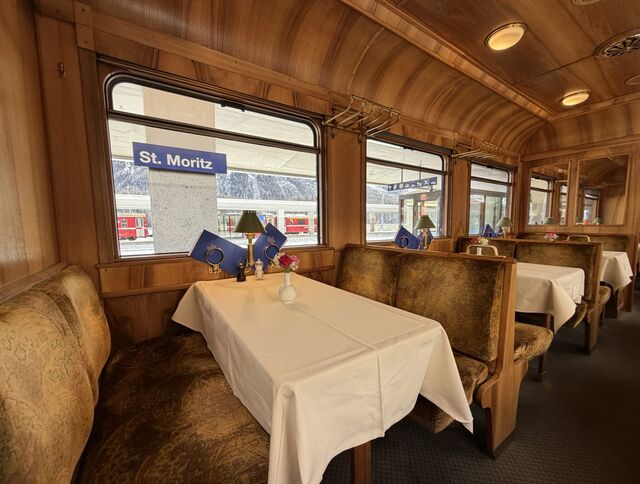
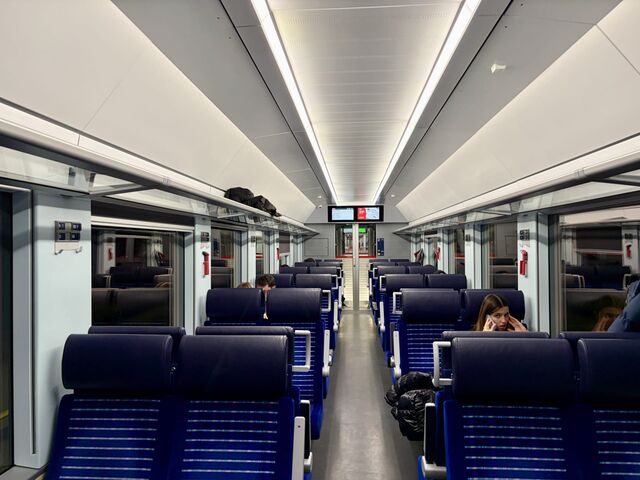
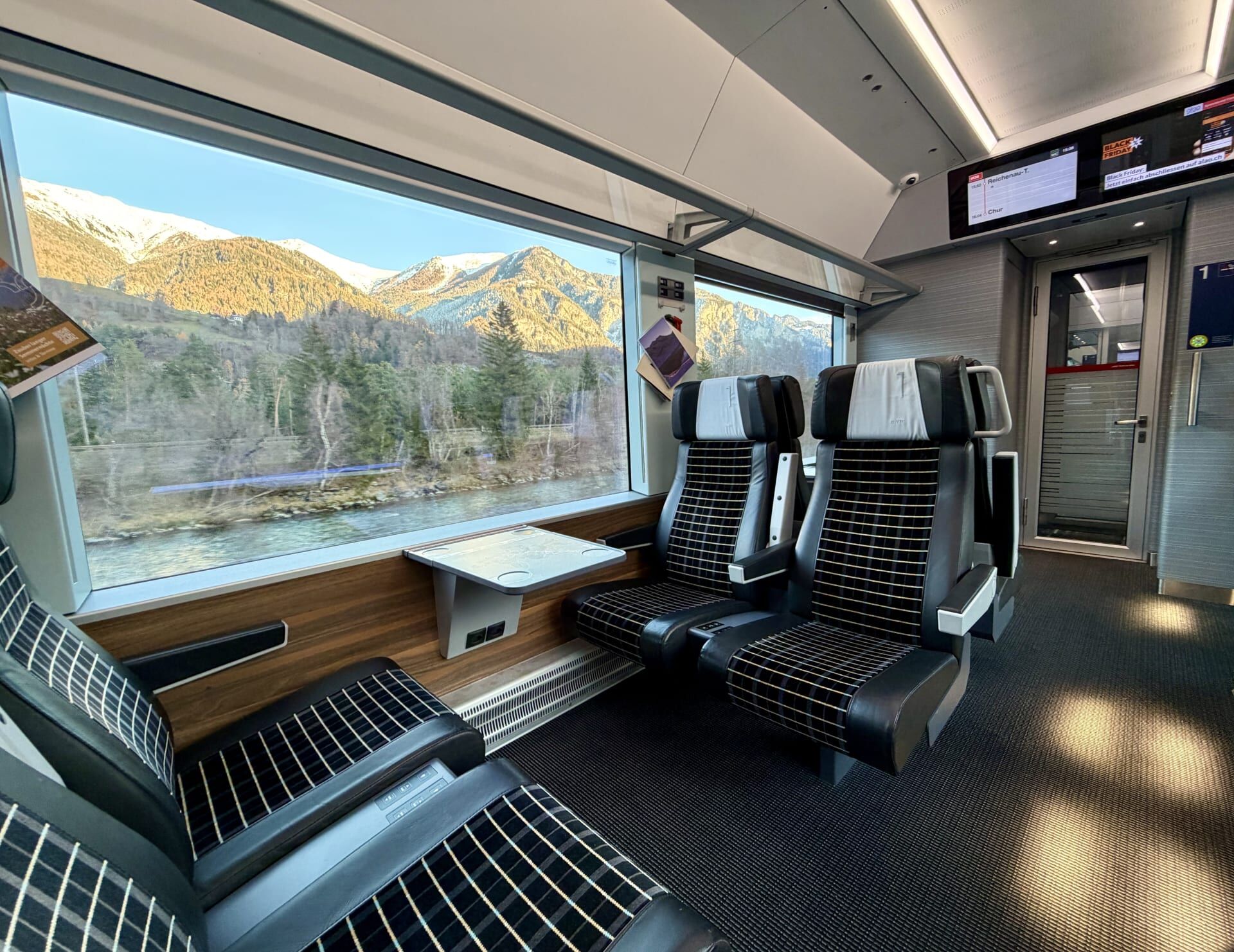
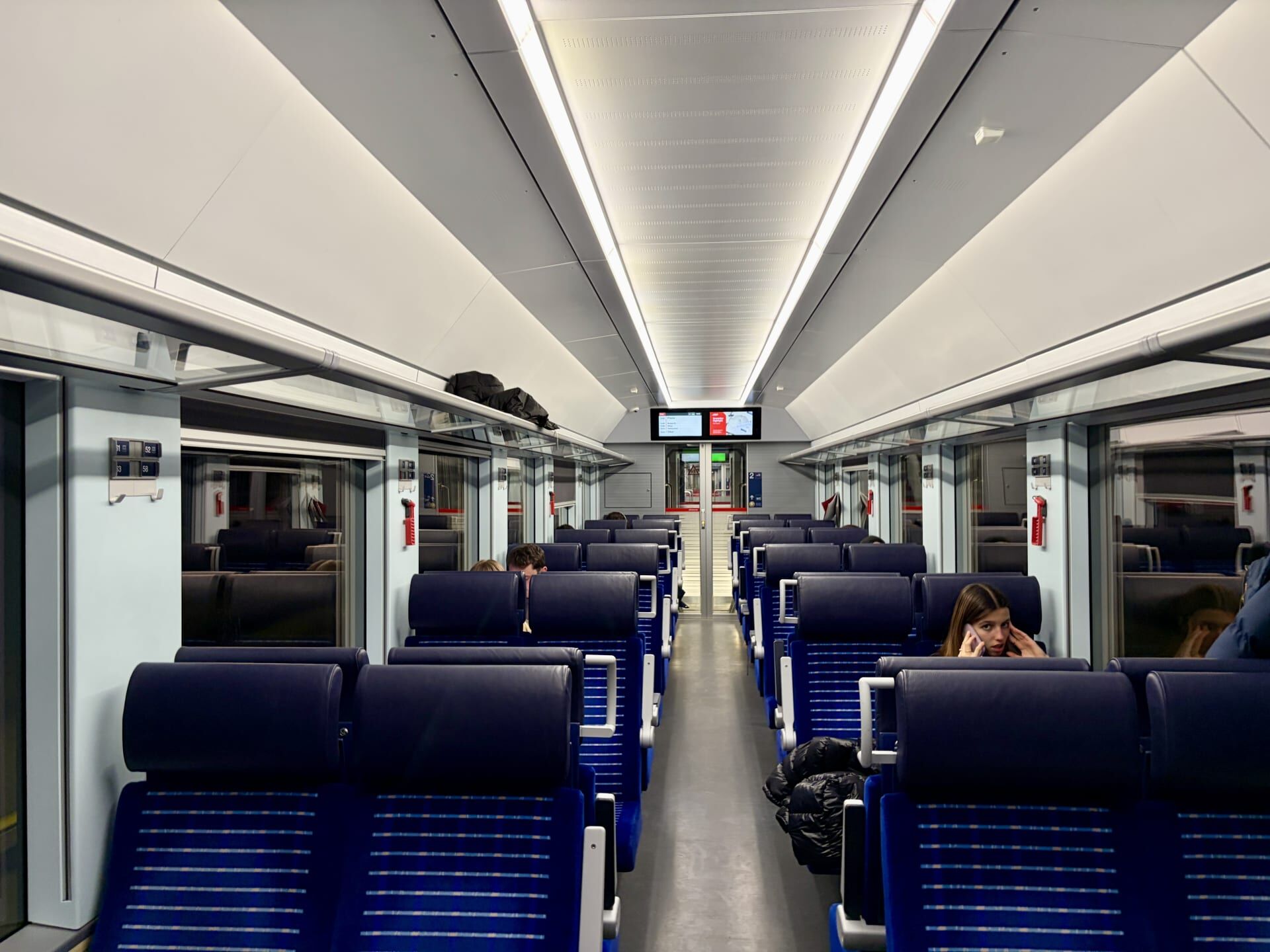
The images below show the difference between the first class and second class carriages on the regular Albula line trains.
After departing St Moritz, the train travelled alongside the River Inn, which my guidebook described as offering some of the best canoeing and river rafting in Europe.29 After passing several impressive churches in Samedan and Bever, we approached the small village of Preda. It was from here, in 2022, that the Rhaetian Railway ran a record-breaking 100-carriage train (reaching a total length of 1.9km) along the Albula line to Filisur, in celebration of the 175th anniversary of Switzerland’s first railway.30
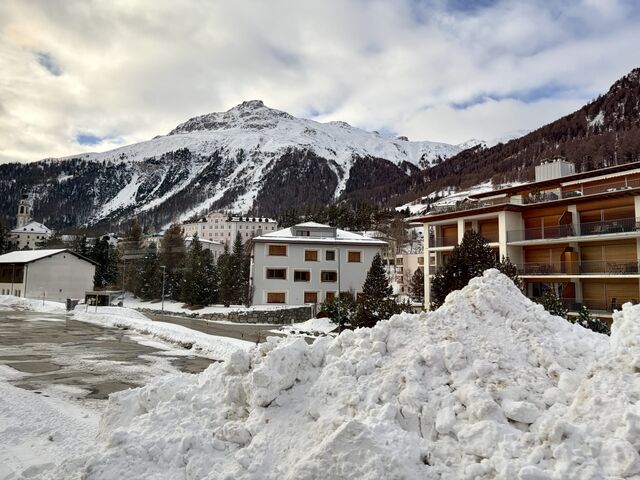
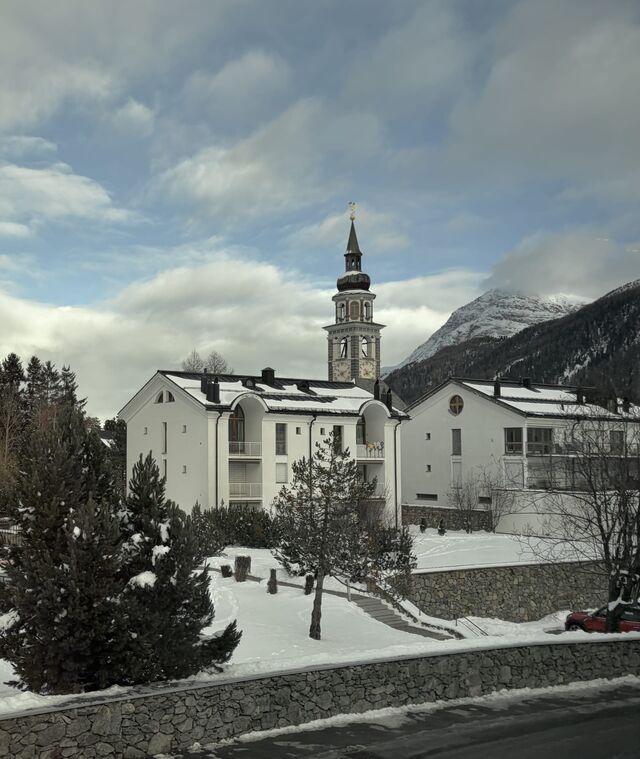
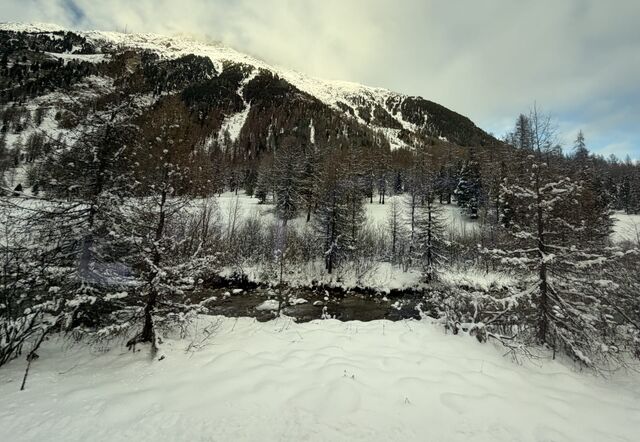
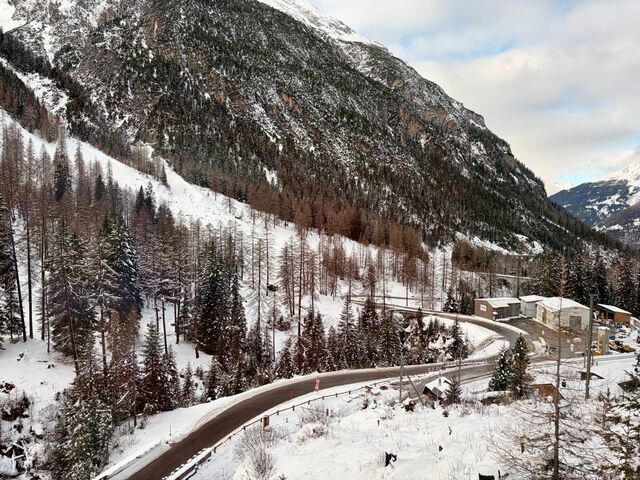
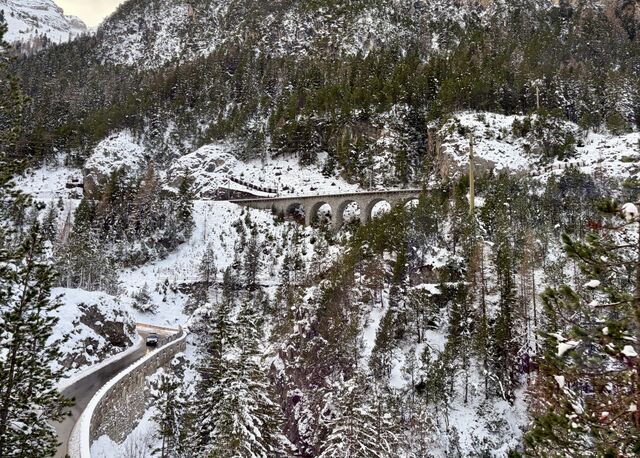
The section of railway between Preda and Bergün (which lies just south of Filisur) is also notable for its extremely steep descent, which, like the Bernina line, is accomplished entirely without rack assistance. Over just 6 kilometres, the line descends more than 400 metres, navigating a series of impressive loops, spiral tunnels, and viaducts.31 During the winter, the road between Preda and Bergün is closed to traffic and transformed into a toboggan run, with sledges available for hire at Preda Station.32
I had originally planned to alight in the village of Bergün, which my guidebook described as a ‘handsome place’, where traditional Swiss families sell sausages and cheese from their kitchen doors.33 However, as I was enjoying my time on the train so much, I decided to remain on board.
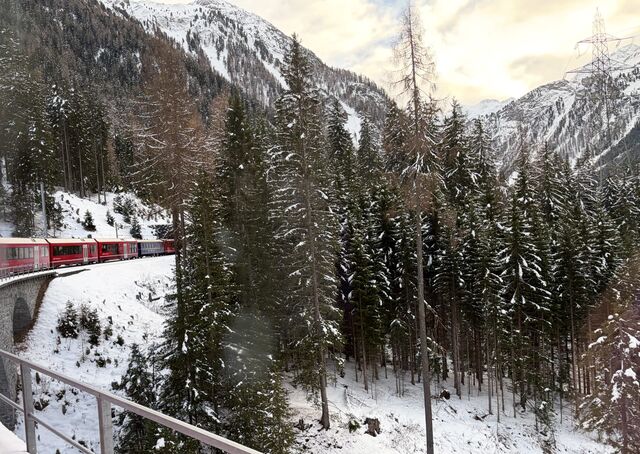
Bergün was also once a staging post for those travelling via horse-drawn carriage over the Albula Pass. Unfortunately, the village suffered when the railway opened in 1903 and travellers abandoned horse-drawn transport in favour of the train.34 More recently, Bergün has attracted media attention for passing an unusual law that bans tourists from taking photographs. Introduced largely as a publicity stunt, the law carries a symbolic €5 fine for anyone caught breaking it. According to the village’s mayor, the measure is intended to spare those outside Bergün from feeling sad or envious when confronted with images of Bergün’s remarkable beauty.35
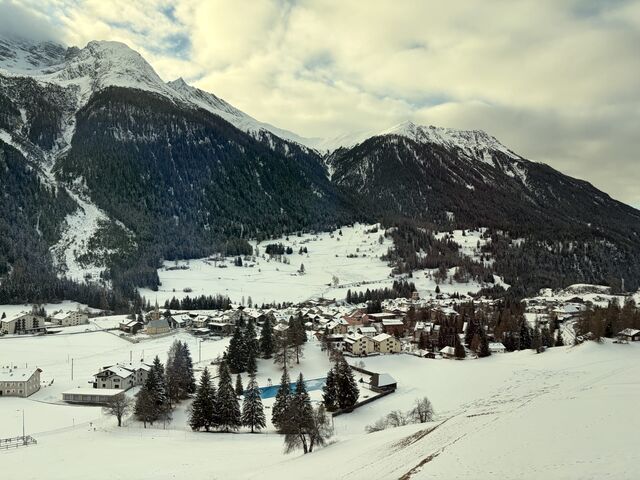
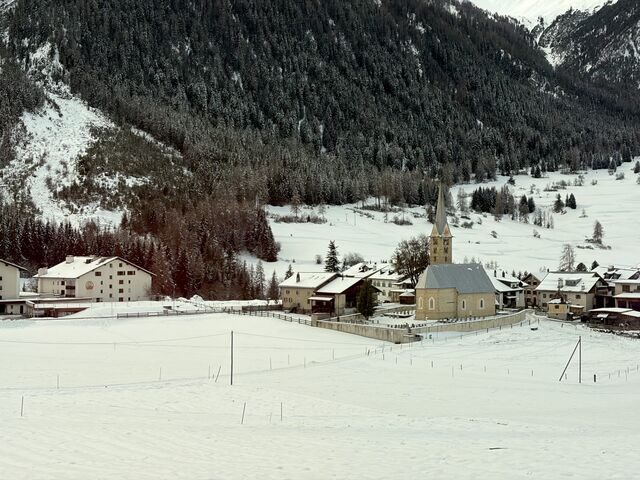
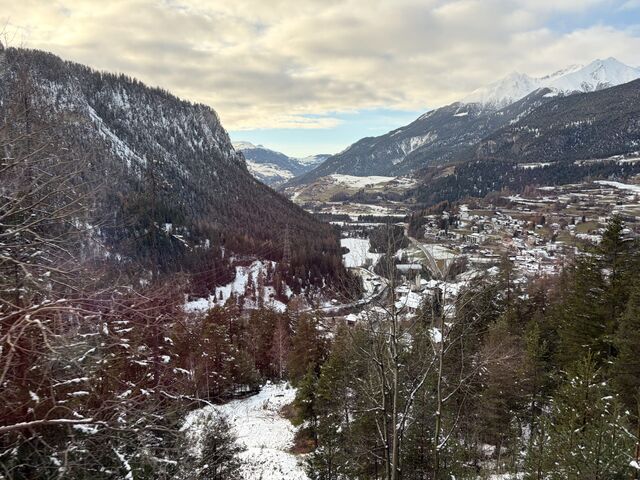
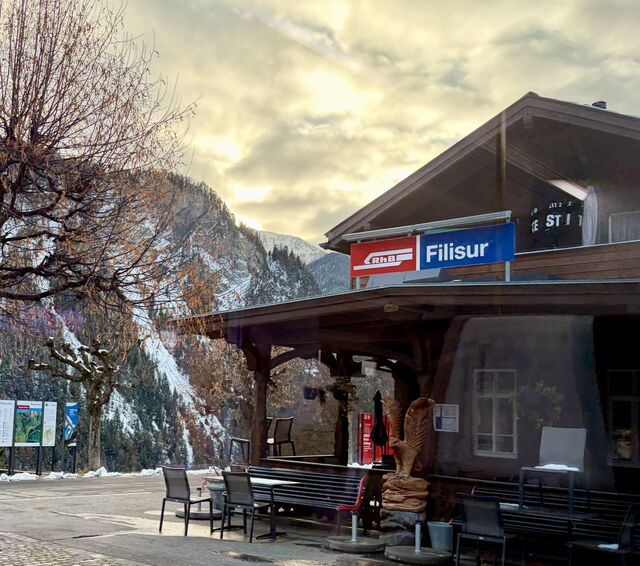
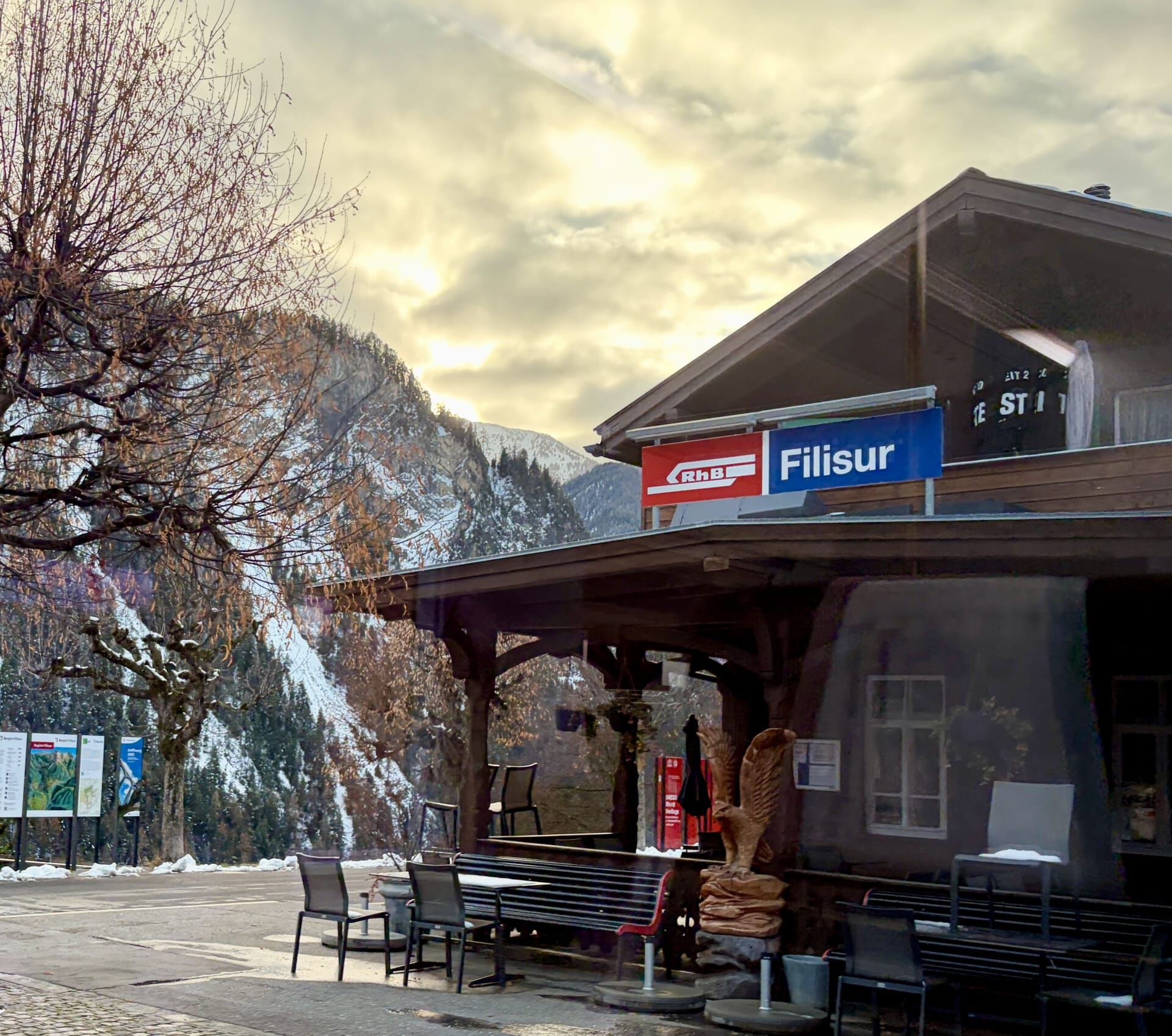
The train then passed the village of Filisur, which my guidebook noted for its attractive houses decorated in the Engadine style.36 These distinctive houses, typical of Switzerland’s Engadine region, feature stone walls engraved with patterns and decorative motifs.
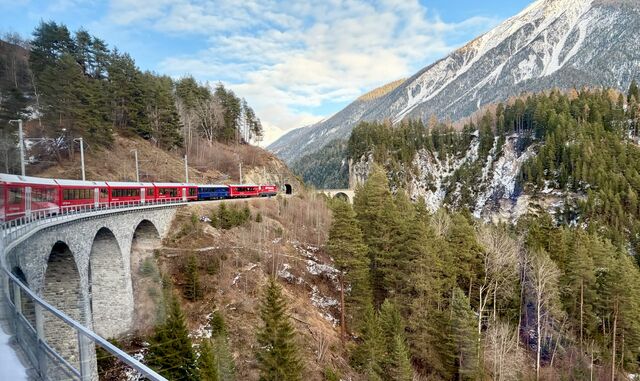
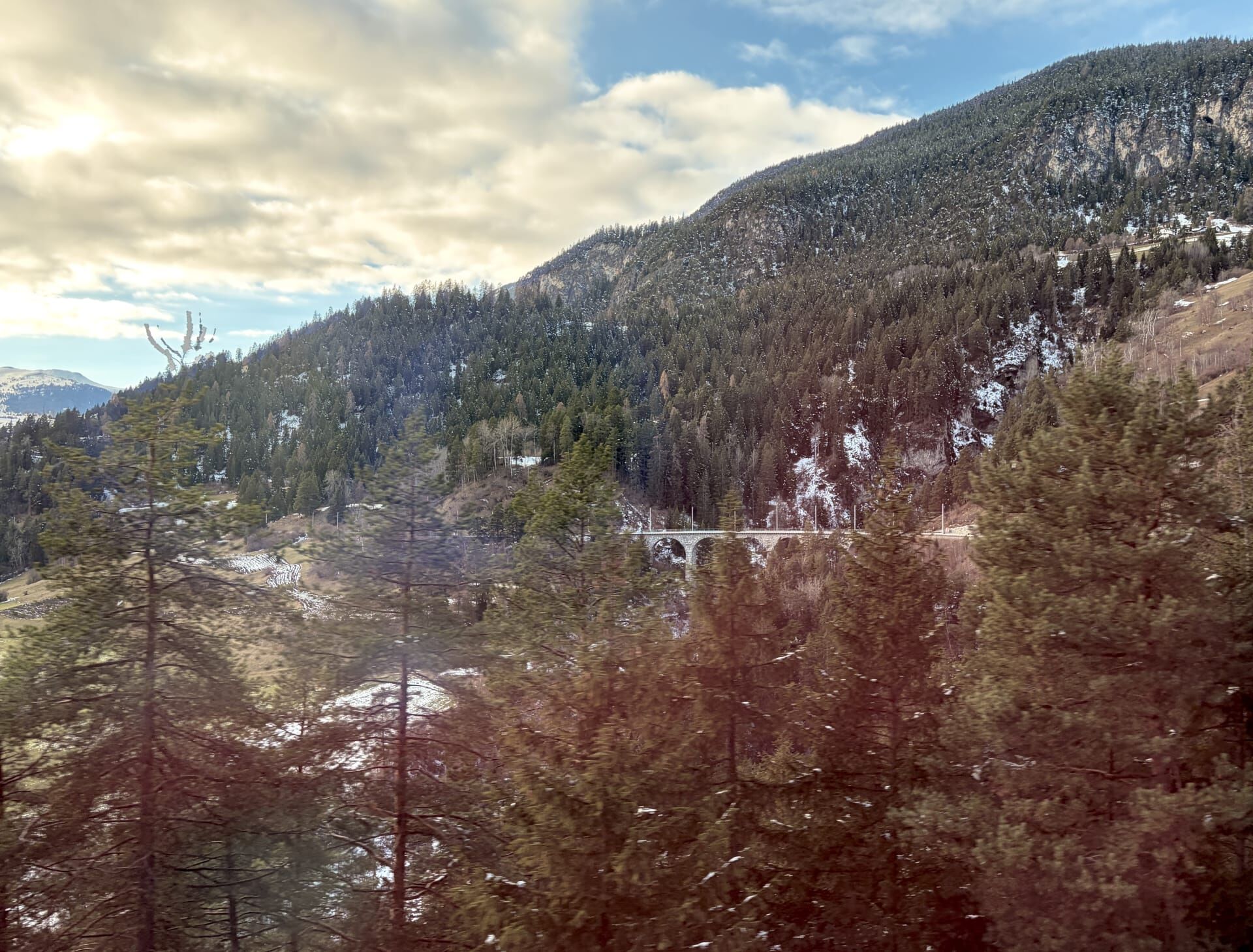
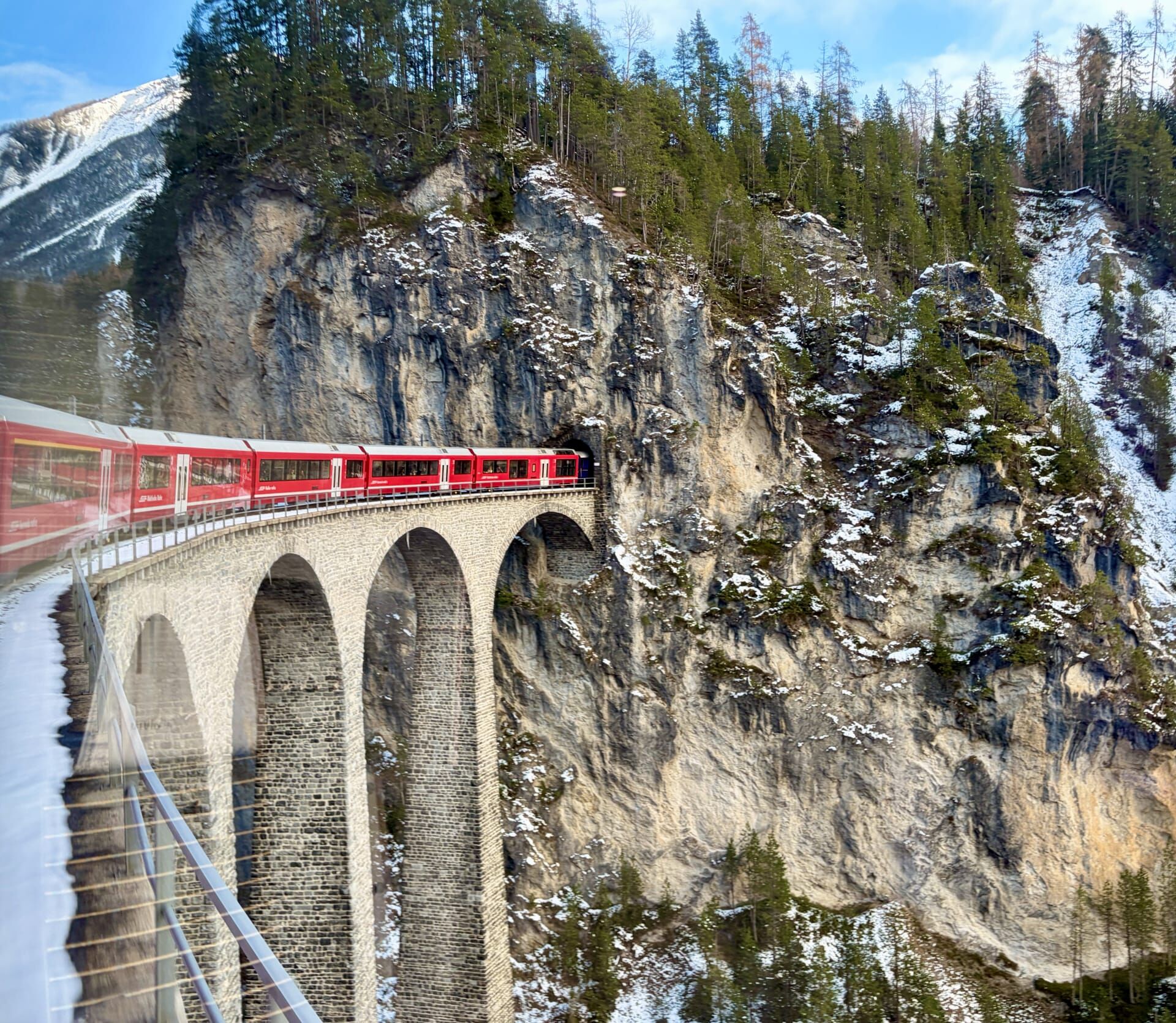
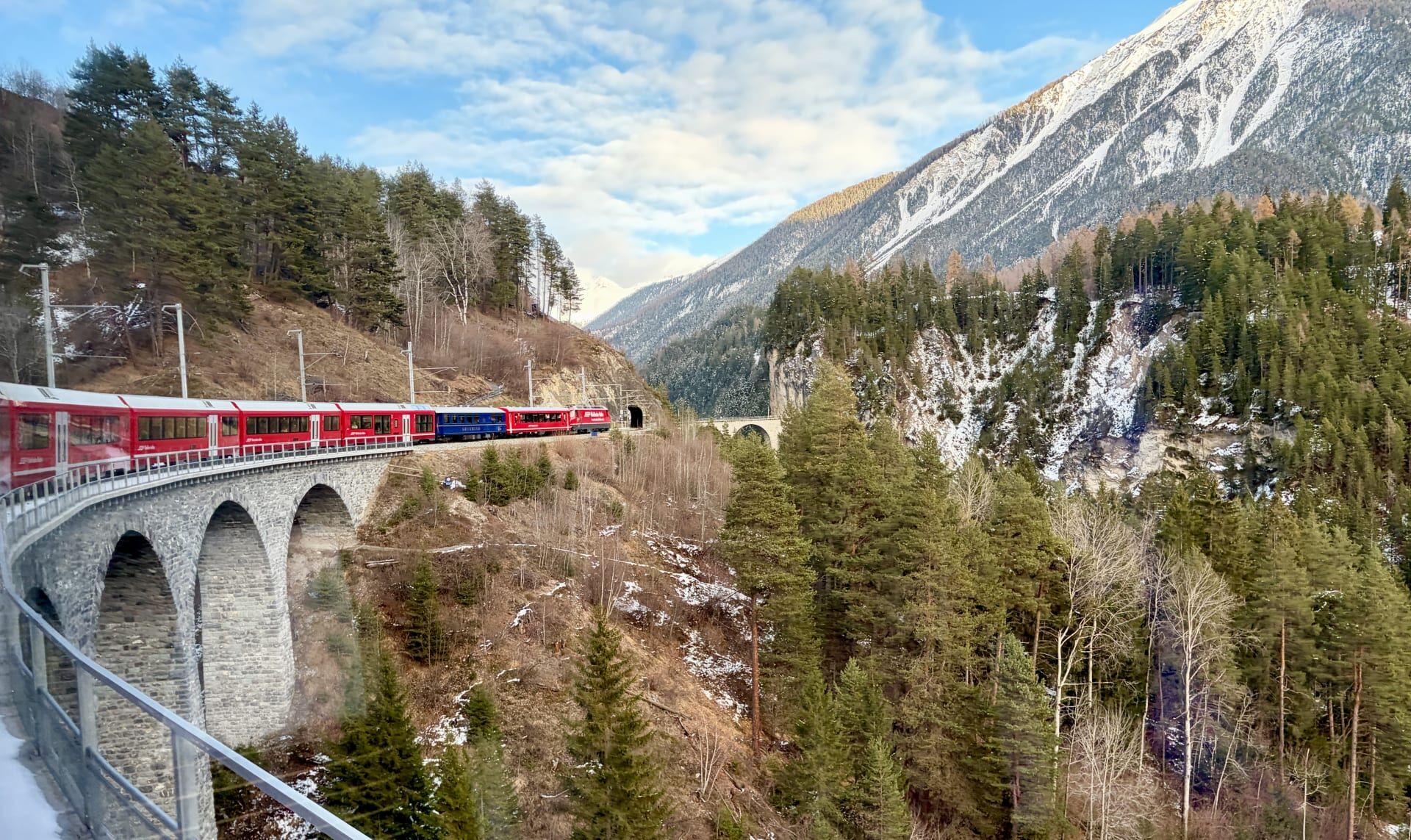
Next came one of the most iconic and dramatic moments on the Albula line: the famous Landwasser Viaduct.
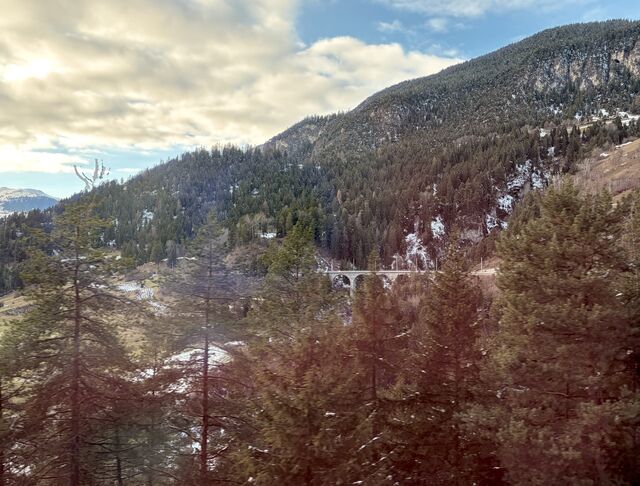
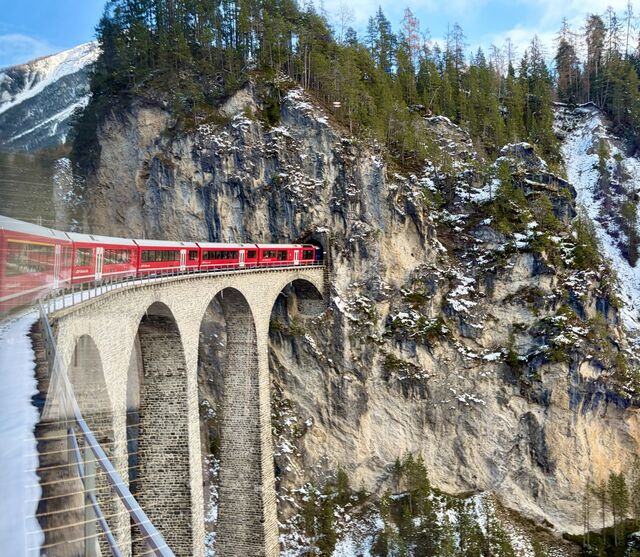
Soaring 65 metres above the valley floor and stretching 122 metres in length, the Landwasser Viaduct is supported by six large limestone arches. This iconic structure features on all the marketing material for the Bernina Express and Glacier Express (which both travel over this section of track), and an image of a bright red train crossing the viaduct in the depths of winter has been set as both my laptop and phone background for at least a decade. Needless to say, it was an incredibly exciting moment as the train emerged from a tunnel and straight onto the viaduct. For the full effect, I recommend sitting in the very front or rear carriage. Just moments later, the train then curved onto another viaduct: the lesser-known Schmittentobel Viaduct.
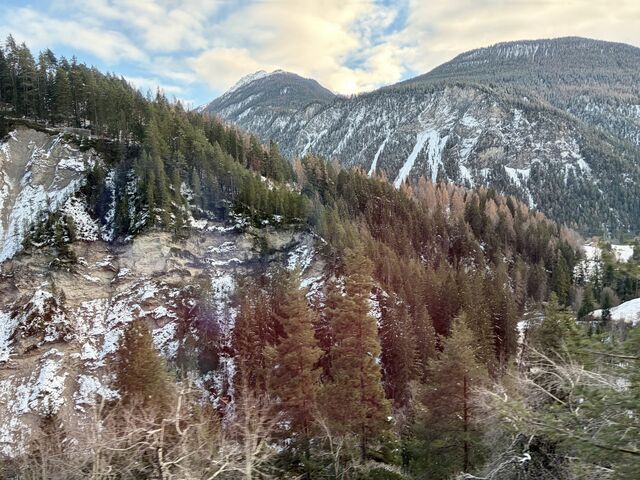
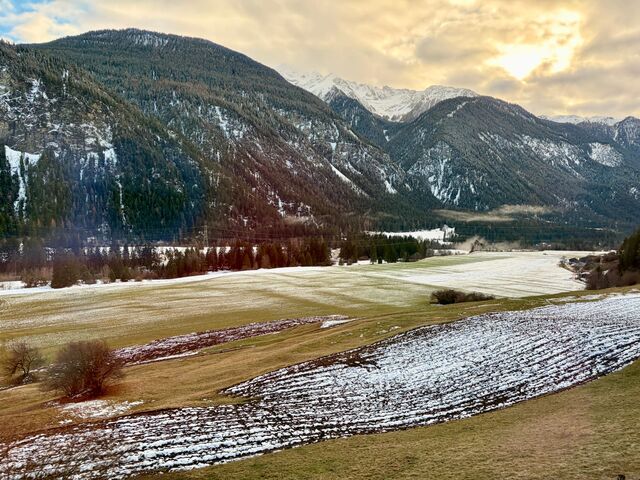
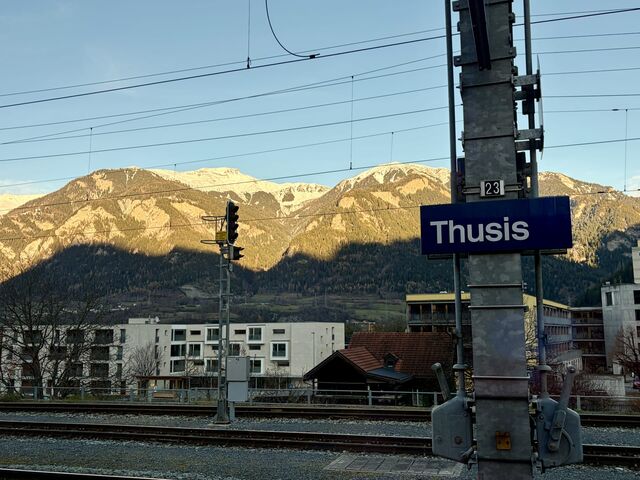
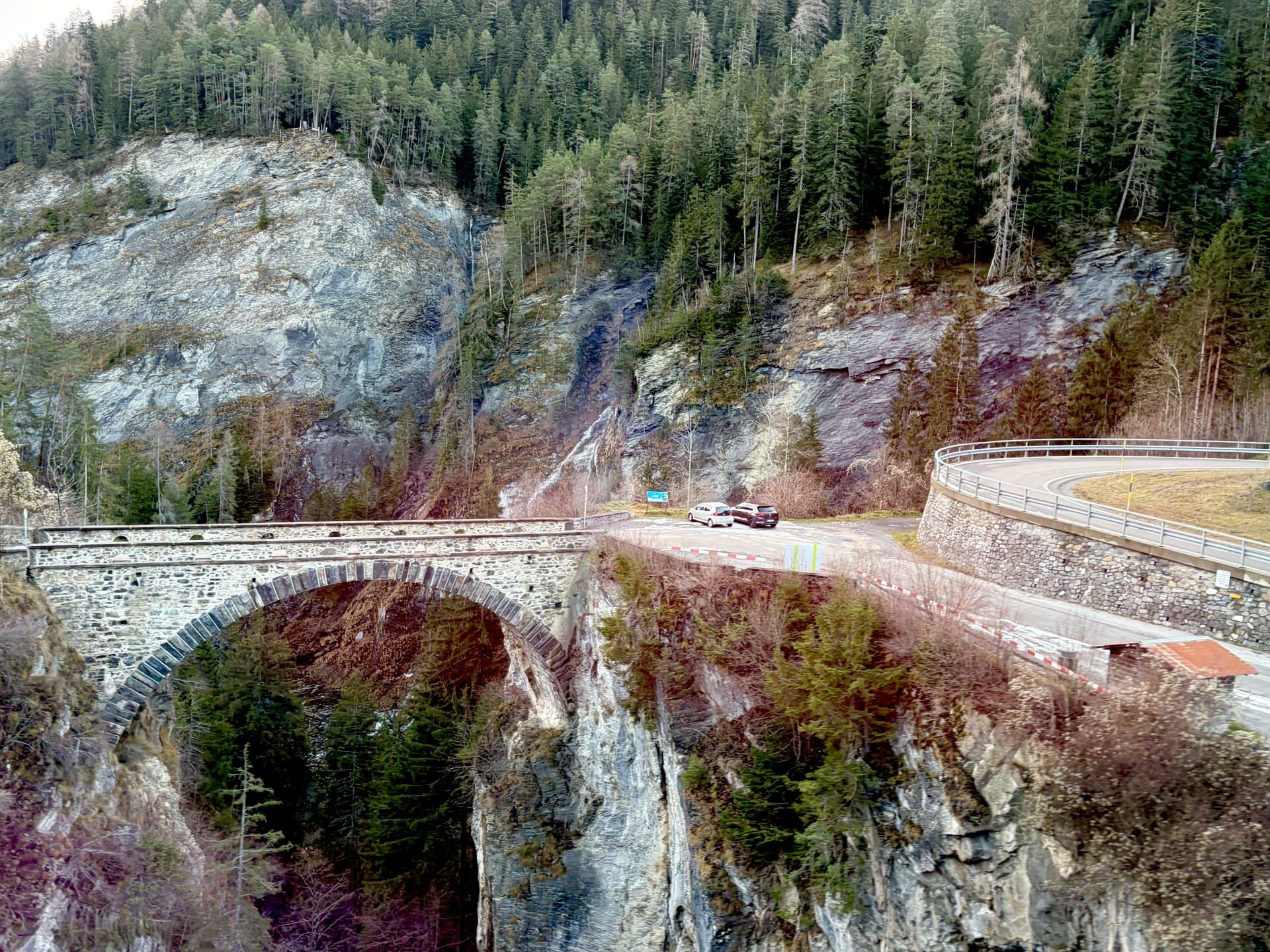
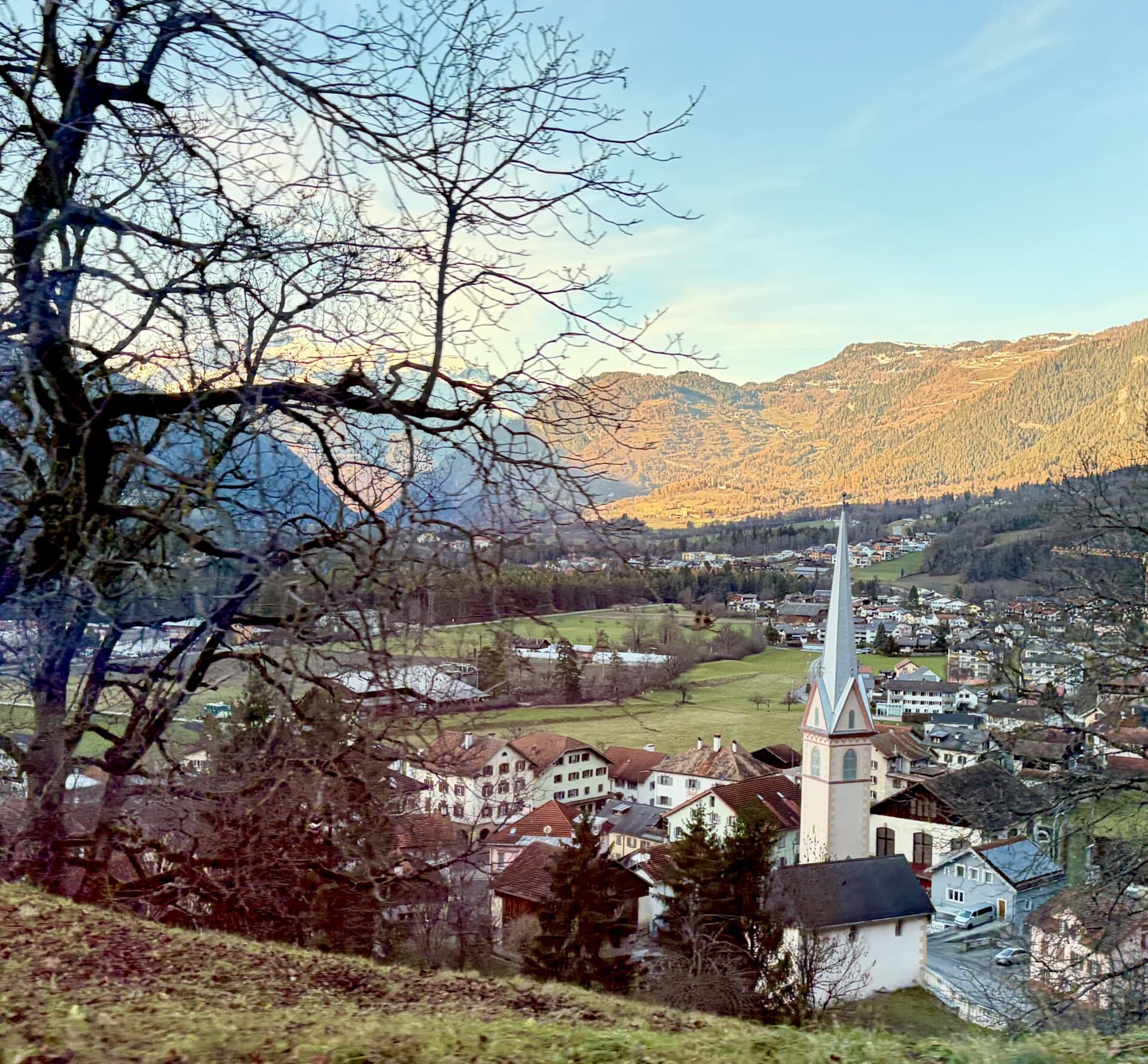
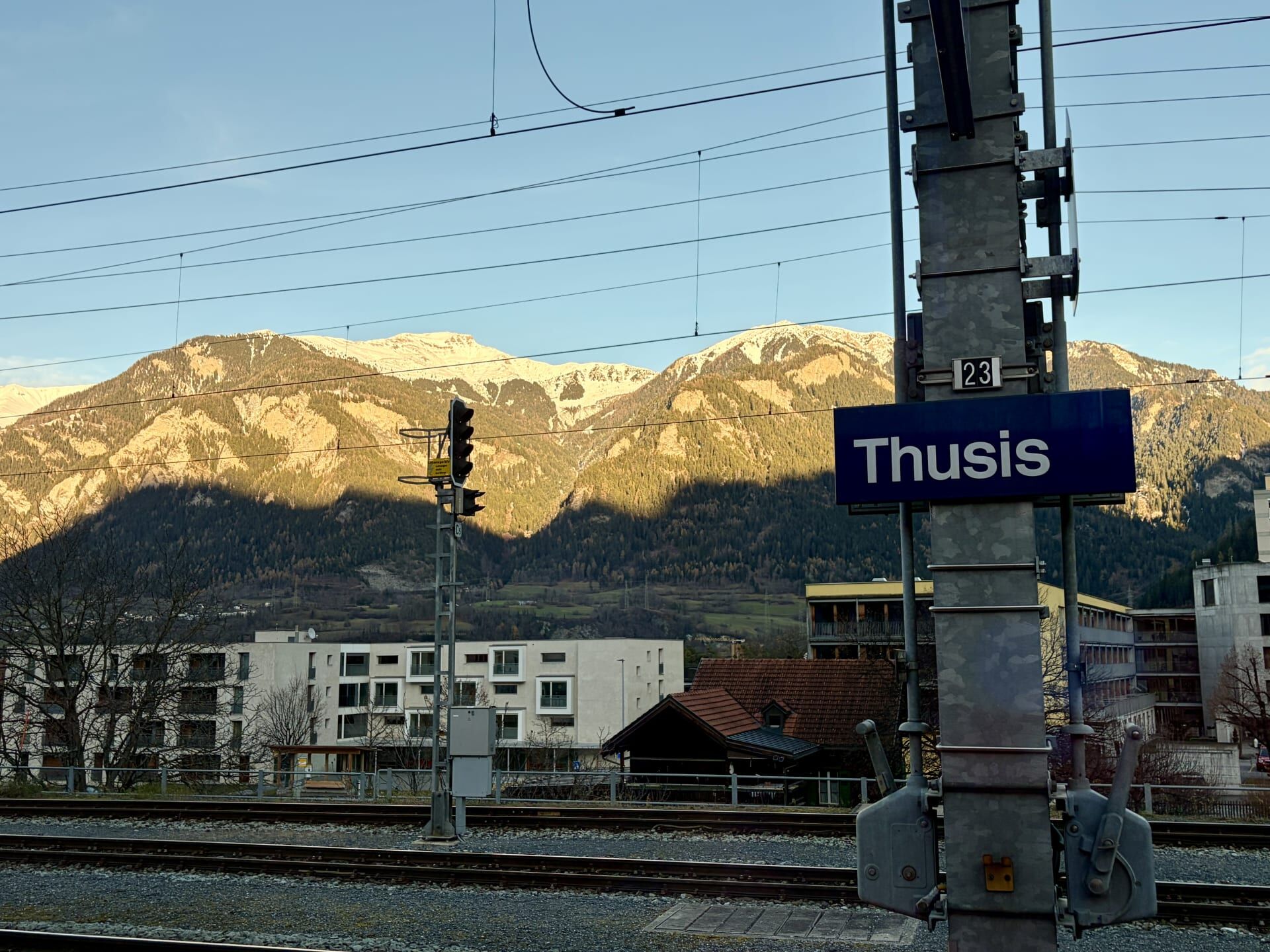
For the remainder of the journey, the train continued to proceed past picturesque villages, including Tiefencastel, where the Church of St Stefan is a dominant feature on the left-hand side of the track. It is listed as a Swiss heritage site of national significance, with the original church dating back to the 14th Century.37 We then crossed the 11-arch Solis Viaduct which rises nearly 90 metres above the Albula River. As the train neared Thusis, we travelled alongside the Hinterrhein River which runs through the Viamala Gorge. The Viamala apparently struck fear into the hearts of early travellers through the Alps.38 My guidebook was critical of Thusis’ ‘motorway bridge thrown across the gorge, seemingly without regard for the beauty of the surroundings.’39
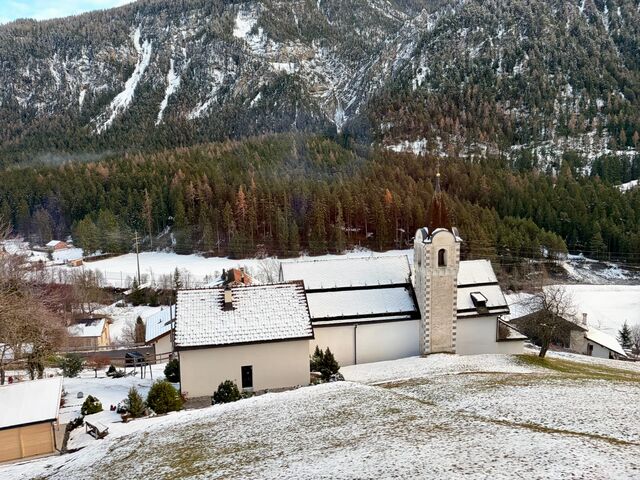
Alvaneu Bad Church, constructed 1698
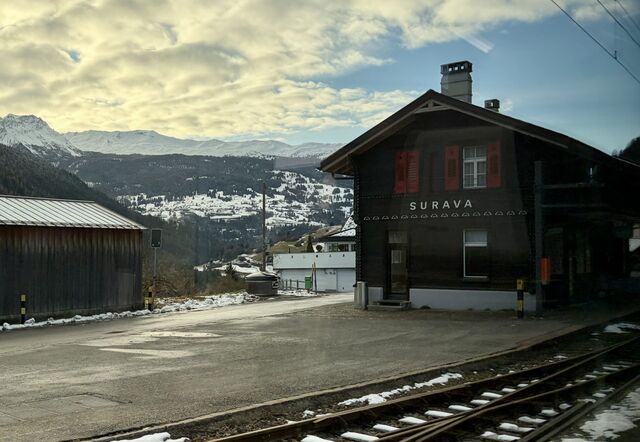
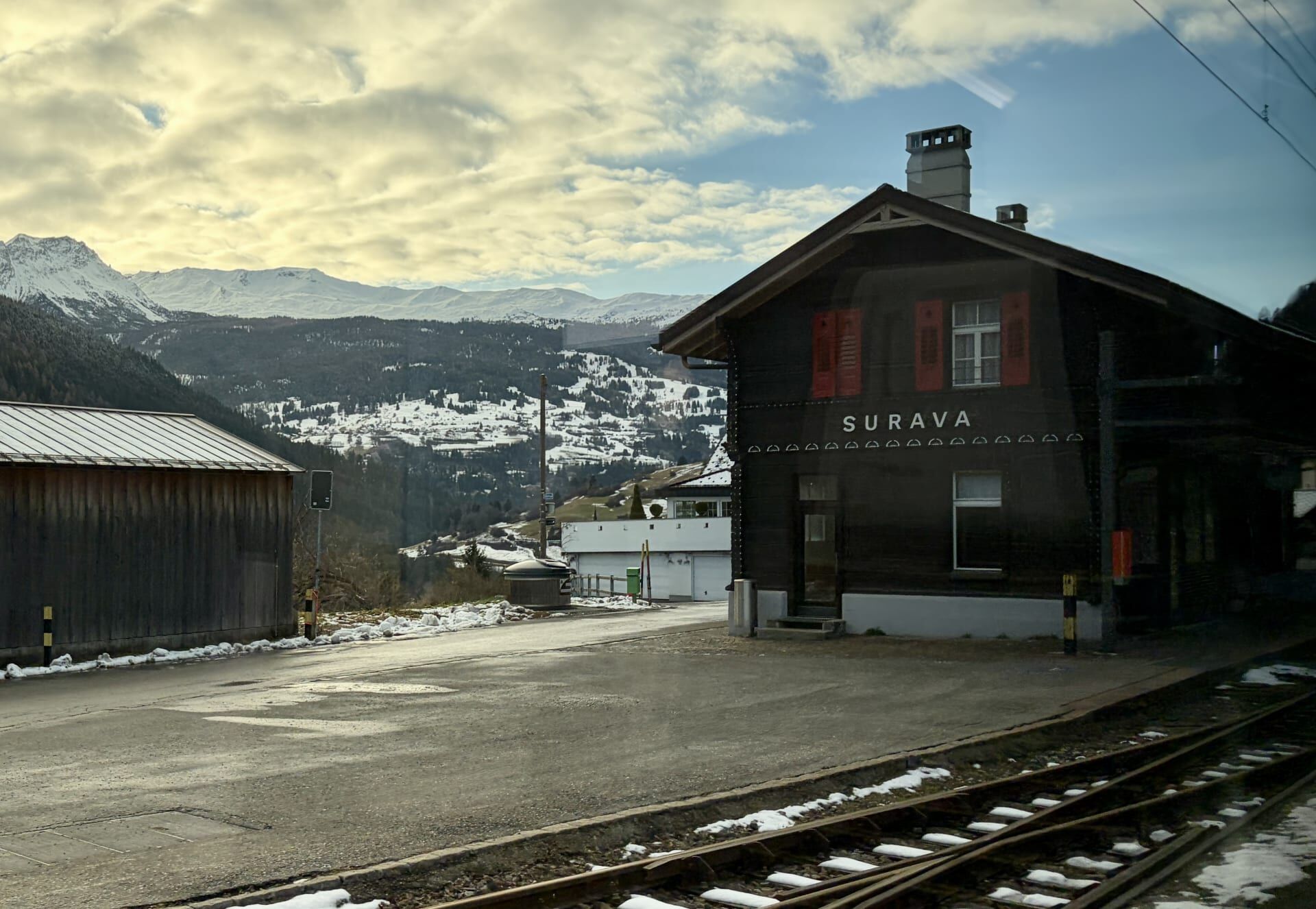
Surava Station, opened 1903
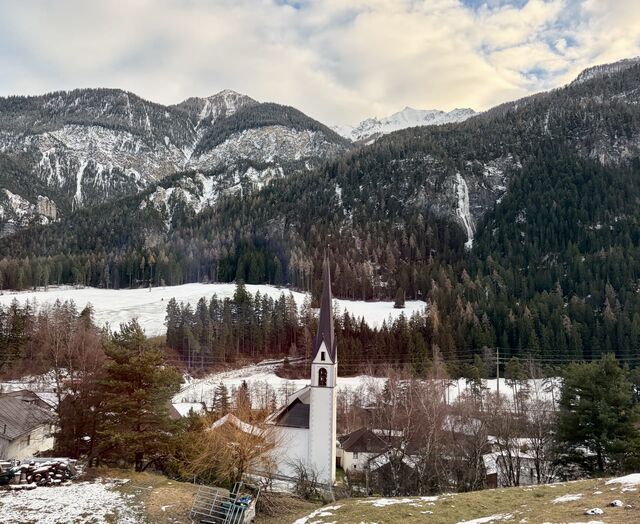
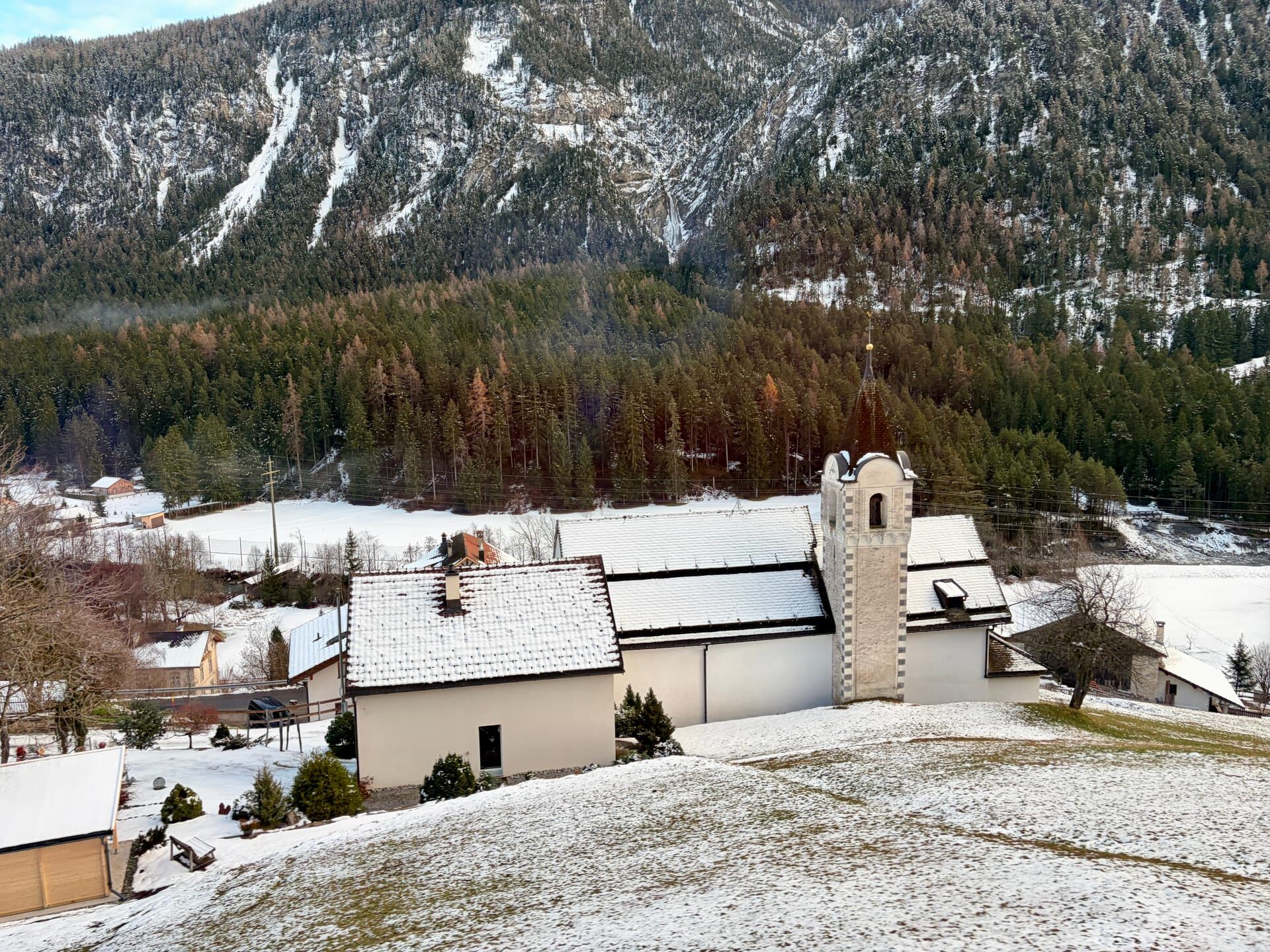
Son Sieri Church, Surava
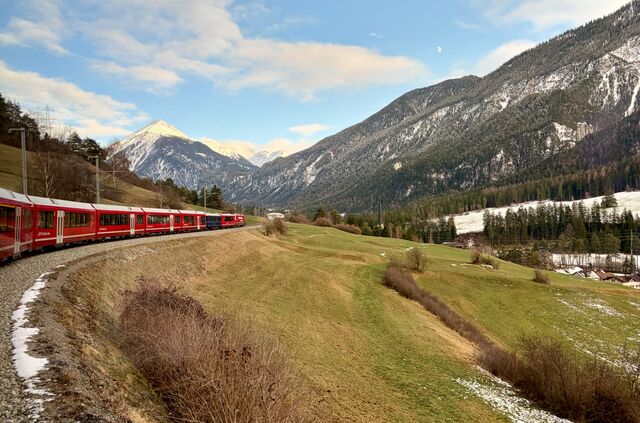
Approaching Tiefencastel
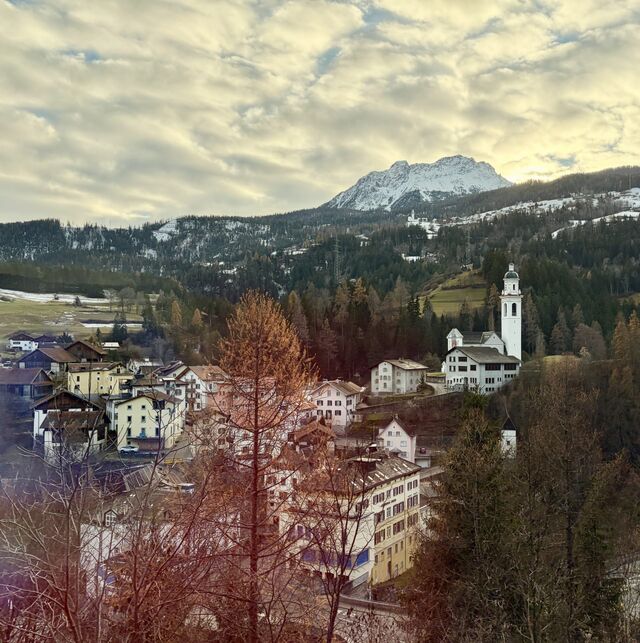
St Stefan's Catholic Church, Tiefencastel, first mentioned in 1343
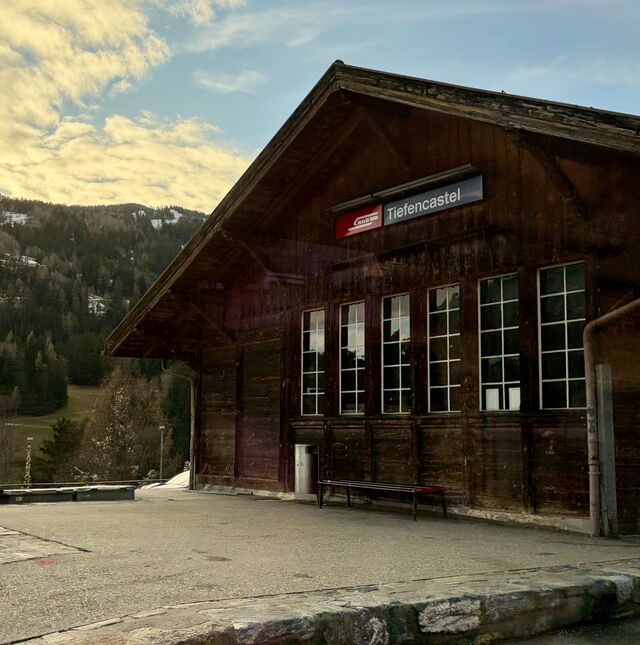
Tiefencastel Station, opened 1903
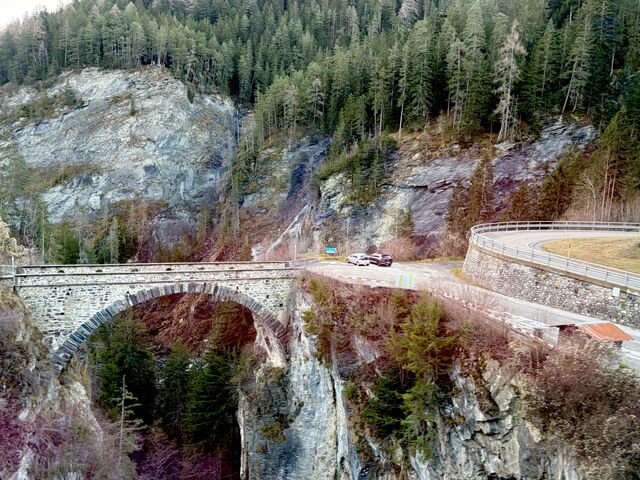
Taken from the Solis Viaduct (constructed 1902) looking at the Solis Bridge, Albula
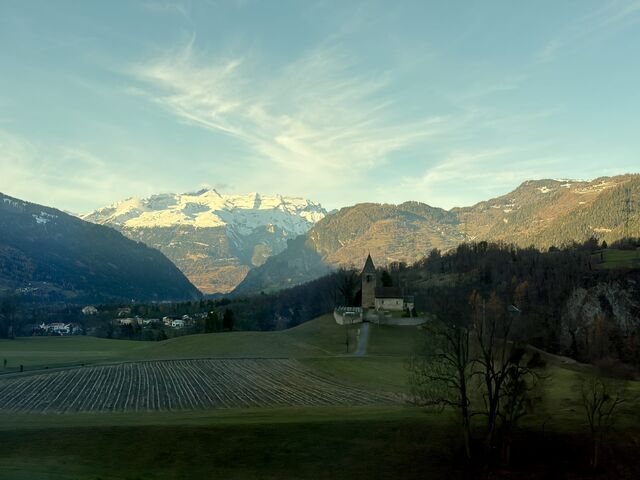
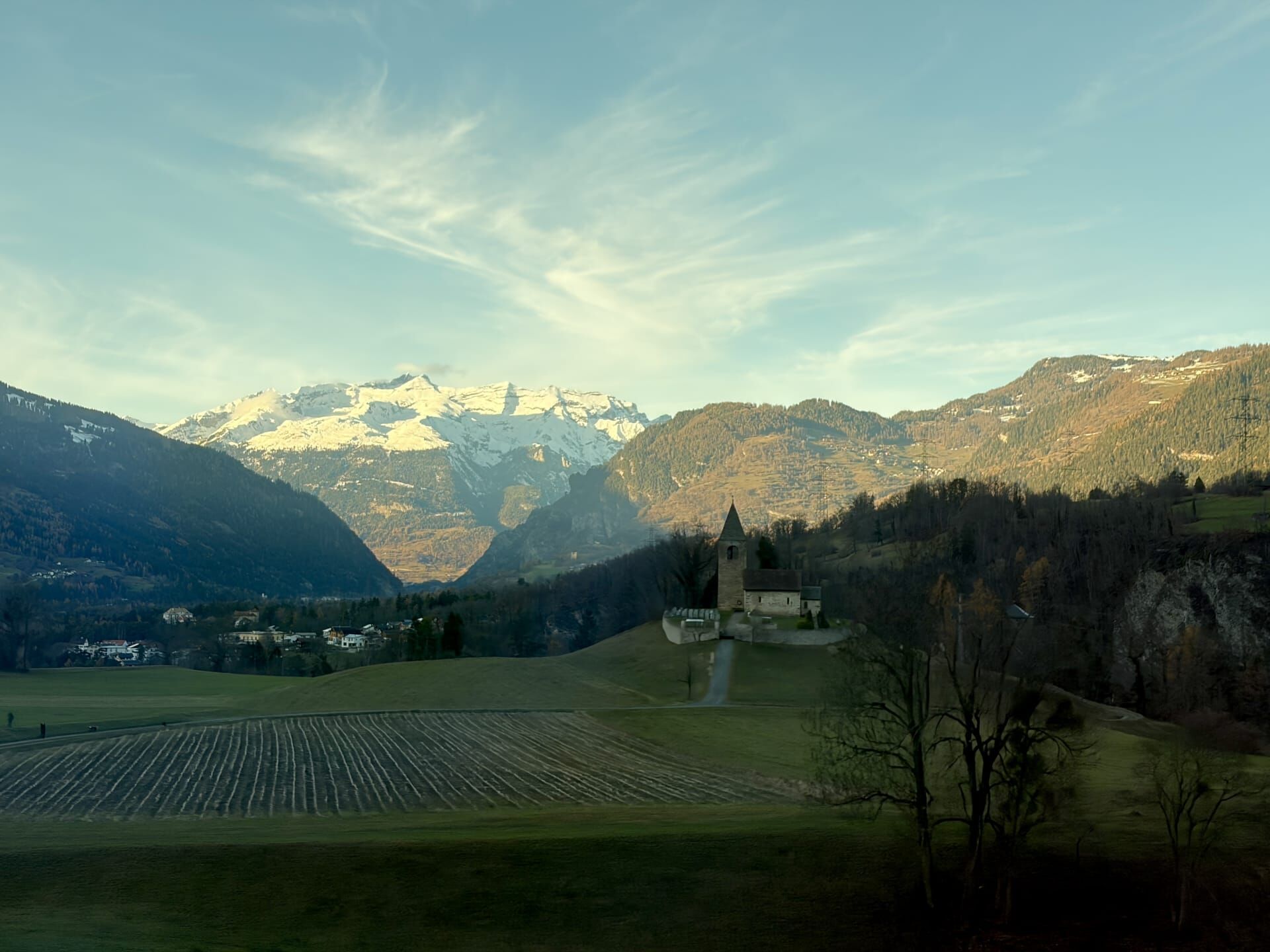
St Cassian Burial Church, Sils im Domleschg, constructed 8th Century
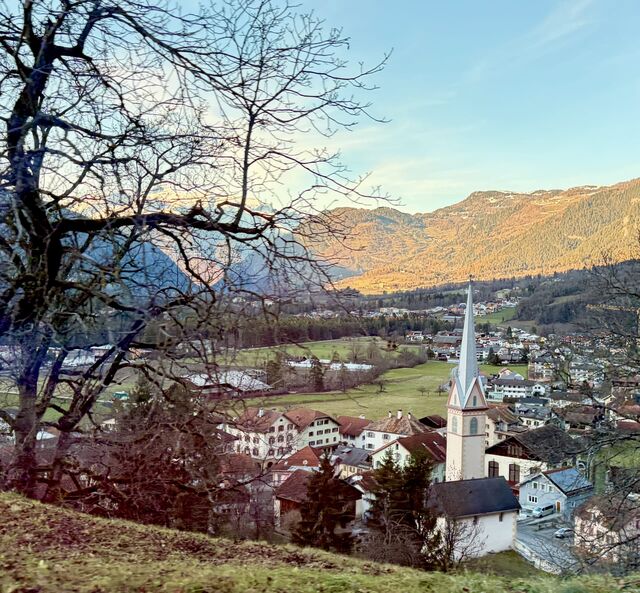
Reformed Church, Sils im Domleschg, constructed 1619
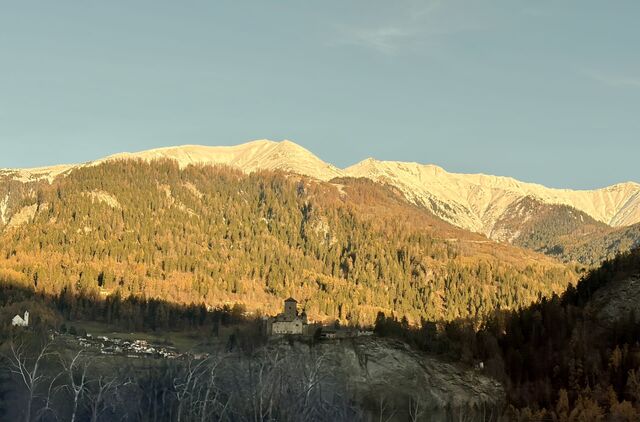
While Thusis marks the end of the UNESCO-listed Albula Line, trains continue onwards to Chur. Shortly after leaving Thusis, on the right-side of the train, there was a great view of the 13th Century Ortenstein Castle, perched on a large rock.
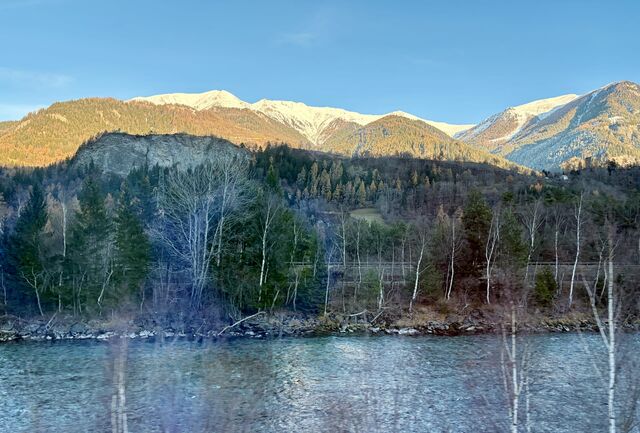
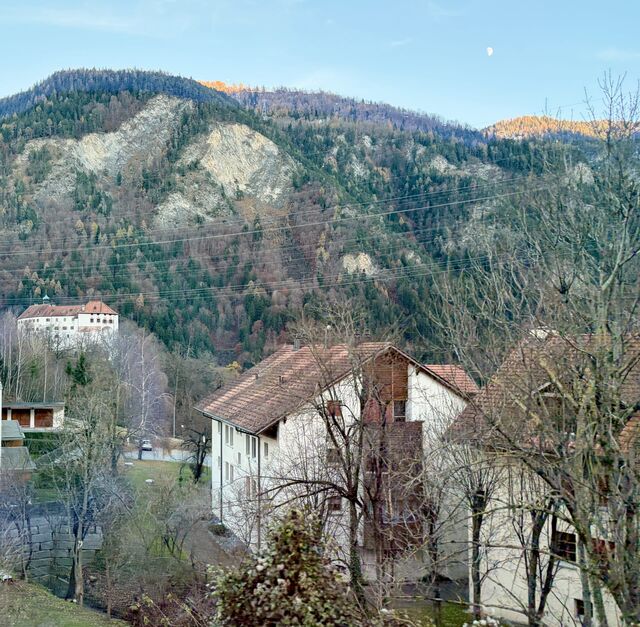
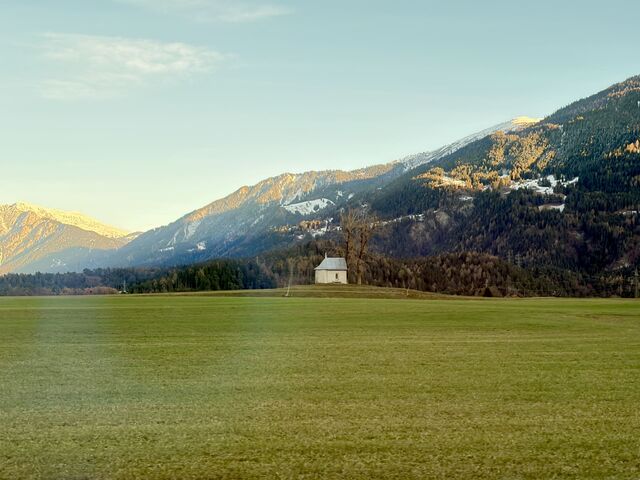
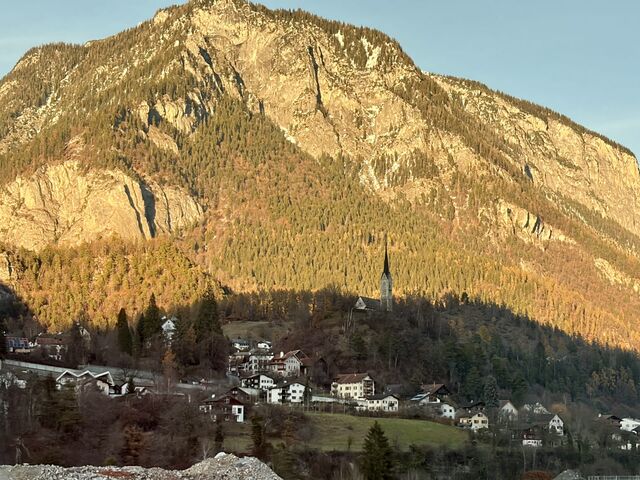
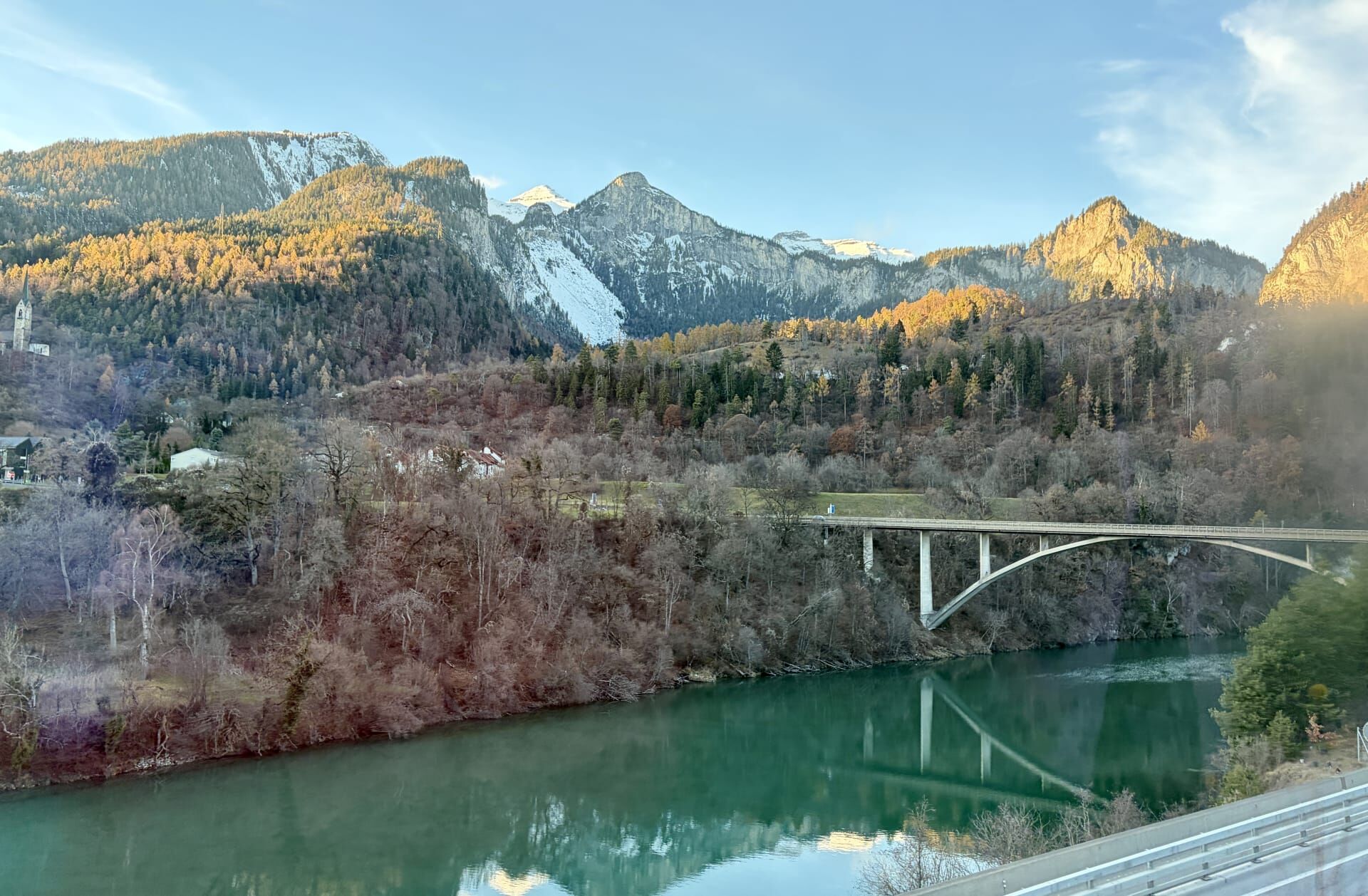
For the final part of the journey, the train followed the Rhine River, which was a beautiful green colour in the late afternoon sun.
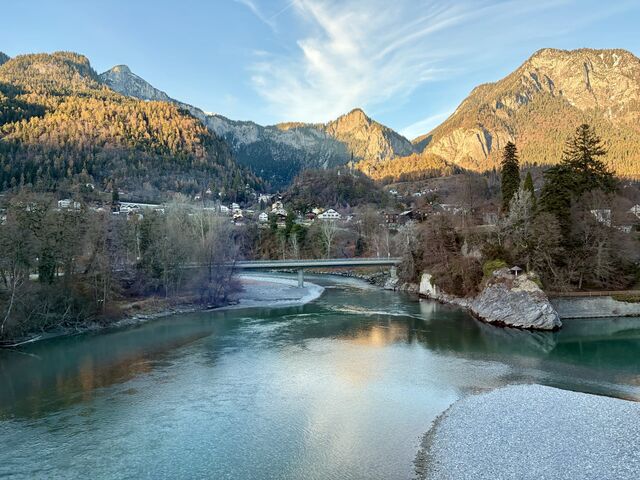
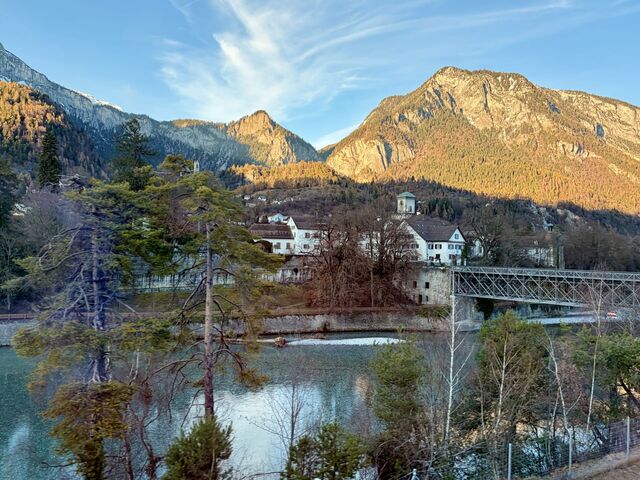
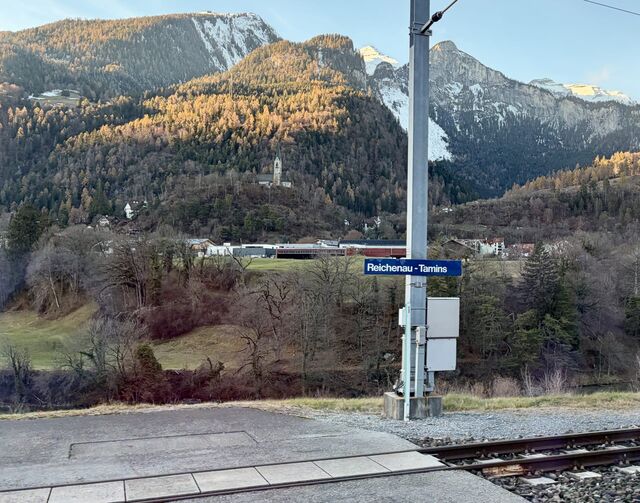
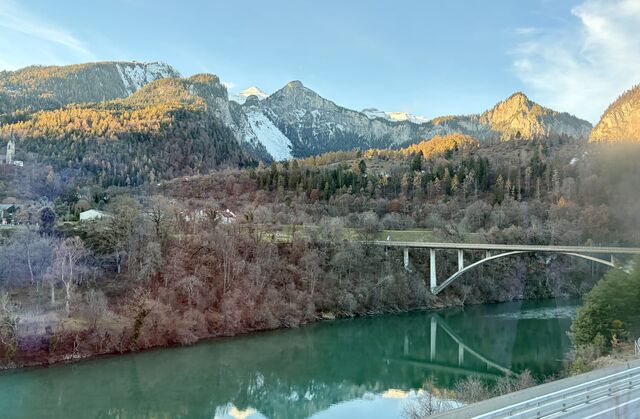
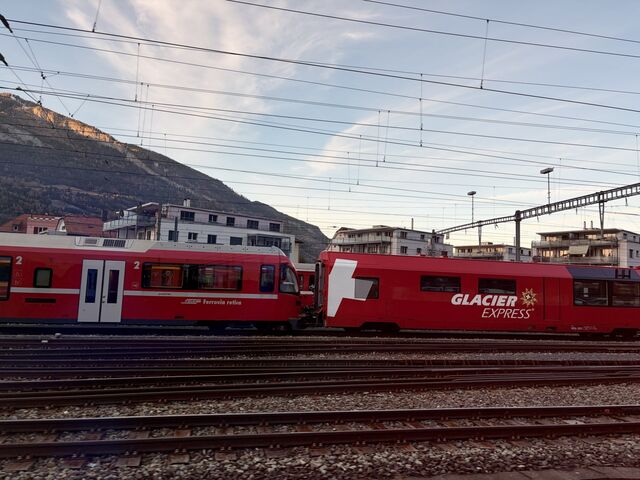
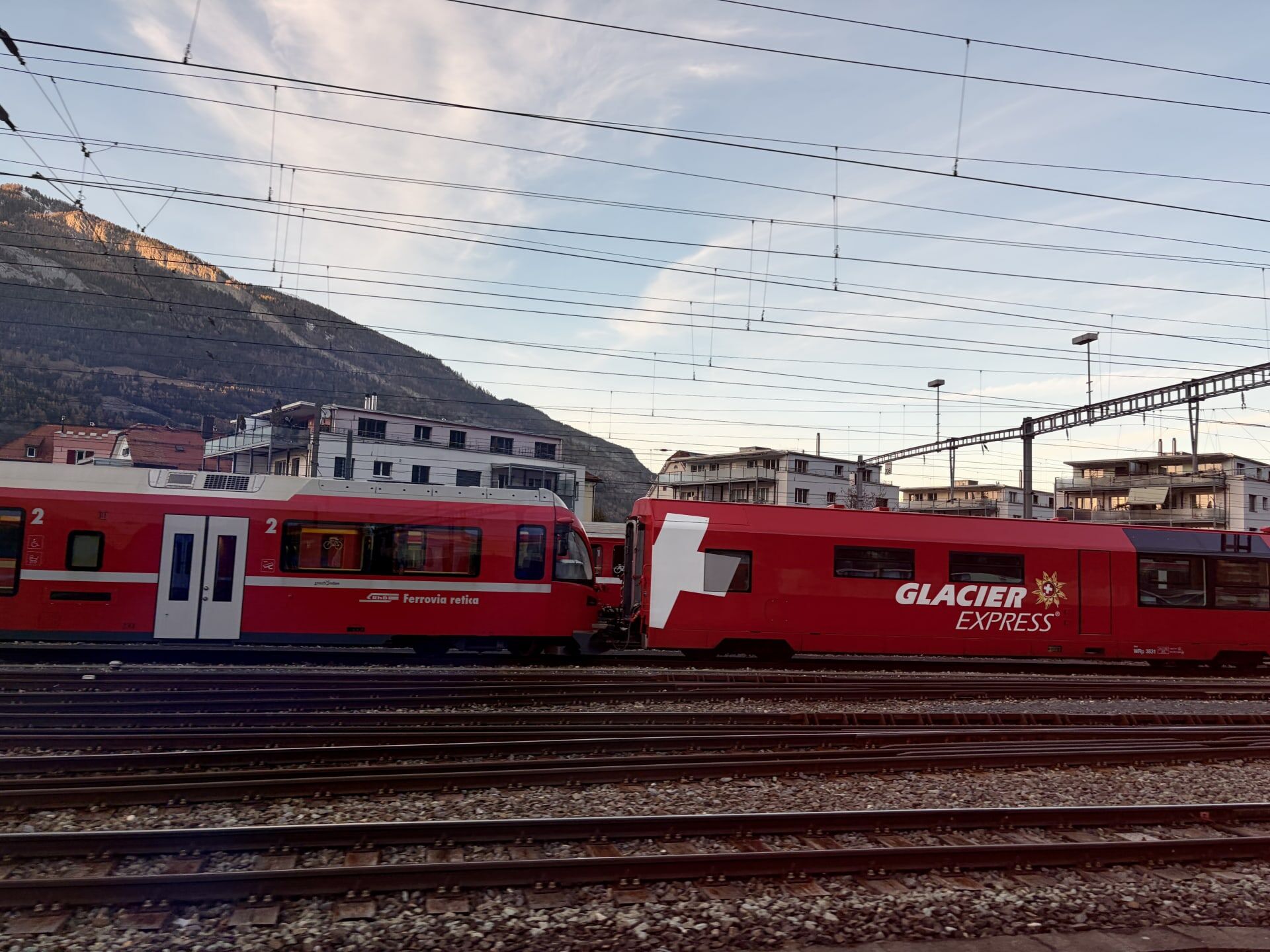
At Domat/Ems Station, we passed the Glacier Express train. The Station’s name reflects the two local languages: ‘Domat’ in Romansh and ‘Ems’ in German.
Chur
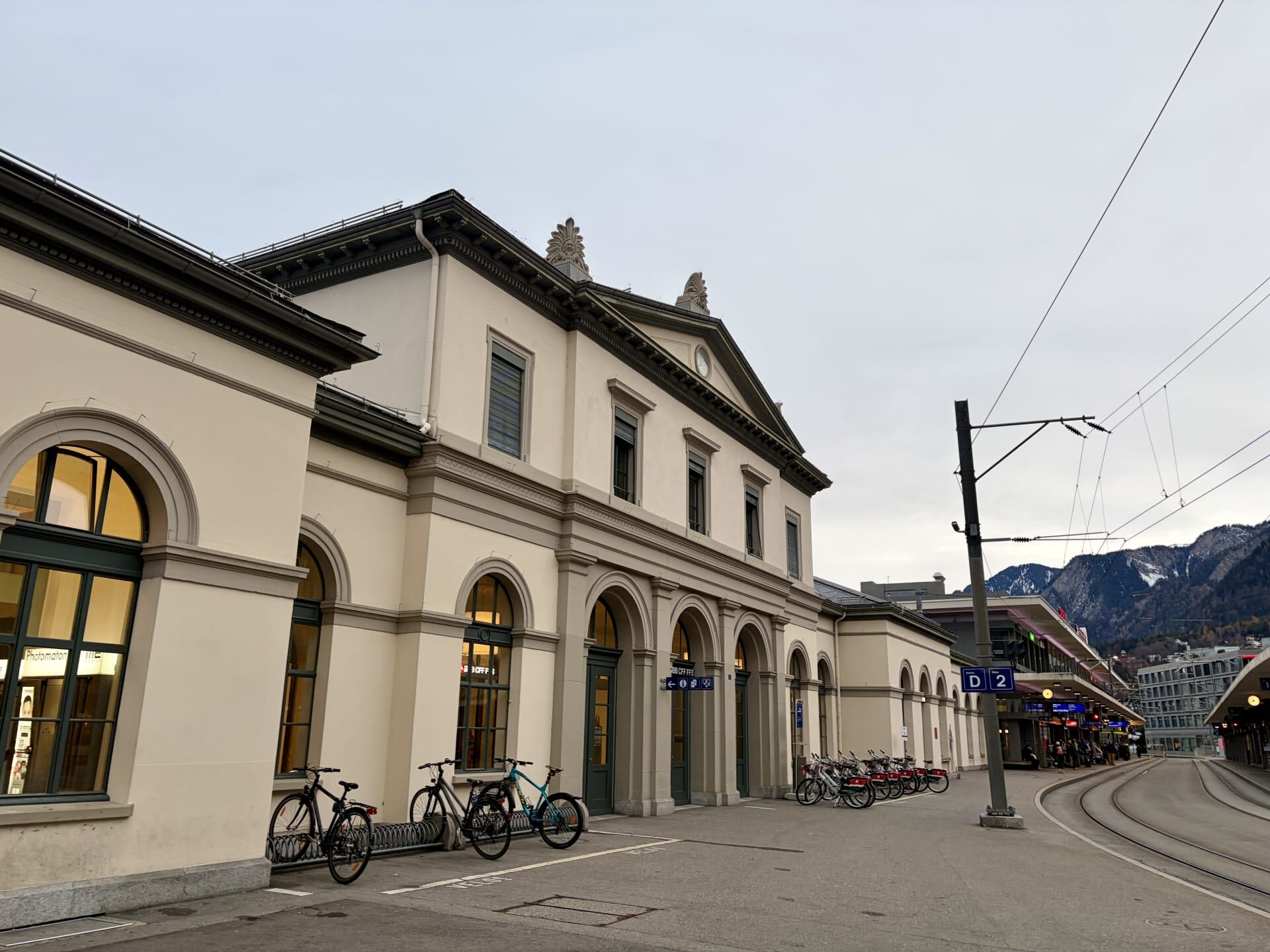
After a magnificent four hour train journey, we pulled into Chur Station.
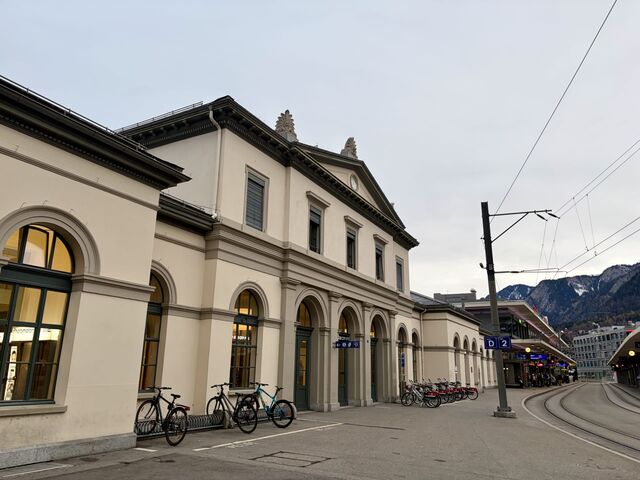
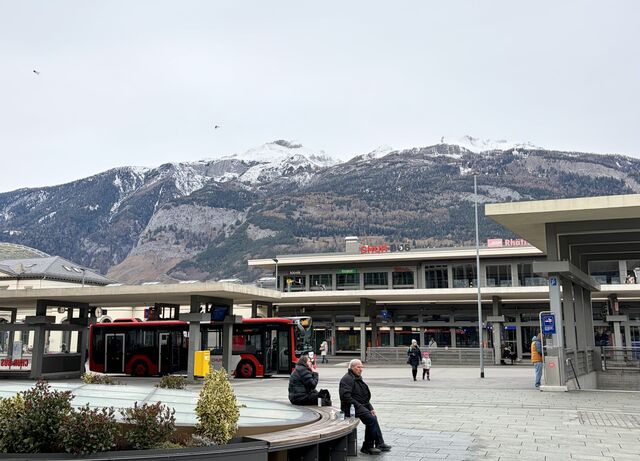
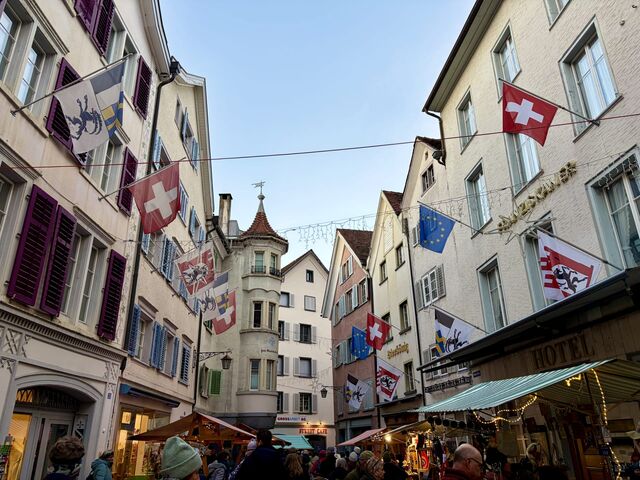
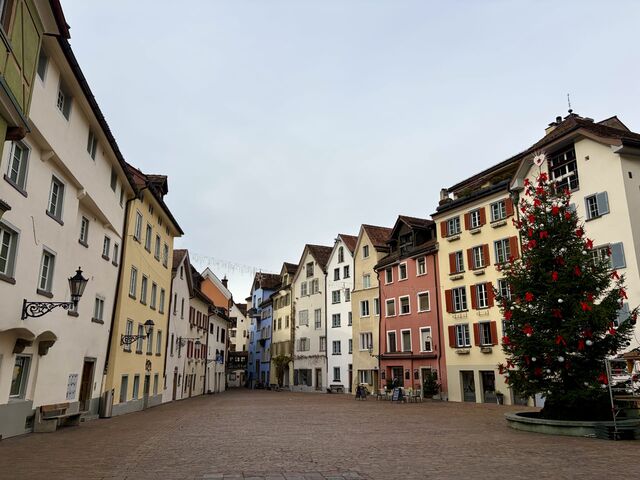
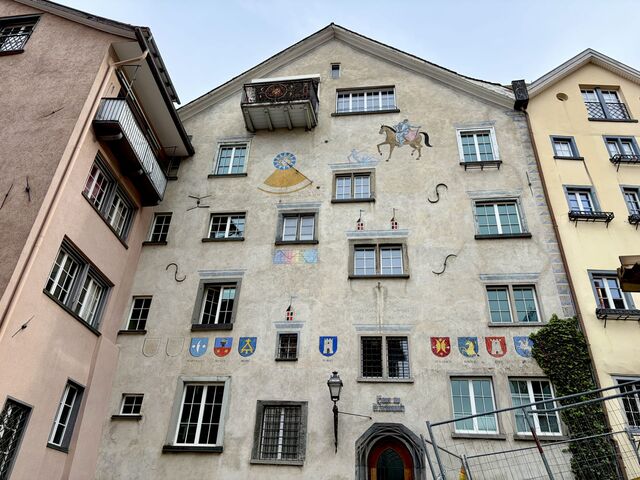
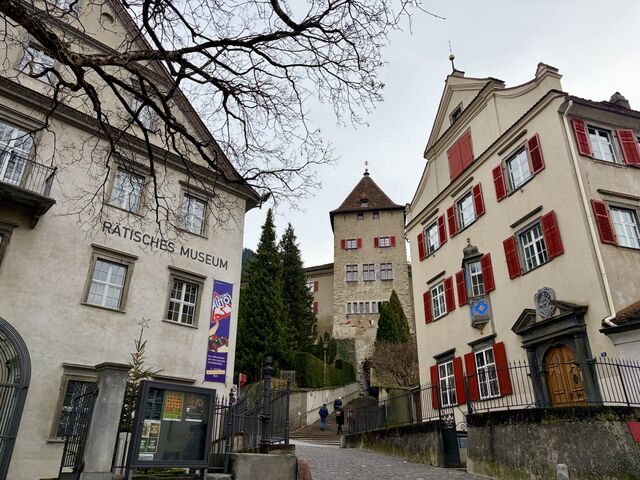
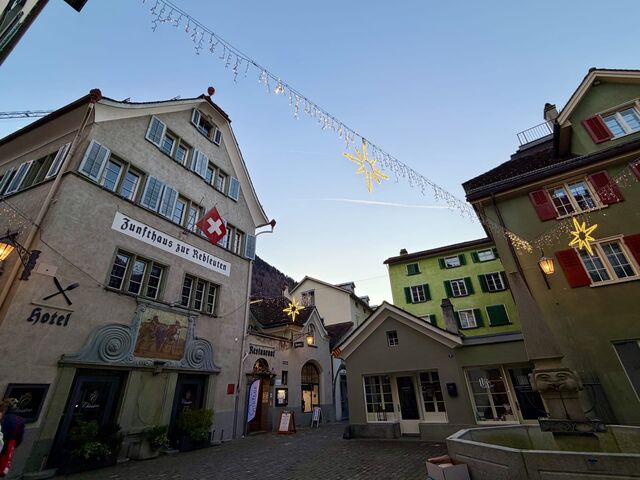
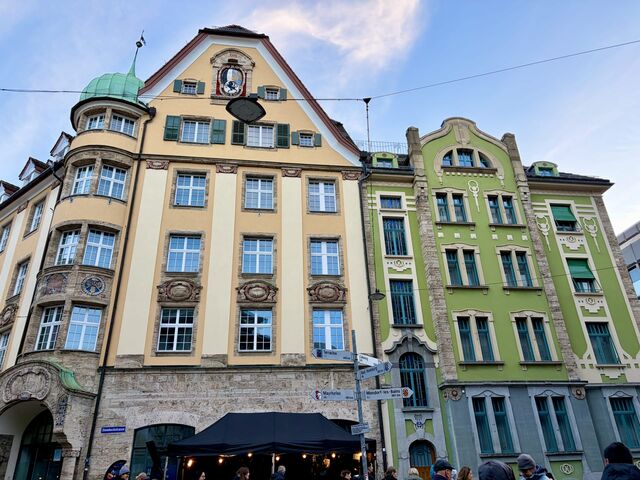
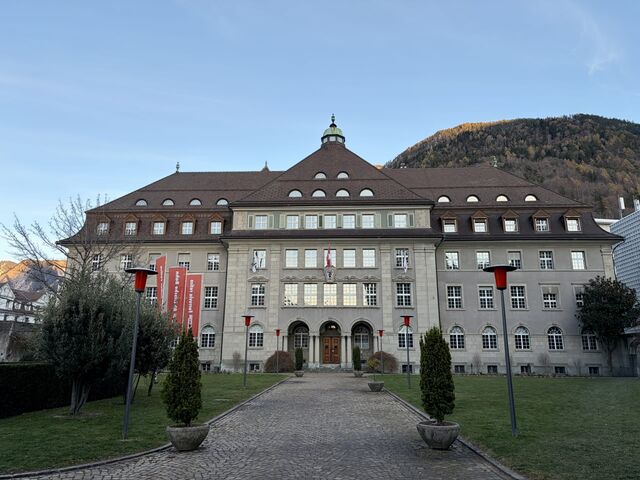
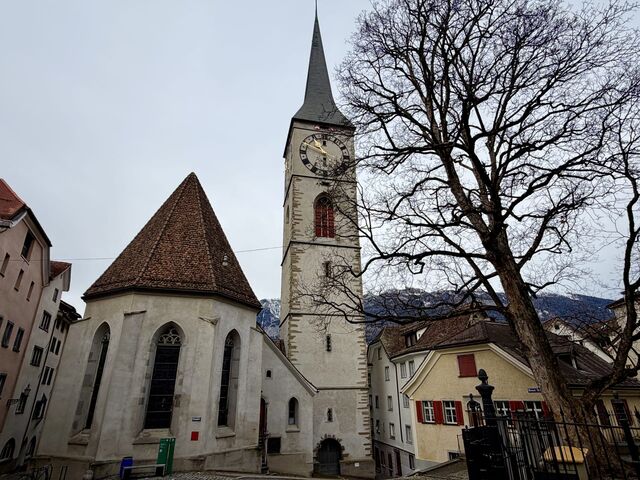
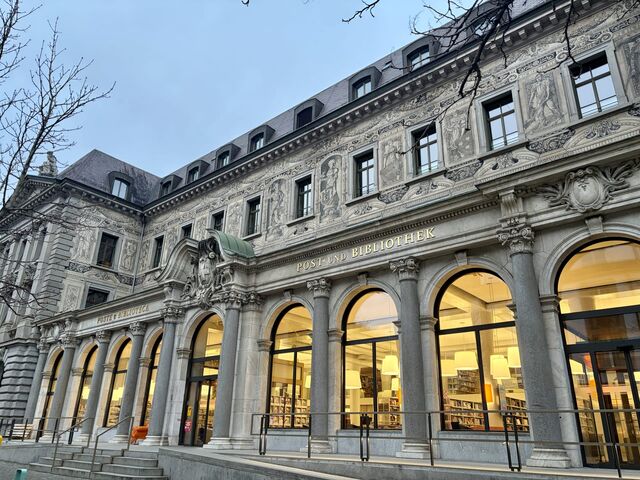
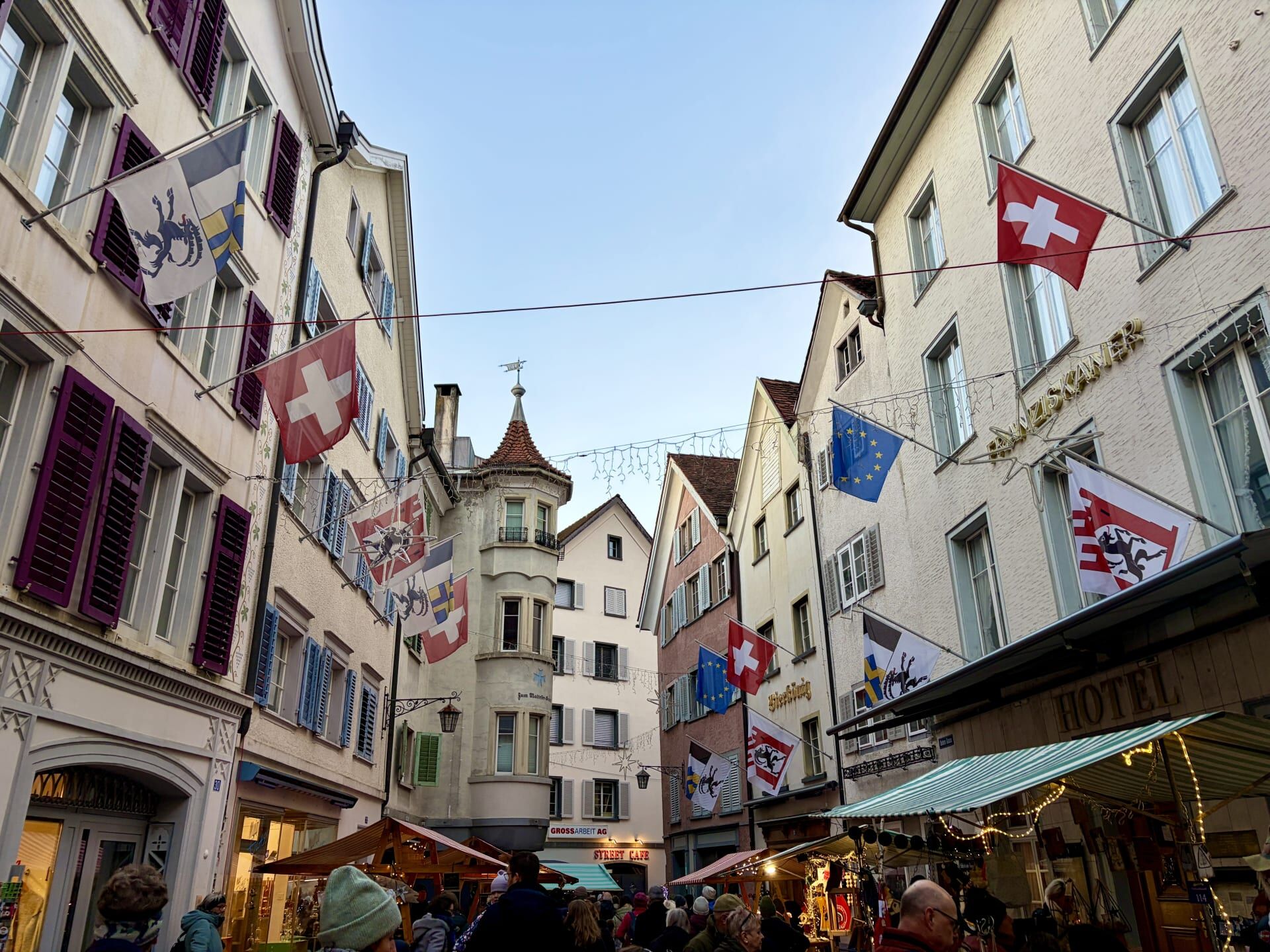
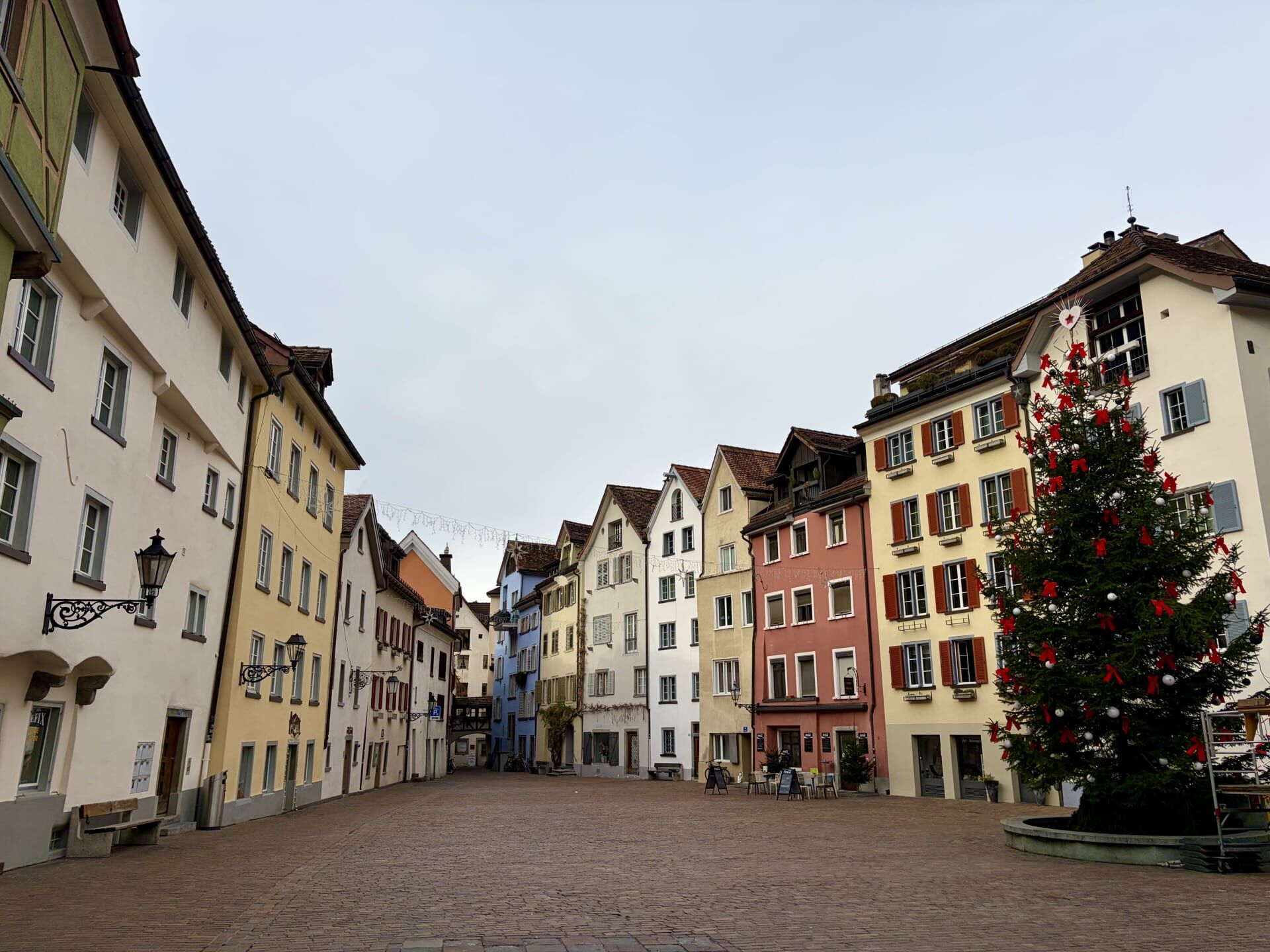
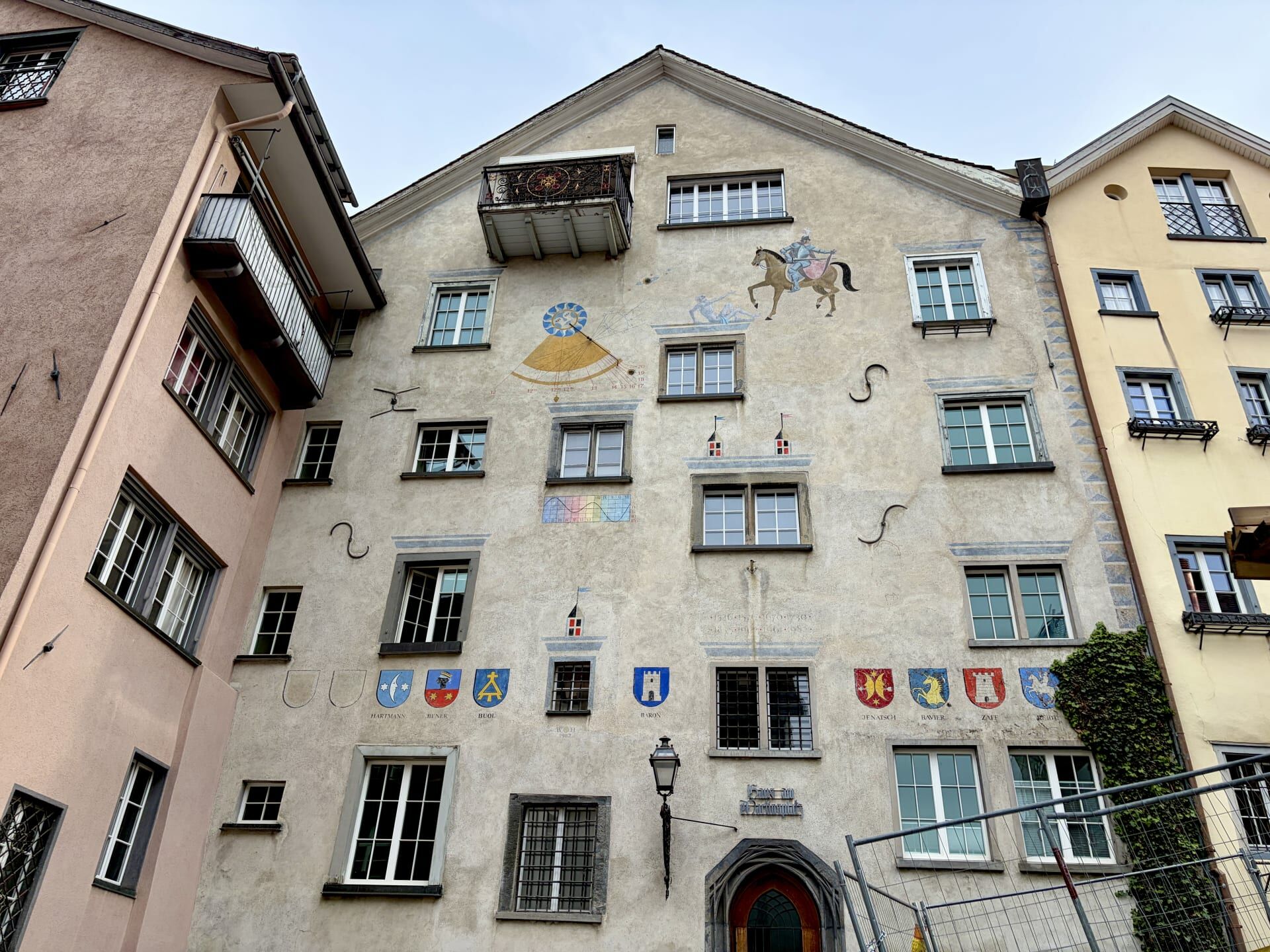
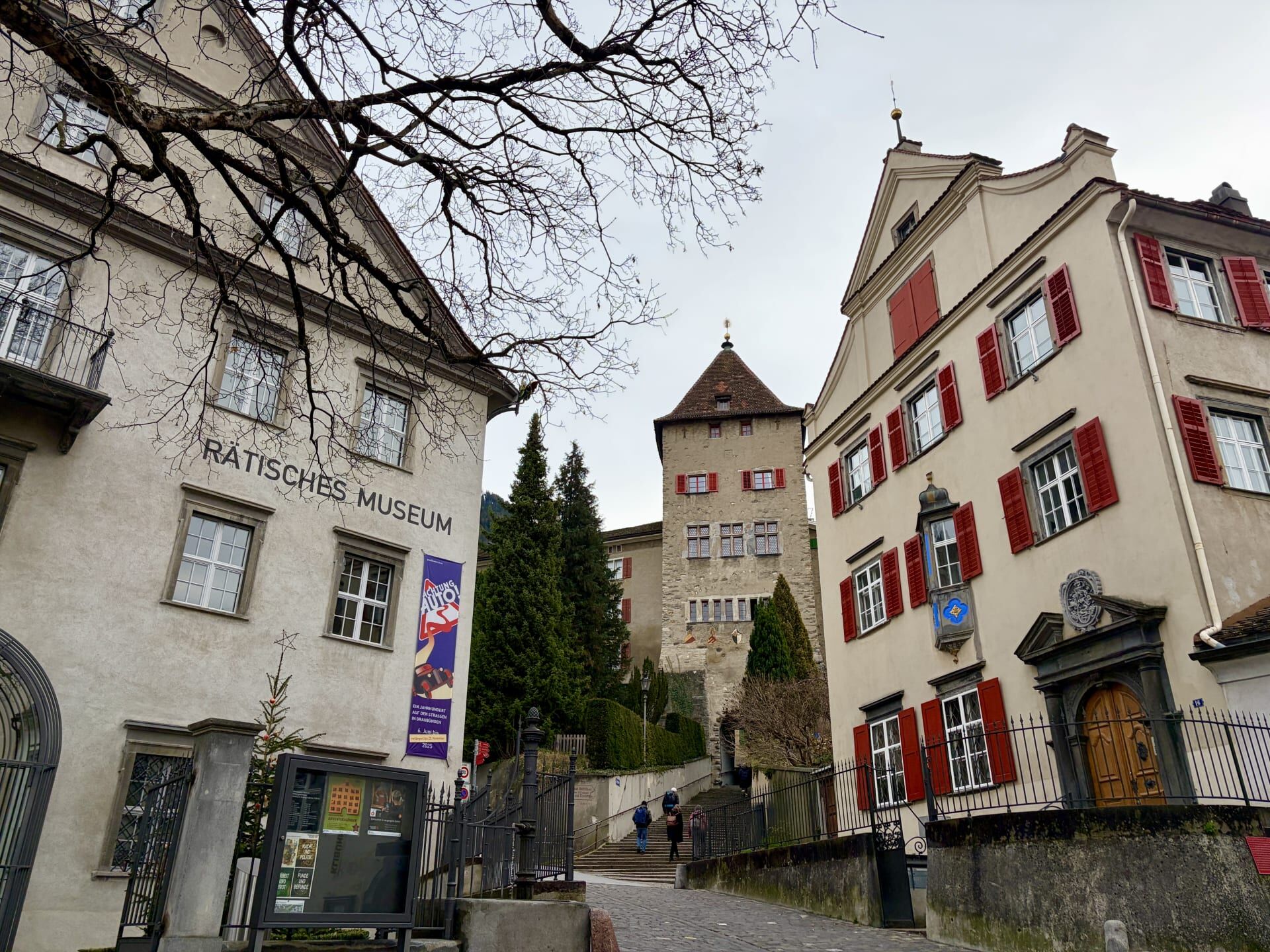
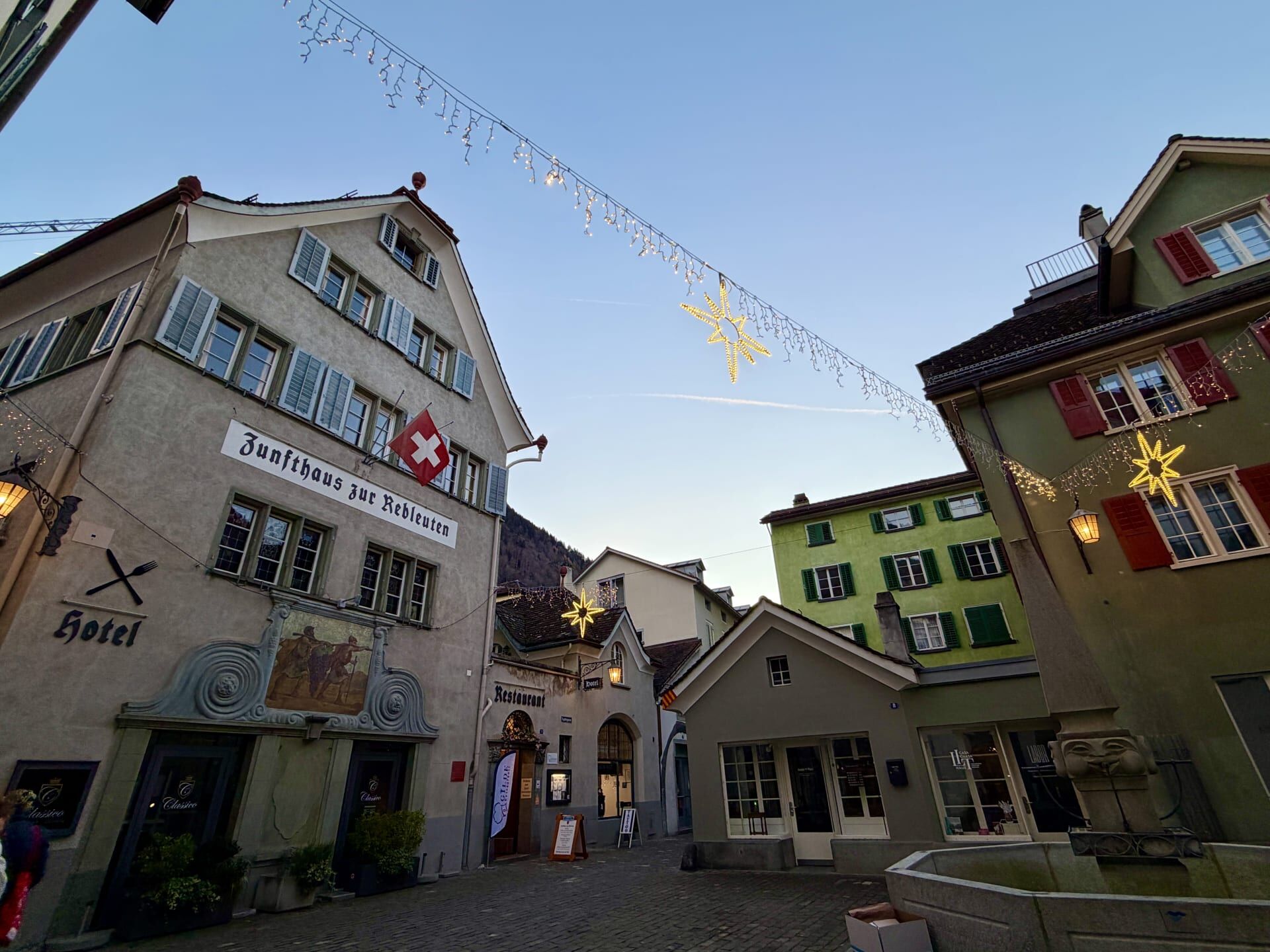
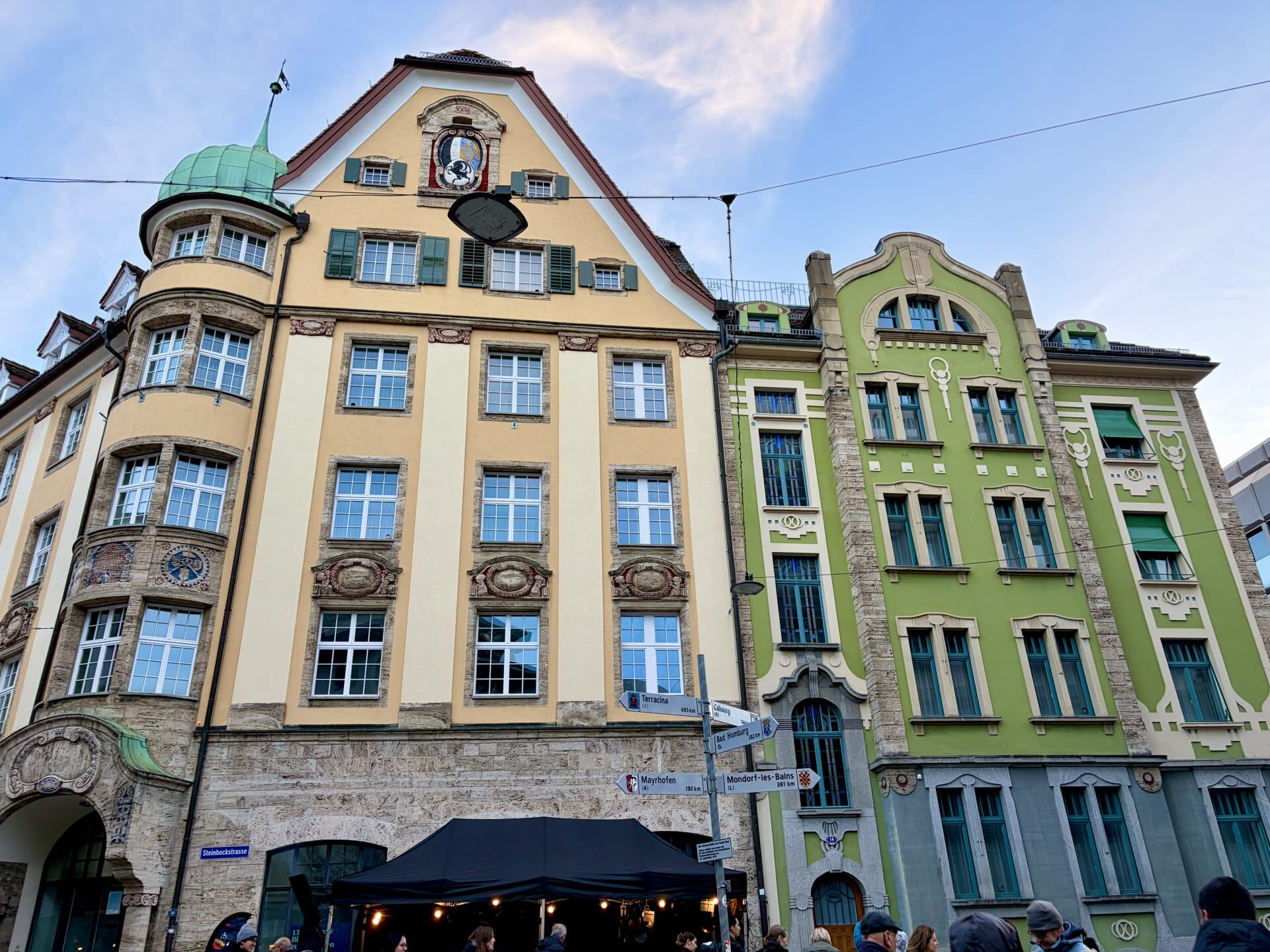
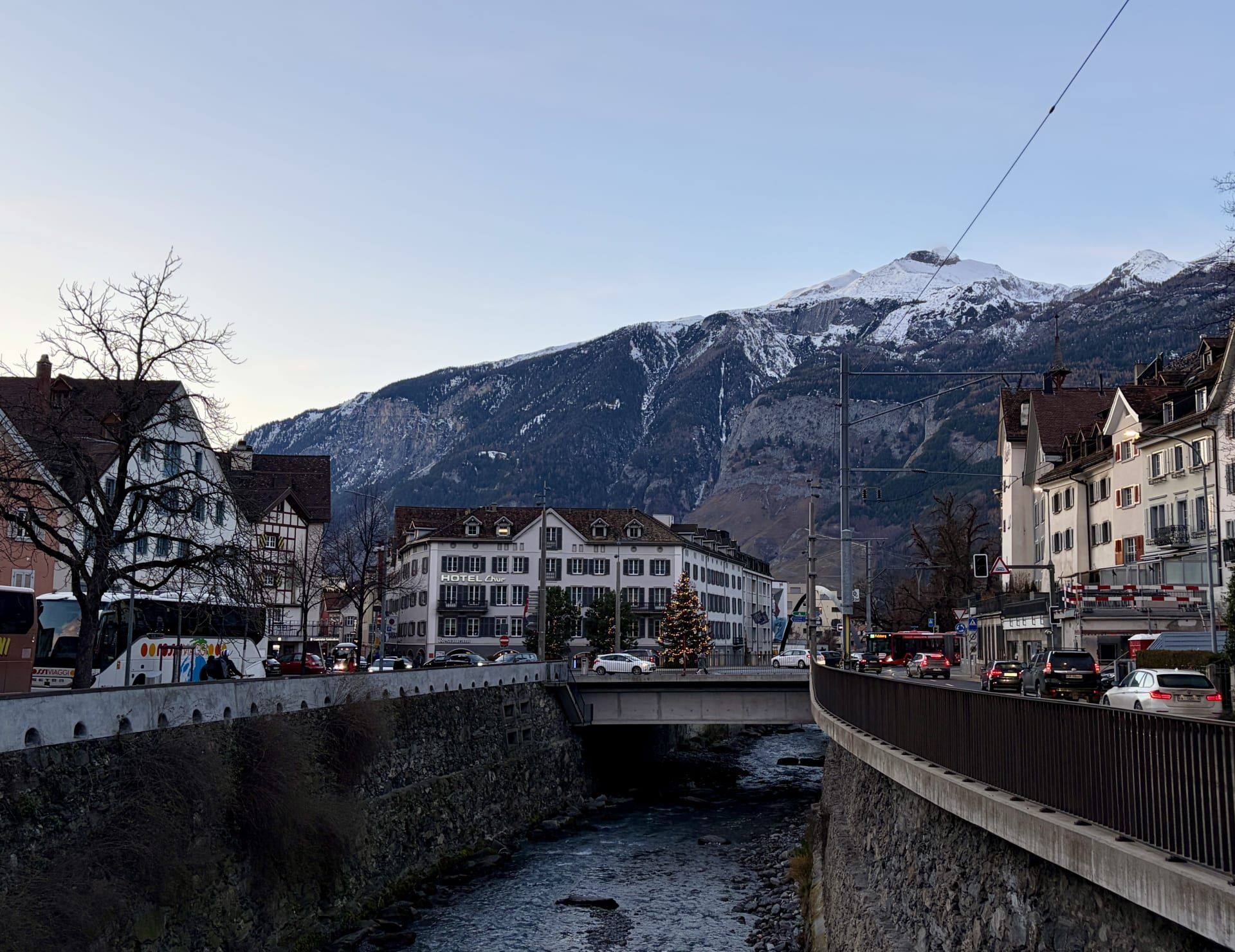
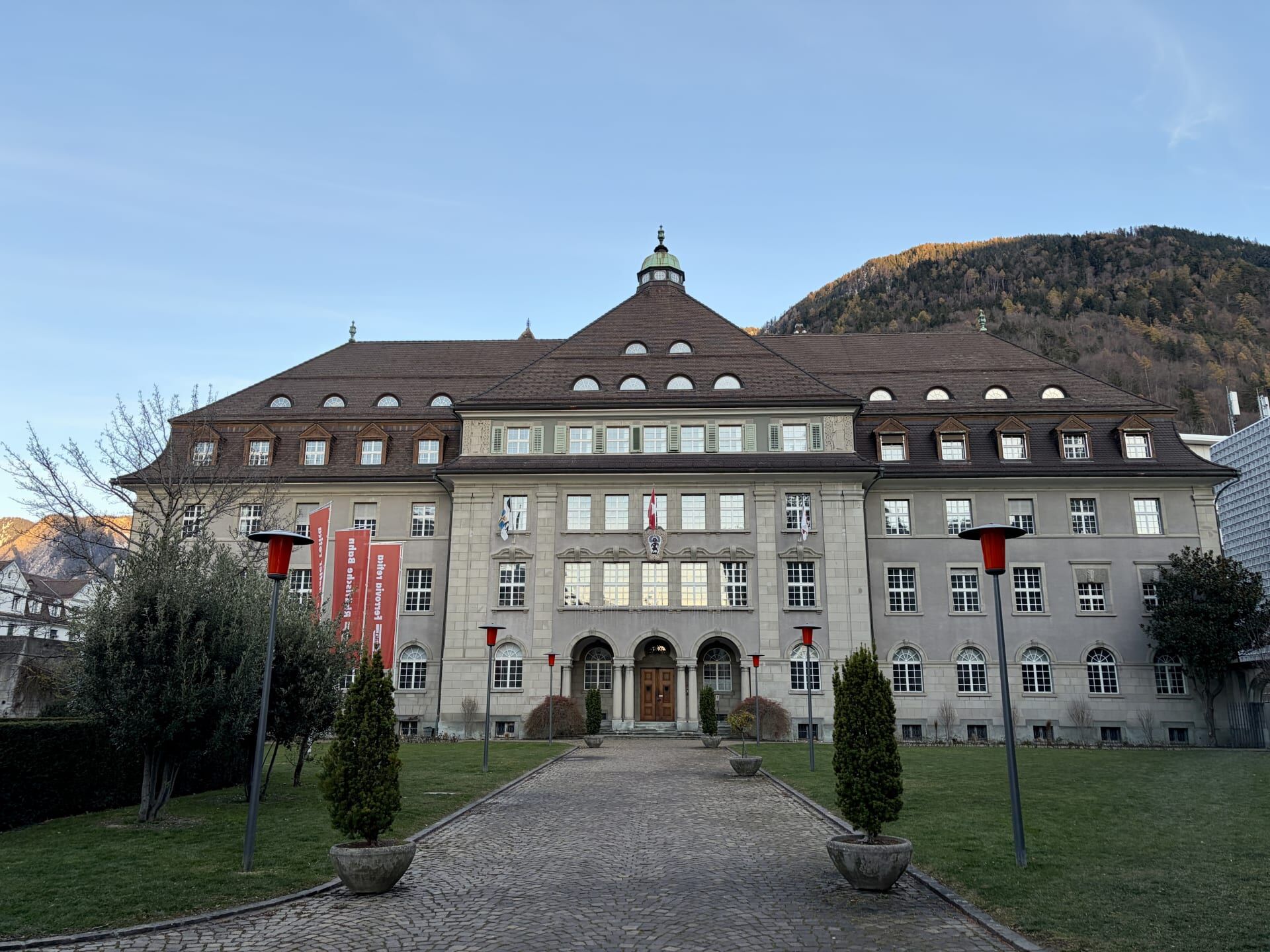
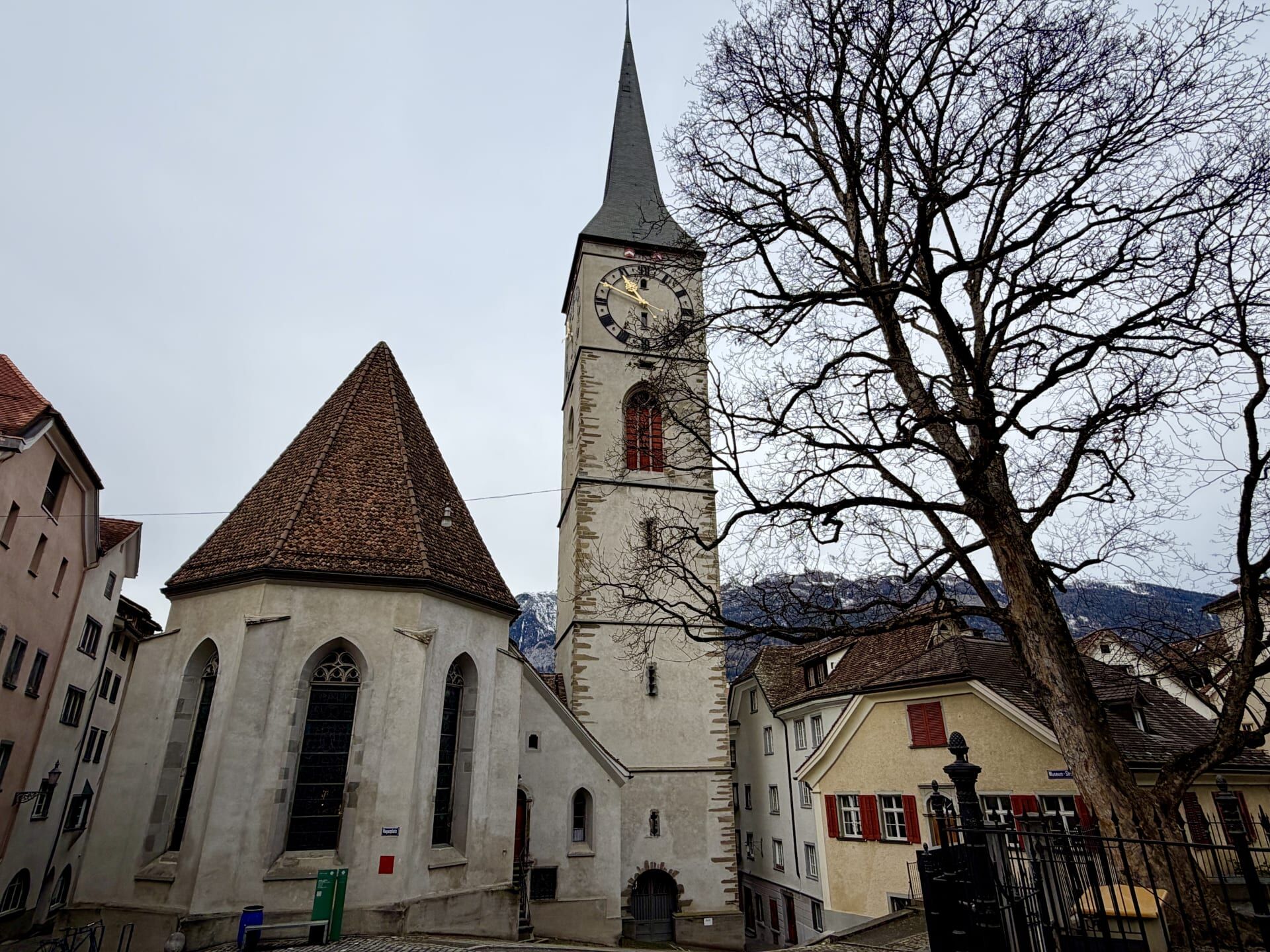
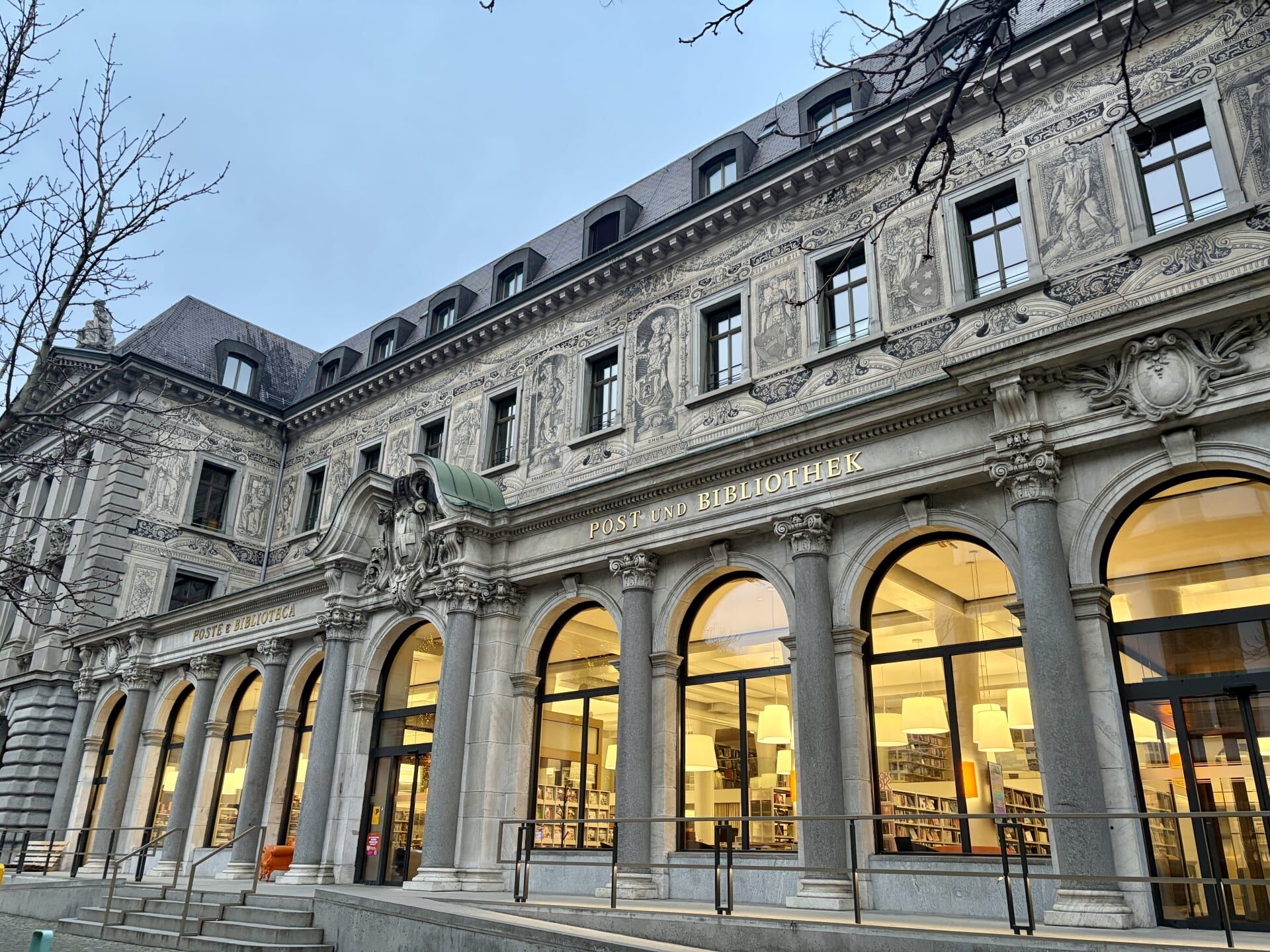
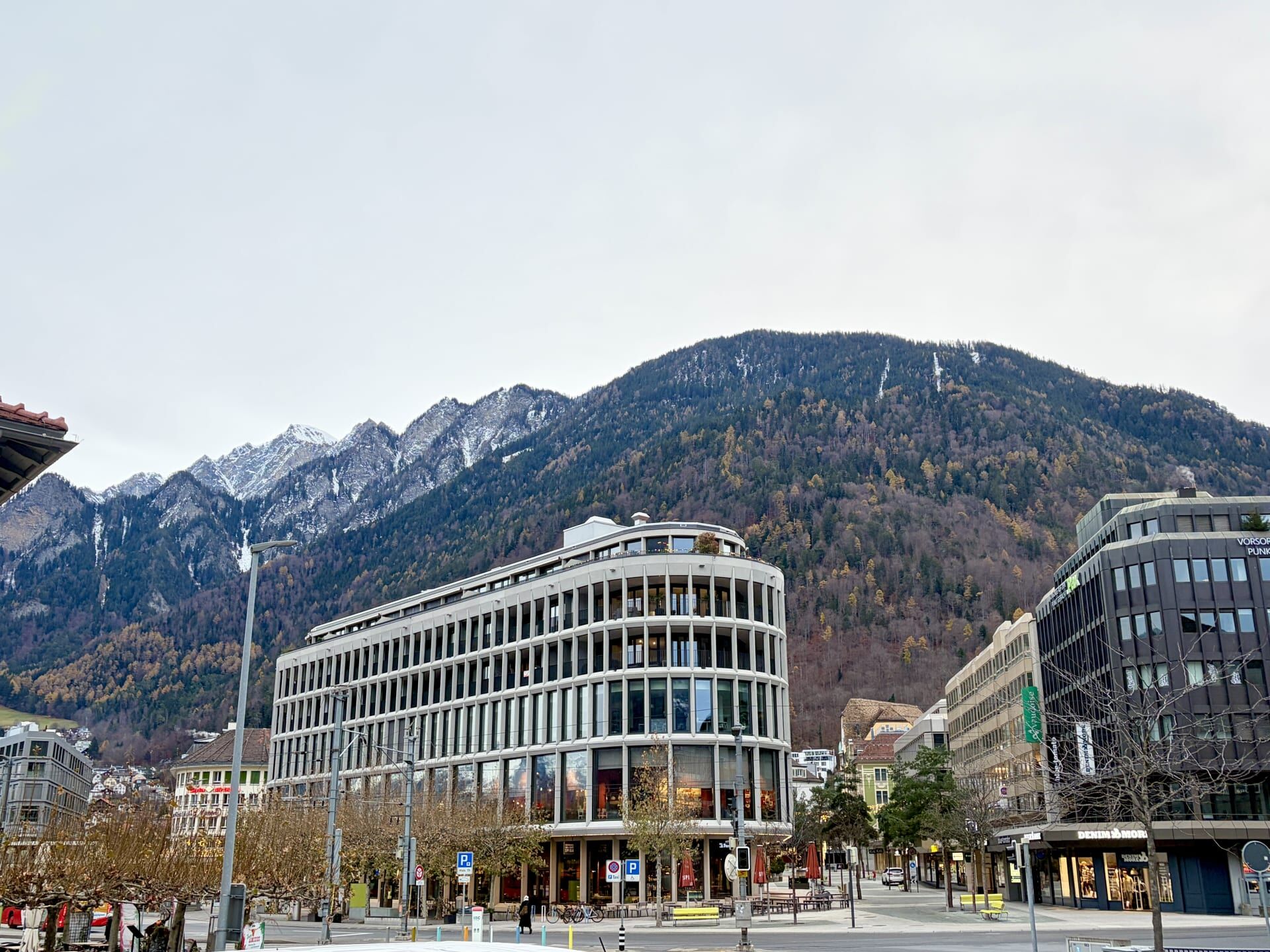
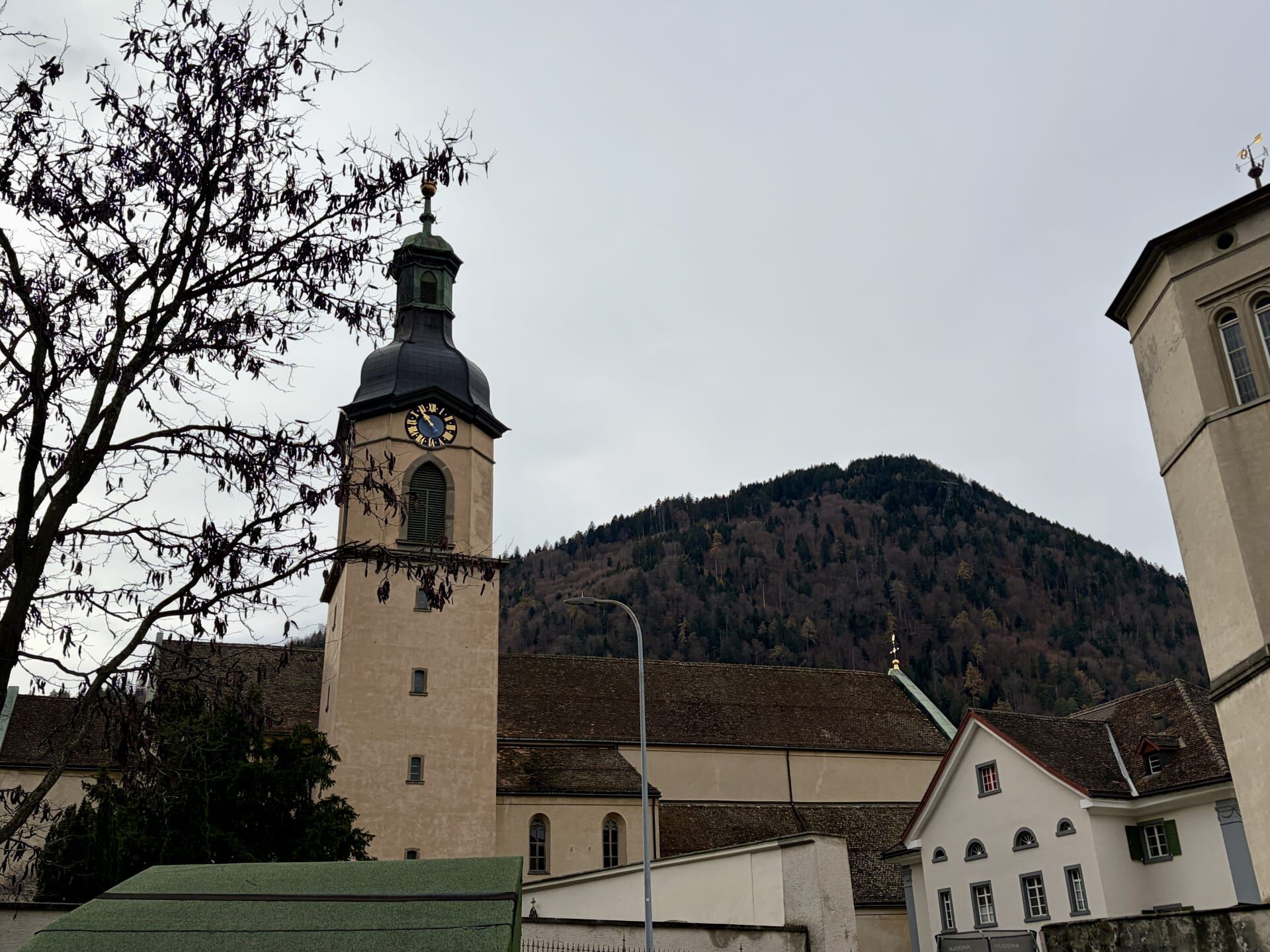
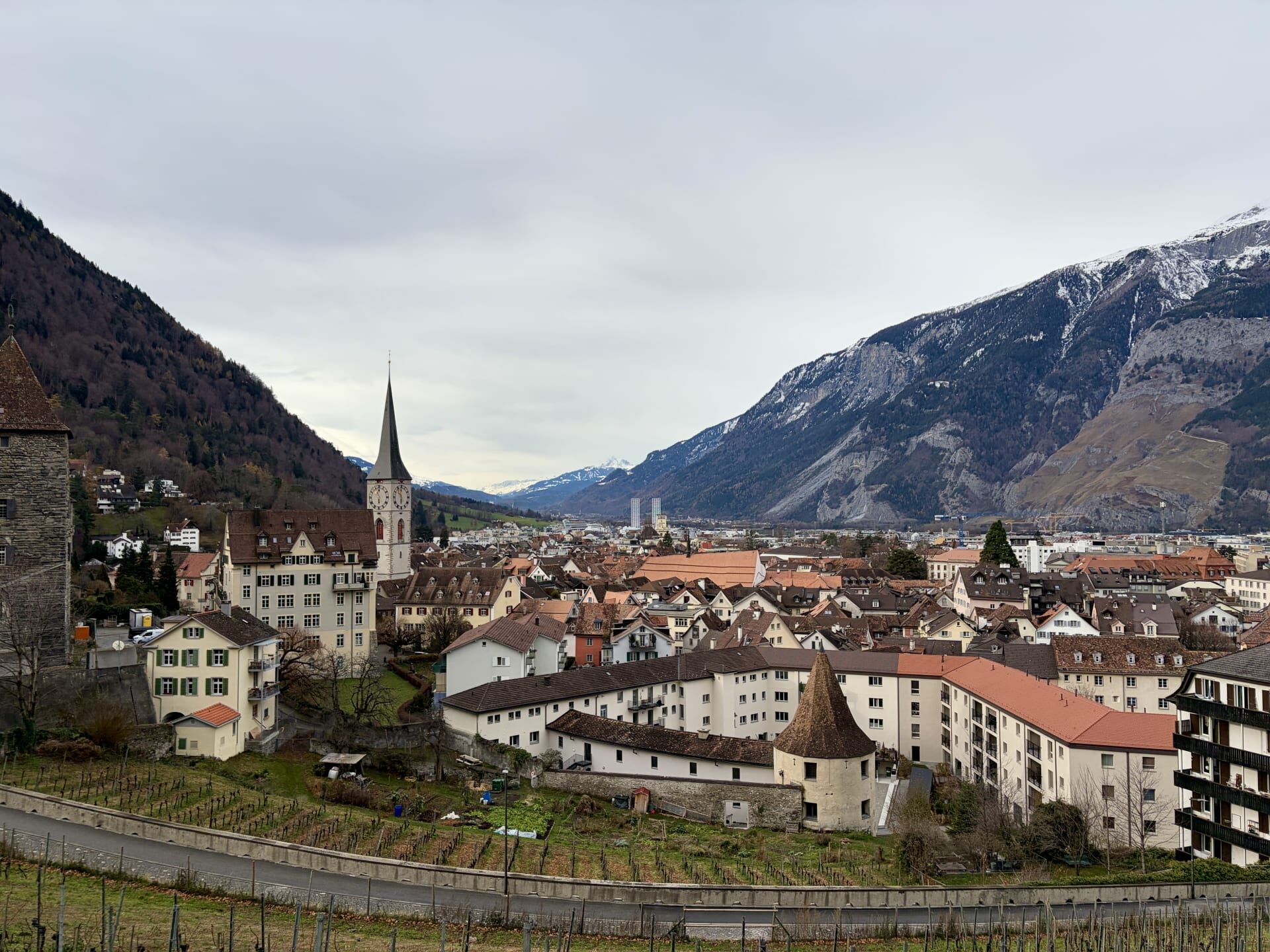
Chur is the oldest town in Switzerland and the capital of the Graubünden canton. Evidence of permanent settlements in Chur dates back to the Bronze Age (3300–1200 BC), over 5,000 years ago. I enjoyed exploring the medieval Old Town and would rank Chur among my favourite places I have visited in Switzerland.
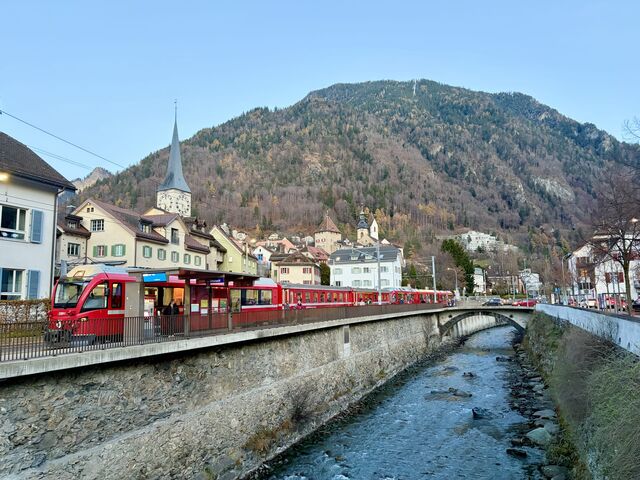
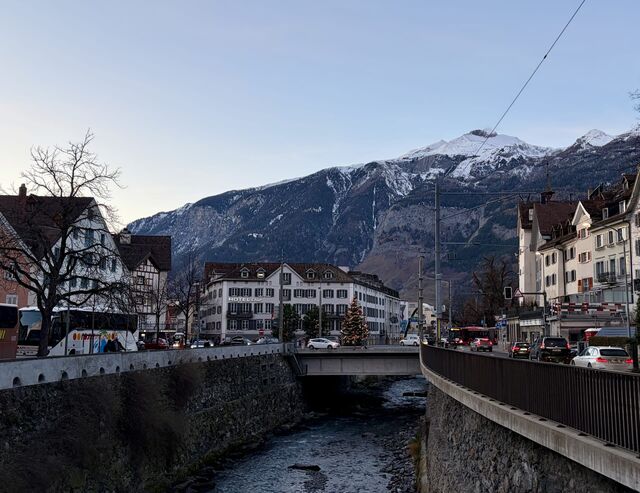
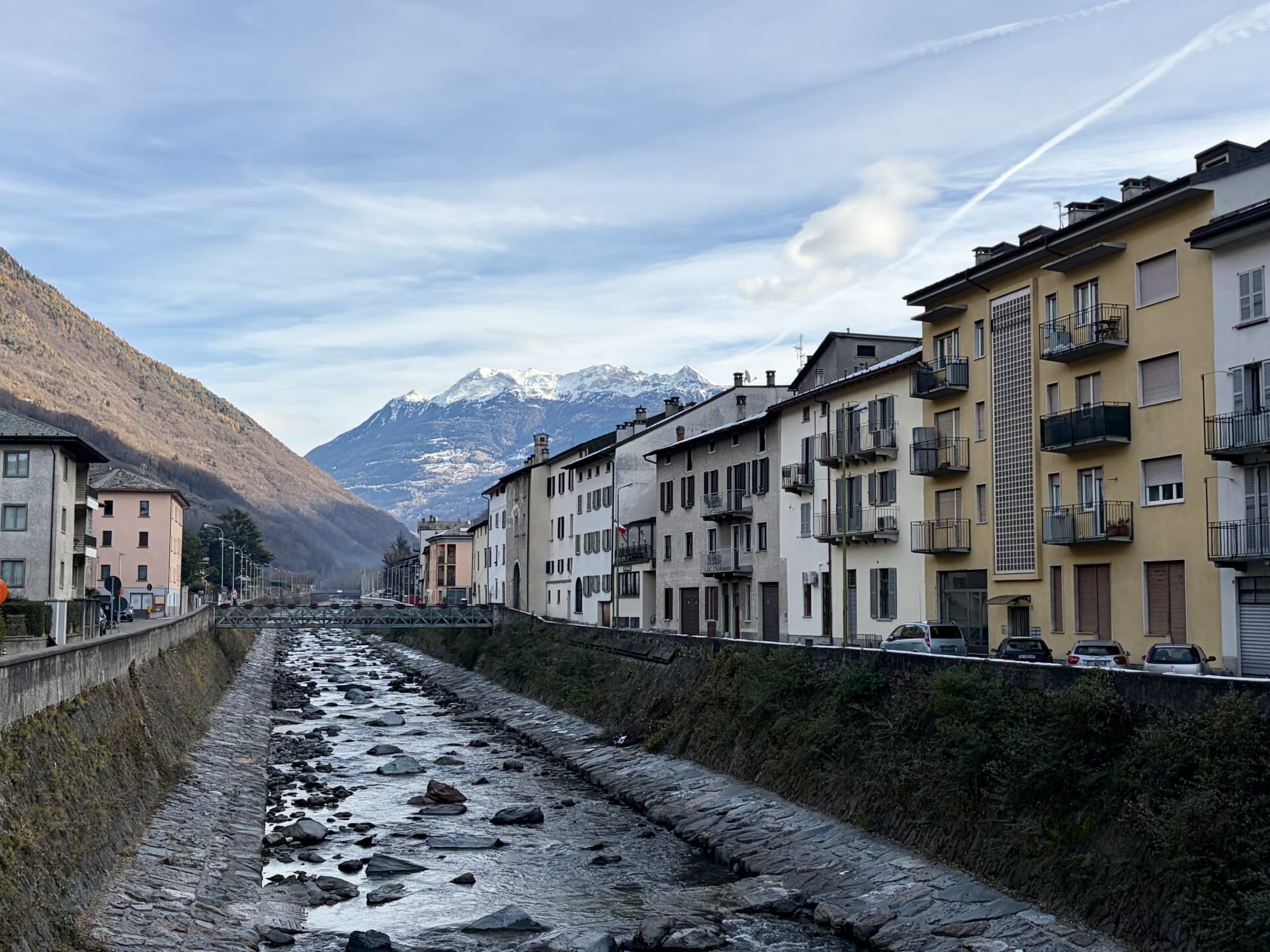
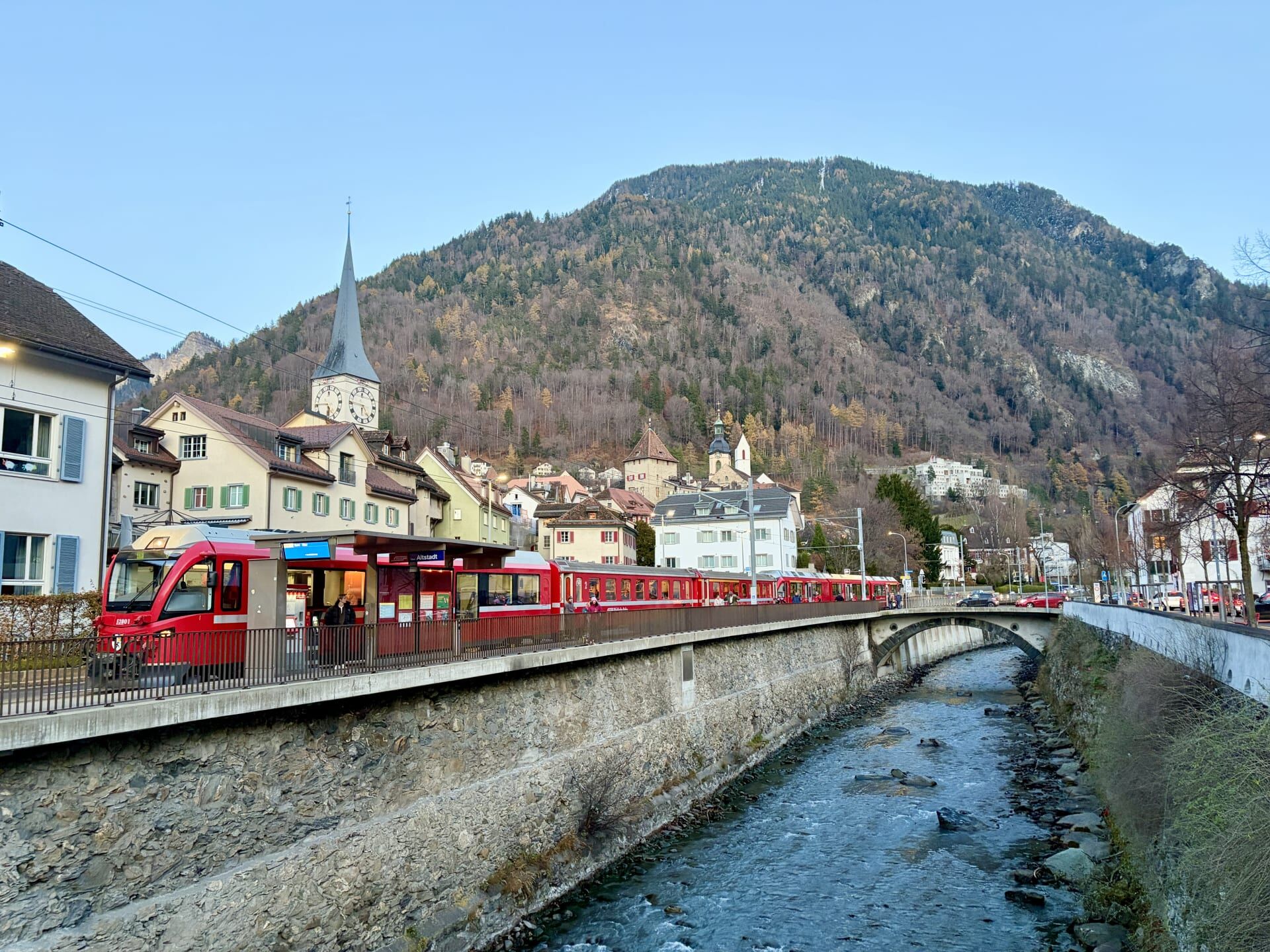
Pictured below is Chur’s Altstadt Station, a street halt on the Chur–Arosa Railway. The station sits alongside the Plessur River, which is a tributary of the Rhine.
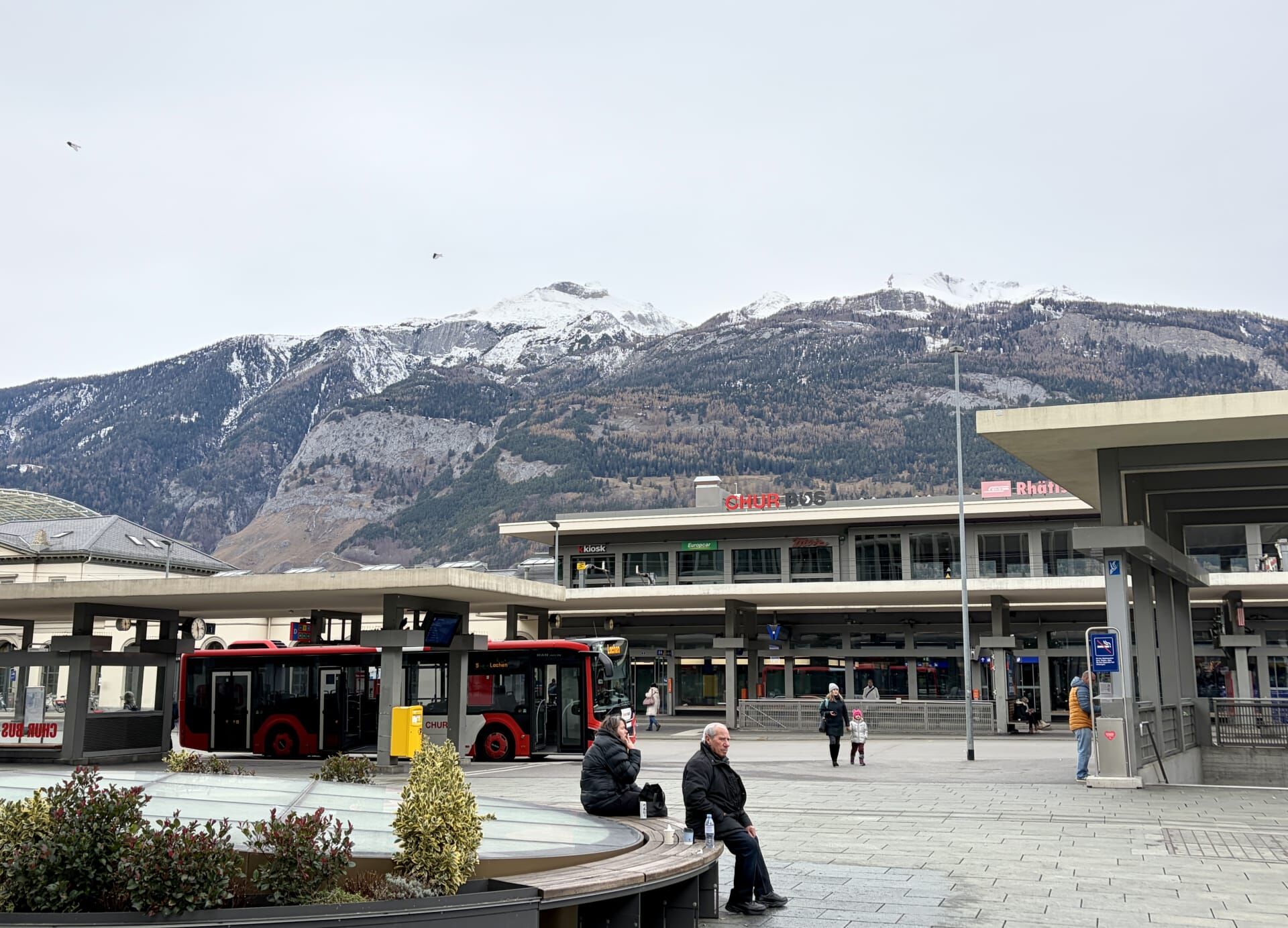
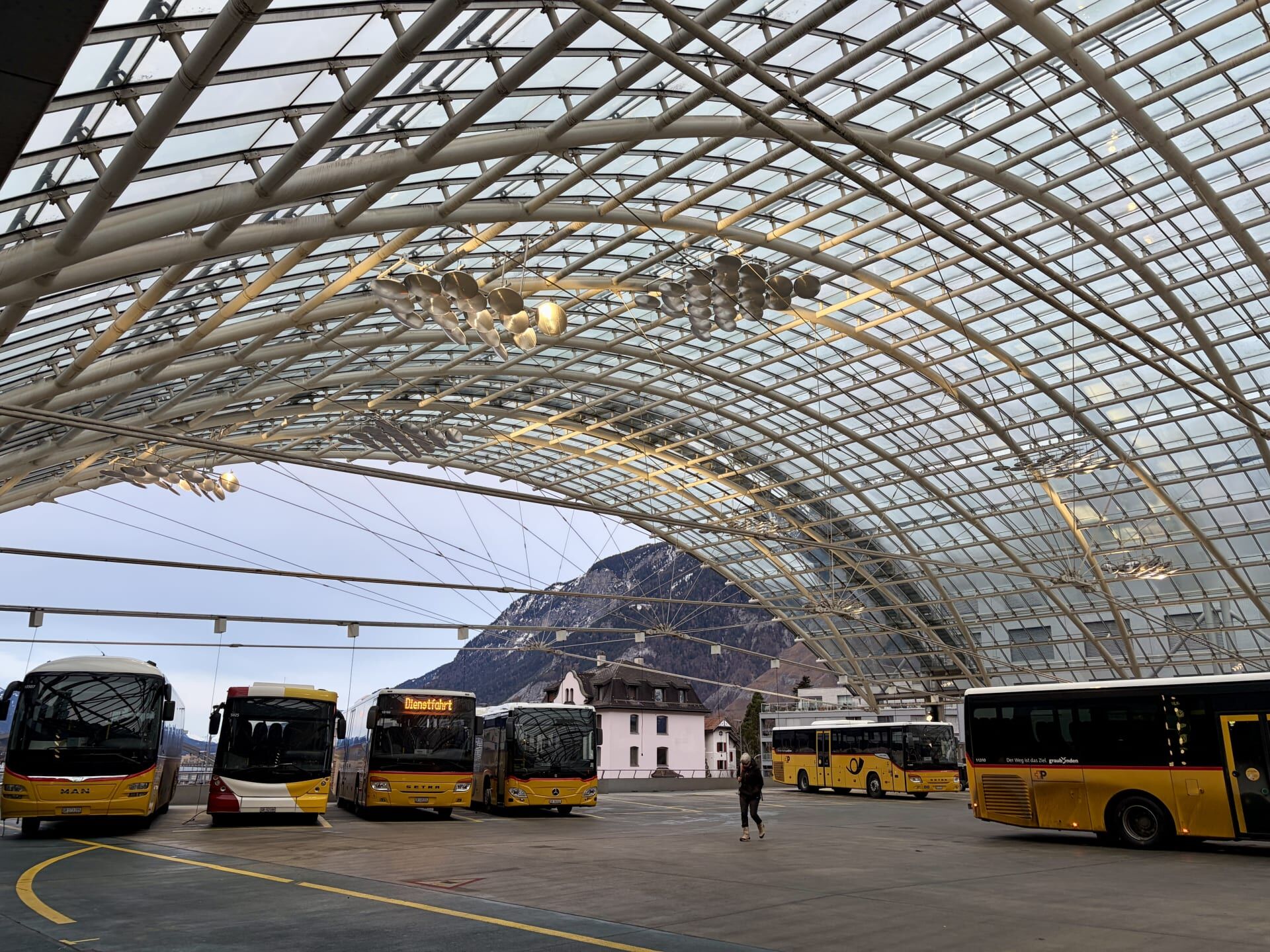
I also found time to have a quick look at Chur’s bus station which was highly recommended by my guidebook for its glass and steel roof which has won engineering awards for outstanding visual design.40
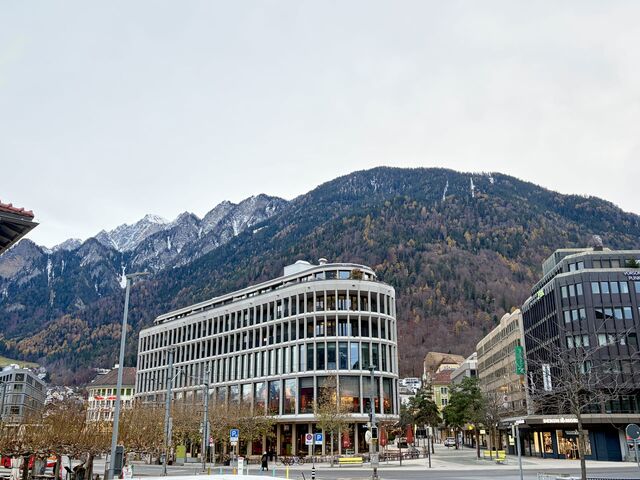
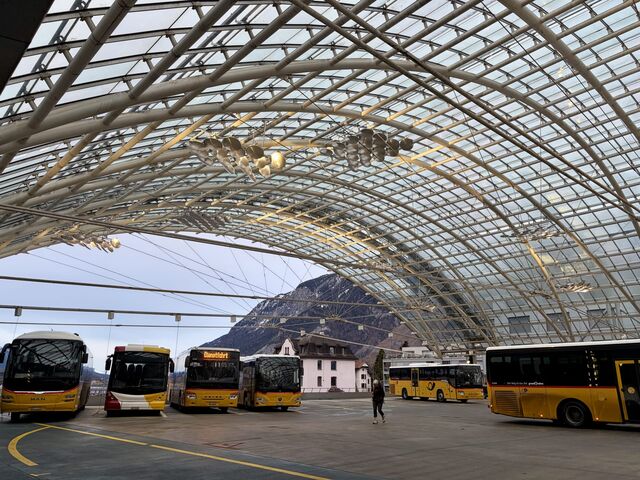
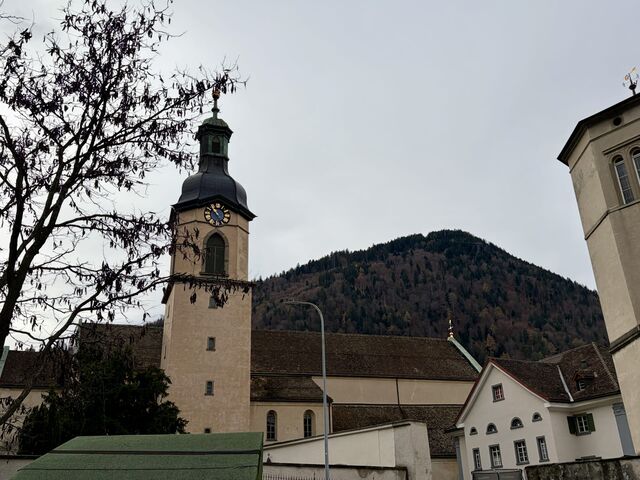
The following morning, I enjoyed a short walk up to the Haldenhüttli (a small wooden pavilion/observation deck), from where there were great views over the town.
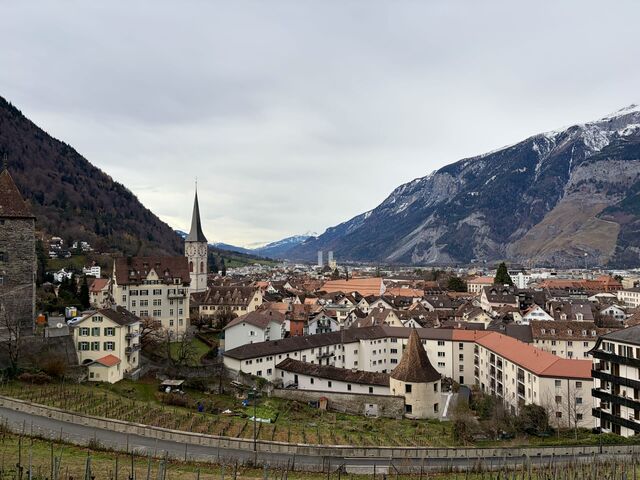
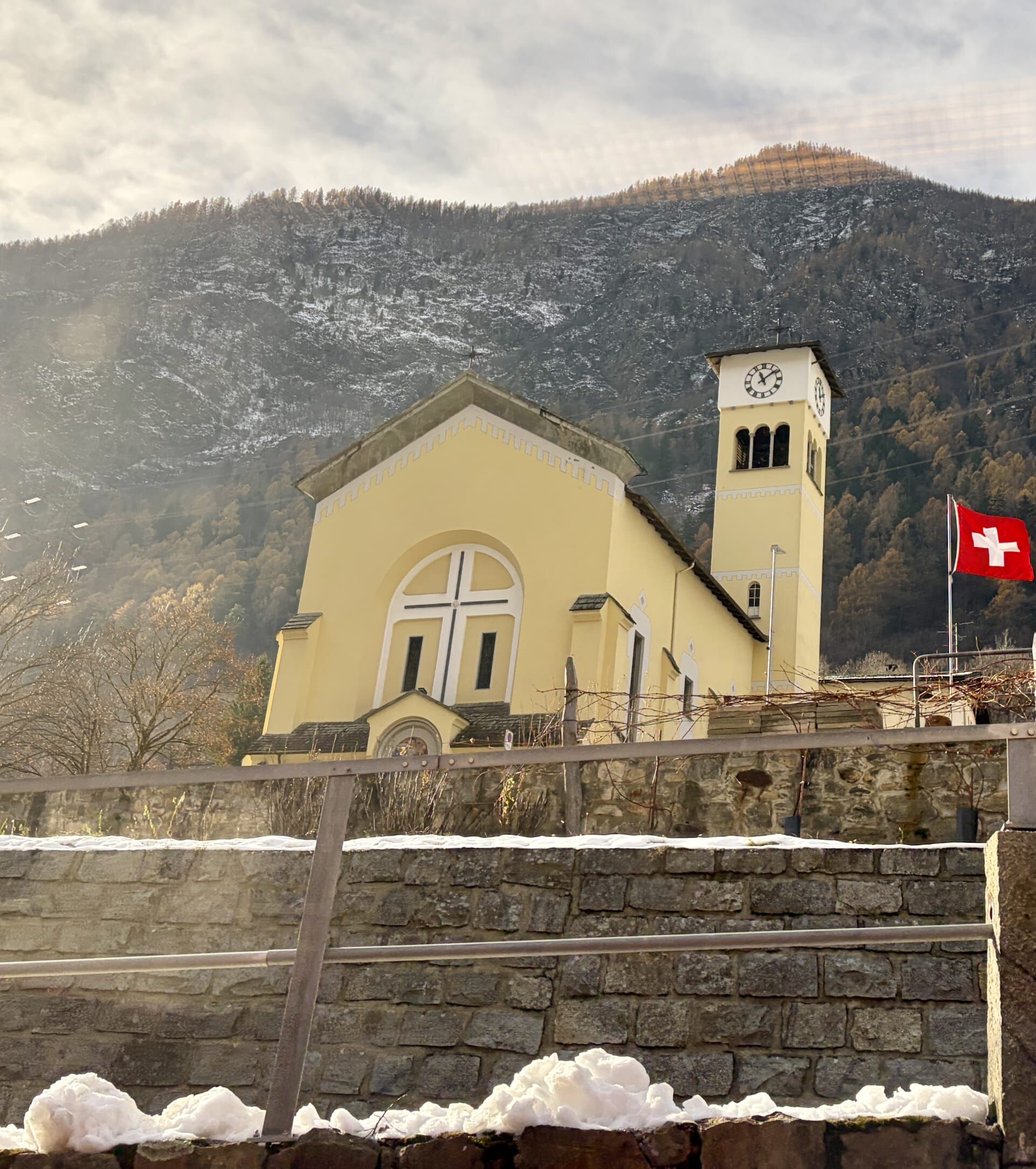
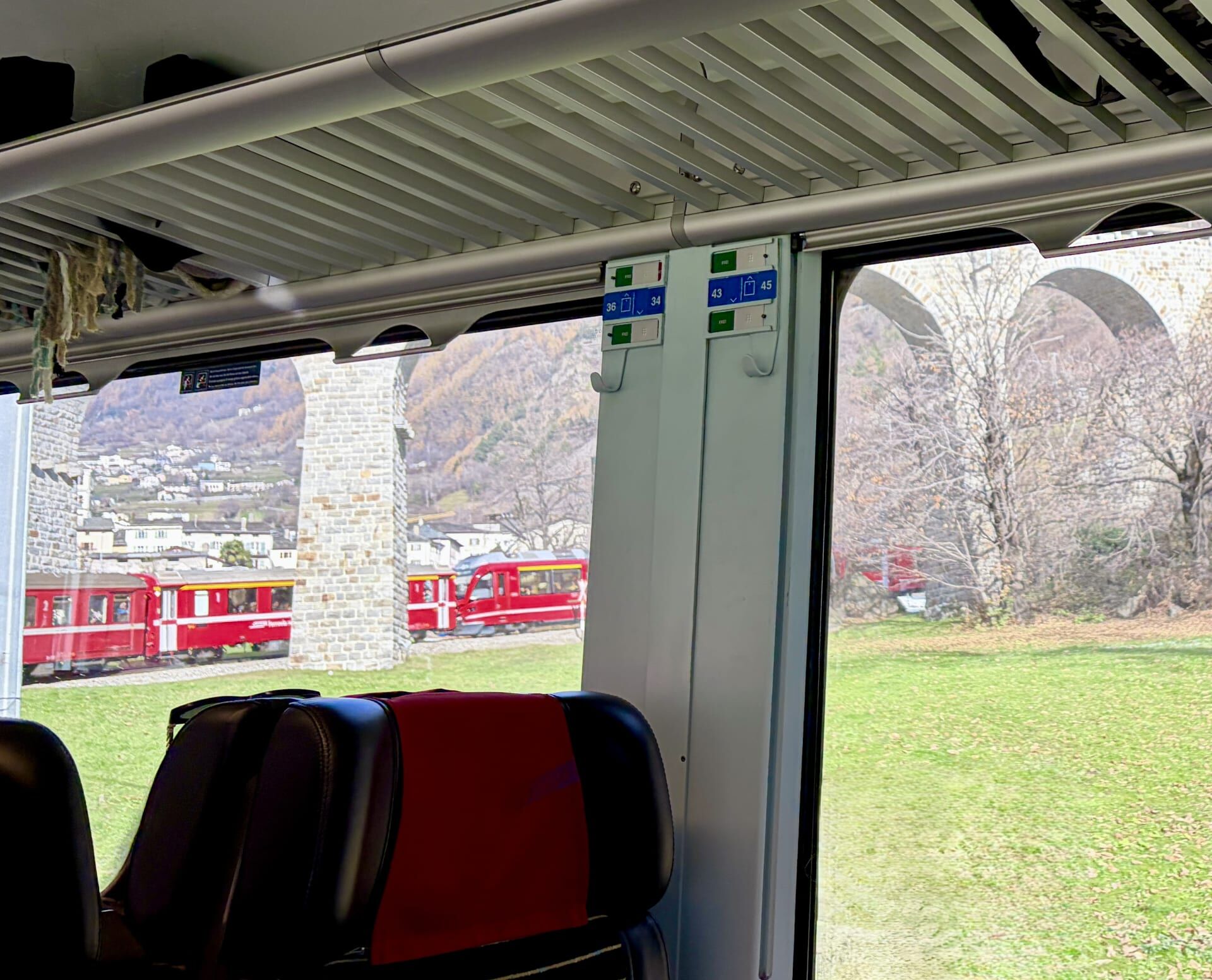
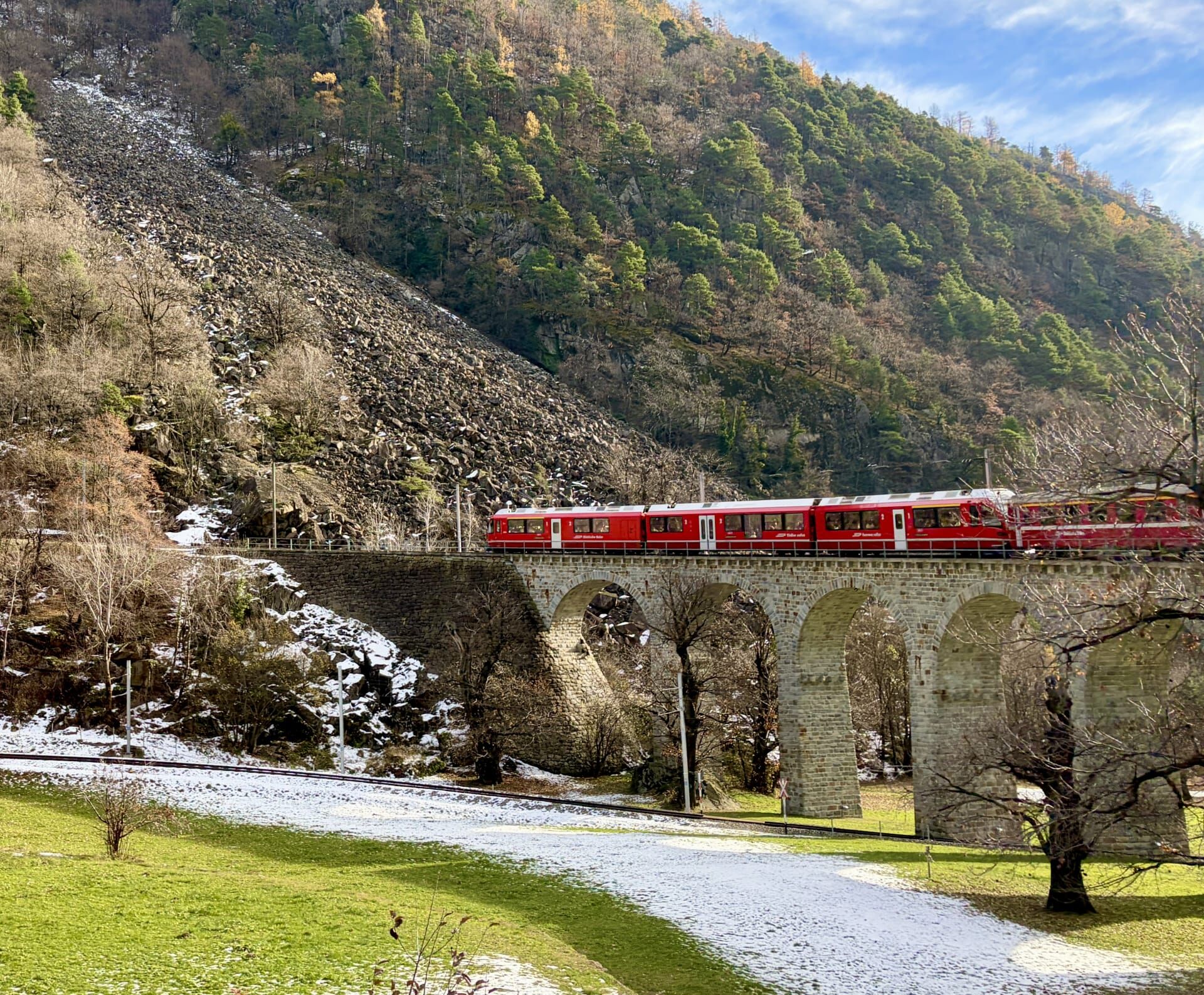
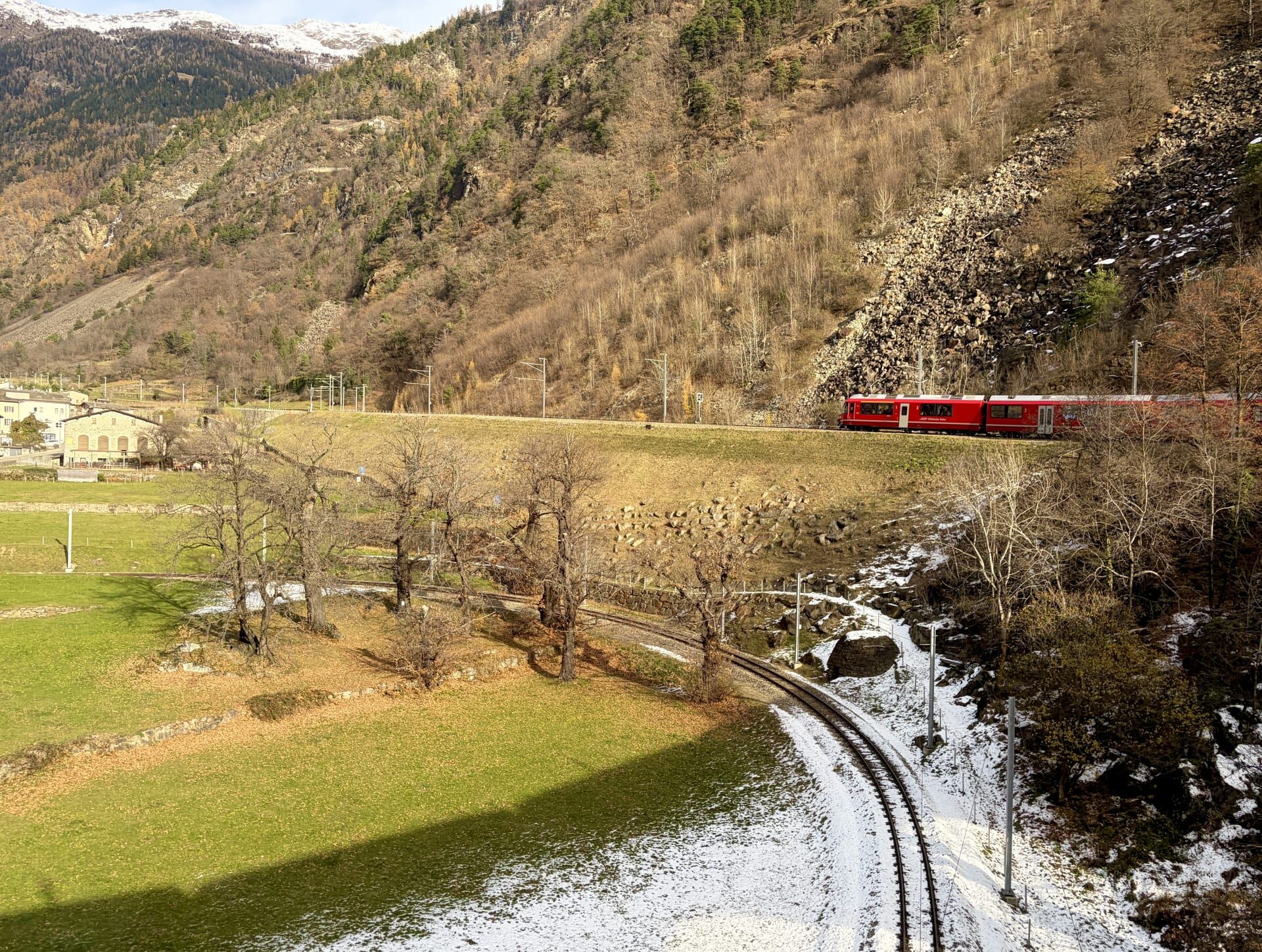
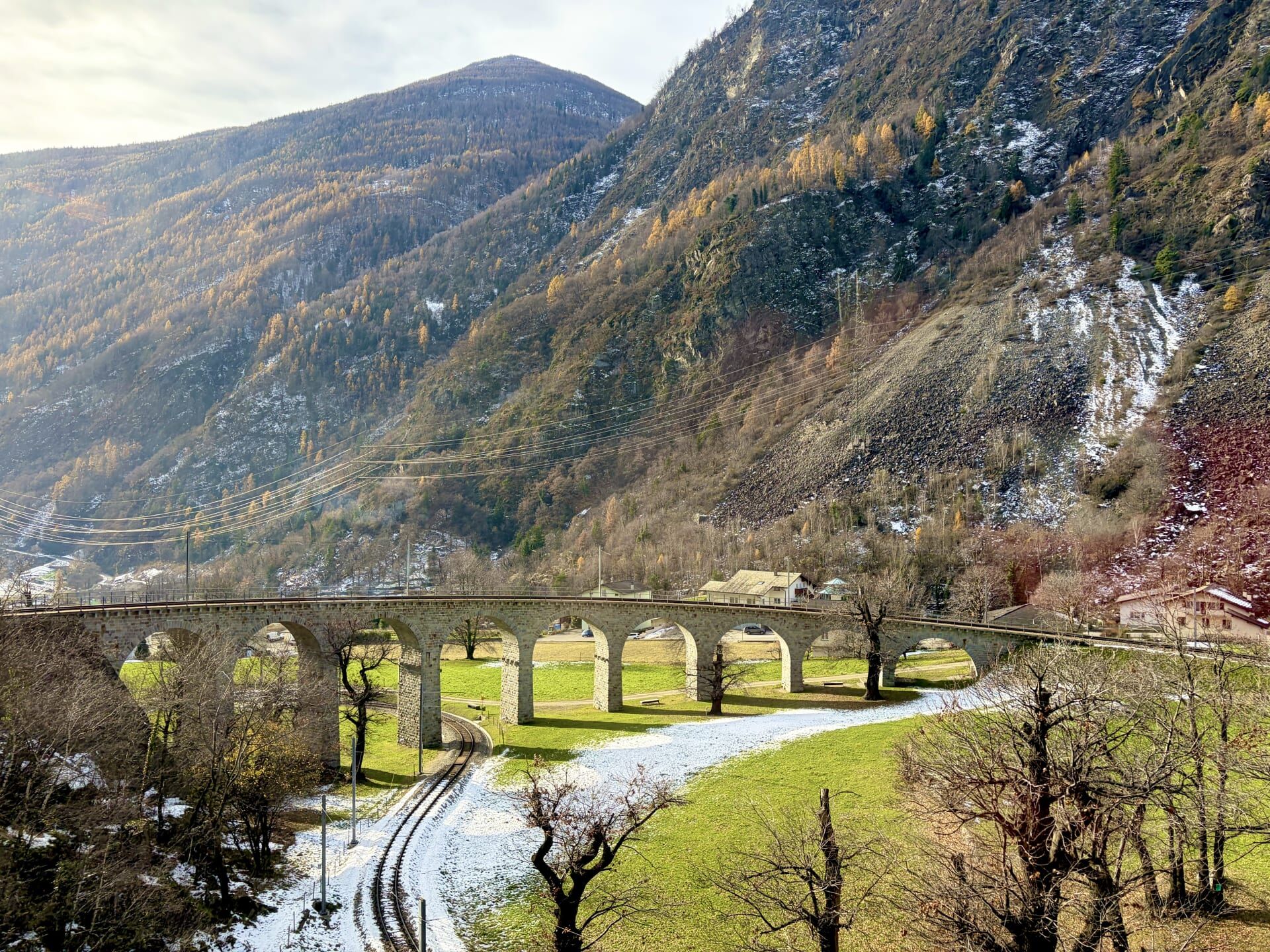
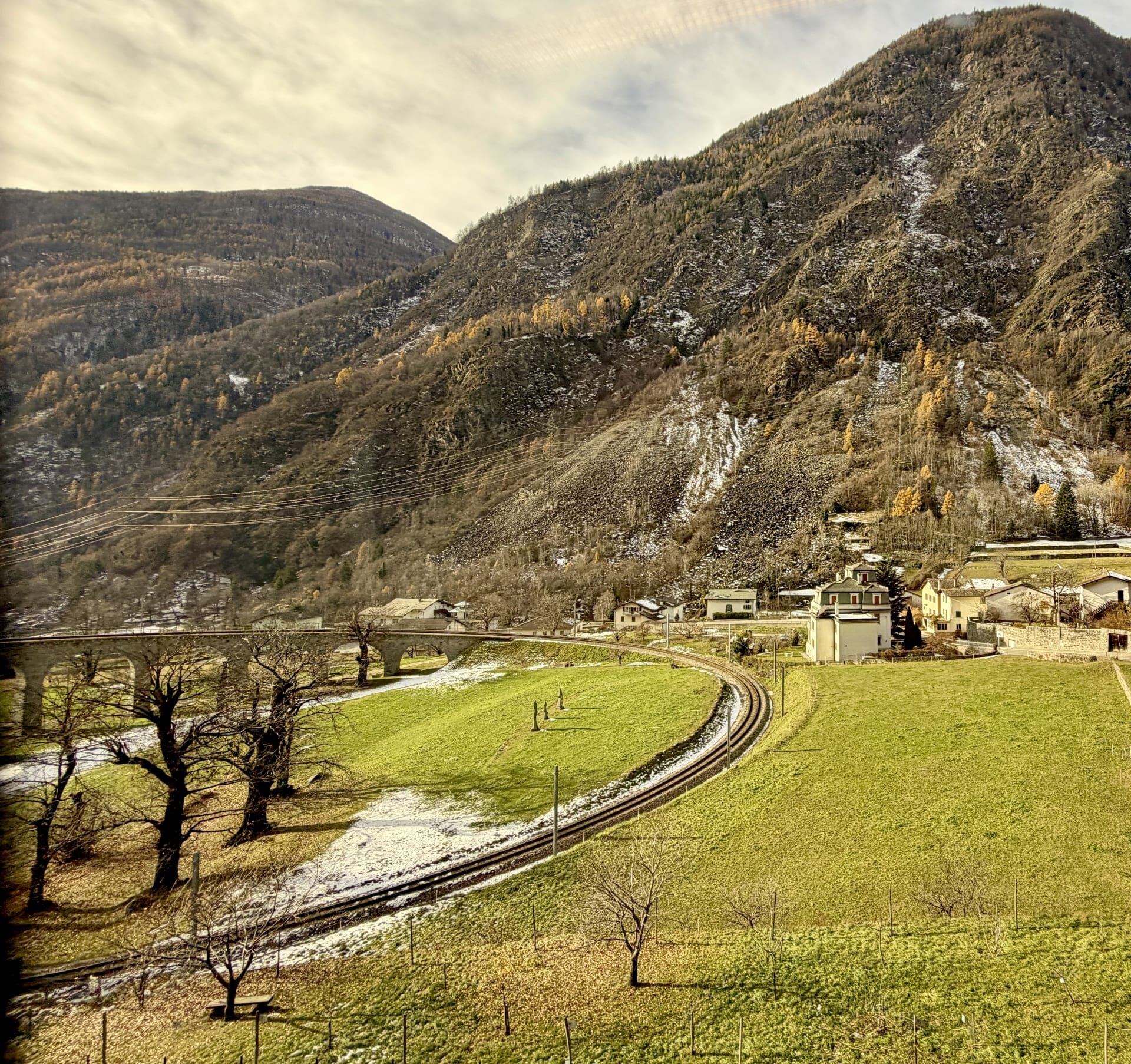
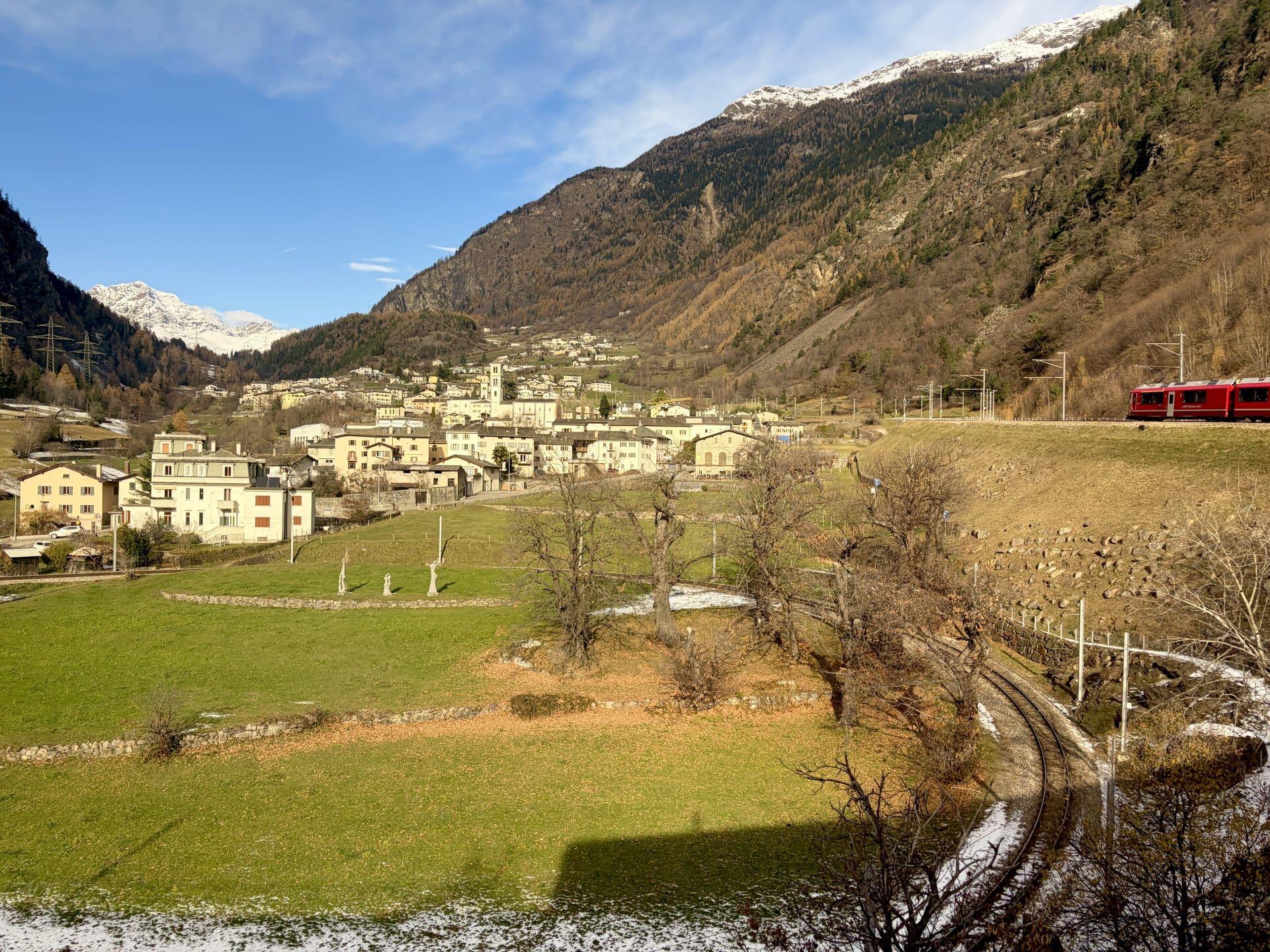
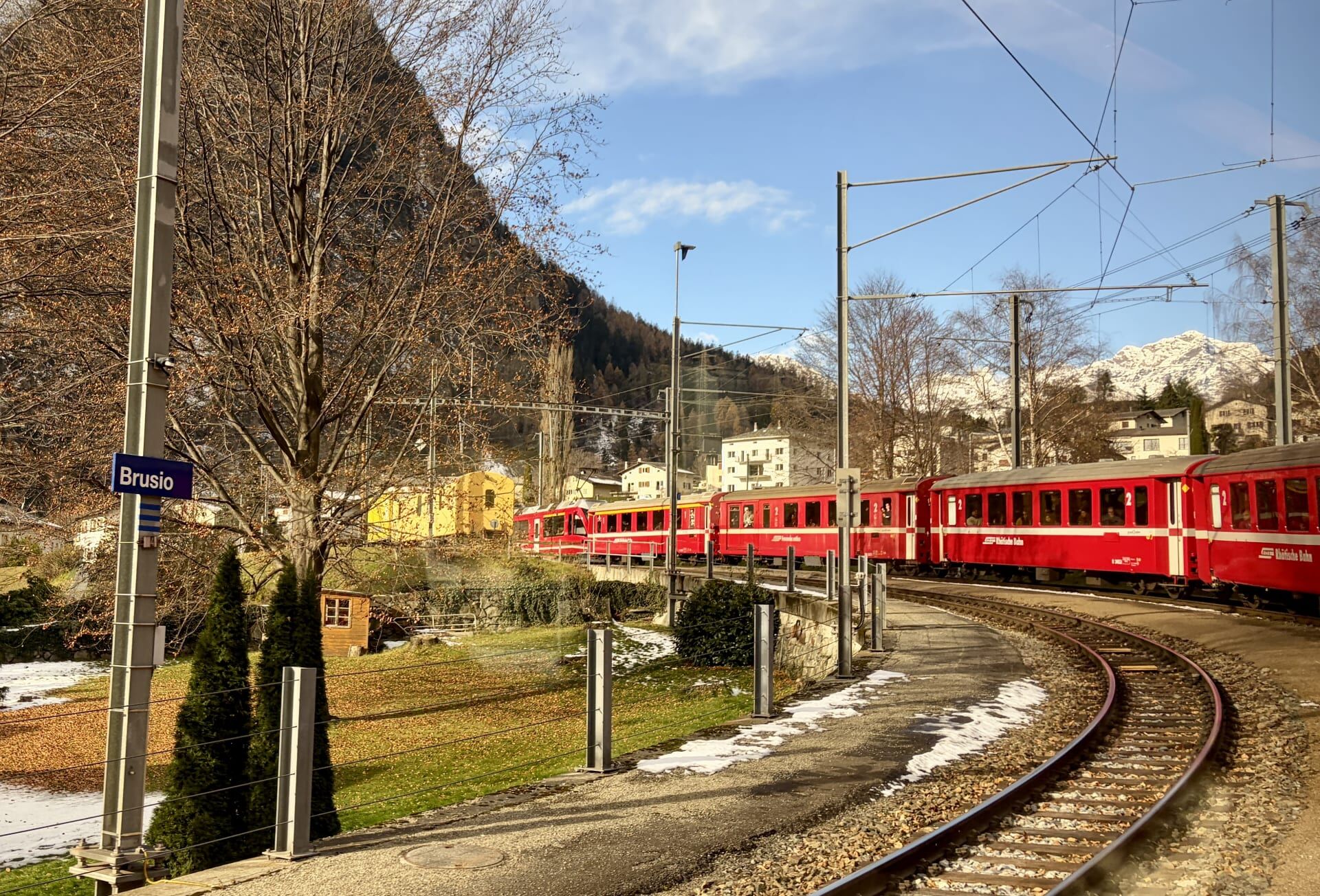
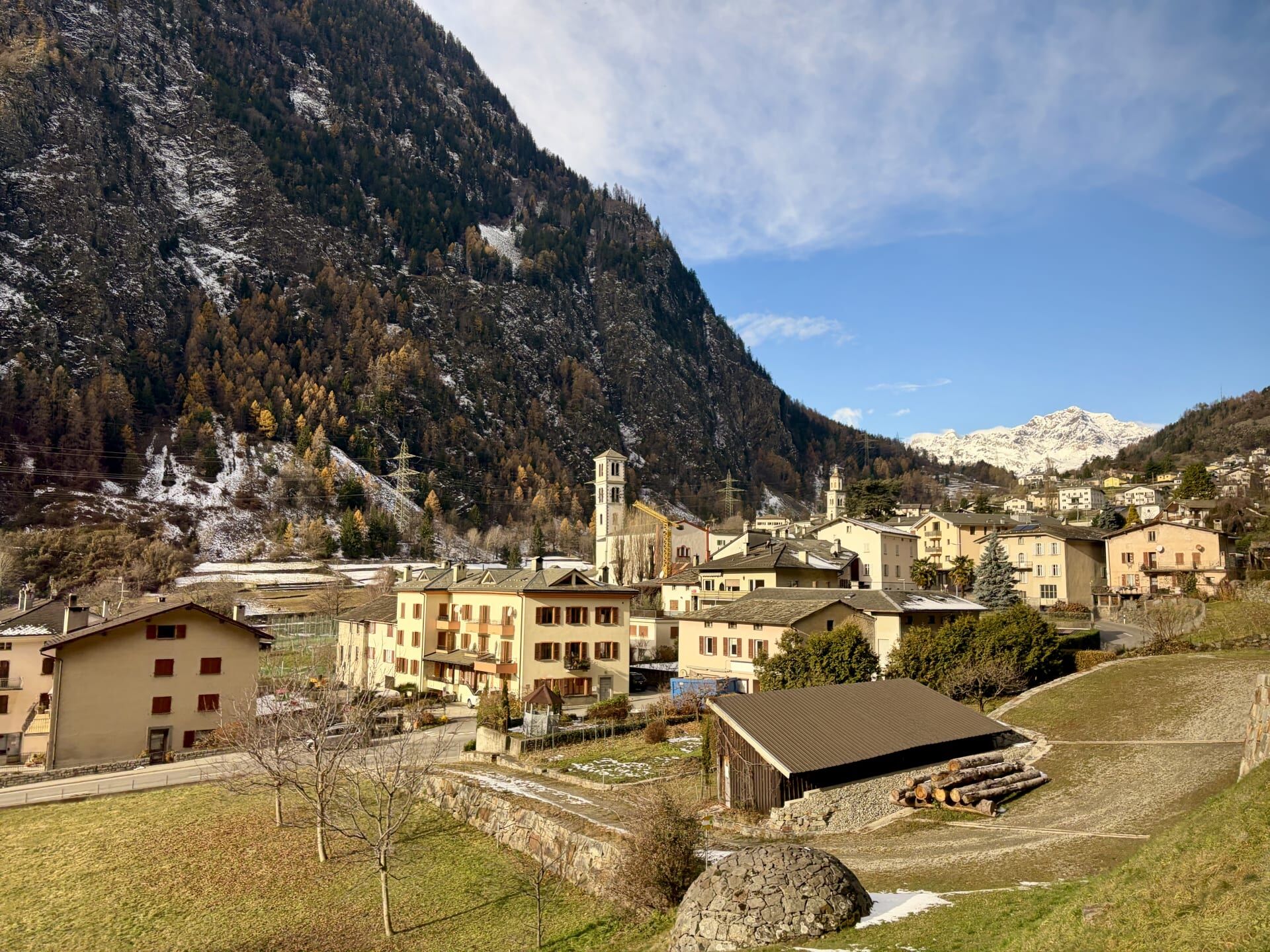
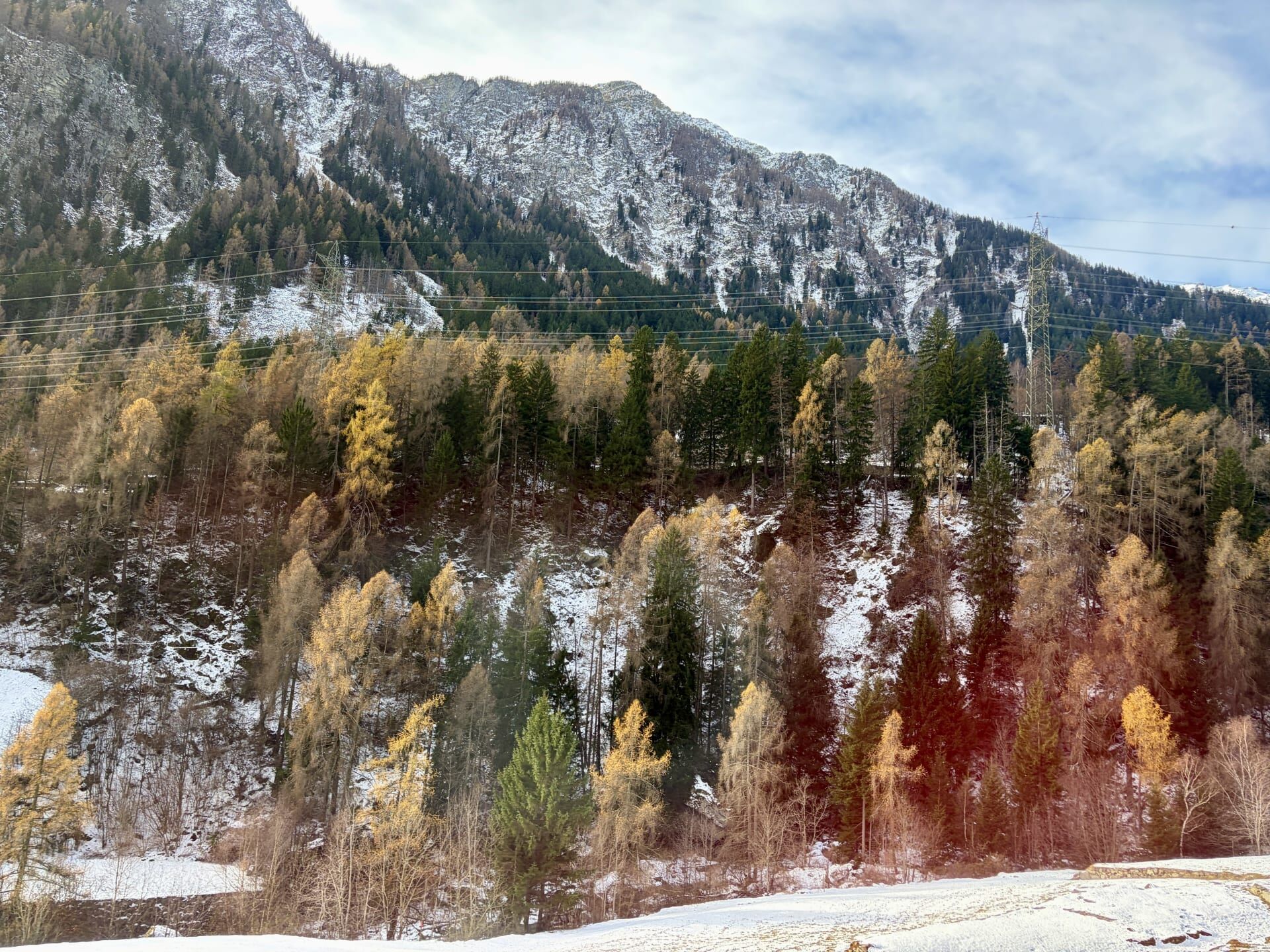
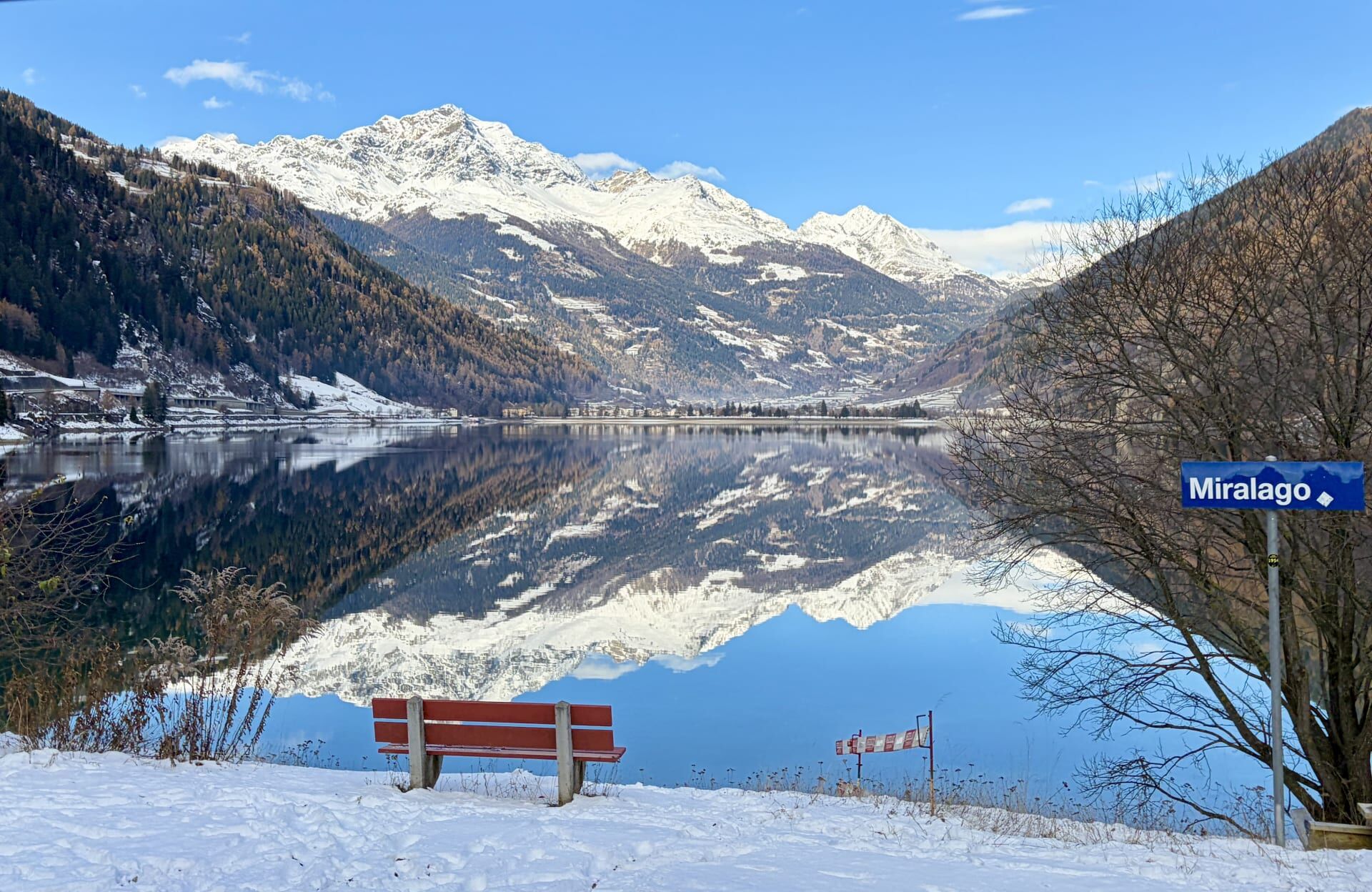
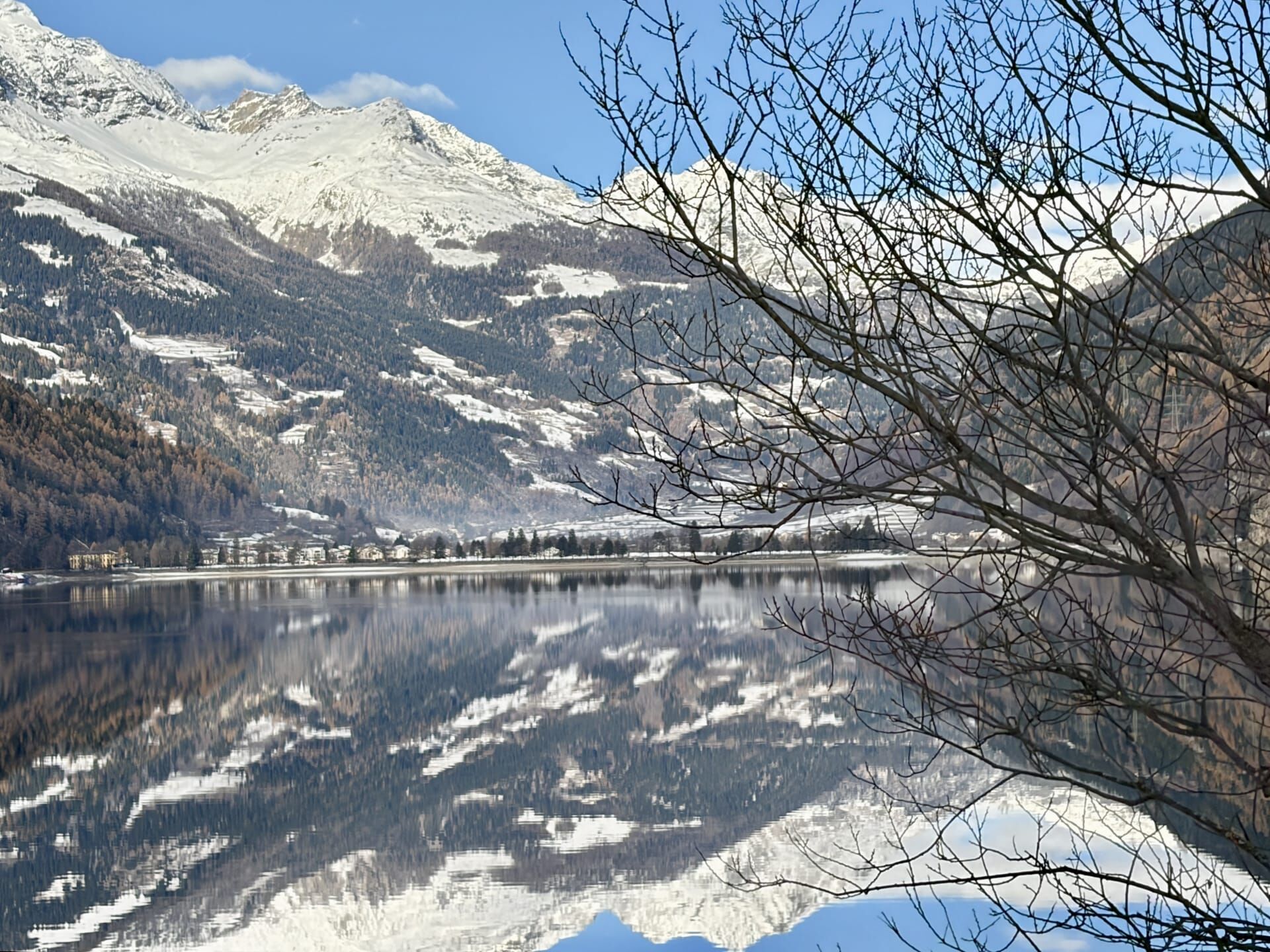
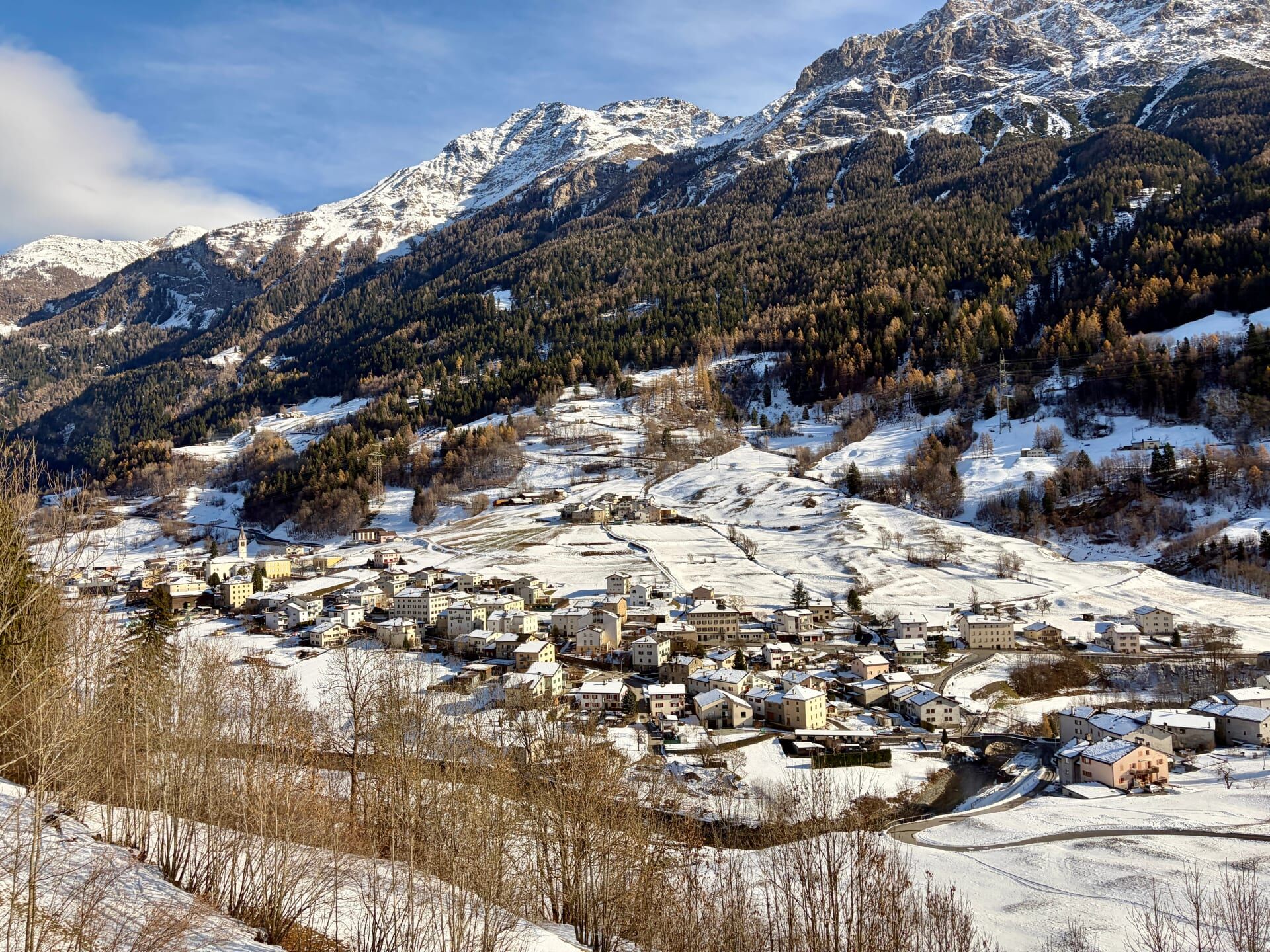
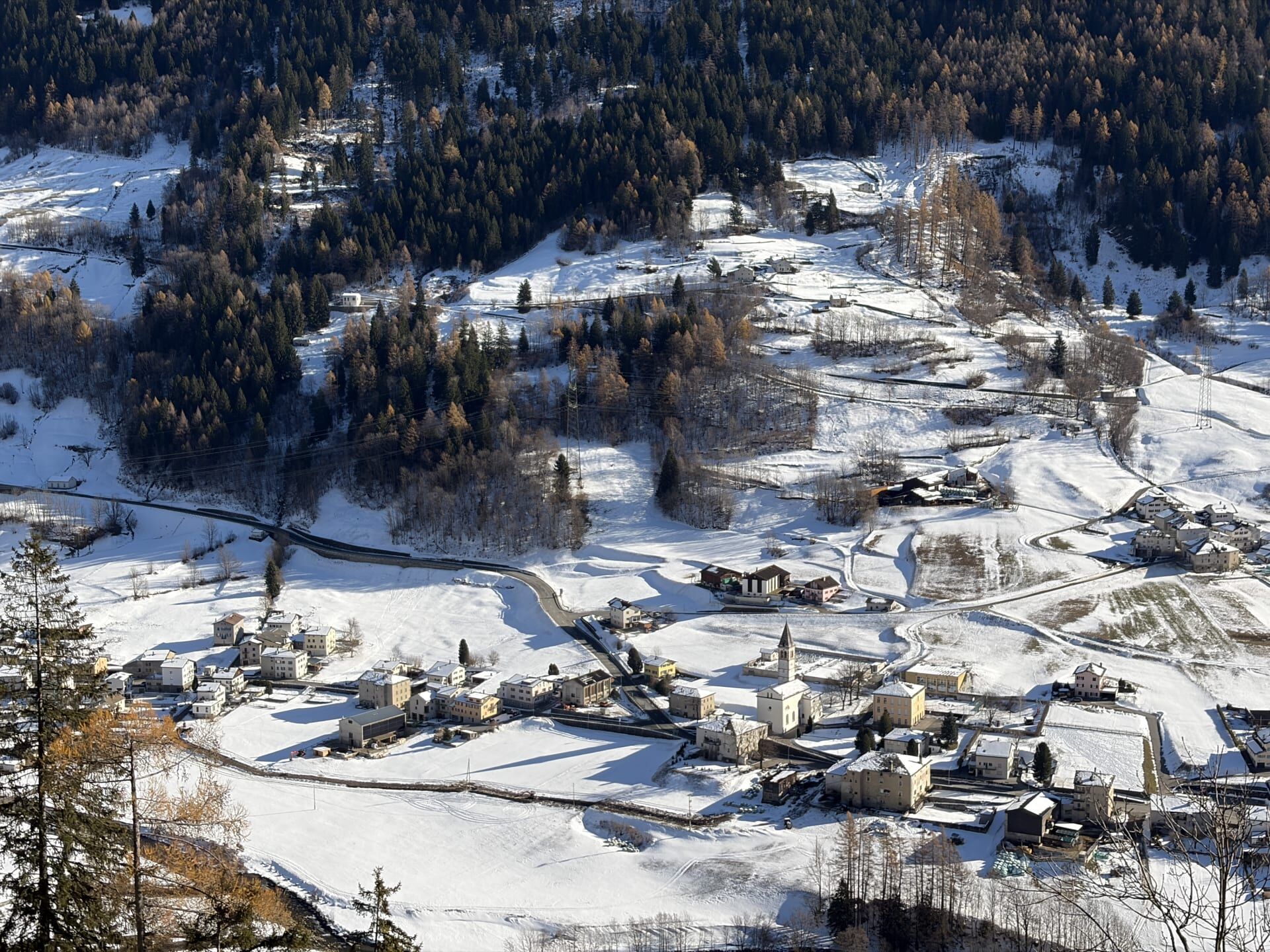
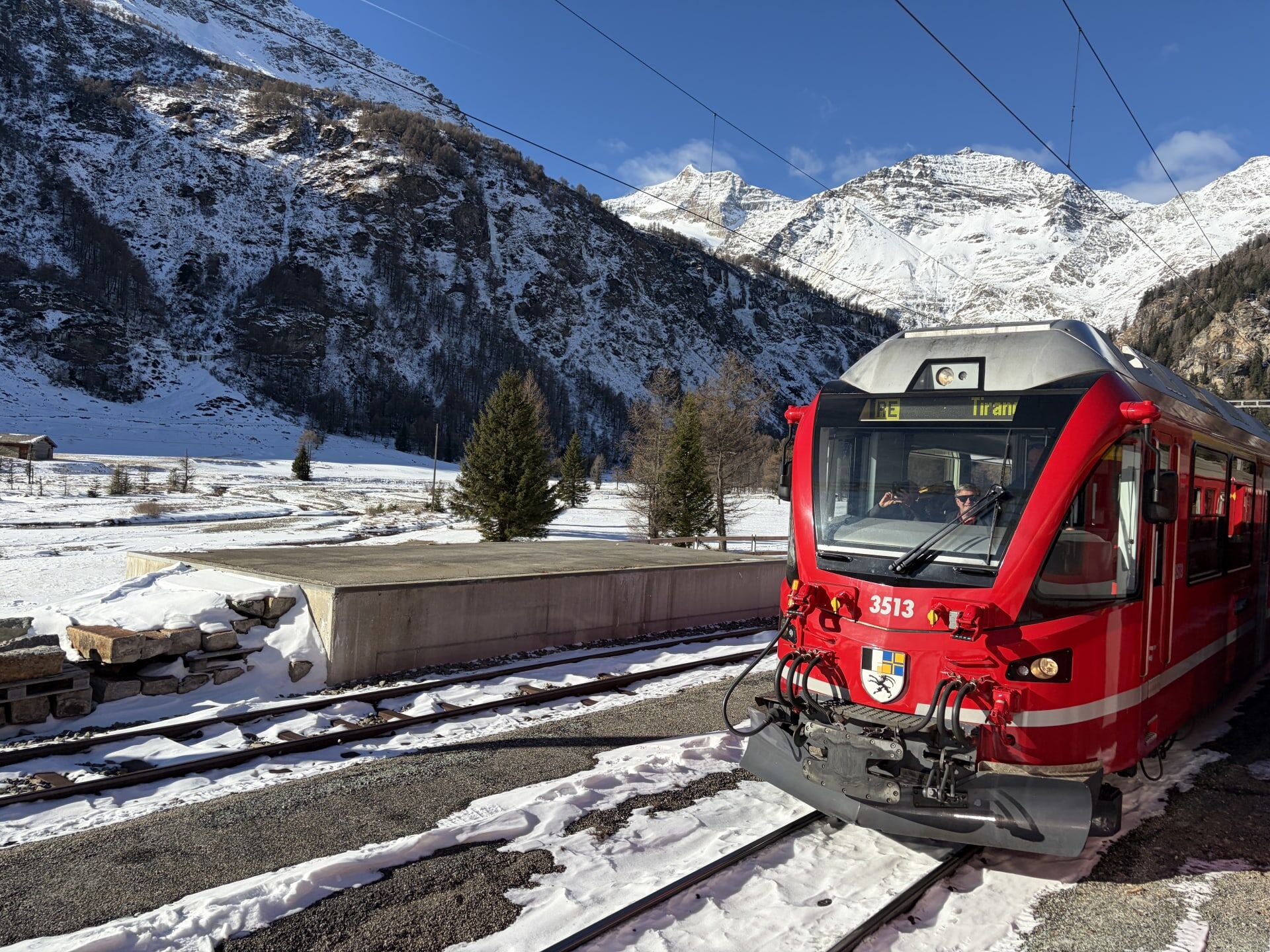
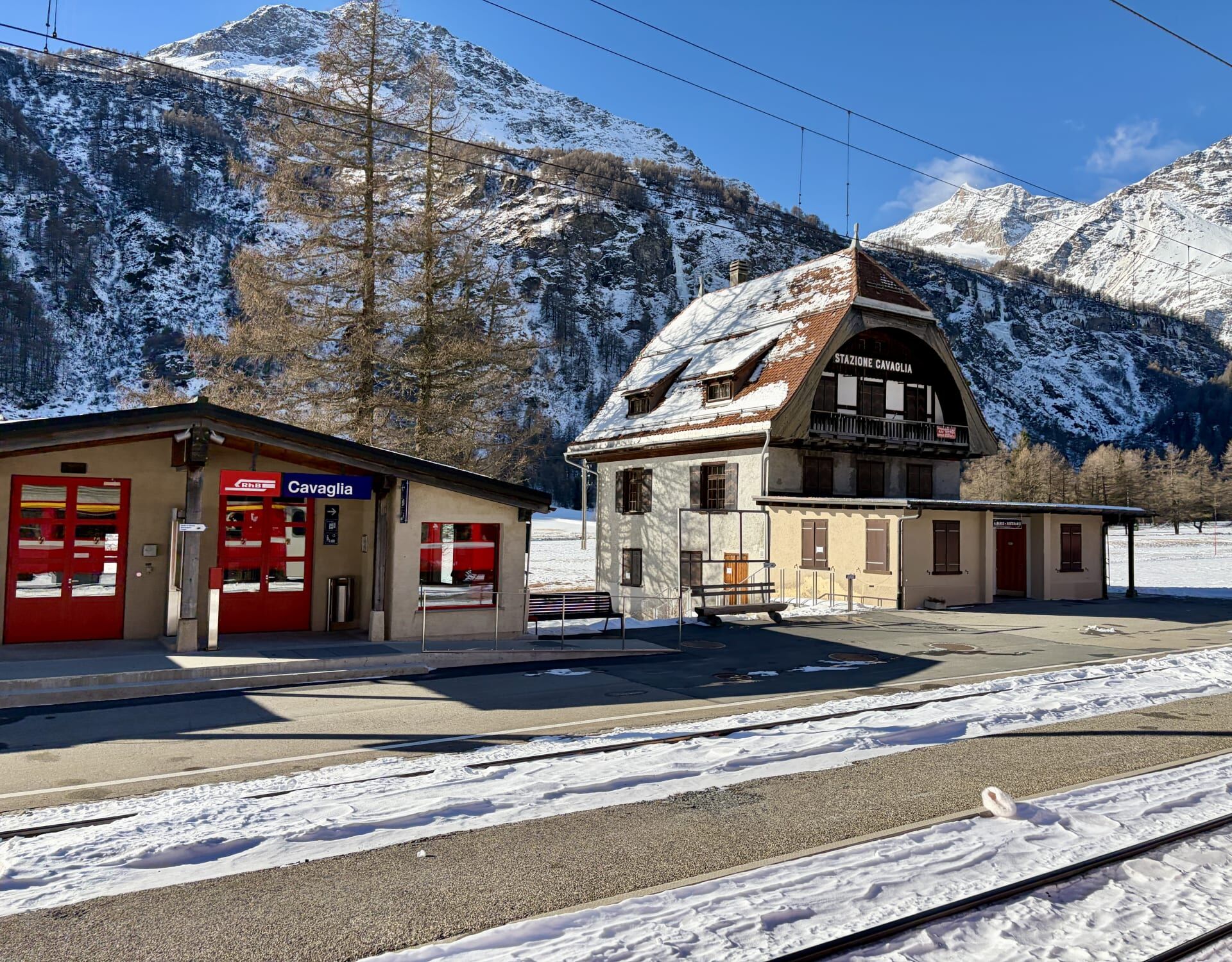
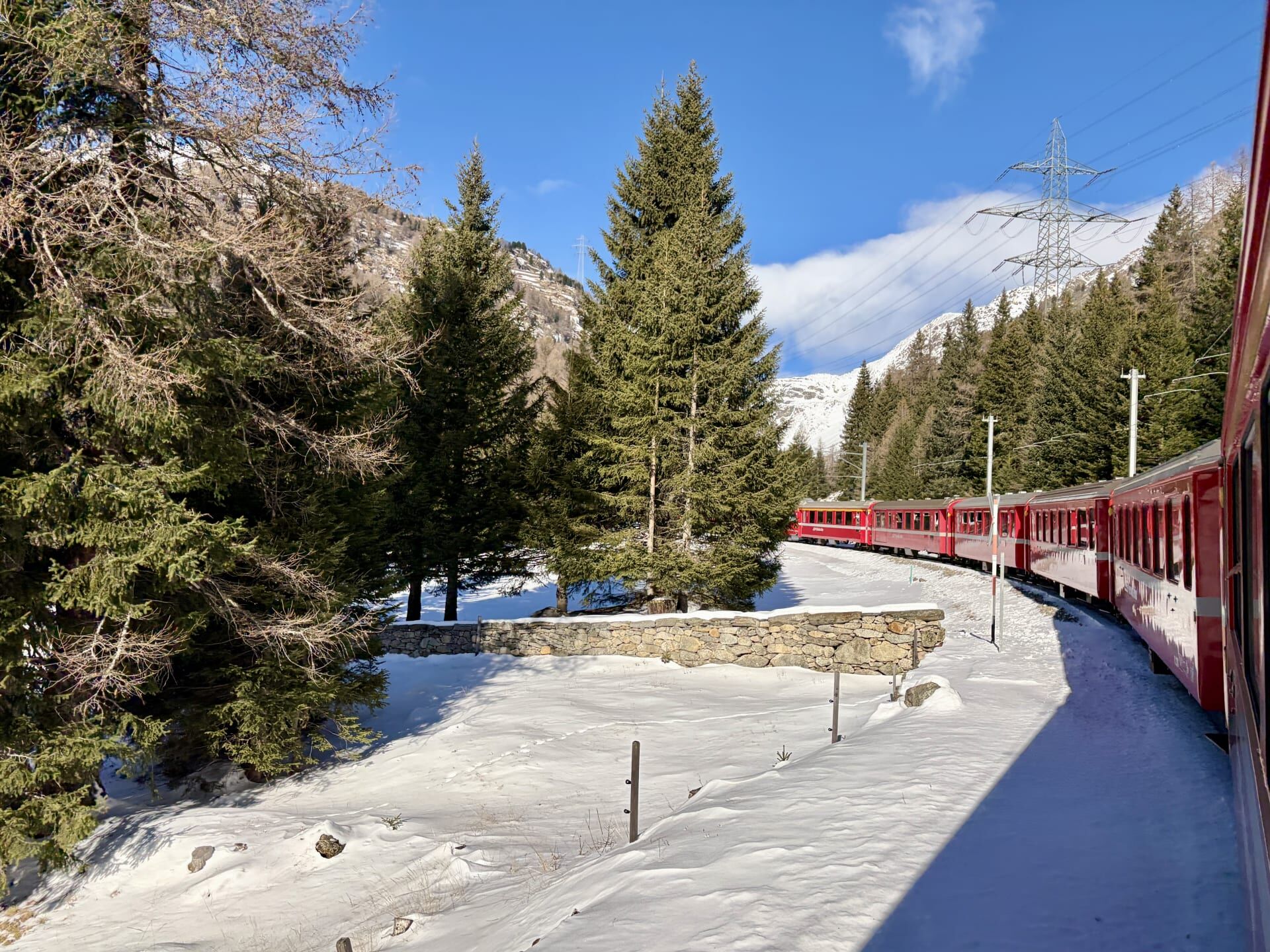
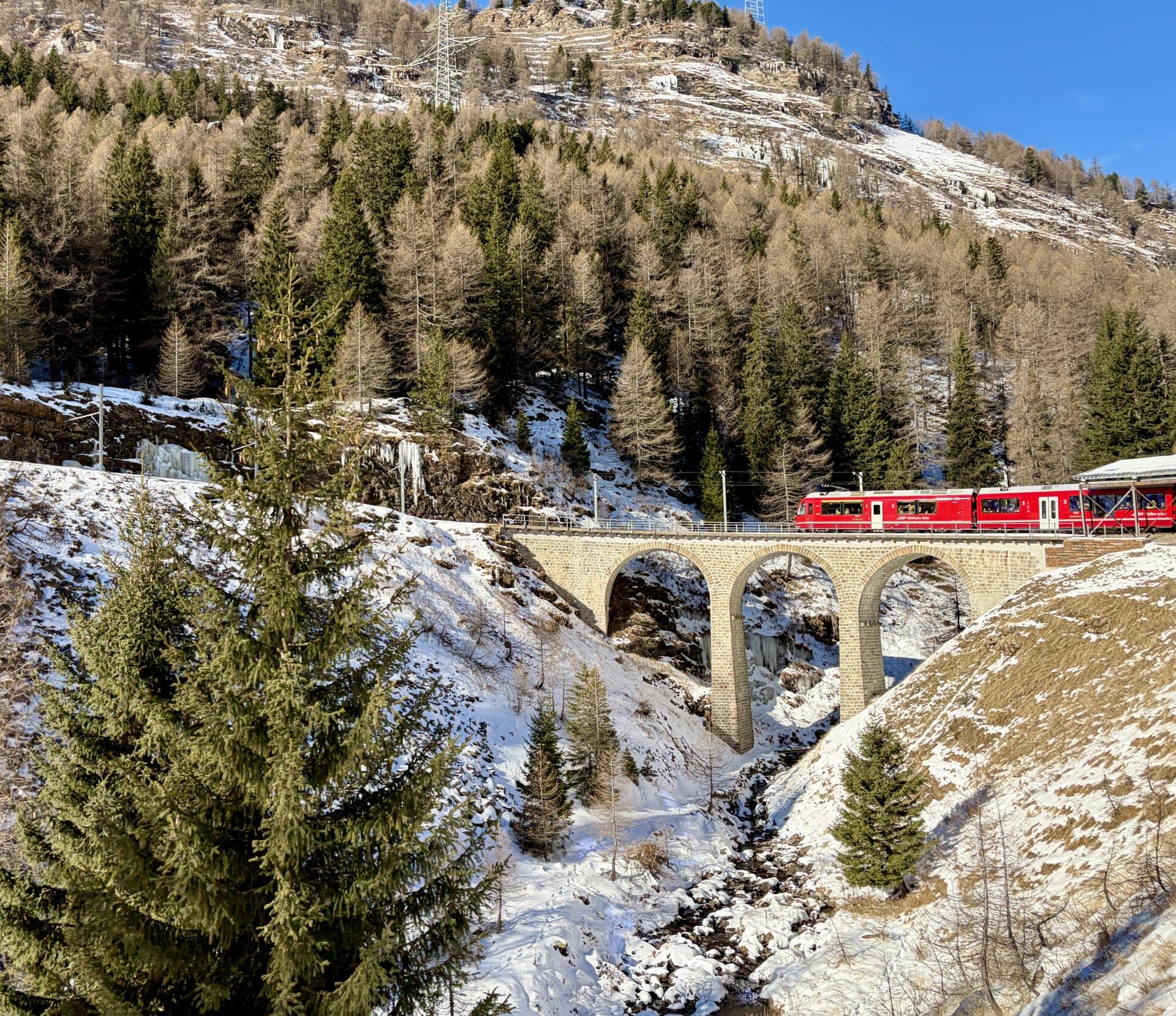
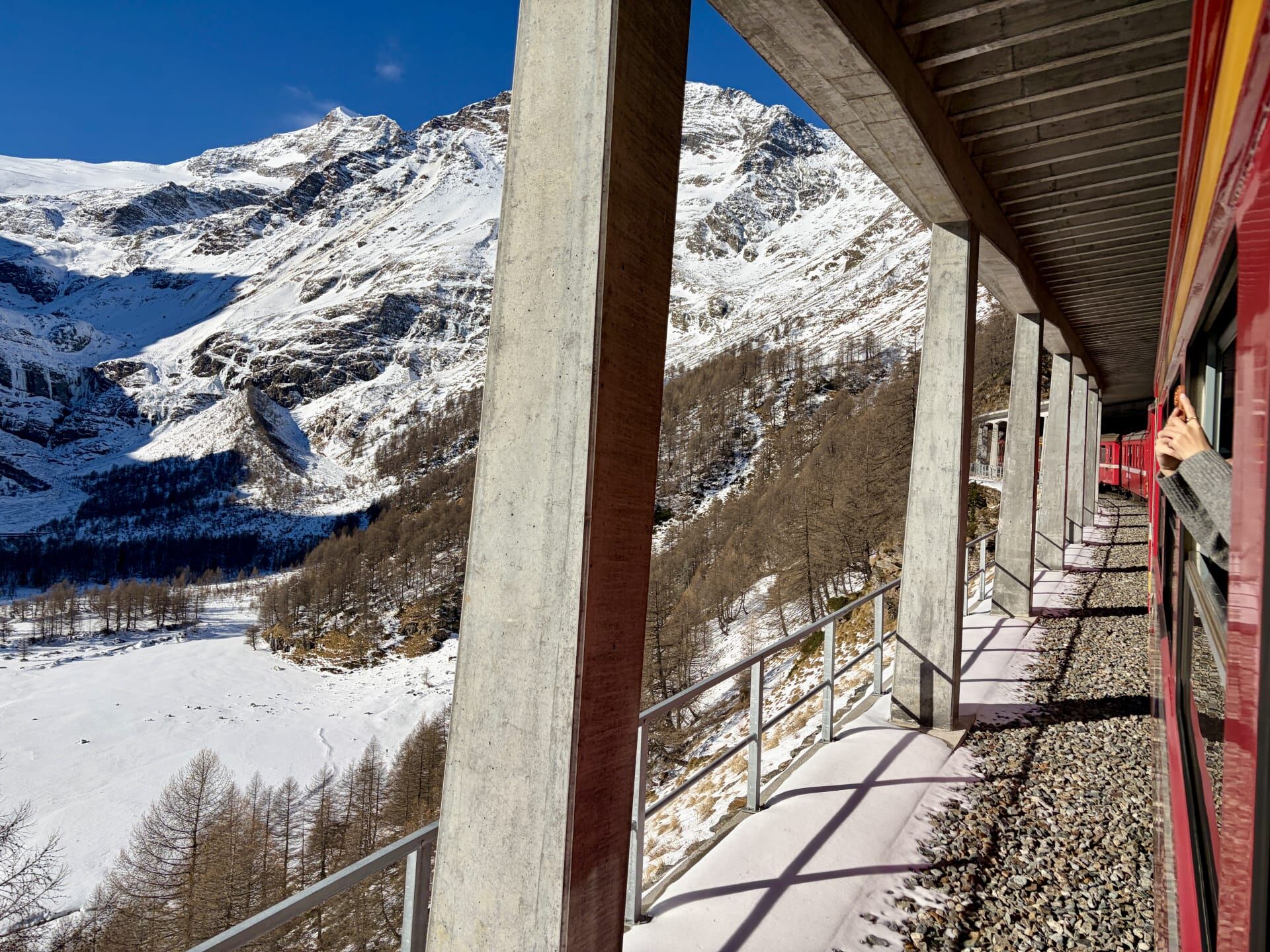
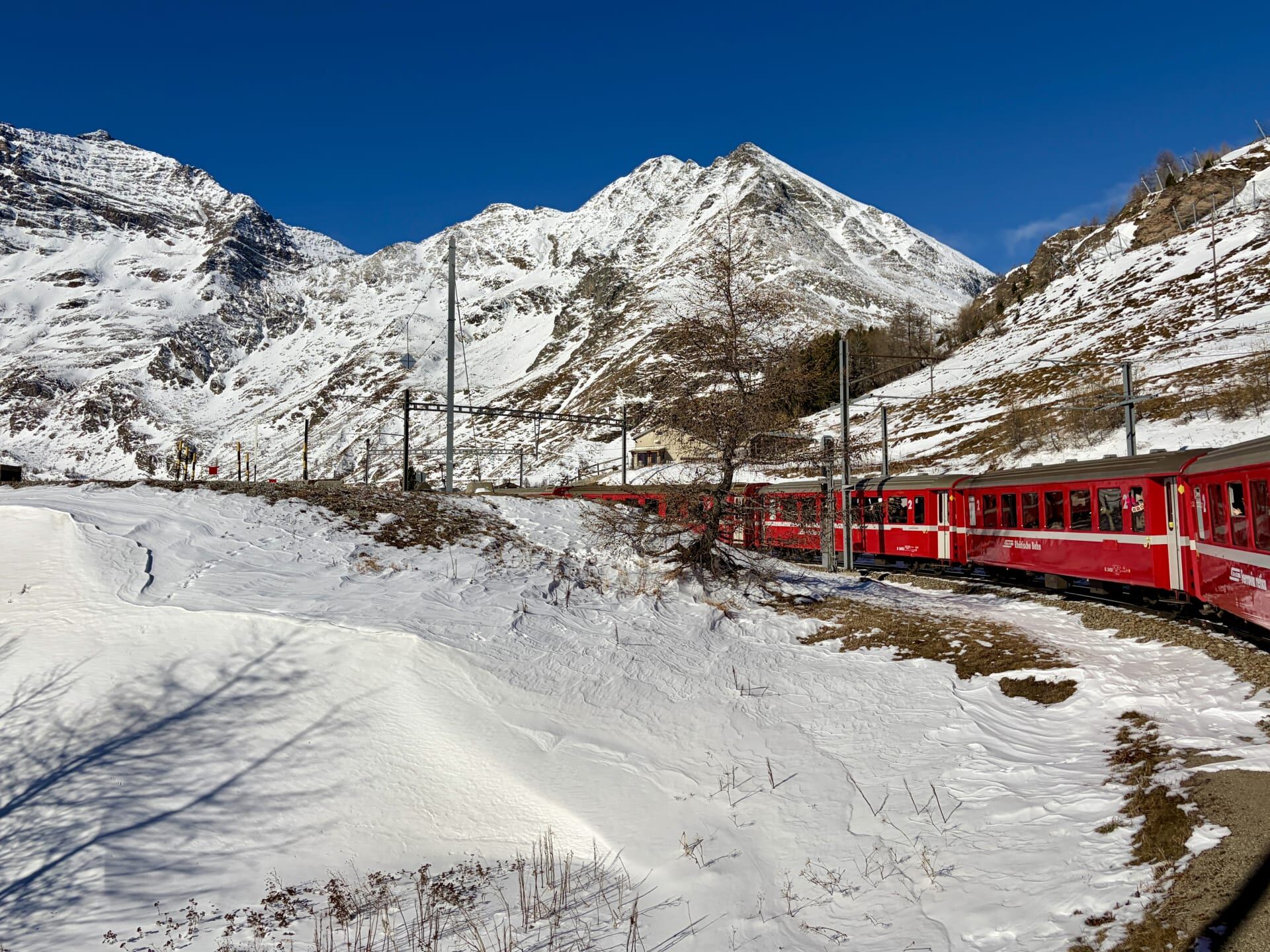
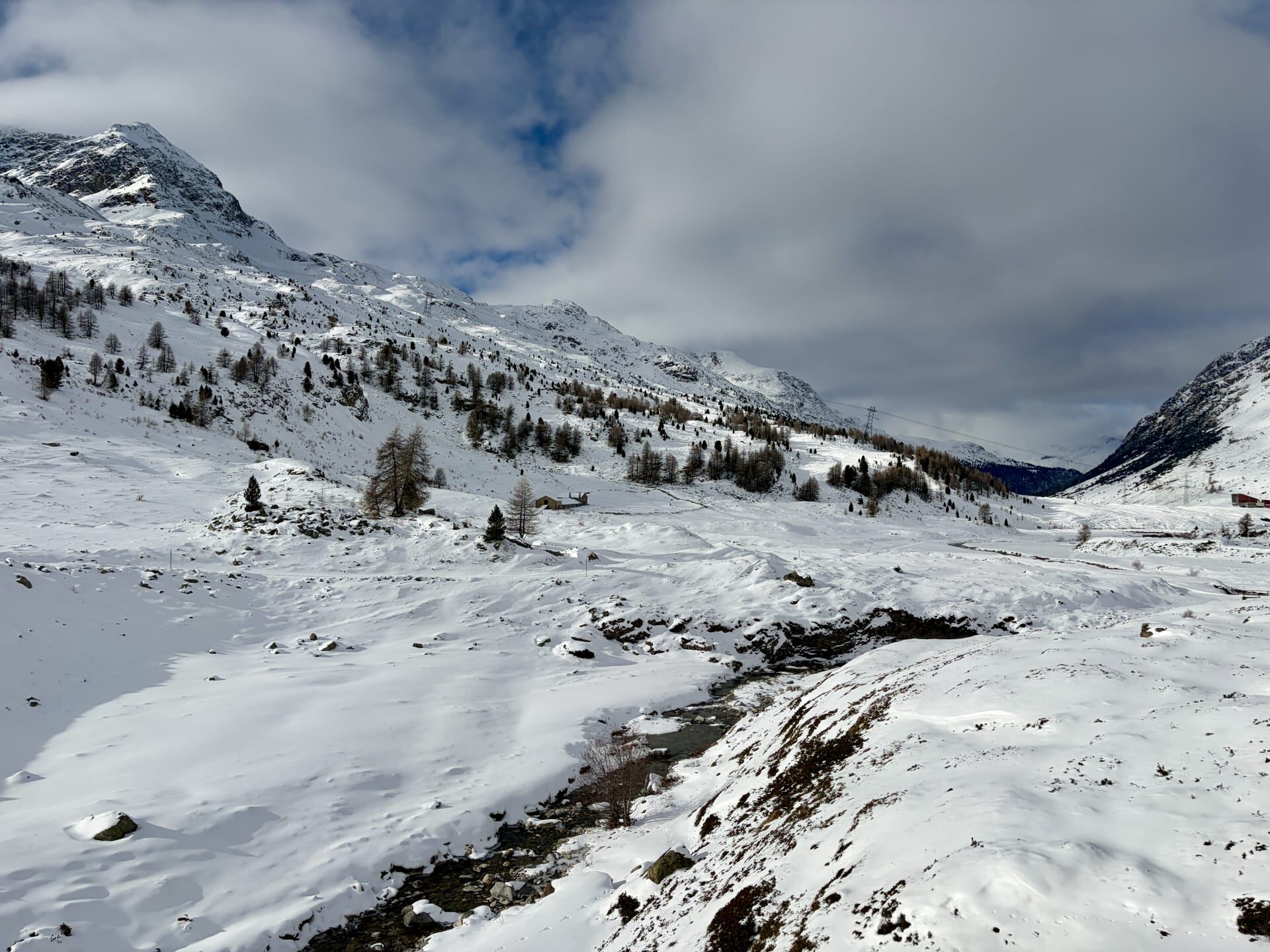
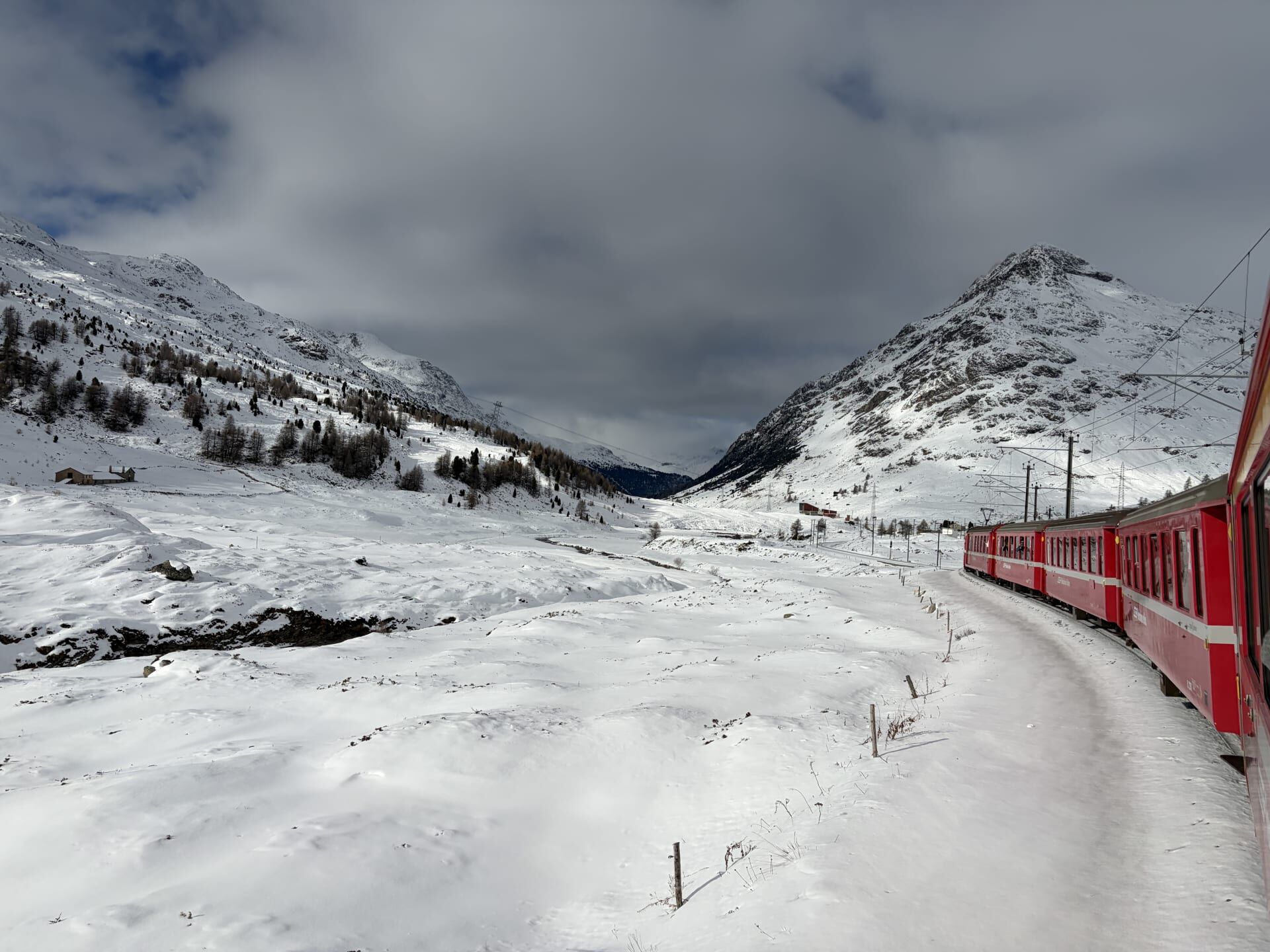
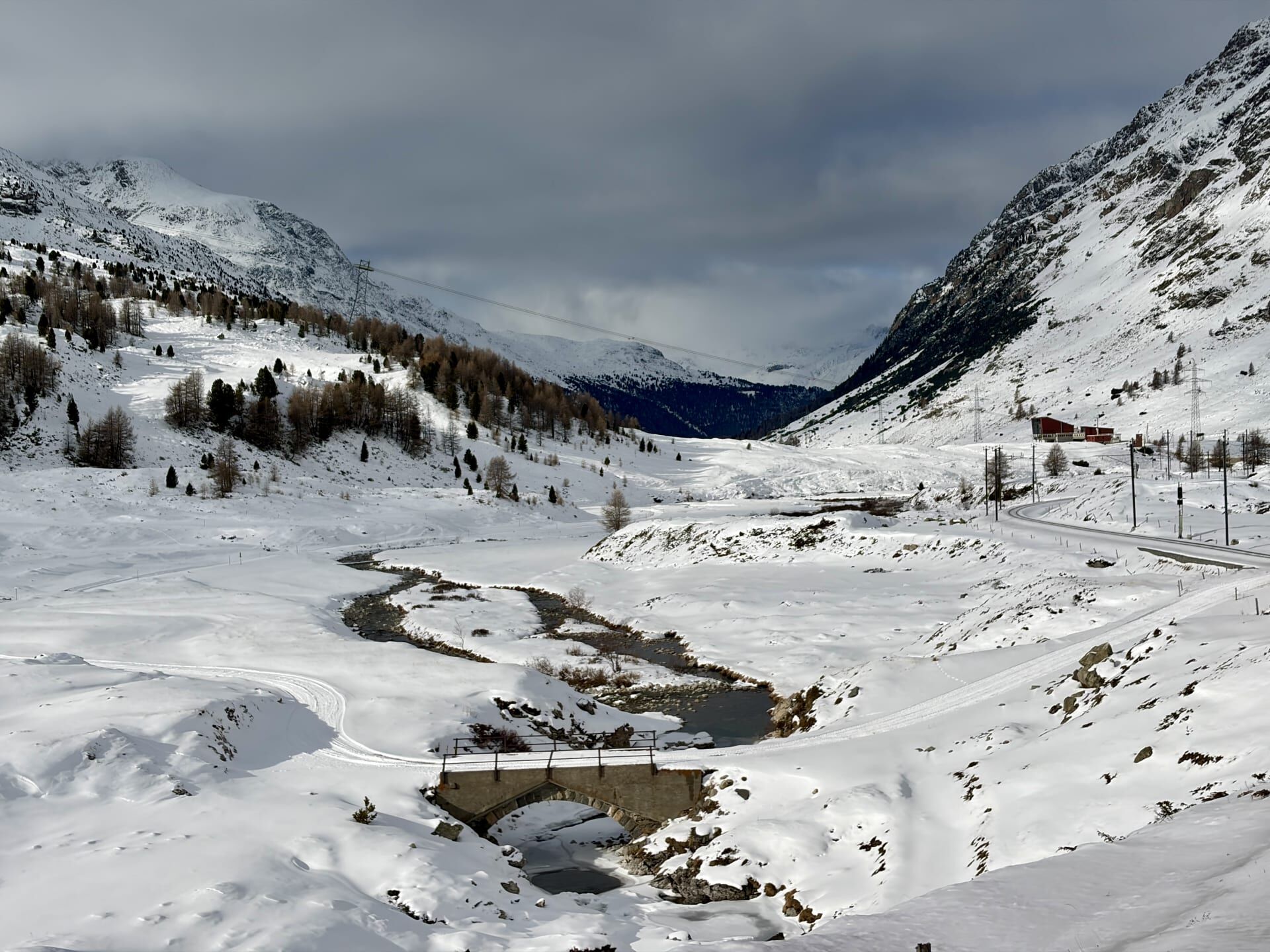
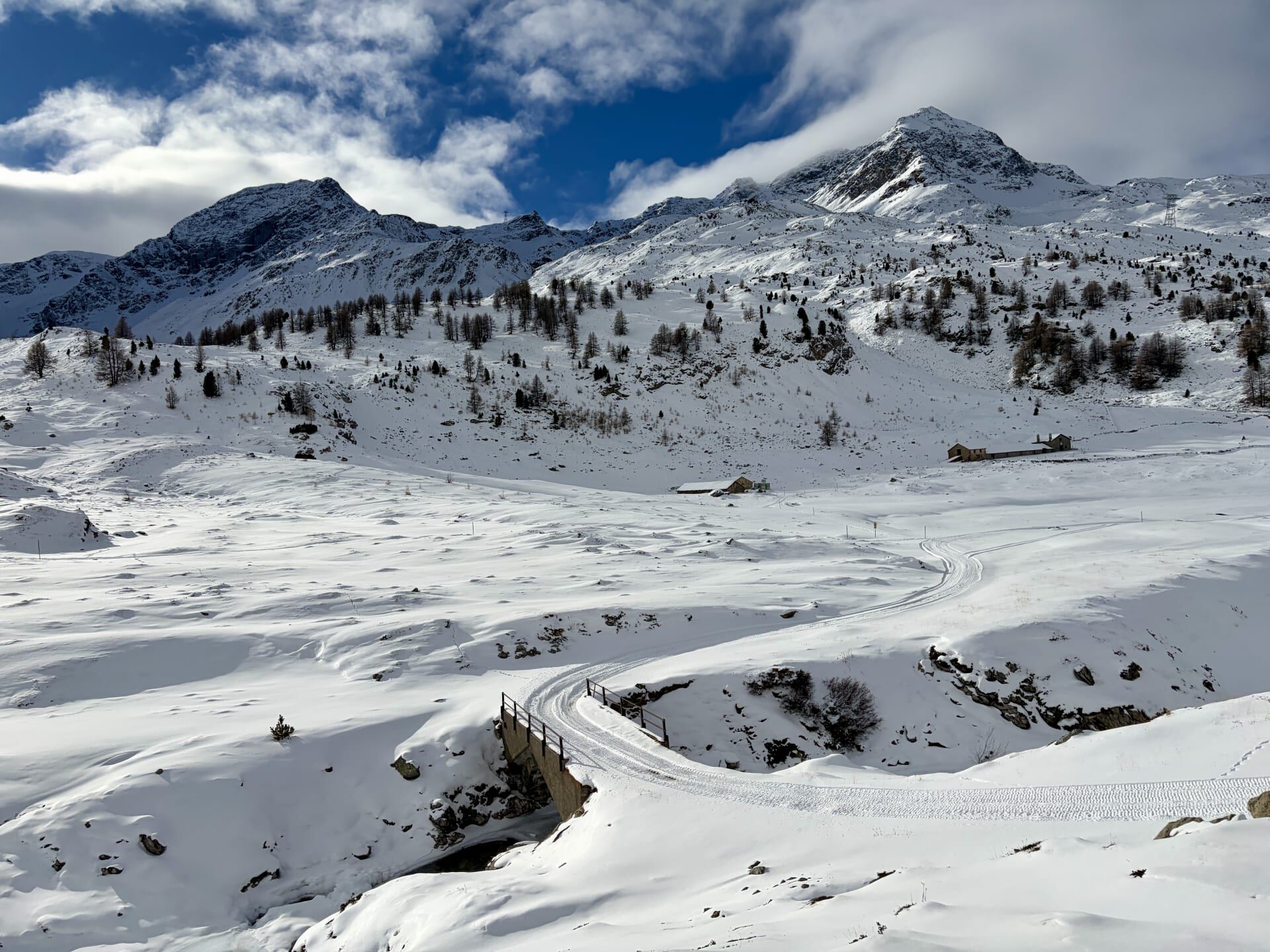
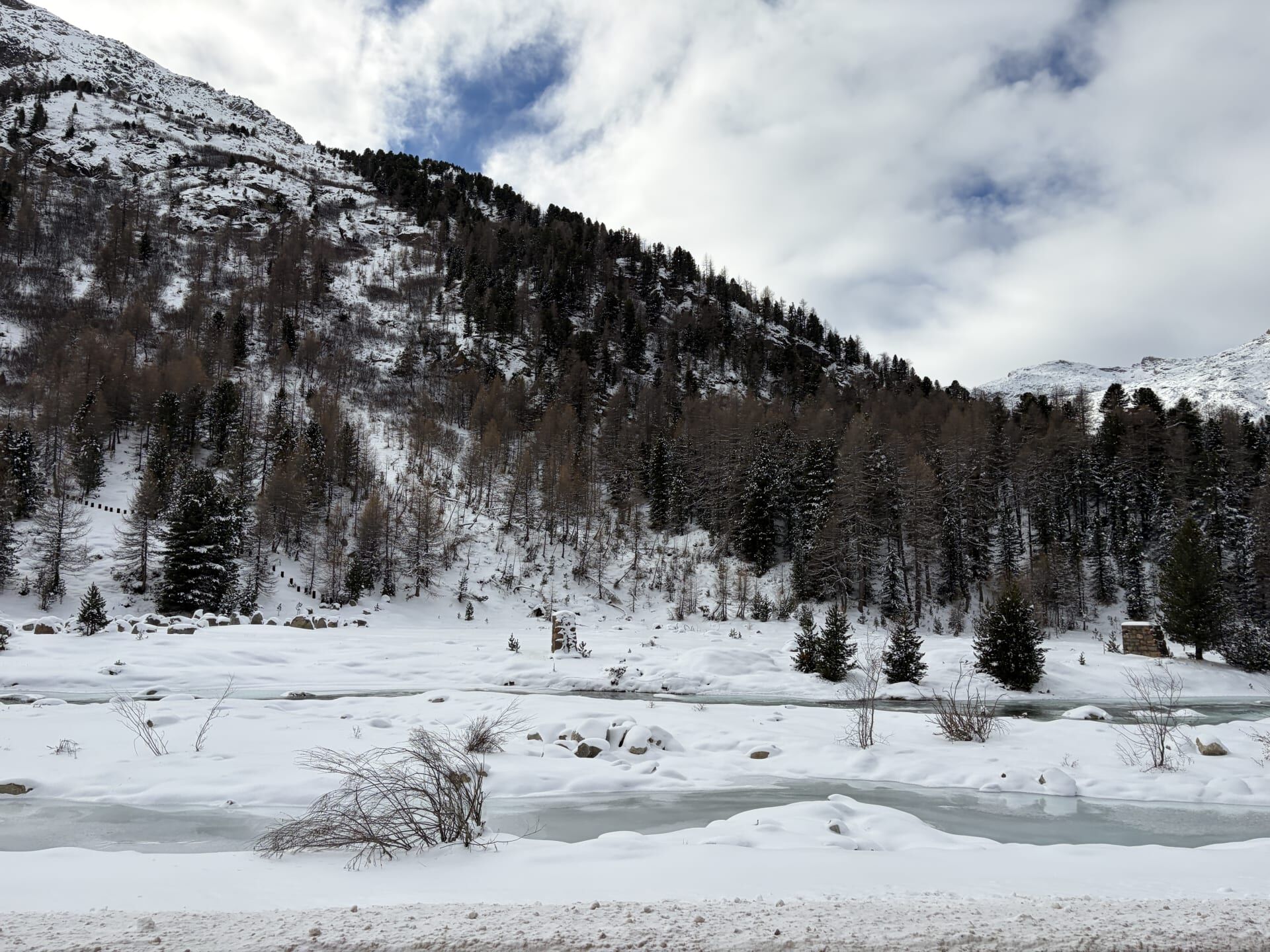
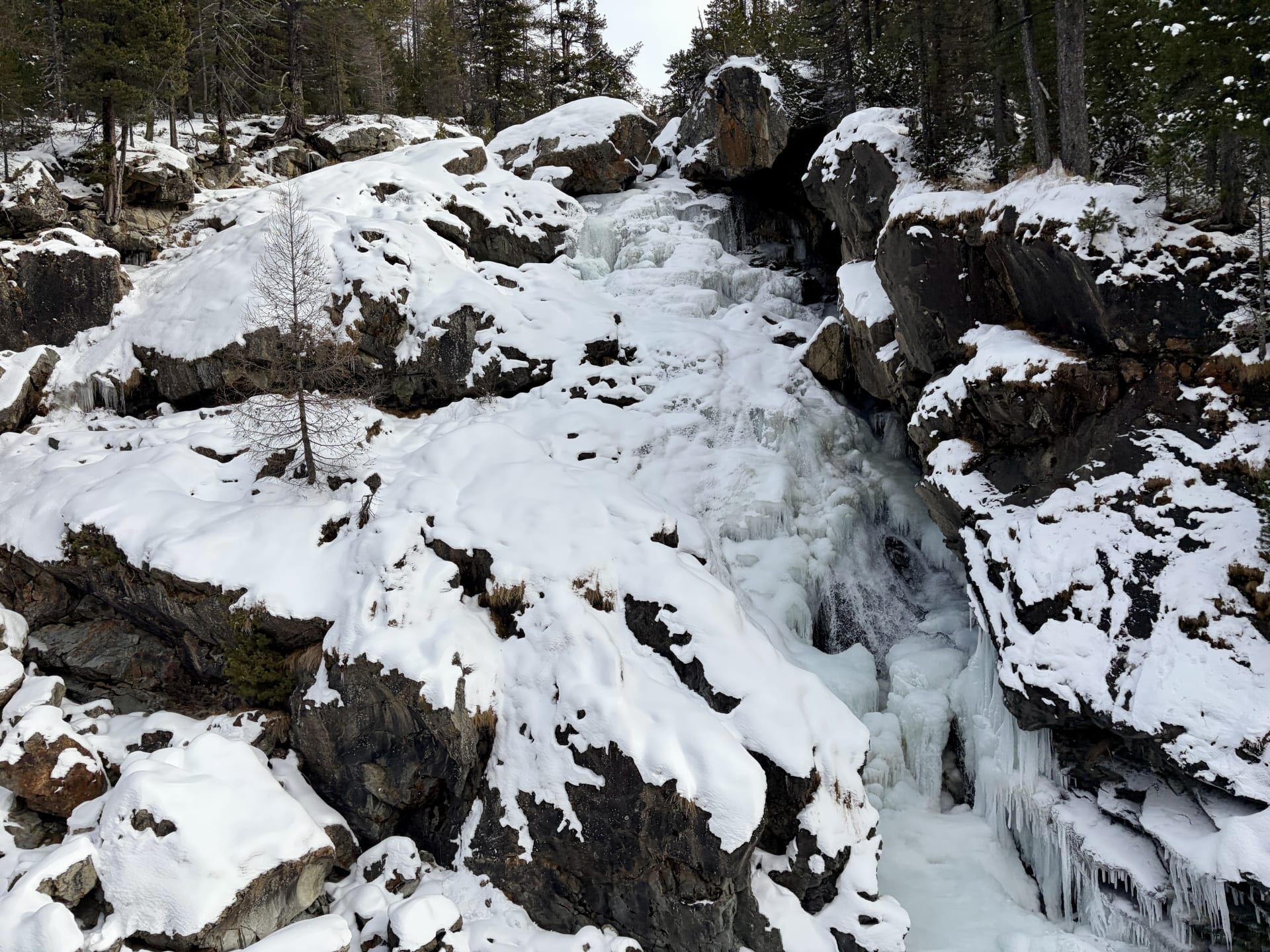
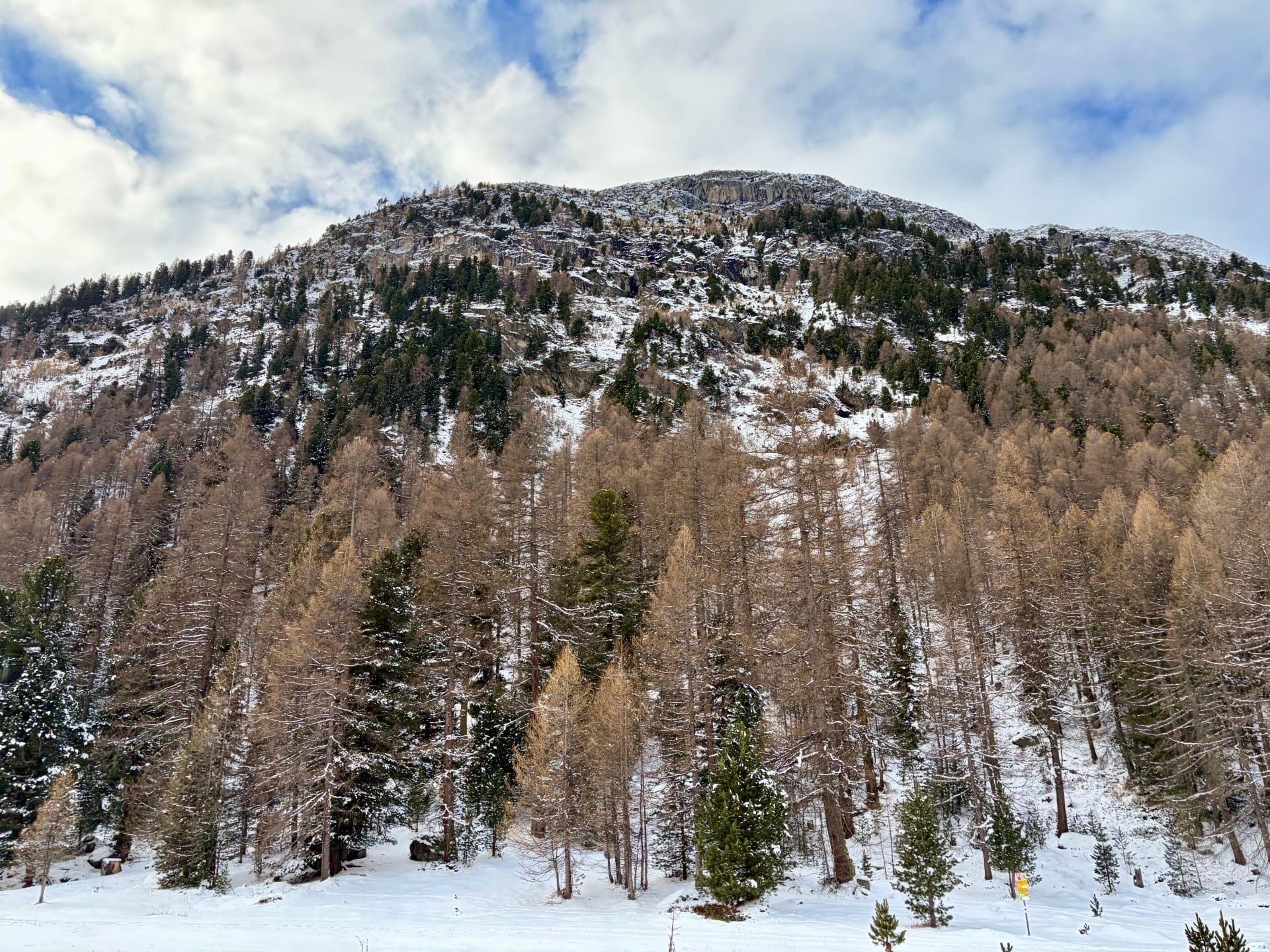
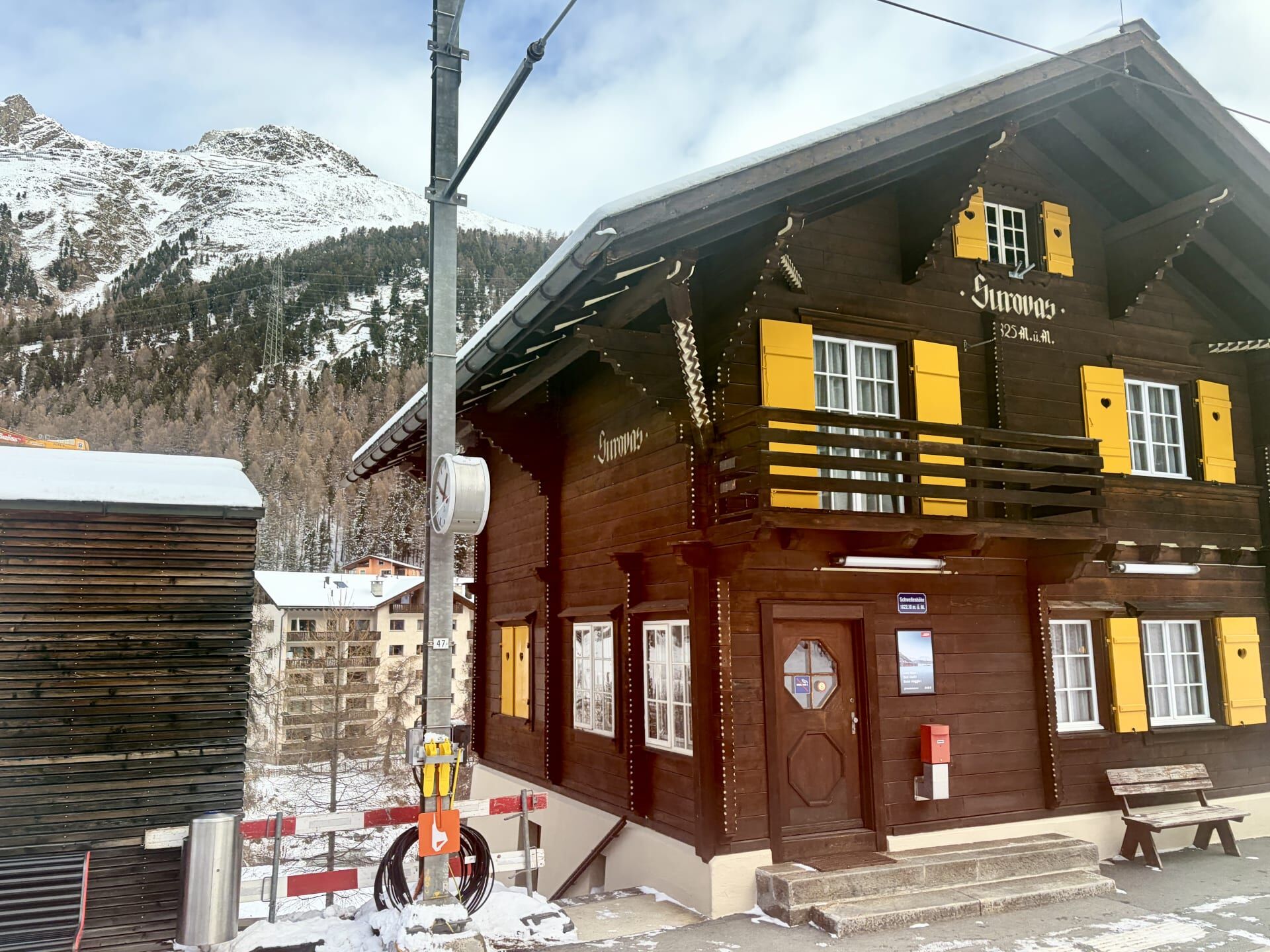
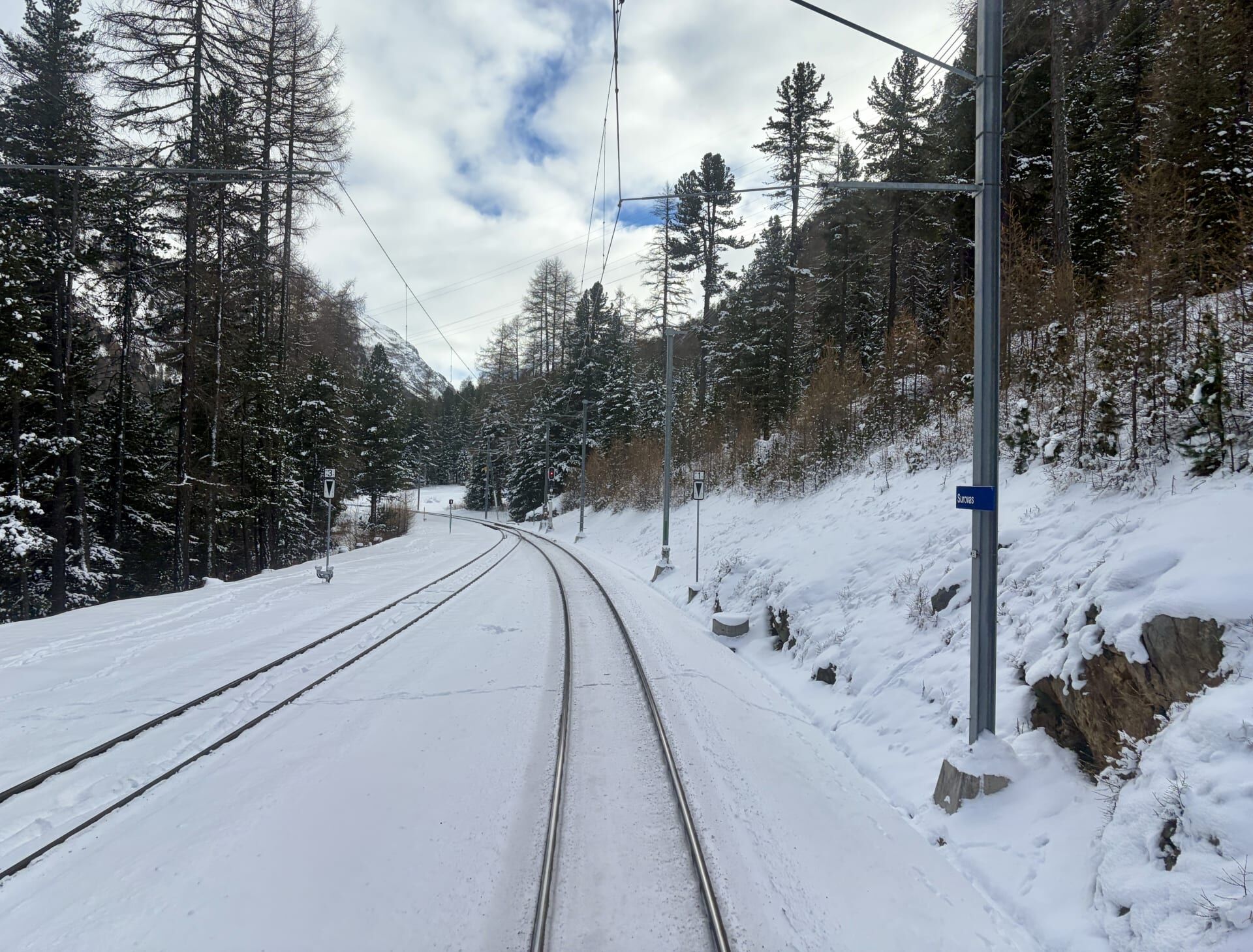
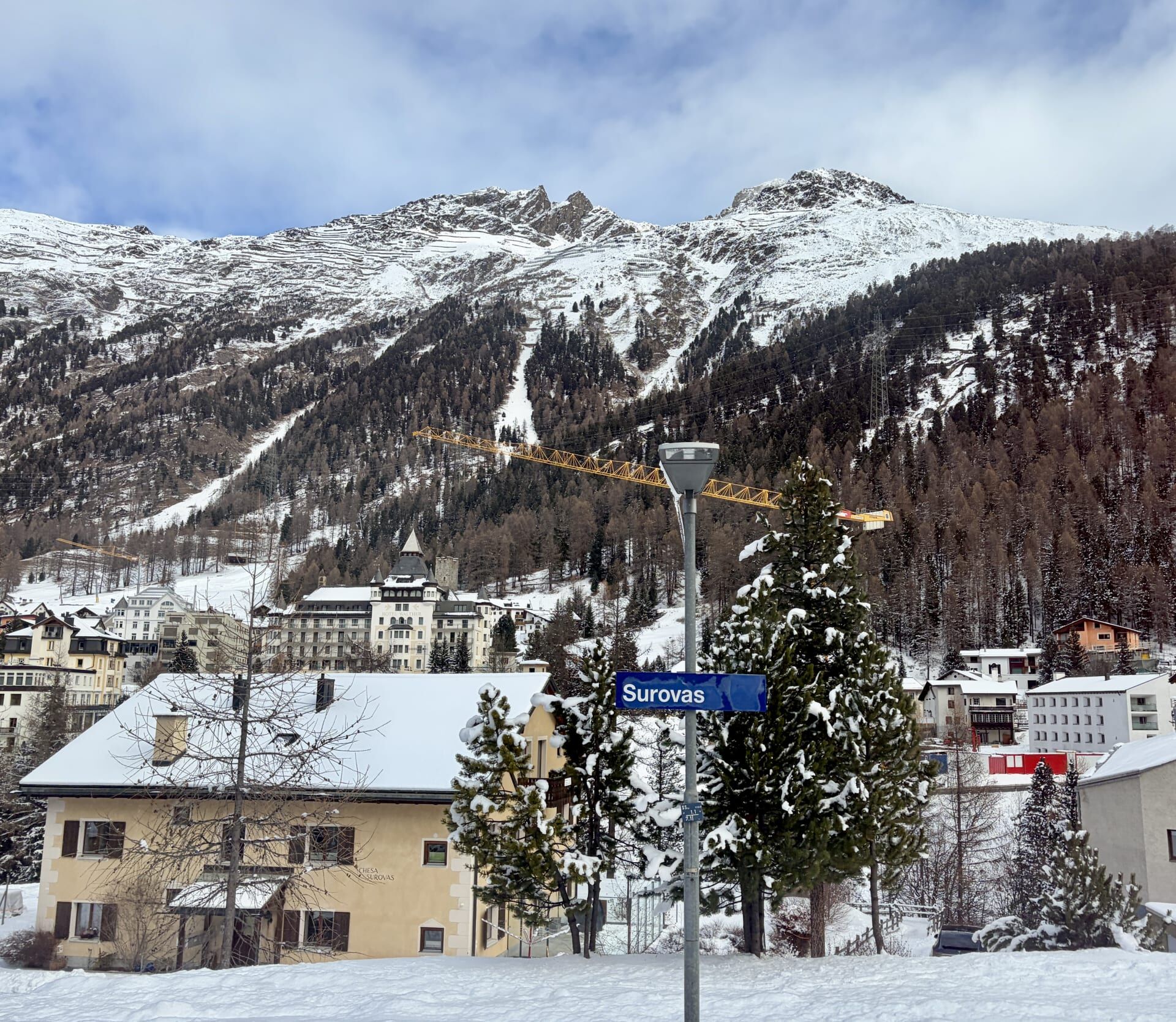
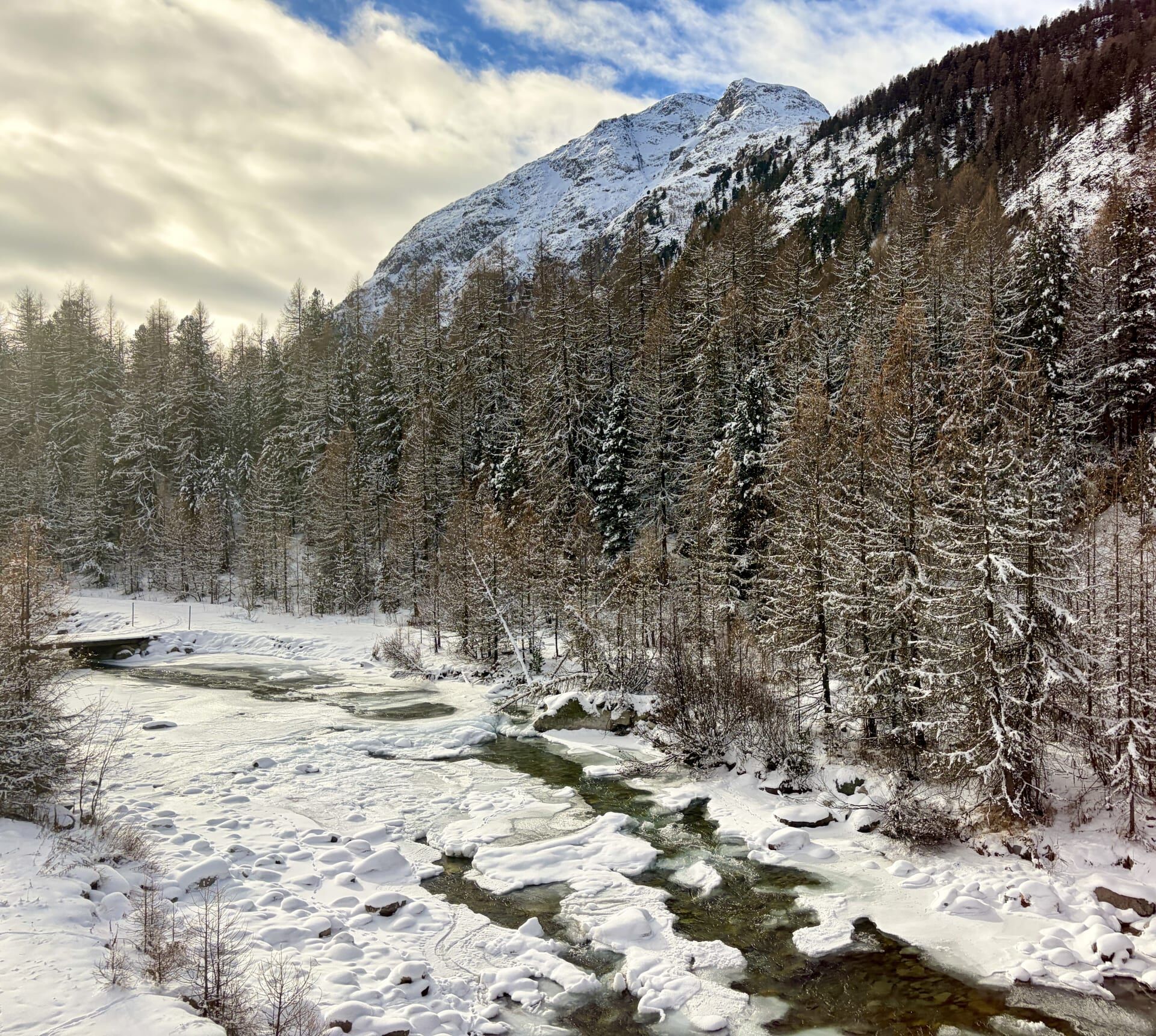
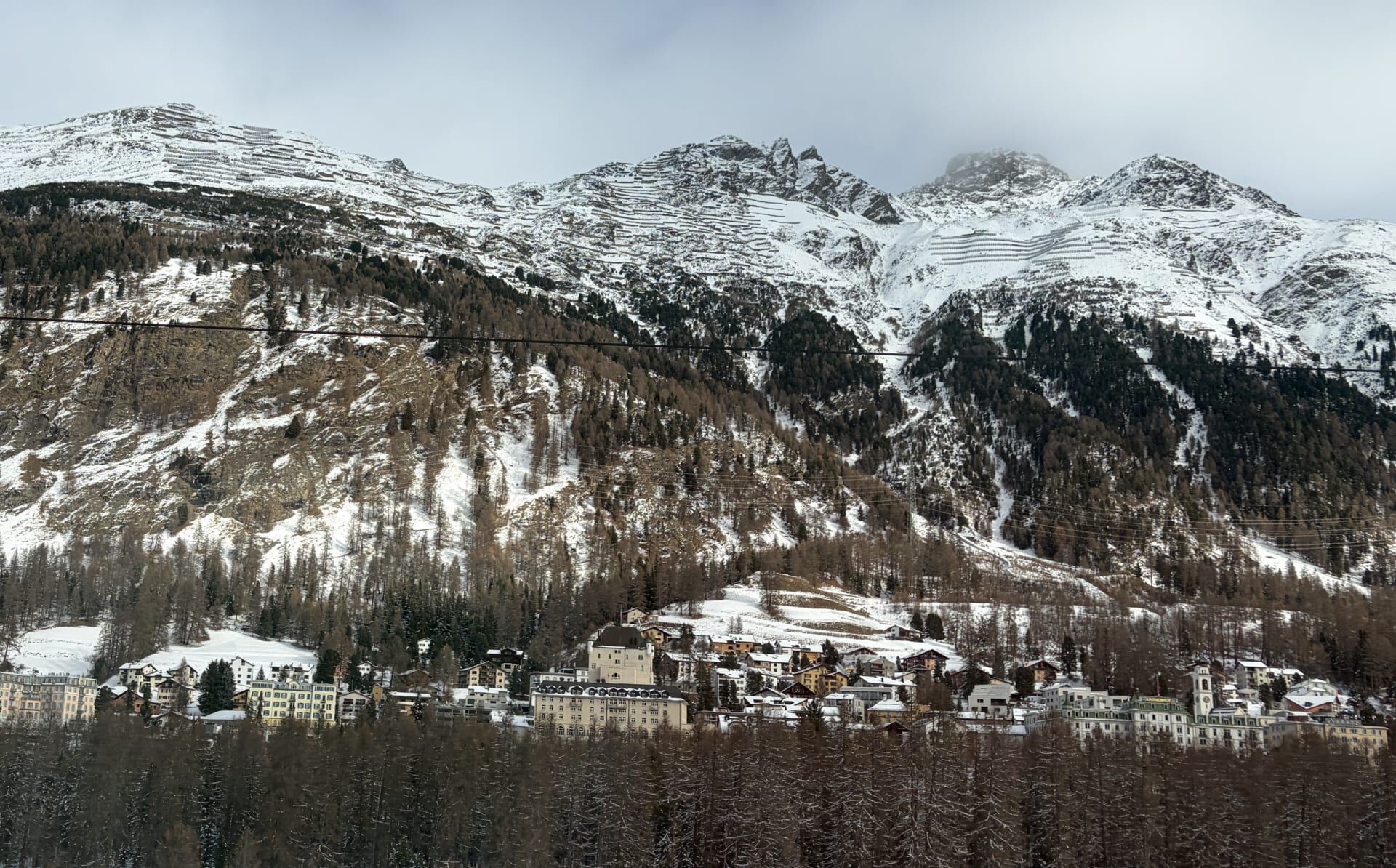
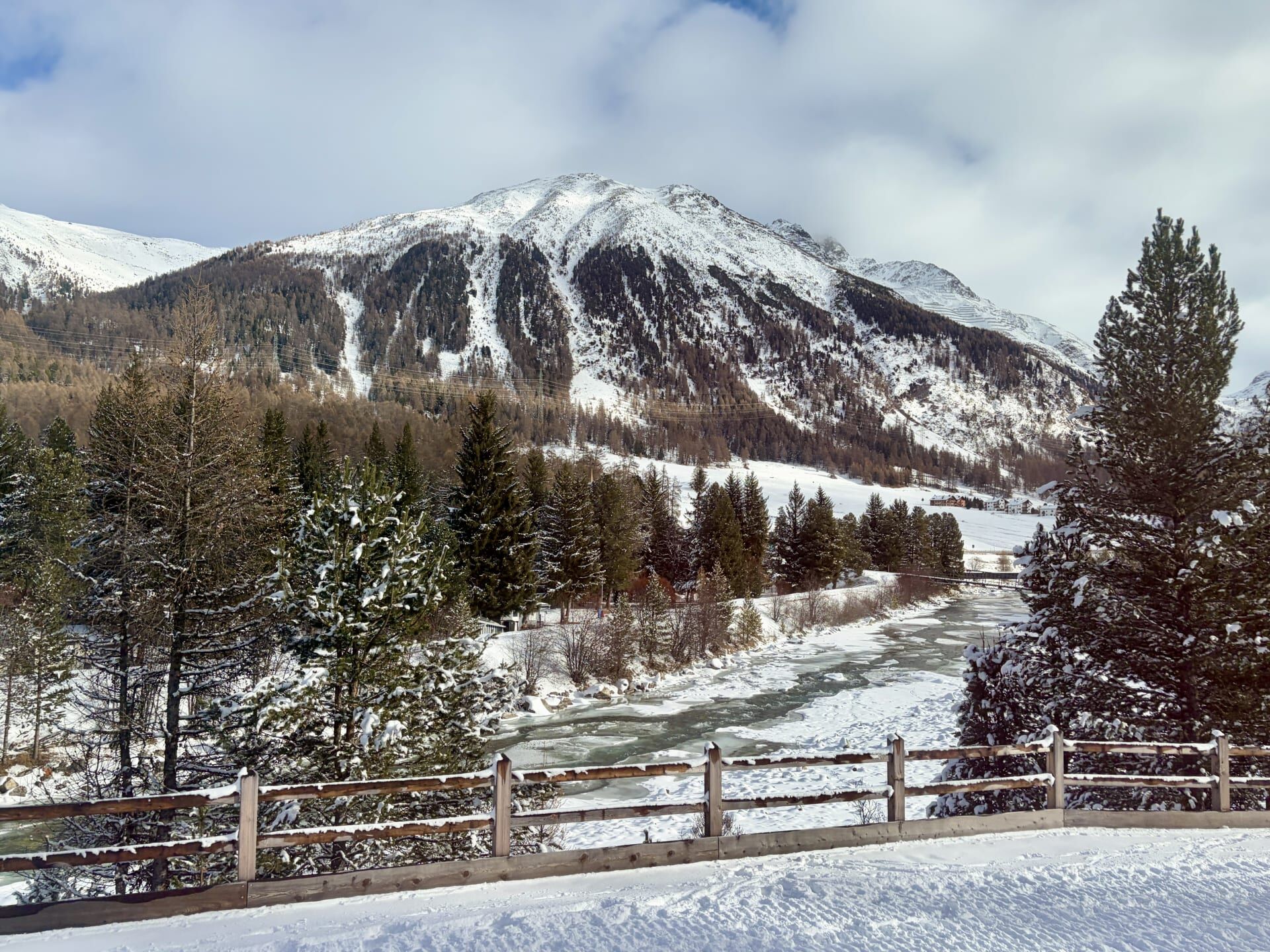
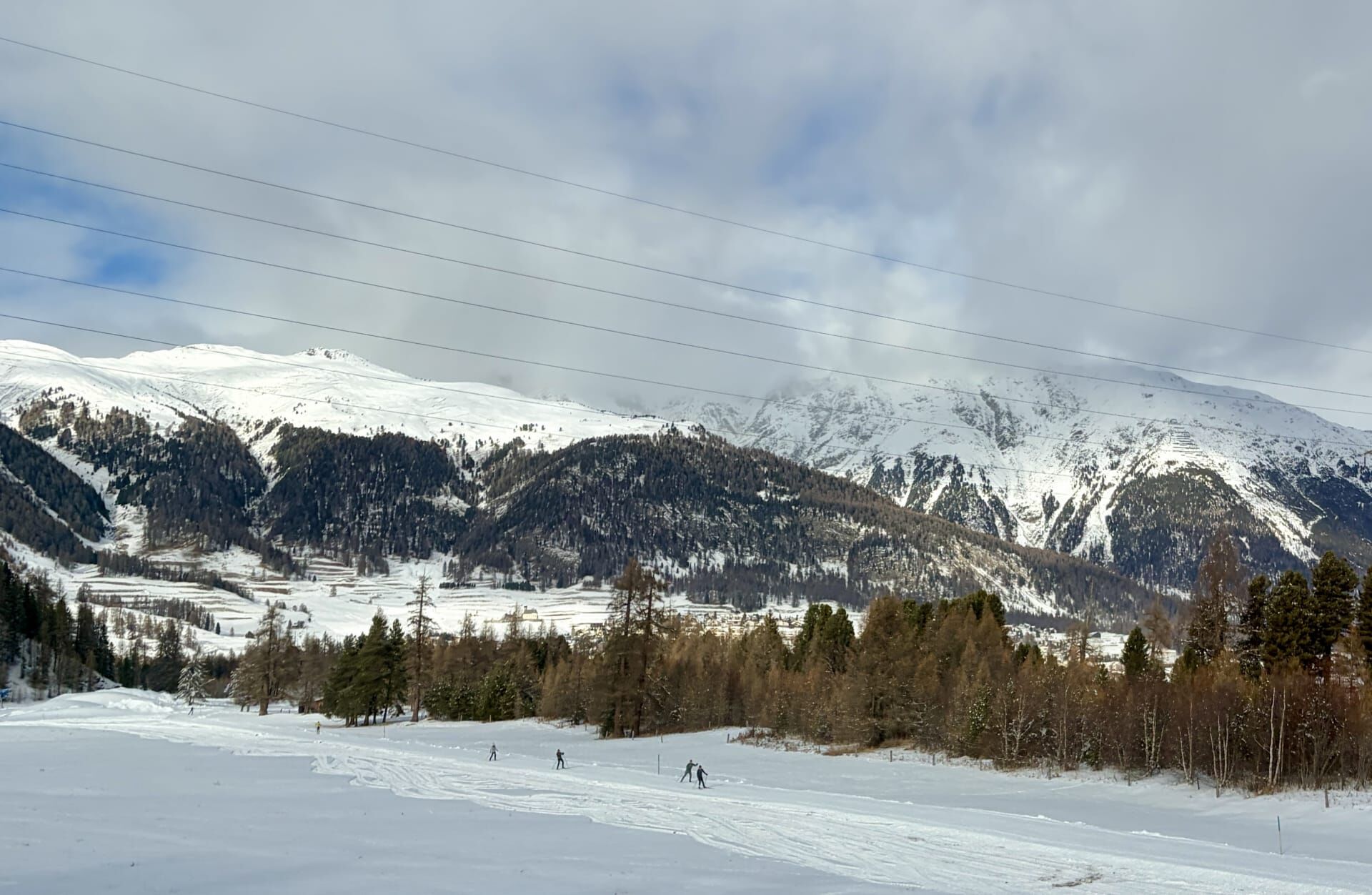
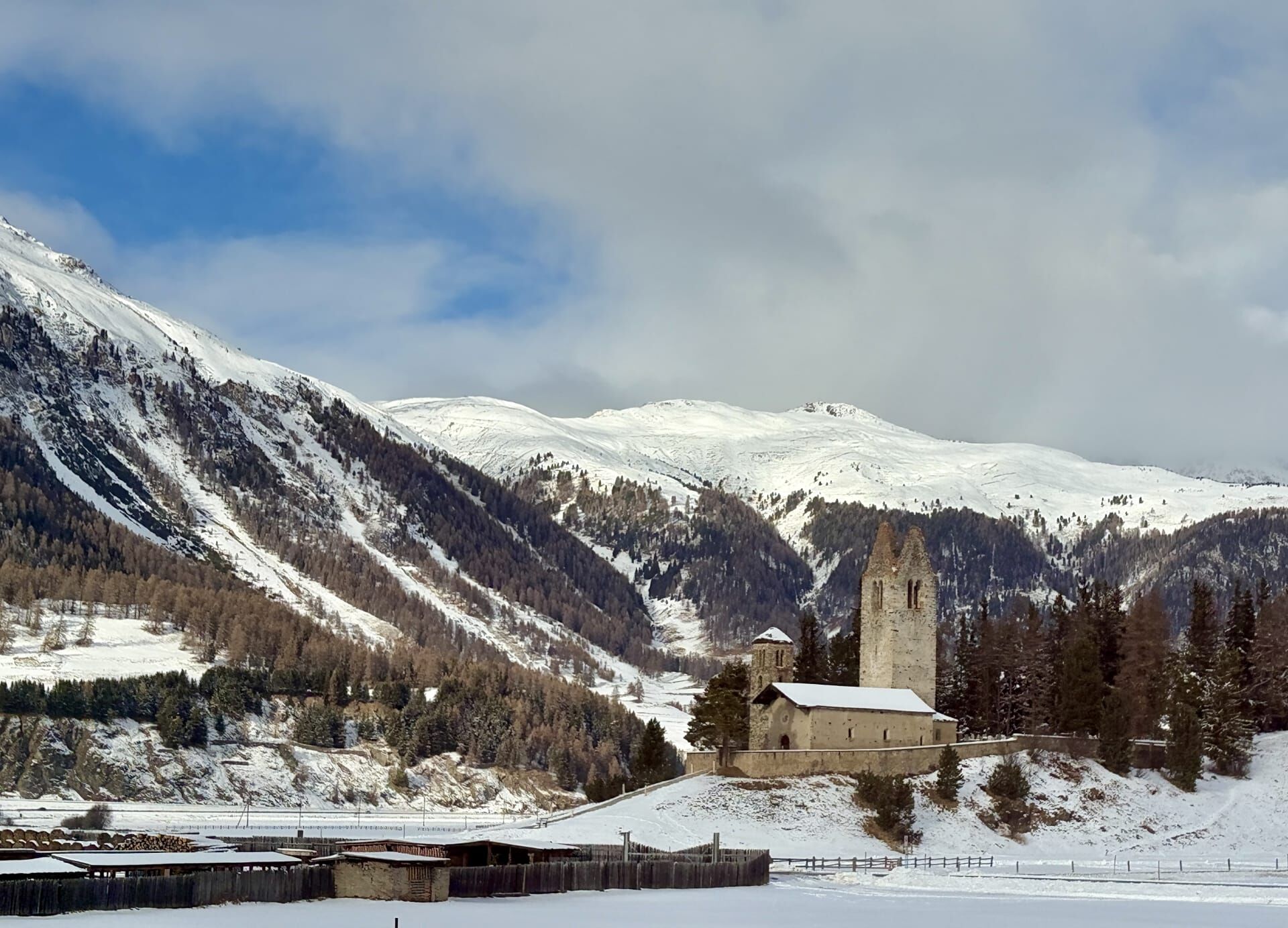
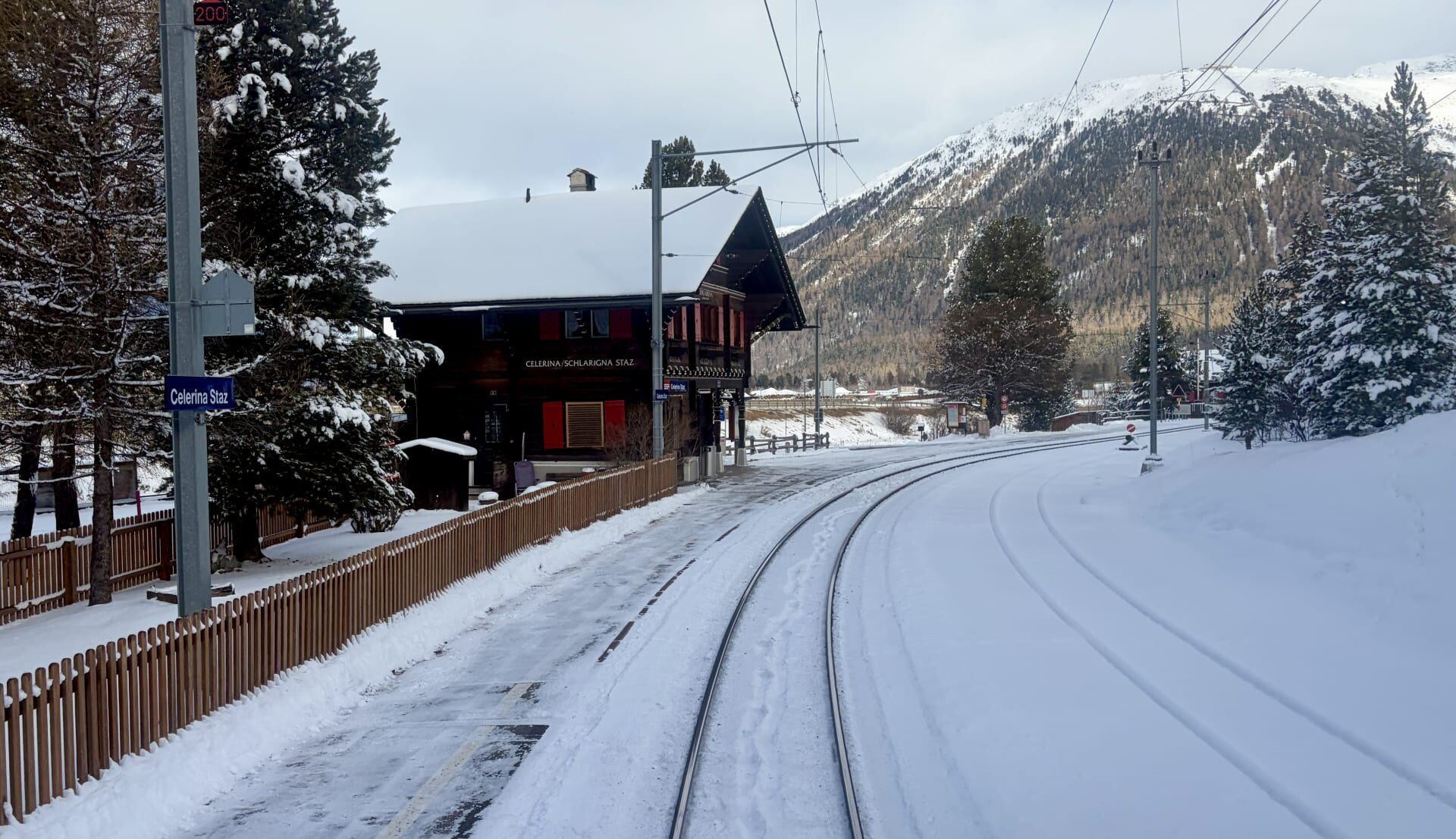
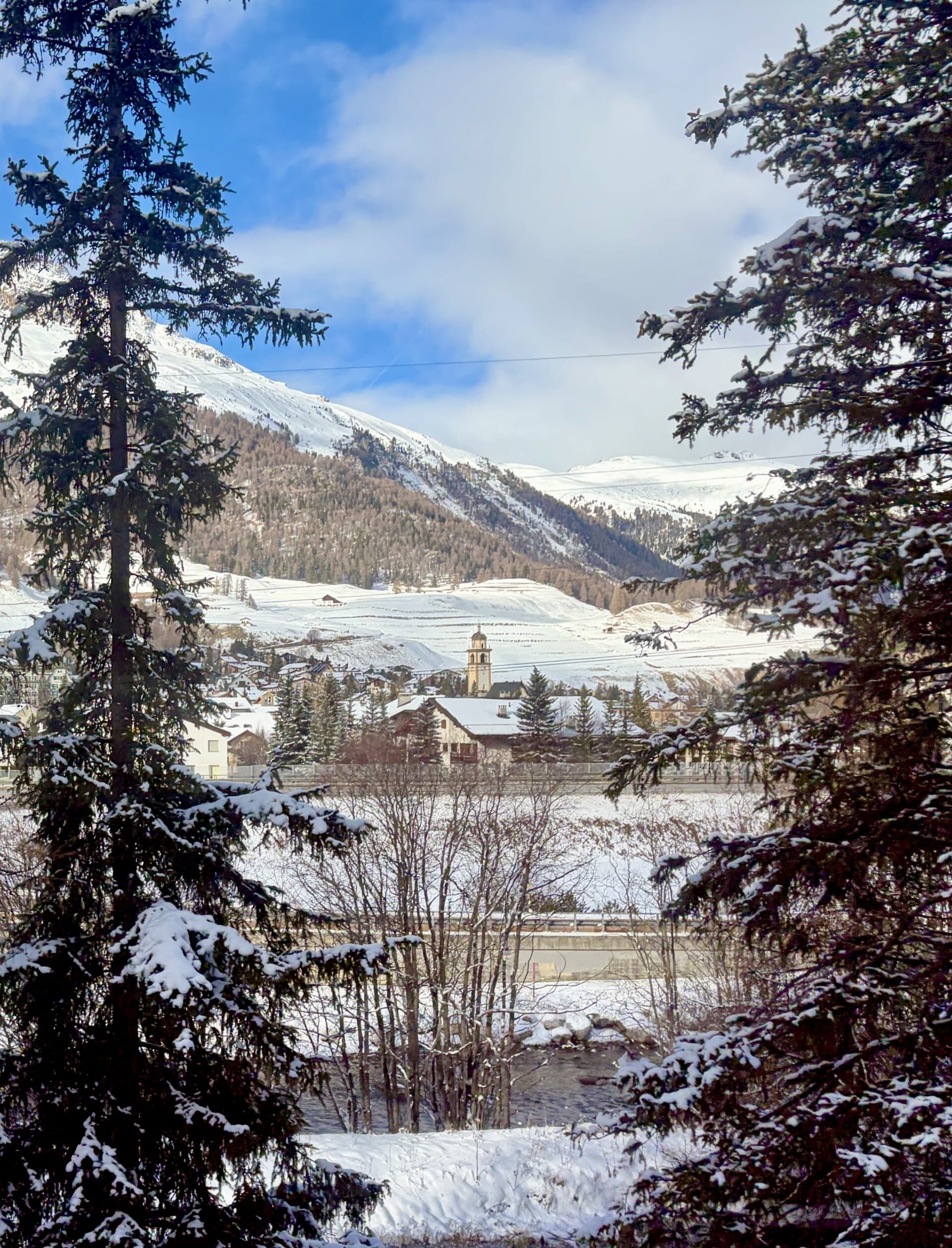
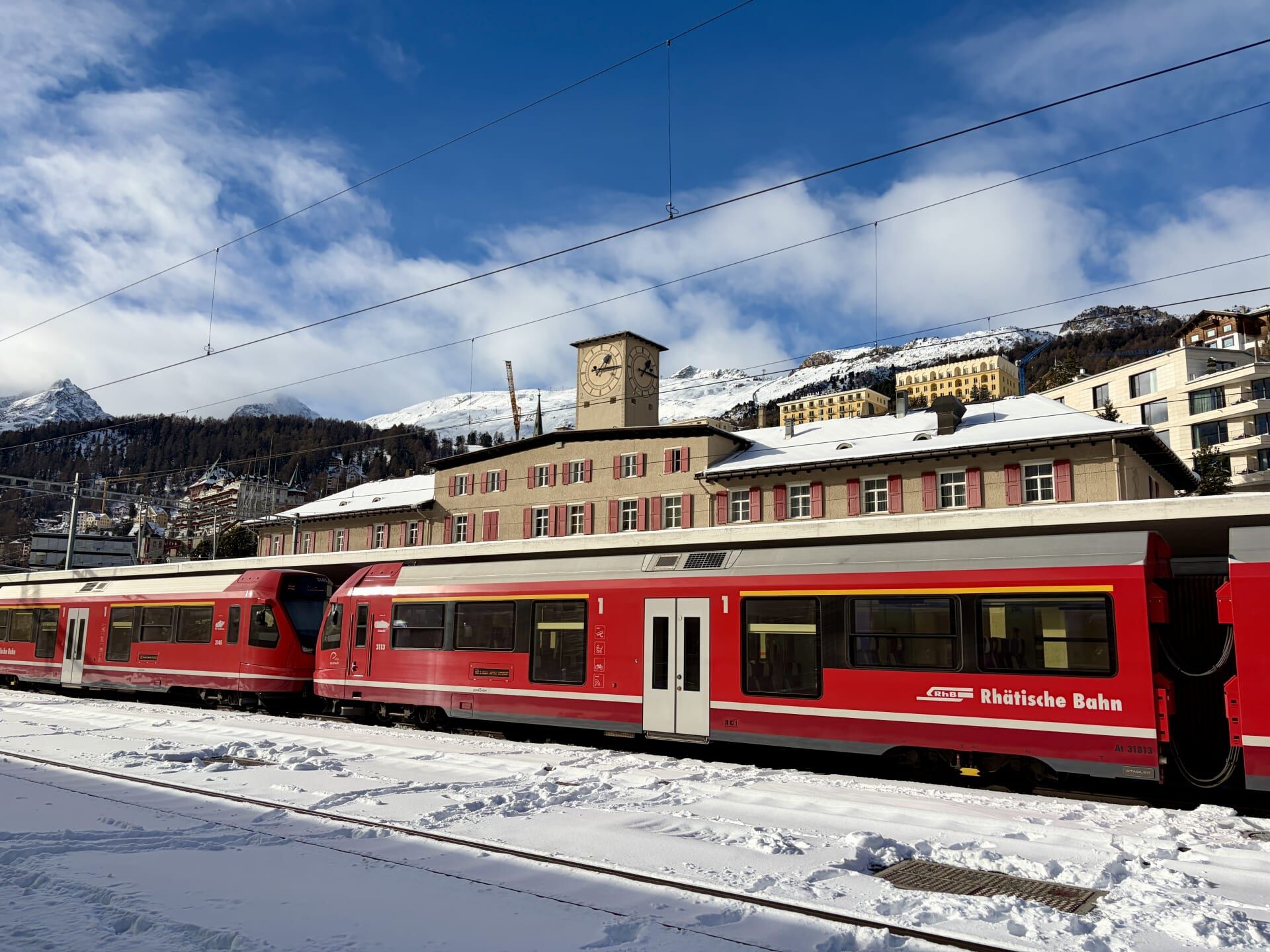
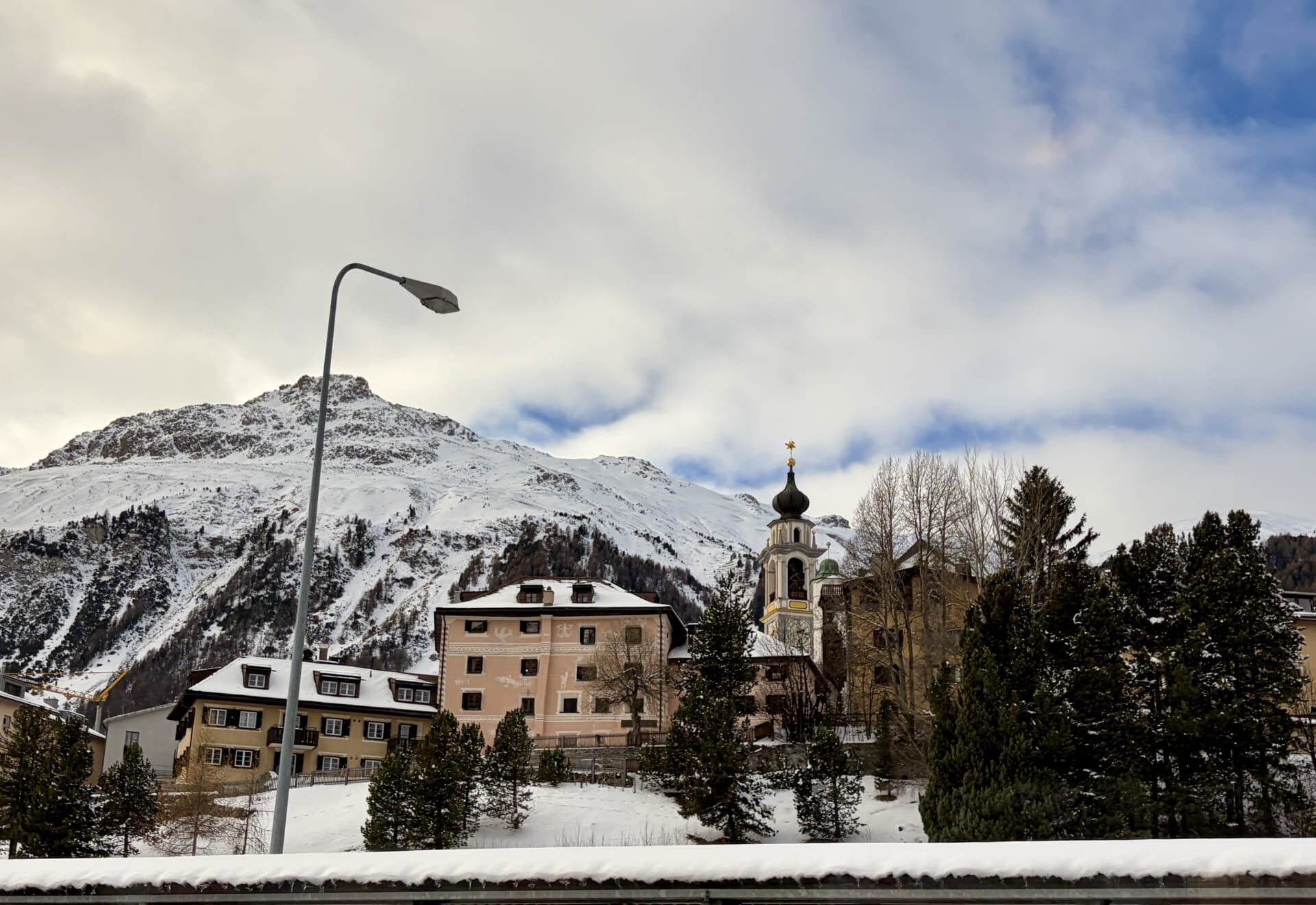
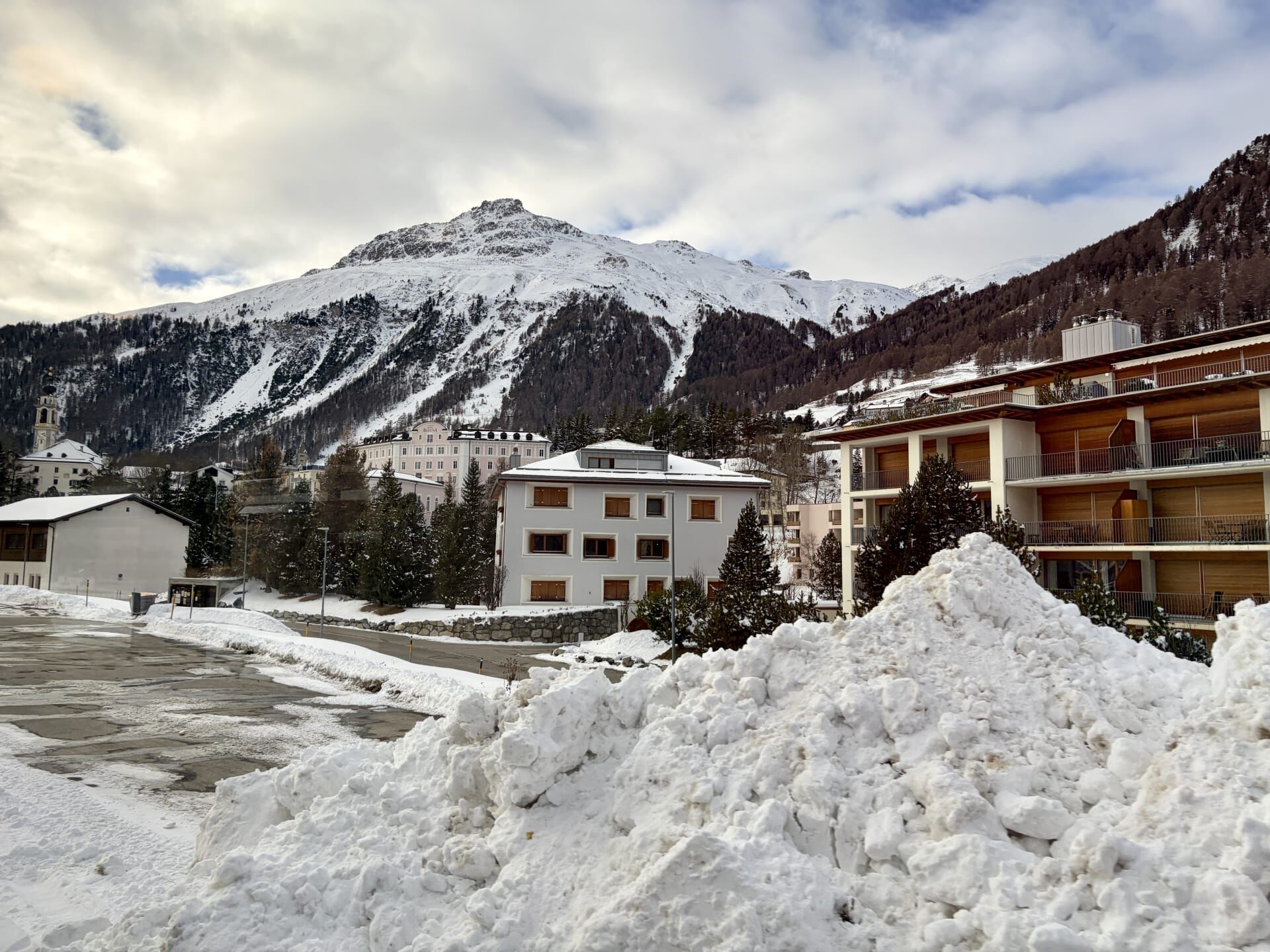
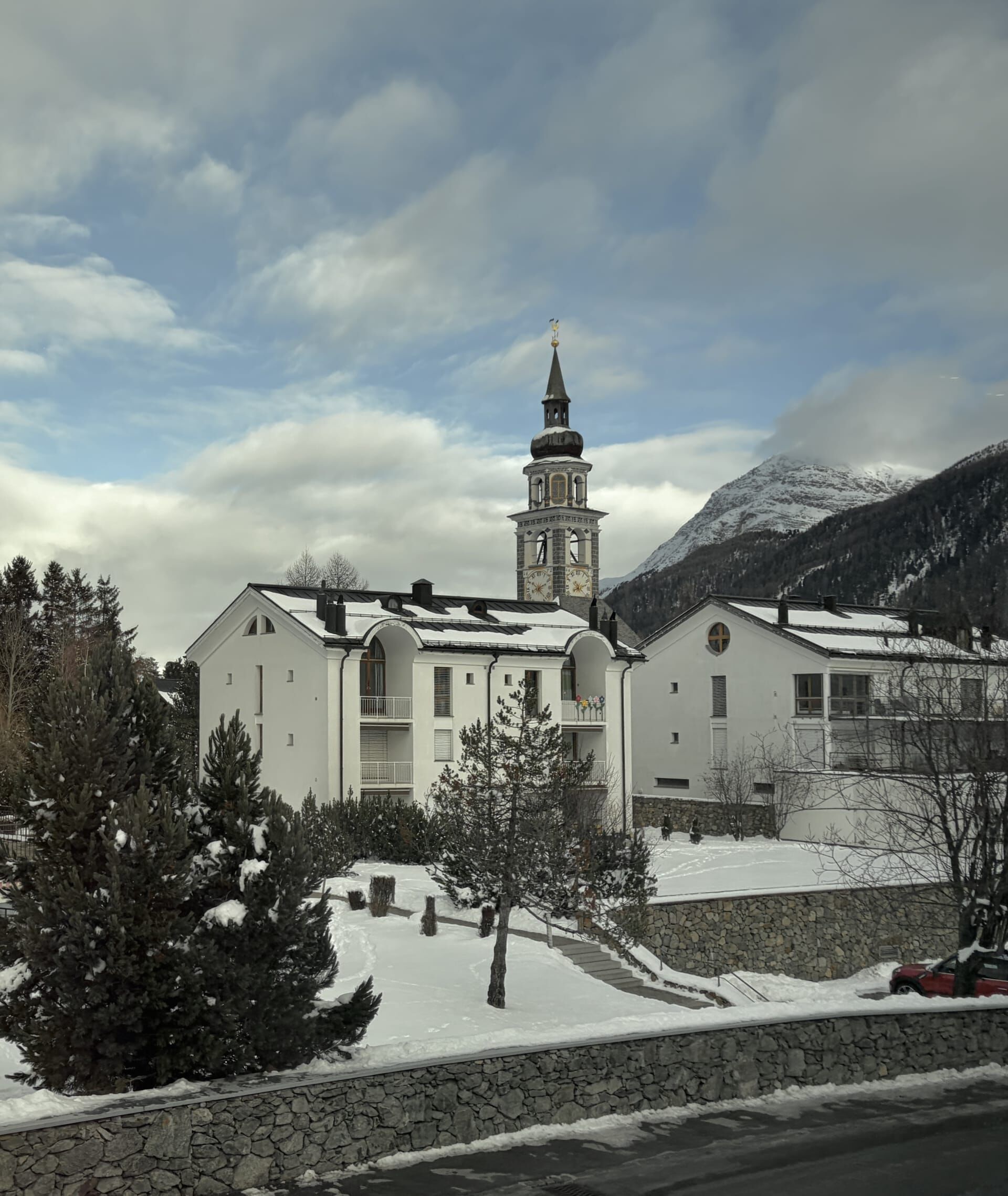
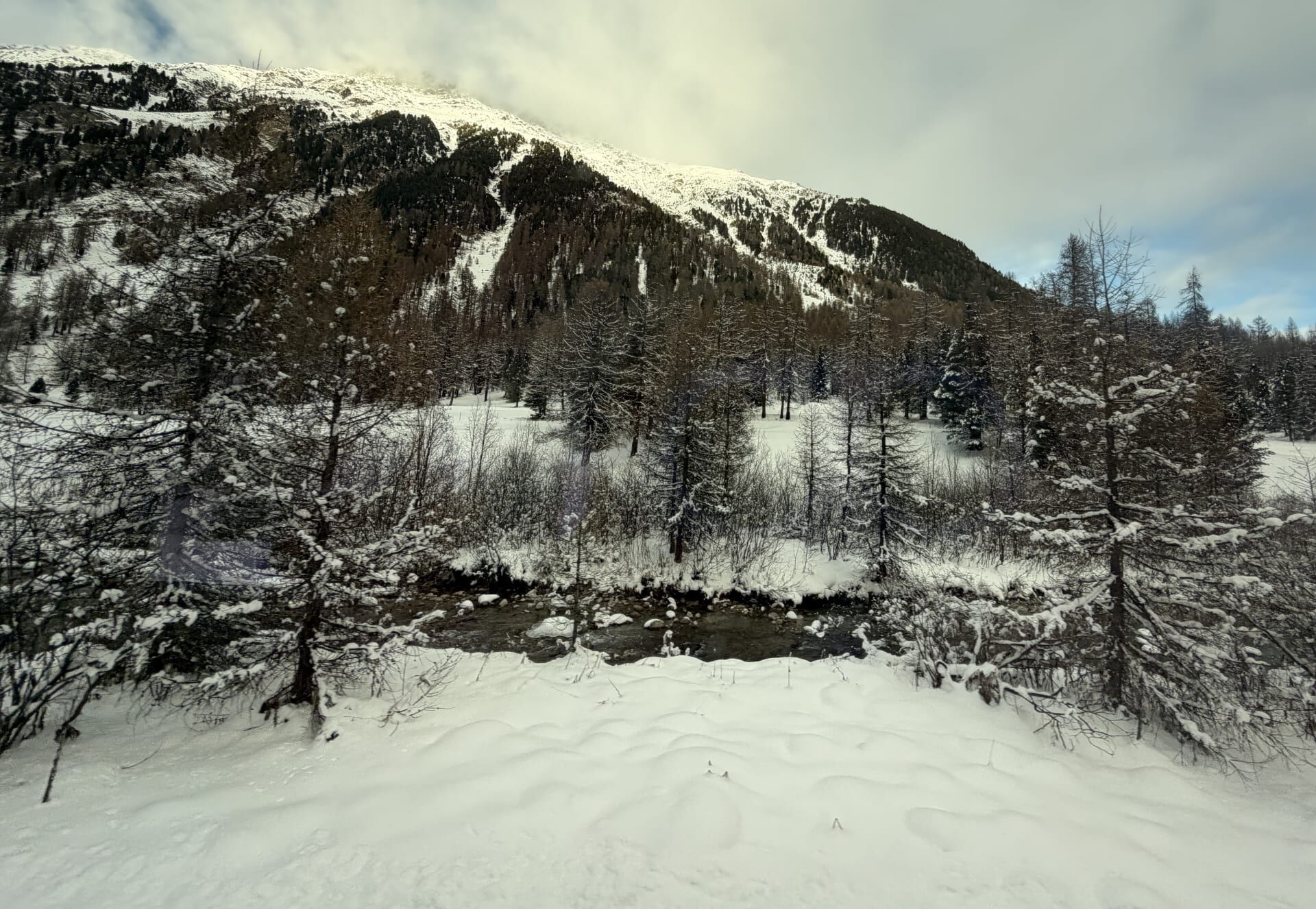
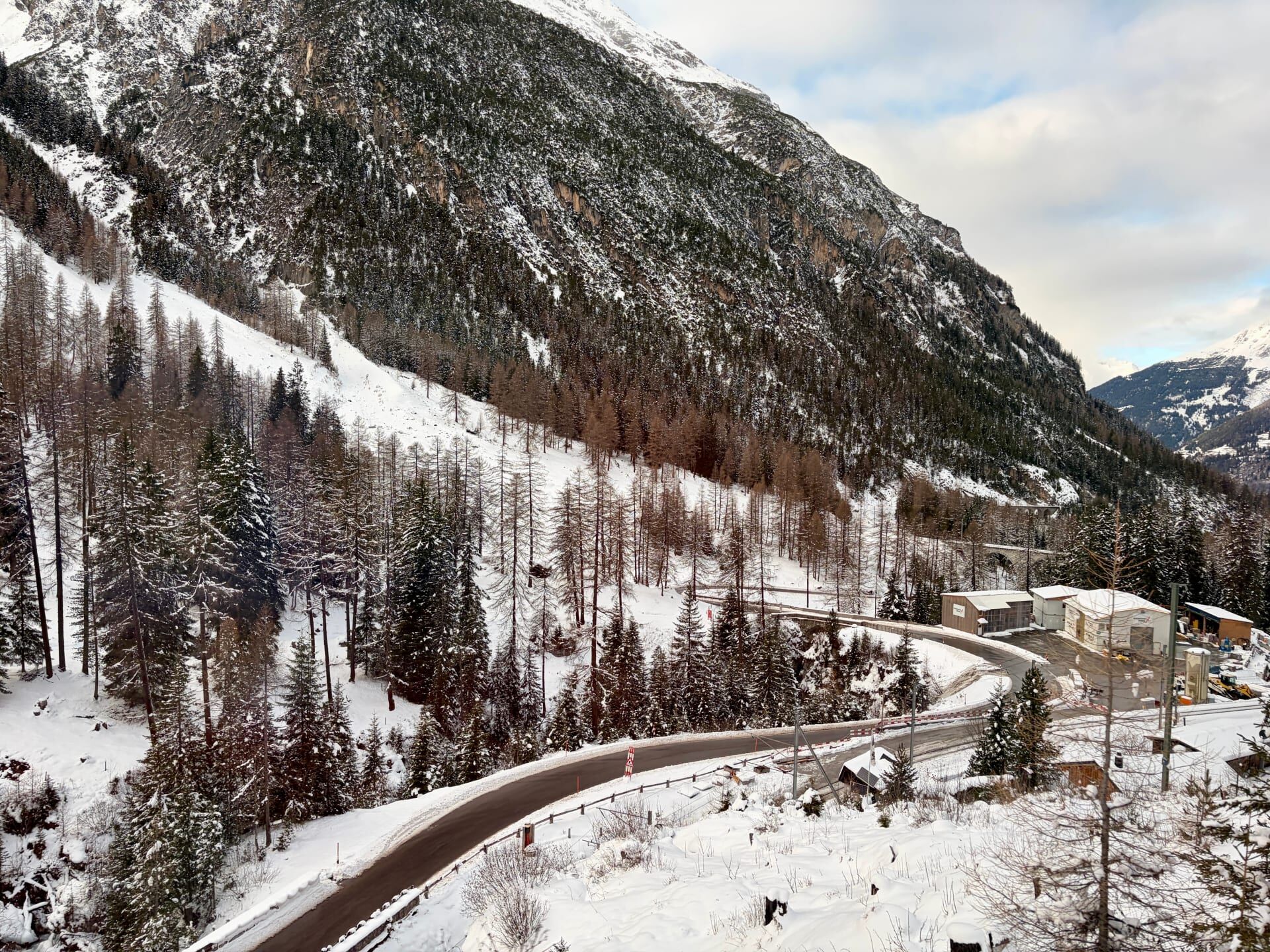
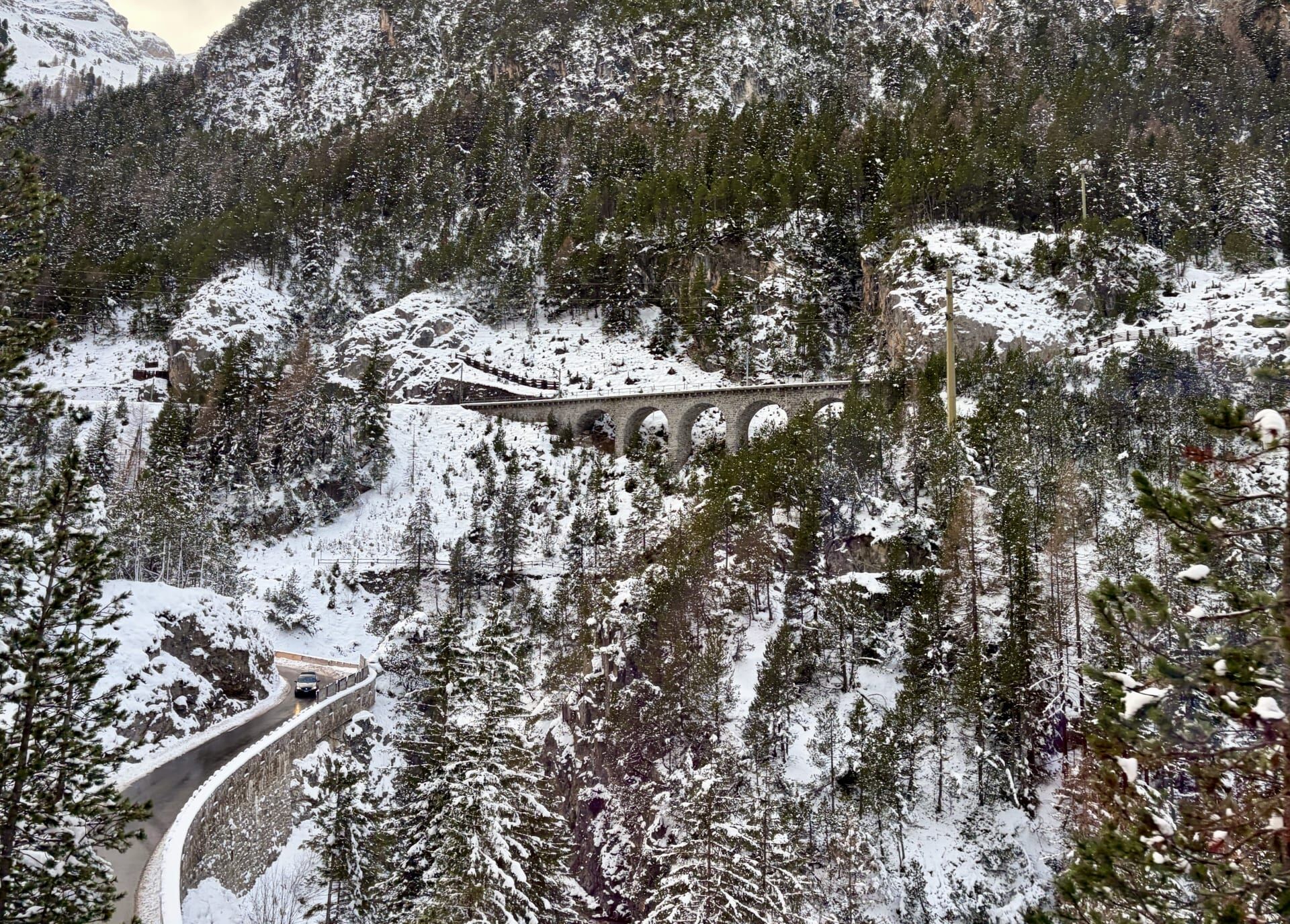
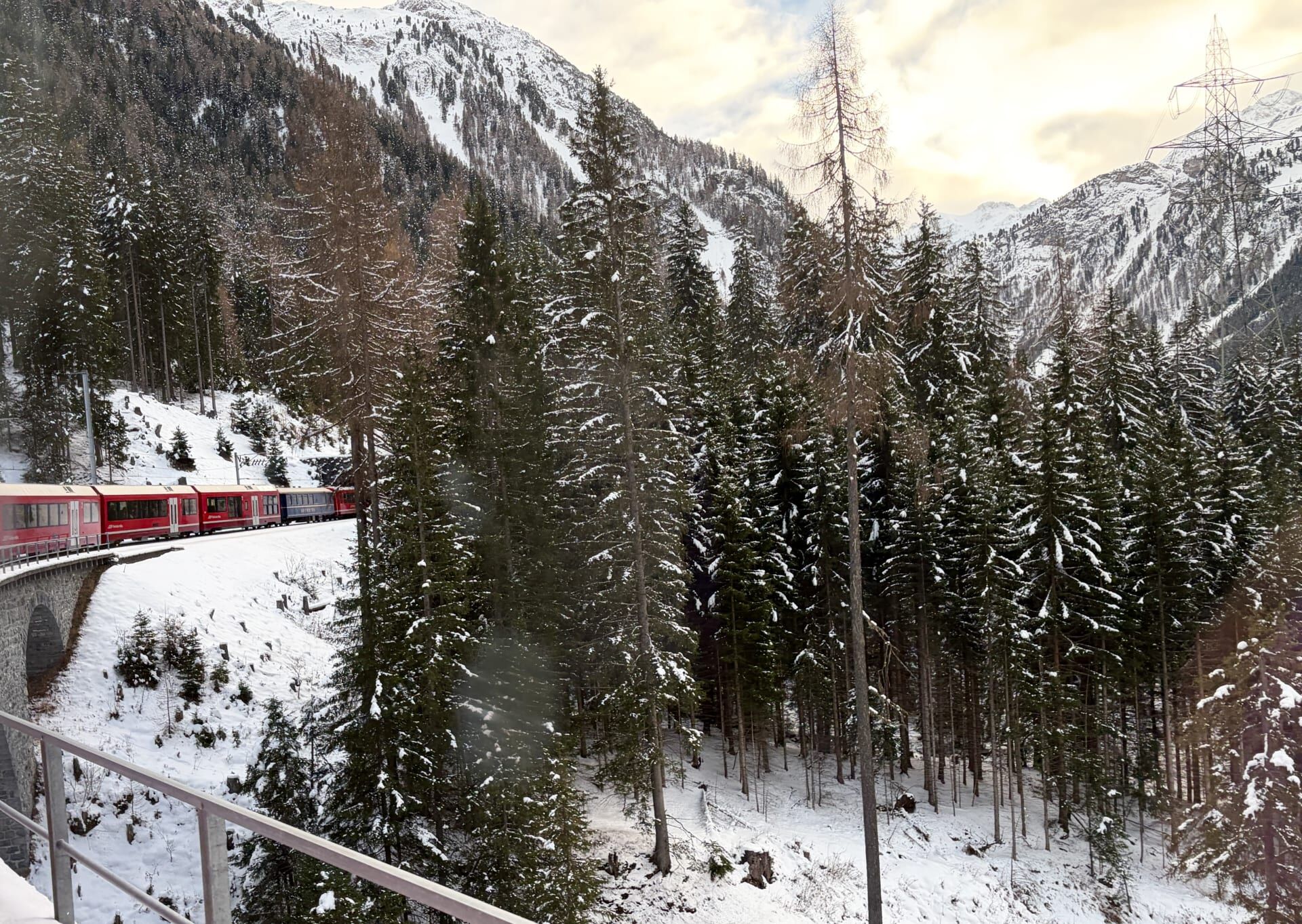
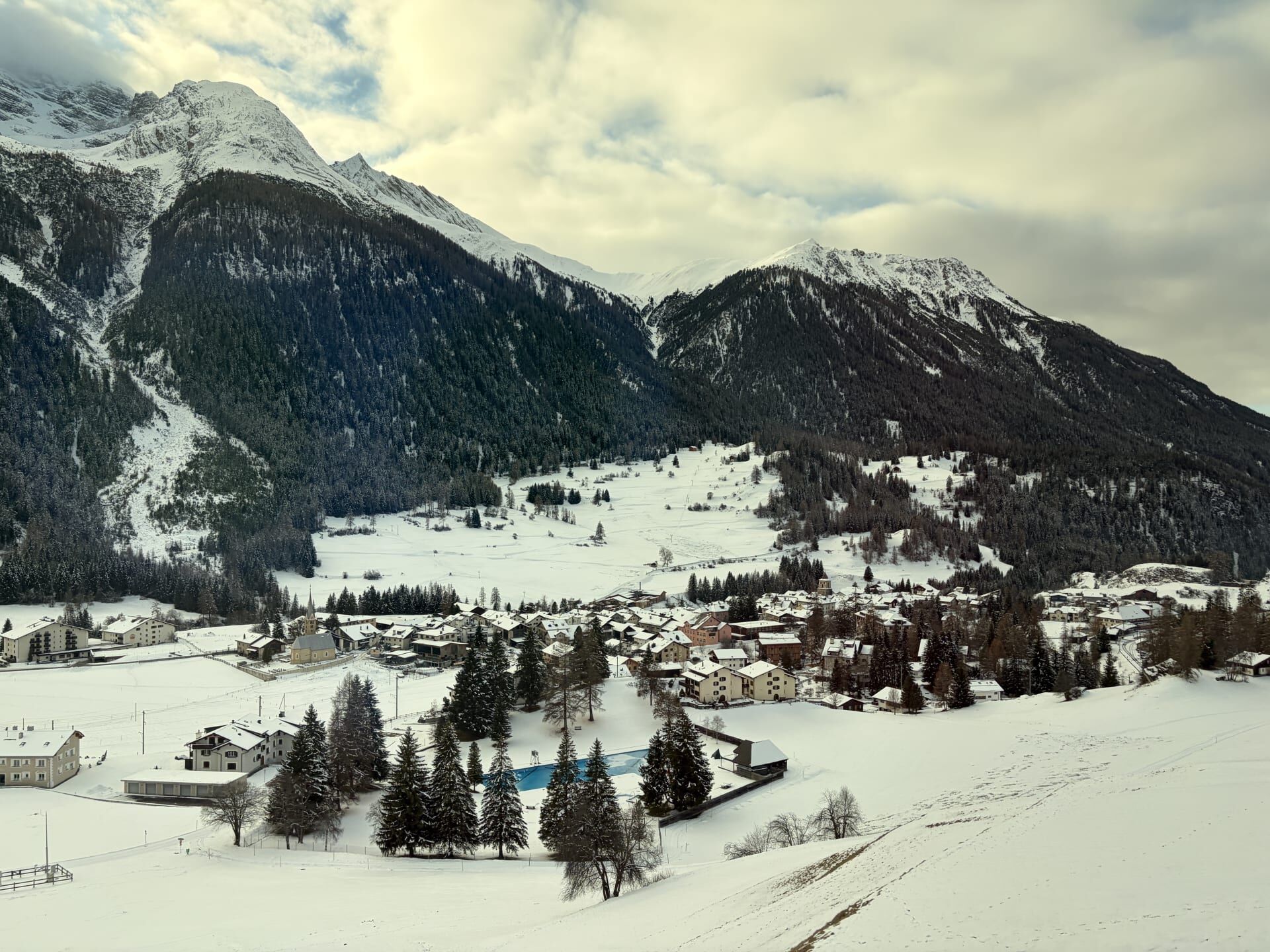
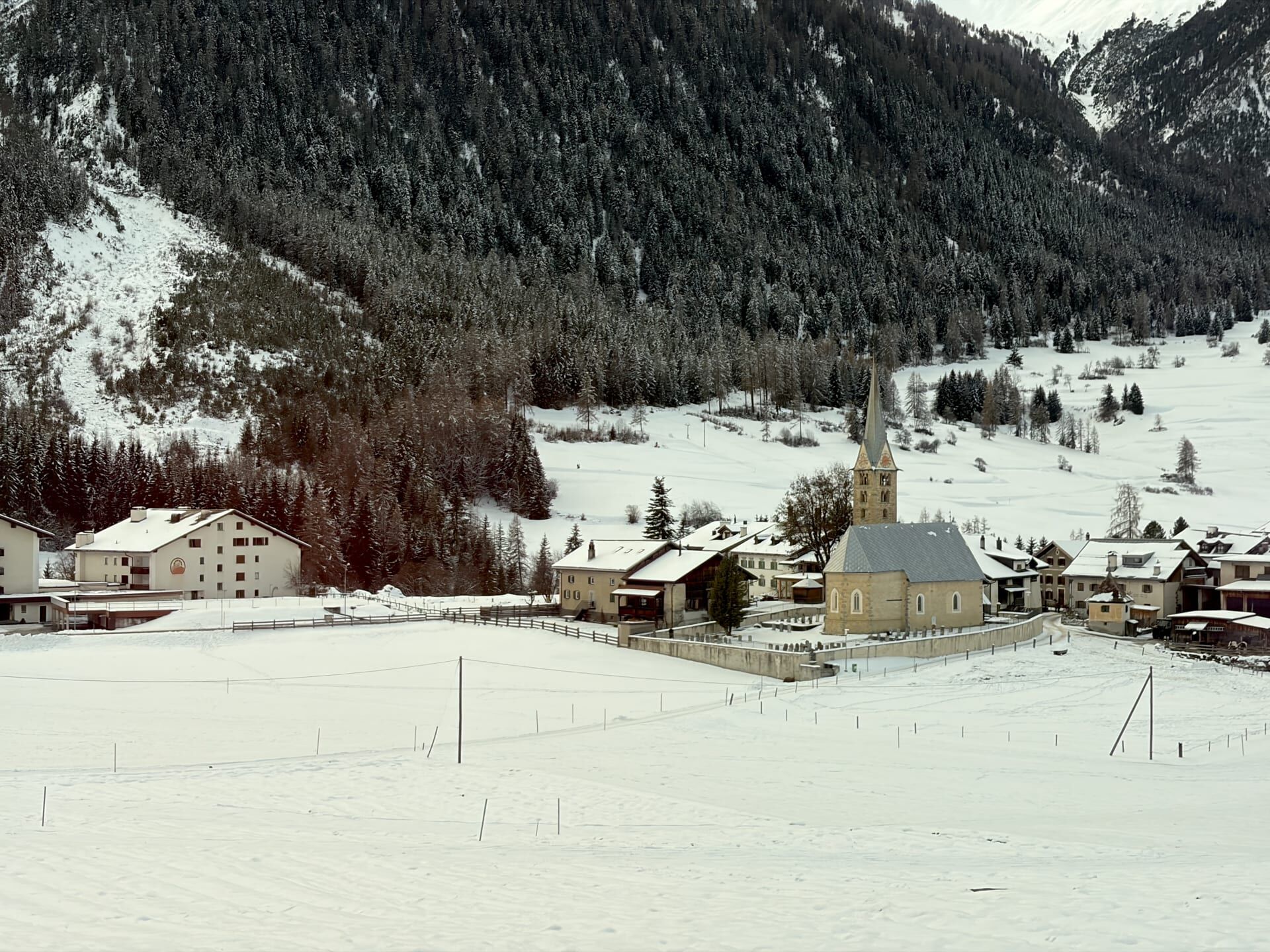
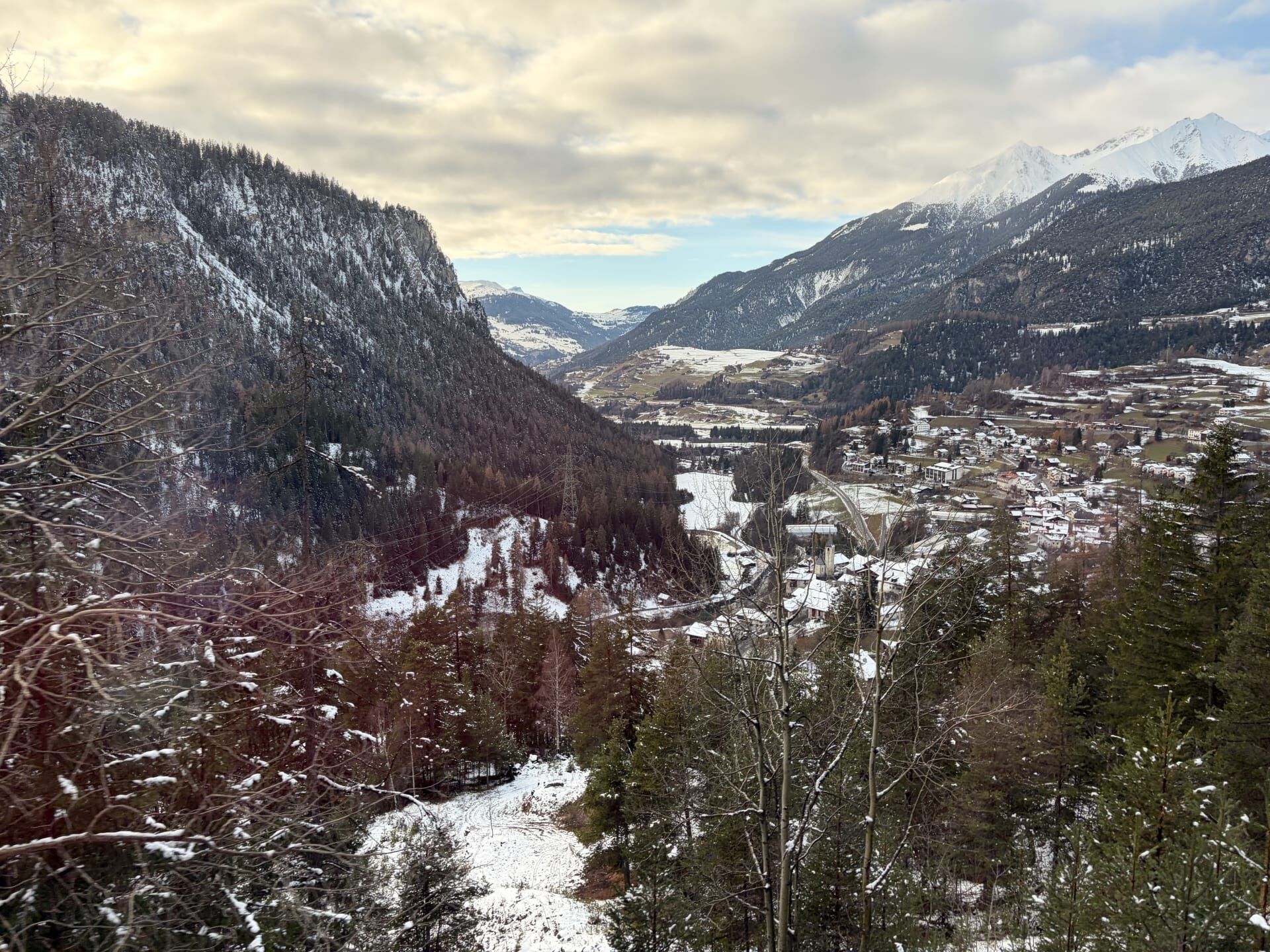
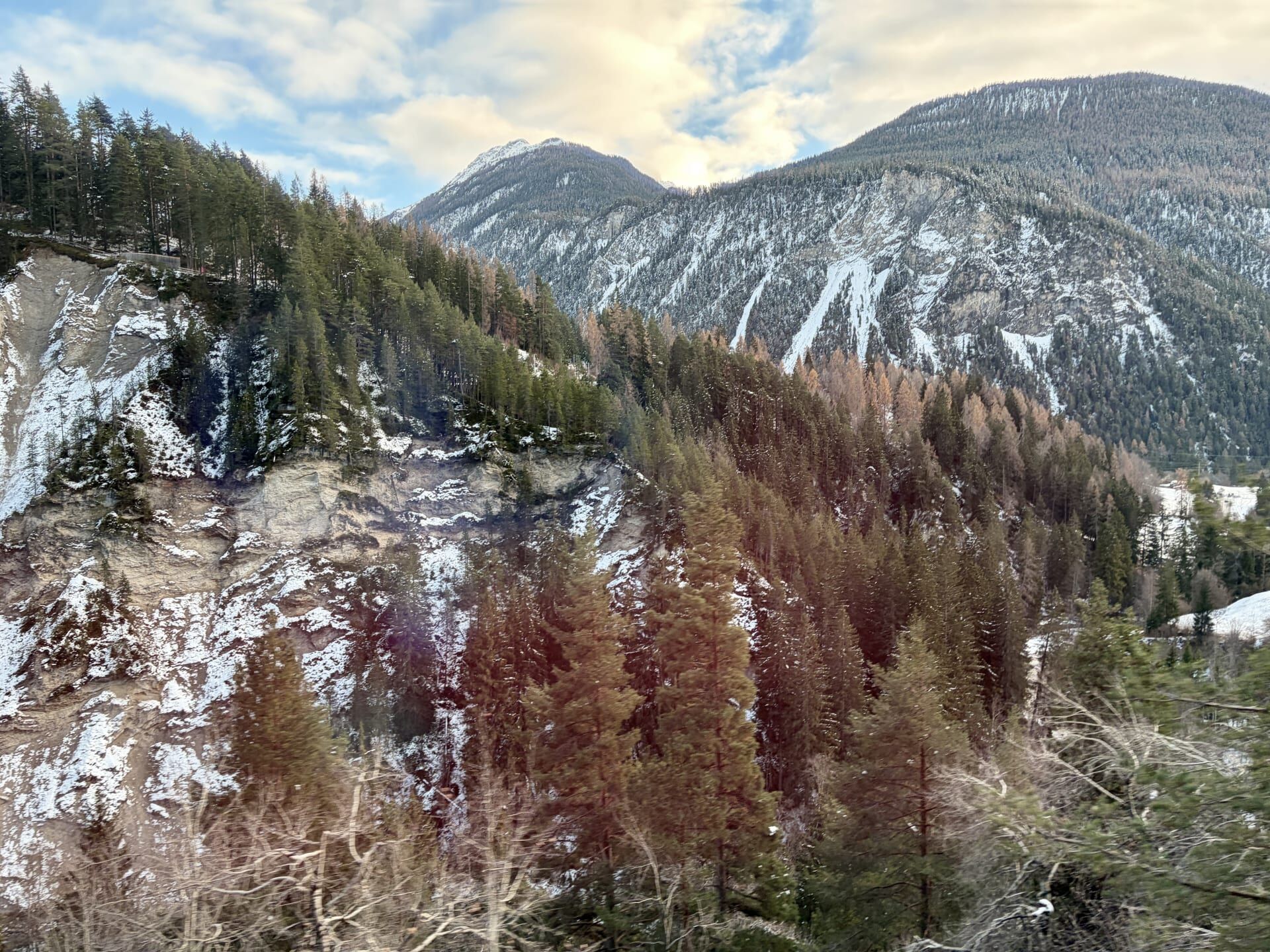
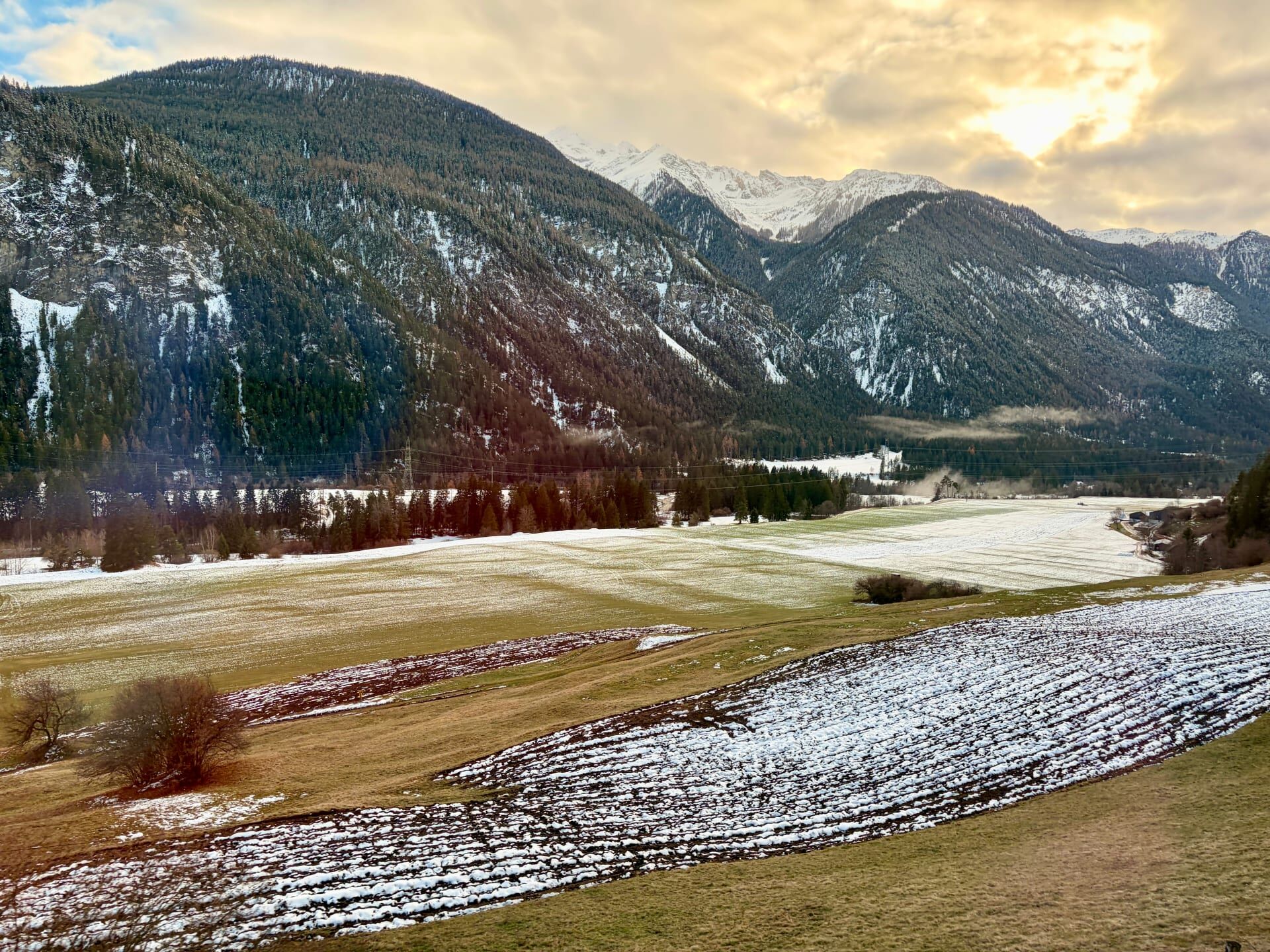
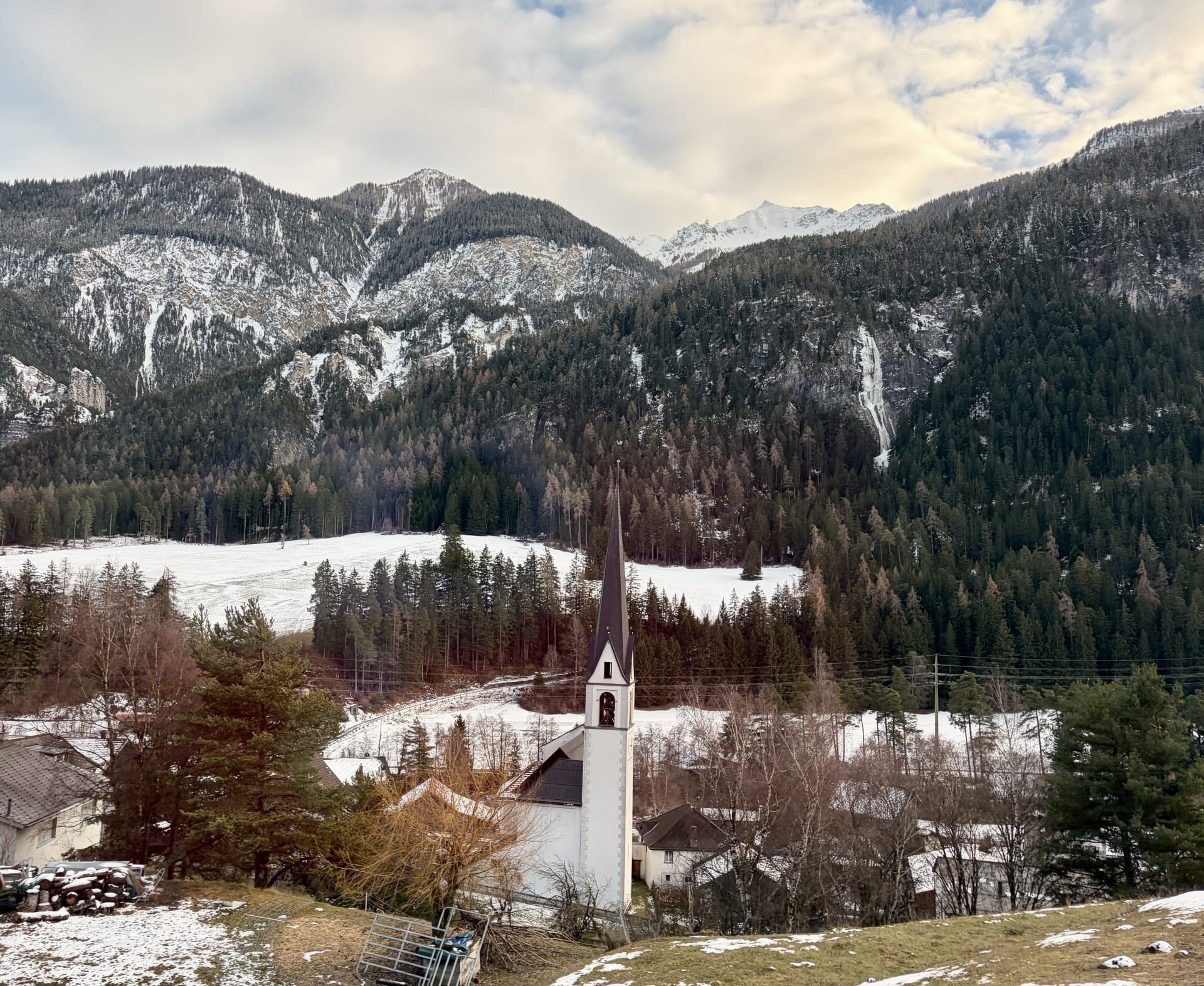
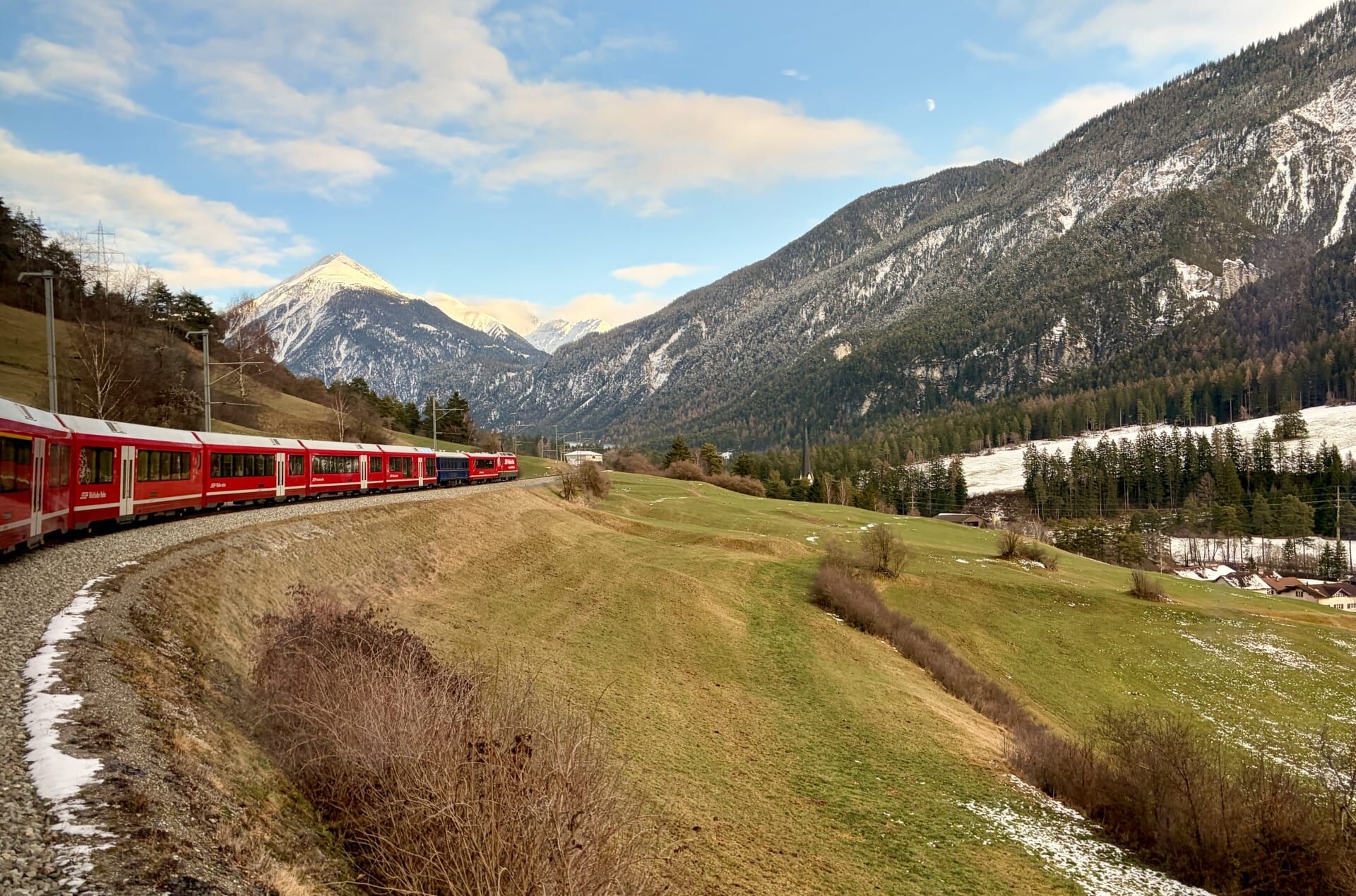
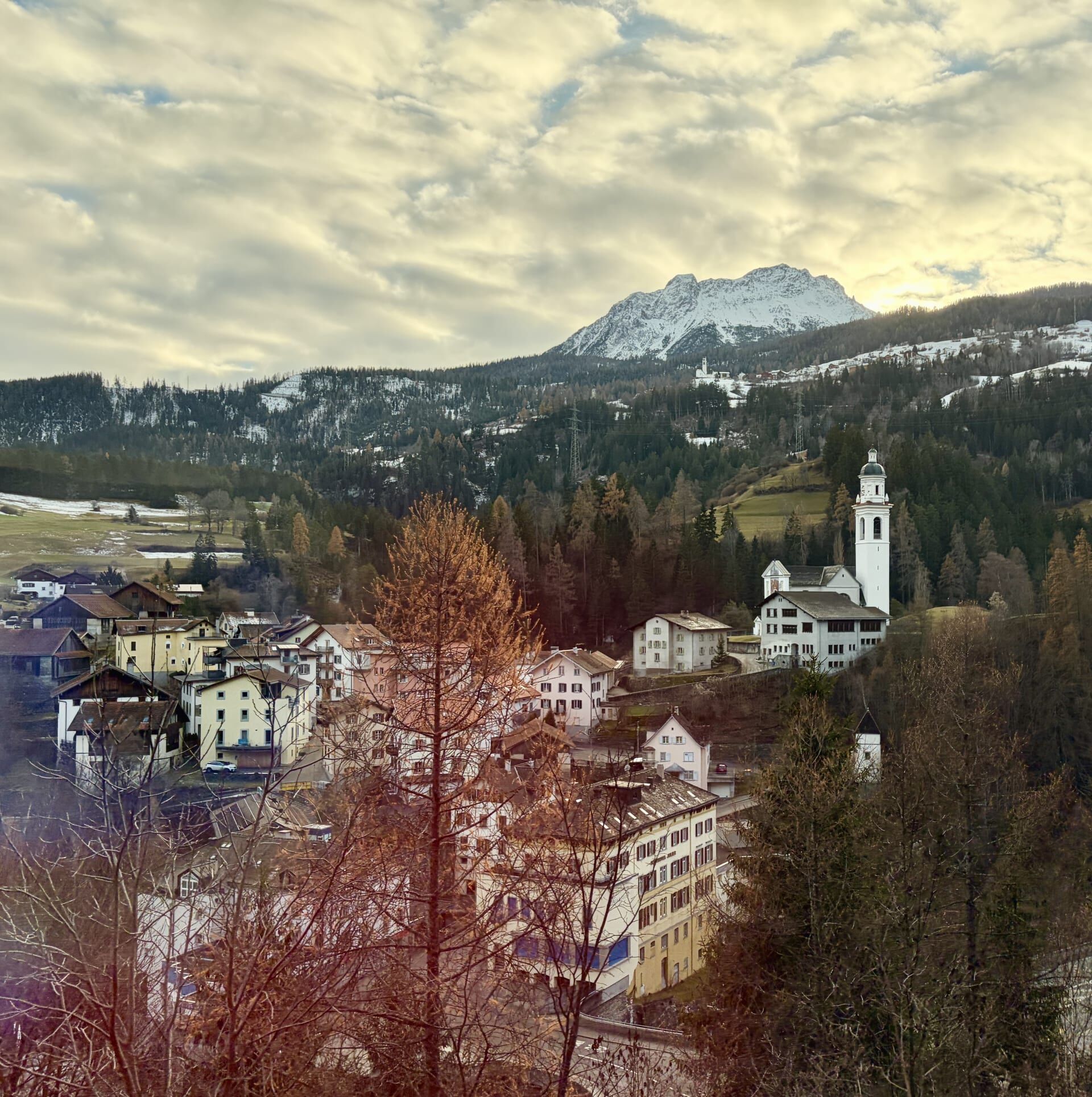
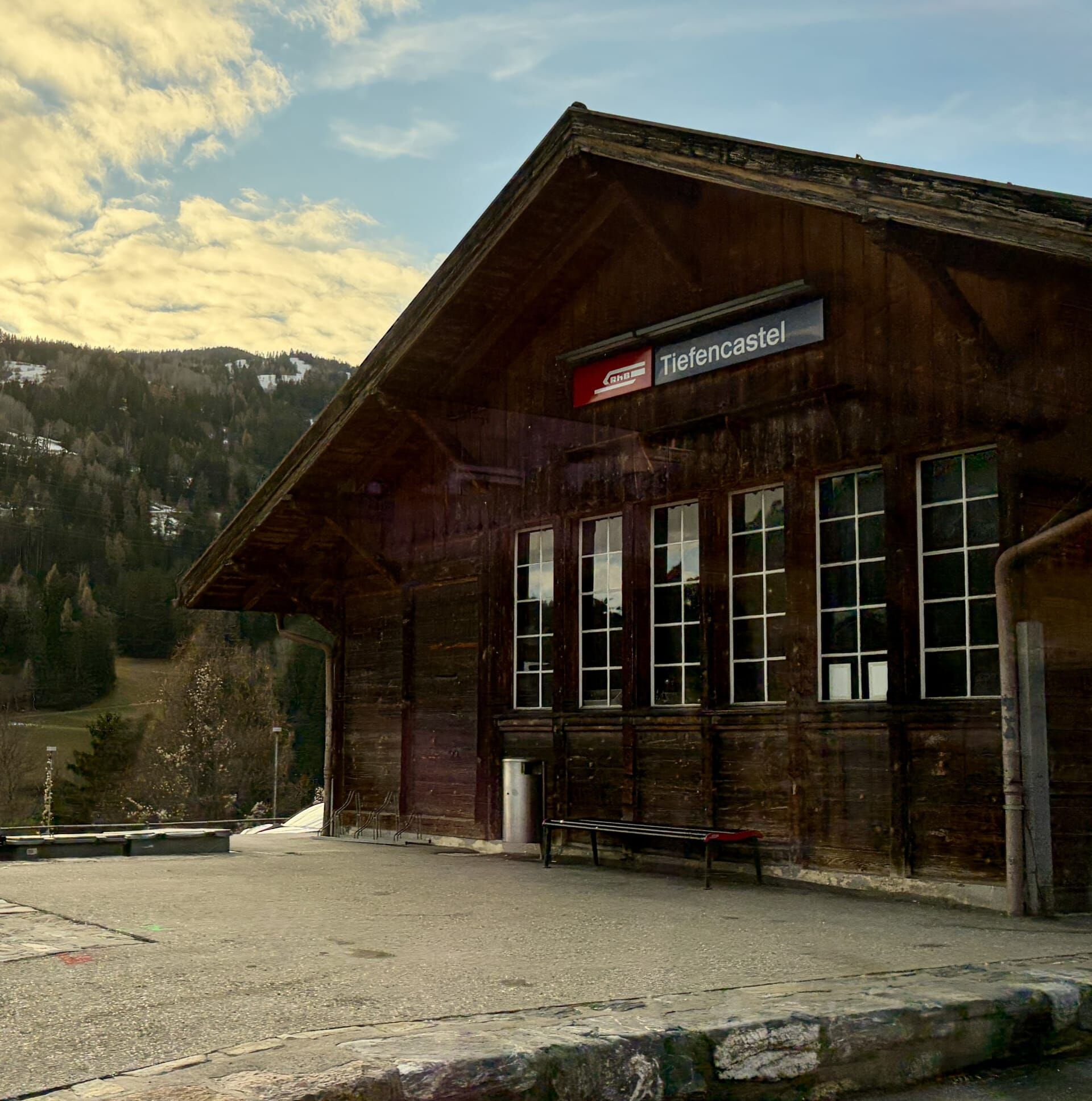
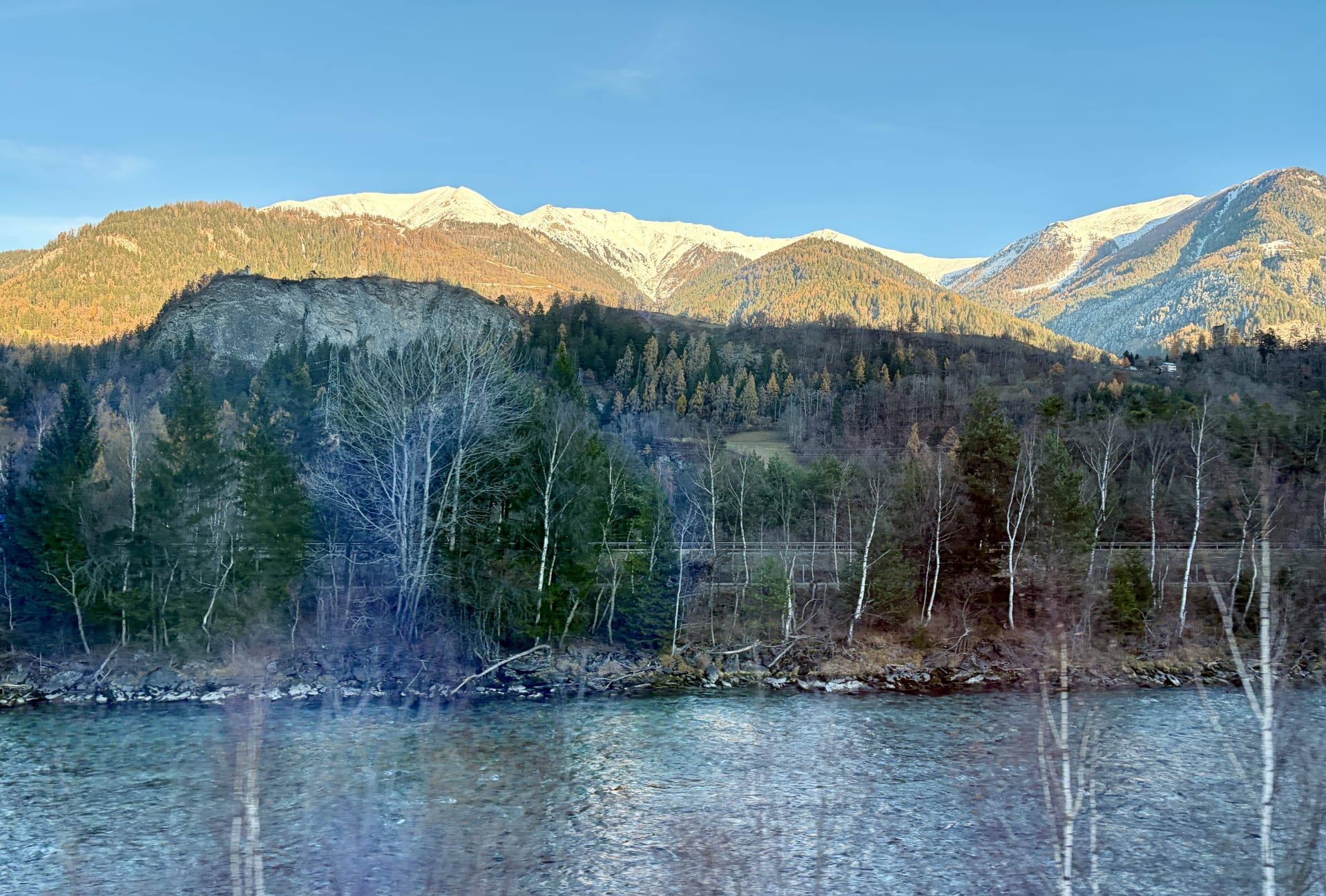
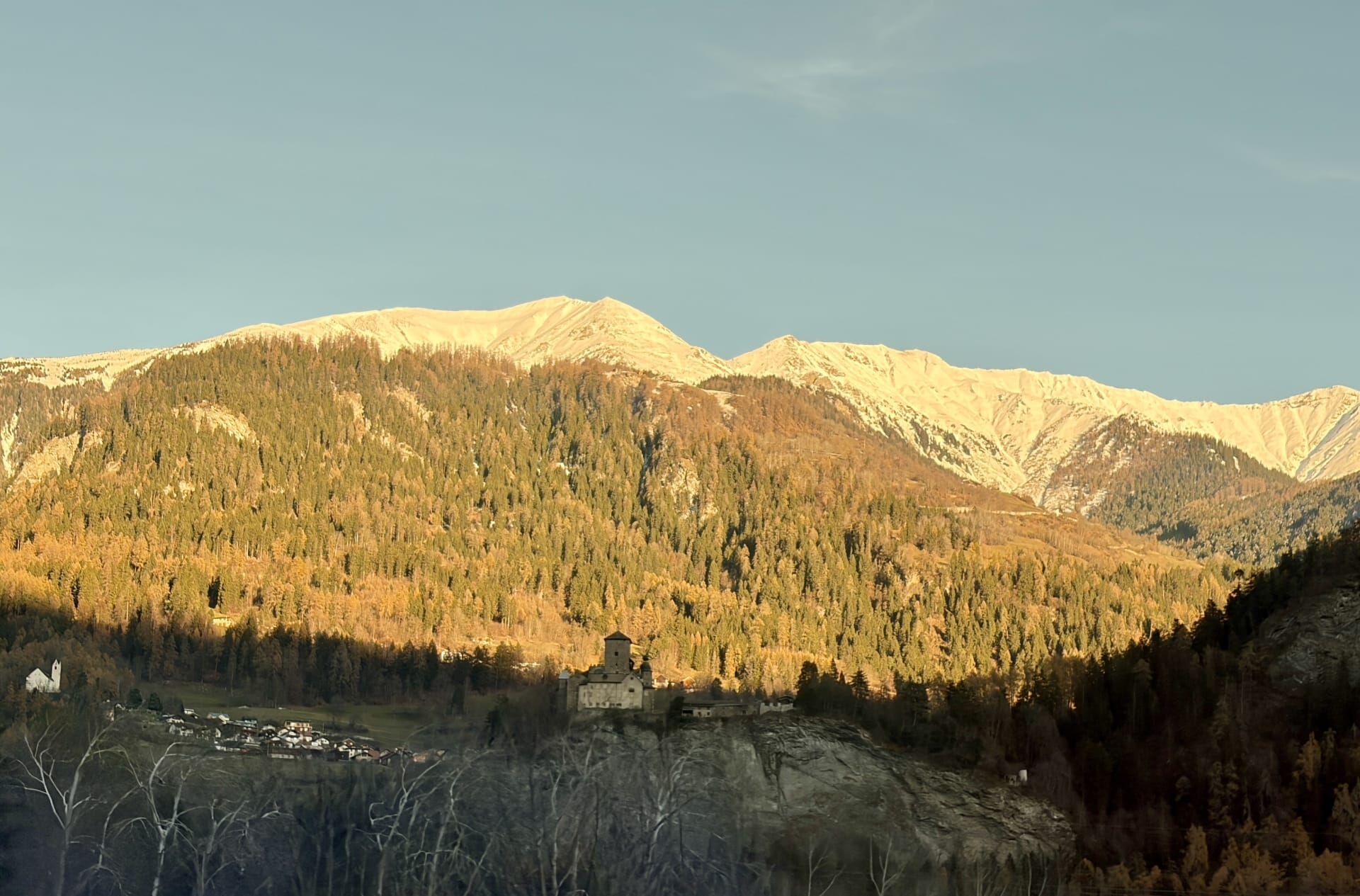
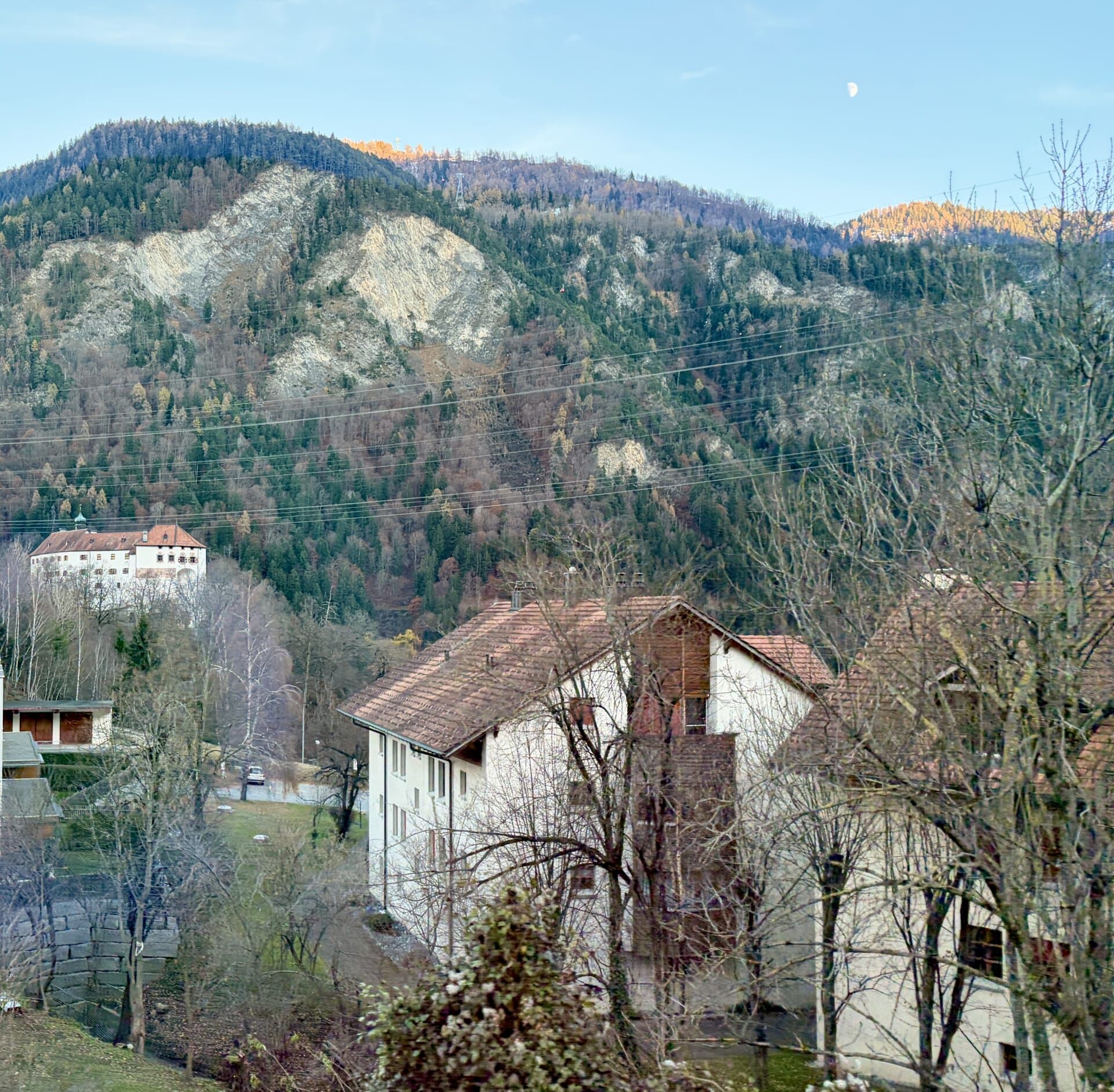
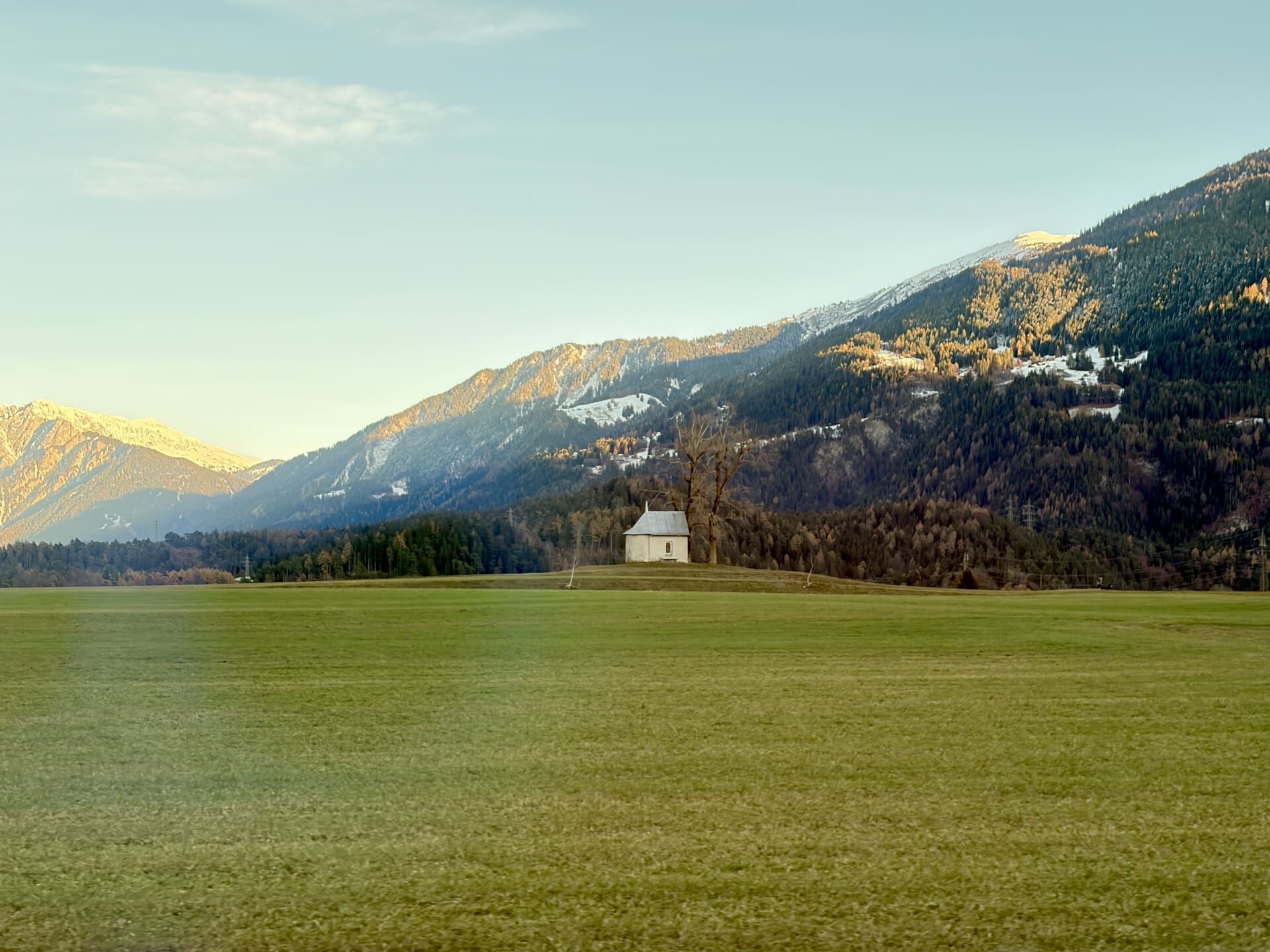
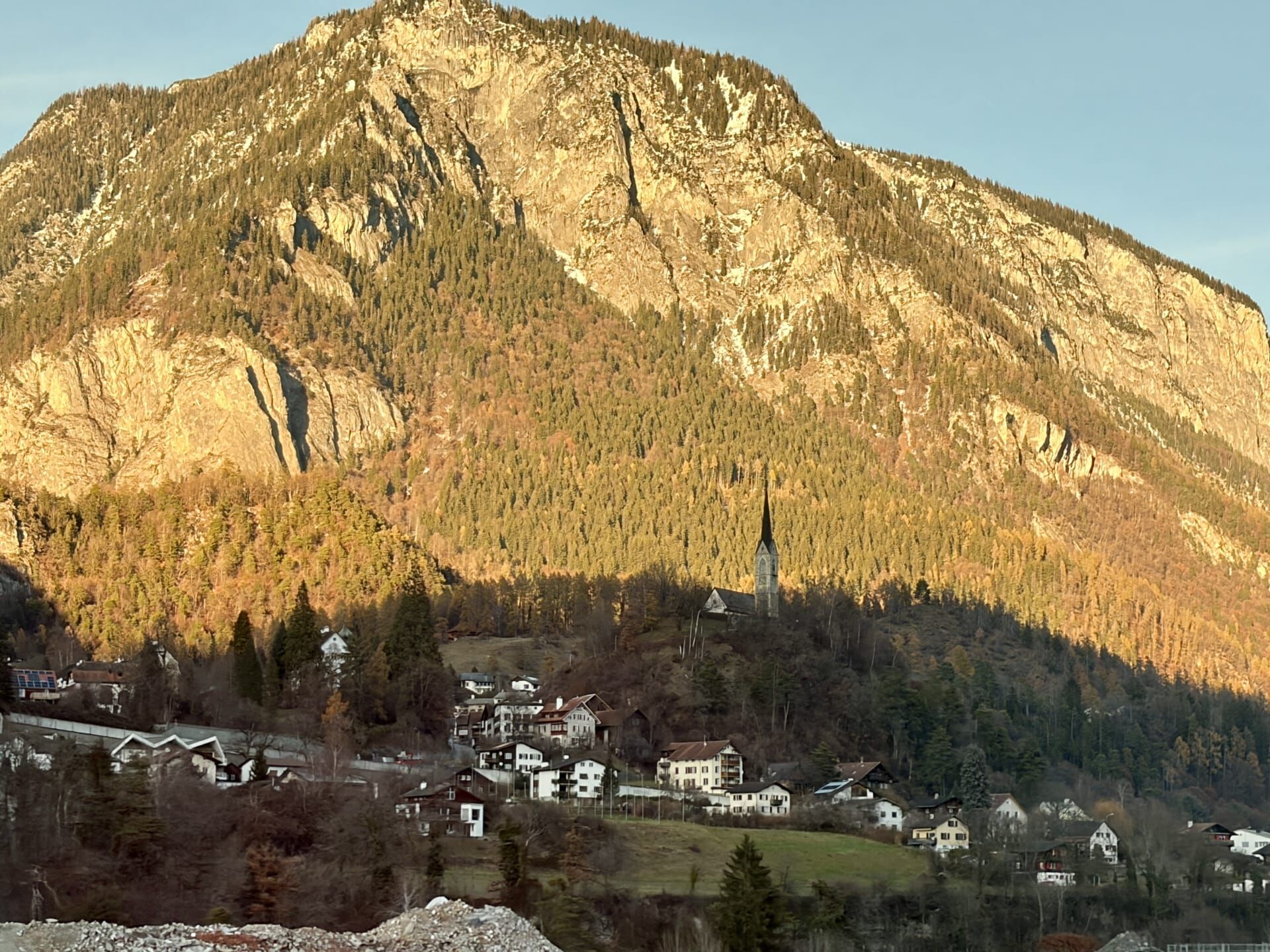
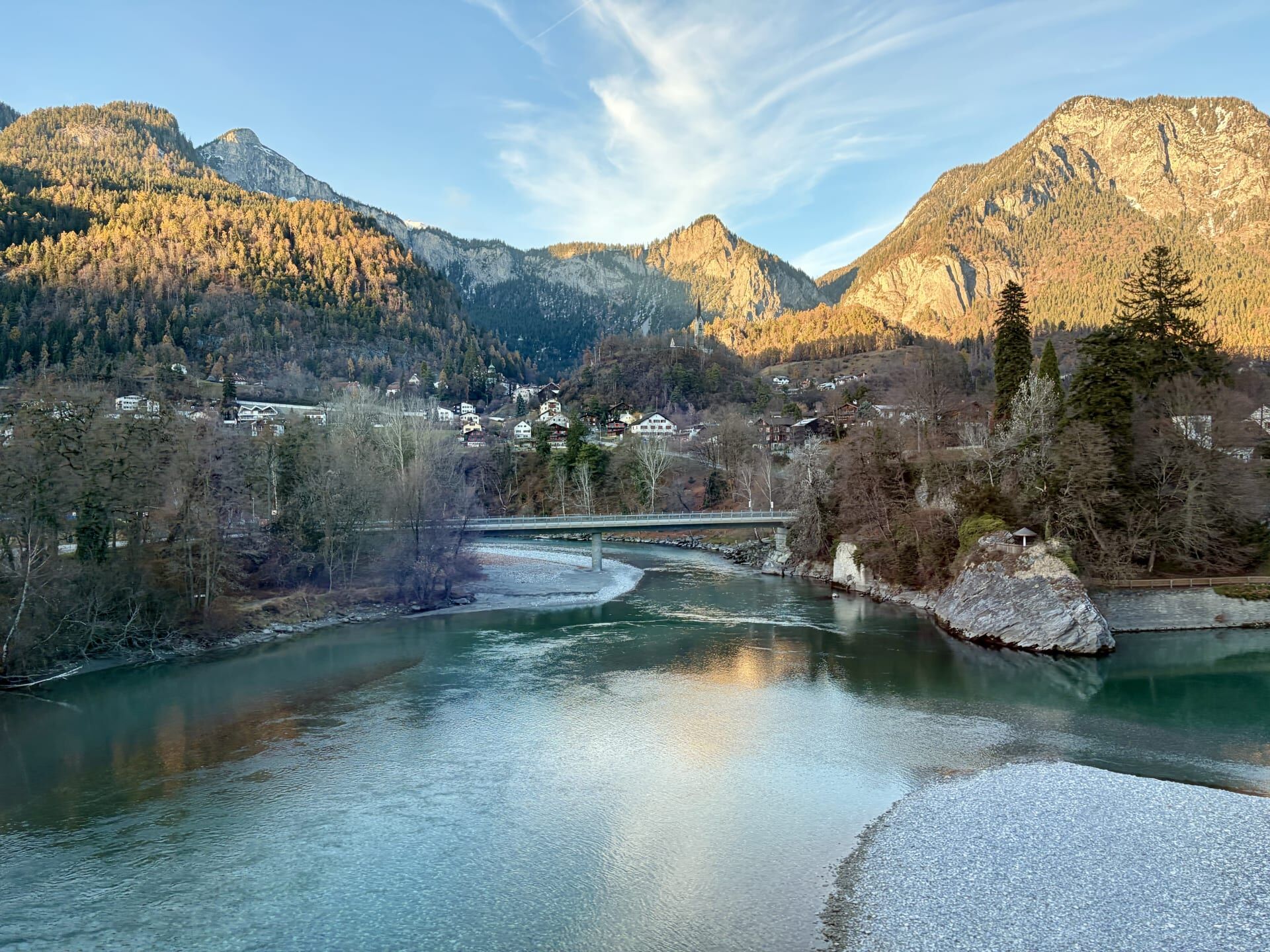
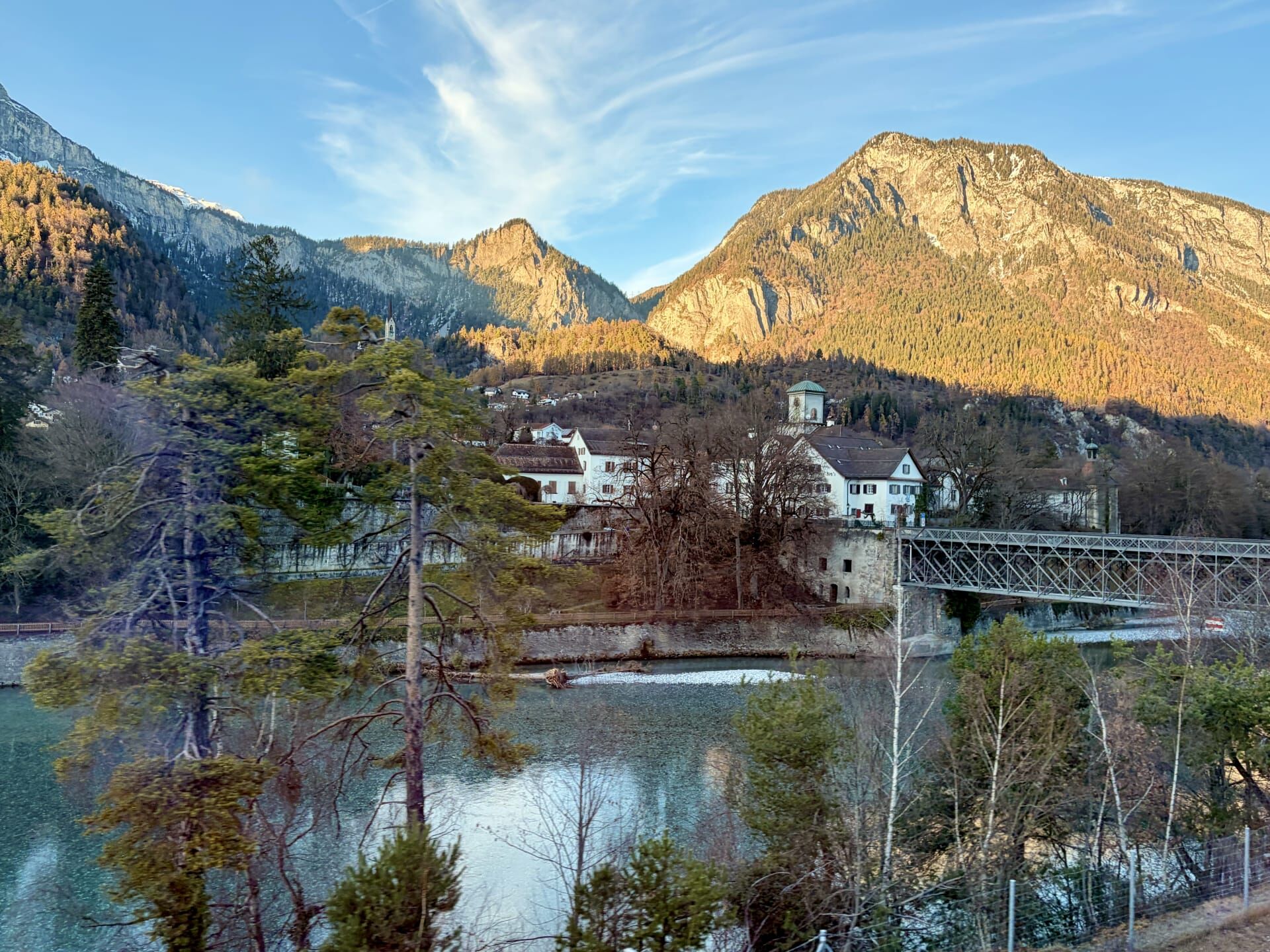
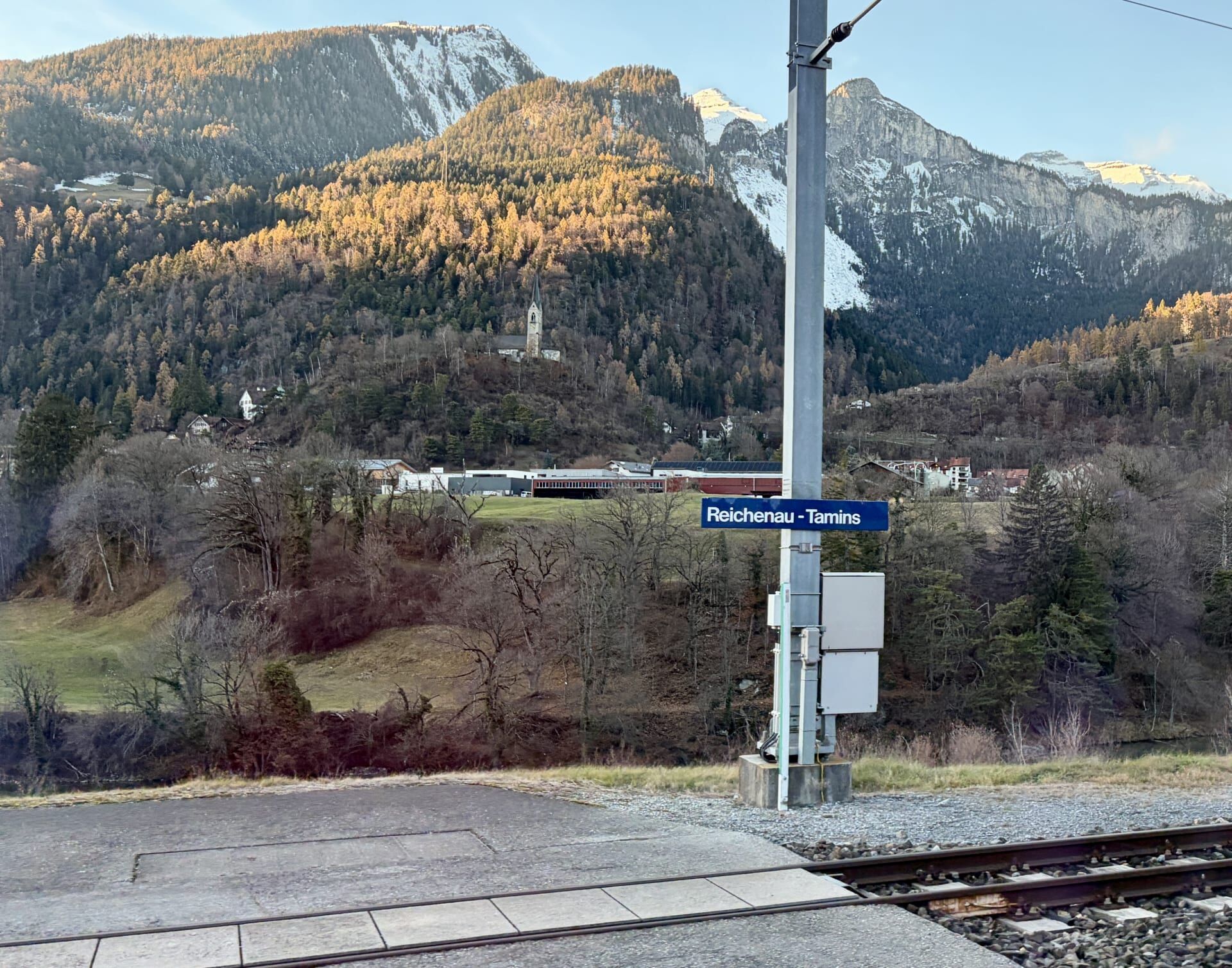
So, what is my final verdict after travelling on the world-famous Bernina and Albula lines? Well, I think the photos in this post provide some indication of just how spectacular the train journey is—the best, in fact, that I have ever taken. It stands apart from all other rail trips for just how memorable each different stage of the journey is. After most scenic train rides, I tend to be left with a memory of the beautiful mountain scenery, or the excitement of being on the train, but not necessarily all of the finer details. I often have to revisit my blog posts to remind myself of specific sights en route. The journey along the Bernina and Albula lines, however, unfolds like a series of unforgettable checkpoints, from the spiralling Brusio Viaduct and the glassy, reflective waters of Lake Poschiavo near the start of the line, to the remote Alp Grüm Station, the frozen expanse of Lake Bianco, and, of course, the dramatic Landwasser Viaduct. The sheer variety and grandeur of these sights make this rail journey feel truly unparalleled.
Franco Tanel, Travel By Train (White Star, 2023) 106. ↩︎
Diccon Bewes, The Best Swiss Train Rides (Helvetiq, 2025) 182. ↩︎
Insight Guides, Great Railway Journeys of Europe (APA Publications, 2nd ed, 2019) 199. ↩︎
Berthold Steinhilber, Alpine Railways (Schiffer Publishing Ltd, 2025) 206; Swissinfo, ‘The Birth of a Railway’ (Online, 2010). ↩︎
Bewes (n 2) 183. ↩︎
Ibid 133. ↩︎
Julian Holland, Great Railways of the World (Collins, 2016) 60. ↩︎
Everett Potter, 100 Train Journeys of a Lifetime (National Geographic, 2026) 62; Bewes (n 2) 176. ↩︎
Steinhilber (n 4) 220. ↩︎
Ibid. ↩︎
Swissinfo, ‘Historic Bernina line looks to the future’ (Online, 2010). ↩︎
David Bowden, Great Railway Journeys in Europe (John Beaufoy Publishing, 2023) 80. ↩︎
Bewes (n 2) 182. ↩︎
Monisha Rajesh, Epic Train Journeys: The Inside Track to the World’s Greatest Rail Routes (Gestalten, 2021) 13. ↩︎
Bowden (n 12) 80. ↩︎
Lonely Planet, Amazing Train Journeys (Lonely Planet, 2018) 215. ↩︎
Anthony Lambert, Switzerland: A guide to exploring the country by public transport (Brandt Travel Guides, 7th ed, 2023) 369. ↩︎
Lonely Planet, Epic Train Trips of The World (Lonely Planet, 2025) 208. ↩︎
Bowden (n 12) 82. ↩︎
Dena Roché, ‘Switzerland’s mysterious fourth language’ (BBC, 29 June 2018). ↩︎
Time Out, Great Train Journeys of the World (Time Out Guides, 2009) 94. ↩︎
Tanel (n 1) 107. ↩︎
Insight Guides (n 3) 201. ↩︎
Pontresina Tourismus, ‘About Pontresina and its Region’ (Online, 2026). ↩︎
Insight Guides (n 3) 199; Lambert (n 17) 367. ↩︎
Lambert (n 17) 360. ↩︎
Insight Guides (n 3) 197. ↩︎
Holland (n 7) 61. ↩︎
Lambert (n 17) 361. ↩︎
Bewes (n 2) 181; Bowden (n 12) 80. ↩︎
Brian Solomon, The World’s Great Rail Journeys (John Beaufoy Publishing, 2nd ed, 2022) 51; Sarah Baxter, History of the World in 500 Railway Journeys (Quarto Publishing, 2017) 38. ↩︎
Tom Savio, Top Railway Journeys of the World (New Holland Publishers, 2013) 69. ↩︎
Time Out (n 21) 93. ↩︎
Ibid. ↩︎
Helen Coffey, ‘Swiss village bans tourists from taking photos because it’s ‘too beautiful’’ (The Independent, 31 May 2017). ↩︎
Lambert (n 17) 359. ↩︎
Bowden (n 12) 82. ↩︎
Lonely Planet (n 16) 214. ↩︎
Lambert (n 17) 358. ↩︎
Ibid 353. ↩︎