The railway between Chur, Switzerland’s oldest town, and the tourist resort of Arosa commenced operation in 1914. I enjoyed a ride on this line in December 2025.
The Arosa Line
Although Chur and Arosa are less than 14 kilometres apart, the railway spans 26 kilometres, gaining its length through a series of tight curves as it climbs over 1,150 metres in elevation from the valley floor and into the high alpine landscape. It takes just over an hour to complete the journey to Arosa, with the train crossing 52 bridges and viaducts and travelling through 19 tunnels.1 In addition to transporting tourists and skiers, the railway also carries over 50 million kilograms of freight annually, with this consisting primarily of wood, sand, gravel and cement.2
The goal of the 1897 Graubünden railway law—’to open up the canton for general transport and to connect the main valleys with one another’—laid the groundwork for a railway between Chur and Arosa.3 By the early 20th Century, the burgeoning tourism industry in Arosa added urgency to the plan. The spa resort was quickly gaining a reputation as a health destination with its crisp alpine air and scenic setting, but its tuberculosis sanatoriums, located high in the mountains, were difficult to reach from Chur (the capital of Switzerland’s Graubünden canton).4 As stagecoaches struggled to handle the increasing passenger traffic, the plan for a railway to Arosa was devised.5 The railway officially opened in December 1914, but the outbreak of World War I forced the cancellation of the planned grand opening celebration.6 When the Chur–Arosa Railway ran into financial difficulties during the Great Depression of the 1930s, it merged with the Rhaetian Railway, which now owns the largest private railway network in Switzerland.7
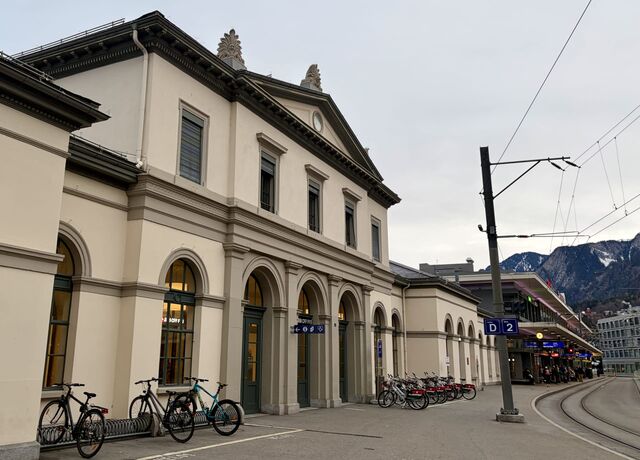
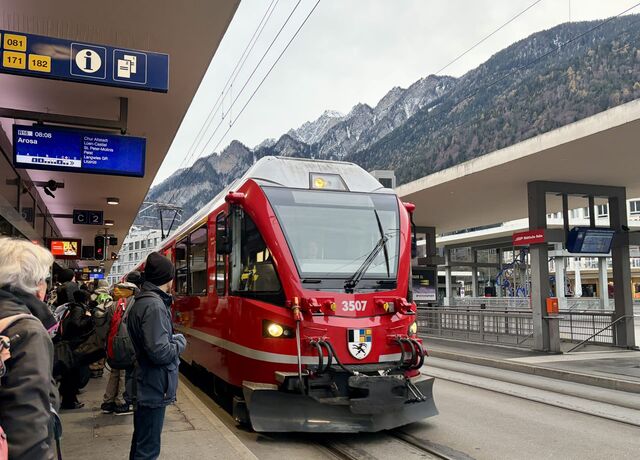
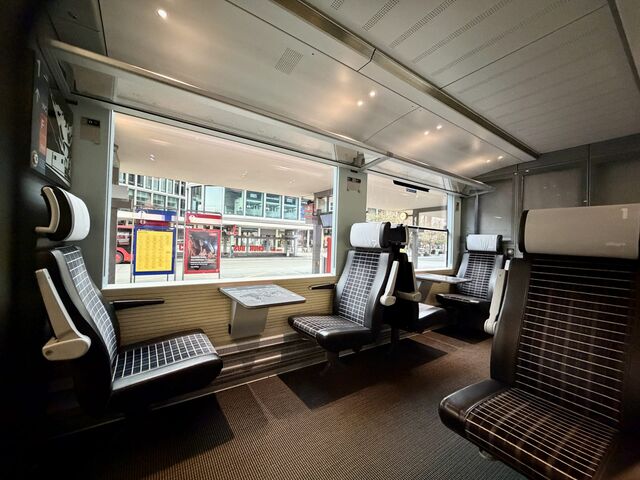
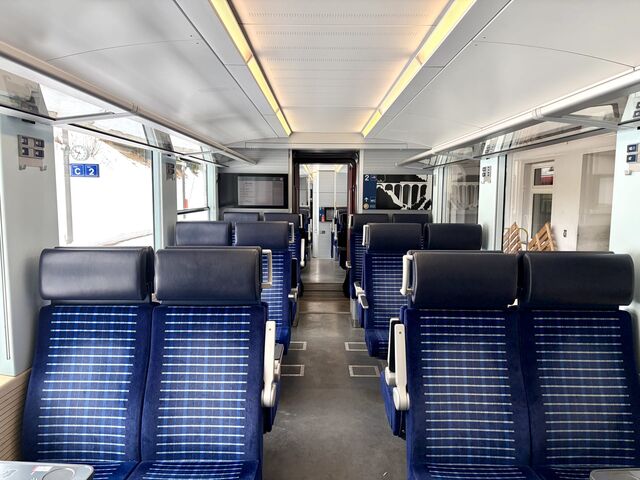
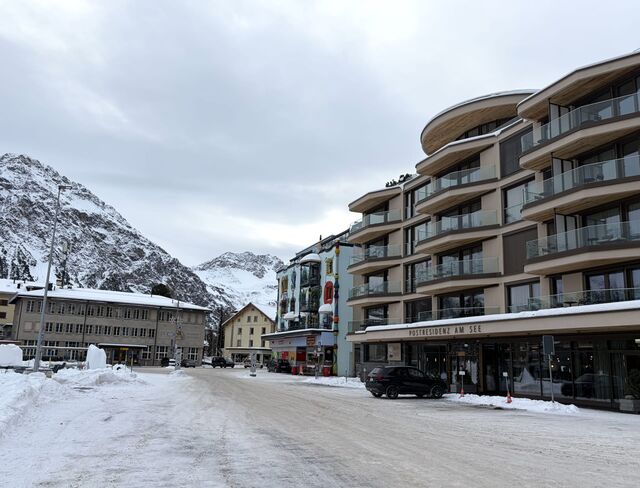
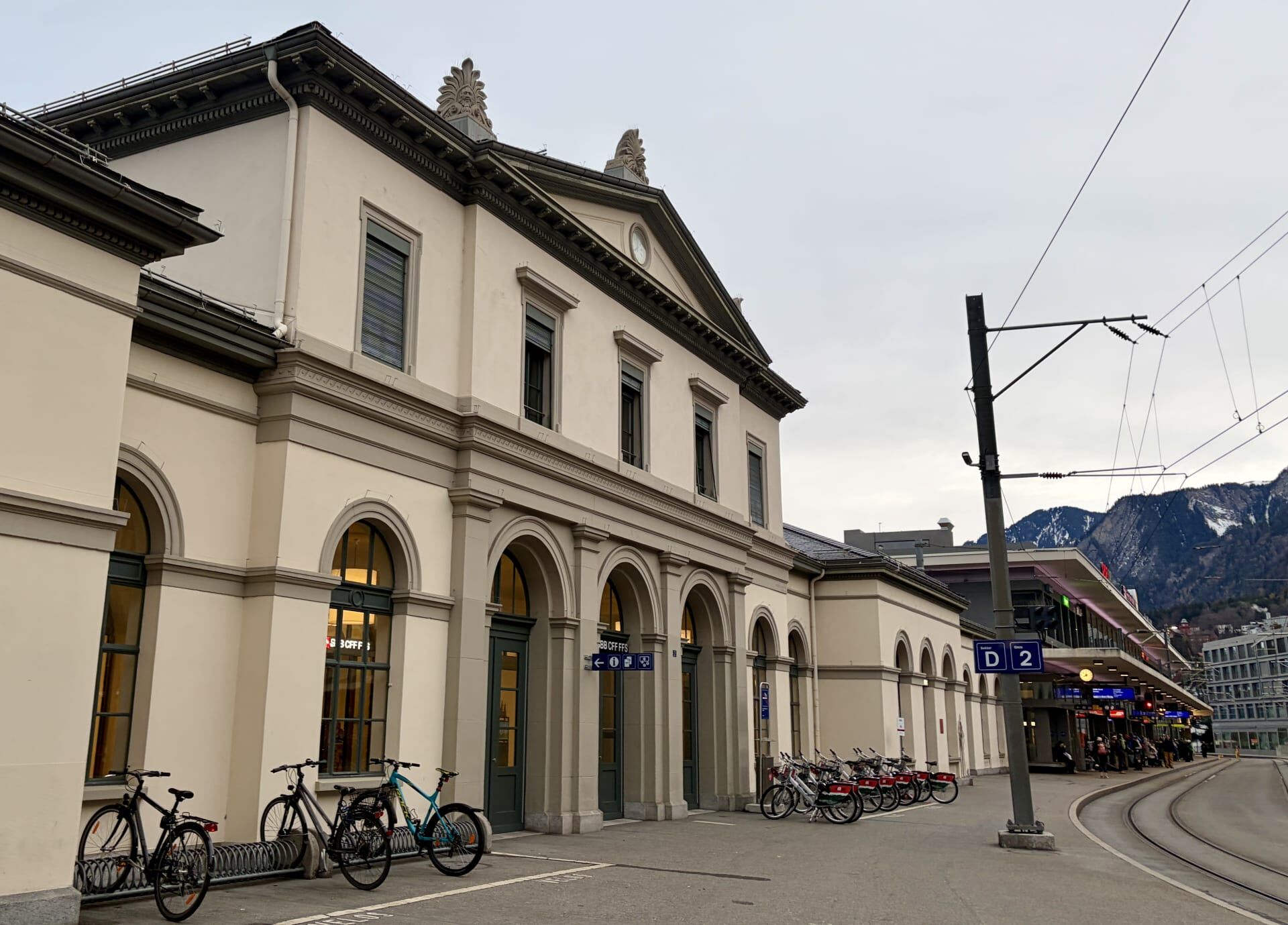
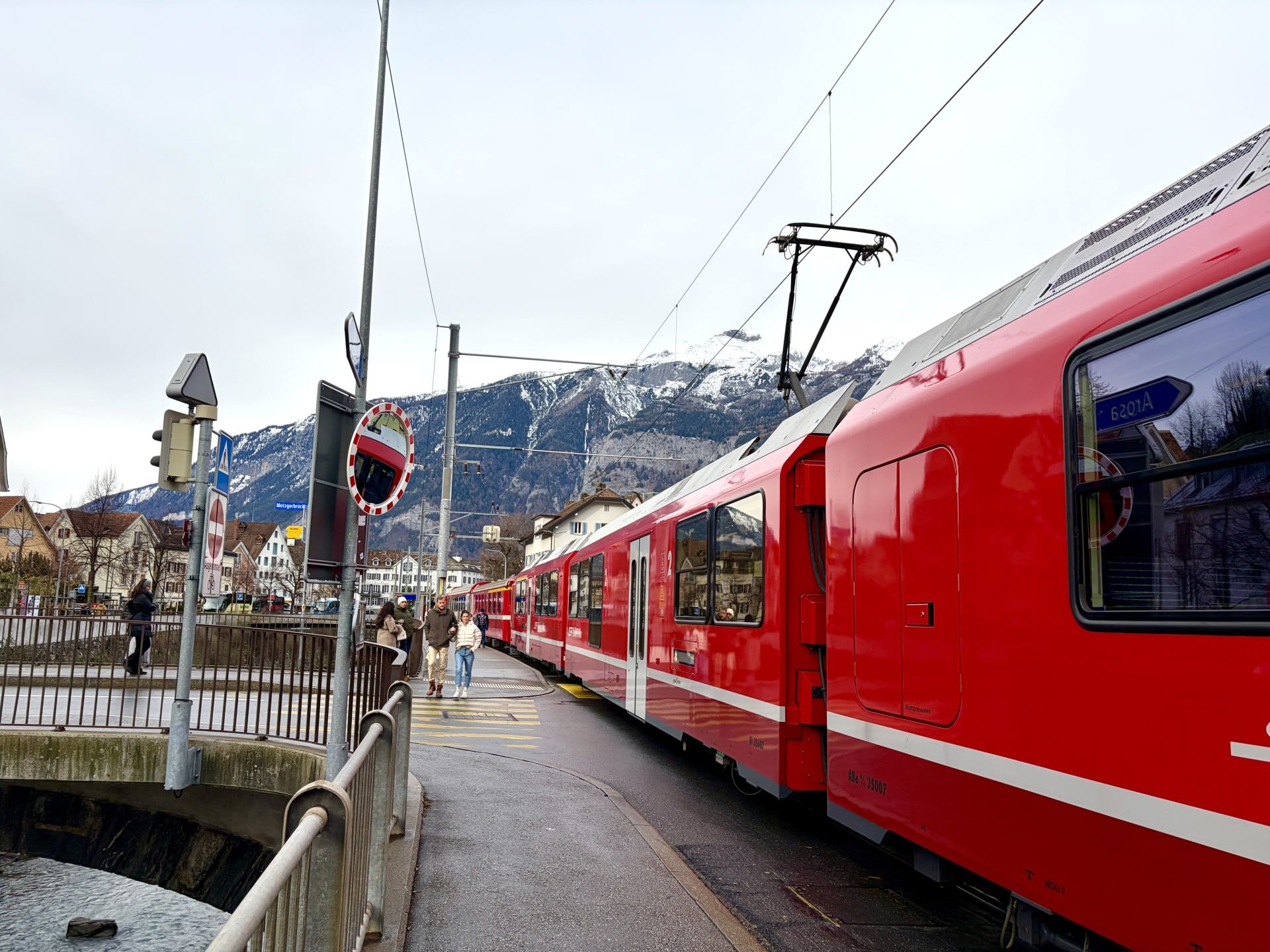
One of the more unusual aspects of the Arosa Railway is its start point. The line begins in the forecourt outside Chur Station, before proceeding directly along the town’s historic streets. For over two kilometres, the railway runs like a tramway through the town, with its trains sharing the road with cars and pedestrians. There have been multiple proposals to reroute the railway to avoid this street-running section and interference with car traffic, but for now, it remains in place.8
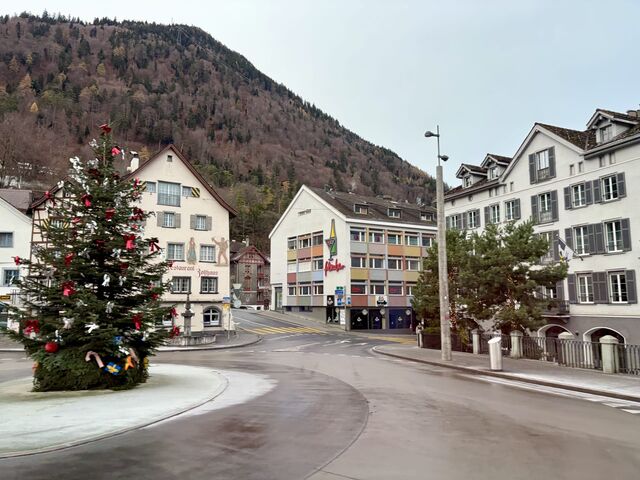
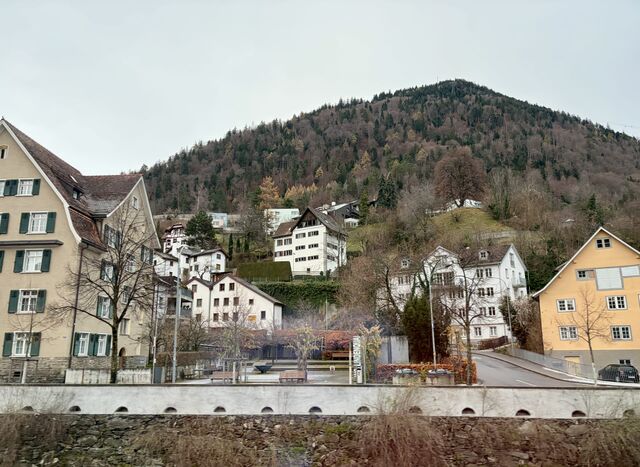
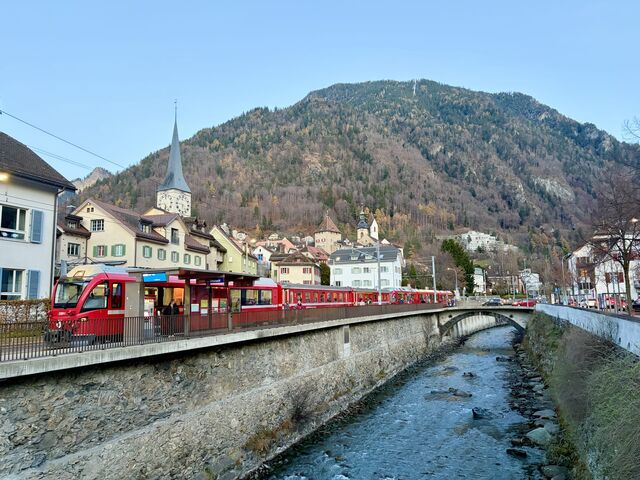
Before long, the railway reaches Chur Altstadt Station, located on the banks of the Plessur River, in the heart of Chur’s historic old town.
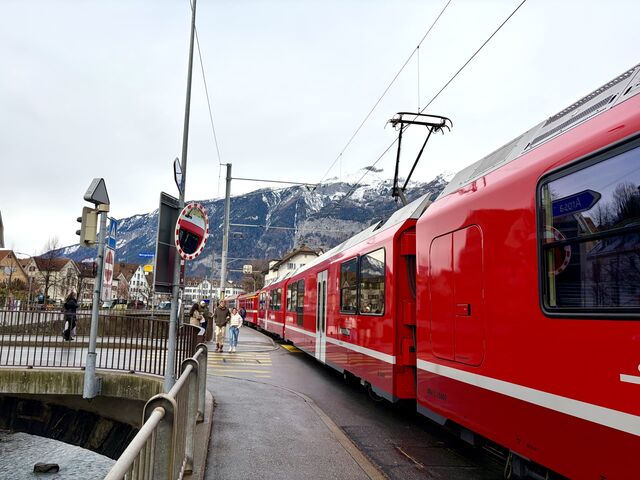
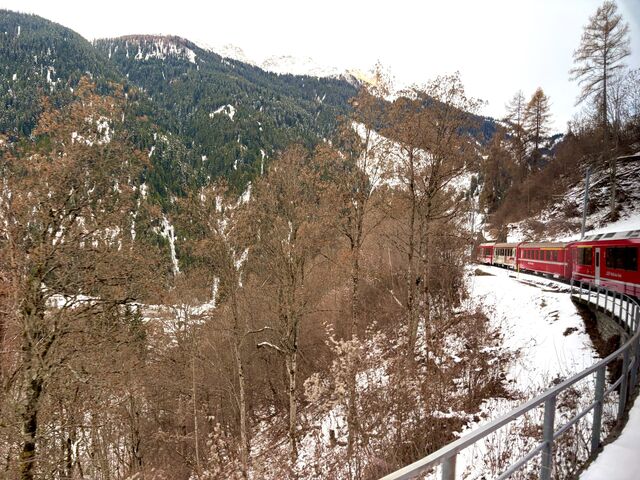
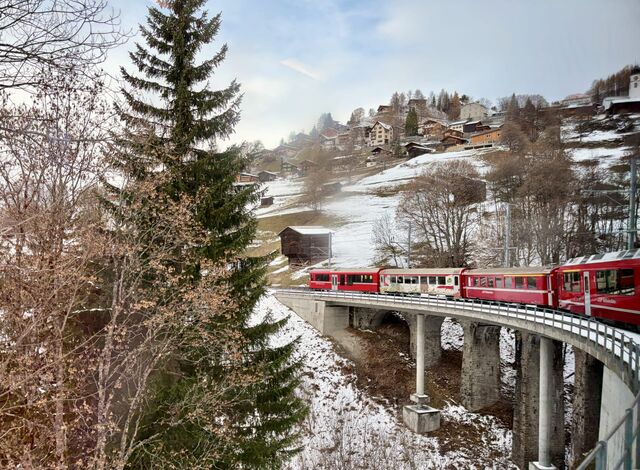
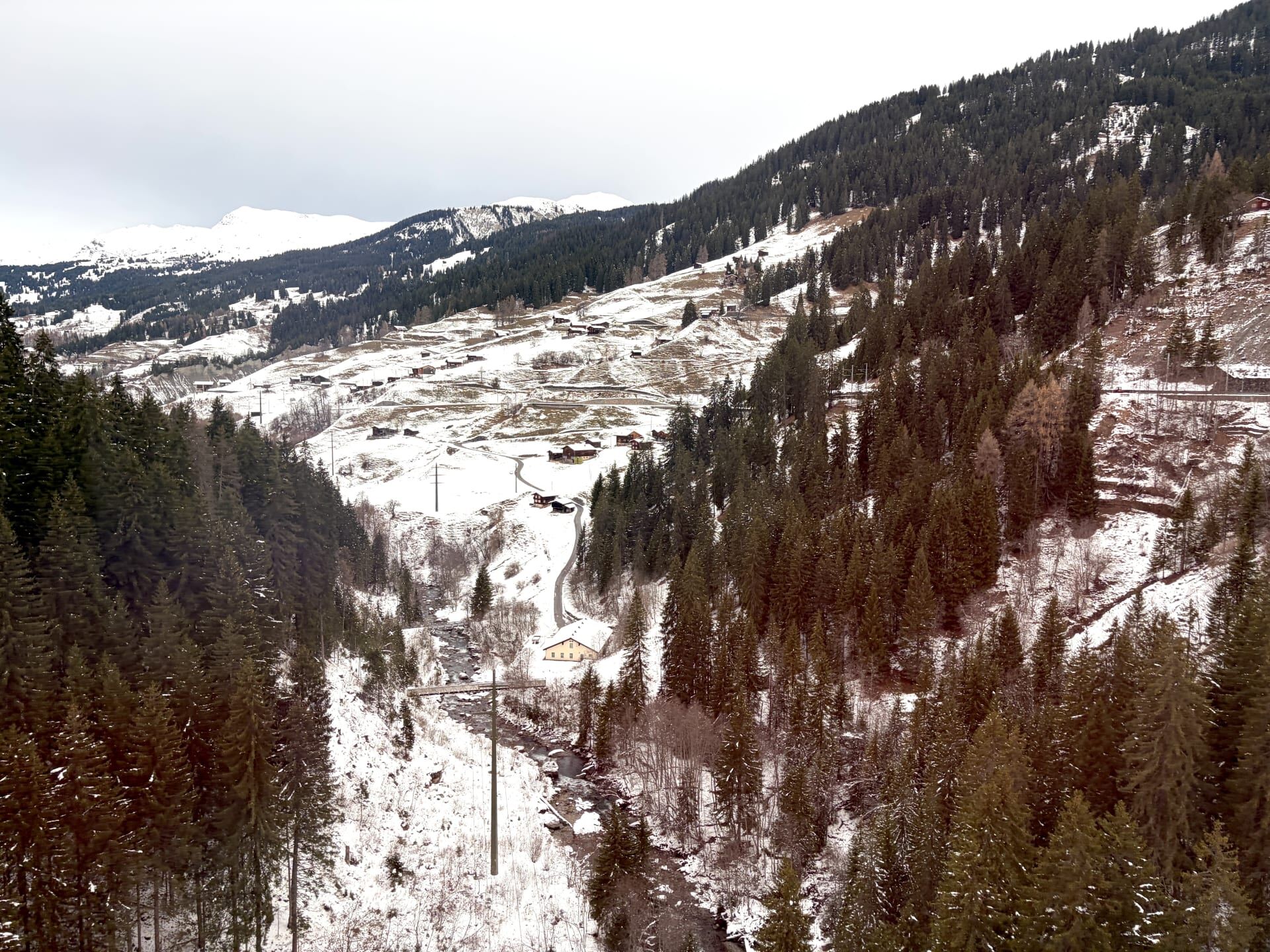
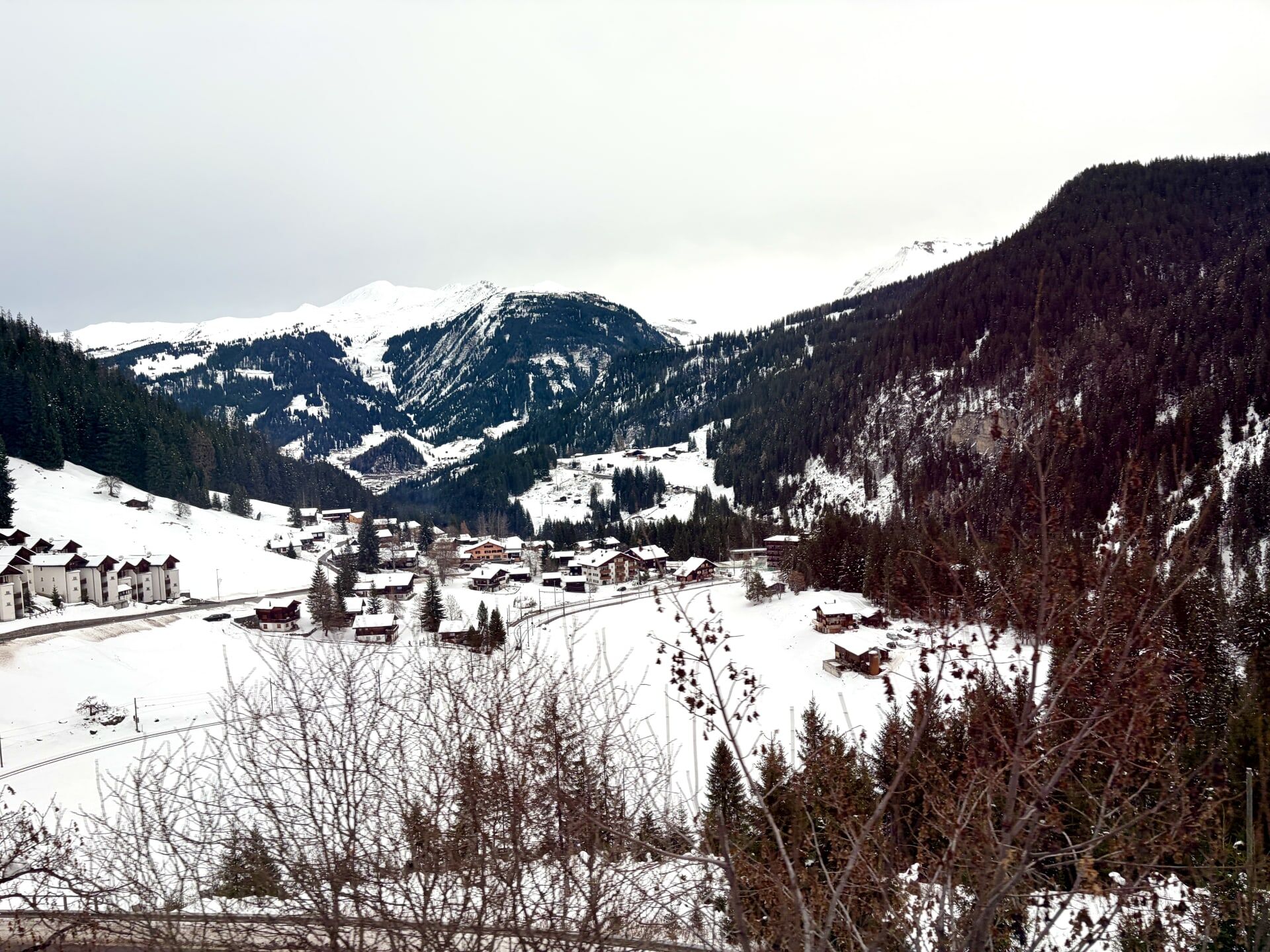
Beyond the town, the railway begins its ascent up the Schanfigg Valley. Usually on Switzerland’s railways, there are spectacular views out both sides of the train, but this journey is a rare exception. When travelling from Chur to Arosa, it is imperative to sit on the right. As the line follows the Plessur River through a steep-sided gorge, the track climbs along the valley wall, with sheer drops to the right and the river visible far below.
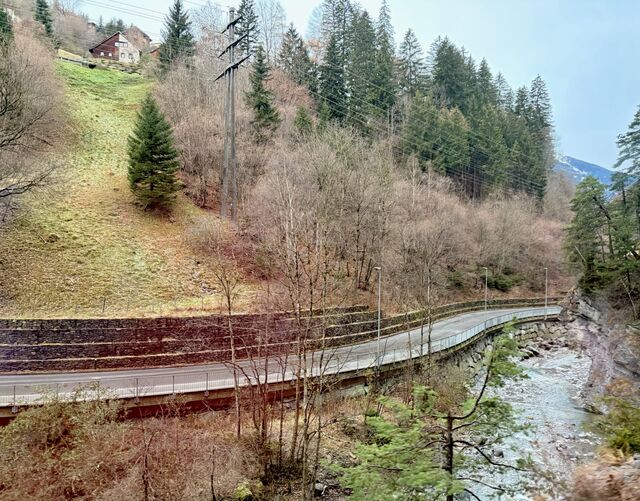
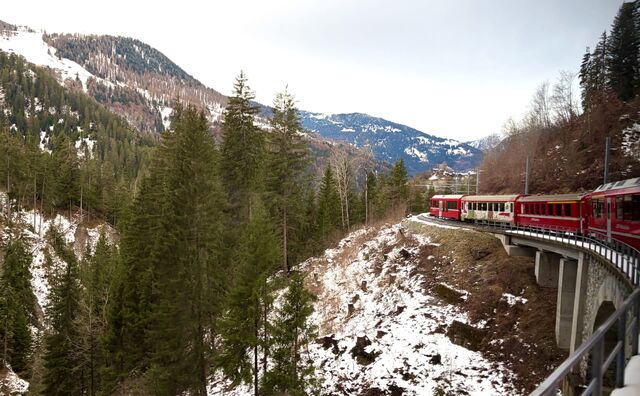
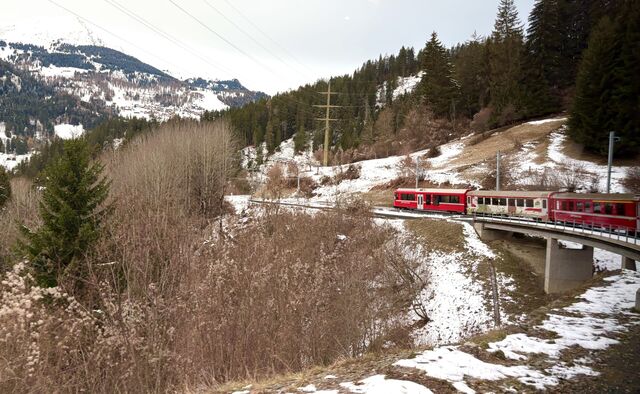
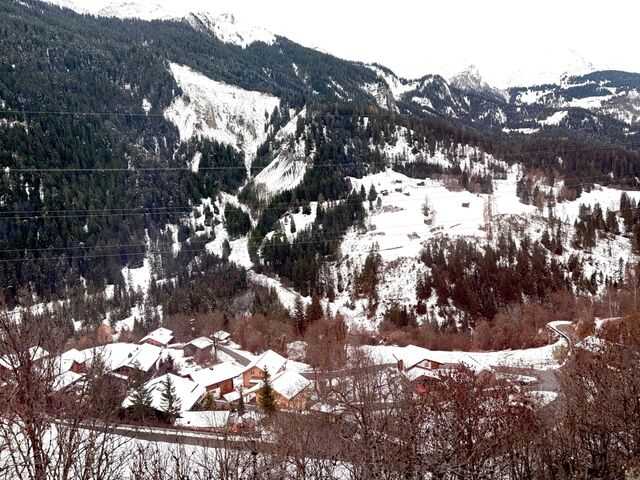
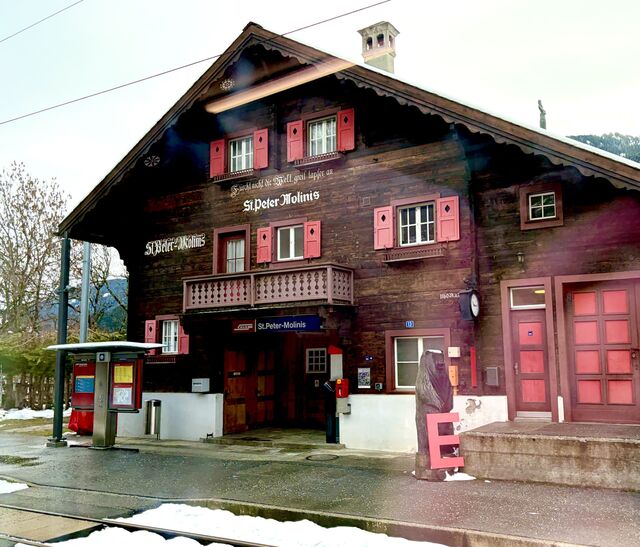
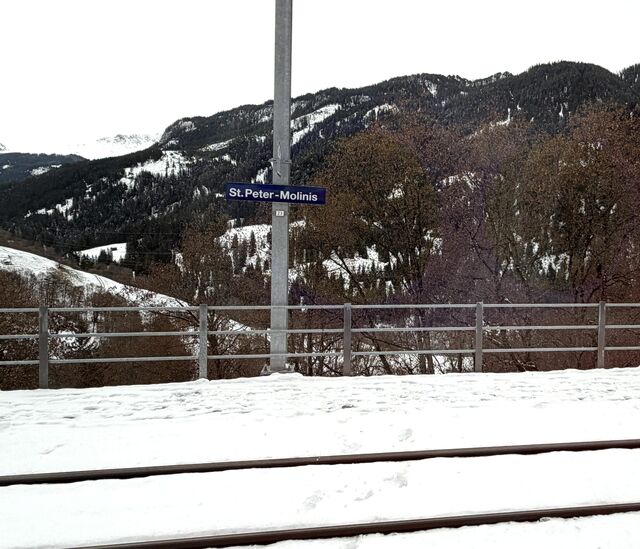
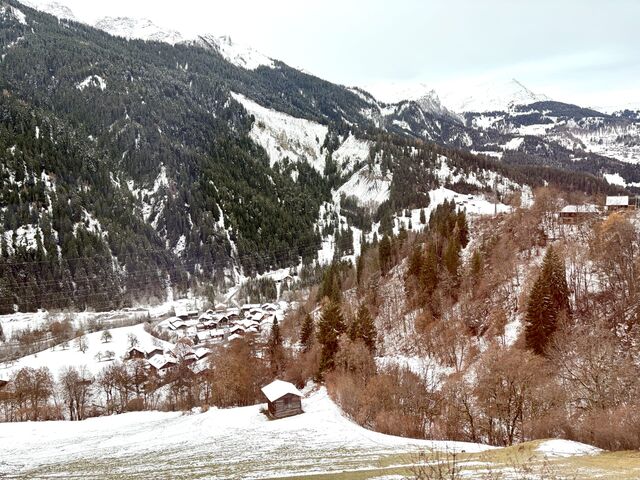
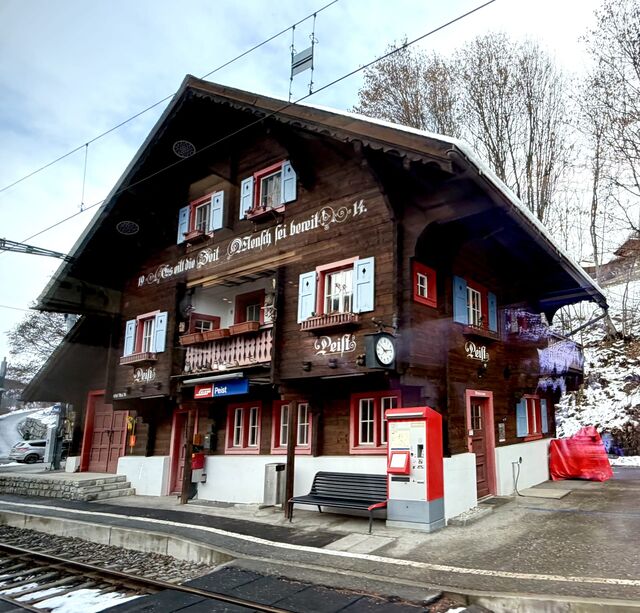
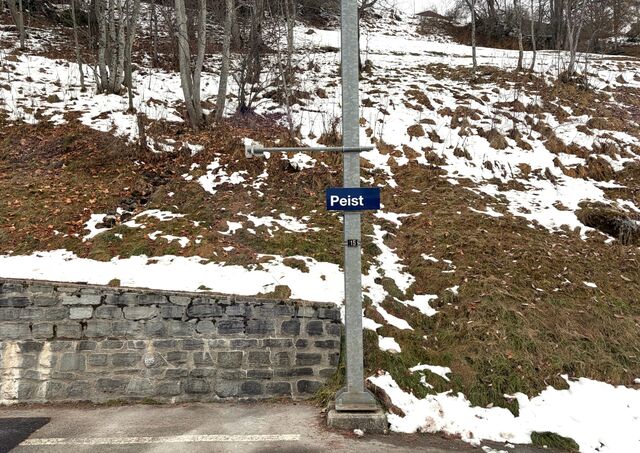
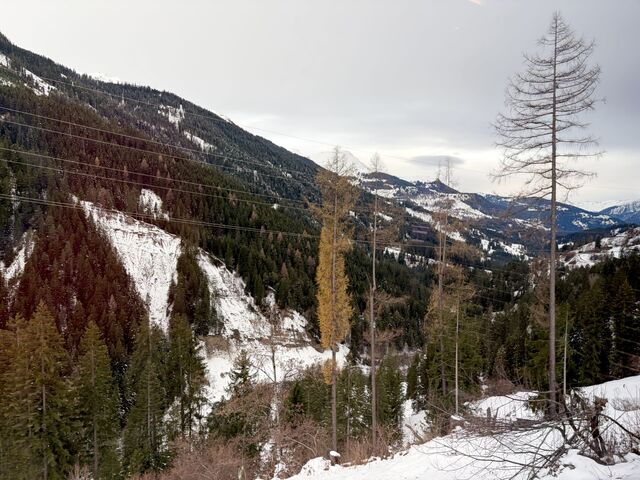
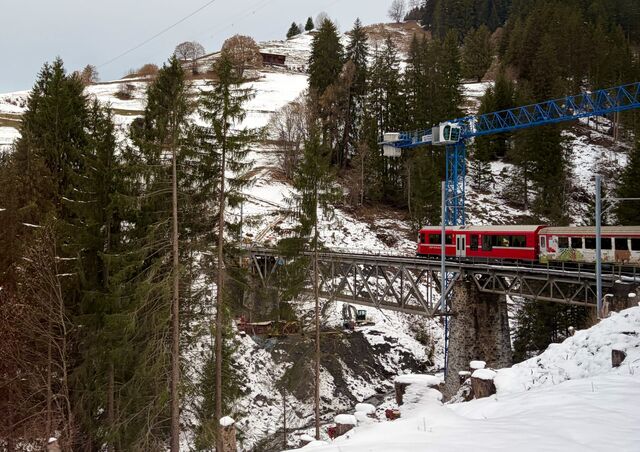
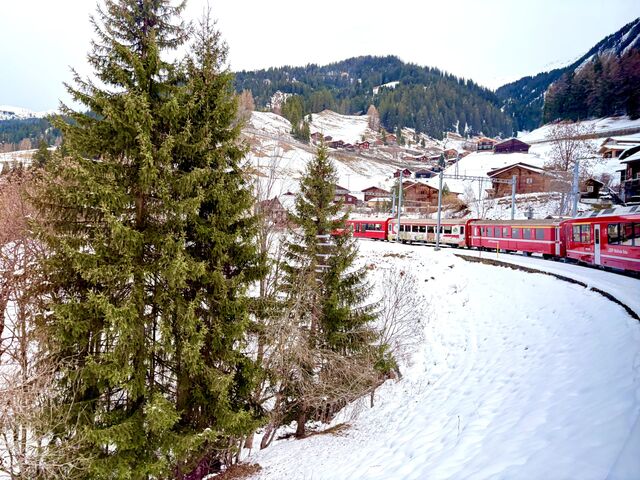
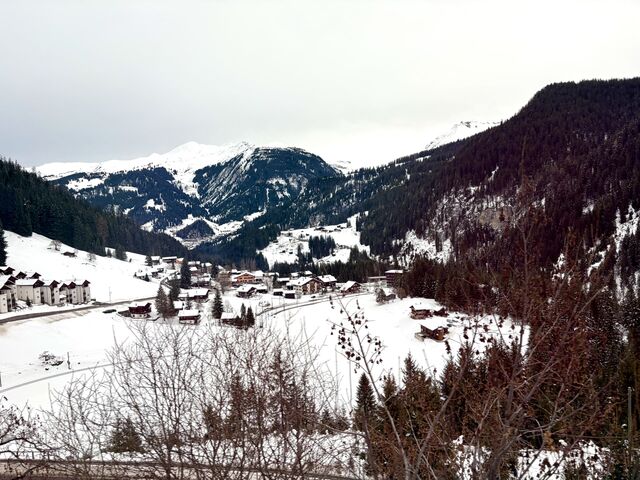
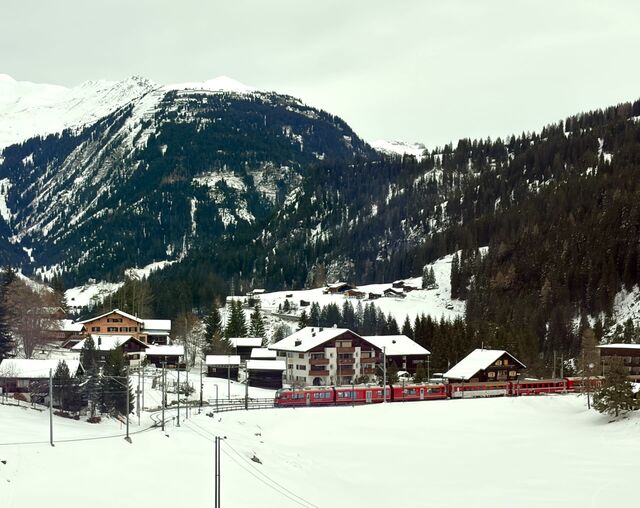
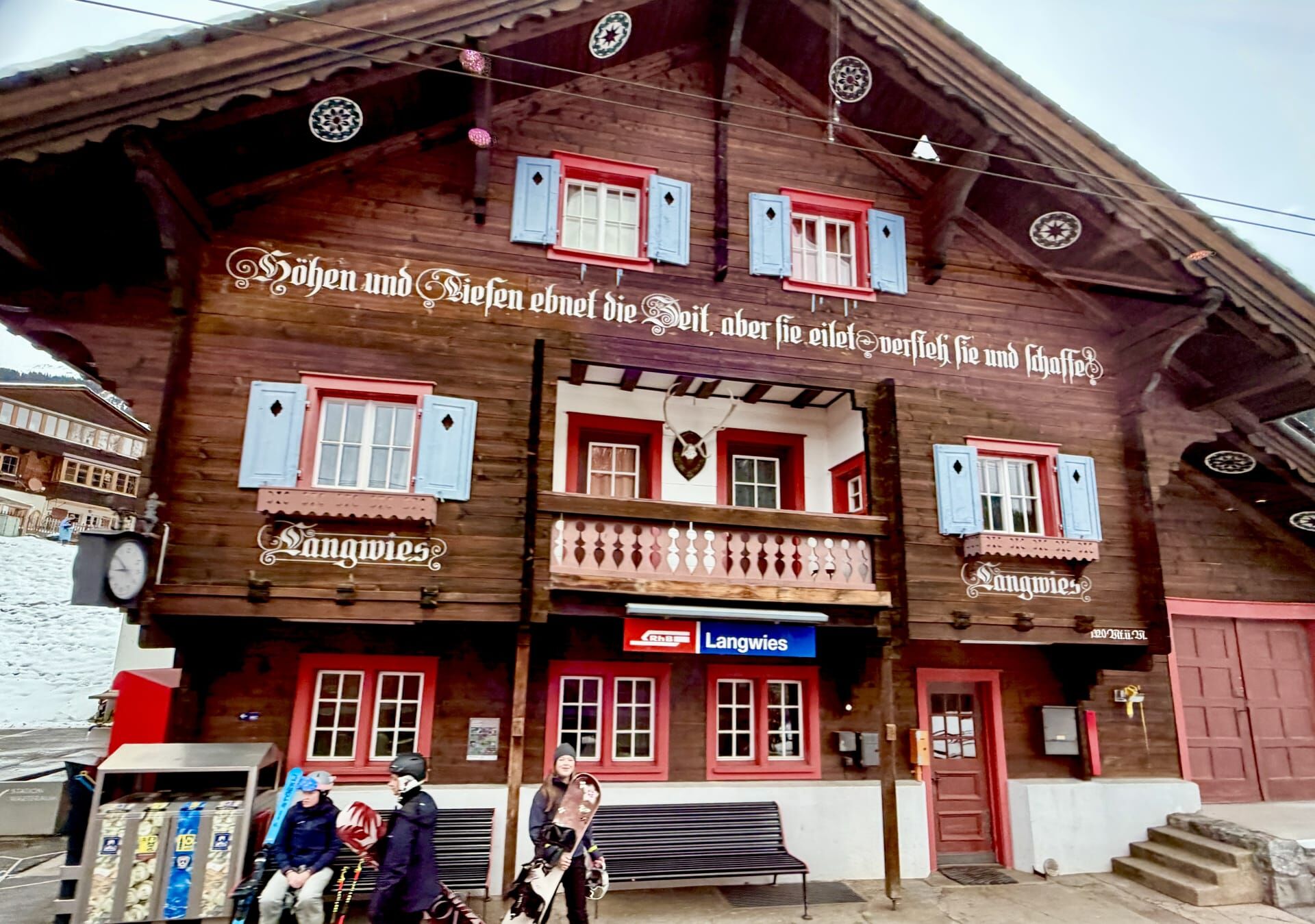
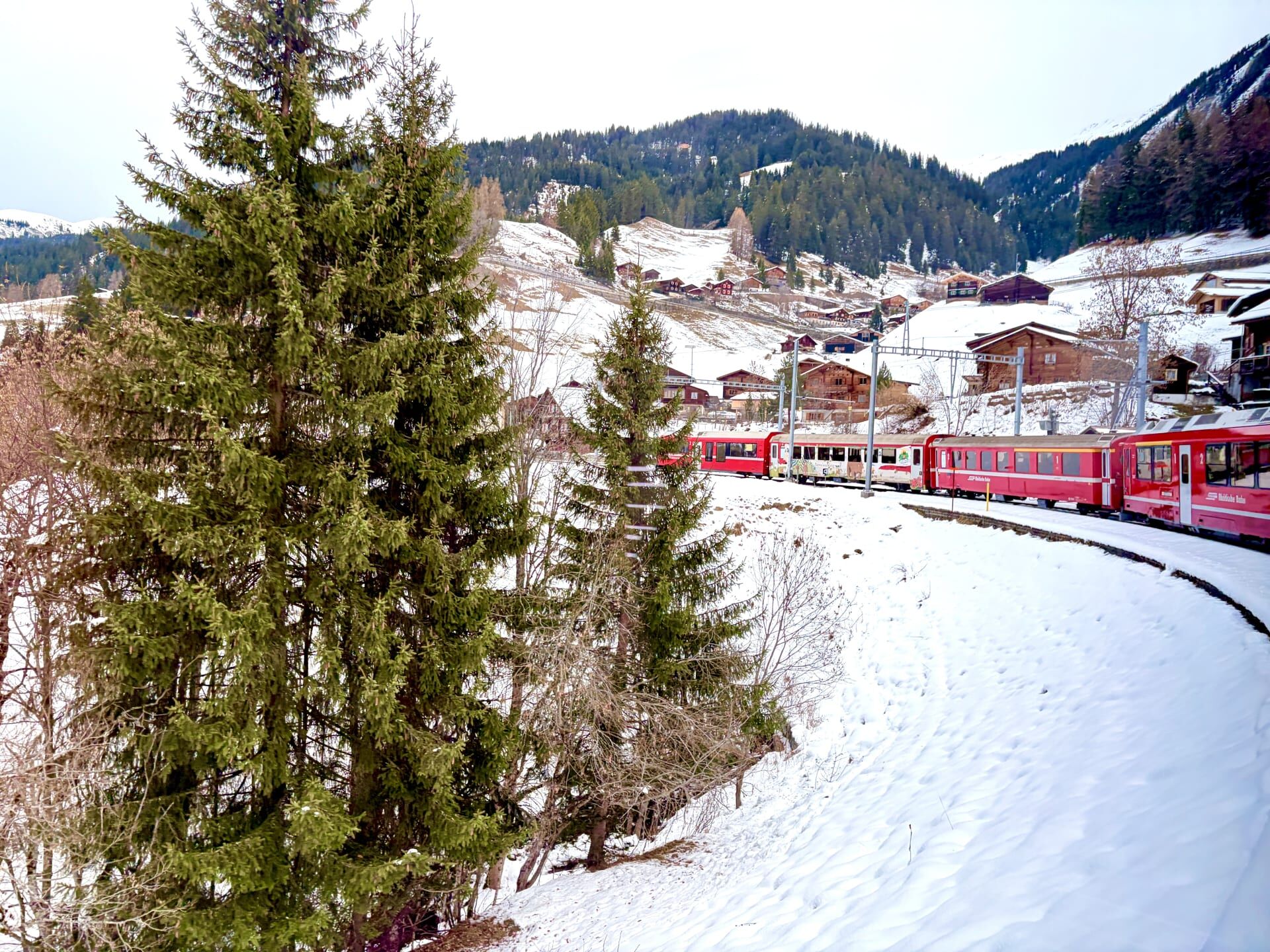
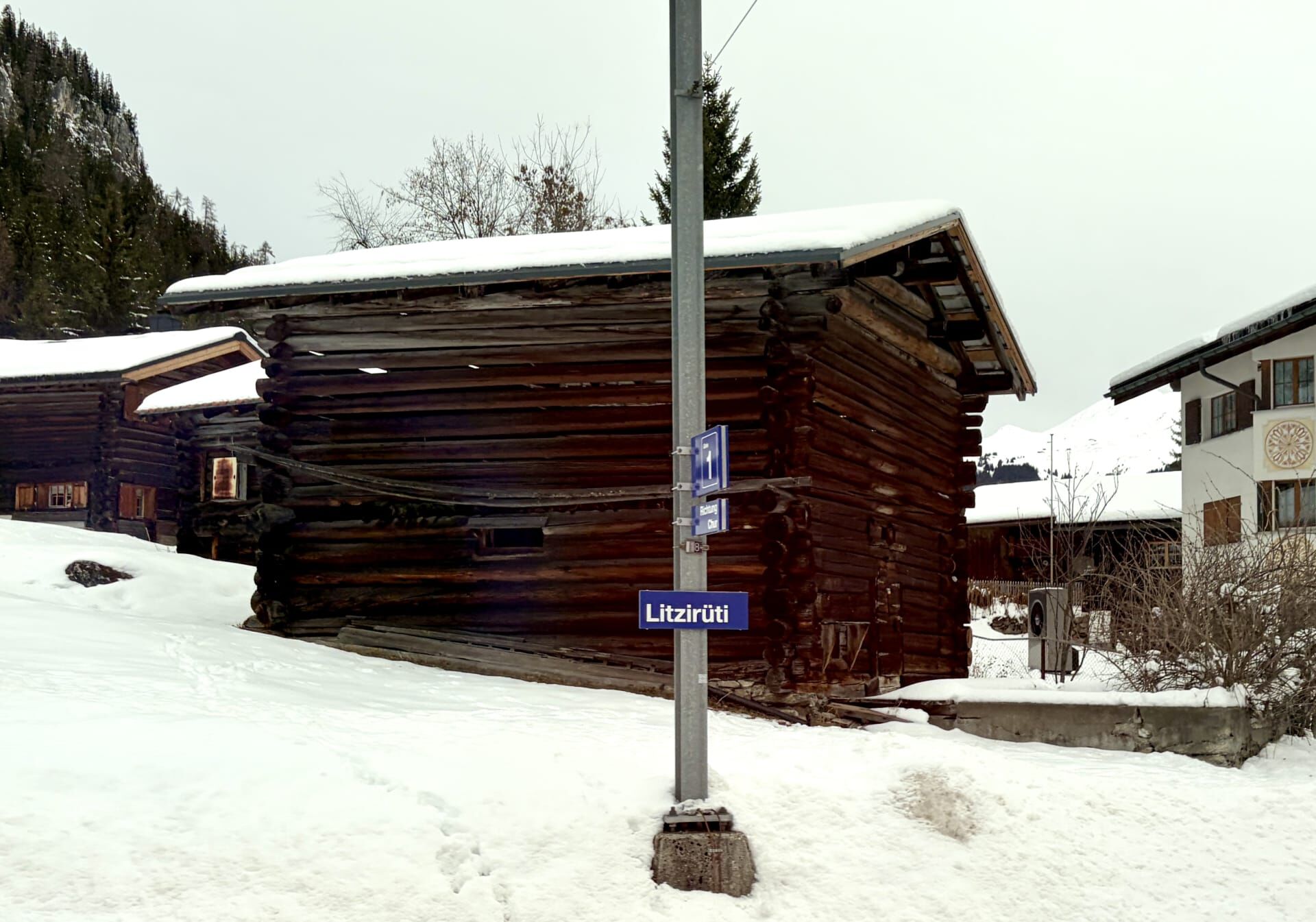
The views from the train consist primarily of beautiful mountain scenery and dense, snow-covered forests. Every so often, a picturesque wooden train station emerges in what feels like the middle of nowhere. From the right-hand side of the train, the winding route also provides near-continuous views of the curved bridges and viaducts that the train traverses.
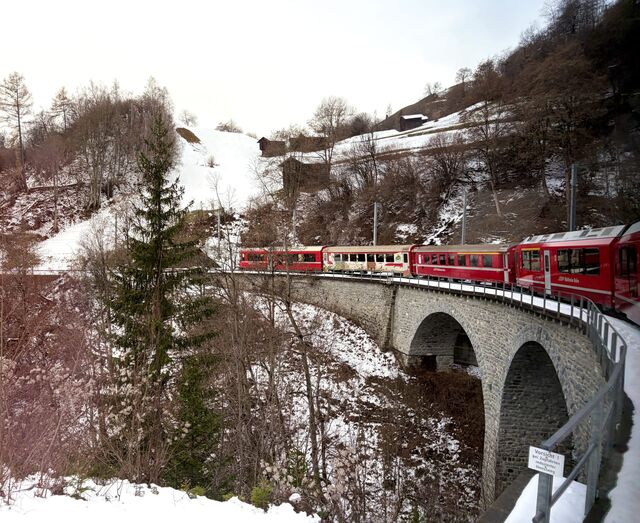
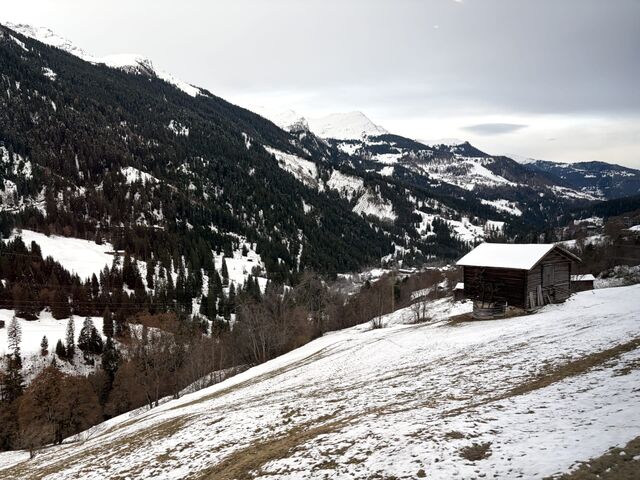
The Langwieser Viaduct
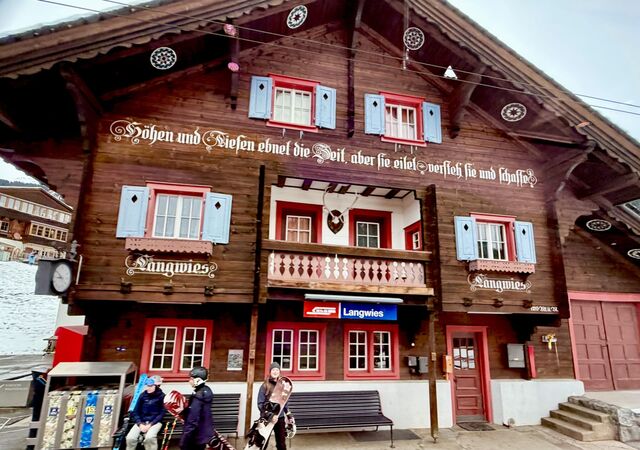
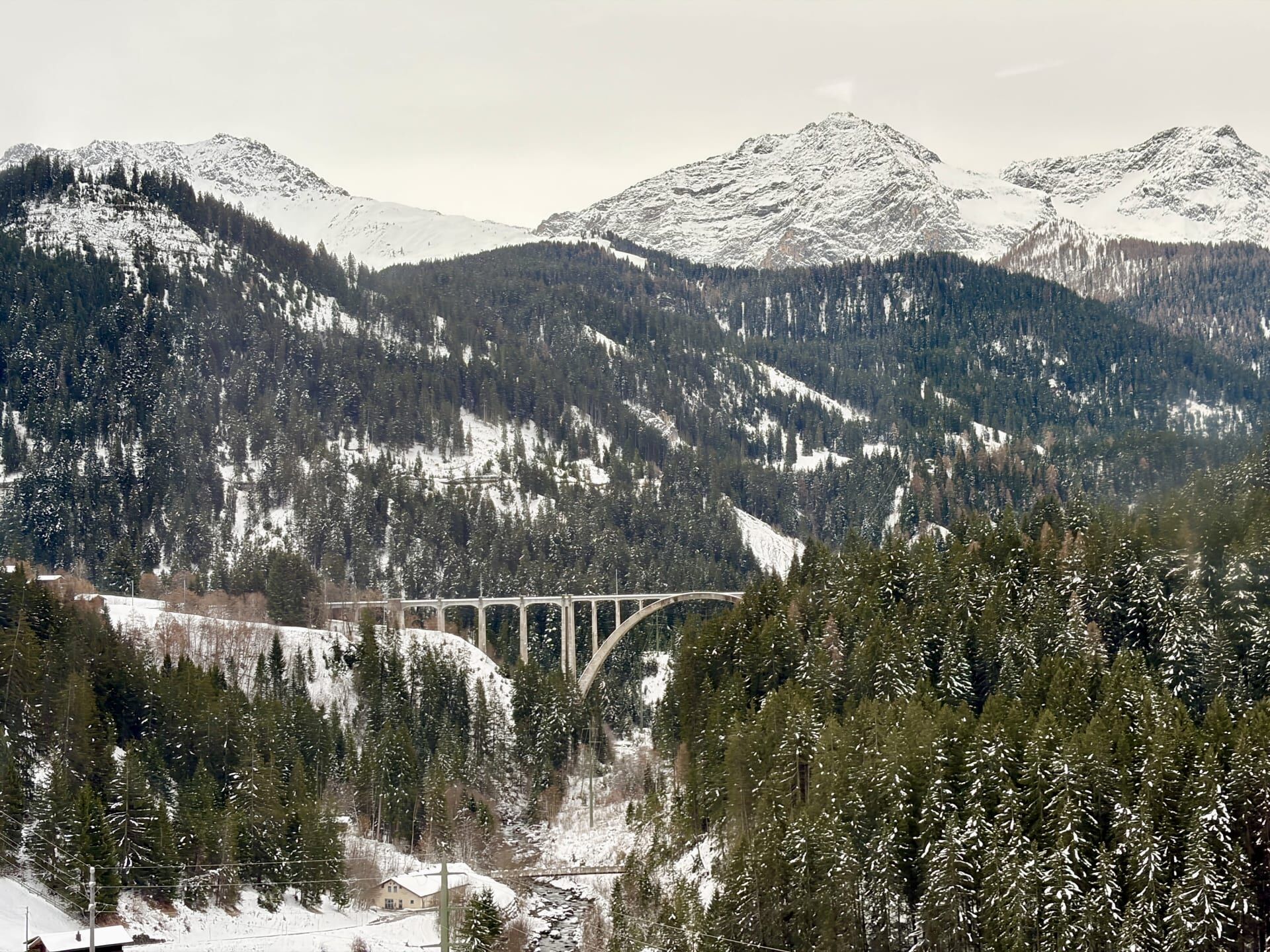
The most prominent structure on the line is the Langwieser Viaduct which spans the Plessur River near the small mountain village of Langwies. My guidebook informed me that Langwies is a particularly attractive place to alight and the start point of a number of good walks.9
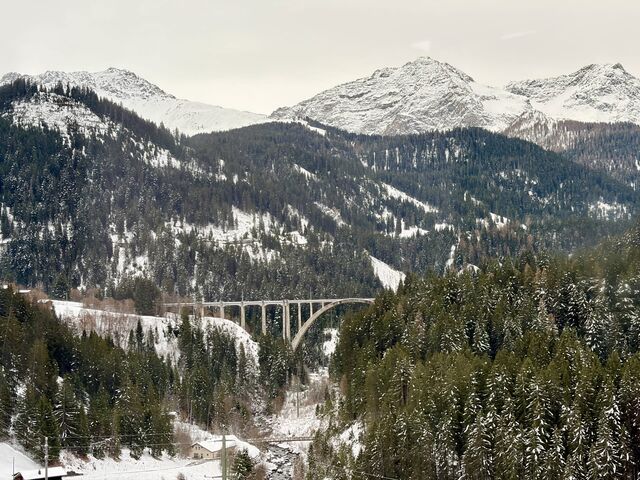
The viaduct, which is listed as a Swiss heritage site of national significance, is 287 metres long and 62 metres high.10 At the time of its construction, it was a significant engineering development. No bridge of comparable height and span had previously been built using reinforced concrete. Construction of the viaduct commenced in 1912 and, owing to its remote location, materials had to be transported from Chur by horse-drawn carriage. Each load was limited to 2.5 tonnes, requiring roughly 1,000 trips to build the viaduct, with each journey taking a day and a half.11 The Swiss company entrusted with planning and construction of the viaduct had previously built two large reinforced concrete viaducts in the Transylvania region of Romania (which at the time, prior to WWI, belonged to the Kingdom of Hungary). One of these viaducts—the Hosszúvölgyi Viaduct (also known as the Sinka Viaduct) on the Brașov–Făgăraș Railway—served as a model for the Langwieser Viaduct.12
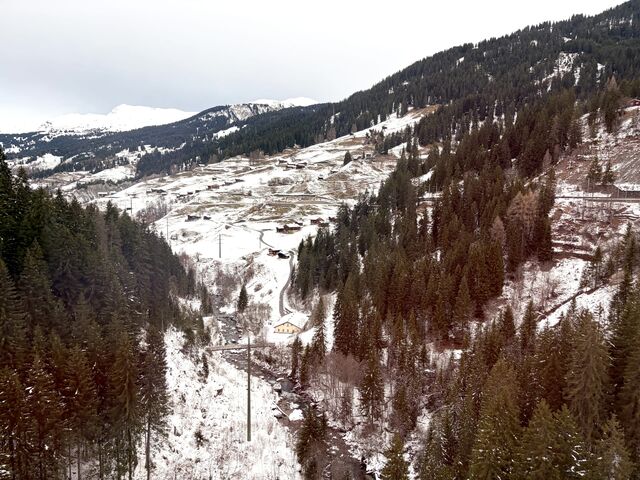
Today, the Langwieser Viaduct is the largest bridge of the Rhaetian Railway. Unfortunately, in contrast to the many curved viaducts on this line which provide great photo opportunities from the train, the section of track over the Langwieser Viaduct is straight.
Approach to Arosa
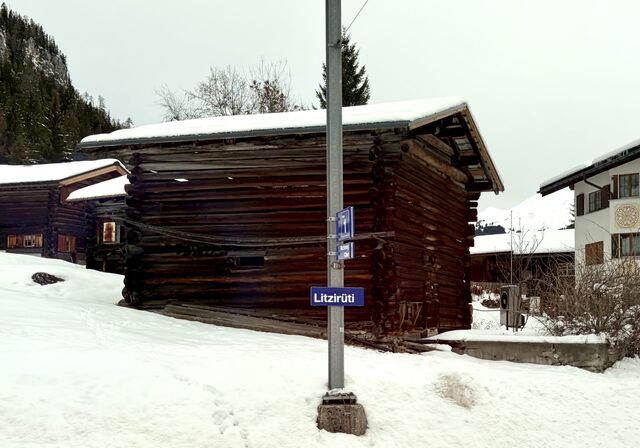
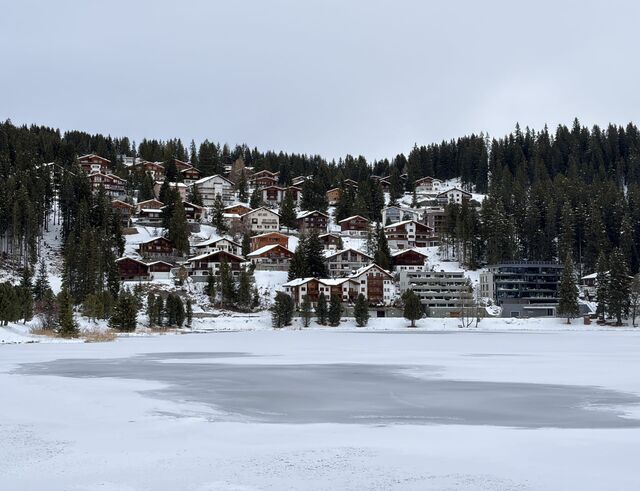
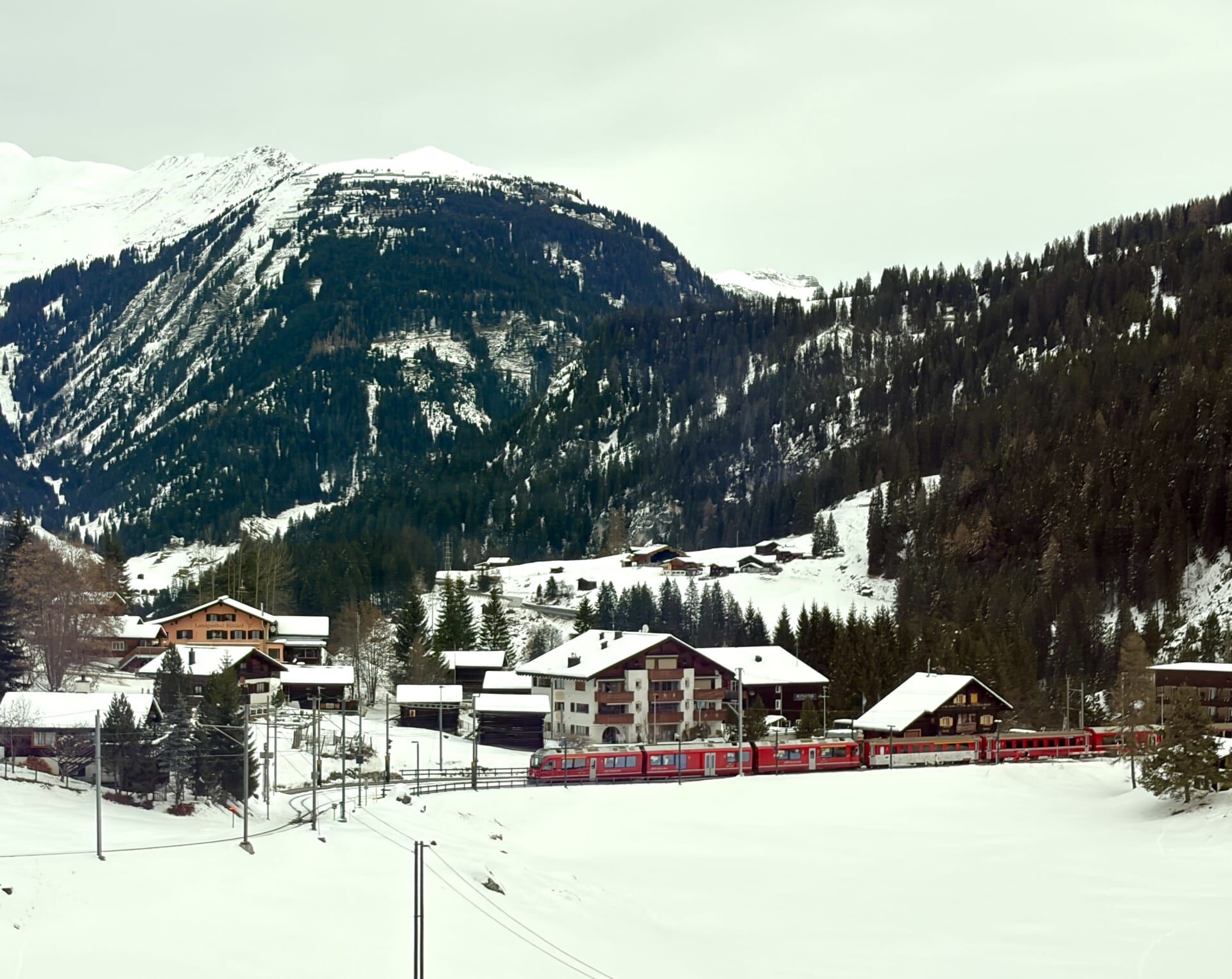
After crossing the Langwieser Viaduct, I found that the best views for the remaining 15 minutes of the journey to Arosa were on the left side of the train. The valley gradually opens out and wooden chalets become increasingly common as we approach our final destination.
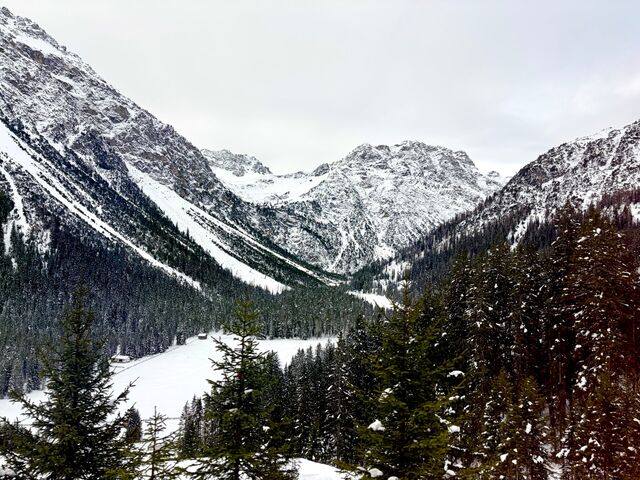
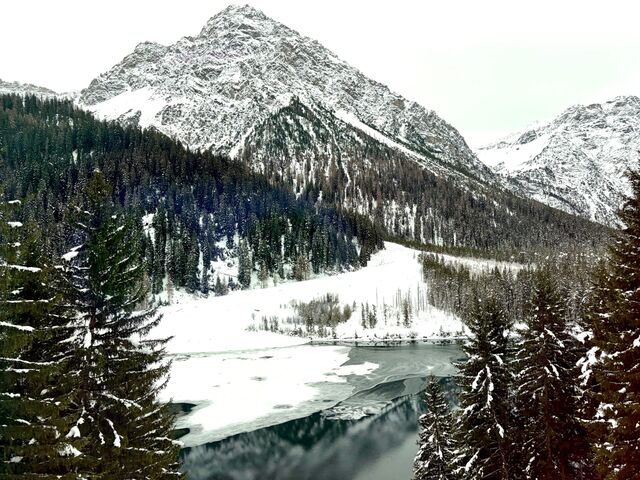
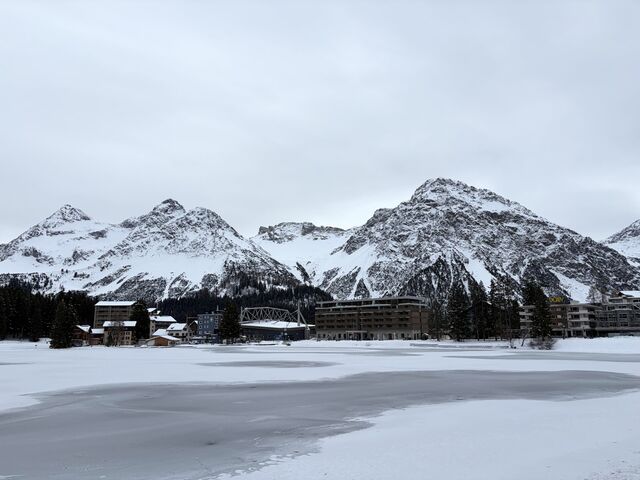
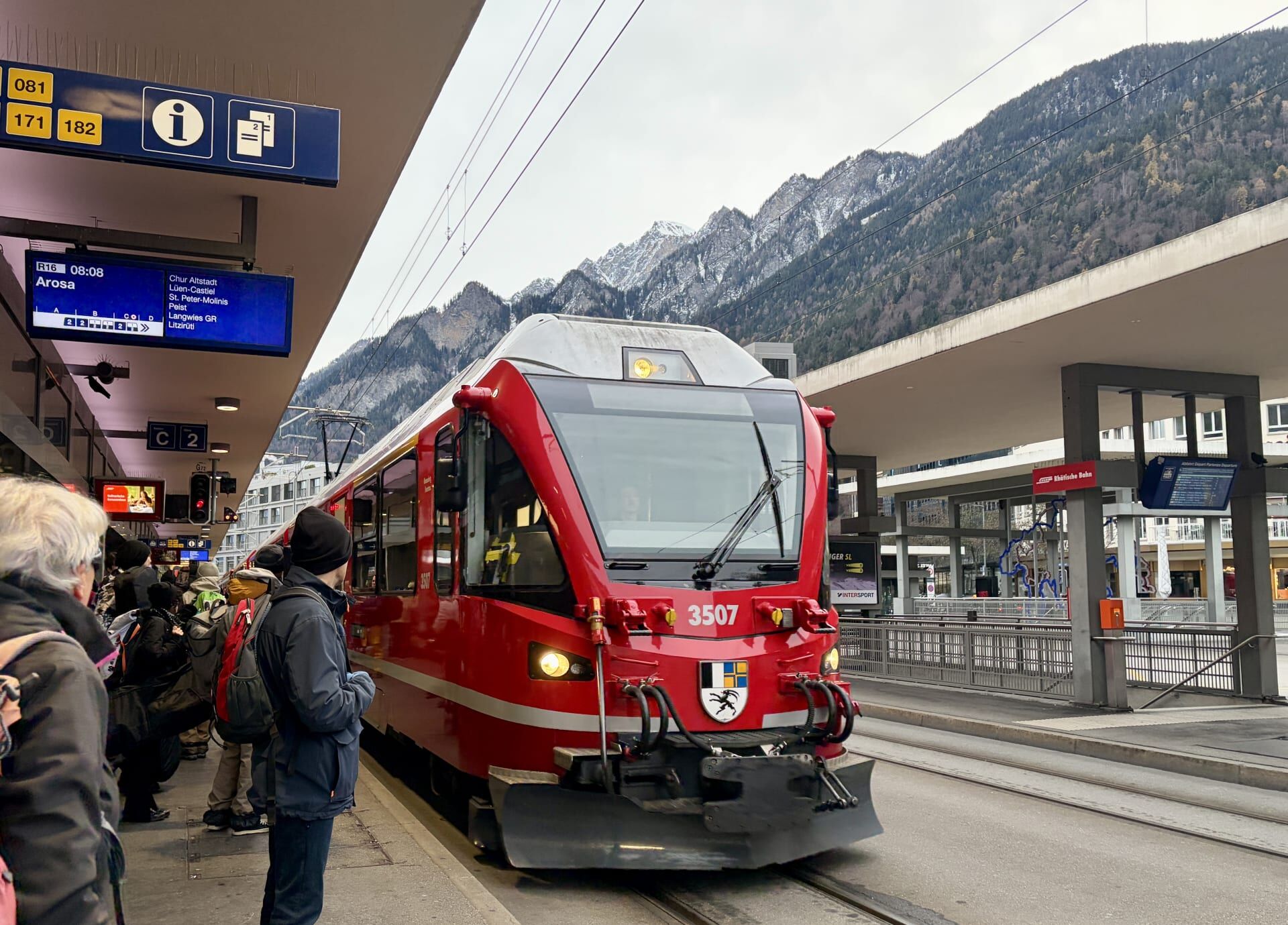
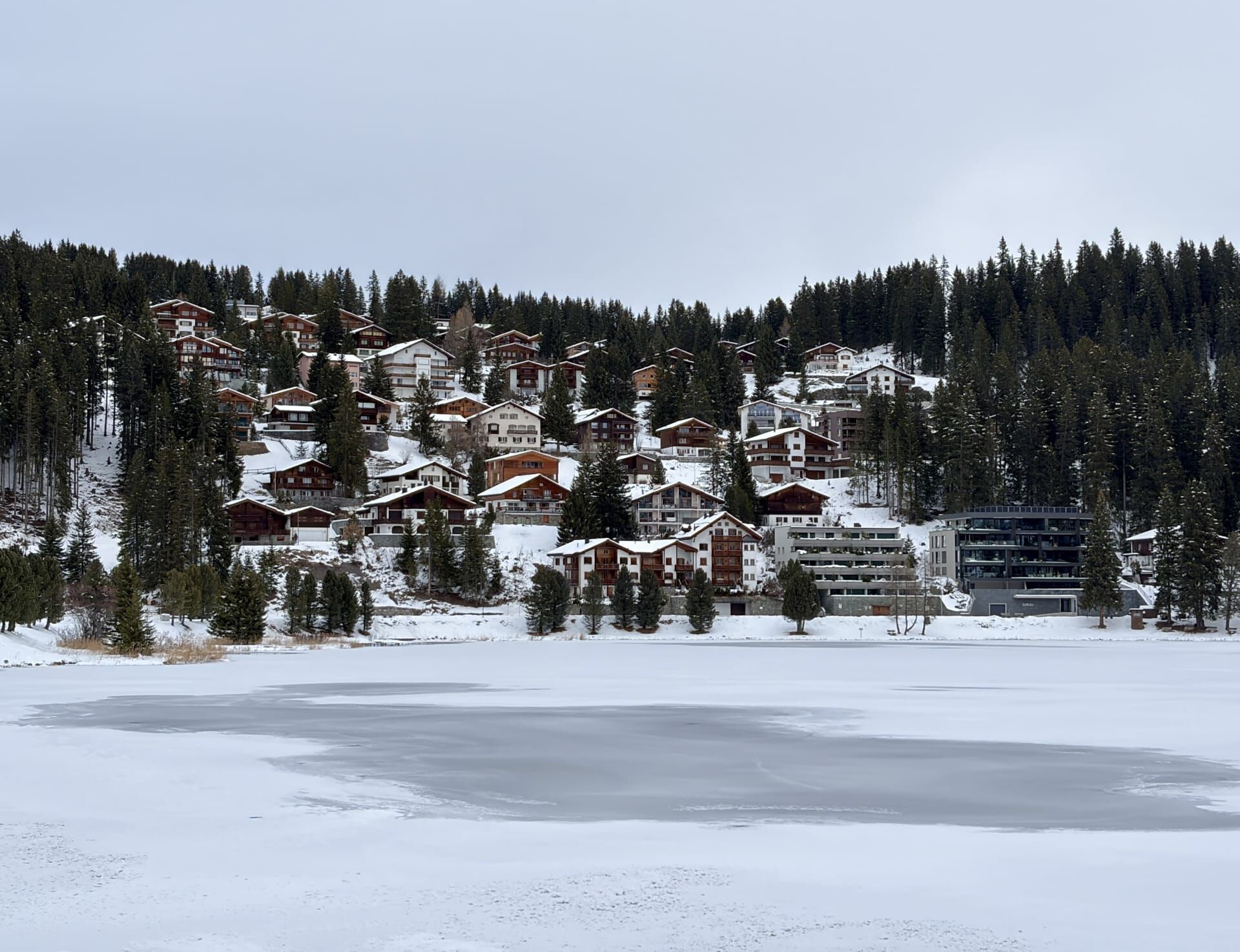
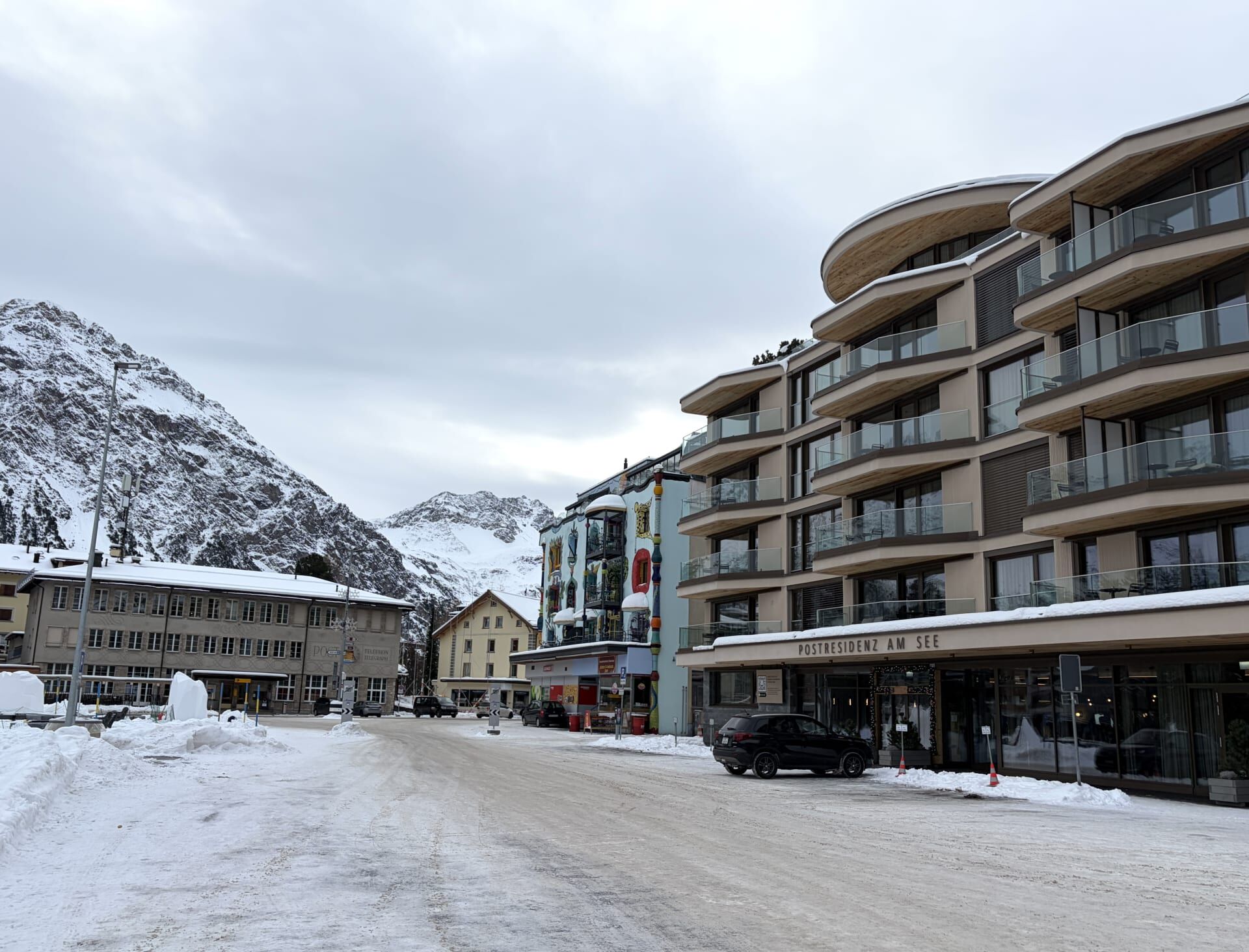
The train arrives at Arosa Station, situated directly across from the Obersee, one of Arosa’s three lakes. Where the railway once transported sick passengers into the mountains for treatment at Arosa’s health resorts, today it is predominately skiers who alight in the alpine village.
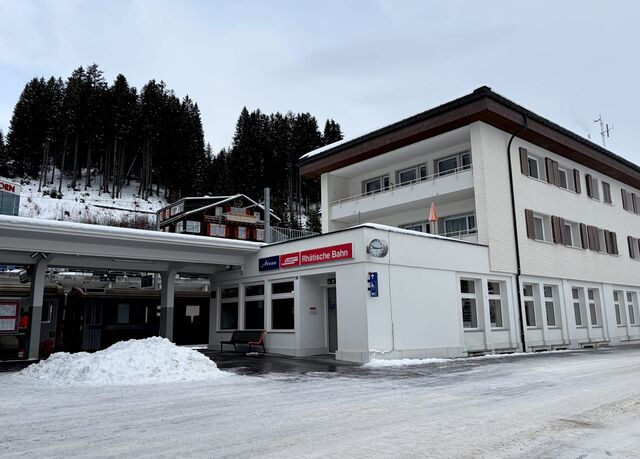
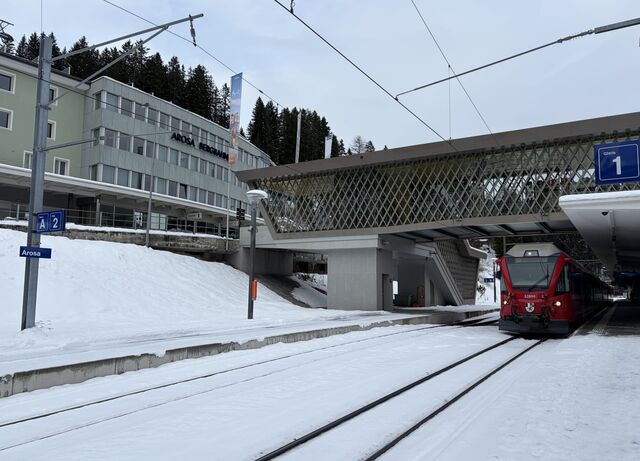
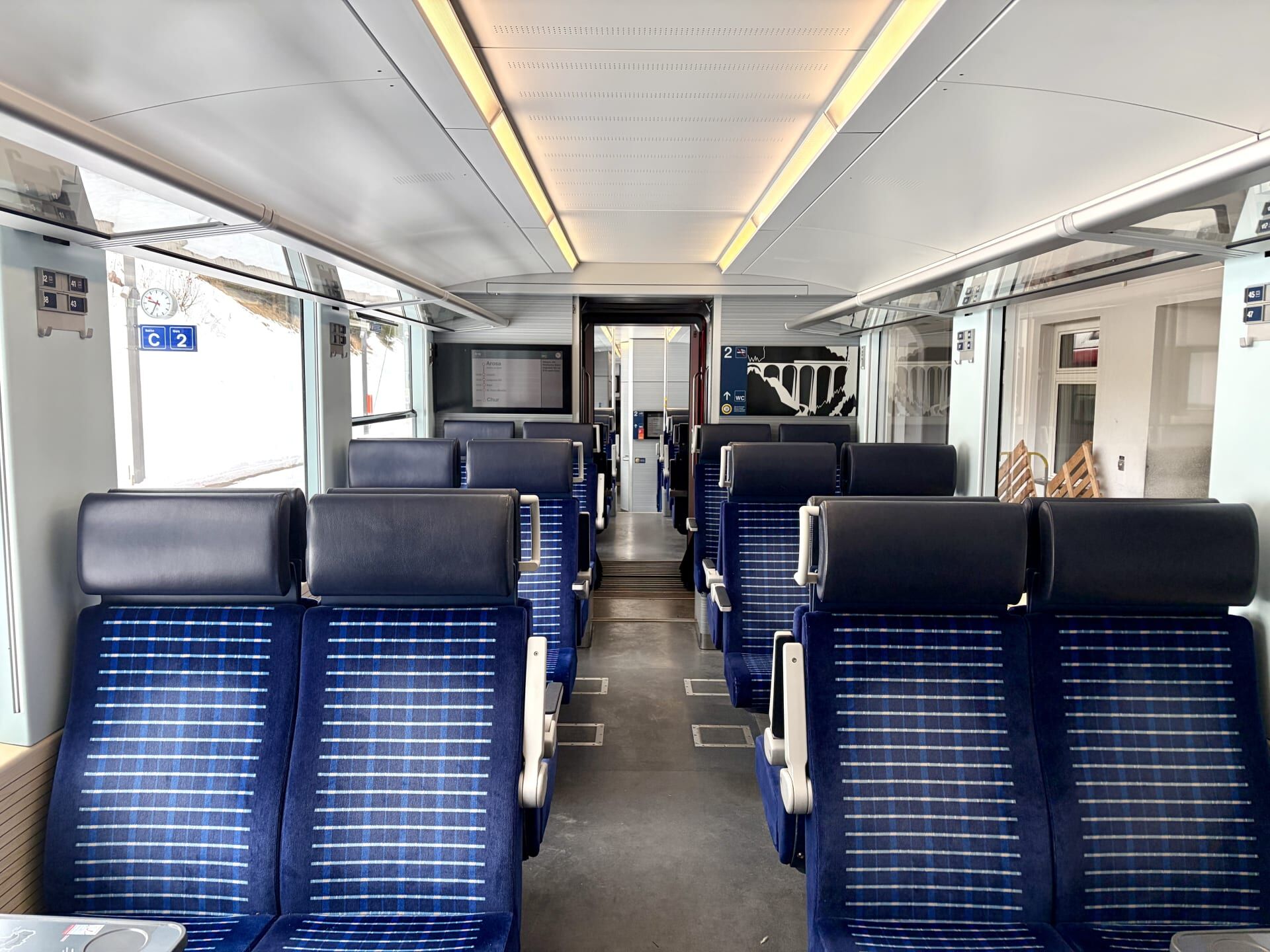
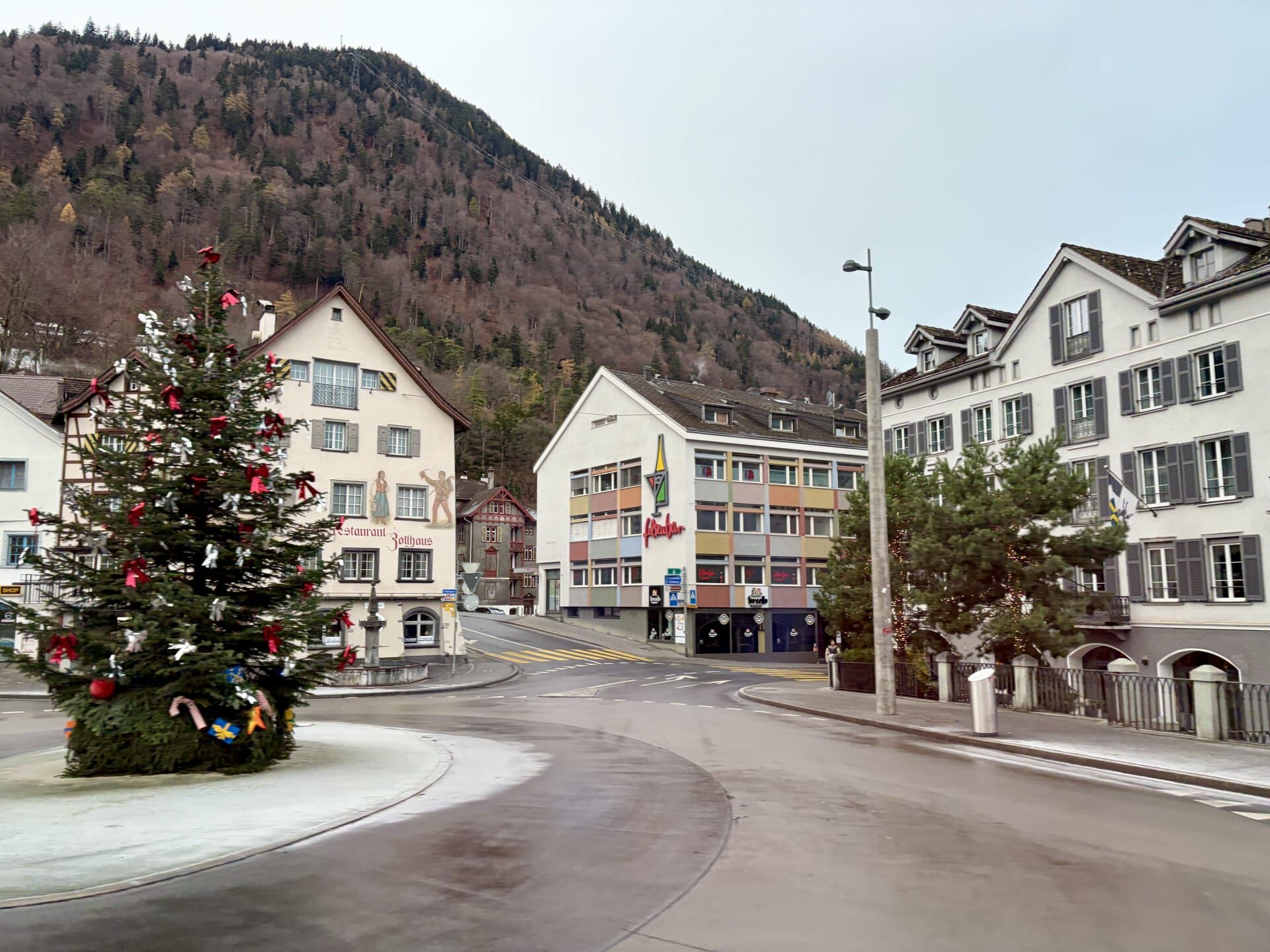
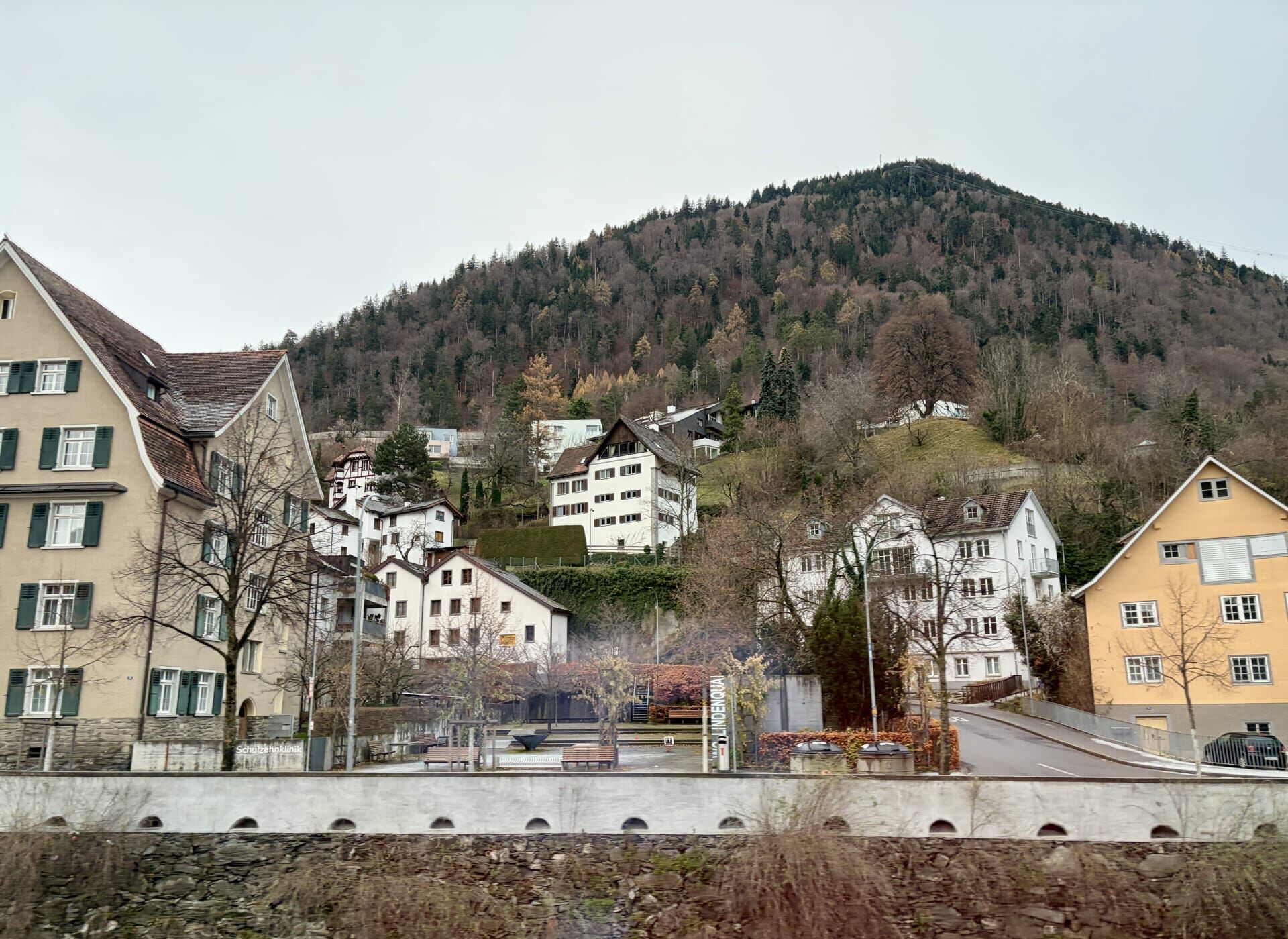
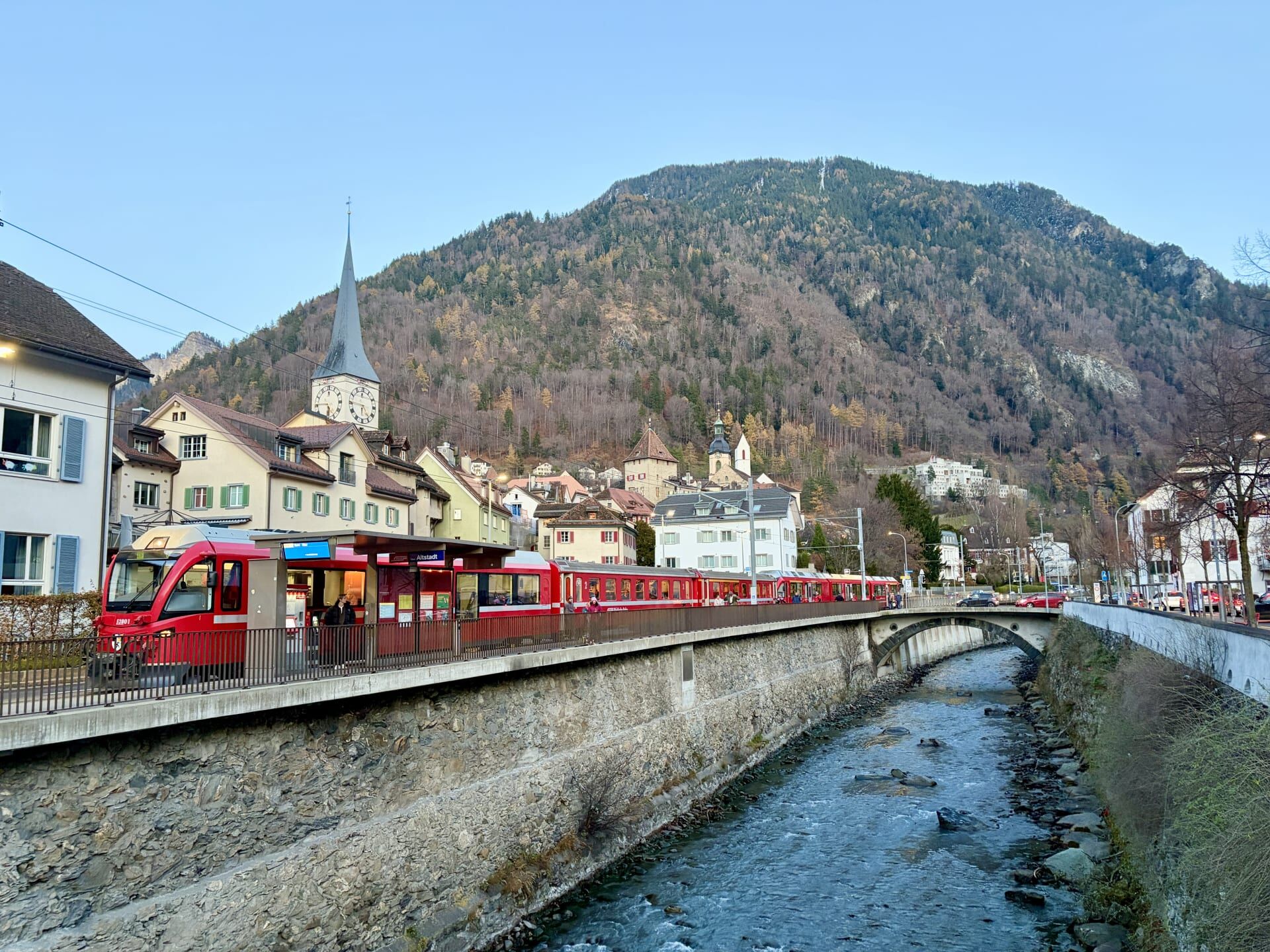
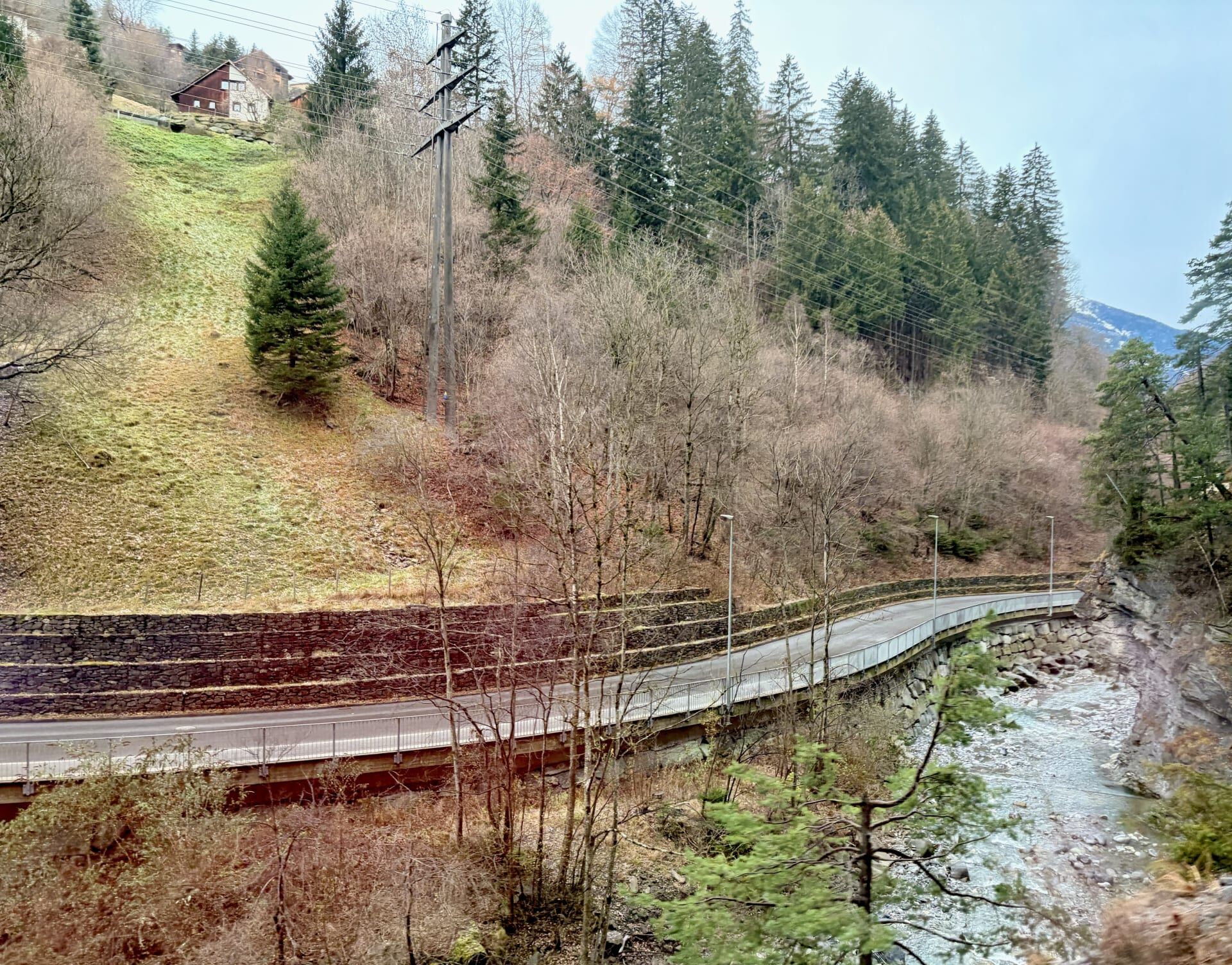
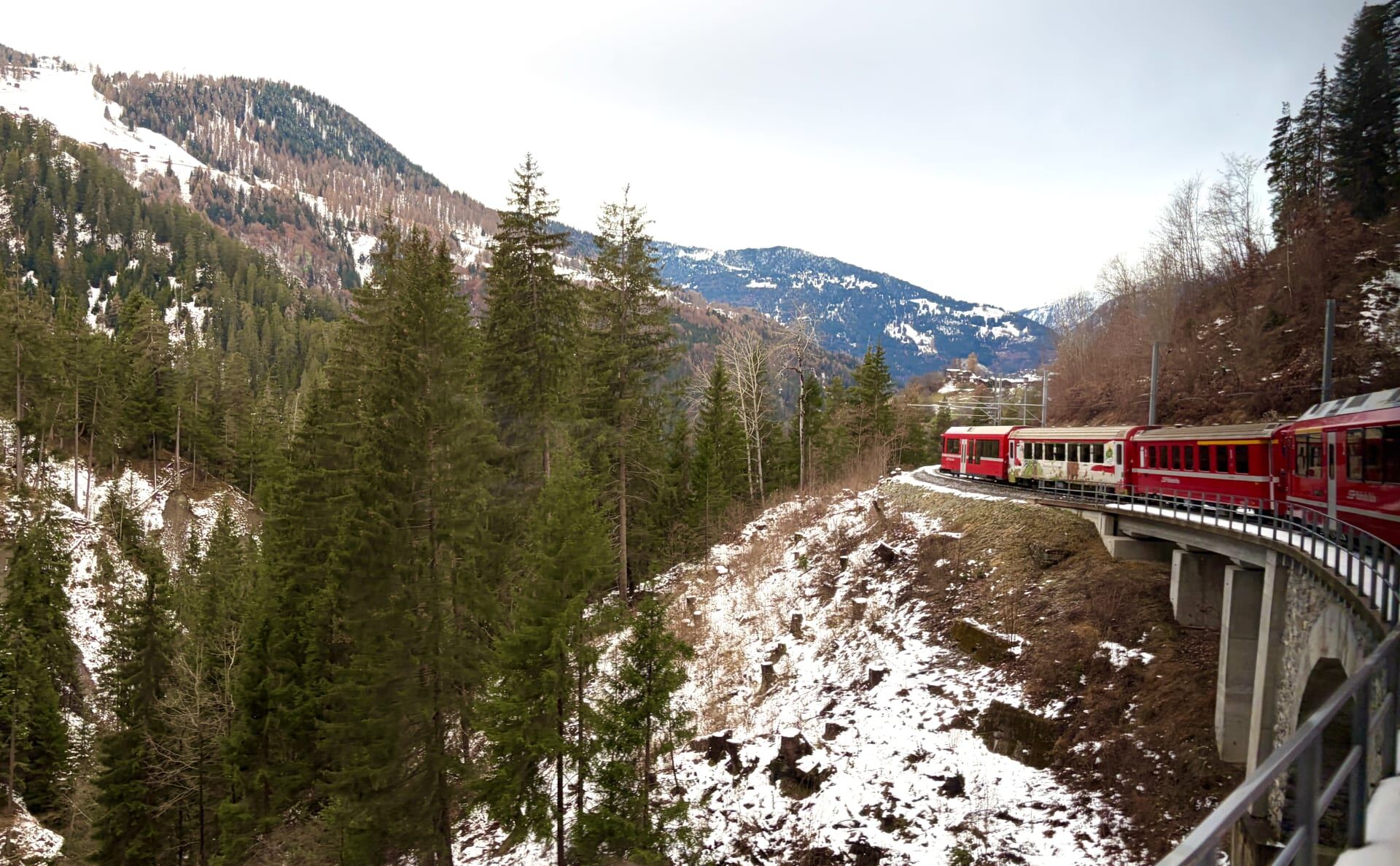
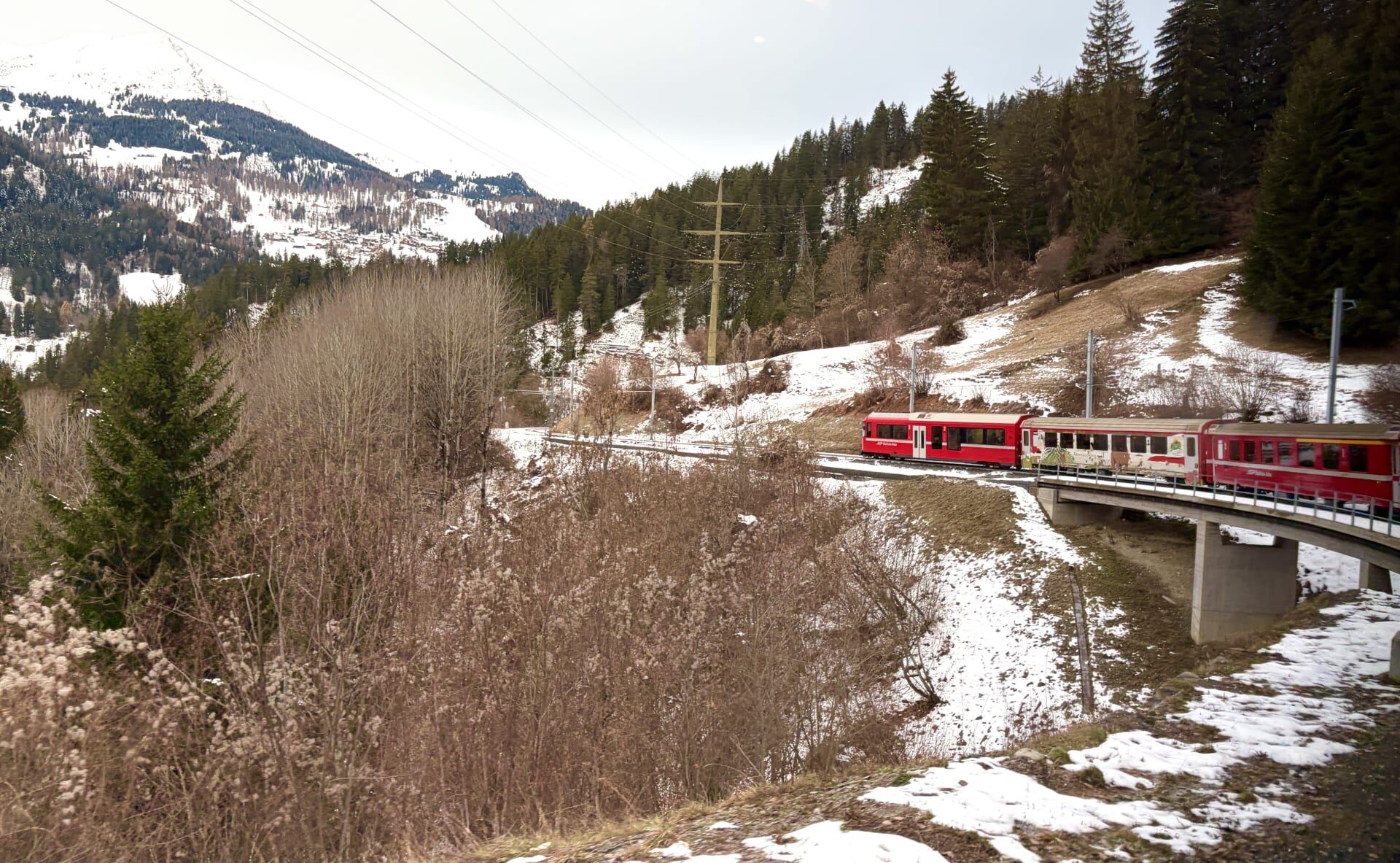
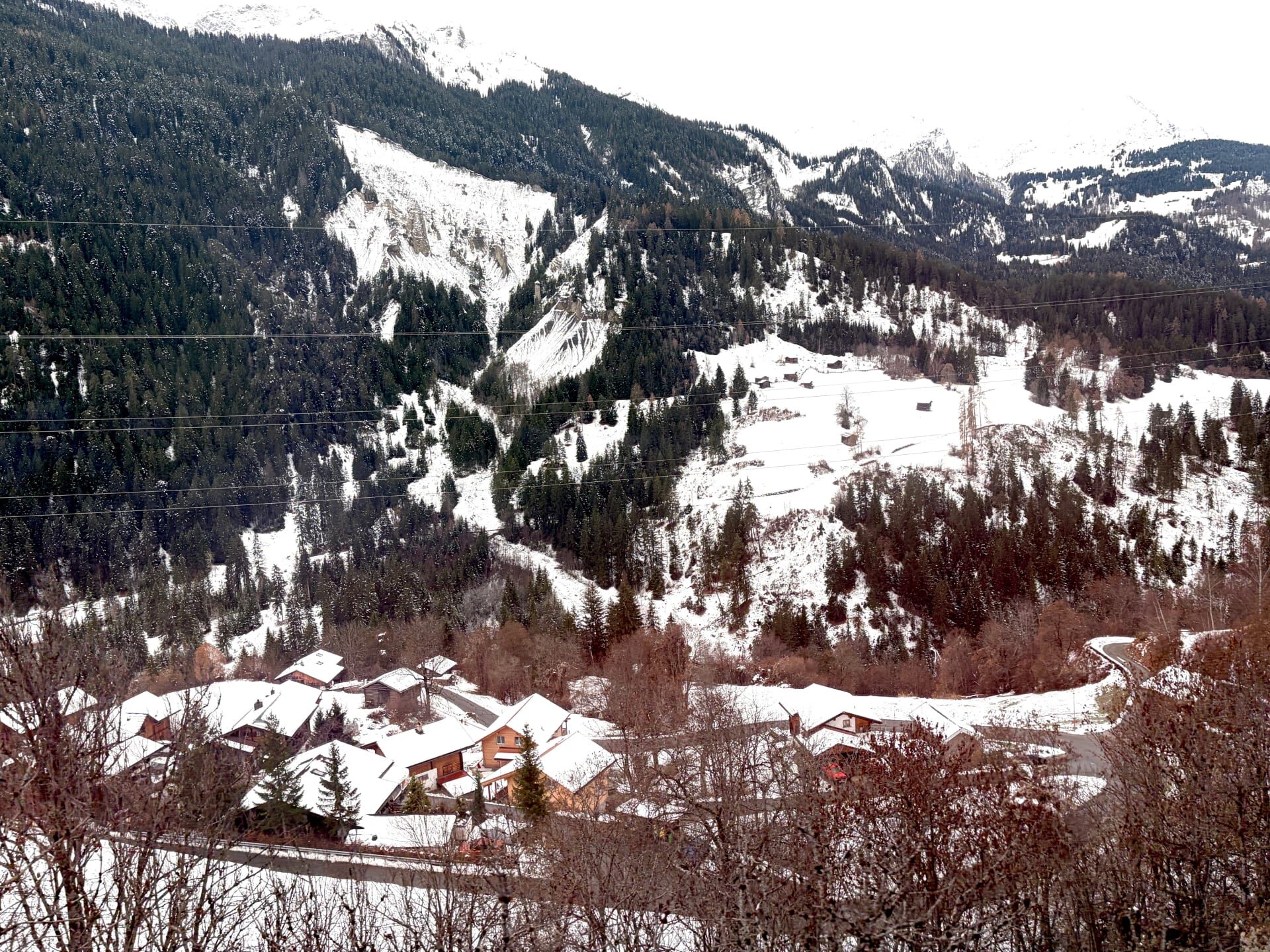
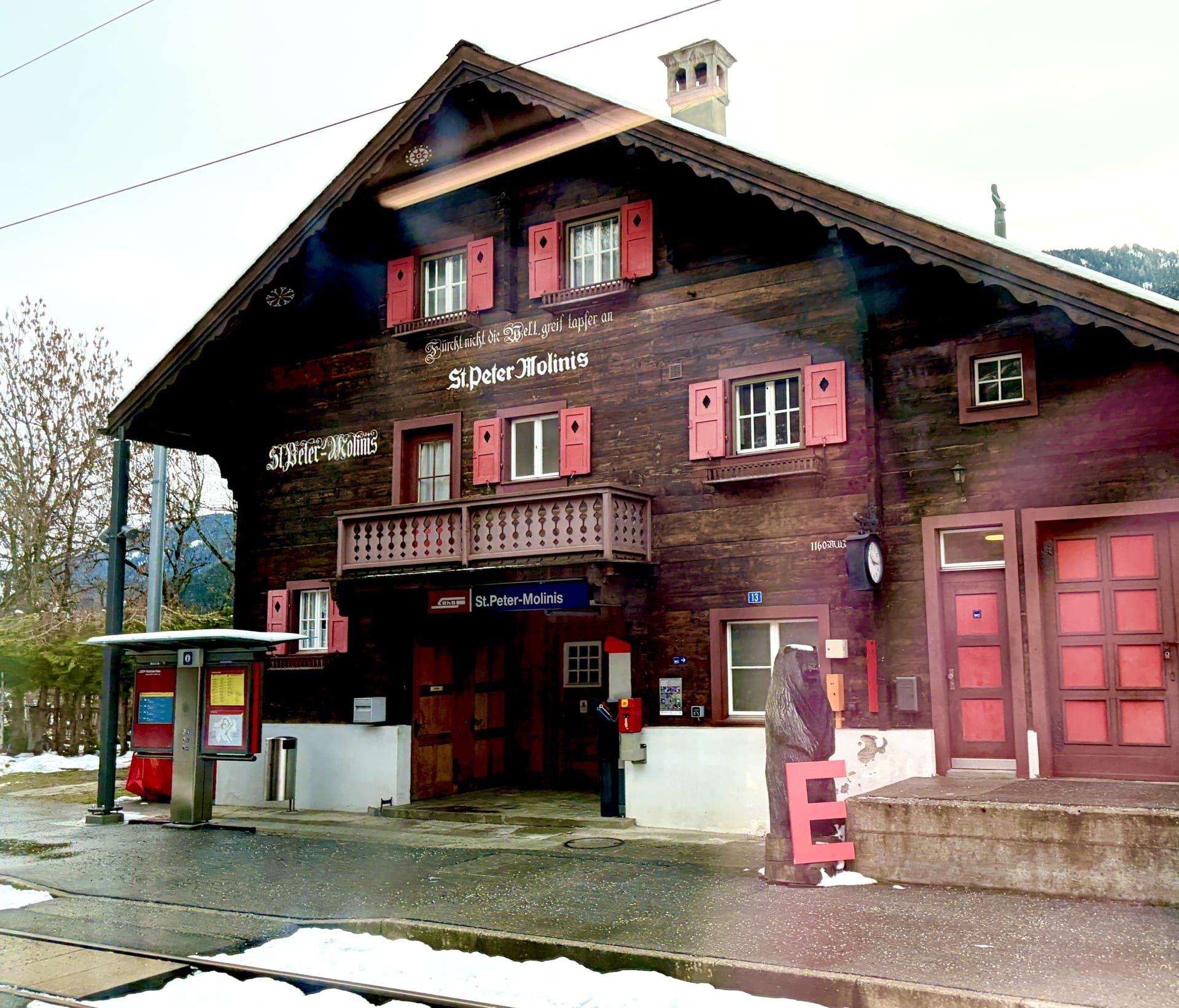
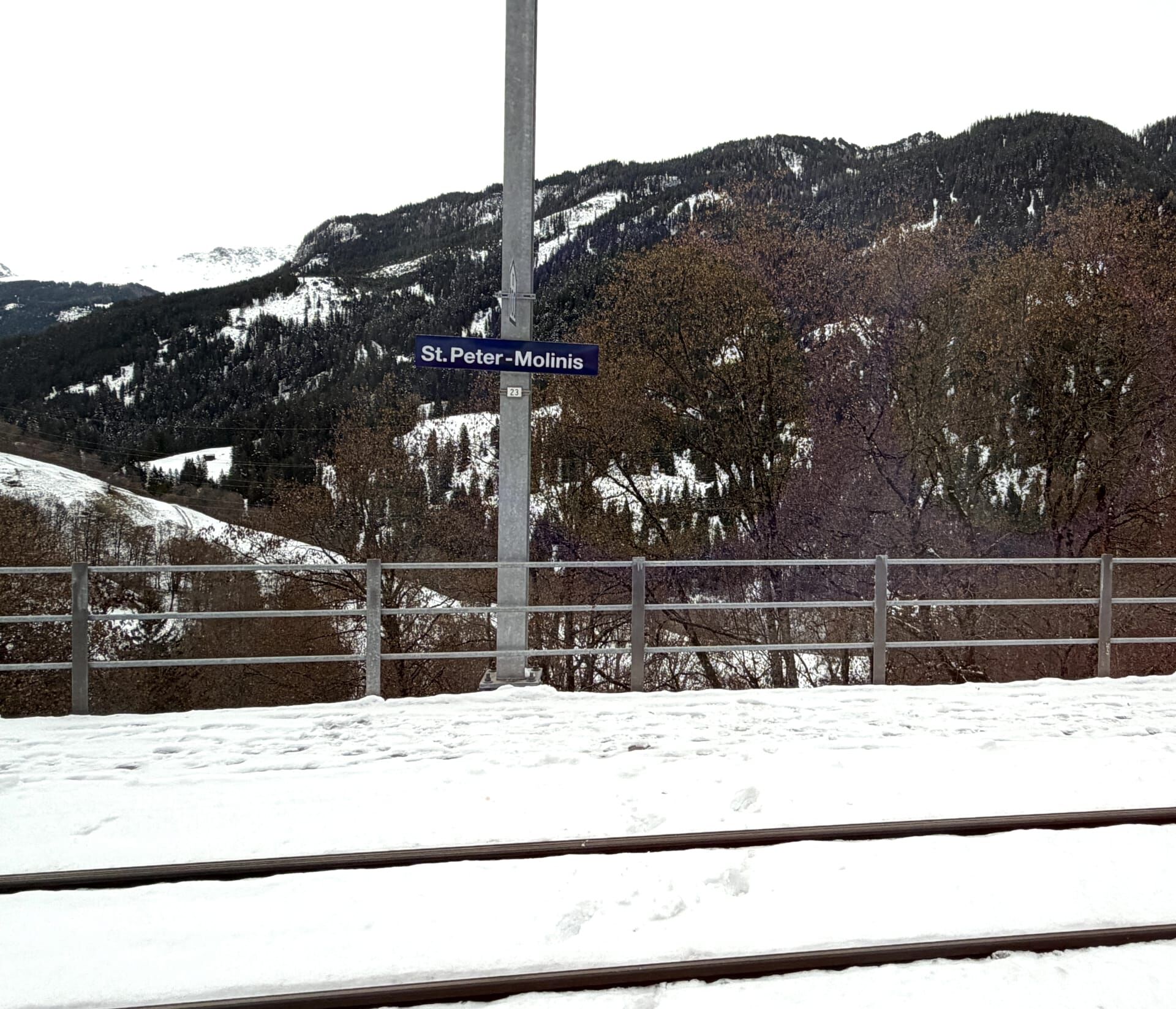
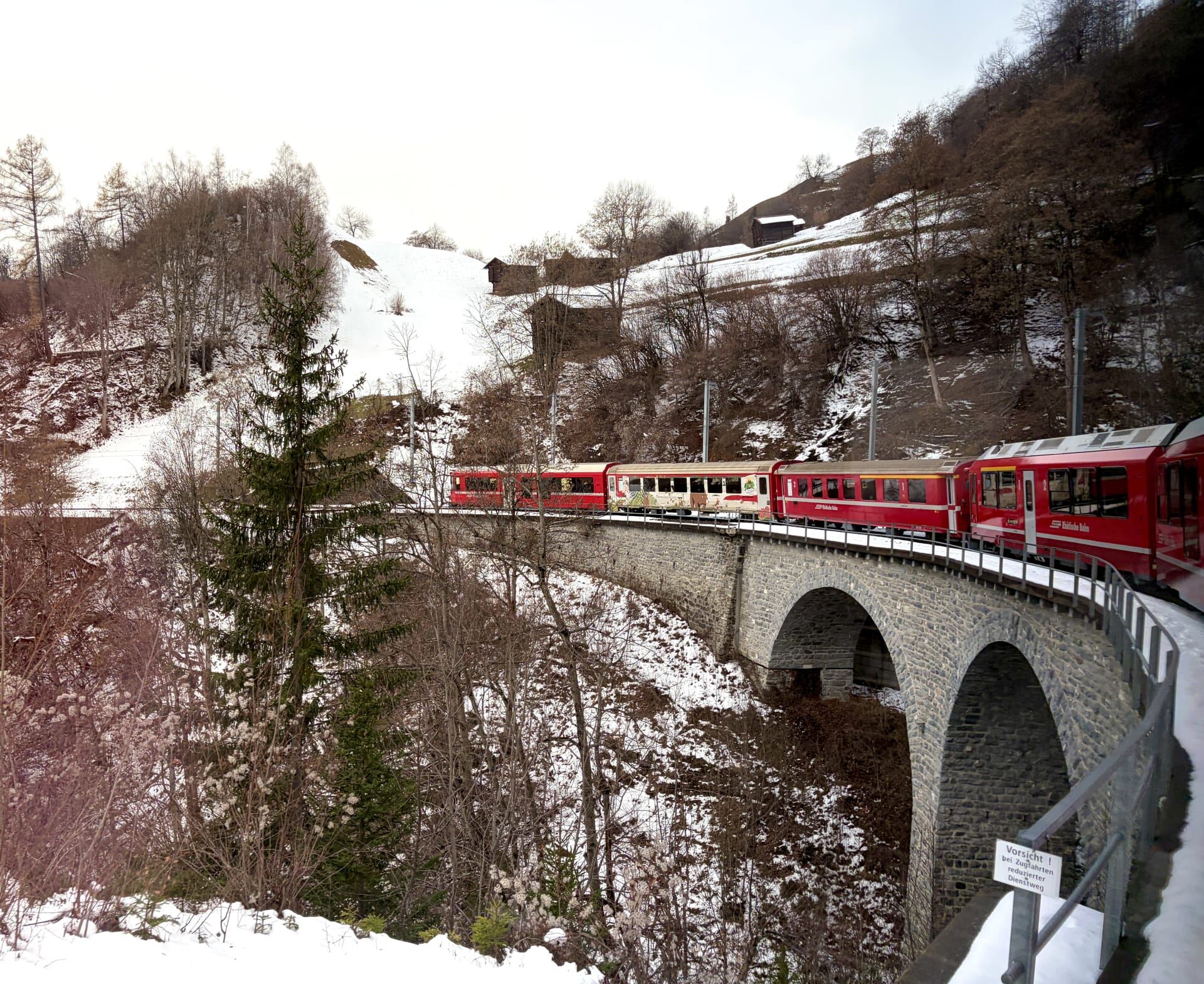
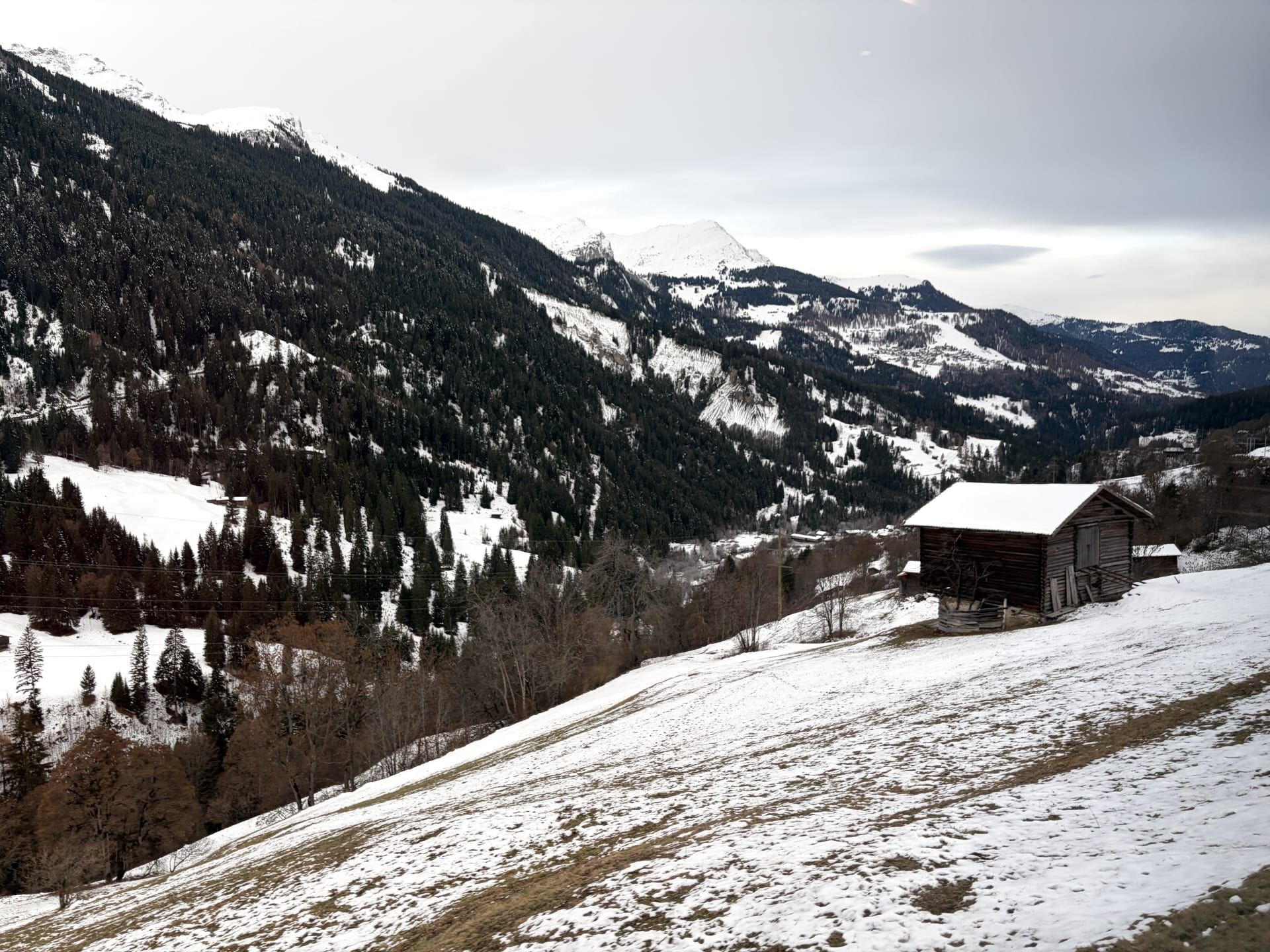
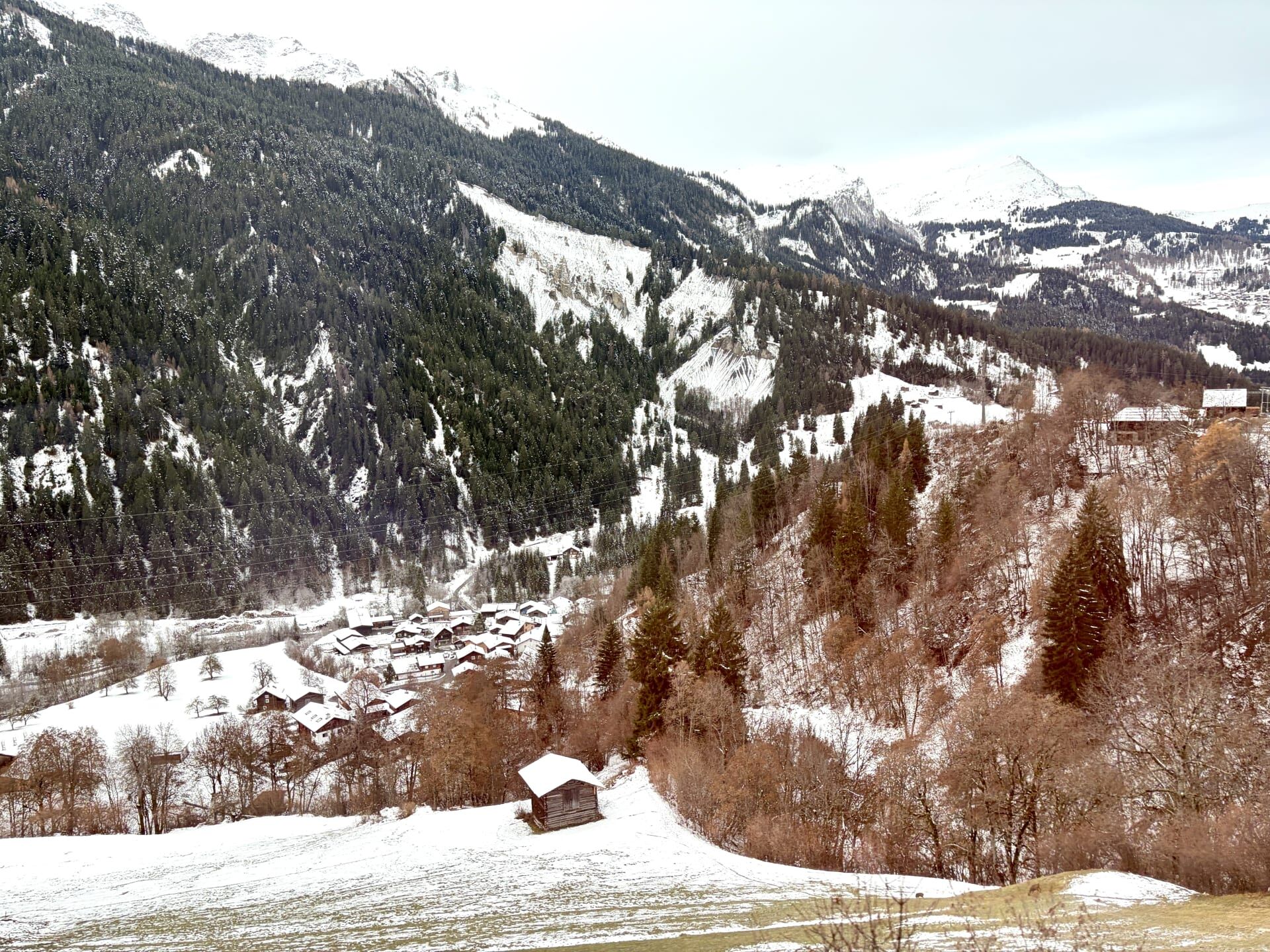
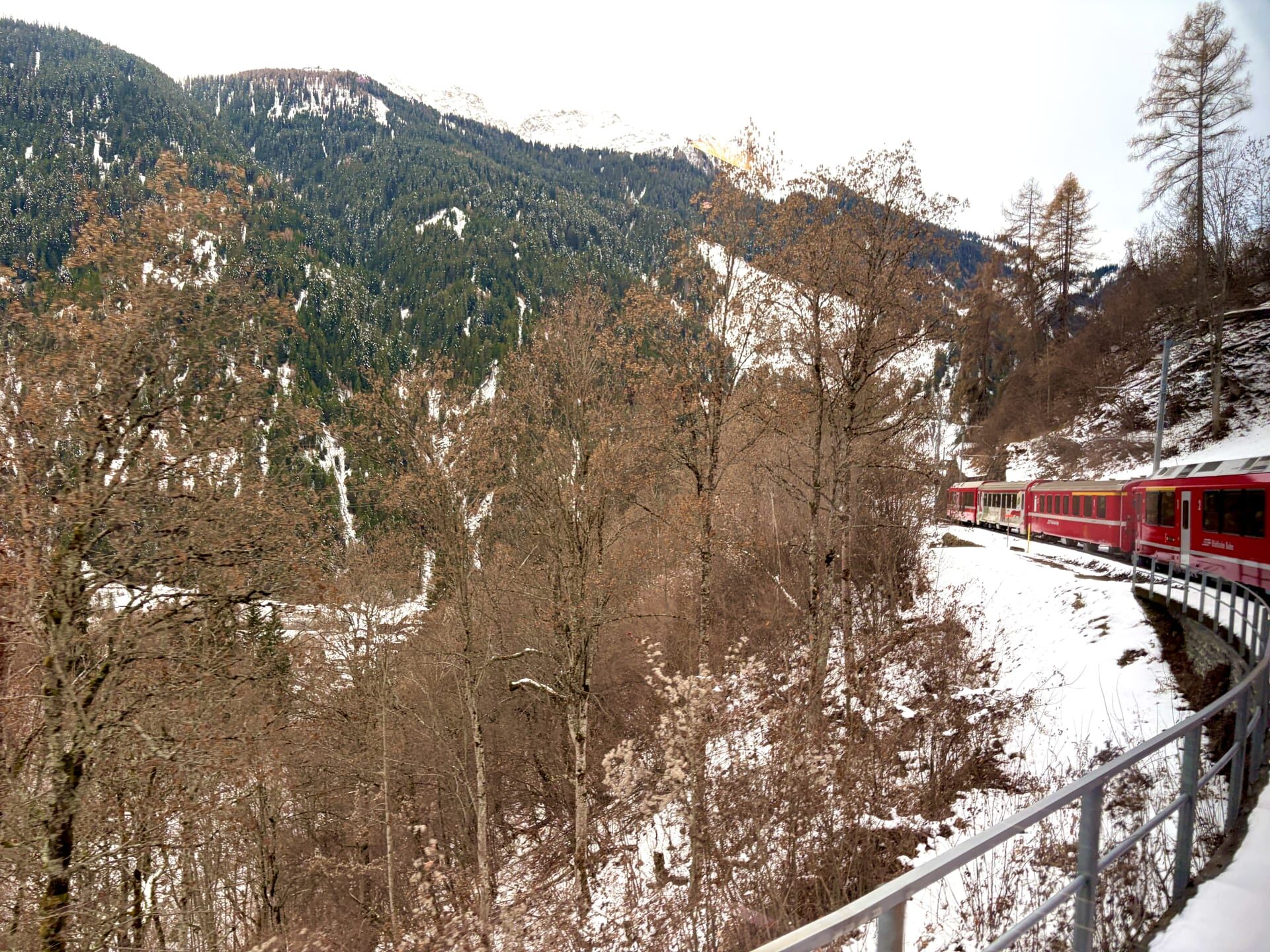
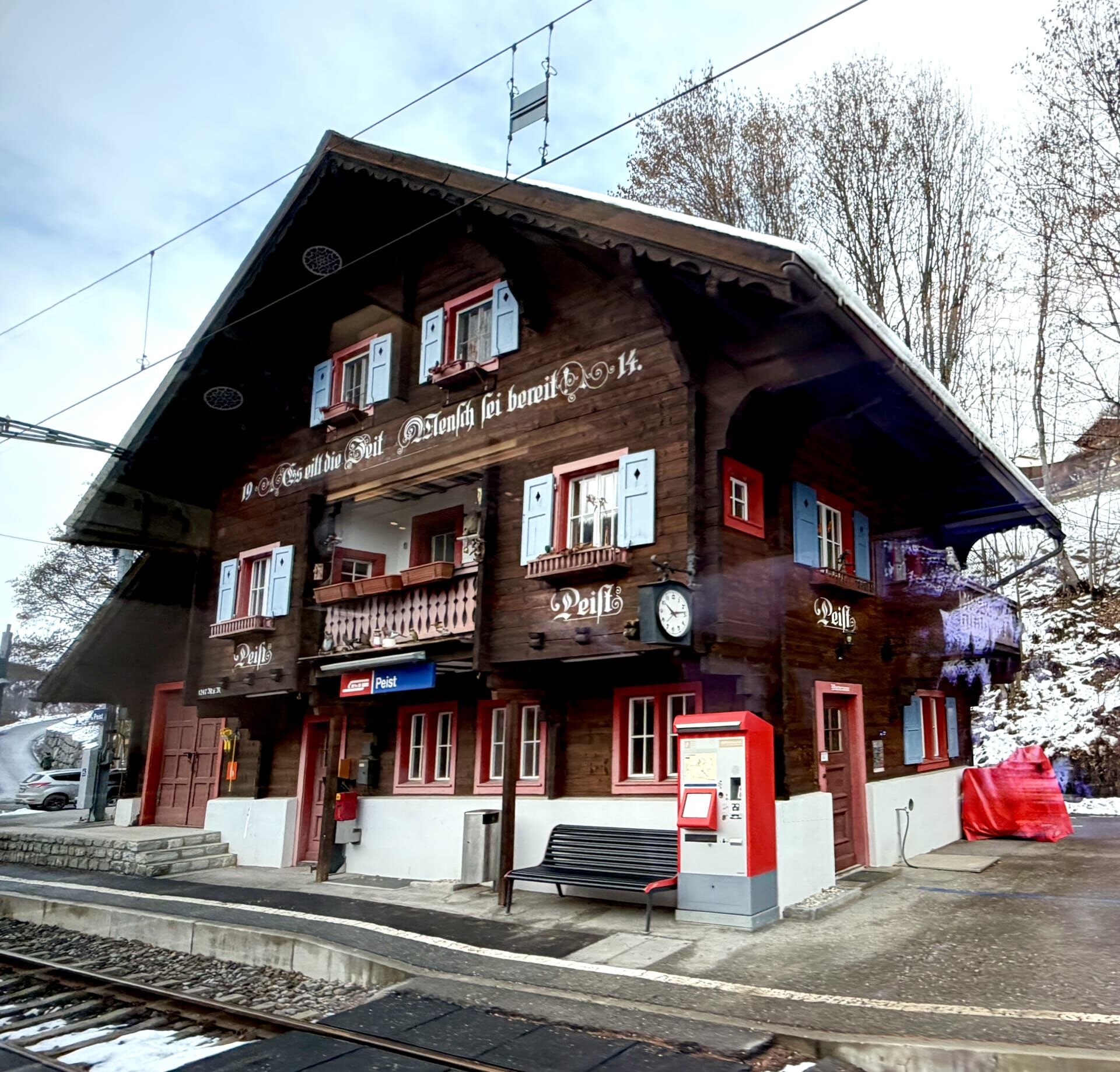
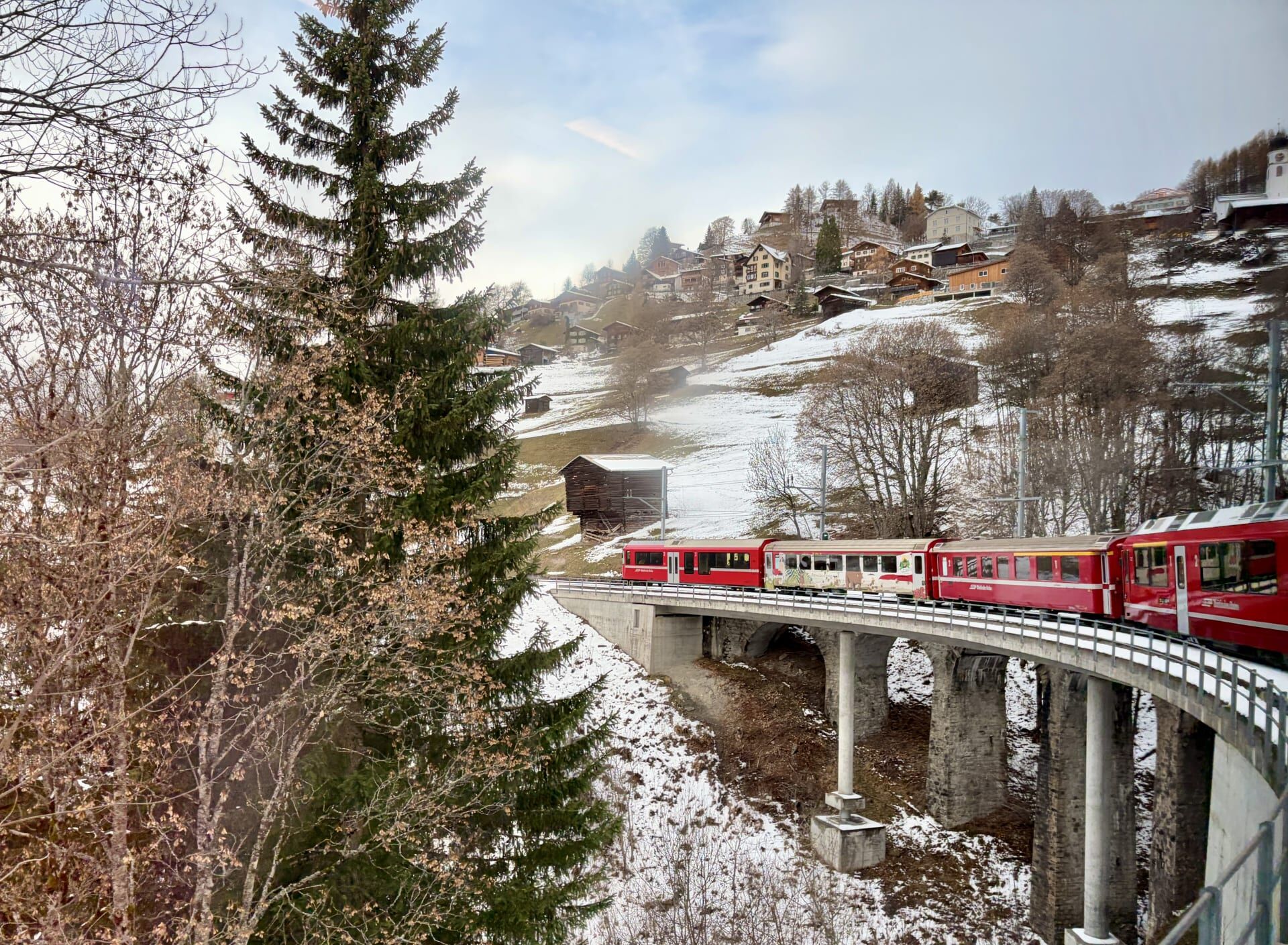
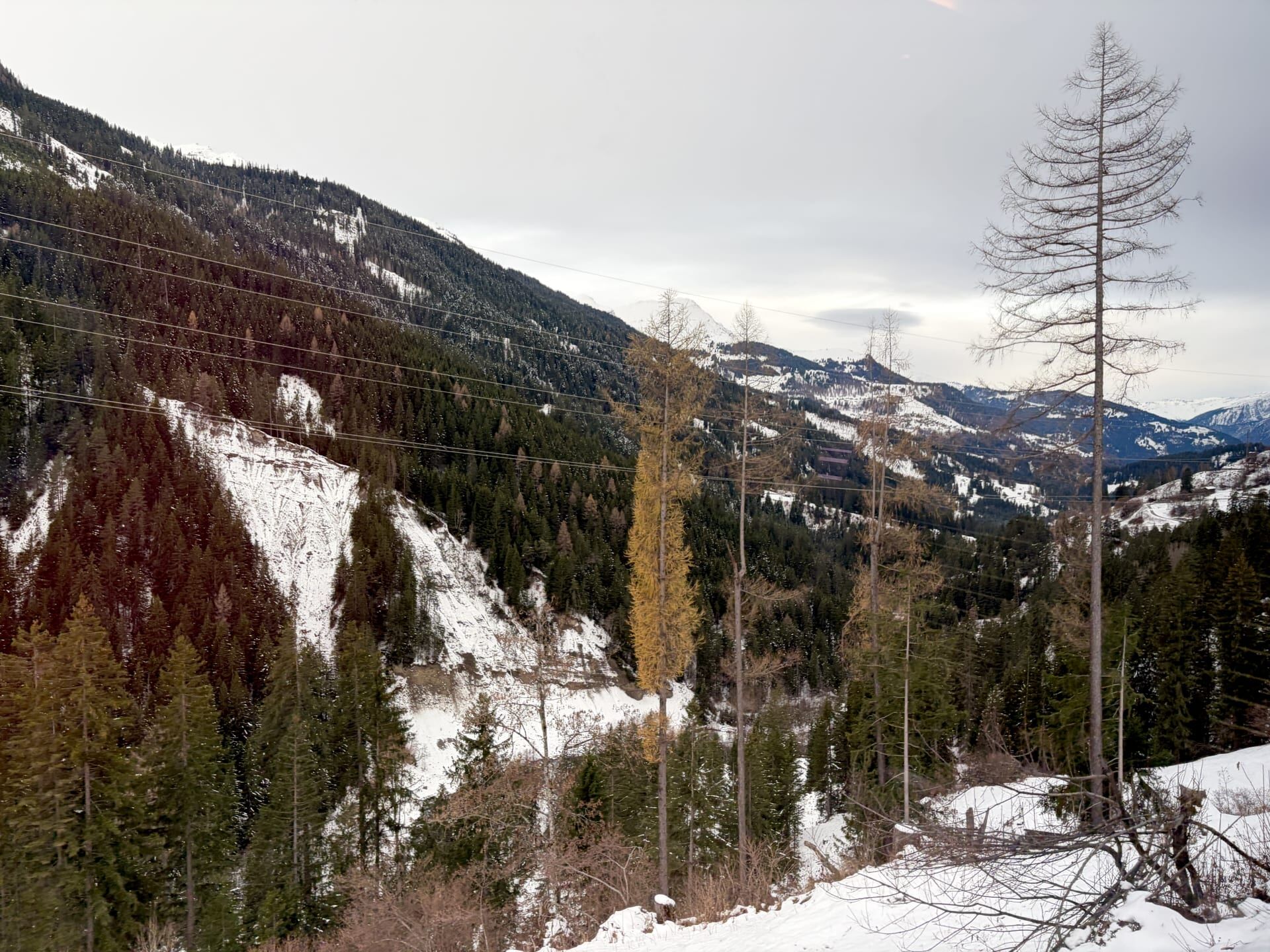
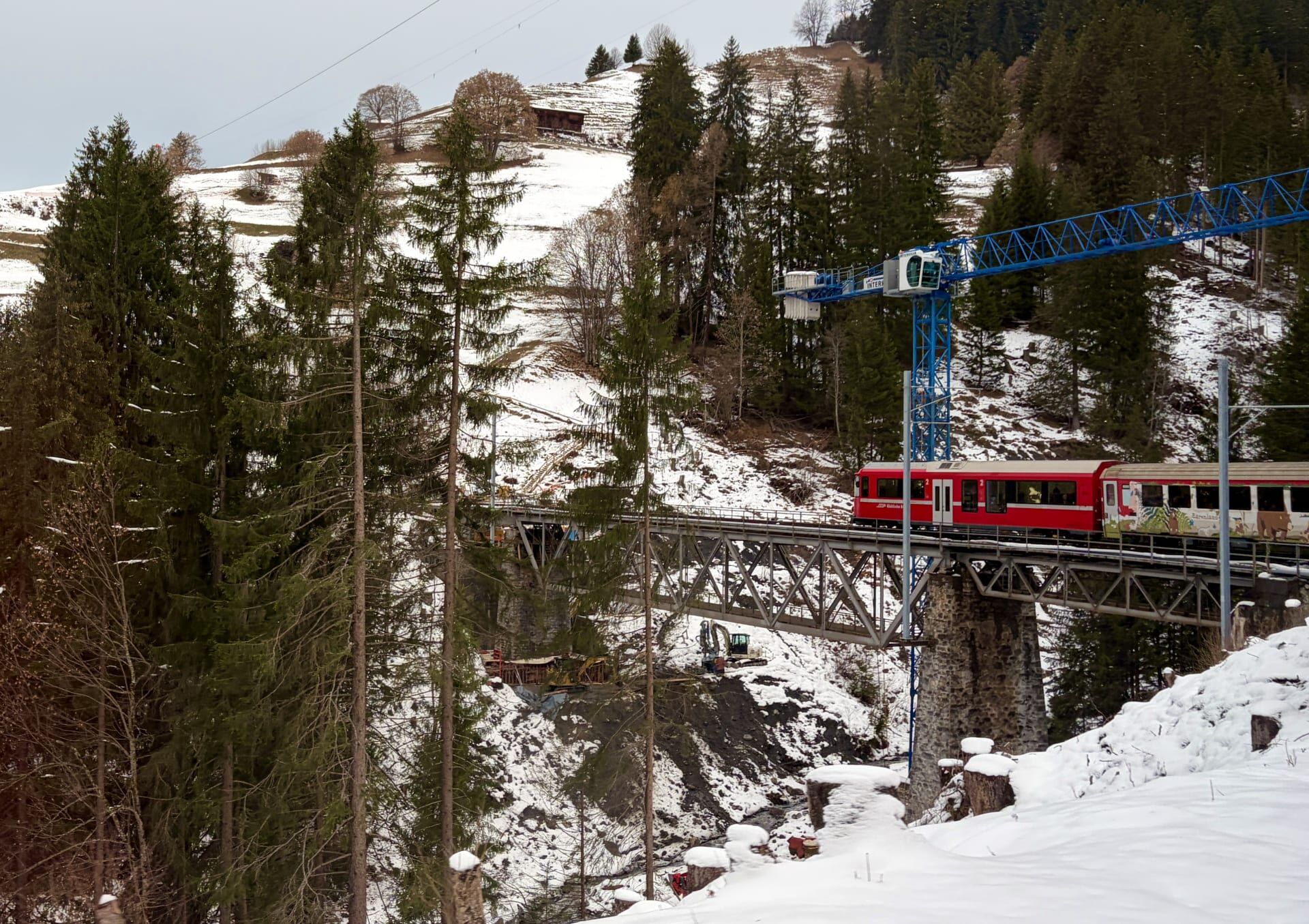
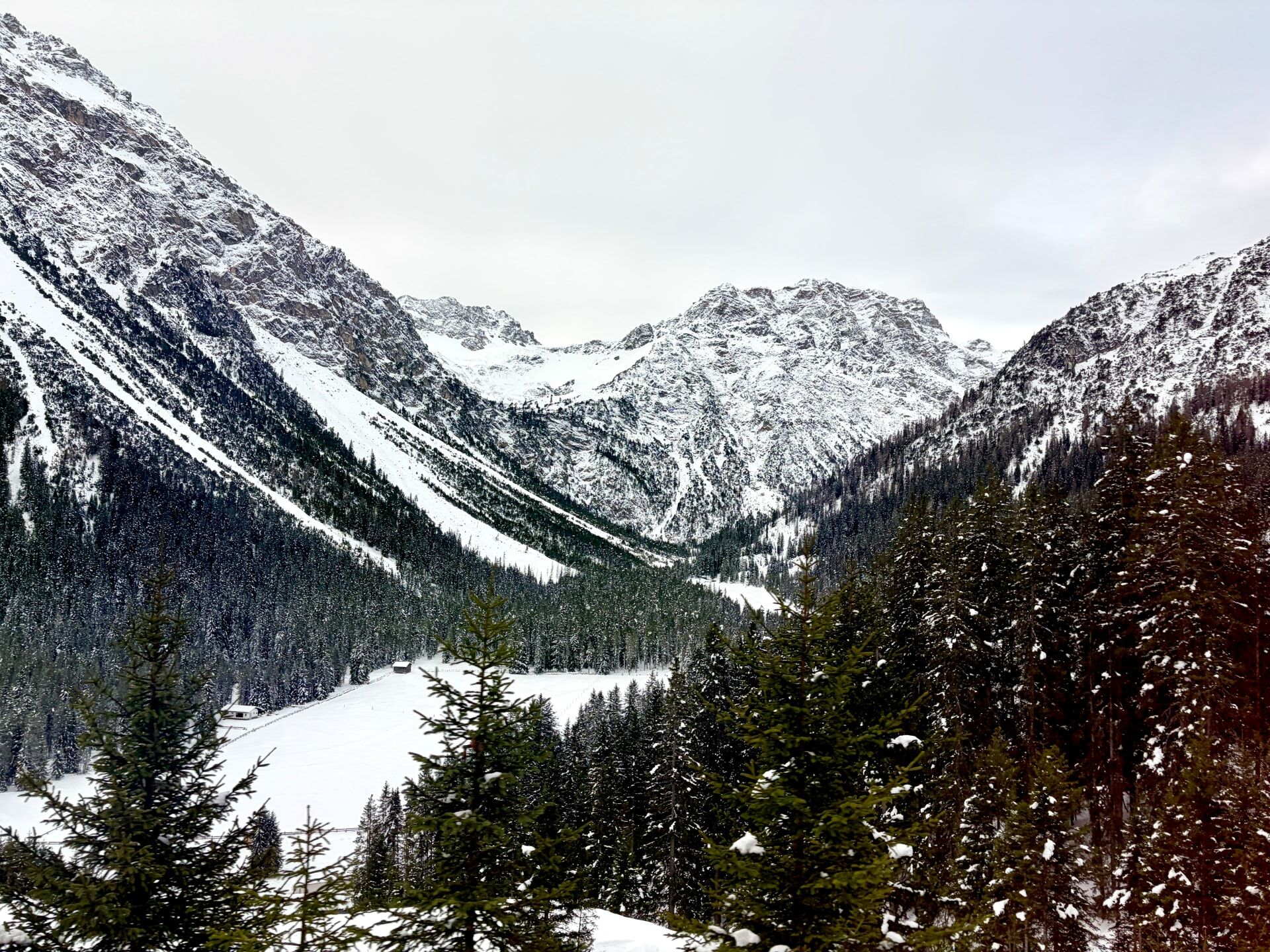
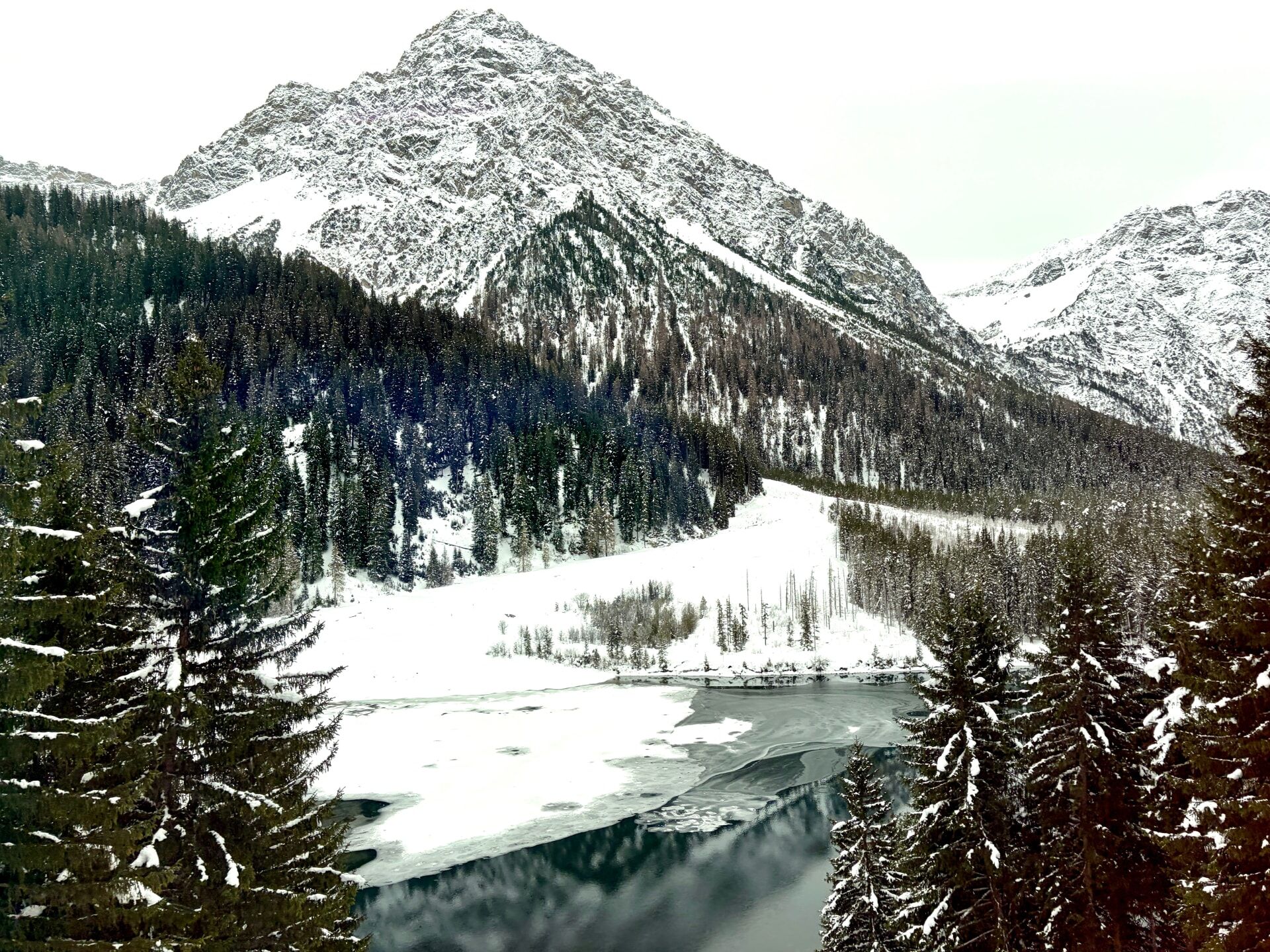
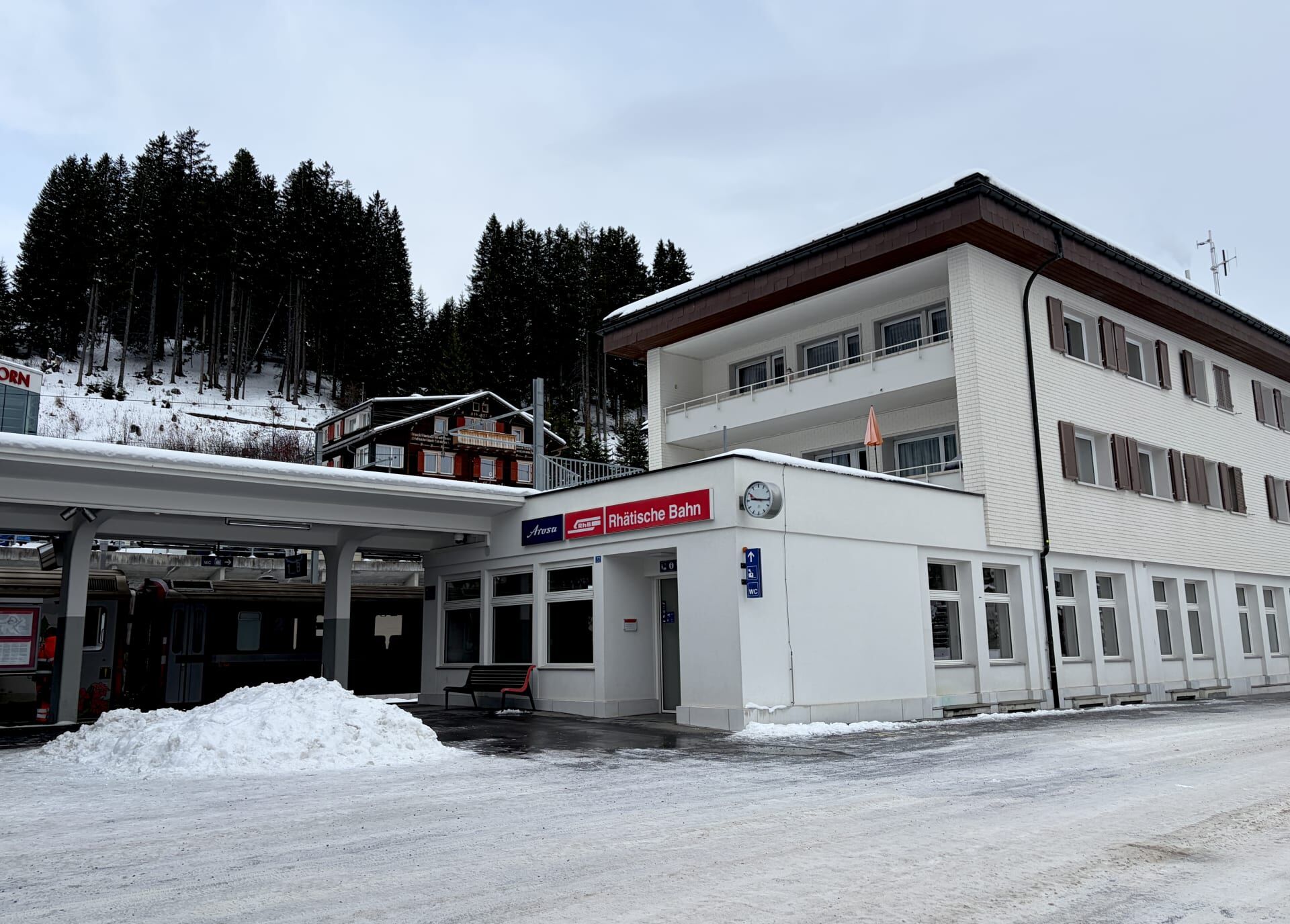
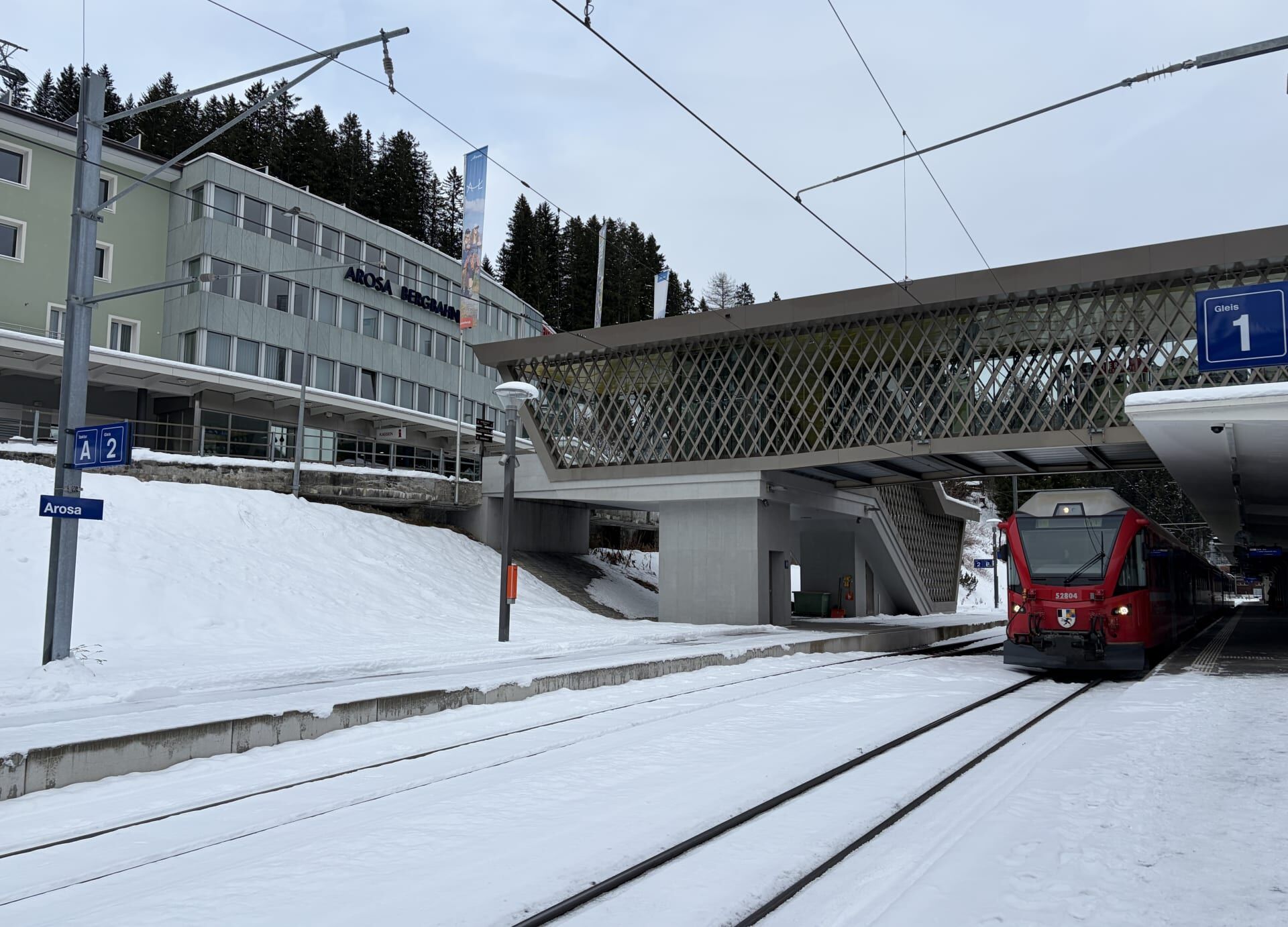
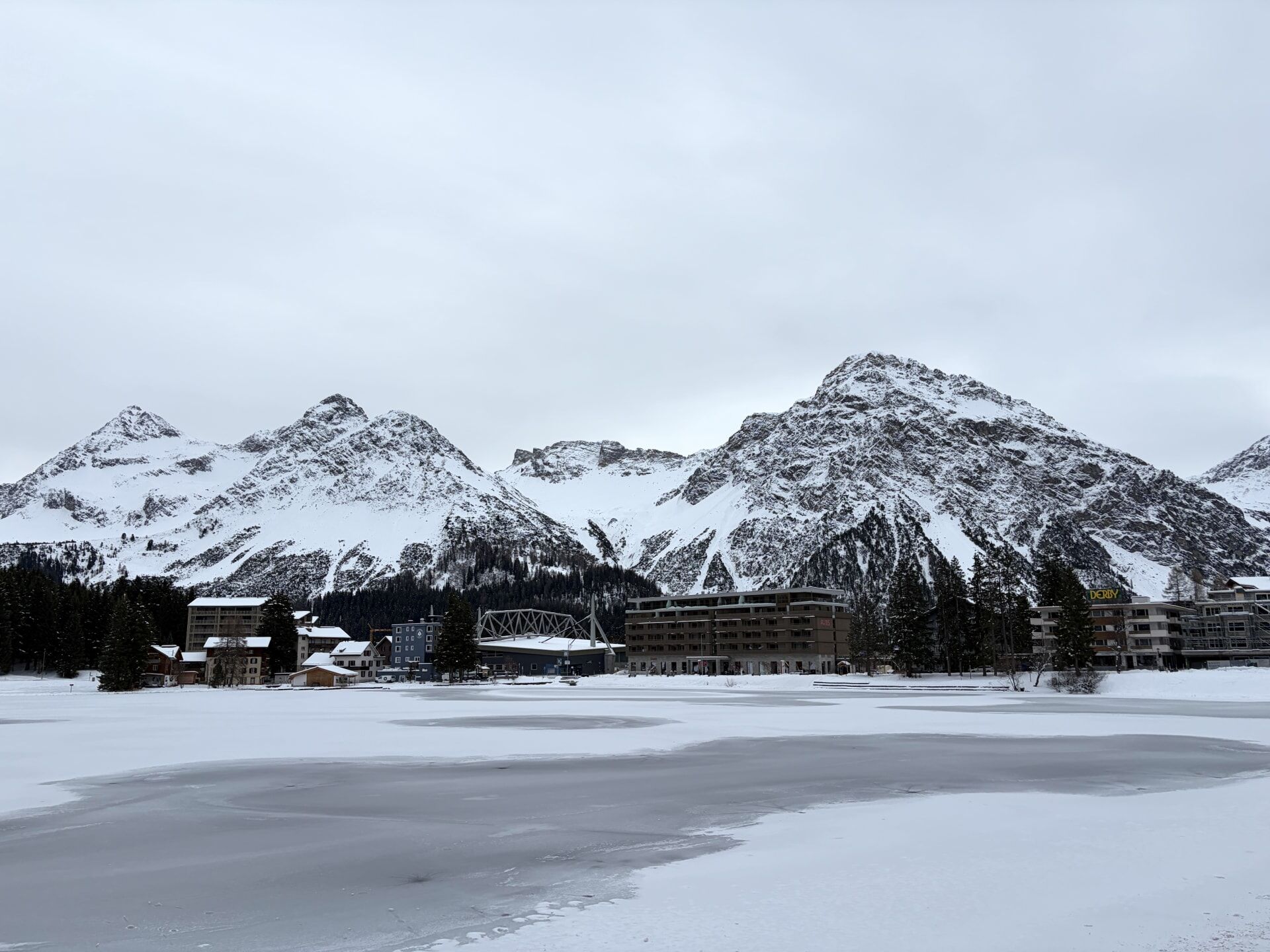
While it may not offer the same diversity of landscapes as some longer alpine routes, the Chur–Arosa Railway far exceeded my expectations. It was not a rail journey that I had seen recommended in too many places, yet at times, I found myself wondering if it might be the best train trip I’ve ever taken. That feeling didn’t quite hold, as the scenery, while undeniably beautiful, is somewhat repetitive, with its snow-covered forests and recurring curved viaducts. However, in the excitement of the moment, the thought certainly crossed my mind, and it remains a rail journey that I would rank among the five best I have ever taken. I highly recommend this route for the spectacular views high above the valley from the right-hand side of the train, its charming remote wooden stations, and the striking sight of the train sweeping across the line’s many curved viaducts.
Diccon Bewes, The Best Swiss Train Rides (Helvetiq, 2025) 205. ↩︎
Arosa Newspaper, 9 August 2013 (Online). ↩︎
Churer Magazin, ‘100 years of the Arosa Line: On 12 December 1914, the official train ran from Chur to Arosa’ (2014) 4. ↩︎
Albert Nagy, ‘RhB Arosa line (Chur - Arosa)’ (Online, albertbahn.hu); Bewes (n 1) 202. ↩︎
Churer Magazin (n 3) 4. ↩︎
Ibid. ↩︎
Ibid 5. ↩︎
Anthony Lambert, Switzerland: A guide to exploring the country by public transport (Brandt Travel Guides, 7th ed, 2023) 356. ↩︎
Ibid. ↩︎
Bewes (n 1) 204. ↩︎
Bin ünsch, ‘The Langwieser Viaduct: The art of railway engineering’ (Online, 2021). ↩︎
Nagy (n 4); Bence Hajós, ‘Roads and Bridges in Hungary’ (Association for Bridge Engineers, 2024) 34. ↩︎